
Related Posts

Montessori education is a child-centered approach that values the physical and social environment in which learning occurs. Therefore, the management of school facilities plays a critical role in creating positive Montessori learning communities. No matter who is directly responsible for managing your facility, the ultimate responsibility falls on the school leader’s shoulders. So when I read the following statement in the review of Facilities Management: What Really Matters: A Guide To The Human Aspect of Successful Facilities Management by Doug Pearson, it struck me.
“The ideal facility manager must have Aristotle’s logic and Solomon’s wisdom, a priest’s discretion, a gambler’s poker face, a lawyer’s shrewdness and a marketing director’s charm, a gladiator’s guts, a marathon runner’s perseverance and a sprinter’s speed, a leatherneck’s toughness and a dancer’s agility, lots of good luck and 30 hours per day.”
After reading this statement, I began to wonder: How well-equipped are we to understand the needs and tendencies of our buildings, grounds, and infrastructure?
Is this the area we spend the least time understanding and discussing, but it takes up gobs of our time when we least expect it? Are facility crises the bane of our professional existence?
Instead of getting overwhelmed with the heating system or the broken toilets, I reframed my thinking about the buildings, grounds, and infrastructure by intentionally looking at each of these things in light of the bigger picture – how does our attention to buildings, grounds, and infrastructure further our brand, nurture our educational programs, and adhere to our core values? This way of thinking about facilities management has helped me align our weekly walk-throughs, our monthly assessments, and even future thinking with who we are – a Montessori school that behaves in the best interest of our students.
Managing school facilities in a Montessori learning community requires a thoughtful and intentional approach. Using a matrix for intentional facilities management, and a time-oriented checklist, helps organize our attention, identify needs and resources, and strategize our action plan.

When we consider our facilities in alignment with our educational programming, we can find ways to manage the buildings and grounds that promote positive Montessori learning communities. For example,
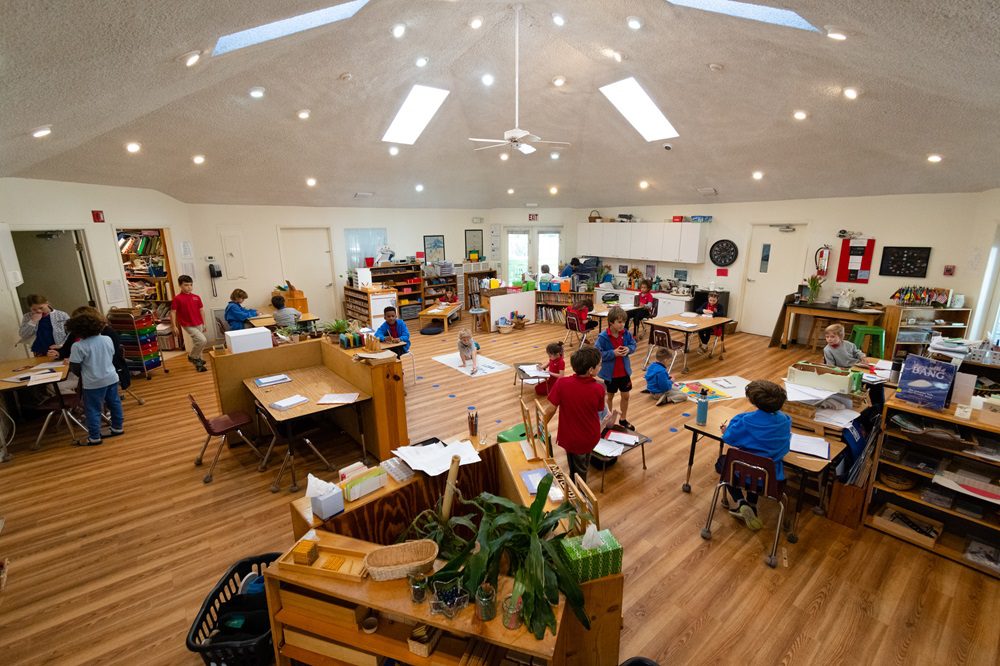
- Create an organized and safe environment: A well-organized and safe learning environment is essential to a positive Montessori learning community. Ensure that the facilities are clean, well-lit, and free from hazards. Labeling shelves, cabinets, and drawers with pictures or words can also help create a sense of order and organization.
- Provide opportunities for movement: Movement is a fundamental aspect of Montessori education. Create spaces encouraging children to move freely, such as large open areas, comfortable reading nooks, and cozy corners.
- Foster independence: Montessori education emphasizes independence and self-reliance. Create facilities that promote independence, such as child-sized furniture, accessible materials, and low shelves that allow children to easily access learning materials.
- Encourage collaboration: Montessori education also emphasizes collaboration and socialization. Provide opportunities for children to work together, such as creating group work and play areas.
- Incorporate nature: Nature plays an essential role in Montessori education. Incorporate natural elements into the learning environment, such as plants, natural lighting, and outdoor spaces.
- Communicate effectively: Effective communication is critical to managing school facilities in a way that promotes positive Montessori learning communities. Communicate clearly and consistently with parents, teachers, and staff members.
The functionality of our facilities is only as good as the health of the infrastructure. For example, when we manage to support functionality, we can explore these four areas.
- Buildings and infrastructure: Ensure that the school buildings and infrastructure are well-maintained, safe, and clean. This can be done by conducting regular inspections, identifying necessary repairs, and addressing them in a timely manner. Additionally, ensure that the buildings are accessible to all students, including those with disabilities.
- Janitorial services: Maintaining cleanliness and hygiene is critical to promoting a healthy and safe Montessori learning environment. Hire a professional cleaning service to ensure that the school is cleaned thoroughly on a regular basis, including classrooms, restrooms, and common areas.
- Roofing: The school roof is crucial to the building’s infrastructure. Make sure that the roof is well-maintained and that any necessary repairs are addressed promptly. A leaking roof can not only damage the interior of the building but also cause health and safety hazards.
- Interior and exterior painting: A fresh coat of paint can transform the look and feel of the school environment. Choose calming and soothing colors, and avoid bright and distracting colors. In addition to the aesthetic benefits, painting can also help protect the building’s surfaces and make them easier to clean.
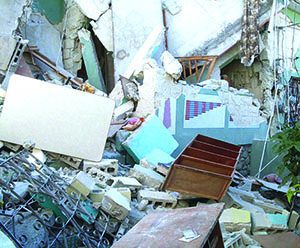
Anticipate and plan for emergencies. Brainstorm with professionals, families in your school, and others to solicit responses to weather, safety, and disastrous events. When our school was hit by Hurricane Ian and rain was coming through the roof, it was a parent who was able to rally a roofing company to quickly and efficiently tarp our roofs so we could stay open. When we had a termite infestation, our high school biology teacher helped me understand how common termites are in Florida. And when the school’s property got struck by lightning in the middle of the night, it was the alarm company that talked me through the process so I could help the firefighters address the issue quickly.
These experiences, and many more, have taught me to be ready to be a substitute custodian and be prepared to work overtime when emergencies arise to prevent disruptions. Funny to think that the tool bag of a school leader includes a plunger, drill, ladder, flashlight, and most importantly, speed dial to professional support services.