Related Posts



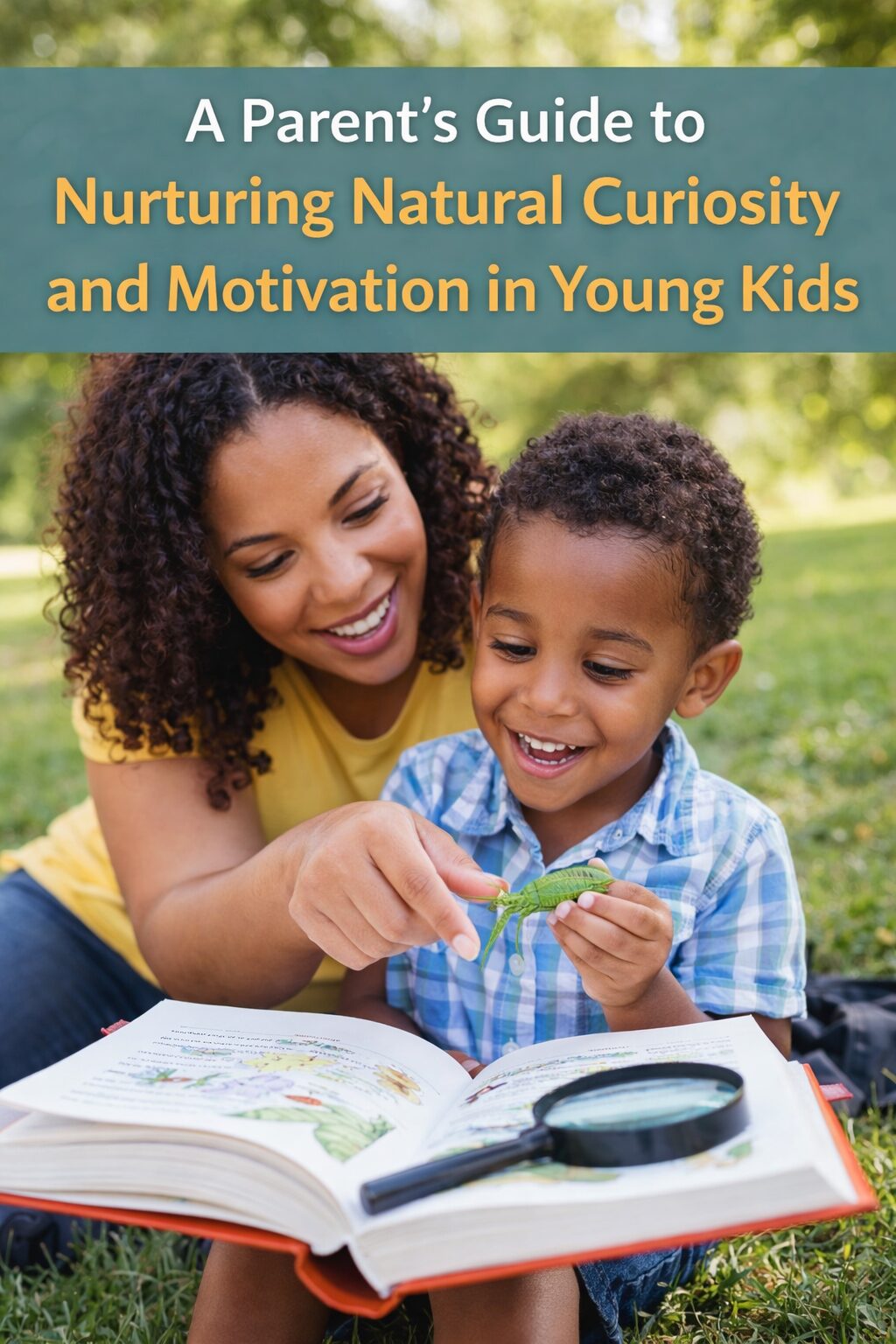
Parents of infants, toddlers, and preschoolers in San Francisco hear the “why?” questions start early, and the bigger challenge is keeping that spark alive once schedules, screens, and preschool pressure creep in. Many families feel torn between wanting to follow a child’s lead and worrying that too much freedom will look like “doing nothing,” especially when Montessori language and school choices add stress. Fostering curiosity in kids now shapes self-motivated learners who ask questions, try again, and learn without needing constant pushing. The payoff is a steady lifelong learning mindset with real early childhood education benefits that reach far beyond preschool.
Understanding Natural Curiosity and Self-Motivated Learning
Natural curiosity is an internal drive that prompts children to investigate, experiment, and ask questions simply because they want to know. Self-motivated learning is what it looks like in real life: your child chooses a challenge, sticks with it, and adjusts their approach without needing a running commentary from you. Montessori leans into this by trusting that discovery fuels development when adults guide gently rather than constantly direct.
This matters when you are weighing early education options because the goal is not “more workbooks.” The goal is for a child to focus, problem-solve, and feel capable, even when something is tricky. Over-directing can teach kids to wait for answers, which slowly shrinks initiative.
Picture your preschooler pouring water and spilling. Instead of fixing it fast, you offer a cloth, name the steps, and let them try again. That simple pause protects the discovery and curiosity that builds real confidence. With that clear, the next step is setting up spaces and time that make curiosity easier to practice.
Set Up a Curiosity-Ready Home in 30 Minutes a Week
A “curiosity-ready” home doesn’t need a playroom or a Pinterest-level setup. It just needs a few thoughtful materials and a small, protected window of time where your child can follow their own questions.
- Create one simple “yes shelf” at your child’s level: Pick a low shelf, basket, or tray and keep 6–10 items your child can use independently: board books, a small puzzle, stacking cups, chunky crayons, paper, and a few open-ended objects (scarves, measuring cups, safe lids). This supports self-motivated learning because the environment invites action without you having to direct every step. Aim for “easy to start, easy to clean up.”
- Stock for open-ended play, not entertainment: Choose educational toys and materials that can be used in many ways, such as blocks, simple musical instruments, animal figures, a magnifying glass, play-dough, or a small set of matching cards. Open-ended materials stretch attention because your child supplies the idea (very Montessori-friendly). Keep batteries and “one right way” toys as occasional options, not the default.
- Rotate a 3-activity “exploration menu” each week: In your 30-minute weekly reset, set out three hands-on invitations: one sensory (dry rice bin with scoops), one building (blocks + tape road), and one creative (washable paint sticks + paper). Put everything else away, so the room feels calmer and choices feel manageable. Rotation keeps novelty high without buying new stuff.
- Set up a tiny art station with built-in boundaries: Keep a small, consistent kit: paper, crayons/markers, glue stick, child scissors, and a wipeable mat or tray. The boundary is part of the freedom. “Art stays on the mat” is easier for preschoolers to follow than “Be careful.” When your child asks, “What should I make?”, offer a starting point like “Show me lines that look like rain,” then let them take it from there.
- Protect two weekly “curiosity appointments” on your calendar: Choose two repeatable times (even 15–25 minutes) when you’re usually home, after snack, right after daycare pickup, or before dinner. During that window, your job is to observe, narrate, and wonder out loud, allowing children to ask questions to keep the learning self-driven. Think “I notice you’re testing what fits… what do you think will happen if…?”
- Use a busy-parent scheduling shortcut: plan the week in 3 lines: On Sunday night, write: (1) your two curiosity appointments, (2) one errand/activity that can double as learning (farmers market sorting, bus ride map talk), and (3) one “easy day” backup (books + drawing + free play). If your child is preschool age, involve them and discuss their thoughts on what feels doable; buy-in reduces power struggles. This small plan protects consistency during packed weeks, guided by kid-priority habits.
A little environment plus a little time adds up, especially when you’re focusing on independence, choice, and follow-through. In busy seasons in San Francisco, these simple structures keep curiosity doable on ordinary days.
Curiosity-Building Habits You Can Repeat Weekly
Habits matter because they turn “we should explore more” into something you can actually sustain. If you’re comparing Montessori early education options in San Francisco, these routines also help you notice what truly engages your child over time.
Ask One Real Wonder Question
- What it is: Ask one “I wonder…” question and pause long enough for your child to answer.
- How often: Daily
- Why it helps: It models curiosity without turning play into a quiz.
Catch and Name the Effort
- What it is: Use positive reinforcement by naming the effort you saw, not the outcome.
- How often: Daily
- Why it helps: Kids repeat learning behaviors that feel noticed and safe.
Follow the Fascination for Three Days
- What it is: Choose one interest and support it with books, objects, and simple experiments.
- How often: Weekly
- Why it helps: It builds deeper focus and connects ideas across activities.
Do a Two-Minute “Teach-Back”
- What it is: Invite your child to show you how something works using their own words.
- How often: 3 times weekly
- Why it helps: Explaining strengthens memory and confidence.
Mark a 66-Day Streak
- What it is: Track one tiny routine, since the 66-day timeline helps set realistic expectations.
- How often: Per new habit
- Why it helps: You stay consistent long enough to see real change.
Common Questions Parents Ask About Curiosity
Q: How can I encourage my child’s natural curiosity without feeling overwhelmed by all the learning options?
A: Pick one “anchor” interest for the week and ignore everything else. Create a tiny menu: one book, one hands-on item, and one outing or conversation starter tied to that interest. When you limit choices, you protect your energy, and your child still gets rich exploration.
Q: What are effective ways to keep learning fun and engaging for my child at home?
A: Follow your child’s lead and aim for short, repeatable invitations like sorting, pouring, building, or drawing. Rotate only a few materials on an open shelf so your child can choose independently without making a huge mess. End activities while they still want more so curiosity stays bright.
Q: How do I balance giving my child structure while allowing them to explore their own interests freely?
A: Use a simple rhythm: predictable times for meals, rest, and getting out the door, plus a daily block of child-chosen work or play. Offer two clear options and one boundary, such as “You can paint or build, and materials stay on the mat.” This keeps your child safe while letting their preferences guide the learning.
Q: What are some simple activities that can help my child develop a love for learning every day?
A: Try practical life tasks that feel real: washing produce, folding towels, watering plants, or matching socks. Keep a “question jar” where you write down their wonders and look up one answer together each day. For organization, store printable activity sheets in a single folder and combine them into a single PDF using a free online PDF merger for easy printing. Those interested in getting more info can click here for more info on adding pages to a PDF.
Q: How can Montessori early education in San Francisco support my efforts to nurture my child’s self-motivation and curiosity?
A: Look for programs that treat children as capable and give them time to choose meaningful work, since the Montessori method emphasizes self-directed learning. Ask how teachers observe each child’s interests and then prepare the environment to invite deeper exploration. Strong Montessori classrooms also prioritize independence and discovery, aligning with learning that supports curiosity and intrinsic drive.
Make One Simple Shift to Grow Everyday Curiosity
When parenting little ones, it’s easy to worry you’re not “doing enough,” or to get stuck between structure and letting kids explore. The steadier path is a curiosity-first mindset: notice what your child wonders about, offer simple support, and trust your parental role in education to guide rather than control. Families who keep nurturing children’s curiosity this way tend to raise encouraging lifelong learners who try, question, and bounce back. Curiosity grows when kids feel safe asking, trying, and changing their minds. Choose one learning support technique to apply this week, refresh a small shelf of materials, or follow one question all the way to a book, a walk, or a quick chat. These small motivational strategies for parents build resilience and connection that last well beyond preschool.
Charlene Roth is the founder of Safetykid.info, a resource dedicated to helping parents and caregivers create safe, engaging, and skill-building environments for children. With a focus on practical advice and family-friendly projects, Charlene is passionate about fostering creativity and teamwork within the home while ensuring the well-being of every child.