Related Posts
By Jennifer Iamele Savage
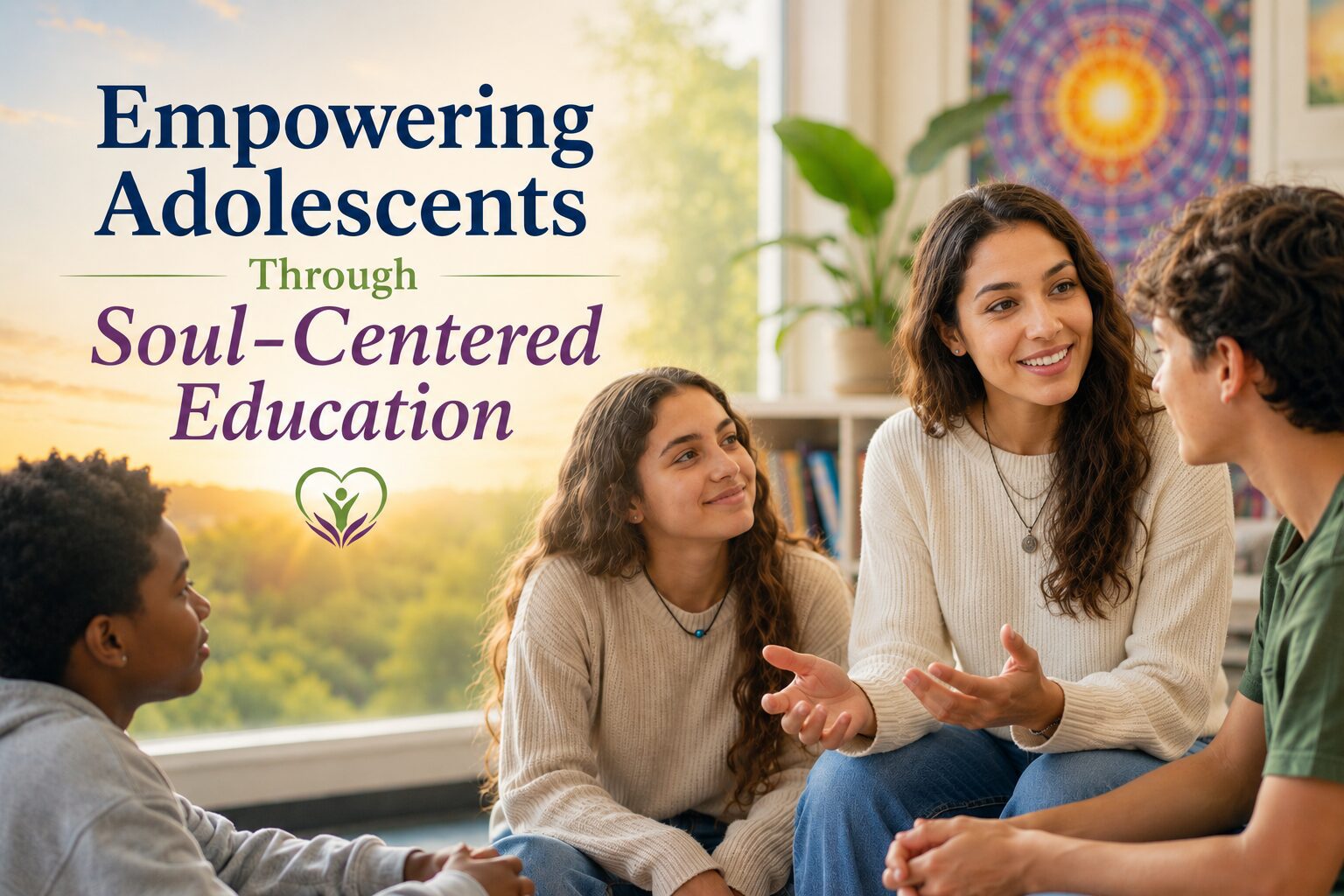
Awkwardness, mood swings, selfies & hashtags—today’s adolescent culture is one that many do not understand. In fact, adolescence has long been a misunderstood stage of development. Bridging the period from childhood to adulthood, adolescents undergo so much physical growth that many assume they have experienced mental and emotional growth as well; however, their brains have not kept pace with their big bodies. Children have not seen this much growth since their first year of life, and in many ways, their actions and reactions can be equated with those of toddlers. Ask any parent of a teen, what seems like a meltdown or a tantrum very much exists at this stage. They are testing boundaries, and while they crave their independence, they also desire others in their lives to help them form their identity.
Secondary Montessori Philosophy
Dr. Maria Montessori compared the onset of adolescence to a sort of rebirth. Even though they are experiencing large growth like toddlers, they should never be infantilized. She said, “The adolescent must never be treated as a child, for that is a stage of life that he has surpassed. It is better to treat an adolescent as if he had greater value than he actually shows than as if he had less and let him feel that his merits and self-respect are disregarded.” Montessori’s words from the early 20th century could not be truer today. In this technology-crazed, selfie-obsessed society, adolescents need a place where they can develop their souls while not crushing their spirits.
Soul Centered Education
Soul, spirit, peace, and love are not words that are typically associated with secondary schools, and yet, arguably, now more than ever, these words should not be absent from any organization, especially education. Montessori schools seem to attract what author Chick Moormon refers to as “spirit whisperers” and help develop what the late founder of the Passage Works Institute, Rachael Kessler, called “the soul of education”. Montessorians believe in developing the whole child and respecting their physical, emotional, and spiritual needs. This type of environment empowers children and fosters autonomy.
Montessori Middle School Model
Many Americans believe that Montessori schools are just for early childhood. Nowadays, it is more common to see Montessori schools run through 6th grade, but the middle school model is still fairly new. Although she had developed the theory behind secondary schools, Maria Montessori never lived to see them exist. Dr. Betsy Coe, the late and great director of the Houston Montessori Center and Principal of School of the Woods in Houston, has devoted a major part of her life to studying this period and creating a program that is developmentally appropriate for today’s adolescents while maintaining the integrity of Dr. Montessori’s philosophy. The middle school Montessori model builds off of the previous Montessori years but
allows for the significance of their developmental transition. Students are organized into
multi-aged cohorts (7th and 8th) that function as a community, and Montessori schools promote peace through mindfulness training, opportunities for personal reflection, and service learning. Dr. Montessori envisioned schools as places where students learn practical life skills, and at the secondary level, truly become “children of the earth” (“Erd Kinder”). Consequently, Montessori middle schools include an environmental component in which students learn about sustainability, stewardship, and the transcendental power of nature. All curricular work is organized thematically and in an interdisciplinary way to mirror the interconnectedness of real life.
Students are given long blocks of time to complete work in an order of their choosing, and they have leadership opportunities through school-wide or community-based internships and the chance to lead meetings for their peers. Some of the main aims of the Montessori middle school are to simulate real life, to celebrate a student’s growth, to help them realize their place in the world, and to empower their individualism.
Supporting Adolescent Development: Understanding is Key
Whether or not a child has access or a desire to attend a Montessori school, there are still many ways to support adolescent development. Adolescents cannot be truly supported until they are understood. Dr. Maurice Elias, a professor of Psychology and the Director of the
Social-Emotional and Character Development Lab at Rutgers University has many suggestions in this area. Adapting Rachael Kessler’s work, he believes that anyone who interacts with adolescents should understand their basic needs for a positive sense of belonging; silence, solitude & time for reflection; joyful play & creative expression; a sense of how they fit into the larger world and society; and a chance to process and celebrate their rites of passage. Specific ways to honor these needs include providing teens with a space to be themselves and opening a dialogue with them. Helping them understand the significance of their rites of passage, creating opportunities for them to reflect, and respecting their desire for “alone time” are other ways you can support this impressionable period of development. Ultimately, they need strong mentors and allies who believe in them and encourage them to believe in themselves.
Article featured in Natural Awakenings of The Lowcountry
Biography
Jen Iamele Savage is a writer, educator, and empowerment coach whose work bridges the worlds of teaching, motherhood, and personal transformation. Her path has been shaped by a deep commitment to authentic living and a calling to help others—particularly women and mothers—reclaim their voice, worth, and purpose.
Jen began her professional journey as a high school English teacher, has worked in a variety of educational capacities, and is currently pursuing a doctorate in Montessori studies, deepening her commitment to whole-child, whole-person education. Her classroom has always been more than a place of academic learning; it’s where she nurtures reflection, voice, and connection. Drawing from her Montessori foundation and trauma-informed teaching background, she approaches education with compassion and curiosity, encouraging students to ask big questions about identity, purpose, and the world around them.
Jen’s writing, featured on platforms like Her View From Home. Motherly, and Charleston Moms, explores motherhood with both tenderness and fierce honesty. In her books—The Language of Mom Rage: From Injustice to Transformation and The Language of Transformation—she unpacks the emotional undercurrents of modern womanhood, offering readers language and frameworks to make sense of their inner experiences.
Whether she’s speaking to fellow educators about supporting the whole child or guiding a group of mothers through personal transformation, Jen’s work is rooted in a single truth: our hardest moments can become our greatest invitations. Her story is one of surrender, reclamation, and the radical idea that healing can start right where we are—in the classroom, in the kitchen, in the middle of a tantrum or a heartbreak.
Now living in Charleston, South Carolina, Jen is raising two children, continuing to teach, write, and lead with integrity and intention. Through every role she inhabits, she models what it means to be a mindful, purposeful woman in a world that often demands we disconnect from our inner voice.