Related Posts



Snapshot
The holidays can be wonderful, and exhausting, for young children. Late nights, unfamiliar visitors, travel, excitement, and disrupted routines can lead to tears and behavior that surprises parents. A little preparation helps children feel secure while still enjoying the season. Here’s how to protect sleep, prepare for gatherings, slow down gift-giving, and keep expectations realistic for children and adults alike.
 Quiet time together at home is one of the things worth protecting during a busy season.
“What Happened to My Child?”
The holidays are supposed to be joyful, and often they are. But somewhere between the family gathering, the late bedtime, the crowded restaurant, and the mountain of presents, a perfectly delightful child falls apart. There are tears, arguments, refusals, perhaps a spectacular meltdown over something trivial. Usually nothing mysterious has happened. The child is simply overwhelmed.
Young Children Need Predictability
Adults understand why routines change during the holidays. Young children often don’t. They rely on familiar rhythms of meals, sleep, play, time outdoors, and quiet to organize their days. When too many of those rhythms disappear at once, children struggle to manage themselves. Families don’t need a rigid schedule, but a little predictability goes a long way.
Protect Sleep
Sleep is usually the first casualty of the season. One late evening rarely matters much, but several short nights in a row can leave children irritable, impulsive, and easily frustrated. Whenever possible, keep bedtime and waking times close to normal. If you know an evening will run late, plan a quieter day before or after. A tired child doesn’t need a lecture about behavior; they need rest.
 Sleep is often the first thing the season erodes, and a tired child needs rest rather than a lecture.
Prepare Children for What’s Coming
Children cope better with change when they know what to expect. Before a visit, walk through the plan in simple terms: “We’re going to Grandma’s after lunch. There will be lots of people. We’ll eat dinner together, you can play with your cousins, and then we’ll come home.” Older children can help plan and pack. A child who knows what’s happening feels more secure and capable.
Be Realistic About Manners
Family gatherings can pile on expectations all at once: say hello, hug Grandma, sit still, don’t interrupt, share your toys, try the new food, smile for photos, say thank you. That’s a lot for a young child, especially a tired one. Courtesy matters, and children can learn it. To help, practice greetings and thank-yous ahead of time, when everyone is relaxed; allow time to warm up to unfamiliar people; and never force affection, since a wave, a smile, or a friendly hello is a fine alternative to a hug.
Give Children Real Jobs
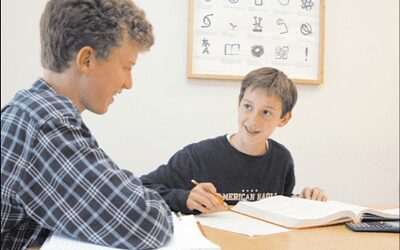
Children usually behave better when they have a genuine role. Instead of asking them to stay out of the way, invite them to help. Younger children can fold napkins, wash vegetables, set out place cards, arrange flowers, or fill a basket with books for visiting cousins. Older children can help plan the menu, write a shopping list, organize a game, or look after younger children.
Meaningful work helps children feel included rather than sidelined.
 A real job helps a child feel included rather than sidelined.
Slow Down the Gifts
For young children, a flood of presents can be overwhelming: the noise, the packaging, the pressure to react, and the next box arriving before they’ve looked at the last. Consider slowing down. Let a child open one gift and actually enjoy it. Some families spread gifts across several days; others simply keep the number small. There’s no single right system. The goal is for children to enjoy what they receive rather than be swept along by a marathon of unwrapping.
Leave Time for Ordinary Life
Not every day needs a special activity. Children still need time to play, read, draw, build, go outside, help cook, rest, and simply be at home. Parents sometimes feel pressure to make every day magical, but children are usually happiest with a comfortable balance between special events and familiar routines.
When a Meltdown Happens
First, consider what might be going on. Is your child hungry, tired, overstimulated, uncomfortable, confused about what comes next, or disappointed? Then step away from the activity to a quieter place, offer water or a snack, sit together and let your child recover, and save any conversation about behavior for later, when everyone is calm.
An overwhelmed child can’t take in a long explanation. Calm comes first; learning comes after.
 When a child is overwhelmed, calm comes first.
Know Your Own Limits
Parents get overwhelmed, too, with meals to cook, people to visit, gifts to buy, travel to plan, and expectations from extended family. Sometimes the most helpful thing you can do is simplify: say no to one more event, choose an easier meal, let the decorations be imperfect, ask for help, and leave early.
Children benefit most from adults who have enough energy and patience left to enjoy being with them.
What We Want Them to Remember
Years from now, your child may not remember the decorations, the elaborate meal, or even most of the gifts. But they may remember how the season felt. Were people kind? Did we laugh? Did we have time together? Did I feel safe and included? Was there room for me to be a child? Those are the things worth protecting. The holidays don’t have to be perfect to be wonderful.