Montessori for Adolescents: An Education for the Real World
Snapshot
The years between twelve and fifteen bring enormous change. Young adolescents are forming their identities, becoming intensely aware of their peers, questioning authority, and pushing for more independence. Montessori adolescent education meets these needs with challenging academics, meaningful work, real community responsibilities, and genuine opportunities to contribute to the world beyond school. The goal is to help young people become knowledgeable, capable, responsible, and confident in who they are becoming.
Something remarkable happens as children approach adolescence. The child who once eagerly showed you every drawing becomes more private. The child who accepted your explanations now questions everything. Friends matter more than ever, and questions of fairness, identity, belonging, and independence take on new urgency.
Parents sometimes find themselves wondering what happened to the child they knew.
But adolescence is not simply a difficult stretch to survive. It is a major stage of human development, as significant as the first years of life, and it deserves an educational environment designed with its changes in mind.
A New Stage of Development
Maria Montessori recognized that adolescents have needs quite different from those of younger children. Young teens are going through rapid physical, emotional, and social change. They are acutely aware of how others see them. They want more independence, yet they still need guidance and security. And they are beginning to ask serious questions about their place in the world:
Who am I?
What am I capable of?
Where do I belong?
What kind of work matters?
How can I contribute?
Montessori adolescent education takes these questions seriously and answers them not with lectures, but with real experiences, real relationships, real intellectual challenge, and real responsibility.
More Than a Traditional Middle School
In many conventional middle schools, students move from subject to subject throughout the day, attending classes, completing assignments, taking tests, and earning grades. A Montessori adolescent program often looks quite different.
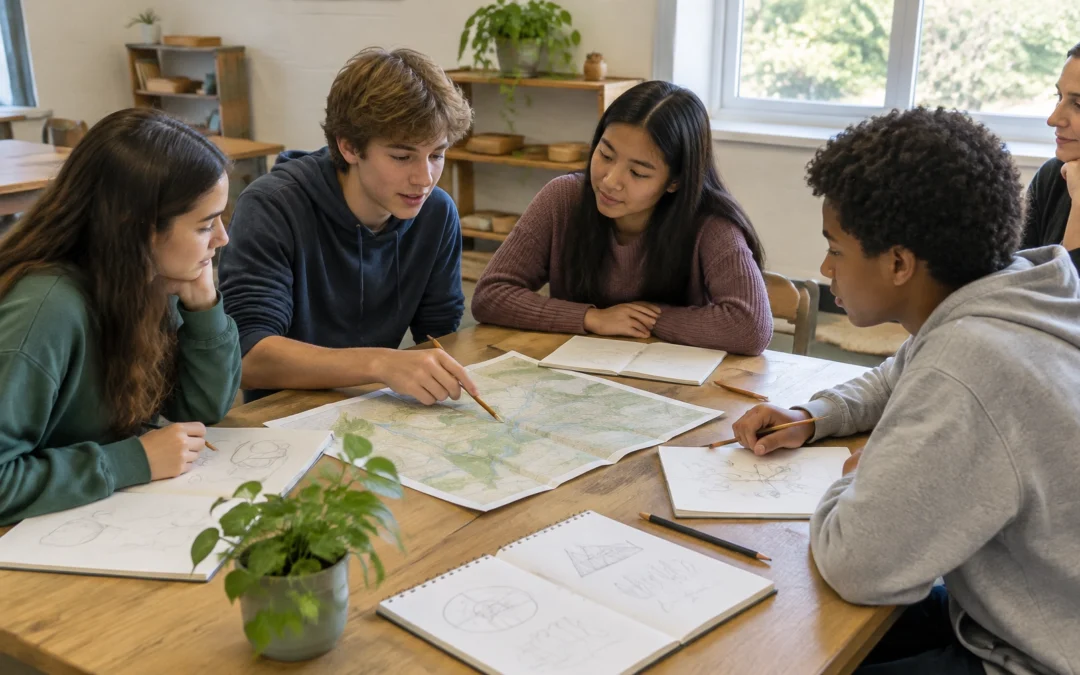
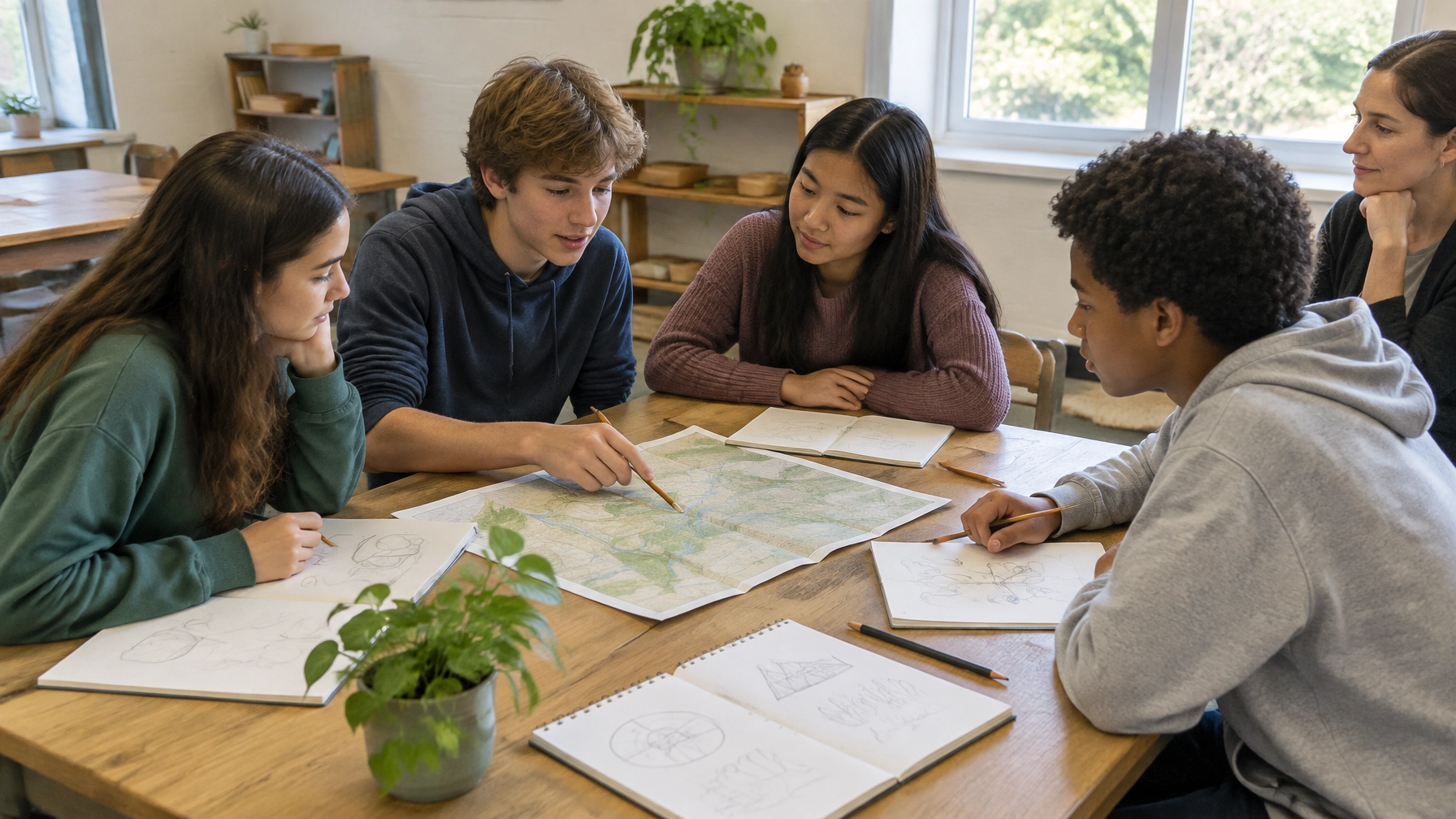
Academic subjects remain essential, but they are frequently woven into broader studies and projects. Students might:
Investigate a local environmental issue
Study a historical movement in depth
Design and conduct scientific research
Write extensively for real audiences
Explore the economic life of their own community
Alongside this, students take on practical work that demands planning, cooperation, and accountability. The aim is to connect learning to meaningful questions and real responsibilities.
Why Real Work Matters
Young adolescents want to be taken seriously. They grow weary of activities that feel invented solely for school. They want to know that their efforts actually matter.
Montessori envisioned an adolescent environment where young people would take part in productive work and community life. She called it the Erdkinder, usually translated as "earth children" or "children of the land," and imagined adolescents living and working on a farm, running a small guest house and shop, and experiencing firsthand how a community feeds and sustains itself. She believed adolescents gain a deep sense of their own worth by doing work that others genuinely need.
Today's programs interpret these principles in many ways. Students might:
Manage a garden or small farm
Operate a microeconomy or small business
Prepare and serve meals
Maintain a shared living and working environment
Create and sell products
Plan community events
Work on environmental restoration
Organize a community service project
These activities naturally draw on mathematics, science, writing, economics, communication, and problem-solving. But they also teach something that is very hard to learn from a textbook: other people are depending on you to do your part.

Students share responsibility for caring for a garden.
The Development of Personal Responsibility
Consider a group of adolescents planning a community market. To make it happen, they must:
Decide what to offer
Calculate costs and develop a budget
Divide up responsibilities
Communicate with customers
Solve problems nobody anticipated
Keep accurate records
Evaluate the results afterward
This is real work with real consequences. A student who forgets a key task may discover that the whole group is stuck. A student who comes up with a better solution may help everyone succeed. Teachers provide guidance and appropriate safeguards, but students are expected to carry more and more of the responsibility themselves.
The point is not simply to teach business skills. It is to help young people discover that they are capable of making a genuine contribution.
Academics Still Matter
Parents sometimes worry that an emphasis on projects and practical work means adolescents will receive a less rigorous academic education. It is a fair question.
A strong Montessori adolescent program provides substantial instruction and high expectations in mathematics, science, literature, writing, history, and world languages. Students need solid subject knowledge, analytical skills, research ability, and clear communication, and they need to be well prepared for whatever educational path comes next.
The difference lies in how academic knowledge connects to meaningful problems. A study of food systems, for example, might draw on biology, chemistry, geography, economics, history, statistics, and persuasive writing. Students are still expected to master the concepts and skills involved. The project simply gives them a compelling reason to use what they are learning.

Preparing a meal gives students a shared responsibility.
Finding a Place in the Community
Belonging matters enormously in adolescence. Young people are highly sensitive to how others perceive them. Friendships can become intense, and social exclusion can be deeply painful.
Montessori adolescent programs work to build communities where every student is known, respected, and expected to contribute. Students often share responsibility for meetings, projects, meals, maintenance of their environment, and community decisions. In the process they learn that freedom comes with obligations and that their actions affect other people. They also have the chance to build relationships with adults who take their ideas seriously.
No school can eliminate social conflict or guarantee that every day will feel emotionally safe. But a caring community can teach students how to address problems directly, repair relationships, and treat one another with dignity.
Learning to Make Decisions
Adolescents need growing opportunities to make real decisions. That does not mean unlimited freedom, or independence without guidance. It means meaningful choices paired with genuine responsibility. Students might:
Help plan a major project
Set their own academic goals
Manage a budget
Organize their schedule
Research a community issue and propose solutions
Take charge of a particular part of school life
Adults remain essential throughout. They set boundaries, provide instruction, offer support, and hold students accountable. What changes is their role: they gradually shift from directing every action to helping young people develop sound judgment of their own.
Understanding the Wider World
Adolescents are often passionately interested in questions of justice, identity, society, and the future:
Why do people live in poverty?
How should communities respond to environmental problems?
What makes a society fair?
How do political and economic systems actually work?
What do we owe one another?
Montessori adolescent education gives students room to investigate these questions thoughtfully. They learn to examine evidence, weigh different perspectives, and build reasoned arguments. They are encouraged to think for themselves rather than simply repeat the opinions of the adults around them. This is a central part of preparing young people for responsible citizenship.
What About High School and College?
Parents considering a Montessori middle school naturally want to know what comes next. Will my child be ready for high school? Will she adapt to a more conventional academic setting? Will he have the knowledge and study skills he needs?
These are important questions to ask of any school. Montessori adolescent programs vary in their design, resources, and expectations, so families should look closely at:
The curriculum and its academic expectations
Teacher qualifications and Montessori adolescent training
How student progress is assessed and reported
How the program prepares students for high school
Where graduates go and how they fare
Where a Montessori high school program is available, many families continue along that path. Others move on to independent or public high schools. Either way, a well-designed adolescent program should send students forward with strong academic foundations, effective work habits, confidence, and adaptability.
Why Some Families Continue in Montessori
Families who stay in Montessori through the elementary and adolescent years often do so because they value continuity. They want their children to keep learning in an environment that emphasizes independence, intellectual curiosity, responsibility, and respect. They value teachers who know their students well, and they appreciate the chance for adolescents to take on work that matters. Most of all, they want their children to develop a sense of purpose alongside academic competence.
For these families, the question is not only whether Montessori can prepare students for the next school. It is whether Montessori offers something especially valuable during the very years when young people are forming their identities and discovering their place in the world.
Becoming Capable of Adult Life
Adolescence is a bridge between childhood and adulthood. Young people crossing it need knowledge and intellectual challenge. They need friendship and belonging. They need chances to make decisions, wrestle with difficulties, and feel the satisfaction of meaningful accomplishment. Above all, they need to discover that they have something worthwhile to offer.
Montessori adolescent education is built around that discovery. Its ultimate goal is not simply to prepare adolescents to pass examinations or enter the next school. It is to help them become thoughtful, capable, responsible young people, increasingly ready to take their place in the world.








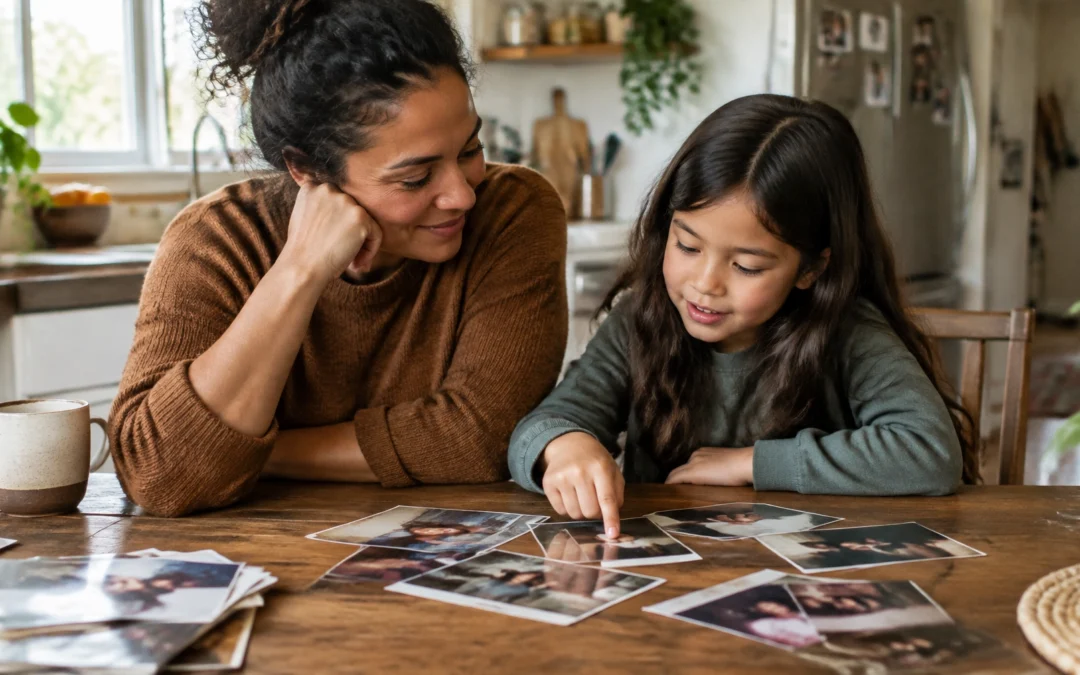
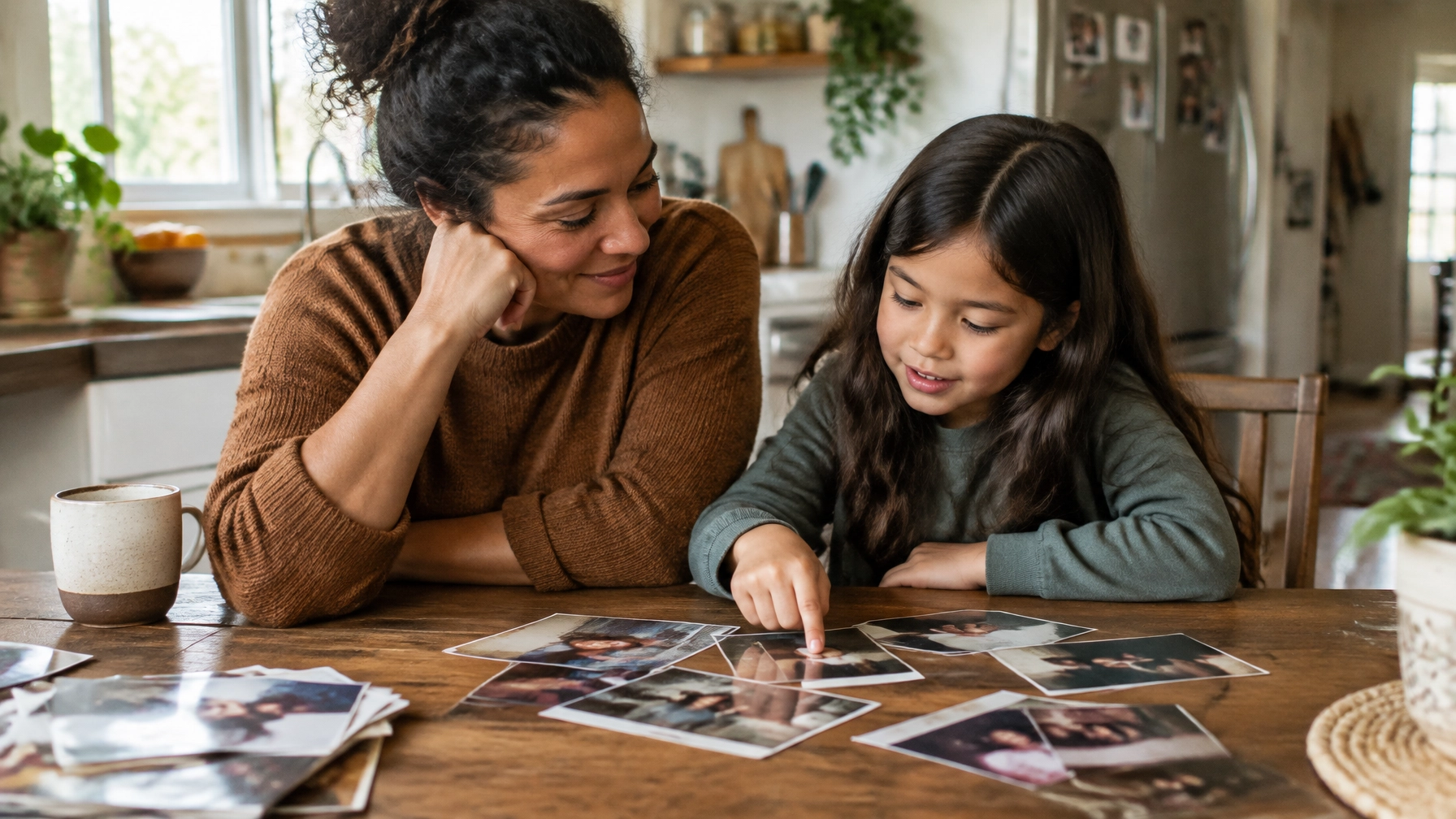












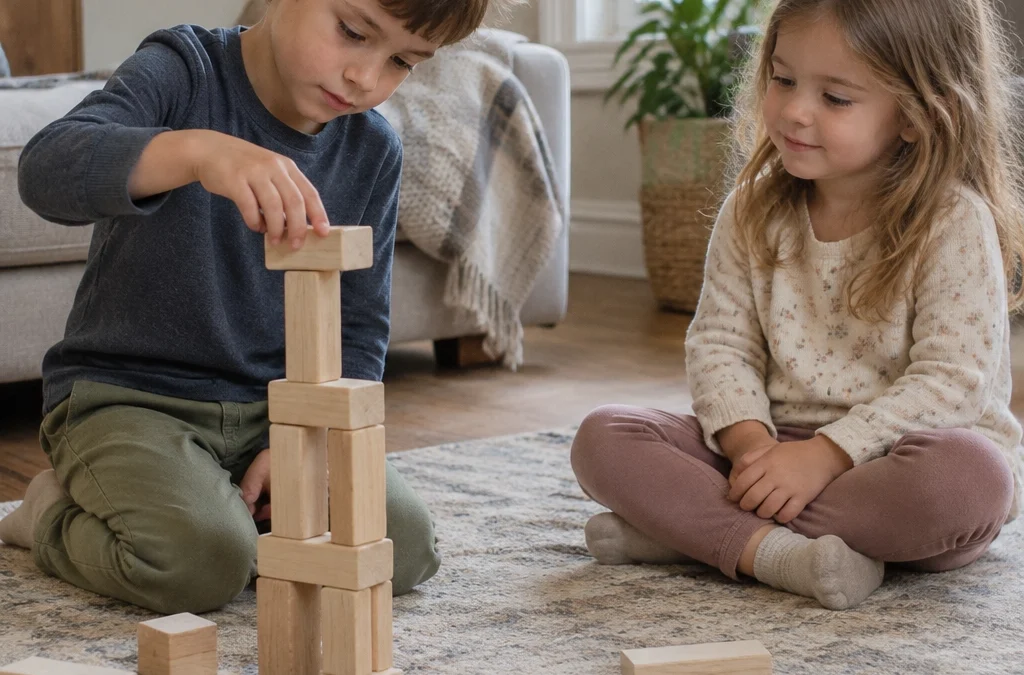











 Quiet time together at home is one of the things worth protecting during a busy season.
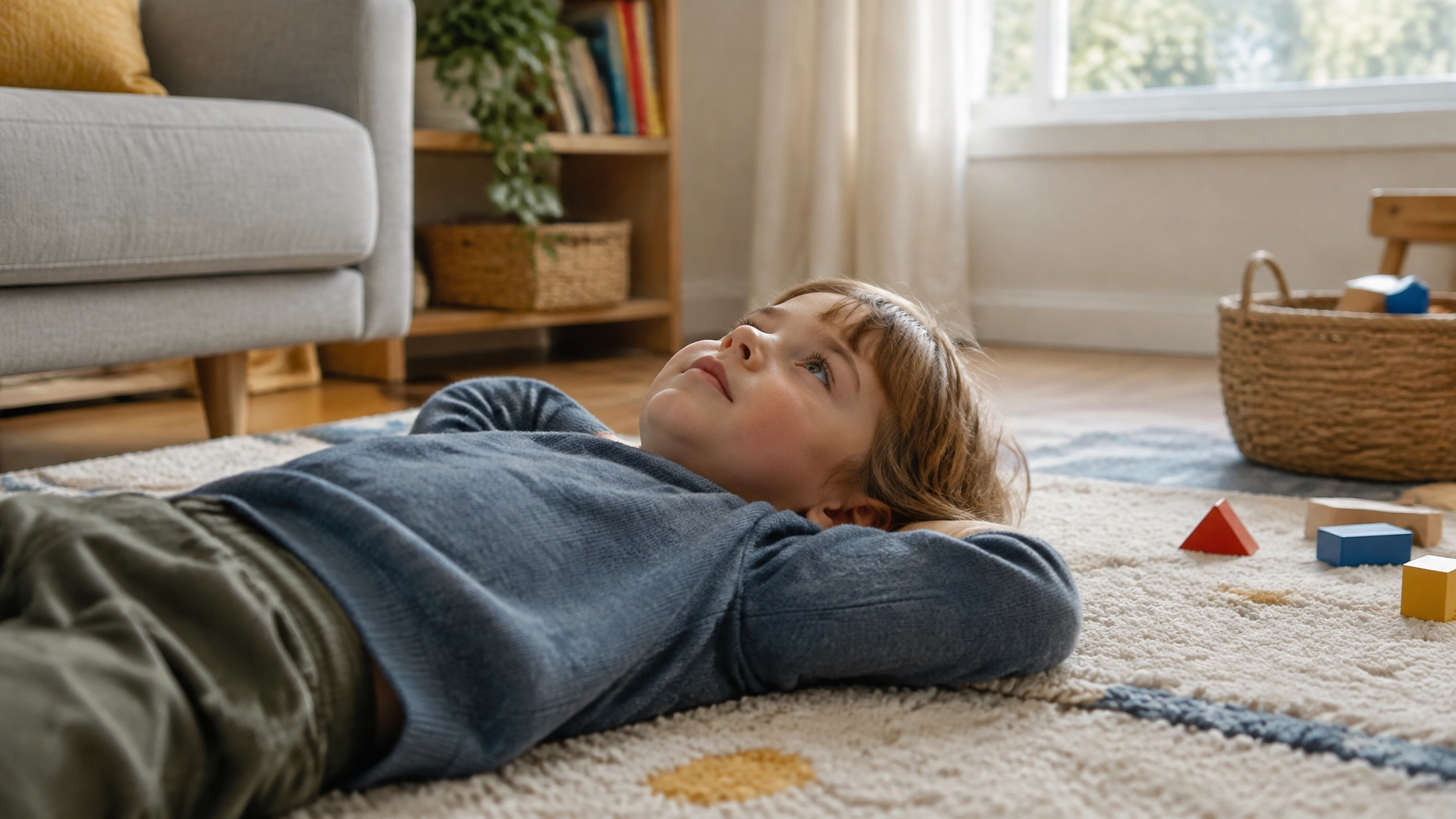
 Sleep is often the first thing the season erodes, and a tired child needs rest rather than a lecture.
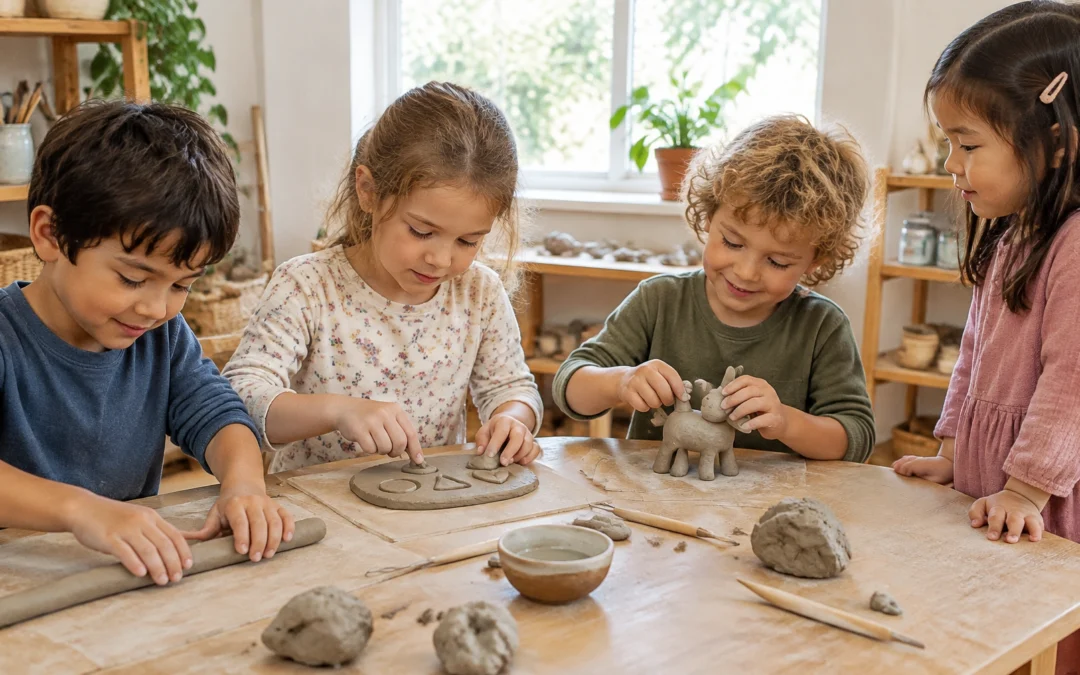
 A real job helps a child feel included rather than sidelined.
 When a child is overwhelmed, calm comes first.