Related Posts



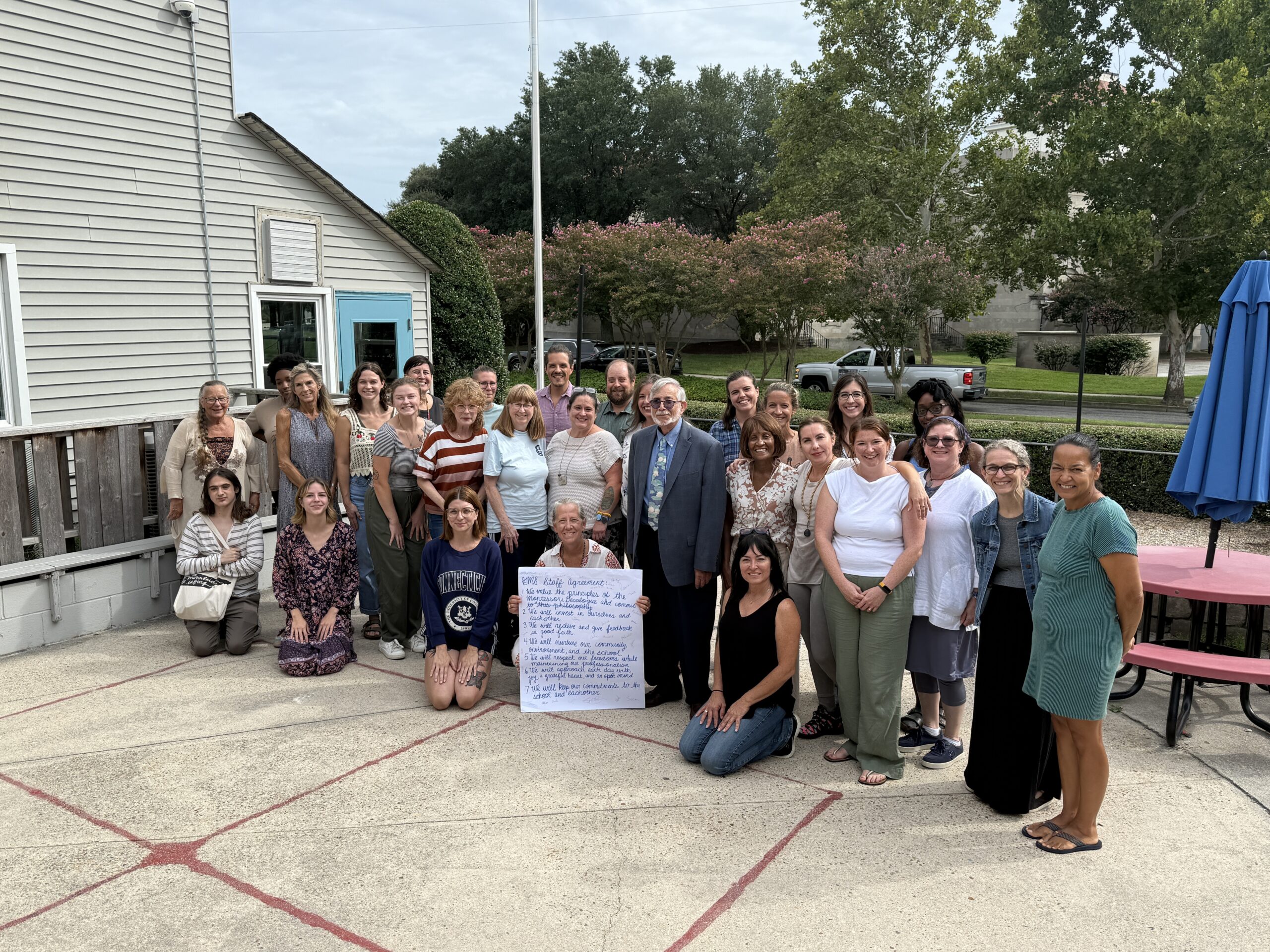
“I usually dread workshops… but this was engaging and fun. I got so much out of it.”
That comment, offered by one of the thirty staff members at Ghent Montessori School in Norfolk, Virginia, meant the world to me. Workshops can easily become another item on the back-to-school checklist—another day in a packed week of CPR training, classroom setup, and policy reviews. But when a day of professional development leaves people feeling reenergized, seen, and more connected to the values that brought them into Montessori education in the first place, it’s something worth sharing.
Why This Workshop Mattered
Ruland Gagné, the school’s Head of School, reached out to me earlier in the summer. Like many leaders, she felt a need to bring her team together—not just physically, but emotionally and philosophically. The school had experienced remarkable growth since COVID. Their programs were strong. The parent community was loyal. Yet under the surface, they were feeling some of the all-too-common challenges: communication issues among staff, negativity seeping into team dynamics, and moments where tone or language strayed from the ideals of Montessori. They wanted a reset. Not a lecture. A reset.
The result was a full-day, on-site workshop I led on behalf of the Montessori Foundation. It wasn’t about adding more rules or fixing people. It was about rediscovering what it means to be a Montessori school—not just in curriculum, but in culture.
The Structure of the Day
Earlier in the week, the Ghent team opened their work week with a quote from The Bear
“It’s the people they remember.”
It set the tone. Our materials and routines matter—but what stays with children and families is how we make them feel. That’s the heart of Montessori.
The Decalogue as a Mirror
We moved into a conversation around Montessori’s Decalogue—a beautifully simple yet powerful list of ten commitments for adults in Montessori environments. We explored each one through practical examples: How do we treat mistakes? How do we correct a child’s behavior without shame? What does it really mean to wait to be invited?
The Decalogue served as a mirror. It reminded us what Montessori called us to do—not just in theory, but in the way we show up every day.
Naming Our Beliefs, Values, and Behaviors
Next, we engaged in small-group work using a framework I adapted from another organization’s social norms document. We explored three questions:
-
What do we believe about children, learning, and each other?
-
What do we value as a school community?
-
What behaviors show those values in action?
Each group shared their thoughts, and the insights were powerful. It gave the team a language to name the culture they wanted to cultivate, and to gently acknowledge where they may have drifted off course.
The School Covenant
In the afternoon, we co-created a Ghent Montessori School Covenant—a short, clear statement of shared professional commitments. Things like:
-
We speak about children, families, and one another with respect.
-
We offer guidance privately, not publicly.
-
We listen first, assume best intentions, and support each other’s growth.
This wasn’t a top-down document. It was built together. And when we concluded the day, every staff member had the opportunity to sign it.
Real Talk: Case Studies from the Field
We also worked through case studies drawn from real scenarios: What do we do when a colleague speaks negatively about students? How do we respond when someone shares a personal diagnosis that feels outside our role? These conversations were honest, respectful, and solution-focused.
Why You Might Want to Do This at Your School
You don’t need a major crisis or a new program to make this kind of day worthwhile. In fact, the best time to run a workshop like this is any time you’re ready to take a fresh look at who you are as a school and recommit to your core values.
Whether it’s before the school year begins, mid-year when fatigue creeps in, or after a leadership transition, this kind of reflective day can do more than “train staff”—it can reawaken your community.
You can run something like this yourself. We are happy to share the structure, handouts, and prompts. We would also be honored to work with your school directly. The Montessori Foundation offers tailored workshops like this one—whether on-site or virtual—designed to fit your unique team, challenges, and aspirations.
Final Thought
Montessori is more than a curriculum. It’s a commitment to who we are and how we treat one another. A single day, thoughtfully planned, can remind your team why they chose this path and help them walk it together—with grace, humility, and renewed joy.
If you’d like to bring a workshop like this to your school, reach out. There’s no bad time to hit pause, look inward, and start fresh.