Related Posts

DEAR CATHIE—
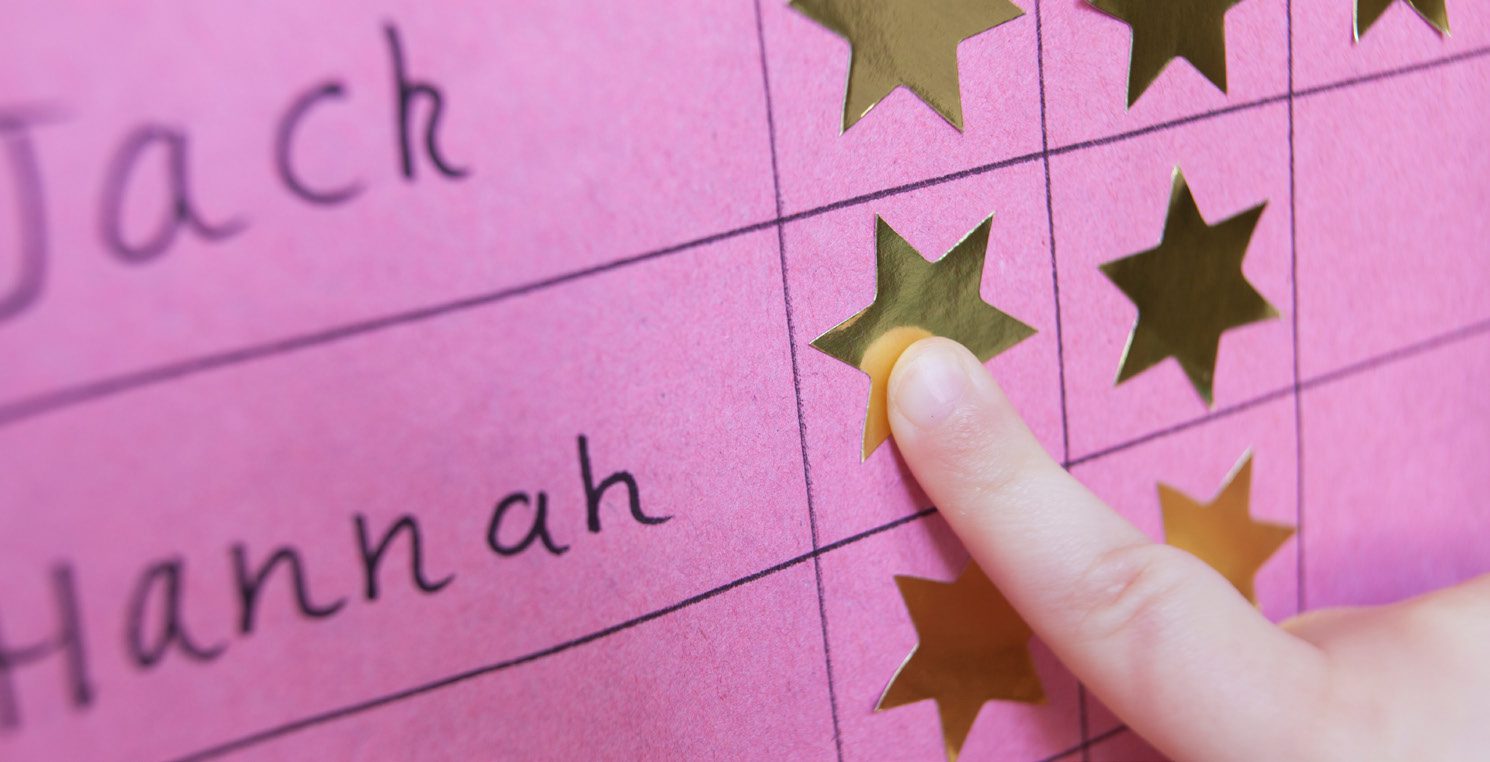
I WISH I COULD MOTIVATE MY CHILD TO DO WHAT I WANT HIM TO DO. THESE THINGS ARE USUALLY THE BASICS OF LIFE, LIKE DRESSING, EATING, TAKING A BATH, AND USING THE BATHROOM BEFORE WE LEAVE THE HOUSE, COMING WHEN HE IS CALLED, AND GETTING INTO THE CAR MORE QUICKLY. I FIND MYSELF GETTING UPSET AND RAISING MY VOICE. I REALLY DON’T WANT TO BE A MOM WHO YELLS AT HER CHILD TO GET HIM TO DO WHAT HE SHOULD DO! I WONDER IF IT WOULD HELP IF I BRIBED HIM. I HAVE HEARD OF STICKER SYSTEMS WHERE THE CHILD “EARNED’ A STICKER OR A STAR FOR DOING WHAT HE WAS SUPPOSED TO DO. THEN, AFTER 5 OR SO STICKERS, HE GETS A TRIP TO THE ICE CREAM STORE, A SPECIAL PRIZE, OR SOMETHING LIKE THAT. I KNOW THERE ARE TWO DIFFERENT POINTS OF VIEW ON THIS. WHAT ARE YOUR THOUGHTS?
—A FRAZZLED MOM
Dear Mom,
I think all parents feel the way you do at some point during the day. It is very challenging to get through the days with the children cooperating smoothly most of the time. And while we would so like them to respond more quickly and do what they are told, the truth is that these skills take time to develop for many children. Children need to learn the value of cooperation and their role within the family.
We ultimately want children to be motivated to do the right thing because it is the right thing, not because they will get a “pay-off” for doing it. Getting a “payoff” makes a child think that the reason to get dressed, eat, and come when they are called is to earn a reward rather than to learn to be a self-sufficient human being and a contributing member of their family. Then they do not feel obligated to comply if there is no external reward. And once you begin this kind of system, it is often difficult to stop.
The major negative side of using stars and stickers to control your child’s behavior is twofold. First, your child is being controlled by external forces…. You! It puts you in the role of judge and jury, ruling on your child’s actions and passing judgment on his behavior. The other issue is that it does not actively help your child develop internal motivation. I think it is far better to help him learn to do what is right because it feels good to do what is
I think this is a dangerous path to begin to pursue.
It is better for the optimal independence and personal development of a typically developing child to help him learn to handle the expectations of life and do what is expected, because it is just a natural part of life. While using stars and stickers may seem like a “quick fix,” it is actually more negative than positive in the long run. There are many interesting studies on the longitudinal value of external rewards on children’s performance.
For further reading on this subject, I recommend: Punished by Rewards: The Trouble with Gold Stars, Incentive Plans, A’s, Praise, and Other Bribes by Alfie Kohn and Unconditional Parenting: Moving from Rewards and Punishments to Love and Reason by Alfie Kohn.
As an alternative, I suggest using logical consequences and rewards to help children comply. “As soon as everyone is ready, we can use any extra time to read a story.” “Let’s hurry and get in the car so we have time to drive by the cows on our way to school.” This not only gives the child motivation but also the promise of a positive shared experience within the family.
Cathie Perolman has been involved in Montessori education for over 40 years. Cathie has worked in the classroom as a 3-6 assistant, a classroom teacher, a level leader, a teacher trainer, and a college professor. She currently spends he time mentoring teachers, conducting workshops for teachers and administrators, and writing for her blog and for magazines. She also serves as a consultant for schools and as a school validator for the Montessori Schools of Maryland. Cathie is the creator of The Color Coded Sound Games and The Rainbow Reading System as well as other reading and cosmic printable materials to enhance classrooms.
Find them at cathieperolman.com.