Related Posts

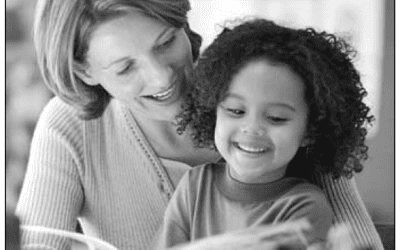

If your child’s teacher could sit down with you for an unhurried hour, there are a few things she would probably want you to hear.
Your Child Doesn’t Have to Love Every Day
Adults do not love every day at work either.

Children do not have to love every day; tiredness, frustration, and missing home are all part of growing up.
Some mornings, children wake up tired, miss you, have a disagreement with a classmate, or find a new lesson challenging.
Those experiences are not signs that school is failing. They are part of growing up.
Learning to navigate disappointment, frustration, and success with caring adults nearby is one of the most valuable parts of childhood.
Tears at Drop-Off Don’t Necessarily Mean Something Is Wrong
Few experiences are harder for a parent than walking away from a crying child.

Tears at drop-off do not necessarily mean something is wrong; many children settle quickly into purposeful work once their parent has left.
Experienced Montessori teachers, however, know something reassuring: many children who cry when a parent leaves are happily engaged in meaningful work just minutes later.
Children often express their greatest emotions with the people they trust most.
If your teacher tells you that your child settled quickly, believe them.
Independence Takes Time
It is often faster to zip the coat, tie the shoes, and carry everything to the car yourself.

Independence takes time, and each attempt to zip a coat, tie a shoe, or manage a personal belonging quietly builds confidence.
But every time children do something for themselves, they quietly build confidence.
Give your child opportunities to practice at home, even when it takes longer. The investment pays lifelong dividends.
We Notice Far More Than Academics
Parents often ask how their child is progressing in reading or whether they are ready for mathematics.
Of course, those things matter.

Montessori teachers notice far more than academics as they observe a child’s confidence, curiosity, concentration, and willingness to engage.
But we are also watching whether your child is becoming more confident, more curious, more willing to help others, better able to solve problems, and more considerate toward classmates.
These qualities often become the strongest predictors of future success—not only in school, but in life.
Please Tell Us What Is Happening at Home
Please let us know about changes such as a new baby, a family illness, a move, a death in the family, or a parent traveling.

When parents tell teachers what is happening at home, the adults around the child can respond with greater understanding and care.
Even happy changes can affect a child’s emotions and behavior.
The more we understand what your child is experiencing outside school, the better we can support them inside the classroom.
Trust That We See the Child You Love
Every teacher hopes parents understand one simple truth: we do not see a collection of test scores. We see your child.
We notice the excitement when they master a difficult skill, the quiet pride after helping a younger classmate, the determination to keep trying after a mistake, and the delight of discovering something new.

Teachers notice the quiet pride that appears when a child helps a younger classmate and contributes to the life of the community.

The delight of mastering a difficult skill is one of the moments that reminds teachers why they became teachers.
These are the moments that remind us why we became teachers.
We Are Partners
The most successful Montessori experience does not happen because parents or teachers do everything perfectly.
It happens because parents and teachers trust one another.
Children notice that trust.

When parents and teachers speak warmly about school and work together with trust, children feel more secure and supported.
When children hear their parents speak positively about school, they feel more secure. When teachers know that parents are listening with curiosity rather than suspicion, communication becomes more open and honest.
When everyone works together, children flourish.
That is what Montessori has always been about: not simply educating children, but surrounding them with a community of adults who believe in their potential.