Related Posts

Children don’t have to wait until they’re grown to make the world a kinder place.
Snapshot
The most important lesson about generosity is not about presents or donations. It is that every child can make a difference in someone else’s life, starting now. Children are born wanting to be useful, and they can give in many ways that cost nothing: their time, their help, their attention to someone who is lonely. Parents can nurture this by starting close to home: inviting children to choose how they give rather than forcing them, speaking of people in need with respect, using praise and rewards sparingly, and keeping the habit of giving alive long after the holidays.

A small helping hand can make a real contribution.
A few years ago, I watched a young child notice another child struggling to carry something. Without being asked, she walked over and offered to help.
It was such a small gesture that most adults might not have noticed. But I remember thinking that something important had happened. The child had recognized another person’s need. She had understood that she could do something about it. And she had acted. No one had offered her a reward. No one had reminded her to be kind. She simply saw a chance to help.
I think about moments like this when the holiday season arrives, and families begin talking about generosity. We often connect giving with presents, charitable donations, and special projects organized around Thanksgiving or the winter holidays. Those can all be worthwhile. But I believe the most important lesson we can offer children is something much larger: you can make a difference in someone else’s life. And you don’t have to wait until you’re older to begin.
Children Want to Be Useful
One of the most beautiful things about young children is their desire to take part in the world around them.
Watch a toddler who sees a parent sweeping the floor. Very often, the child wants a broom. When someone is preparing food, the child wants to help. When an adult carries in the groceries, the child reaches for a bag.
We sometimes see this as imitation or play, and certainly imitation is part of how children learn. But something deeper is happening. Children are discovering that they can act on their surroundings. They can contribute. They can do things that matter.
In Montessori education, we take this desire seriously. We create opportunities for children to care for themselves, care for their surroundings, and care for one another. A child may water plants, prepare a snack, help a younger classmate, or put materials back in order so that someone else can use them.
These experiences gradually send a powerful message: You belong to this community, and your actions affect the people around you.
That is the beginning of generosity.
Giving Is More Than Giving Things
When we talk with children about generosity, it’s easy to focus on possessions. We encourage them to donate toys, give money, or buy gifts for people in need. These can be meaningful experiences, but they are only one kind of giving. Children can also give their time, offer help, share what they know, notice when someone is lonely, welcome a new child into a group, help care for animals or protect the natural world, and use their growing abilities to make life better for others.
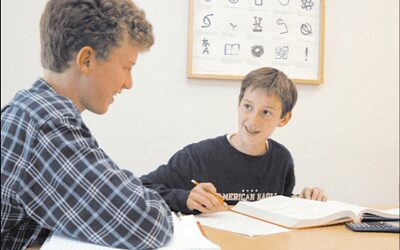
A six-year-old who reads a story to a younger brother or sister is giving something valuable. A nine-year-old who helps a neighbor carry groceries is making a contribution. A teenager who patiently teaches a grandparent how to use a phone is sharing both knowledge and care.
None of these acts requires money. All of them involve recognizing that we have something worth offering.

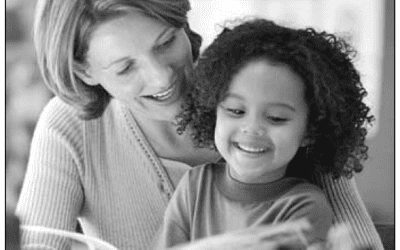
Sharing a story is one way children can give their time and attention.
The Difference Between Helping and Being Made to Help
There is an important difference between giving children opportunities to contribute and forcing them to perform acts of generosity.
Imagine a parent saying, “You have too many toys. We’re going to give half of them away because other children don’t have as much as you.” The parent’s intentions may be good. But the child may experience it as punishment or loss rather than generosity.
We can approach the same opportunity differently: “We’re collecting toys for families who would enjoy them. Would you like to help choose something to give?” For younger children, we might offer a few suitable choices rather than asking them to decide about every possession.
We should also respect the fact that children can form deep attachments to particular things. A favorite stuffed animal may be a source of comfort and security. Giving it away should not be treated as proof of generosity.
Children are more likely to discover the pleasure of giving when the decision is at least partly their own.
The same principle applies to community service. If an activity is presented mainly as an obligation meant to teach children how fortunate they are, they may miss the deeper experience. But when children understand the purpose, have a meaningful role, and see how their contribution helps, generosity becomes something they can feel for themselves.
Begin Close to Home
Parents sometimes imagine that teaching generosity requires a special charitable project. But the best opportunities often begin within the family.
A child notices that a parent is tired and offers to help with dinner. An older brother or sister patiently helps a younger one learn something new. Someone makes a card for a family member who isn’t feeling well. A child takes care of a pet without being reminded.
These ordinary moments matter. They help children develop the habit of noticing what other people need. We can encourage that awareness with gentle questions: “Grandpa has been working in the garden all afternoon. Is there something we could do to help?” “Your sister seems disappointed. What do you think might make her feel better?” “Our neighbor has been ill. Would you like to help make something for her?”
The point isn’t to turn children into little caretakers who feel responsible for everyone’s happiness. Children should never be expected to carry adult emotional burdens. But they can learn that small acts of consideration are part of living together.
Help Children See the Person, Not Just the Problem
During the holidays, families may take part in food drives, clothing collections, toy donations, or other charitable activities. These are valuable opportunities to talk about the needs of people in our communities. But we should choose our words carefully.
Sometimes adults, without meaning to, describe people who are poor, homeless, or struggling as though their lives were defined entirely by what they lack. We may say, “Those poor children don’t have anything,” or “You should be grateful, because some families have nothing.”
I would encourage a more respectful approach. We can explain that families live in different circumstances. Some people are going through hard times financially, some have lost jobs or homes, and some are dealing with illness or other challenges. And communities are stronger when people help one another.
We can also remind children that the people receiving help have interests, talents, relationships, and hopes, just as they do. They deserve dignity and respect.
The purpose of giving isn’t to make us feel superior or lucky by comparison. It is to recognize our shared humanity.
Let Children Help Choose How to Give
As children grow, they can become more and more involved in deciding how they want to contribute.
A preschooler might help choose food for a community collection. An elementary-aged child might become interested in helping animals, caring for a local park, or providing school supplies for children who need them. An adolescent may want to volunteer, organize a collection, or get involved in a cause that matters to them personally.
We can help children explore their interests with a few questions: “What is something in our community that you wish were different?” “Who might need help?” “What could someone your age do?” “What would you enjoy giving?”
Questions like these invite children to see themselves as capable participants in the world. They also encourage thoughtful action rather than simply following adult instructions.
A child who loves animals may be especially eager to help an animal shelter. One who enjoys reading might want to collect books or help younger children practice reading. Another who cares about the environment may enjoy organizing a neighborhood cleanup. The most meaningful projects often grow out of children’s own interests.
Small Acts Can Have Real Meaning
We sometimes underestimate the value of small contributions. A child may not be able to solve a community problem. They may not have much money to give. They may not be old enough to volunteer on their own. But they can still make a difference.
They can write a cheerful note to someone who is lonely, help prepare food for a neighbor, pick up litter with an adult in a safe place, welcome a new classmate, make something beautiful for someone who needs encouragement, or help younger children feel included.
These acts may seem small to an adult. But to the person receiving them, they may mean a great deal. And for the child, they offer a firsthand experience of being useful, which is far more powerful than simply being told to be kind.

Working together can help children feel part of their community.
What Children Learn When They Give
Generosity supports many parts of a child’s development. It encourages children to look beyond their immediate wants, invites them to consider other points of view, and helps them recognize that other people have feelings and needs. It gives them chances to plan, cooperate, solve problems, and follow through.
And it strengthens their sense of competence. A child who contributes to something meaningful begins to develop confidence. Not the kind that comes from being told again and again how wonderful they are, but the quieter confidence that grows from experience.
“I helped.” “I made something useful.” “Someone needed something, and I was able to give it.”
In Montessori education, we value this kind of earned confidence. Children develop a healthy sense of themselves when they discover what they can actually do.
Be Careful About Praise and Rewards
When children do something generous, adults naturally want to encourage them. We may say, “You’re such a good person!” or “I’m so proud of you!”
There’s nothing wrong with expressing appreciation. But we should be careful not to turn every kind act into an occasion for elaborate praise or a reward. If children begin to connect generosity mainly with winning adult approval, they may pay more attention to our reaction than to the needs of the person they’re helping.
Sometimes a simple observation is enough: “You noticed that he needed help.” “That was thoughtful.” “She seemed very happy to get your card.” Or we might ask, “How did it feel to help?”
Responses like these encourage children to reflect on the experience itself. Over time, we hope they discover that helping others can be satisfying even when no one is watching.
A Family Tradition of Giving
The holiday season offers a natural opportunity to begin traditions of generosity.
Your family might choose one community project each year. Everyone might help prepare food for a neighbor. Children might make gifts for the people they love. You might invite each family member to suggest one way the family could help someone during the coming month.
The tradition doesn’t have to be elaborate. In fact, simple activities are easier to keep up. One family might prepare an extra portion of a holiday meal for someone who lives alone. Another might collect warm clothing. Another might spend an afternoon helping care for a community garden. Still another might decide that every family member will look for one chance to make someone’s day a little easier.
What matters is that the experience feels real, and that children understand why they’re taking part.

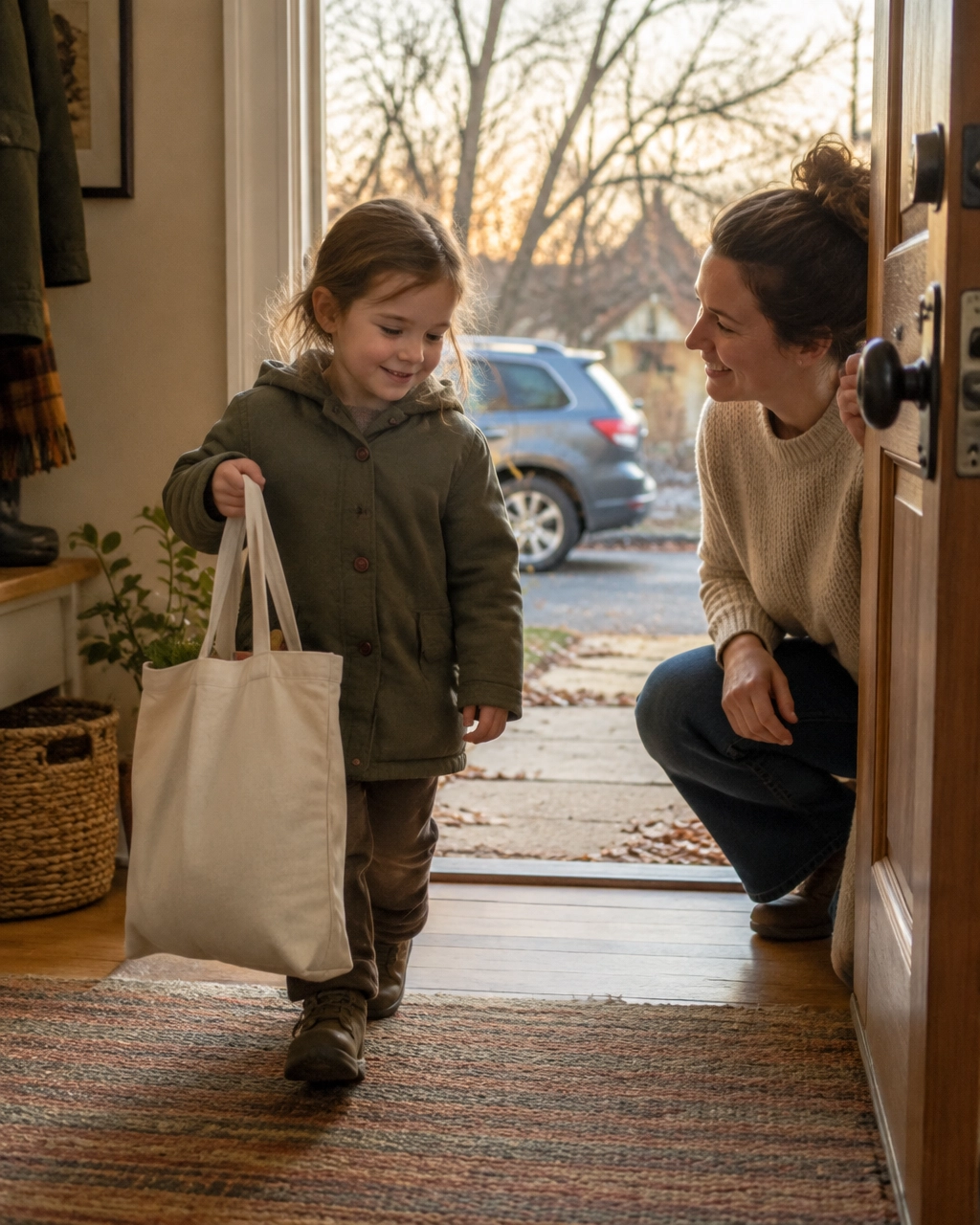
Giving can begin with a thoughtful gesture between neighbors.
Generosity Is Not Just for the Holidays
I do have one concern about the way we sometimes approach charitable giving. We focus enormous attention on generosity in November and December. Then, when the decorations come down, we return to our ordinary routines.
But people need kindness all year. Communities need volunteers in February and July just as much as in December. Neighbors become ill, families face hard times, and children feel lonely in every season.
I would encourage families to treat the holidays as a beginning rather than an ending. Perhaps the family can choose one small act of service each month. Perhaps children can join an ongoing project. Or perhaps the goal is simply to become more alert to chances to help in everyday life.
Generosity means the most when it becomes a way of living.
Helping Children Discover Their Place in the World
Maria Montessori believed that education should help children understand their relationship to the larger human community. We are not isolated individuals. Our lives are connected. We depend on the work, knowledge, and kindness of countless people, most of whom we will never meet. And we have opportunities to give something back.
This understanding begins with small experiences: a child helping another child, a family caring for a neighbor, a young person discovering that their abilities can serve a meaningful purpose. Over time, experiences like these help children develop a sense of responsibility toward the world around them.
As Thanksgiving approaches and the winter holidays begin, I hope families will enjoy the pleasure of giving presents and celebrating together. But I also hope we’ll help children discover something that lasts long after the holidays are over.
They have something to offer. Their actions matter. And even the smallest act of kindness can make another person’s day a little better.
The greatest lesson of generosity is not simply that we should give. It is that each of us, including every child, can make a difference.