
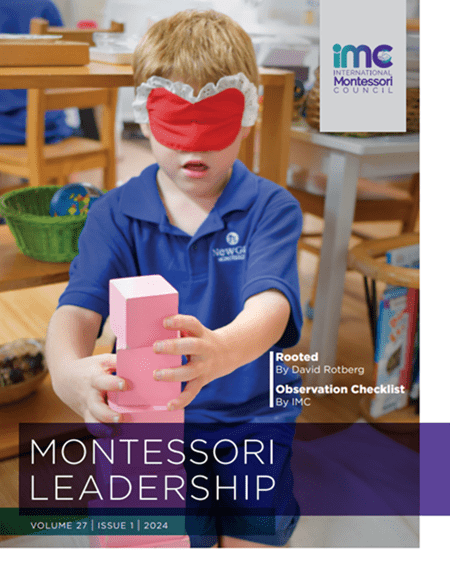
Montessori Leadership | Welcome | Jan 2024
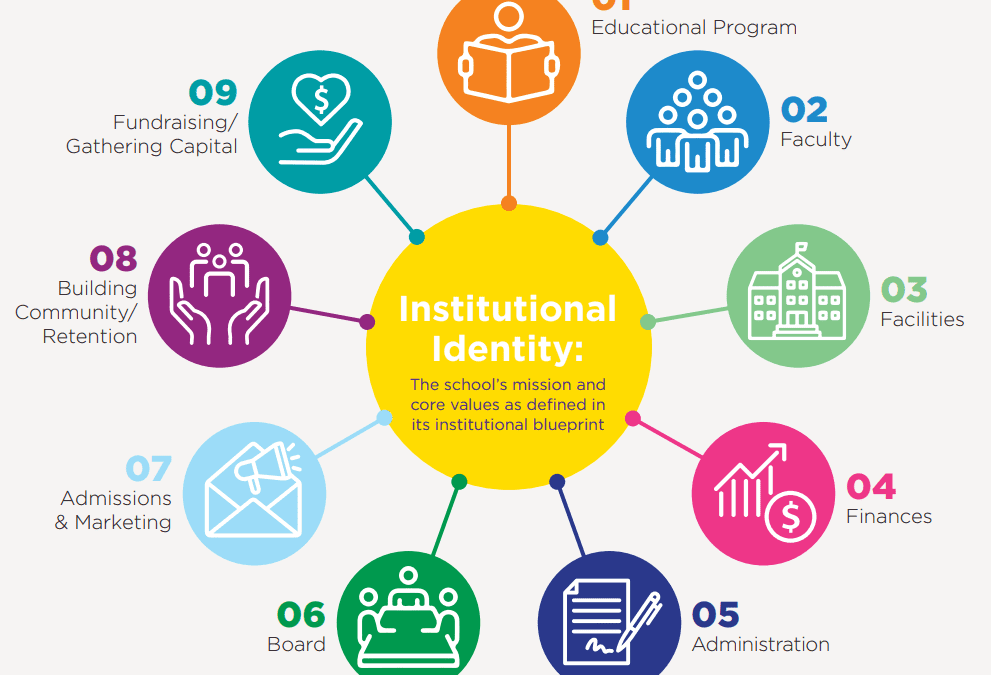
9 Areas of a World-Class School
TEC/TEP Update: Congratulations to VMAT Gradautes
MACTE Update
Implementing Servant – Leadership in a Montessori School Part 1

The 2022 Montessori Conference:
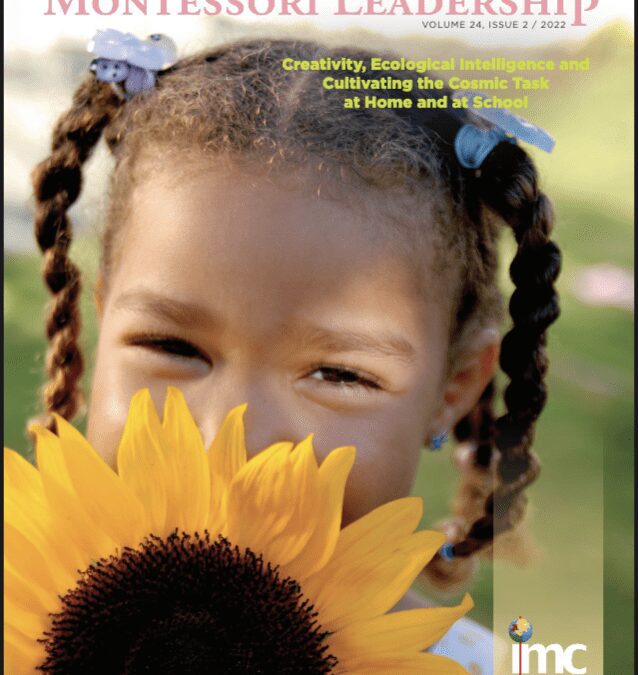
Montessori leadership | Welcome | April 2022
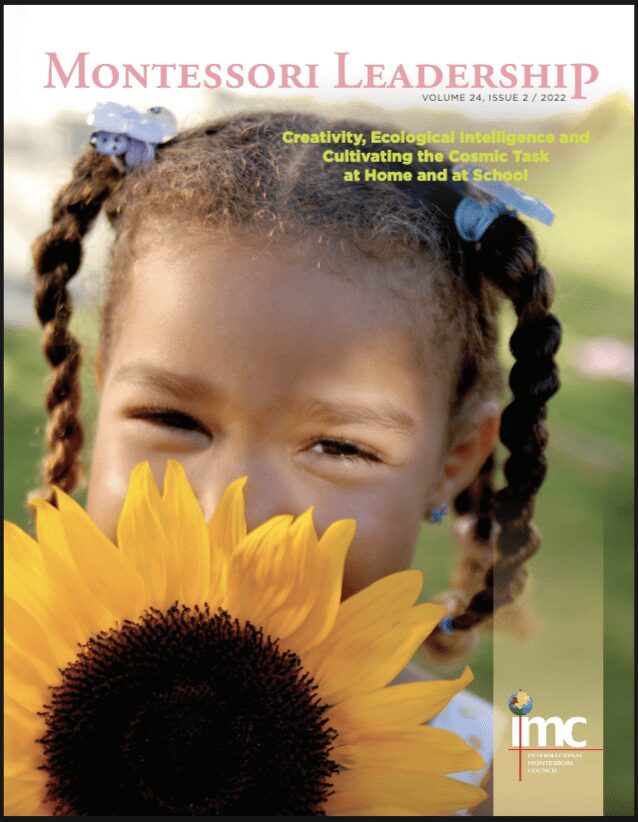
Montessori leadership | Welcome | February 2022
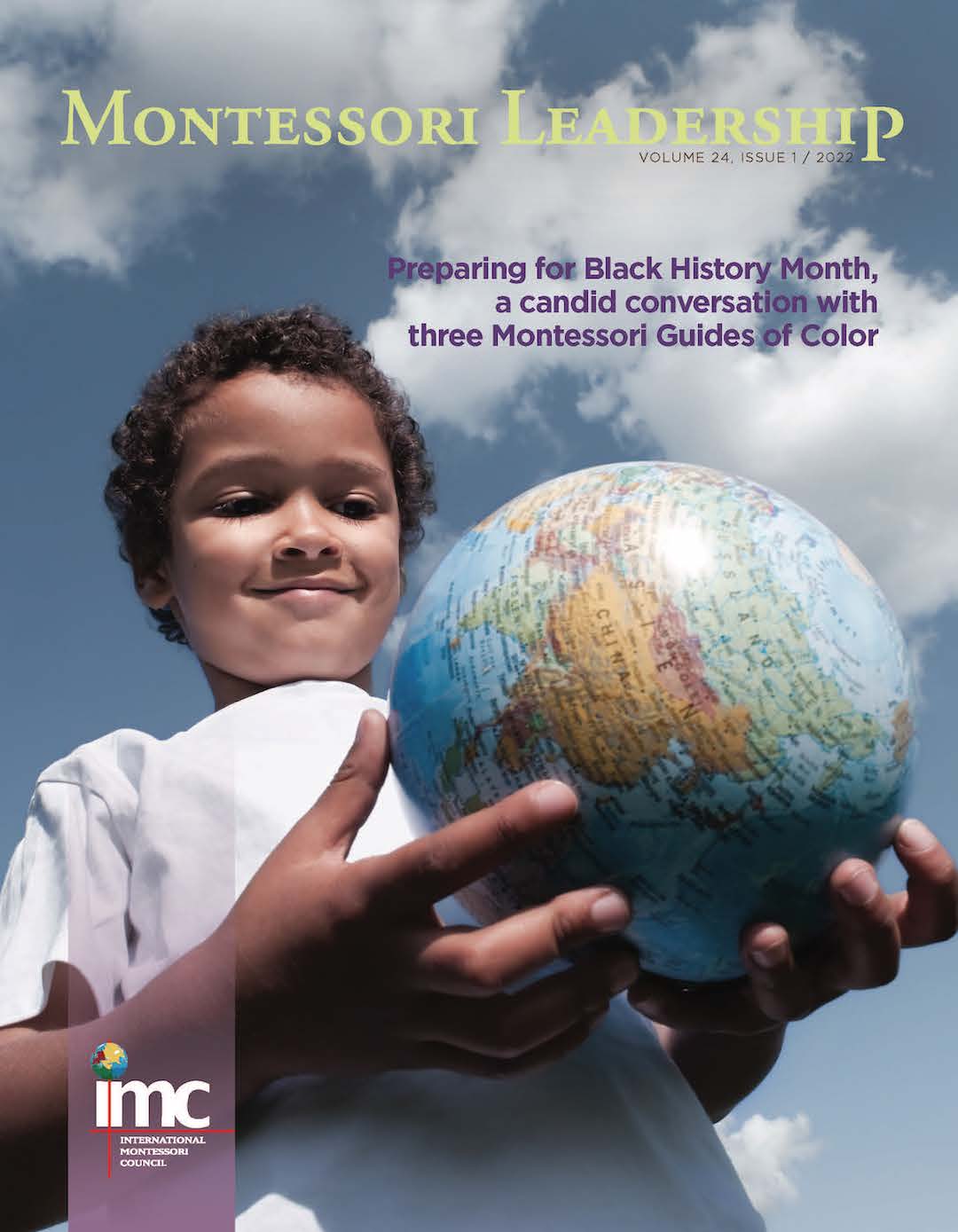
Montessori Leadership Magazine April 2022
Here is the Volume 24, Issue 2 of Montessori Leadership.
Montessori Leadership Magazine April 2022 digital edition
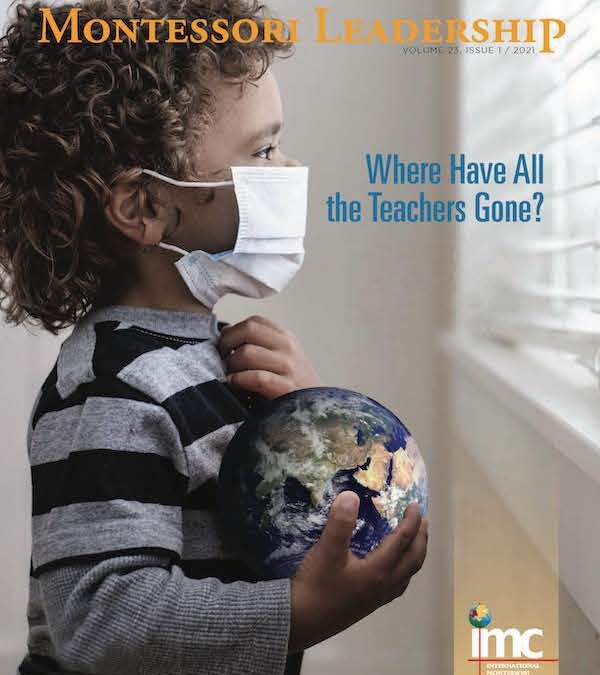
Montessori Leadership Magazine Volume 23 Issue 1 – 2021

Sarasota University & CGMS Announce Historic Partnership
Sarasota University, the world’s only Montessori-focused institution of higher education, and the Center for Guided Montessori Studies, one of the world’s leading accredited teacher education programs, today announced a historic partnership to reshape the direction of Montessori higher education.
 Sarasota University (SU) founder Dr. Ronald Ogrodnik said that the Center for Guided Montessori Studies (CGMS) will now lead the institution. CGMS partners, Tim Seldin, Kitty Bravo, and Marc Seldin have been named to the SU board, and CGMS will serve as the management company in charge of all SU operations. Dr. Ogrodnik will continue to serve on the board and as the university President. Dr. Daniel Robin Howe will serve as Director of Education.
“Working together, CGMS and SU will be able to further our institution’s mission of offering strengths-based education,” said Dr. Ogrodnik. He continued, “CGMS is the perfect partner for SU. Founded in 2006, CGMS is one of the world’s largest and most respected Montessori teacher education programs and entirely shares SU’s values.”
Sarasota University is the only accredited institution of higher education solely devoted to Montessori. Although some other colleges and universities offer Montessori-oriented degrees, SU is the sole institution devoted entirely to implementing Dr. Montessori’s vision for higher education.
Asked about his vision for the future, CGMS Director of Operations Marc Seldin said “We hope to offer closer integration between CGMS programs and those of Sarasota, eventually including dual enrollment. But first, we intend to work with the University to improve all of their systems and processes.” He clarified that the CGMS management team will complement, not replace, SU existing staff.
 Kitty Bravo, the Director of Education at CGMS, expressed confidence about the opportunities this new direction affords both institutions. “CGMS and Sarasota University share a passionate commitment to the highest standards of Montessori education. We have long admired Sarasota University, and together we feel that we can realize our long-held dream to run a university designed and led by Montessorians which serves the global community of Montessori educators and schools.”
Although CGMS is affiliated with the International Montessori Council, this will not be an exclusive relationship. Sarasota University will continue to welcome adult learners who are enrolled in, or who have completed an accredited Montessori certification program from other organizations. “Our goal is to serve the entire Montessori community,” says Kitty Bravo.
Tim Seldin is President of CGMS and the Montessori Foundation. Asked about next steps, Mr. Seldin offered a guide to CGMS’ initial priorities.
“One of the essential elements of our plans for the future is the establishment of a new position at the university: a Student Success Coordinator, who will work with individual students to guide them along their educational journey. Among the tasks ahead will be the development of strong systems for community engagement and enrollment, input from faculty and staff, a new learning platform for courses, strong financial planning, institutional advancement, and the development of a fresh strategic plan.”
Sarasota University is an accredited institution offering master’s degrees in Montessori education and leadership. Find out more online at www.sarasotauniversity.edu


Montessori leadership | Welcome | Vol. 23 Issue 1 2021
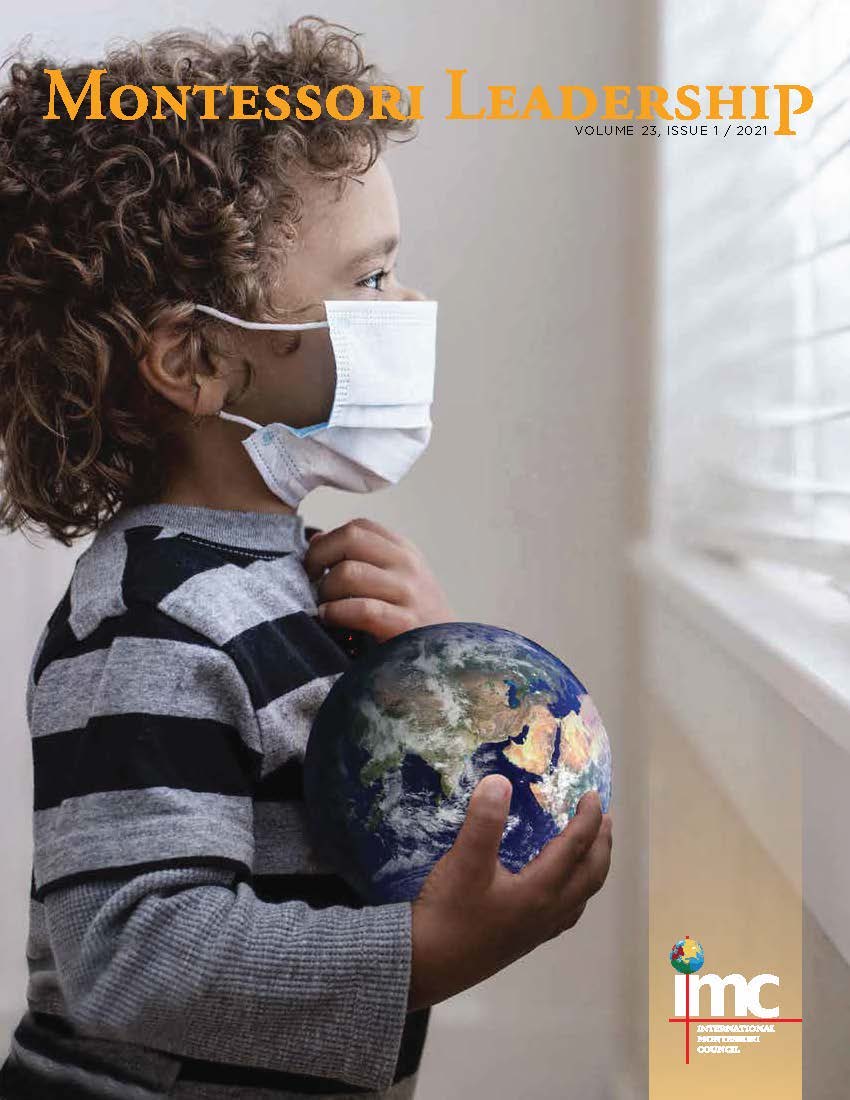 This issue of Montessori Leadership includes
Maria Montessori’s 151st Birthday By Kathleen Dzura
Leading with Emotional Intelligence By Dane Peters
Book Review: Positive Discipline in the Montessori Classroom By Mary Schneider
Why are children so different today (book excerpt) by Jane Nelsen, Ed.D and Chip DeLorenzo, M.Ed
Storytelling and Executive Functioning by Michael Dorer, Ed.D.
Where have all the teachers gone? By Daniel “Robin” Howe
So, what is special education? By Christine Lowry, M.Ed.
So, what is special education? Q & A column By Christing Lowry and Kathy Leitch
Sarasota University & CGMS Announce Historic Partnership
Spotlight on Accredited School: Garden Oaks Montessori By Lorna McGrath, M.Ed
Click here to see the complete issue as it appears in print.
Additionally, we have begun a new mobile-friendly platform for viewing the digital edition. You can find that new platform here.

Spotlight on School Accreditation Commissioners
To continue reading, you will need to choose a subscription plan.

Standing Together: Our Role in Ending Systemic and Internal Racism
To Our Fellow Montessorians:
We join the nation in grieving the death of George Floyd in Minneapolis, as well as the deaths of Breonna Taylor, a first responder in Louisville, Kentucky, shot in her own bed; Ahmaud Arbery, shot while jogging near Brunswick, Georgia; and far too many other Black men and women, who have been the victim of racist action in our nation. The International Montessori Council (IMC) and the Montessori Foundation are committed to advancing world peace, equity, inclusion, and diversity. We recognize that these are not isolated incidents but emblematic of a longstanding, egregious pattern of systemic racism—and we stand against it. We must dedicate ourselves to the achievement of real justice and equality for all, because injustice and inequality—against even one person—diminishes all of us.
We recognize that it is not enough for us to reject racism. We must be committed to fighting it, to eradicating it on individual and systemic levels. Michelle Obama wrote: “Race and racism is a reality that so many of us grow up learning to just deal with. But if we ever hope to move past it, it can’t just be on people of color to deal with it. It’s up to all of us—Black, White, everyone—no matter how well-meaning we think we might be, to do the honest, uncomfortable work of rooting it out. It starts with self-examination and listening to those whose lives are different from our own. It ends with justice, compassion, and empathy that manifests in our lives and on our streets.”
We recognize that it is not enough for us to reject racism. We must be committed to fighting it, to eradicating it on individual and systemic levels. Michelle Obama wrote: “Race and racism is a reality that so many of us grow up learning to just deal with.
We are aware that this work requires persistent self-awareness, constant self-examination and criticism, intentional systemic change, and a willingness to listen, call out, and stand up. We must send out into the field, Montessorians who are race-conscious guides, credentialed by an association which must model antiracist, conscious principles, and actions.
The IMC and Montessori Foundation are committed to this work and to being held accountable for our work to bring an end to racism within our structures.
We also remain committed to the ongoing work of building a diverse, equitable, and inclusive world community. The IMC and The Montessori Foundation also recognize and acknowledge the internal work we all must do. To that end, we are now creating a Social Justice Task Force that will address and act on:
- The inner work of every Montessori teacher, parent, and leader to root out unconscious habits of prejudicial thinking and ideologiesA Social Justice Curriculum and the instructional changes we must bring into every prepared environment and teacher education program
- Changing our schools’ culture, communications, hiring, and professional development practices and norms, to be more equitable, diverse, and inclusive
- The advocacy work Montessori educators and leaders must now engage in on local, national, and world stages
- Adding the voice of Montessorians of color to the IMC board of trustees
- Educating ourselves and Montessorians about the work of antiracism in all areas of living and working
- Using our voice as a platform for justice
If you have an interest in contributing your time and talents in any of these vital areas of social justice in the Montessori community, we invite you to step forward. Let us know about yourself and your preferred area(s) of focus and service.
In peace,
IMC Board of Trustees
Kathy Leitch, Executive Director,International Montessori Council
Tim Seldin, President, The Montessori Foundation
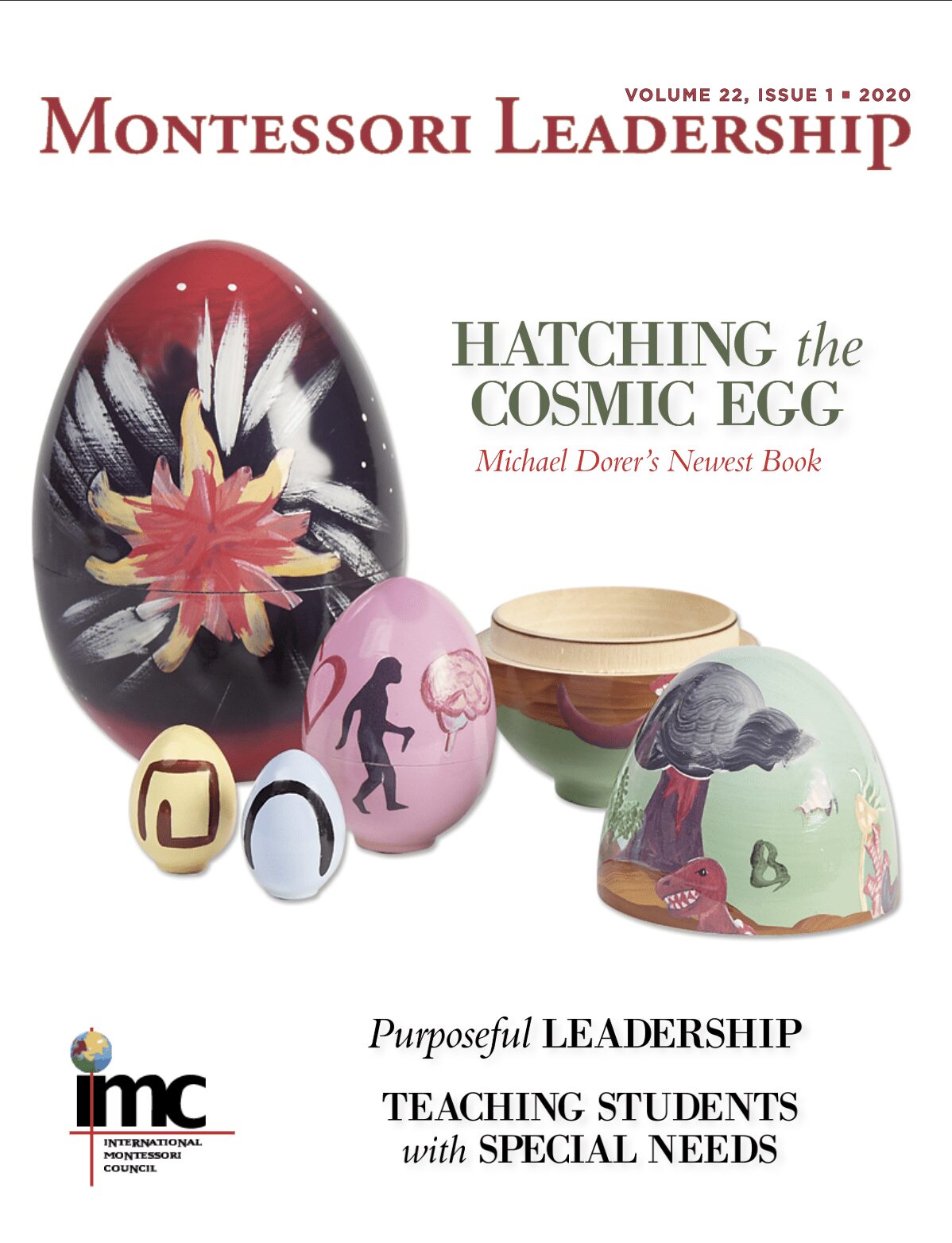
Montessori Leadership | Volume 22, Issue 1
IMC Teacher Education: Community, Flexibility, Quality, And Innovation
The original mission of the International Montessori Council (IMC) did not include teacher education. In fact, IMC existed for many years without any affiliated teacher education programs. The IMC’s main focus in those early years, and still today, is creating an open-minded and open-hearted Montessori organization.
Eleven years ago, that mission expanded with the approval of the first IMC affiliated Montessori Teacher Education Program, The Center for Guided Montessori Studies (CGMS). Forging this new path was not done casually. The IMC Board had the wisdom to recognize the need for Montessori teacher education to adapt to the technological and educational trends budding in the 21st century. As a result, IMC and CGMS have paved a path for hybrid Montessori teacher training that blends online with short residential/ face-to-face training; a trend that is now finding acceptance in other Montessori organizations.
Continuing in the direction of innovation, the IMC Teacher Education Standards have been designed to encourage programs to find creative ways to meet the needs of learners without sacrificing the quality of course content. The academic hours, for example, are significantly higher than required by the Montessori Council for Teacher Education (MACTE) or other organizations, but there is much more flexibility for course delivery format. This means that the required hours can be met through a variety of meaningful learning activities, with a balance of on-campus, online, and independent study projects.
Montessori is about so much more than materials. For this reason, IMC requires all programs to have a plan for ongoing reflection and discussion of course topics. These discussions are part of the academic hours and can take place in person or virtually. Helping adult learners grasp the significance of Montessori philosophy and how to support the development of children requires deep study. We can’t just leave this to chance. We need to guide adult learners through a process of discovery, and this requires time to read, reflect, and share. Modern technology provides many opportunities for ongoing contact, support, and meaningful dialog, through online discussion groups and video conferencing. These kinds of activities enrich the teacher education program and provide a higher level of support for the learner as they travel their Montessori path. IMC is ready to support teacher education programs in developing these strategies to better serve their learners and better prepare the next generation of Montessori teachers.
Whether a teacher education program is in its infancy and early development stages, or is an established independent program, or even affiliated with another organization, we hope you will look at what the IMC has to offer. The IMC is more than just another Montessori organization, we are a community with a network of passionate Montessorians always ready to offer friendship, coaching, and support.
As an international organization, IMC can offer teacher education affiliates global recognition. Programs will be able to submit news and feature articles for Montessori Leadership magazine. The newly developing teacher education section of the IMC website will list all affiliate teacher education programs with links to the TEP website. Every affiliate program will get a seat on the IMC Teacher Education Committee, where everyone’s input is welcome.
IMC is a strong supporter of MACTE. As such, all IMC teacher education affiliates must obtain MACTE accreditation. The process of adding IMC as your affiliating organization is fairly simple. IMC standards match up closely with MACTE guidelines with only a few requirements needing special attention such as the additional academic hours, and additional years of experience required for instructors. We have also kept the IMC affiliation and adult learner fees low so that programs can afford to have an organization on their side.
Recognizing the increasing demand for well-prepared Montessori teachers worldwide, IMC is committed to supporting new and existing teacher education programs expand their reach. As we grow with more teacher education affiliates, IMC plans to offer professional development instructor training opportunities for teacher educators. We look forward to growing and learning as a united Montessori community. We all get stronger when we work together. ′
For more information and a copy of the IMC TEP Standards and Guidelines for Affiliation, email Kitty Bravo, IMC Teacher Education Chair at kbravo@guidedstudies.com.
ML/ August 2019 / Pg 41Featured
-
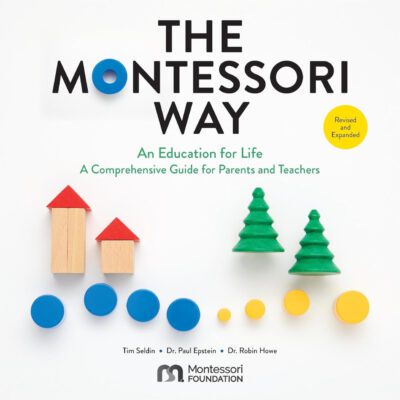
 The Montessori Way, Revised and Expanded: An Education for Life; A Comprehensive Guide for Parents and Teachers
$25.00
The Montessori Way, Revised and Expanded: An Education for Life; A Comprehensive Guide for Parents and Teachers
$25.00
-
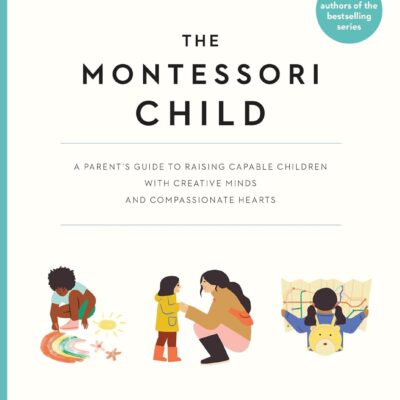
The Montessori Child: A Parent's Guide to Raising Capable Children with Creative Minds and Compassionate Hearts (The Parents' Guide to Montessori)
$20.00
-
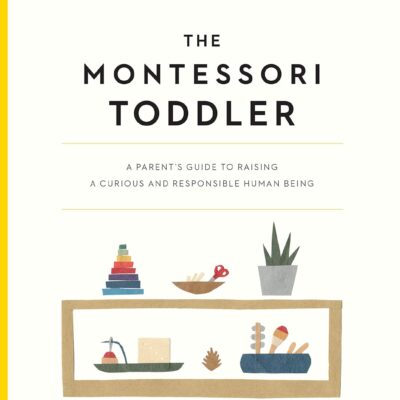
The Montessori Toddler: A Parent's Guide to Raising a Curious and Responsible Human Being (The Parents' Guide to Montessori)
$20.00
-
Montessori in Action: Building Resilient Montessori Schools 1st Edition
$29.95
-
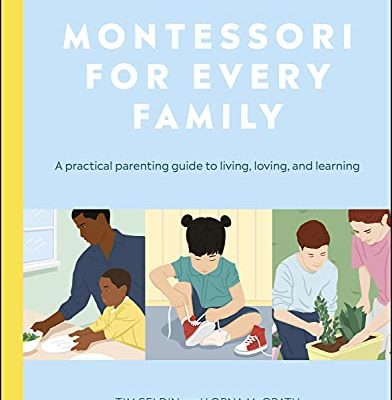
Bulk Order, 30 Copies of Montessori for Every Family: A Practical Parenting Guide To Living, Loving, And Learning
Original price was: $600.00.$510.00Current price is: $510.00.

Products
-
The Montessori Way, Revised and Expanded: An Education for Life; A Comprehensive Guide for Parents and Teachers
$25.00
-
The Montessori Child: A Parent's Guide to Raising Capable Children with Creative Minds and Compassionate Hearts (The Parents' Guide to Montessori)
$20.00
-
The Montessori Toddler: A Parent's Guide to Raising a Curious and Responsible Human Being (The Parents' Guide to Montessori)
$20.00
-
Montessori in Action: Building Resilient Montessori Schools 1st Edition
$29.95
-
Bulk Order, 30 Copies of Montessori for Every Family: A Practical Parenting Guide To Living, Loving, And Learning
Original price was: $600.00.$510.00Current price is: $510.00.