Written by Laura Wilhelm Photos by Gryphon House and Shutterstock
Treasure basket exploration is a terrific idea for not-yet-mobile infants. The concept could be modified in some ways to better fit toddler’s through kindergartener’s strong sense of order. I struggled a little bit with this concept because I know from my own observations, as well as those of Maria Montessori and interactions with children in the early childhood years (birth-6 years old), that this period of time in a child’s development is crucial for preparing an environment that instills a very orderly way of thinking. At the infant and toddler stage of development, little ones are all about moving and exploring, so the baskets work well. There is a certain amount of order to it because the objects are contained within the basket. They come out of the basket and, when finished, return to the basket (sometimes by the infant or toddler—more often than not by the parent or teacher). The baskets are almost like introductory work for the primary level (3-6 years old), where the activities are contained in baskets or on trays but are designed to teach a skill rather than just allow for exploration.
I need to do more research about “heuristic learning” to truly understand what it is. As I read this book, it sounds like you put a bunch of stuff in a pile and the children get to “explore” it. For me it sounds a bit too unstructured for 3-6-year-olds, as they are really ready for order and imitation rather strictly exploration. Their activities always have some flexibility for exploration but also have a beginning, a middle, and end within each activity.
So, there are some very usable ideas for the infant-toddler years, and some ideas that can be modified for older children in Treasure Basket Exploration.
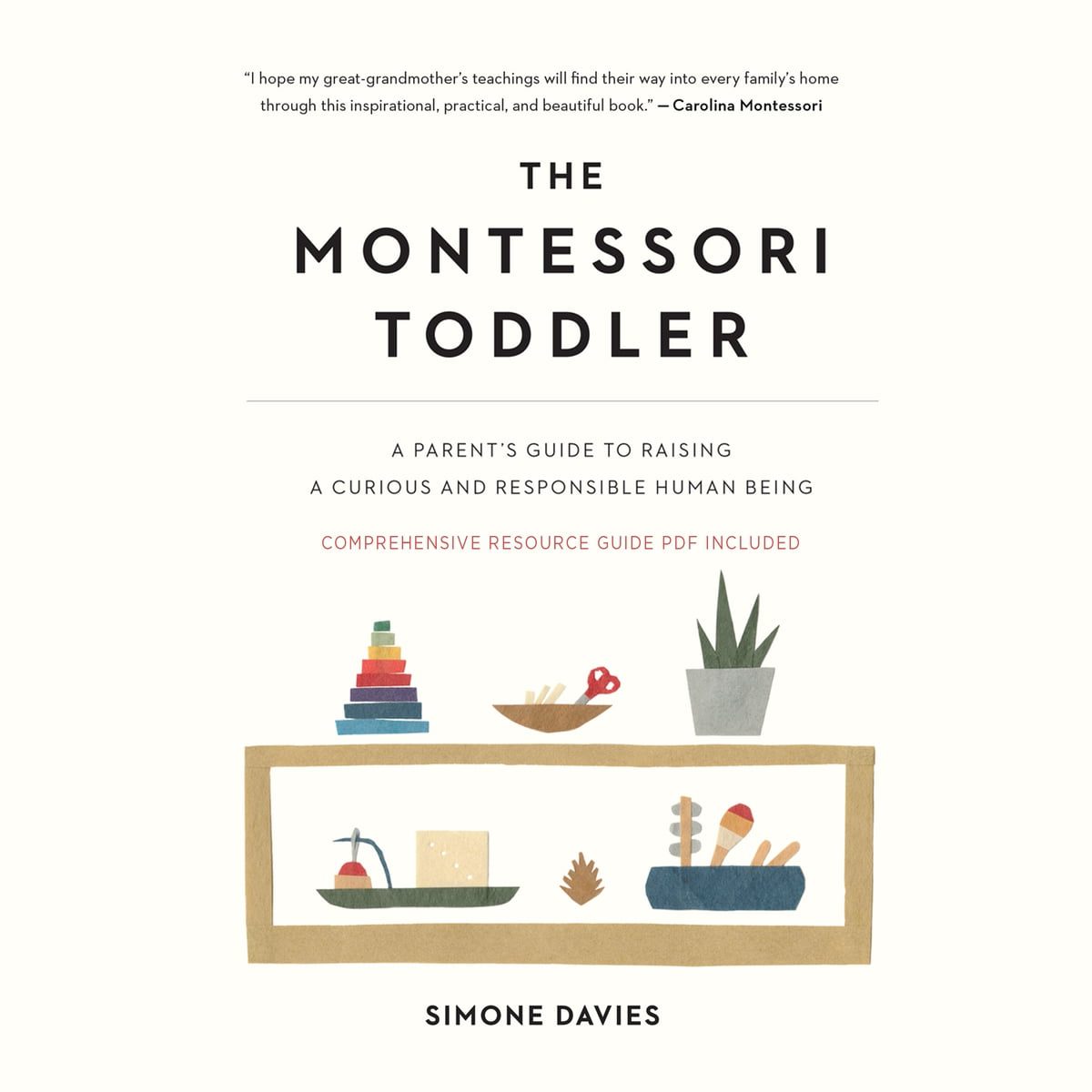
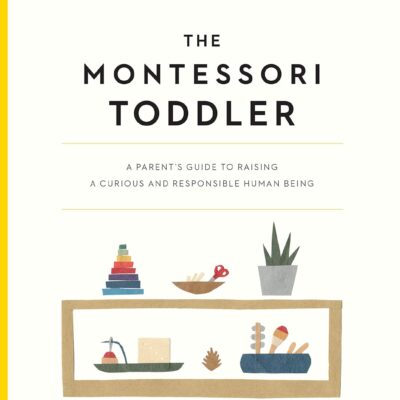
When I looked at the cover of this book I was intrigued. It was simple with a kind of unique illustration of a shelf with activities, and it was written for parents of toddlers—encouraging signs. Then I looked at the table of contents which was 3.33 pages long. Hmmm. Busy parents with small toddlers. Looks a little off-putting to me. So, I flipped through the book. I like photos and illustrations. There were very few photos and quite a few illustrations, but lots of words to read in this 248- page volume. Oh boy!
I made myself look more closely, and what I found was delightfully appealing. That huge table of contents I discovered was because the author listed each topic in each chapter, so it looked a lot more daunting than it truly is. Many of the topics listed are half a page to two pages at most. A parent can easily read a quick snippet and put the book down. They can also easily look up a specific topic that they are interested in because the topics are listed in such detail.
After looking more carefully, I really like the design. Simone Davies is very thorough. Her knowledge, understanding, and enjoyment of this age group is very apparent, and she shares it well with her audience. Often toddlers are misunderstood and so behave in ways that parents find difficult. Davies touches on some key points when thinking about toddlers. The first two chapters give parents valuable information about this stage in a child’s development and a brief introduction to Montessori. The rest of the book helps parents see their role as changing from a servant during infancy to a guide during toddlerhood and beyond. She brilliantly describes how to create a home environment that supports toddler success, both physically and emotionally, with furnishings and activities, as well as discipline.
The Montessori Toddler is a great resource for parents of infants, so that they can prepare for toddlerhood and for parents of toddlers who are already in the midst of toddlerhood.
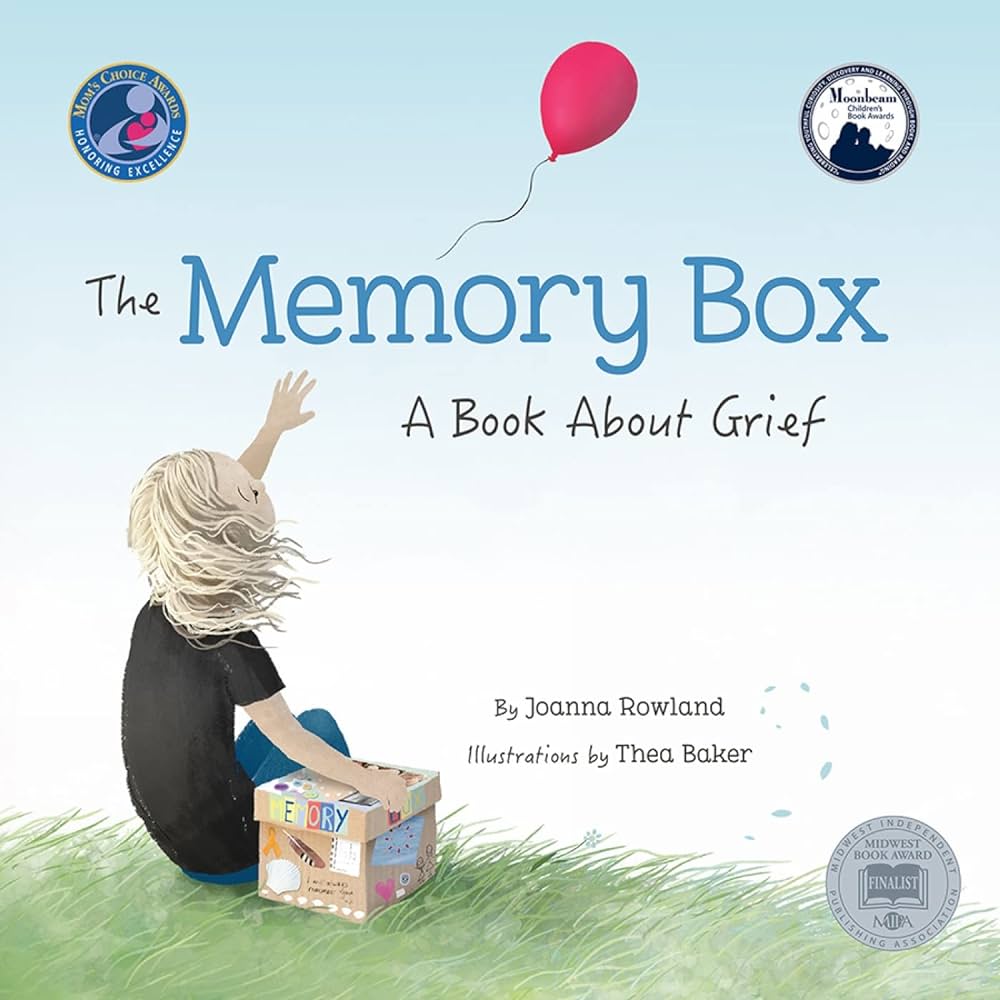
The Memory Box is a very helpful book for children who have lost a loved one. It brings to light a variety of emotions from fear to sadness to happiness that children may experience as they go through the grief process and beyond. Sometimes, adults find it difficult to talk about feelings and death, especially if the person who has died is someone they loved as well. This book helps adults, as it tells a story about a child who is grieving, what feelings she experiences, and how she creates a “memory box.” The illustrations are lovely, almost whimsical, and yet realistic. At the end of the book there is a section to help adults support children through their loss. Children four years old through elementary and possibly the middle school years would benefit from The Memory Box.
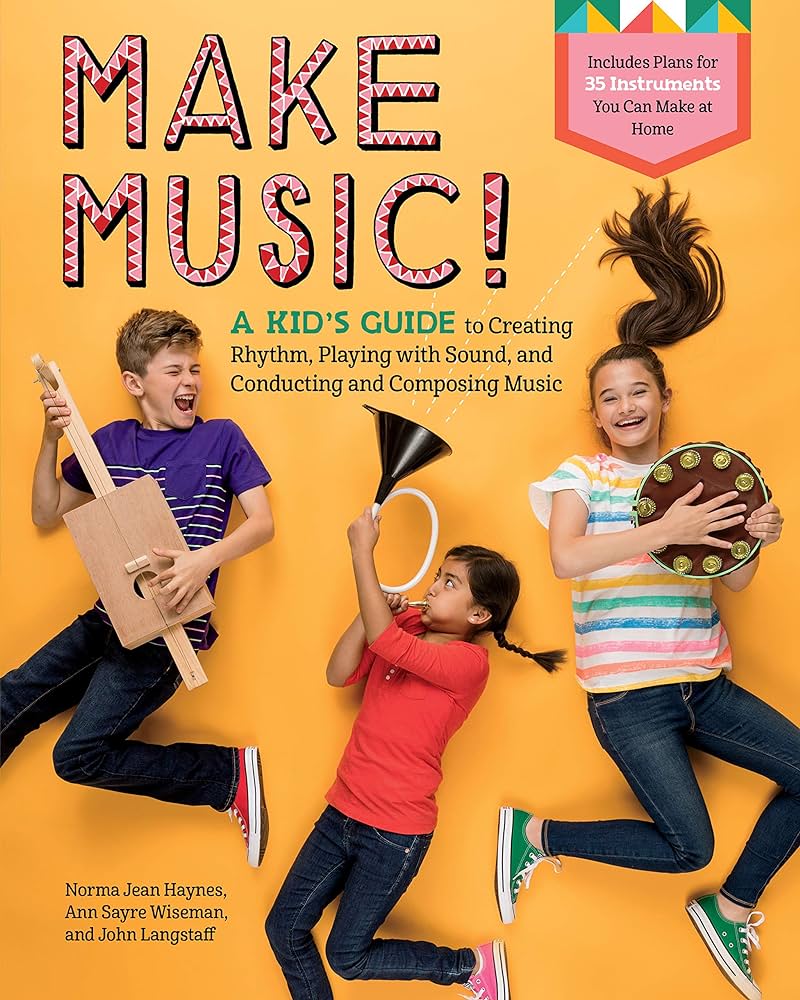
by Norma Jean Haynes, Ann Sayre Wiseman, and John Langstaff
Another wonderful book for adventurous children and grown ups who want to have fun making music! The book is laid out in categories starting with Beginning Notes (pun intended I’m sure!); Household Things that Ring and Ping; Body Music; Percussion Beats and Rhythms; Breath Music: the Winds, The String Section; Instruments from the Workshop; and Creating Music. I’m excited just writing down the names of the sections and that’s not all. This book has beautiful photos of real children in action and having so much fun with music. Make Music is a great resource for an afterschool studio or for the vacation home or cabin, or at home on a school break, or ongoing project. The audience for the projects would probably be elementary-age children because of their skill and social levels; although, very clever teachers or parents could probably modify some of the projects for younger children as well.
Elementary and middle school children, along with their parents and teachers, will love this book. It is a hilarious review of wild animals from around the world! Each animal is rated in a humorous way that tells the reader a little something about the creatures. Animals Reviewed also includes the common name for the animal, its scientific name, and a zoo or aquarium where it can be found. This information is great because some of these animals may tickle a child’s curiosity and may motivate them to do more in-depth research about the animal. They may even be able to go see the animal in person if a zoo or aquarium nearby has one in residence. Enjoy!
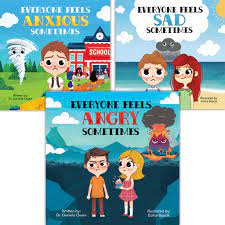
This series is written by an author who we have heard from before. Dr. Owen also wrote a series called Right Now. Some of you may remember and have read those books. Everyone Feels is a new series that can help children identify feelings, such as anger, sadness, and anxiety and give them strategies to cope with them in appropriate, healthy ways. Strategies include deep breathing, changing their thoughts, physical exercise, etc. In the past, children were taught to “stuff” certain feelings and pretend they didn’t exist. Fortunately for all of us, we now know that “stuffing” only leads to eventual explosions that can negatively impact the person with the feeling and others around them.
This series is very helpful for young children as they learn how to self-regulate and express themselves in ways that keep them emotionally safe and healthy. It would be a good addition to any home or school library for children three to ten years old. The books can be purchased online or at a local bookstore.
This children’s book encourages children to feel their own feelings, think their own thoughts, self-reflect, know themselves, be courageous, and accept others for who they are. The overall belief is that humans inherently know who they were meant to be when left unjudged and unconditionally loved. Within this book, the story is written in English and then repeated in Spanish – two books in one. The illustrations are colorful and fun. They depict children from many backgrounds.
At the end of the book, there are several pages with notes to parents, caregivers, and teachers with discussion questions and activities. This book would be appealing to three- to eight year-old children. It can be purchased at amazon.com and other book outlets.
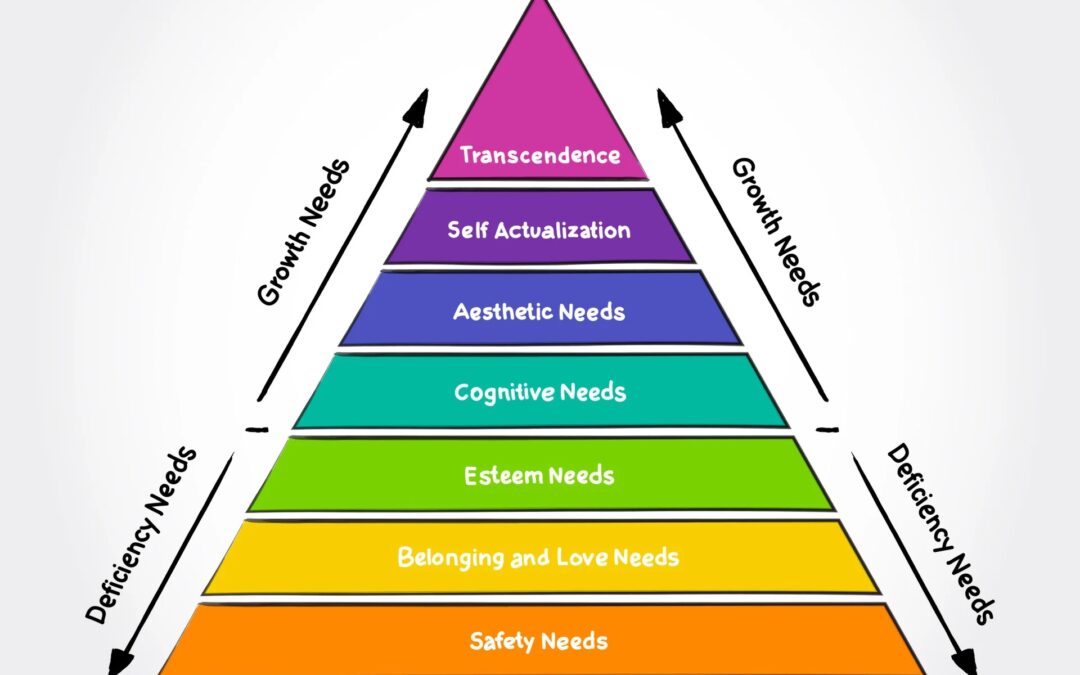
Maslowe, a well-known psychologist, developed a theory about humans and their needs along life’s path. In this broadcast we will discuss the needs of parents and caregivers as they journey through their years in Montessori school communities. Join us and take a look at where you are in your Montessori journey.
Illustrated by Alishs Nicole Brumfield, Brenda Brambila, Esma Bošnjaković, Samantha Morales-Johnson, Sophia Marie Pappas, Tracy Nishimura Bishop, and Chie Ushio
During the years that I have been studying the Montessori Method and philosophy, I have read, literally, hundreds of books written by Montessorians, as well as many experts from others in the field of child and adolescent development. Most recently, my focus has been on supporting families, and many good books are out now for parents. This one gets a gold star from me!
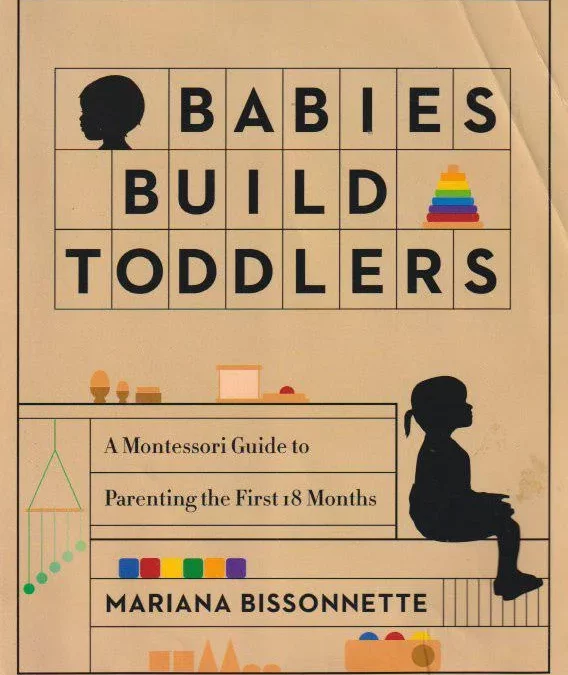
Babies Build Toddlers is written to support families of infants through 18 months old. Mariana Bissonnette brilliantly gives readers enough information about child development so that, when they are done, they actually feel secure in their knowledge of infant development and their capability to do the right things for their baby instead of being overwhelmed by too much and, frankly, too technical information.
The author uses a plant analogy to describe how the baby builds the toddler. It’s beautifully simple and sensible! And she has a wonderful sense of humor. You may notice that there is quite a list of illustrators for Bissonnette’s book. Nicely done! The illustrations are fun, colorful, multicultural, multiracial, and multigender. There is no one kind of family.
There are five parts:
The Plant (the toddler) This part explains who the toddler is.
The Roots (infant development) Here, the reader learns the critical areas of development for infants.
The Conditions (the physical and emotional environment) Now the reader learns what infants need to do in their home to develop to their full potential.
The Gardener (the adult’s role) Finally, the reader discovers how to best support their baby during these most important months of life.
The Full Chart (a timeline for your baby’s growth) The reader gets here, and they know they’re ready!
The author is a Montessorian. The values that we hold dear are all in here: respect; dignity; practice informed by observation; empathy; recognition of potential; independence; order; peaceful interactions; and more.
You can purchase this book (new or used) at most book distributors.
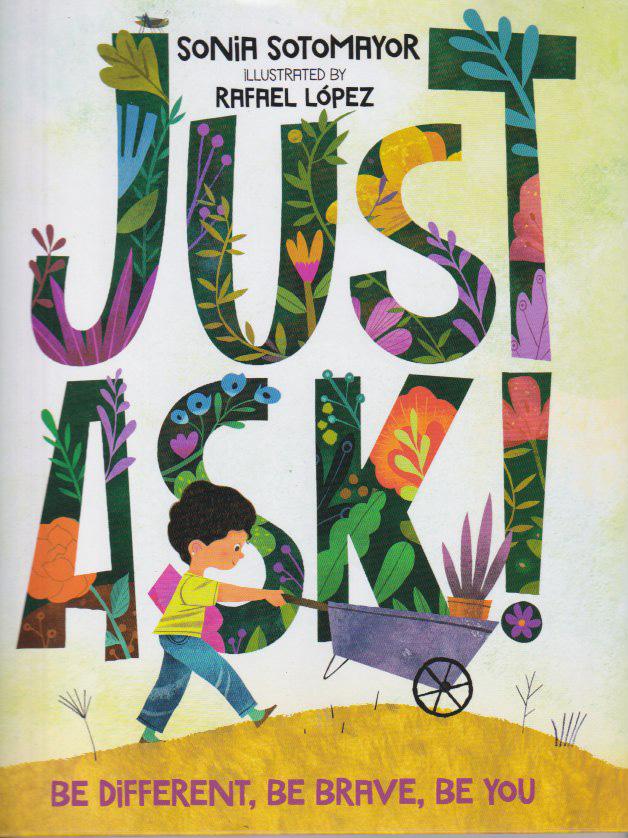
Written by Sonia Sotomayor, US Supreme Court Justice
Illustrated by Rafael López
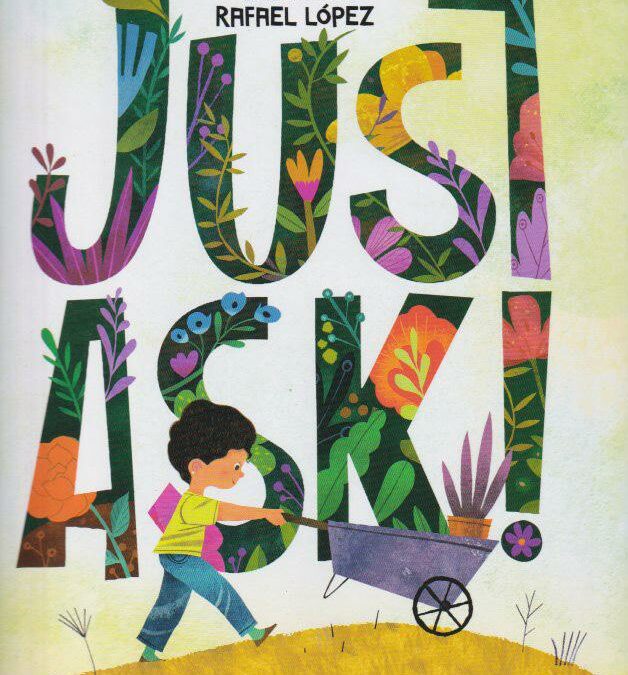
In this book, a group of children go together to a garden. They decide where to plant flowers, water trees, and enjoy the day together. As each child in the book introduces themselves, we learn that each child is “differently abled.” Some of them take medicine to keep healthy, and some use special tools to get around and learn or act differently than most children do.
The author suggests that, like only having one kind of plant, the world would be quite uninteresting if all humans were the same. She also lets the readers know that it’s okay to ask about differences so we can better understand each other’s unique qualities and circumstances. The illustrations are done in lovely colors and give quite a realistic view of each of the children in the book.
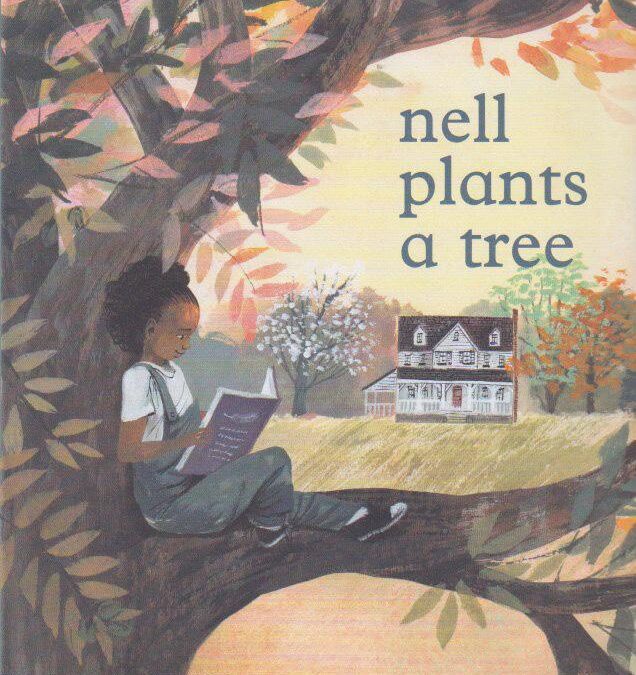
Wow! This one is a powerful, well-written, and beautifully illustrated book about a young girl named Nell who plants a seed. The steps from finding a seed to every step along the way to a fully grown tree producing its own pecans are laid out in a lovely and rhythmic story of then and now. It swings gently back and forth through time as the tree and the humans grow and change together over the years.
There is so much to explore about the growth and development of a tree in this story, especially the love, care, and attention it takes for it to thrive. How humans interact with this gift from nature becomes a truly heartwarming story. The memories that everyone makes in and around this tree will never be forgotten. Then, at the end, we come full circle as a new child finds a seed and asks Gramma Nell what to do with it. And, so, it starts again — the wonderful circle of life!
Holidays are often a time filled with emotion and that makes sense! The emotional experience of holidays is part of what gives them meaning and importance in our lives. But how can we plan ahead to center our families’ unique needs, values, and traditions so that these special times include more moments of joy, presence, and connection. In this session, we’ll talk together about mindful ways to identify and connect with what matters most during the holidays.
By now, I hope you have all taken just a few moments to open your Montessori Family Alliance (MFA) account. Ask your school administrator for the link so that you have access to “The Montessori App,” where you can find everything you are looking for right on your phone, your computer, or your tablet.
Wit & Wisdom: A family chat! is broadcast on the last Wednesday of each month from 8:00-9:00 pm ET on Zoom. Topics include: strong-willed children; family communication; a candid conversation with a former Montessori family; financial literacy for children; and much more. It’s free!
Many of our member schools are offering “The Parenting Puzzle: Peacing It All Together” at their schools to help them translate the secrets of Montessori classroom leadership into Montessori homelife leadership. Ask your administrator when your school will be offering it.
Connect with your fellow Montessori families and schools around the globe.
Encourage your school leaders to capture important moments, fun events, school milestones and anniversaries, student trips, etc. by sharing high-resolution photos (with permission to publish). We just need your school’s name, location, and a few words about the event.
You can also send us a brief, real-life story with permission to publish along with high-resolution photos. Your story could be an “ooops” that didn’t work (lesson learned) story, a funny anecdote (here’s what happened on the way to school), a story about how you and your child worked on a project together, or any other story related to home or school life.
Illustrated by Alishs Nicole Brumfield, Brenda Brambila, Esma Bošnjaković, Samantha Morales-Johnson, Sophia Marie Pappas, Tracy Nishimura Bishop, and Chie Ushio
During the years that I have been studying the Montessori Method and philosophy, I have read, literally, hundreds of books written by Montessorians, as well as many experts from others in the field of child and adolescent development. Most recently, my focus has been on supporting families, and many good books are out now for parents. This one gets a gold star from me!
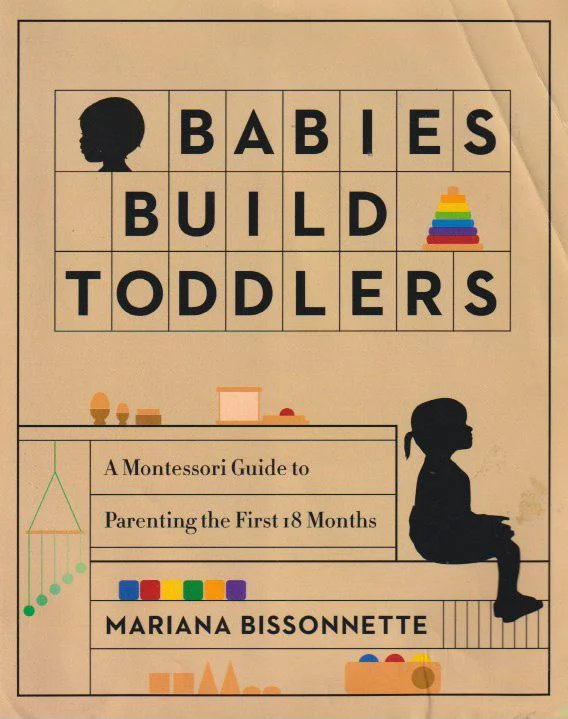
Babies Build Toddlers is written to support families of infants through 18 months old. Mariana Bissonnette brilliantly gives readers enough information about child development so that, when they are done, they actually feel secure in their knowledge of infant development and their capability to do the right things for their baby instead of being overwhelmed by too much and, frankly, too technical information.
The author uses a plant analogy to describe how the baby builds the toddler. It’s beautifully simple and sensible! And she has a wonderful sense of humor. You may notice that there is quite a list of illustrators for Bissonnette’s book. Nicely done! The illustrations are fun, colorful, multicultural, multiracial, and multigender. There is no one kind of family.
There are five parts:
The Plant (the toddler) This part explains who the toddler is.
The Roots (infant development) Here, the reader learns the critical areas of development for infants.
The Conditions (the physical and emotional environment) Now the reader learns what infants need to do in their home to develop to their full potential.
The Gardener (the adult’s role) Finally, the reader discovers how to best support their baby during these most important months of life.
The Full Chart (a timeline for your baby’s growth) The reader gets here, and they know they’re ready!
The author is a Montessorian. The values that we hold dear are all in here: respect; dignity; practice informed by observation; empathy; recognition of potential; independence; order; peaceful interactions; and more.
You can purchase this book (new or used) at most book distributors.
Just Ask … Be Different, Be Brave, Be You
Written by Sonia Sotomayor, US Supreme Court Justice
Illustrated by Rafael López
In this book, a group of children go together to a garden. They decide where to plant flowers, water trees, and enjoy the day together. As each child in the book introduces themselves, we learn that each child is “differently abled.” Some of them take medicine to keep healthy, and some use special tools to get around and learn or act differently than most children do.
The author suggests that, like only having one kind of plant, the world would be quite uninteresting, if all humans were the same. She also lets the readers know that it’s okay to ask about differences so we can better understand each other’s unique qualities and circumstances. The illustrations are done in lovely colors and give quite a realistic view of each of the children in the book.
Children 4-8 years old would enjoy this book.
Nell Plants A Tree
Written by Anne Wynter
Illustrated by Daniel Miyares
Wow! This one is a powerful, well-written, and beautifully illustrated book about a young girl named Nell who plants a seed. The steps from finding a seed to every step along the way to a fully grown tree producing its own pecans are laid out in a lovely and rhythmic story of then and now. It swings gently back and forth through time as the tree and the humans grow and change together over the years.
There is so much to explore about the growth and development of a tree in this story, especially the love, care, and attention it takes for it to thrive. How humans interact with this gift from nature becomes a truly heartwarming story. The memories that everyone makes in and around this tree will never be forgotten. Then, at the end, we come full circle as a new child finds a seed and asks Gramma Nell what to do with it. And, so, it starts again — the wonderful circle of life!
You Hold Me Up
Written by Monique Gray Smith and Danielle Daniel
This book demonstrates what it means to honor and support families, friends, and cultures using both text and illustrations. It is quite beautifully written as well as pictured. Though we cannot change horrific events that occurred in the past, we can change how we treat each other now. We can better understand each other, empathize with each other, and respectfully embrace each other.
Human history is not always a pretty sight; we need to study and learn from it honestly. Depending on the age and maturity of the child or children in your care, the material in this book can be simply read as a story of friends and family with a young audience. With a more mature audience, it could include the history that the author referred to in the back of the book. It can be presented in different ways to children from 3-10 years old.
The Colors of Us
Written by Karen Katz
This is a story about a mom helping her daughter, Lena, to develop an awareness of the many shades of colors that people have. Mom wants her daughter to recognize that skin color varies greatly. Then, when she paints people’s pictures, the colors will be uniquely theirs. They describe the colors by likening them to yummy things to eat, like honey or chocolate cupcakes, and to things found in nature, like autumn leaves or precious metals. At the end of the day, Lena realized that she needed to mix several colors together to create just the right one for each of her friends. The illustrations are bright and full of color, as you expect! Children from 4-8 years old would enjoy this book.
The Mighty Solar Panel — Because Nothing’s More Powerful than a Sunny Day!
Written by Daniel Jarrett
This is an interesting book published by an Australian solar company. The author tells the story of what solar panels are, how they collect energy, how excess energy is sent to storage plants, and the value of using solar power rather than fossil fuels.
The illustrations are colorful and lively. The Sun is the narrator and tells the boy the story. It would be interesting for children ages 5-9 years old.
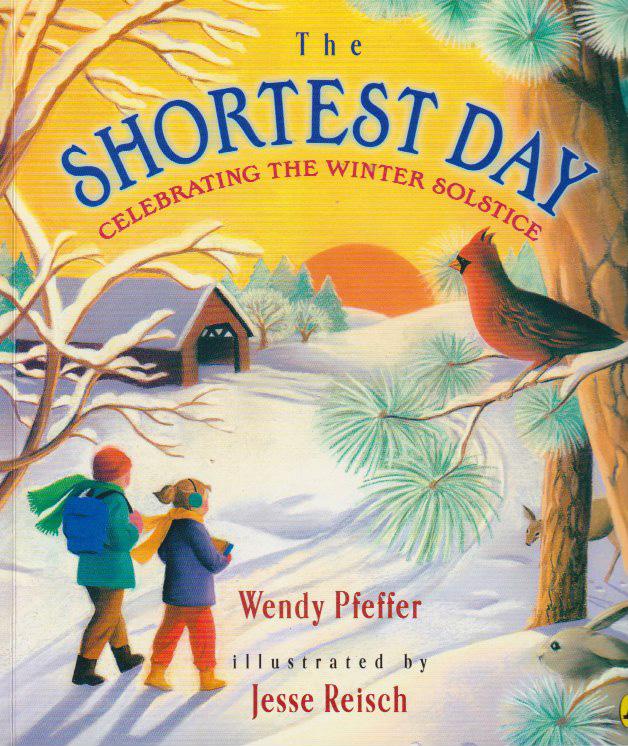
The Shortest Day: Celebrating The Winter Solstice
Written by Wendy Pfeffer
Illustrated by Jesse Reisch
Gorgeous, realistic illustrations! This paperback book beautifully shows the changes that the planet and living creatures go through as they prepare for the change in season. It is based in the northern hemisphere. The author explains in a clear and uncomplicated way what happens as the Earth revolves around the Sun.
You can also show your child how this works with a flashlight and a globe. See the back of the book for details.
Then, the author tells the story of how people felt when the seasons changed and what they learned about the Earth, the Sun, and the seasons. She tells what humans began to do to celebrate these changes in the year. The celebrations became yearly traditions, differing from place to place and according to human beliefs.
There are several pages of information and activities at the end of the book: an illustration of the Earth’s rotation; a sunrise/sunset chart; measuring shadows; northern and southernmost points during the year; the tilt of the Earth activity; a cupcake recipe; and a guide for creating a pinecone feeder for the birds.
This book is done quite well for children 5-8 years old. It is beautiful, encourages wonder and awe, and provides activities for families to do together.
Calling all teachers, parents, & children! We would love to publish reviews of your favorite books. Send book reviews to Lorna at: lornamcgraph@montessori.org
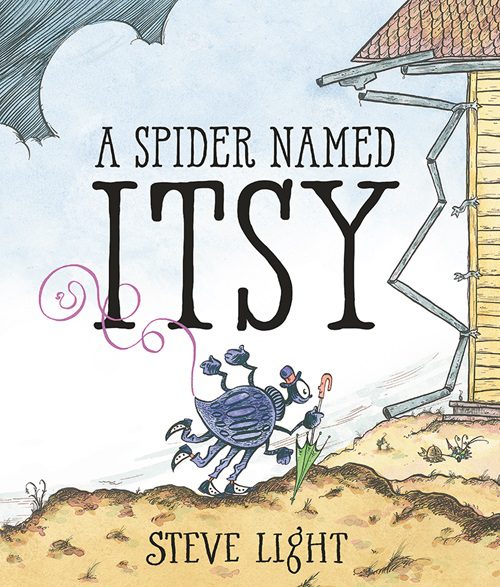
This book brings new light to the children’s song about an itsy-bitsy spider! The illustrations are action packed, the spider is persistent, and in the process Itsy not only builds a new house but makes new friends as well. The words to the song are written out at the end of the book. Fun to read, fun to sing, and fun to imagine! I would recommend this book for children 2 to 7 years old.
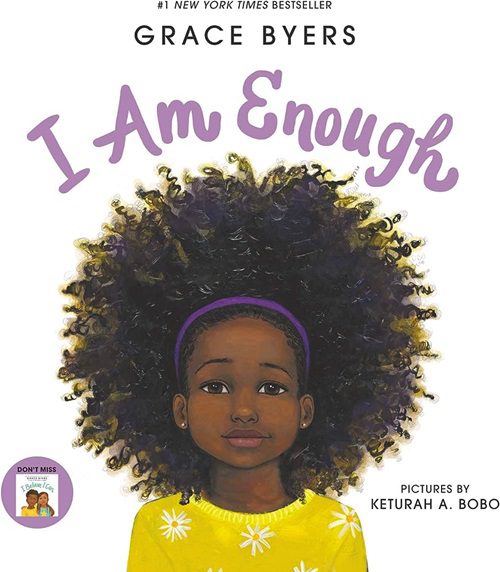
Written by Grace Byers, Illustrated by Keturah A. Bobo
I am enough. What does that mean? Enough what?
The author, Grace Byers, describes in rhyme what she means by the title. Young children love rhyming, and they will love the rhythm of the words in this book. It is beautifully illustrated with realistic drawings of girls of all kinds. Yet, it is a book for boys and girls that sends messages about loving oneself, respecting others, and being kind to one another. Highly recommended for children from 3 to 8 years old. It is available from most book sellers.
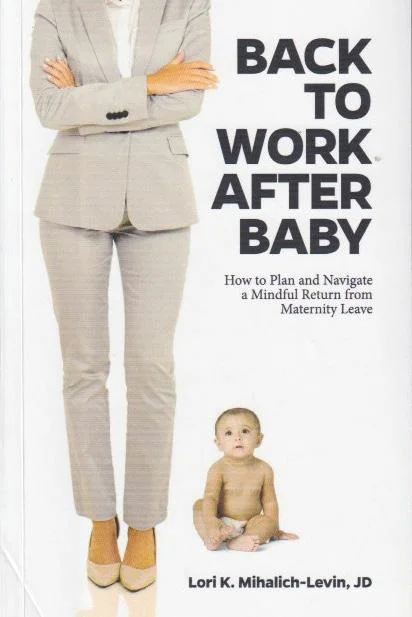
Back to Work After Baby: How to Plan and Navigate a Mindful Return from Maternity Leave
Written by Lori K. Mihalich-Levin, JD
Let’s face it, the vast majority of parents have (or want) to go back to work sooner or later and it’s really difficult to find a guide for how to do that in the most healthy and practical way possible. The author wrote this book specifically with moms in mind and from a mom’s perspective. However, I think that any parent or primary caregiver, who is about to go back to work after family leave, would benefit from the ideas and suggestions in it.
My suggestion to readers who are not female, and the birth mother is, try not to be distracted or to become defensive or offended by some of the language and ideas specifically for “mommies.” If you can extrapolate the messages she is making, you will probably get some very useful information from this book.
Back to Work After Baby addresses both the reader’s “soft side” (the emotions that often accompany returning to work) and “hard side” (the logistics that must be figured out for the return). It is well organized, and the reader can easily access the specific areas of interest. Chapters include:
• A Mindful Mindset for Return
• All Those Logistics
• Turning Leave into Leadership
• Building Community
Whether this is your first child or any number after that, you will find information, ideas, and understanding in this book. You can purchase it from most booksellers.
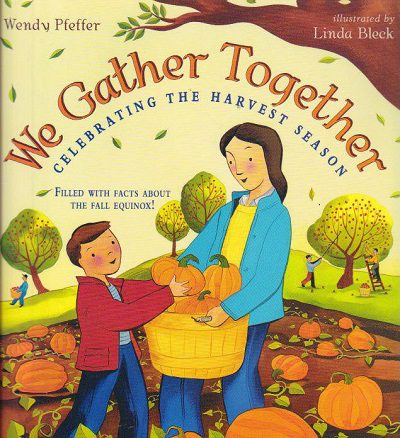
We Gather Together: Celebrating the Harvest Season
Written by Wendy Pfeffer, Illustrated by Linda Bleck
Wendy Pfeffer is one of my favorite children’s book writers. As usual, I really appreciate how she not only tells interesting stories but also helps children learn about scientific events, such as the fall equinox and the history of humans around the world. We Gather Together is no exception, and it is wonderfully illustrated by Linda Bleck.
I loved reading about harvest celebrations around the world and their history. However, I am a bit skeptical about the description of the United States legend concerning the Pilgrims and Native Americans. Please read the two-page spread in advance before reading to your children, then decide for yourself whether to read it as written. I would recommend this book for children 4 to 8 years old.
Membership in The Montessori Family Alliance means direct access to Montessori experts and other friends and parents of Montessori. Now, you have a one-stop resource for all of your Montessori needs. Brought to you by The Montessori Foundation.