
Montessori Materials at Home?

Montessori Materials at Home?

when our children are loved
by Lorna McGrath and Tim Seldin

Sarah Chen stood in her living room, staring at the catalog of Montessori materials spread across her coffee table. Her daughter Emma had just started at a local Montessori school, and Sarah was torn about whether to invest in some of the beautiful wooden materials she’d seen in Emma’s classroom. Like many parents, she wondered if having these materials at home would give her child an extra advantage.

This common parental impulse (to provide educational materials at home that mirror the school environment) comes from a good place. However, Montessori educators and experienced parents have found that the relationship between school and home learning can be more nuanced than it might first appear.

“When parents ask us about purchasing Montessori materials for home use, we often encourage them to pause and reflect,” says Maria Torres, a Montessori guide with 15 years of experience. “The magic of these materials in the classroom setting comes partly from their novelty and the way they’re presented. When children have unlimited access to them at home, it can actually diminish their special appeal in the classroom.”

This doesn’t mean your home can’t support your child’s Montessori education, quite the opposite! The key lies in understanding the deeper principles of the Montessori approach and finding creative ways to apply them in your home environment without duplicating the classroom experience.

Consider the kitchen, for instance. Rather than purchasing specialized Montessori practical life materials, you might create a designated space where your child can independently access appropriately sized tools for food preparation. A low drawer with child-sized implements allows children to make their own snacks, pour their own drinks, and help with meal preparation. Likewise, set up the lowest shelf in the refrigerator to hold wholesome snacks and drinks that they can prepare. This approach not only develops the same skills as classroom materials but does so in a real-world context that children find deeply satisfying.

The same principle applies to other areas of development. Instead of investing in the iconic Pink Tower or Brown Stairs, parents can create rich sensorial experiences through everyday activities. Elizabeth Morgan, a parent of two Montessori students, discovered this organically. “We started taking nature walks and collecting objects of different sizes, weights, and textures,” she explains. “My children became fascinated with comparing pinecones, sorting rocks, and creating their own classification systems. It dawned on us that this was Montessori thinking in action, without any specialized materials.”

The same principle applies to other areas of development. Instead of investing in the iconic Pink Tower or Brown Stairs, parents can create rich sensorial experiences through everyday activities. Elizabeth Morgan, a parent of two Montessori students, discovered this organically. “We started taking nature walks and collecting objects of different sizes, weights, and textures,” she explains. “My children became fascinated with comparing pinecones, sorting rocks, and creating their own classification systems. It dawned on us that this was Montessori thinking in action, without any specialized materials.”

Language development provides another opportunity for organic learning at home. While Montessori

classrooms use specific materials, such as Sandpaper Letters and a Movable Alphabet, home language experiences can be woven naturally throughout the day. Rich conversations during meals, storytelling at bedtime, and casual writing opportunities, such as helping to make shopping lists, all support literacy development without requiring specialized materials.

When it comes to mathematics, daily life offers countless opportunities for mathematical thinking. Counting stairs as you climb them, measuring ingredients while cooking, or sorting laundry all develop mathematical understanding in meaningful ways. These real-life applications often prove more valuable than having formal mathematical materials at home.

There are, however, times when purchasing specific Montessori materials might make sense. Your child’s teacher might recommend particular materials to support specific learning needs, or you might want certain items for extended breaks from school. In these cases, the key is to communicate openly with your child’s guide about what would be most beneficial.

Some parents have found creative middle-ground solutions. The Wilson family, for instance, created a rotating selection of seasonal materials that complement, rather than duplicate, classroom work. During summer, they might bring out materials for nature study and gardening. In winter, they focus on Practical Life skills, such as food preparation and craft work. This approach keeps activities fresh and engaging while supporting their children’s development.

The most successful home environments typically

focus on creating opportunities for independence, concentration, and Practical Life skills rather than academic materials. A thoughtfully prepared space might include a designated area for artistic expression, easily accessible shelves for books and activities, and child-sized furniture that allows for autonomous movement and work.

As Sarah Chen eventually discovered, creating a supportive home environment had less to do with purchasing specific materials and more to do with applying Montessori principles in daily life. “Once we shifted our focus from materials to opportunities,” she reflects, “we started seeing possibilities everywhere. Our home became a place where learning happened naturally, through living.”

As Sarah Chen eventually discovered, creating a supportive home environment had less to do with purchasing specific materials and more to do with applying Montessori principles in daily life. “Once we shifted our focus from materials to opportunities,” she reflects, “we started seeing possibilities everywhere. Our home became a place where learning happened naturally, through living.”

This approach not only supports children’s development but also maintains the special relationship they have with their classroom environment. After all, the goal isn’t to recreate school at home but to create a complementary space where children can continue to grow and develop in their own unique way.

The beauty of this approach lies in its simplicity and authenticity. By focusing on real-life experiences and genuine opportunities for independence, parents can create an environment that genuinely supports their child’s Montessori education. No specialized materials required! 

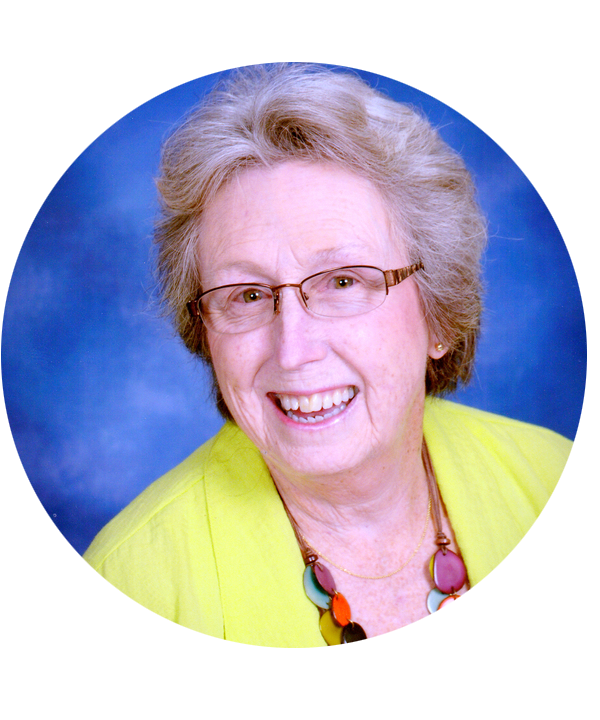
Lorna McGrath is a Montessori teacher educator, conference presenter, and Montessori consultant. Lorna has 41 years of experience in the field of education, teaching children from 18 months through 6 years old, and from 12 through 18 years old in both public schools and independent Montessori schools.
Book Reviews

Book Reviews

when our children are loved

Our Blue Planet

Written by Leisa Stewrat-Sharpe
Illustrated by Emily Dove

This is incredibly rich in content, giving a brief synopsis of the underwater world: the creatures; their habits; their purpose; and their power. David Attenborough begins the journey with a thoughtful foreword and ends it with a challenge to all of the human race.

This is incredibly rich in content, giving a brief synopsis of the underwater world: the creatures; their habits; their purpose; and their power. David Attenborough begins the journey with a thoughtful foreword and ends it with a challenge to all of the human race.

It is a book to be read in sections so that the amazing information can be taken and expanded upon through

research. Children will be fascinated by all that goes on in earth’s deepest, darkest places. When we are amazed and in awe, we tend to be motivated to learn and to take action.

This book contains stories from BBC’s Blue Planet II

The book ends with some simple things that we can do to protect and preserve our planet.

The book ends with some simple things that we can do to protect and preserve our planet.

• Power Down: reduce energy use

• The Lungs of Our Planet: plant more trees

• Become a Sea-Life Spotter: gather valuable information for scientists

• Plastic Is Not Fantastic: don’t use single-use plastic

• Reduce, Reuse, Recycle: reduce plastic waste; repair to reuse clothing or donate it to a charity for others to reuse; recycle cardboard; compost vegetable or fruit peelings

• Reduce, Reuse, Recycle: reduce plastic waste; repair to reuse clothing or donate it to a charity for others to reuse; recycle cardboard; compost vegetable or fruit peelings

This is an amazing book that can be used with children of all ages with caring adult guidance and encouragement.

I was fortunate to travel the Columbia River in Washington State in late summer 2024. While on the cruise we learned a great deal about the Lewis and Clark expedition and Sacagawea. National Geographic Kids publishes many wonderful readers for children at different reading levels. I recommend any books in their reading series. This book is written for children who are fluent readers. It is set up with Grab a Book Book reviews by Lorna

I was fortunate to travel the Columbia River in Washington State in late summer 2024. While on the cruise we learned a great deal about the Lewis and Clark expedition and Sacagawea. National Geographic Kids publishes many wonderful readers for children at different reading levels. I recommend any books in their reading series. This book is written for children who are fluent readers. It is set up with Grab a Book Book reviews by Lorna

Sacagawea


by KitsonJazynka

I was fortunate to travel the Columbia River in Washington State in late summer 2024. While on the cruise we learned a great deal about the Lewis and Clark expedition and Sacagawea. National Geographic Kids publishes many wonderful readers for children at different reading levels. I recommend any books in their reading series. This book is written for children who are fluent readers. It is set up with interesting information and illustrations, as well as with vocabulary that may be new to some readers. The new words are defined after they are used in context and include a pronunciation guide. At the back of the book is a glossary, an index, and a quick quiz.


I learned interesting and factual information about Sacagawea’s life, her experiences on the journey, and her important contributions to the success of the Corps of Discovery. It is an engaging book for young readers in the elementary years.

Seaman’s Journal: On the Trail with Lewis and Clark & Illustrated by Patricia Reeder Eubank

As I took my first glances through the pages I thought, “Wow! Eye-catching illustrations!” They are colorful, realistic, and give readers almost as much information as the text.

Seaman was a Newfoundland dog, owned by Captain Meriwether Lewis. Seaman traveled with Captain Lewis

and the Corps of Discovery across what is now the United States. The author chose to write this book as if Seaman was writing.

The events in this story are based on Lewis’s journal. It is a captivating account of the 8,000-mile journey across America to the Pacific Ocean and back from a dog’s eye view! Children from 5 to 10 years old will not only enjoy it but will learn a great deal about this historic adventure.

Something, Someday

Written by Amanda Gorman, Presidential Inaugural Poet 2016
Illustrated by Christian Robinson

Amanda Gorman once again has written a poem for children that is full of determination, hope, and friendship. The essence of this piece is about how to make a difference in our world. According to her poem, the keys are to have a vision of how it might work, the need to keep working even in small increments, keep hope in your heart, and others will gather around as friends and helpers with the same vision. What I imagined as I read this

book is another project that I and others are working on, unrelated to cleaning up our world (recycling, repurposing, reusing), and I thought these same principles could be applied to many different ideas, projects, and plans. It’s so simple and yet profound.

The illustrations are reminiscent of Ezra Jack Keats’s work. Very nicely done, including diversity in ages, races, and physical abilities, and shown in an urban environment.

I would recommend this book for children ages 4-8 years old. I would also recommend that parents, caregivers, or classroom teachers read this book to a child or children. Then explore together what possibilities there are, or might be, in life for making sometimes seemingly impossible dreams into reality.

Emmy in the Key of Code

Written by Aime Lucida

“A definite book to teach you about code, life, and the essence of computer programming.”

I am 11 years old, and I love this book. I read it twice! It taught me about coding and how to handle life. Emmy in the Key of Code is a realistic fiction book about a twelve-year-old girl who needs to make music to save her life.

Emmy is a 6th grader and is the protagonist of the story. She faces lots of challenges that are outside her comfort zone. Emmy goes into a new school where she meets Abigail who helps Emmy find the way to make music with her new life of coding. Abigail is Emmy’s best friend and faces the challenge of making her own decisions while helping others. Ms. Delaney is Emmy’s computer teacher and teaches Java and binary code. In the book, Emmy’s first computer program was Hello World. Hello, World is the first code new programmers use to get the hang of coding with any computer language. Francis is the antagonist of Emmy and makes her feel like an outsider of coding; however, girls were the first computer scientists.

In this book, you get to meet Jeopardy, who is Emmy’s loved golden retriever. One of my favorite lines from the book is when Emmy made music with her computer coding: “Public, Static, Void, Main, String, Bracket, Bracket, Args!” which are the building blocks of Java coding.

What makes this book interesting to me is that Aimee Lucido balanced the antagonist’s moves and the protagonist’s moves. Lucido wrote this book uniquely by writing words in a whole

new way. For example, she scattered the words all over the page. Emmy in the Key of Code is a book I would read over and over again. A perfect book for people interested in coding.

Reviewed by Jayden Allsop, Trinidad, NewGate Global Campus, 7th grade.

Wildwood

Written by Colin Meloy

In Colin Meloy’s fantasy adventure novel Wildwood (the first book in a trilogy), the story follows two seventh graders on their journey through a magical forest to rescue a baby who has been kidnapped by crows. Along the way, they are caught in a deeper plot of an age-old conflict that, if left to play out, could lead to a disastrous ending for everyone involved.

Leading an ordinary life in Portland, Oregon, twelve-year-old Prue Mckeel lives with her parents and baby brother, Mac. She is a skilled artist who is intelligent, courageous, and a true warrior that has been warned of one

thing since she was young: Never venture into the Impassable Wilderness. One day in the park, she is looking after Mac, when suddenly a “murder” of crows swoops down and carries him into, you guessed it, the dreadful Impassable Wilderness. Determined to find her brother and bring him home, she braves the journey with her classmate Curtis Mehlberg, encountering fantastical animals and a civilization that has been hidden for years.

Wildwood is a coming-of-age tale full of magic, danger, suspense, and wonder. I would recommend this novel to anyone who enjoys a good fantasy book, but more specifically ages 10-13, as I feel they will be able to connect and relate much better with our two protagonists.

Some things I enjoyed about this book are the beautiful, detailed illustrations done by Carson Ellis that are sprinkled throughout the story. These especially help if you have trouble with visual imagery or simply want the author’s perspective about what is happening. Another thing I enjoyed is the writing style. It is clear and easy to understand, while still holding detail and depth. This is a bit of a longer book, spanning around 540 pages, but it is worth the read as it transports you into the exciting world of Wildwood.

I rate this book 5 stars.

Reviewed by Nadia Chance, grade 9, age 14, student of NewGate Global Campus

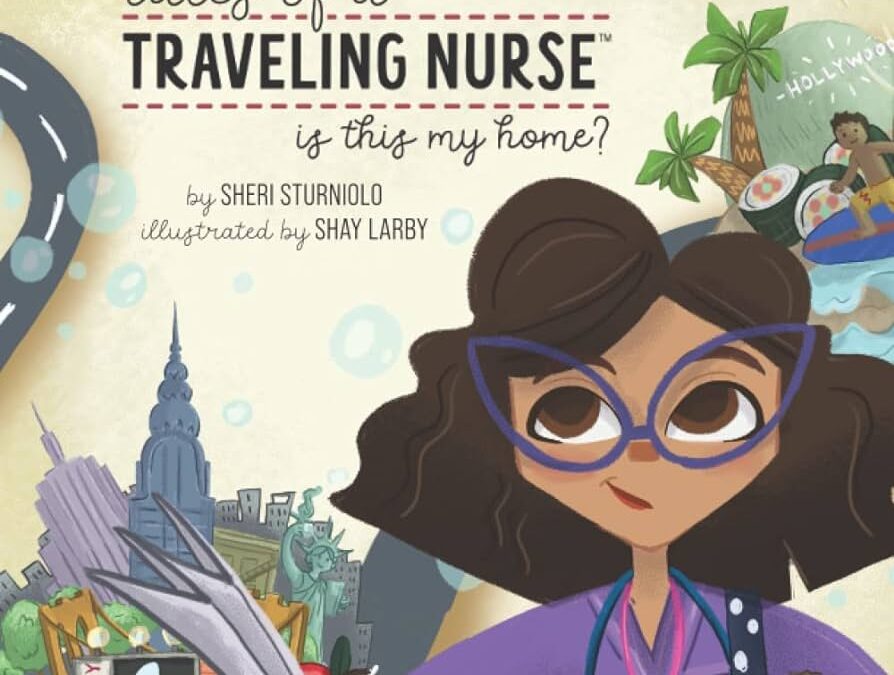
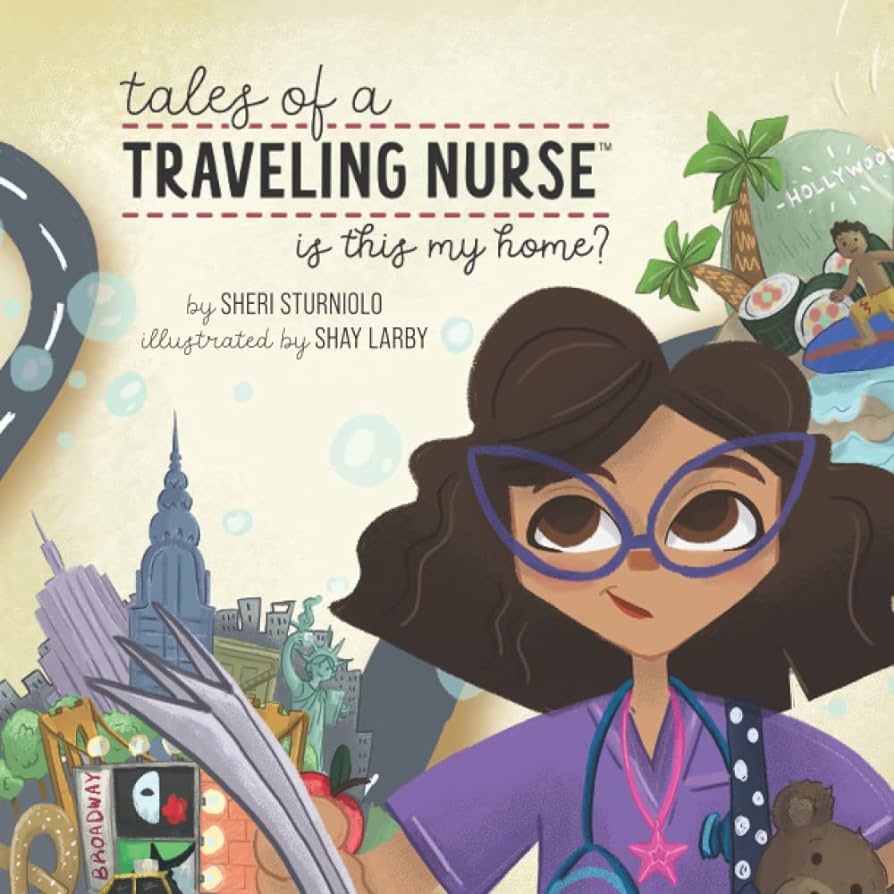
Book Review: Tales of a Traveling Nurse: Is This my Home?

Book Review: Tales of a Traveling Nurse: Is This my Home?

Written by Sheri Sturniolo

Illustrated by Shay Larby

Children at the elementary level will probably enjoy this book as they look at a career that is new to them, as it was for me: Tales of a Traveling Nurse. They will be able to follow her stops in several different states in the United States as she travels in her work as a pediatric nurse and, as she says, “an explorer.” The illustrations are full of color and images of the many experiences that she describes. The author uses rhyming to add interest to the text. This book comes in paperback, hardcover, and board book versions, as well as on Kindle. It can be purchased at amazon.com and other bookstores.

Book Reviews – December  2024

Book Reviews – December 2024

book review

Cover If I were a bear

IF I Were A Bear

Written by Shelley Gill
Illustrated by Erik Brooks

This is an interesting little board book. All the different types of bears look very friendly, almost as if they could be your pet. The content is written in rhyme, based on some facts about them. It is probably enjoyable for children 2-4 years old.

A Salmon for Simon

Written by Betty Waterton
Illustrated by Ann Blades

This story is set in a little sea town on the western shore of Canada. It’s about a young boy who finds himself in an uncomfortable position, where he has to choose between his desire to catch a salmon or to save the life of this amazing animal. The illustrations are gorgeous and the text is smooth, engaging, and full of interesting things about the salmon and the sea life. Children 5 to 8 years old will enjoy the story and would love to engage in thinking and talking about why Simon decided to help the salmon back to the sea.

Backyard Birding for Kids: A Field Guide & Activities

Written & Illustrated by Fran Lee

This is a great little paperback book for grownups and children to read and do activities together. It includes all different environments: urban; suburban; rural; sea shores; mountains; prairies; warm; temperate; or cold. There’s lots of good information for children about birds and their habitats, as well as activities that children can do to attract birds, to understand birds, and to appreciate and support bird life.

With the help of adults, children from 5-9 years old could become engaged in learning about these wonderful animals.

Meeting Natives with Lewis and Clark

Written by Barbara Fifer

I can remember as a late elementary/ early middle school child being fascinated by Native Americans: their lives, homes, food, music, beliefs, etc. This book reminds me of the kinds of books I devoured back then. Barbara Fifer seems to have done her homework on this one. The photos and illustrations are documented. Quotations are from the Journals of the Lewis and Clark Expedition.

She introduces each tribe of native Americans as Lewis and Clark traveled for three long years across what is now the USA. I would recommend this book as a resource for Upper Elementary as well as Middle School classrooms as Book they study our country’s history. I would also encourage parents and caregivers to add this book to their home library. It can be purchased online.

Teaching Montessori Science: 9 Practical Strategies to Engage Children in Hands-on STEAM Activities

Written by Jackie Grundberg

Wow! What an amazing tool for teachers, parents, and caregivers alike. The author has put together a combination of learning experiences designed with adults and elementary children in mind for school or home. The book is well illustrated, the content is backed up by current research, and the principles are Montessori-based. There couldn’t be a better combination.

Even if you only read the first chapter (which I am not suggesting), “The Benefits of Hands-on, Interactive Science Lessons,” you will gain a better understanding of the purpose of the book and will already have multiple examples of (and instructions for) science activities to do with children. However, I would not recommend that because you will be missing out on all the rest of the other great lessons in this book. You will definitely want to add this book to your teachers’ resources at schools or in your home resource center for homeschoolers.

You can purchase this book at www. backpacksciences.com or other online bookstores.

The Camping Trip

Written by Jennifer K. Mann

Ernestine was so lucky to be invited to go on her first-ever camping trip with her Aunt Jackie and cousin Samantha. Her dad helped get all the things on Aunt Jackie’s list. They even made trail mix granola together.

As they drove out of the city, Ernestine hoped her dad wouldn’t miss her too much. They had lots of adventures with swimming, hiking, sleeping in a tent, food — nothing was like what she was used to at home. The illustrations are terrific — sort of like pages from a comic book. Turns out, Ernestine loved her trip even though she was a bit reticent at first. When she arrived home her dad gave her a big hug. She thinks that he missed her. It ends with her and her dad walking away and Ernestine asking him, “Have you ever tried s’mores?”

Wonderful book about trying new things even though they may be different from what we’re used to and having a great time! I suggest that children 5-9 years old would love this book.

We would love to publish reviews of your favorite books. Send book reviews to Lorna at: lornamcgrath@montessori.org

Book Reviews – December  2024

Book Reviews – December 2024

book review

Cover If I were a bear

IF I Were A Bear

Written by Shelley Gill
Illustrated by Erik Brooks

This is an interesting little board book. All the different types of bears look very friendly, almost as if they could be your pet. The content is written in rhyme, based on some facts about them. It is probably enjoyable for children 2-4 years old.

A Salmon for Simon

Written by Betty Waterton
Illustrated by Ann Blades

This story is set in a little sea town on the western shore of Canada. It’s about a young boy who finds himself in an uncomfortable position, where he has to choose between his desire to catch a salmon or to save the life of this amazing animal. The illustrations are gorgeous and the text is smooth, engaging, and full of interesting things about the salmon and the sea life. Children 5 to 8 years old will enjoy the story and would love to engage in thinking and talking about why Simon decided to help the salmon back to the sea.

Backyard Birding for Kids: A Field Guide & Activities

Written & Illustrated by Fran Lee

This is a great little paperback book for grownups and children to read and do activities together. It includes all different environments: urban; suburban; rural; sea shores; mountains; prairies; warm; temperate; or cold. There’s lots of good information for children about birds and their habitats, as well as activities that children can do to attract birds, to understand birds, and to appreciate and support bird life.

With the help of adults, children from 5-9 years old could become engaged in learning about these wonderful animals.

Meeting Natives with Lewis and Clark

Written by Barbara Fifer

I can remember as a late elementary/ early middle school child being fascinated by Native Americans: their lives, homes, food, music, beliefs, etc. This book reminds me of the kinds of books I devoured back then. Barbara Fifer seems to have done her homework on this one. The photos and illustrations are documented. Quotations are from the Journals of the Lewis and Clark Expedition.

She introduces each tribe of native Americans as Lewis and Clark traveled for three long years across what is now the USA. I would recommend this book as a resource for Upper Elementary as well as Middle School classrooms as Book they study our country’s history. I would also encourage parents and caregivers to add this book to their home library. It can be purchased online.

Teaching Montessori Science: 9 Practical Strategies to Engage Children in Hands-on STEAM Activities

Written by Jackie Grundberg

Wow! What an amazing tool for teachers, parents, and caregivers alike. The author has put together a combination of learning experiences designed with adults and elementary children in mind for school or home. The book is well illustrated, the content is backed up by current research, and the principles are Montessori-based. There couldn’t be a better combination.

Even if you only read the first chapter (which I am not suggesting), “The Benefits of Hands-on, Interactive Science Lessons,” you will gain a better understanding of the purpose of the book and will already have multiple examples of (and instructions for) science activities to do with children. However, I would not recommend that because you will be missing out on all the rest of the other great lessons in this book. You will definitely want to add this book to your teachers’ resources at schools or in your home resource center for homeschoolers.

You can purchase this book at www. backpacksciences.com or other online bookstores.

The Camping Trip

Written by Jennifer K. Mann

Ernestine was so lucky to be invited to go on her first-ever camping trip with her Aunt Jackie and cousin Samantha. Her dad helped get all the things on Aunt Jackie’s list. They even made trail mix granola together.

As they drove out of the city, Ernestine hoped her dad wouldn’t miss her too much. They had lots of adventures with swimming, hiking, sleeping in a tent, food — nothing was like what she was used to at home. The illustrations are terrific — sort of like pages from a comic book. Turns out, Ernestine loved her trip even though she was a bit reticent at first. When she arrived home her dad gave her a big hug. She thinks that he missed her. It ends with her and her dad walking away and Ernestine asking him, “Have you ever tried s’mores?”

Wonderful book about trying new things even though they may be different from what we’re used to and having a great time! I suggest that children 5-9 years old would love this book.

We would love to publish reviews of your favorite books. Send book reviews to Lorna at: lornamcgrath@montessori.org

Recommended & DIY Projects With Children: Yarn Mache

Recommended & DIY Projects With Children: Yarn Mache

Yarn Mache

It’s always fun to be creative together, get your hands (and lots of other stuff) messy, repurpose found articles, and experience the joy of giving! That’s what this project is all about. You and your child can make colorful bowls from yarn scraps to give during the holiday season. Try the following steps and see how easy it is.

Materials:

• cornstarch paste

• yarn scraps

• plastic wrap, and

• a bowl to use as a form

Making the paste:

• 1/4 cup cornstarch

• 1/4 cup of cold water

• 1 cup hot water

• A small saucepan

Directions:


3. Dip the yarn in the paste. Layer the saturated yarn over the frame until completely covered.


4. Allow to dry for several days. When hardened, gently remove from the frame.


1. Mix the starch with cold water in a small saucepan to make a smooth paste. Add hot water, stirring constantly, cook until it thickens. Remove from heat. Cool before using. (How much adult help and supervision with this part depends on the child’s age and experience.)

2. Cover the outside of the bowl frame with plastic wrap.


Drum roll, please! Ta Da! Now your child has something they have made to give to someone special, who will most likely cherish it. 

Lorna McGrath, is Director of IMC School Accreditation, Program Director of the Montessori Family Alliance, and Senior Consultant of The Montessori Foundation. Lorna has 41 years of experience in the field of education, teaching children from 18 months through 6 years old and from 12 through 18 years old in both public schools and independent Montessori schools. Lorna is a Montessori teacher educator, conference presenter, and school consultant.

Grab A Book – Book Reviews

Grab A Book – Book Reviews

toy kitchen

Irena’s Jars of Secrets

Written by Marcia Vaughan

Illustrated by Ron Mazellan

Jars of HOPE

Written by Jennifer Roy

Illustrated by Meg Owenson

These are two different books, written by two different women, creating two slightly different stories, but both are about the same courageous woman: Irena Sendler.

The setting is the beginning of WW II in the Warsaw Ghetto, Poland.

I am always saddened by stories about how unkind humans can be to one another. However, I am lifted up when reading stories of individuals (as well as groups of people) show unbelievable strength and courage in the face of horrific injustice and bias towards others. Irena Sendler and many others banded together for good and were able to rescue so many more Jewish children than any one person could have done on their own.

There is a very informative biography of Irena Sendler at the end of Irena’s Jars of Secrets. Both books include a glossary and pronunciation guide for readers. These books are amazing history books for children from about 11 through 13 or 14 years old. They can be purchased online.

Feast For Ten

Written by Cathryn Falwell

This is a wonderful counting book, wrapped around the story of a family

dinner. It reminded me of Sunday dinners at Gramma’s house when I was a child. It tells the story of a family meal from the grocery store to the dinner table. Counting all the way from 1-10, shopping at the store and then starting all over again with taking the food out of the car. It demonstrates how a family can happily work together to create a wonderful meal for everyone, all while counting the carrots, the bunches of greens, the cooks, the chairs, the plates, etc. Children will enjoy this fun book. It is available online.


What a Rock Can Reveal

Written by Maya Wei-Haas (a Montessori graduate)

Illustrated by Sonia Pulido

What a wonderful book for the Elementary years! Maya Wei-Haas knows just how to engage the curiosity of those inquisitive and imaginative minds. She is a Montessori school graduate, who

is now a scientist and writer. Her experience as a Montessori student, I am quite sure, influenced how she organized the book, providing easy-to-understand information. She answers many questions and offers many reallife examples and experiences.

Sonia Pulido’s illustrations are colorful and realistic, inclusive of the children and places around the world. She depicts the kinds of events referenced in the book (i.e., volcanoes, earthquakes, and tectonic plates).

I really didn’t want to put this book down, and it’s relatively long, but that shouldn’t stop anyone from reading this captivating book. I would suggest that adults could easily divide the book into sections and do one at a time. As I read it, I was reminded of baking soda and vinegar volcanoes, rock tumblers for smoothing stones, telescopes for watching the night skies, caverns underground for visiting, and more. There could be all kinds of adventures and experiments to supplement the reading. I can’t wait for my almost 8-year-old grandson to visit so we can start looking at rocks and their stories. This is a book for home and school libraries for sure. It can be purchased at most bookstores online or in person.


Not Too Late:

Changing the Climate

Story from Despair to Possibility

Edited by Rebecca Solnit & Thelma Young Lutunatabua

This book is a collection of articles written by people from many different

organizations, occupations, and countries from around the world who are interested, knowledgeable, and committed to making change in our world. There can be no “pollyanna” or “pie-in-the-sky” thinking about the changes that have happened and continue to happen on earth. However, there is hope and resilience in humans across the globe. The articles in this book inform us about some of those humans, the actions they are taking, and the information gathered.

The importance of reading Not Too Late should not be underestimated or overlooked by anyone who has a child or who cares for children. All of us are being affected by reports of the state of the world that we see and hear every day. As adults, it’s our responsibility to help our children to develop resilience and hope even in challenging times. One way to do that is by reading this book. It will help bolster your resilience and hope. Through our attitudes and actions, children will absorb our renewed spirit and become empowered themselves. In this day and time, I suggest that this is a must read for parents, teachers, and all adults who influence children’s lives. It can be purchased online or in bookstores.


Pirate Ships and Shooting Stars

Written by Carolinda Goodman
Illustrated by Nur Efsan Topcu

Wow! This is a book that I had tucked away and found again the other day.

It turns out that I’ve had it for almost two years now. Anyway, today, I finally read it. It’s grand!

Carolinda wrote the text in rhyme, which young children love so much. It’s all about the sky and what we can see up there if we use our imaginations. There are pictures, stories, and even shows if we just take the time to look up and see. First the author looks at the sky during the day, starting with sunrise, then pictures in the clouds, sometimes rainbows, or clear skies open for our imaginations to soar! Later, of course, there’s the sunset, the moon and stars, constellations, shooting stars, and more.

I love the excitement and enthusiasm for watching the sky with all its wonders that the author brings to readers.

Wit and Wisdom: A Family Chat:  “Raising Your Child the Montessori Way” with Lorna McGrath

Wit and Wisdom: A Family Chat: “Raising Your Child the Montessori Way” with Lorna McGrath

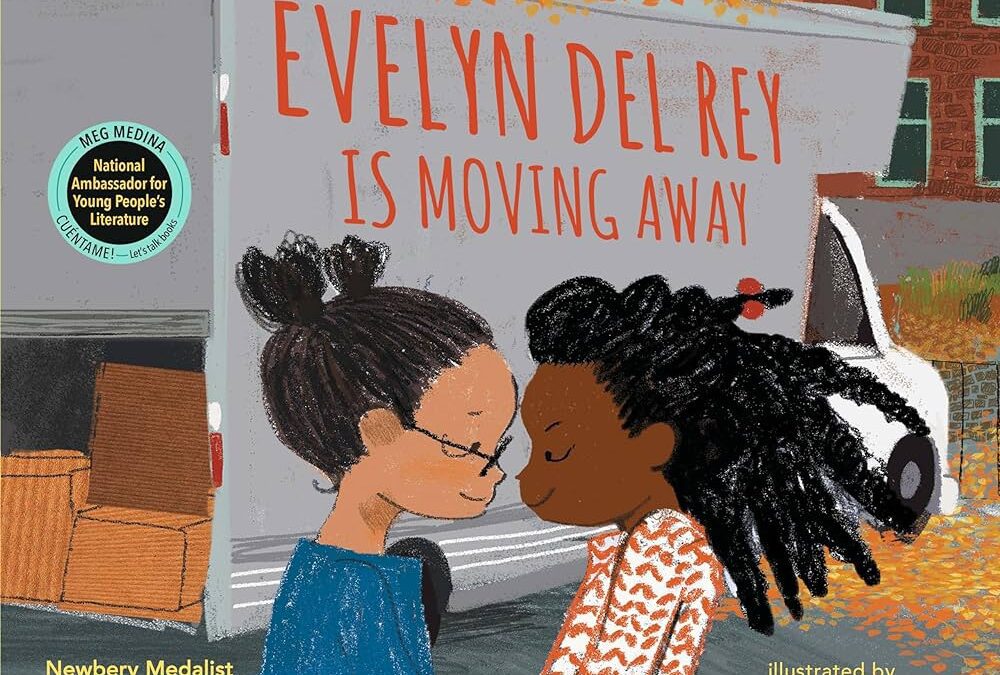
Book Review: Evelyn Del Rey Is Moving Away

Book Review: Evelyn Del Rey Is Moving Away

EVELYN DEL REY IS MOVING AWAY

Written by Meg Medina
Illustrated by Sonia Sánchez

Touching. Meg Medina captures in a lovely way the feelings friends often have when they become physically distant from each other, as in a move to another town or city and the changes that occur in their relationship. The illustrations are vivid and quite realistic. They are reminiscent of Ezra Jack Keats’ style. The words come alive through these images. Jumpstart and Read for the Record are two organizations whose purposes are to help reduce the cycle of poverty through providing high quality books and reading. They have provided ideas for adults to enrich the reading experience with children through notes about how to interact with your young reader. Children 4 to 8 years old enjoy exploring the subject of friendships and how life circumstances can change relationships.

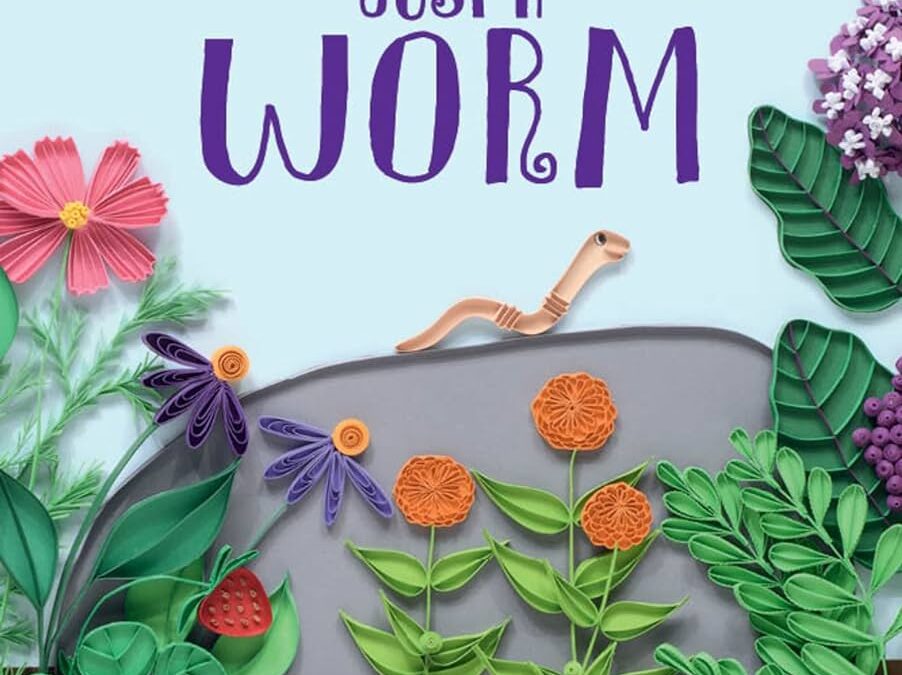
Book Review: Just a Worm

Book Review: Just a Worm

Written & illustrated by Marie Boyd

This book is illustrated using quill art techniques except for the worm (pen and ink) and the blue sky (digital). Its eye-catching colors and designs are quite beautiful. The author gives readers a lesson in quill art at the end of the book. The story itself is about the worm affirming that it is more than ‘just a worm.’ Along the way, the worm discovers how other garden insects contribute to the garden world. If you look closely, you’ll find the creature coming up on the next page. Although the story is wonderful for children from 3 to 7 years old, the quill art takes quite a bit of fine-motor control. It may be frustrating for children 3, 4, and possibly 5 years old, while 6 and above may really get into making quill art.

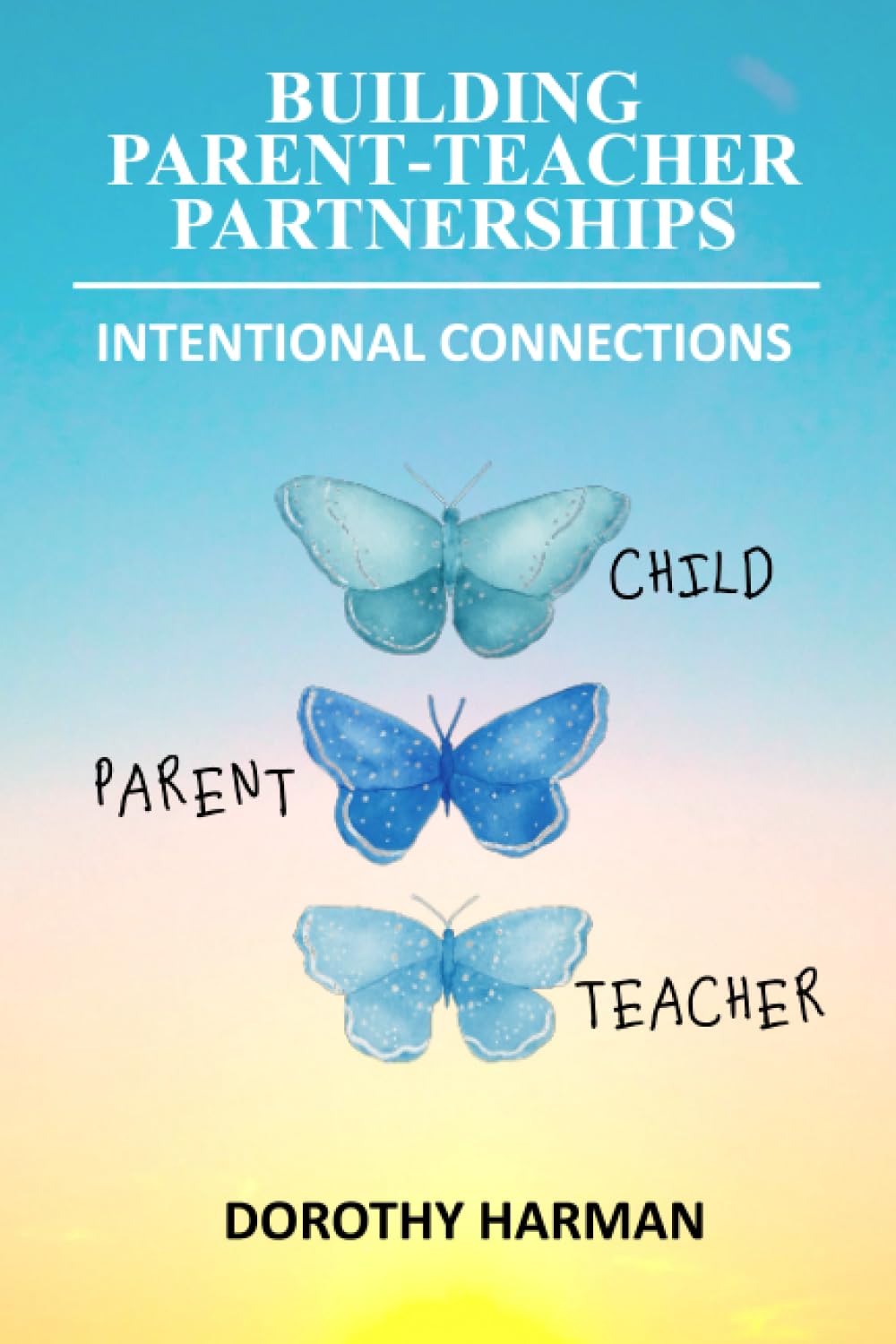
Book Review: Intentional Connections – Building Parent Teacher Partnerships

Book Review: Intentional Connections – Building Parent Teacher Partnerships

Written by Dorothy Harman

Parents, this is a book to put at the top of your “must read” list! It’s so user friendly and packed with such important information for all of us: parents, teachers, caregivers, and extended family. When I was halfway through it, I couldn’t put it down. My grandson is in Montessori school, and I wanted to send a copy to his parents immediately!

Dorothy Harman has so much wisdom to share and inspiration to offer about parent-teacher relationships, keeping the child’s best interests as the common goal. She has created a book that has only 39 pages, and it is formatted in such a way that you can read whatever topic is of interest to you or is needed for your child. AND, there is a section within almost all the topics called “An Idea for Consideration,” where you can write notes. This section includes the idea, your reflections, your next steps, and discussion with the child’s teacher. It is such a great tool for gathering your thoughts.

You can purchase it through Montessori Services: www.montessoriservices.com/building-parent-teacher-partnerships

A Note from the Program Director

A Note from the Program Director

Dear Parents and Caregivers,

Yes! It’s spring and our days are getting longer, new life is everywhere, and we can open our homes and lives to a breath of fresh air. This is our last issue of Tomorrow’s Child for the 2023-2024 school year. All the surveys, focus groups, and analysis have paid off thanks to you and your school leaders. Look how far we’ve come!

  • The Montessori App makes accessing trusted resources and information easier for you.
  • Wit & Wisdom, our monthly evening discussions with special guests, have allowed us to get to know some of you on a deeper and more personal level than ever before.
  • Our new platform for the Montessori Family Life Webinars has given us opportunities to interact and connect more easily.
  • The new design for Tomorrow’s Child is filled with articles and lots of photos for every level. Each issue is meant to have something for everyone.
  • Regular postings on Facebook and Instagram give you information on upcoming events and inspiring parenting tips.
  • The Montessori Foundation has made The Parenting Puzzle: ‘Peacing’ It All Together available and free to schools that are members of the Montessori Family Alliance. Schools are encouraged to offer this Montessori parenting course to their families. The Parenting Puzzle was specifically designed to help families use Montessori principles and strategies at home to cultivate cooperation, collaboration, and calm.
  • The Montessori Family Life Team has invited exciting new guests and trusted regulars who are experts in parenting practices, child and adolescent development, Montessori philosophy and pedagogy, to have conversations with you every week.

And there’s more to come. We plan to continue sending school leaders a monthly newsletter to pass along to you. The newsletter highlights each Tomorrow’s Child issue and current webinars. It also lets you see past articles, book reviews and webinars – all intended to enhance your Montessori Family Life experience and resources.

As we look forward to the 2024-2025 school year, I am reminded of a song that an old friend, Sanford Jones, wrote called “At the Beginning Is a Good Place to Be.” Let us move forward with faith, trust, and hope in our children and families.


Lorna McGrath MFA Program Director, lornamcgrath@montessori.org
Book Review: Evelyn Del Rey Is Moving Away

Book Reviews by Lorna McGrath

Intentional Connections: Building Parent Teacher Partnerships

Written by Dorothy Harman

Parents, this is a book to put at the top of your “must read” list! It’s so user friendly and packed with such important information for all of us: parents, teachers, caregivers, and extended family. When I was halfway through it, I couldn’t put it down. My grandson is in Montessori school, and I wanted to send a copy to his parents immediately!

Dorothy Harman has so much wisdom to share and inspiration to offer about parent-teacher relationships, keeping the child’s best interests as the common goal. She has created a book that has only 39 pages, and it is formatted in such a way that you can read whatever topic is of interest to you or is needed for your child. AND, there is a section within almost all the topics called “An Idea for Consideration,” where you can write notes. This section includes the idea, your reflections, your next steps, and discussion with the child’s teacher. It is such a great tool for gathering your thoughts.

You can purchase it through Montessori Services: www.montessoriservices.com/building-parent-teacher-partnerships

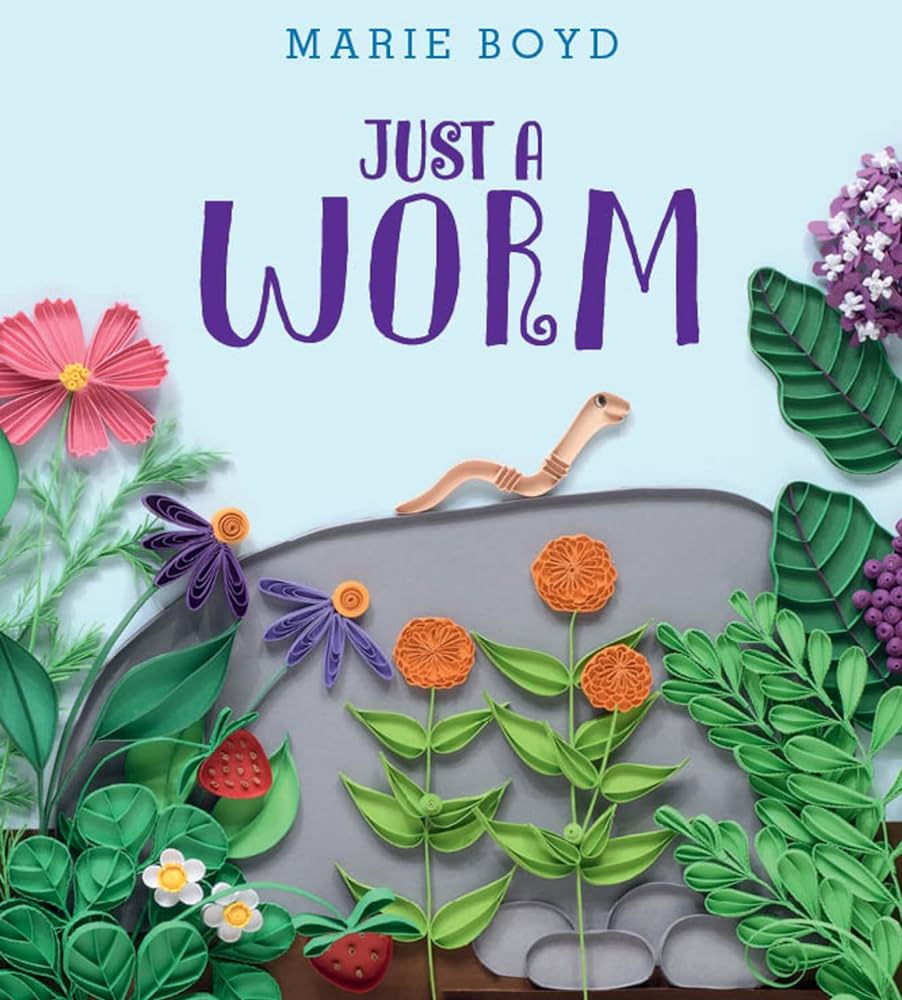
JUST A WORM

Written & illustrated by Marie Boyd

This book is illustrated using quill art techniques except for the worm (pen and ink) and the blue sky (digital). Its eye-catching colors and designs are quite beautiful. The author gives readers a lesson in quill art at the end of the book. The story itself is about the worm affirming that it is more than ‘just a worm.’ Along the way, the worm discovers how other garden insects contribute to the garden world. If you look closely, you’ll find the creature coming up on the next page. Although the story is wonderful for children from 3 to 7 years old, the quill art takes quite a bit of fine-motor control. It may be frustrating for children 3, 4, and possibly 5 years old, while 6 and above may really get into making quill art.

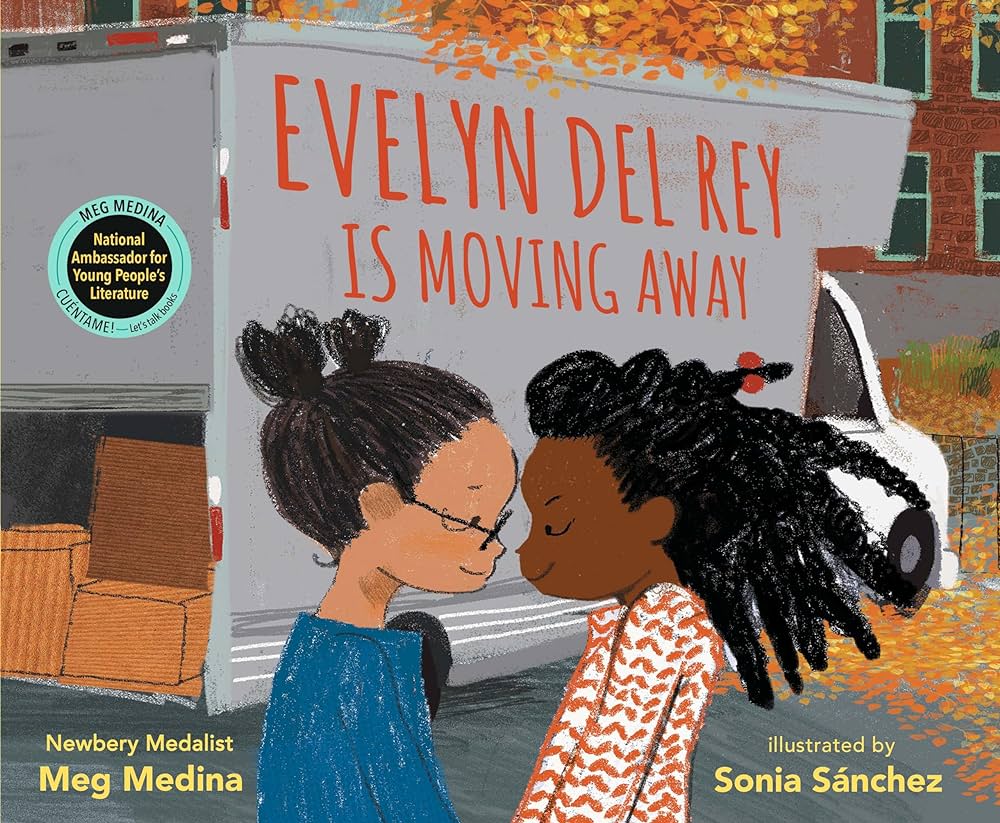
Evelyn Del Rey Is Moving Away

Written by Meg Medina
Illustrated by Sonia Sánchez

Touching. Meg Medina captures in a lovely way the feelings friends often have when they become physically distant from each other, as in a move to another town or city and the changes that occur in their relationship. The illustrations are vivid and quite realistic. They are reminiscent of Ezra Jack Keats’ style. The words come alive through these images. Jumpstart and Read for the Record are two organizations whose purposes are to help reduce the cycle of poverty through providing high quality books and reading. They have provided ideas for adults to enrich the reading experience with children through notes about how to interact with your young reader. Children 4 to 8 years old enjoy exploring the subject of friendships and how life circumstances can change relationships.

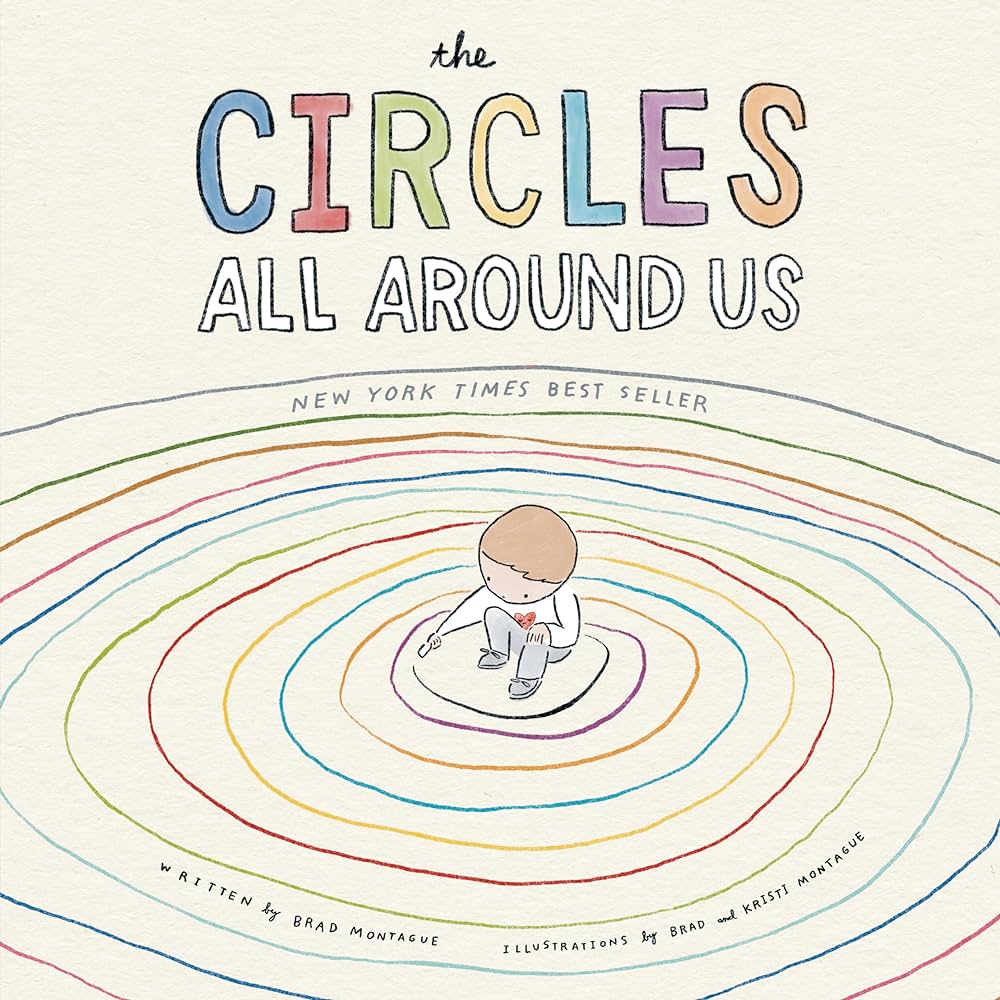
THE CIRCLES ALL AROUND US

Written by Brad Montague
Illustrated by Brad & Kristi Montague

This is a delightful story for children 3 to 7 years old, using ever enlarging circles to illustrate how we broaden our number and kinds of relationships among our human contacts and our world. It starts with a small child who draws a circle around himself that is only large enough for him. It shows the reader how small our scope is when we are infants. In fact, in infancy, humans really don’t know that there is anyone else except themselves. Gradually they begin to realize that there are others around them. And so, the circle becomes larger to include immediate family and primary caregivers. I’ll let you read this book to find out how far the author goes in expanding the circles. I will be a spoiler, though, and tell you the ending because it is so important. “…remember the first circle started with just the love you hold inside.”

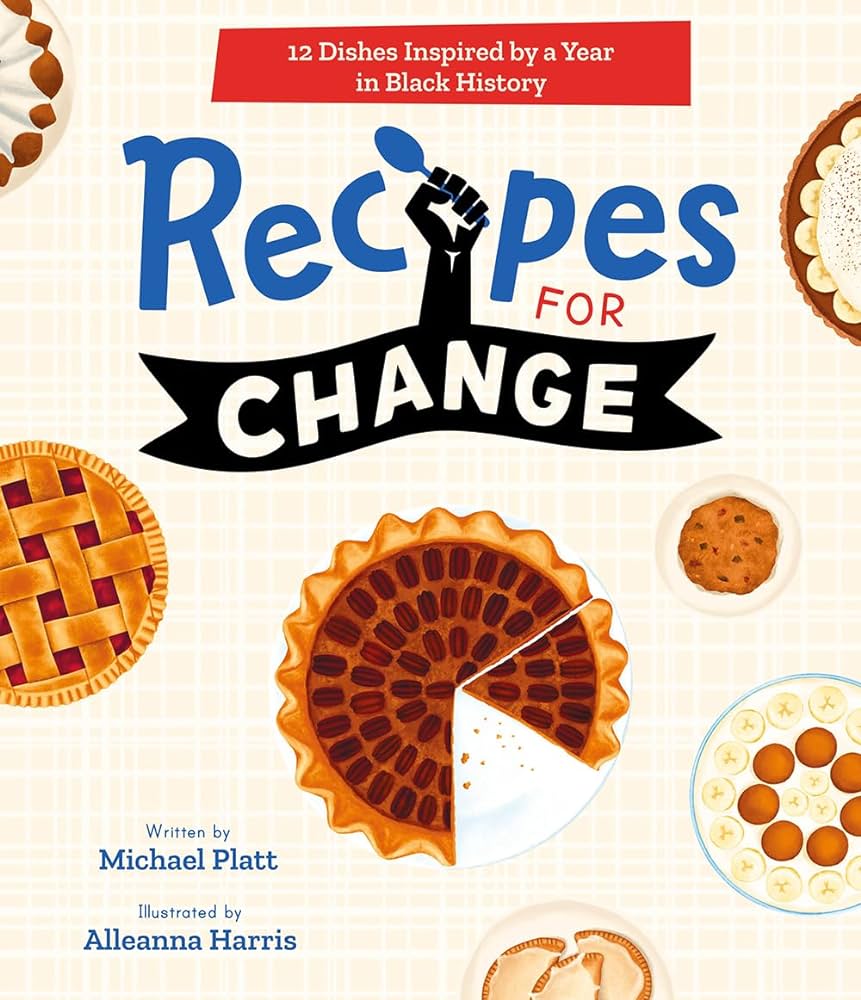
Recipes for Change

Written by Michael Platt
Illustrated by Alleanna Harris
Reviewed by Cheryl Allen

This book brings together so many interesting types of books. It is a cookbook, with stories from history and biographies. Each month of this book about Black history depicts an act of resistance and a recipe that is connected to the event. At the back of the book are short biographies of the leaders in the book.

Some of this information may be new to you, and some of it may present a slightly different angle of a piece of history. We may feel we know the leaders of the Montgomery Bus Boycott. In the December entry, you will learn about Georgia Gilmore and how she used her baking skills to help raise money for transportation for people who boycotted the bus system for more than a year. You can make her pound cake.

The recipes are easy to follow, and most need patience and possible adult guidance. While waiting for any of the recipes to be ready to eat, the stories can be read, and the detailed illustrations admired. In addition to the biographies in the back, there is a glossary and additional book suggestions.

This book is suggested for ages 8-12. It could be enjoyed by younger children, although they may need more assistance to make the recipes.

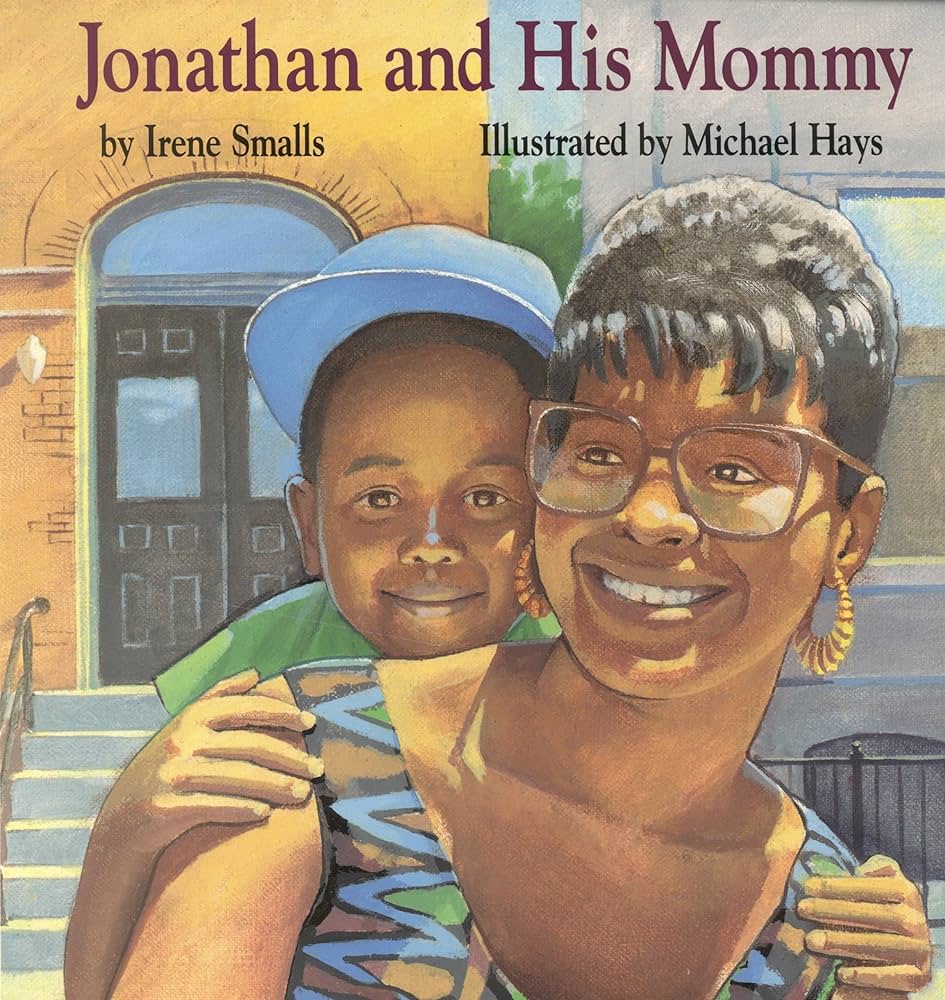
Jonathan and His Mommy

Written by Irene Smalls
Illustrated by Michael Hays

Jonathan loves to take walks with his mom. They enjoy each other’s company and find all kinds of fun ways to move and to use their voices as they go through their city neighborhood. This time I won’t spoil the surprises you’ll find as you read this charming book. Children 3 to 7 will find this an interesting story and may want to try out some of the moves that Jonathan and his mother make together.

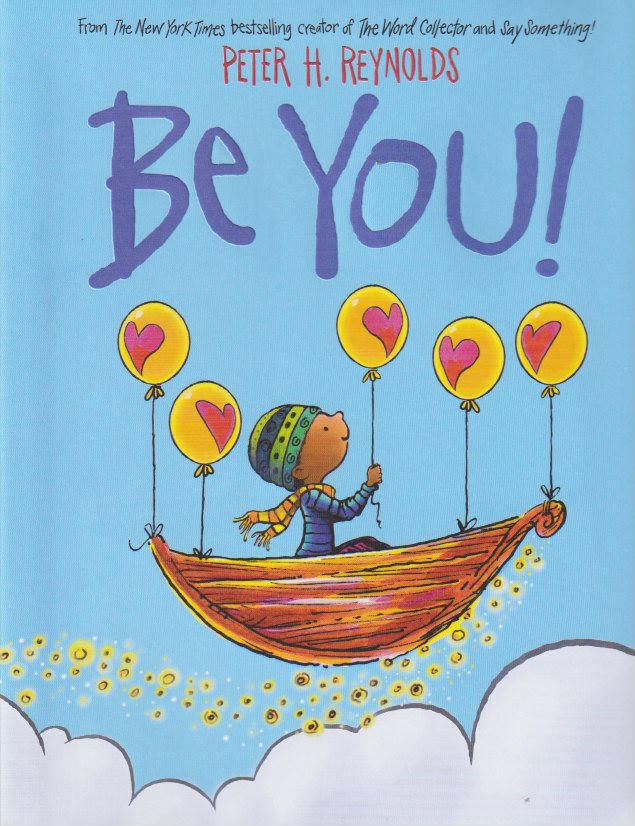
Book Review: Be You!

Book Review: Be You!

Written by Peter H. Reynolds

Peter H. Reynolds is a favorite children’s book writer who has started a social change agency called FableVision with his brother, Paul. Their idea was to help “create stories that matter, stories that move.” This book is full of words that describe different characteristics that lead humans to their own uniqueness. They are phrases that always start with “be.” What a wonderful verb. He uses phrases such as be ready, be kind, be okay with reaching out, be persistent, and many more. This is an enjoyable and inspiring book for people of all ages.

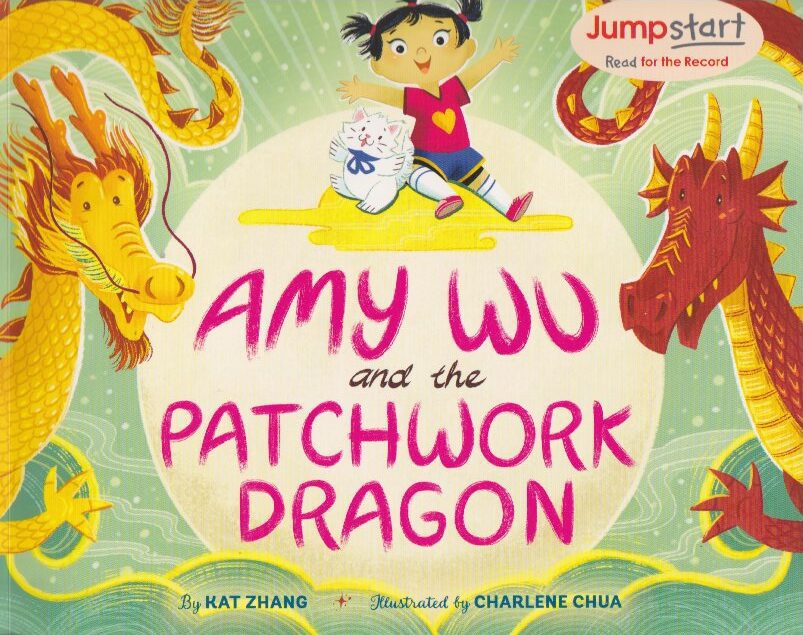
Book Review: Amy Wu and the Patchwork Dragon

Book Review: Amy Wu and the Patchwork Dragon

Written by Kat Zhang

Illustrated by Charlene Chua

This would be a great book for four- to 7-year-olds, especially when studying Asia. The story begins in an Early Childhood or Lower Elementary classroom when their teacher reads them a story about dragons and then asks them to make dragons of their own. Amy became frustrated because the dragons were not turning out as she wished they would. After school she and her friends went to her house and her grandmother read them a story about dragons. Gramma’s story triggered a memory of something up in the attic. Teachers will love this story for cultural studies, art projects, and developing reading skills. Parents will like it, too.
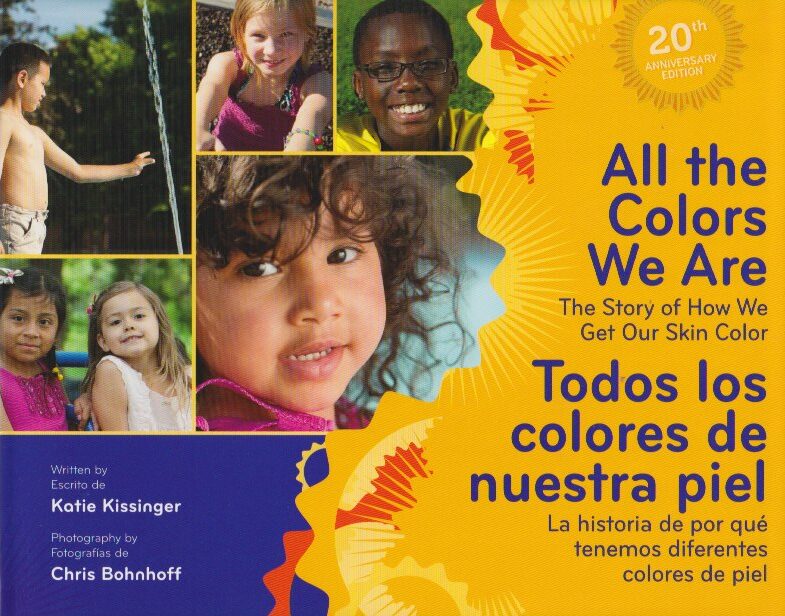
Book Review: All the Colors We Are: The Story of How We Got Our Skin Color

Book Review: All the Colors We Are: The Story of How We Got Our Skin Color

ALL THE COLORS WE ARE: THE STORY OF HOW WE GET OUR SKIN COLOR

TODOS LOS COLORES DE NUESTRA PIEL: LA HISTORIA DE POR QUÉ TENEMOS DIFERENTES COLORES DE PIEL

Written by Katie Kissinger

Photographed by Chris Bohnhoff

On every page of this book the text is in English and Spanish. What a joy! This book was written in a way that 4-year-olds to 8-year-olds will get something age-appropriate from it. For the 4-year-olds, they’ll learn something they may not have known about each other and for the 8-year-olds it may spark some interest in further research about biology or maybe genealogy. Oh… and the photographs are magnificent! The author has also included activities for children at the back of the book. Again, I think this book would be good for home or school.

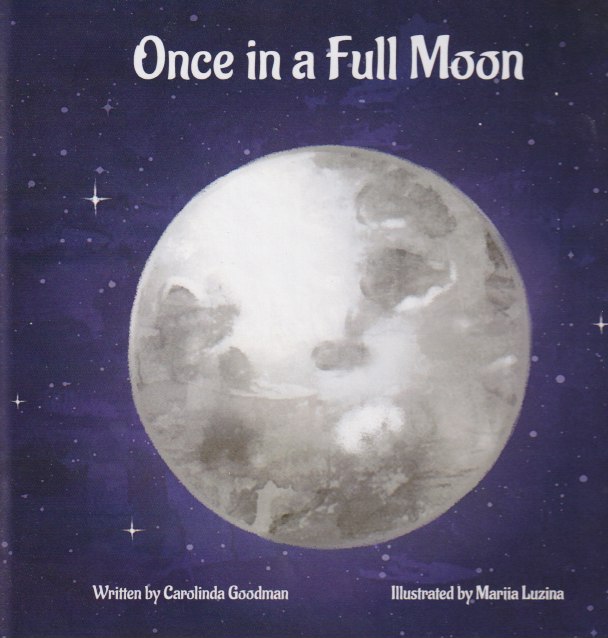
Book Review: Once in a Full Moon

Book Review: Once in a Full Moon

Written by Carolinda Goodman

Illustrated by Mariia Luzina

Carolinda Goodman’s book is written as a poem. She describes in a rhythmic way all the full moons around the year. She gives the name of the moon and why it got that name. Mariia Luzina beautifully illustrates each moon and the earthly surroundings according to the name and season. The illustrations really enhance the poetry from the author. Wonderful for at home or school for children ages 4-8 years.