
Book Reviews

Book Reviews

curiousity

Books to Inspire

by The Montessori Foundation

Grab a Book


0–3 years 3–6 years 6–12 years


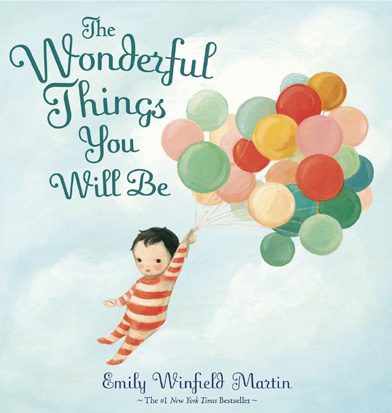
The Wonderful Things You Will Be

by Emily Winfield Martin

A beautifully illustrated, poetic celebration of childhood that nurtures a child’s sense of possibility and identity. Gentle language, inclusive imagery, and a message of unconditional love make this perfect for reading aloud with infants and toddlers.

Baby Loves Science Board Books (Series)

by Ruth Spiro

This science board-book series (Baby Loves Gravity!) introduces real scientific concepts in simple, lively language. Suitable for developing curiosity and early conceptual thinking.


3 to 6 years old


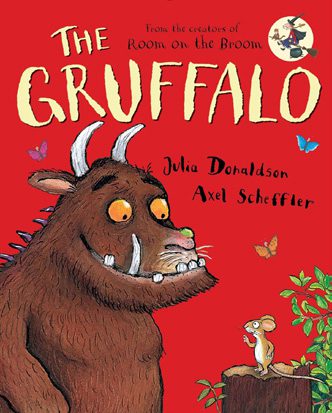
The Gruffalo

by Julia Donaldson

This rhyming tale supports the development of emerging literacy, narrative understanding, and memory. Its rhythm and predictability build language while its clever structure invites prediction and imagination (both foundational

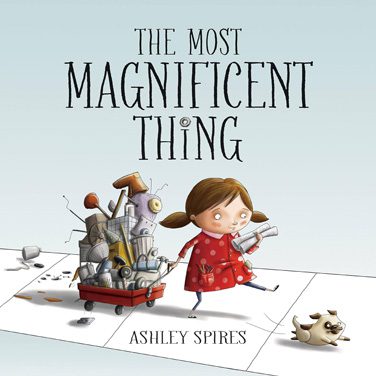
The Most Magnificent Thing

by Ashley Spires

A brilliant story about creativity, frustration, persistence, and problem-solving. This book helps children see the process of making (including mistakes and revision) is itself meaningful. It aligns well with Montessori values of purposeful activity and self-directed effort.


6 to 12 years old 

At this age, children are ready for richer narratives, deeper meaning, and global contexts. These books support curiosity, empathy, and intellectual engagement.

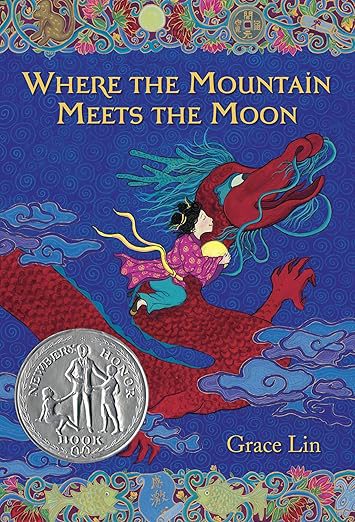
Where the Mountain Meets the Moon

by Grace Lin

A beautifully woven fantasy that draws on Chinese folklore, this novel encourages cross-cultural imagination, resilience, and wonder. Its structure invites children to notice narrative cause-and-effect, moral choices, and interconnected stories.

The Wild Robot

by Peter Brown

A compelling blend of nature, technology, and identity. Children explore what it means to belong, adapt, and communicate across species and systems. This story stimulates empathy, ethics, and systems thinking — key features of Montessori’s integrated curriculum.

12+ years

For teens, we aim for books that support moral reasoning, global awareness, identity exploration, and the complexity of the real world.


The Giver of Stars

by Jojo Moyes

A historical, character-driven novel about librarians on horseback in 1930s Kentucky. Themes include service, community, freedom of information, and personal courage. Great for building empathy and socio-cultural awareness.


All the Light We Cannot See

by Anthony Doerr

A richly layered novel about a blind French girl and a German boy whose paths cross in WWII. This book lends itself to deep discussions on history, moral complexity, perspective-taking, and the interconnectedness of human experience.
Why Child Care IS SO Expensive – and why it is worth the investment

Why Child Care IS SO Expensive – and why it is worth the investment

childcare

Recently, we read an opinion piece by Jordan McGillis in The Washington Post (August 18, 2025), titled “Why child care costs so much — and how to fix it.” It raised important points about America’s rising child-care costs and prompted us to reflect on this issue from a Montessori perspective. Why All Child Care Is Expensive

High-quality care is costly everywhere because caring for babies, toddlers, and young children is labor-intensive. There are no shortcuts. Children need attentive adults who respond with warmth, patience, and skill. Economists call this the Baumol effect.

In most industries, technology boosts productivity—factories produce more with fewer workers. But child care is different. It still takes one set of loving arms to rock one baby. A teacher cannot safely guide 20 toddlers at once. The adult-to-child ratio must stay low, which keeps labor costs high.

Meanwhile, fewer Americans are entering Early Childhood education. The pay is modest compared with other professions, despite the extensive training, stamina, and emotional intelligence required. A shortage of qualified caregivers drives up wages further, adding pressure on program budgets.

The Hidden Overhead of Montessori and Other Private Schools

Most Montessori schools in the U.S. are private and tuition- driven. They face the same challenges as other childcare centers—plus additional costs unique to their model.

Teacher Education and Salaries

Montessori teachers complete specialized training that can take a year or more and often comes with significant tuition debt. Schools must offer competitive salaries to attract and retain top talent, especially since many public schools provide higher pay and benefits.

Classroom Materials

Montessori classrooms are filled with hands-on learning materials—Golden Beads for math, Sandpaper Letters for literacy, Puzzle Maps, timelines, and science tools. These are durable and beautiful, but also expensive. Equipping one classroom can cost between $20,000 and $40,000.

Facilities and Support Staff

Private schools carry mortgage or lease payments, insurance, utilities, and maintenance without government funding to offset costs. They also need administrators, assistants, and specialists to maintain operations. Payroll, benefits, and retirement contributions add up quickly.

Safety and Compliance

Meeting state licensing standards requires investments in security systems, playground equipment, fire alarms, and frequent inspections. In regions prone to hurricanes, wildfires, or earthquakes, insurance premiums can be staggering.

Where Tuition Goes: A Montessori Cost Breakdown

Every school is different, but surveys of Montessori and other independent schools show a fairly consistent breakdown of tuition spending:

• 65% to Staffing (teachers, assistants, administrators): The majority of tuition goes directly to salaries and benefits. Low student-to-teacher ratios, especially in infant and toddler programs, make staffing the most significant expense.

• 20% to Facilities (mortgage, rent, utilities, insurance, maintenance): Maintaining a safe, child-friendly environment comes with high ongoing costs.

• 5% to Educational Materials and Curriculum: Montessori materials are carefully crafted, long-lasting, and often imported.

• 5% to Professional Development: Training Montessori teachers is a continual investment through refresher courses, conferences, and coaching.

• 5% to Other (licensing fees, technology, supplies): From playground upkeep to accreditation to liability coverage, “hidden” expenses add up quickly.

Tuition isn’t padded with excess—it reflects the real costs of providing safe, nurturing, high-quality care.

The Limits of Subsidies

As McGillis noted, subsidies help families manage tuition but don’t reduce the actual cost of care; they shift the expense to taxpayers. Subsidy programs also come with strict regulations: mandated curricula, credential requirements, and extensive reporting. While these rules aim to ensure safety and accountability, they can inadvertently reduce schools’ flexibility.

For Montessori programs, heavy regulation can conflict with values, such as individualized learning, freedom within limits, and respect for each child’s natural development.

Ideas That Could Help

The Washington Post article offered several ideas worth considering:

• Expand visa programs. The U.S. could welcome more qualified caregivers from abroad, many of whom are eager to work with children. Montessori schools, in particular, can recruit teachers from Europe, Asia, and Latin America, where training programs are strong.

• Rethink credential barriers. While training is essential, rigid rules can deter passionate caregivers and drive up costs.

• Give families more choice. Not every family wants the same model of care. Greater flexibility, while maintaining safety, would allow Montessori and other approaches to flourish.

Why the Investment Pays Off

The high cost of childcare, particularly for Montessori programs, can be a significant financial burden. Yet these are the years when a child’s foundation for life is built. Neuroscientists confirm that 85 percent of brain growth occurs before age six. Focus, self-regulation, empathy, and problem-solving all emerge from early experiences. When children spend those years in nurturing, well-prepared environments, the long-term benefits ripple outward for decades.

Montessori offers settings where independence, concentration, and curiosity are cultivated daily. A three-year-old carefully pouring water or a five-year-old teaching a younger child how to trace a letter are building confidence, competence, and belonging.

The Bigger Picture

Yes, childcare is expensive. Yes, Montessori tuition can feel daunting. But these costs reflect what it truly takes to offer children high-quality early experiences: skilled teachers, rich materials, safe facilities, and environments designed for growth. For parents, tuition can be seen not only as a bill to be paid, but as an investment—an investment in a child’s lifelong love of learning, resilience, and emotional growth.

As McGillis and others suggest, the challenge lies in expanding the pool of caregivers and reducing barriers that keep good people out of the field. If society can do that, more families will have access to early education options— including Montessori—that honor children’s needs and prepare them for a future full of promise. 

Ask Ms. Montessori – Grandparent pressure

Ask Ms. Montessori – Grandparent pressure

hiring teachers

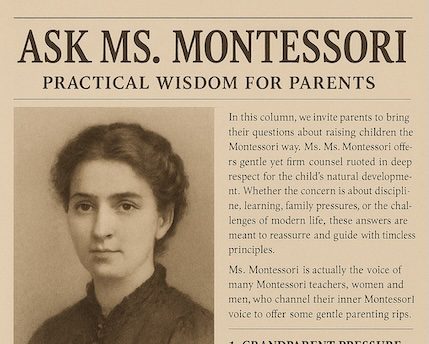
Ask Ms. Montessori Practical Wisdom for Parents

In this column, we invite parents to bring their questions about raising children the Montessori way. Ms. Montessori offers gentle yet firm counsel rooted in deep respect for the child’s natural development. Whether the concern is about discipline, learning, family pressures, or the challenges of modern life, these answers are meant to reassure and guide with timeless principles.


Ms. Montessori believed that every child carries within them the blueprint of their own growth, and that the role of adults is not to mold them by force, but to prepare an environment in which their fullest potential may unfold. Her replies aim to honor that vision while giving parents practical strategies they can use today.

Ms. Montessori is actually the voice of many Montessori teachers, women and men, who channel their inner Montessori voice to offer some gentle parenting tips.

Grandparent Pressure

Dear Ms. Montessori, my mother insists that my three-year-old should already be learning to read. She continues to buy flashcards and drill him when she visits. I don’t want to offend her, but I feel this isn’t right. How do I handle it? – Conflicted Daughter


Dear Conflicted, your mother’s eagerness stems from love, but her methods reflect a misunderstanding of the natural development of young children. At three years of age, your son is in a “sensitive period” for language development. During this period, the child absorbs the spoken word, the rhythms of conversation, and the joy of storytelling effortlessly. He learns in the way he learns to walk—by living, imitating, and joyfully repeating what he sees and hears around him.

The danger of flashcards and drills is that they ask the child to perform before a solid foundation has been built. Reading must grow out of the child’s own inner readiness, not from an adult’s insistence. If we compel a child to recite what he does not yet understand, we replace joy with anxiety. Worse still, the child may come to believe that learning is about pleasing adults rather than discovering truth for himself.
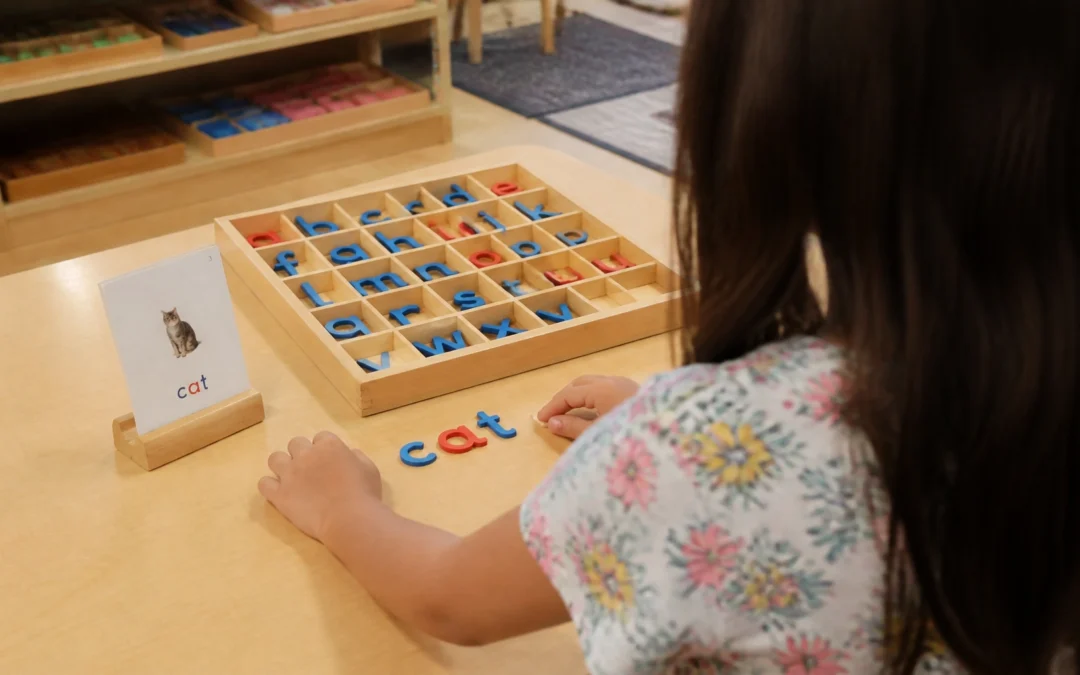
How then can you respond with kindness to your mother while protecting your child? Begin by acknowledging her intention: “I see how much you want to help him.” Then gently explain: “Right now, he is preparing for reading through conversation, singing, and listening to stories. When the time comes, he will learn with enthusiasm.” If she can visit his classroom, the experience will speak louder than any words. She will see children joyfully tracing letters in sand, building words with movable alphabets, and reading with delight—not under pressure, but out of inner discovery. Ms. Montessori

You may also guide her energy into more fruitful channels. Invite her to read aloud to him, to sing songs from her childhood, or to tell him stories of the family. These activities are not only precious in their own right, but they nourish the very faculties that will enable him to read naturally in due time.

Never forget: the task of the parent is to safeguard the child’s freedom to grow according to his inner plan. To resist pressure—whether from grandparents, neighbors, or society at large—is often the most loving thing we can do. When we trust the child’s rhythm, we allow him to become a reader not by compulsion, but by joy. – Ms. Montessori

A Montessori inspired Home – room-by-Room checklist

A Montessori inspired Home – room-by-Room checklist

home shelf

Simple Ways to Foster Independence, Order, and Confidence.

Entryway / Mudroom

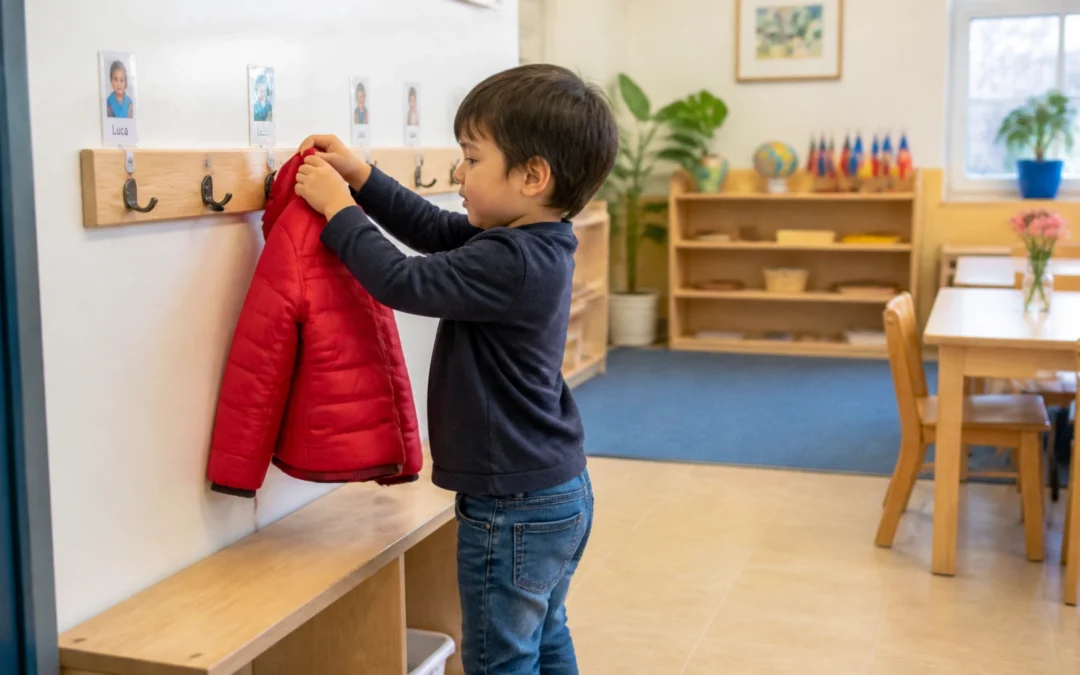
† Low hooks for coats, hats, and bags

† Small bench or chair for putting on/taking off shoes

† Basket or shelf for shoes

† Mirror at child’s height for last checks before heading out

† Seasonal accessories (like mittens or sunglasses) should be stored where the child can reach

Kitchen

† Child-sized dishes, cups, and utensils on a low shelf

† Low shelf or accessible bin for healthy snacks

† Small water dispenser or pitcher with cups

† Learning tower or step stool for safe access to counters

† Child-sized tools: vegetable peeler, spreading knife, small cutting board

† Cleaning tools: small broom, dustpan, cloth for spills

† Space for the child to help set the table or prepare simple meals

Bathroom

† Step stool to reach the sink

† Low hook for towel and washcloth

† Toothbrush, toothpaste, and grooming items organized in a reachable spot

† Mirror at child’s height or an adjustable one

† Laundry basket accessible for putting dirty clothes away

† Toilet learning accessories if needed: small potty or seat insert

Living Room / Play Space

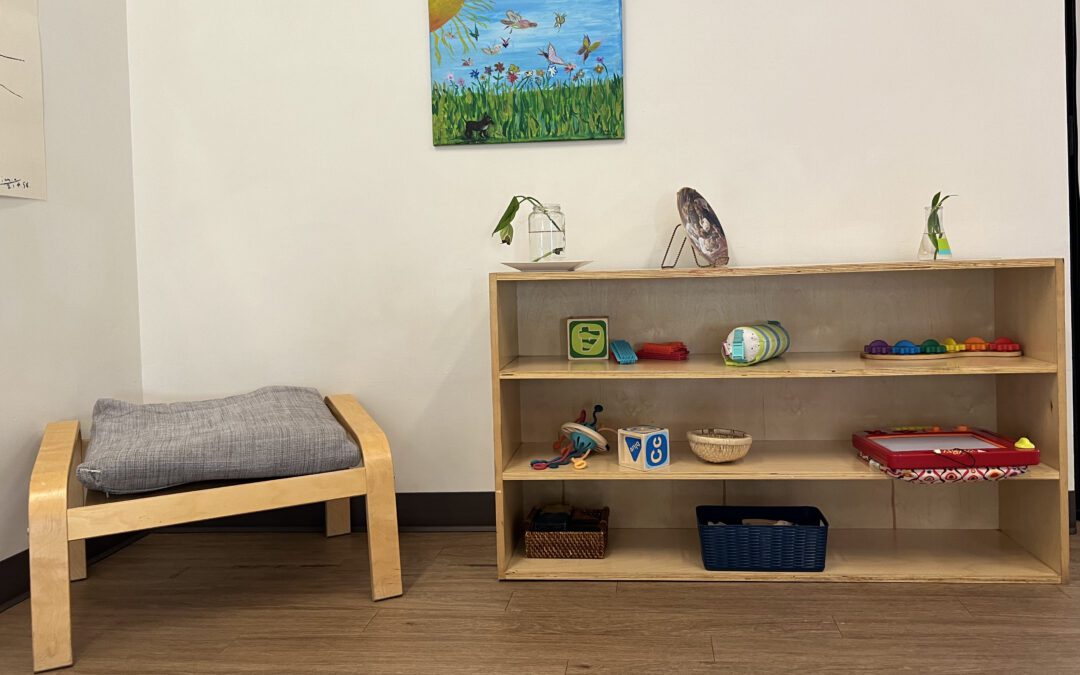
† Low shelves with curated toys, puzzles, and materials displayed neatly

† Toys organized in baskets or trays for easy access and return

† Open floor space for movement and play

† A cozy reading corner with a small chair or floor cushion

† Art materials (like crayons, paper, and scissors) in a contained, accessible spot

† Natural, calming colors and lighting to reduce overstimulation

Dining Area

† Child-sized chair or booster seat at the family table

† Cloth napkins, placemats, and utensils within reach for setting their own place

† Water jug or pitcher at the table so the child can pour their own drink

† Predictable mealtime routine that includes family-style serving when possible

Bedroom

† Floor bed or low bed to allow getting in and out independently

† Low wardrobe, dresser, or open shelving with a limited selection of clothing

† Hamper for dirty clothes

† Low bookshelf with a small, rotating selection of books

† A calm, uncluttered space for dressing and quiet activities

† Nightlight or accessible light switch for independence at bedtime

Laundry & Cleaning

† Small laundry basket for the child to carry clothes to the washer

† Small spray bottle with water and a cloth for wiping surfaces

† Short-handled broom and dustpan

† Child-safe participation in sorting laundry, folding, and simple chores

Outdoors / Garden

† Child-sized gardening tools

† Easy-to-reach watering can

† Designated area for digging, planting, or exploring nature

† Outdoor toys organized in a reachable bin or shelf

† Space for gross-motor play: running, climbing, balancing

Bonus Tips

† Rotate toys and materials regularly to maintain interest without overwhelming.

† Label baskets or shelves with words or pictures to guide organization.

† Involve your child in setting up and maintaining these spaces to build ownership.


Dear Cathie: new to montessori

Dear Cathie: new to montessori

New to Montessori

WE ARE NEW TO THE MONTESSORI PHILOSOPHY AND WANT TO MAKE THE MOST OF IT IN OUR FAMILY AND OUR CHILDREN’S LIVES. WE HAVE COME TO THIS A BIT LATE, AS WE JUST MOVED TO AN AREA WITH A MONTESSORI SCHOOL. WE HAVE ENROLLED BOTH OF OUR CHILDREN AND ARE TRYING TO LEARN AS QUICKLY AS POSSIBLE. WHAT ARE THE KINDS OF THINGS WE SHOULD BE DOING AT HOME TO SUPPORT THE TYPE OF LEARNING THE CHILDREN ARE DOING AT SCHOOL?

– Just Beginning

Dear Parents,

You are asking all the right questions and doing all the right things! Montessori is indeed a philosophy, and you can’t adopt it too late in the life of your family or your child’s life. In a Montessori school, the guides believe that your child will reveal themselves through the work they choose and show us, the adults in their life, what they need to learn at that time.

It is our job to support him on this journey, introducing him to skills and activities that interest him, challenge him, and foster the development of his academic, social, and motor skills as he progresses along this path. We strive to allow him as much freedom as he can handle in doing things for himself and being independent. We create an environment with maximum accessibility based on the ages and skills of the children, and then teach them to use the materials in that environment safely. An Infant/Toddler environment would allow children to reach their own diapers and lunch boxes, so they can show us when they are hungry. A 3-6-year-old environment might contain scissors, a stapler, a tape dispenser, sewing needles, etc. An Elementary environment is much richer with all the tools and resources a child would need to plan a complicated individual or group project or a “going out” field trip of their choosing and planning, such as phones and internet accessibility.


The primary ways that your family can help are to allow your child to be as independent as possible in all areas of his life. Let your child do as much for himself as his age and skill set allow in the areas of dressing, eating, food preparation, and contributing to his family. Let him choose his clothing and dress himself as much as he is able. If he cannot do all of a dressing task, let him do the part that he can. If he is not strong enough to pull on his whole sock, you can pull the sock over his heel, and he can pull it up to his ankle. If he cannot manage his shirt, let him place his hands in the sleeve holes and then help him get his head into the head hole. Together, pull the shirt over his torso. Removing clothes is an easier skill and will be mastered more quickly. With that comes the responsibility of placing the dirty clothes into the dirty clothes hamper. Sure, you can do it quicker, but letting him do it aids him in the path to independence! As he gets older, invite him to help you sort the laundry, match the clean socks, fold the dish; practice in making choices about what to eat and how often to eat from these limited choices. If your refrigerator allows it, place a small pitcher and glass on a low shelf so your child can pour his own water or juice when he is thirsty. Your child can carry his own lunch box to the car and into school. Try to constantly think of things that you are doing that your child might be able to do for himself.


Strive for independence in eating and food preparation. At meal time, encourage your child to help prepare the meal. Teach your child to set the table. Perhaps at first, he will only place the napkins under the fork. But eventually, he will know where all the parts of the table setting go and will be able to do it independently. This is a great way to get some quality family time while teaching valuable table setting and food preparation skills. A child as young as two can tear lettuce, and a three or four can cut vegetables using a child-friendly knife (www. forsmallhands.com/small-nylon-knife).

Preschoolers can also help to cut vegetables or fruit, even when they are not brave enough to eat them. Once the meal is on the table, encourage your child to serve himself from the family serving bowls. This is good practice in motor control as well as choosing the amount of food you are planning to eat. If your child is elementary-aged and your family is ordering “take out,” allow your child to help in the planning and even in making the phone call to order the food. Your child can bring in the mail, feed the dog, empty the trash cans in the house, or take out the garbage. Families can work together to plan vacations, solve family problems, or create a new project, such as a vegetable garden or a fire pit. All of these things help the family function as a unit and help children realize that they are part of a group.


As he moves towards Kindergarten, he is probably ready to take over parts of packing his own school lunch. Try to arrange your refrigerator so that the things that your child will need for his lunch are available for him to access independently. He can select his own yogurt, or make his own sandwich, put his own fruit into the reusable container (and close it), and fill his own water bottle. Let it be a joint effort until his skills are solid, and then let that be your child’s work, and he has mastered another piece of independence. Let your child be a part of choosing what food to buy each week so he gets experience being a smart consumer, buying appropriate types and quantities of food at the grocery store. Once he is old enough, he will be able to contribute to the family grocery list and eventually shop for himself with confidence and skill.


Optimal development is the goal of every Montessori classroom and every family. Guides encourage each child to grow in their social, emotional, academic, selfhelp, and motor skills, each on their timetable. All the adults in a child’s life help him along his path to independence, and by working together, parents and Montessori schools aid the optimal development of a child so he can become his most authentic, happy, and healthy self.

Cathie Perolman has been involved in Montessori education for over 40 years. Cathie has worked in the classroom as a 3-6 assistant; a classroom teacher; a level leader; a teacher trainer; and a college professor. She currently spends her time mentoring teachers, conducting workshops for teachers and administrators; and writing for her blog and for magazines. She also serves as a consultant for schools and as a school validator for the Montessori Schools of Maryland. Cathie is the creator of the Color Coded Sound Games and the Rainbow Reading System as well as other reading and cosmic printable materials to enhance classrooms. Find them at cathieperolman.com.

Lunch Boxes and learning

Lunch Boxes and learning

Building Independence Through Daily Routines

Montessori education, every experience—no matter how small—is an opportunity to build independence, responsibility, and confidence. That includes the daily tasks we might otherwise rush through, like getting dressed, preparing a lunchbox, or packing a backpack.

At first glance, these routines might seem trivial compared to academic lessons. But in Montessori, they are seen as essential parts of a child’s development. When children are encouraged to take ownership of these everyday responsibilities, they gain more than just practical skills— they develop habits of self-reliance that shape how they approach learning, relationships, and life itself.

The Power of Practical Life

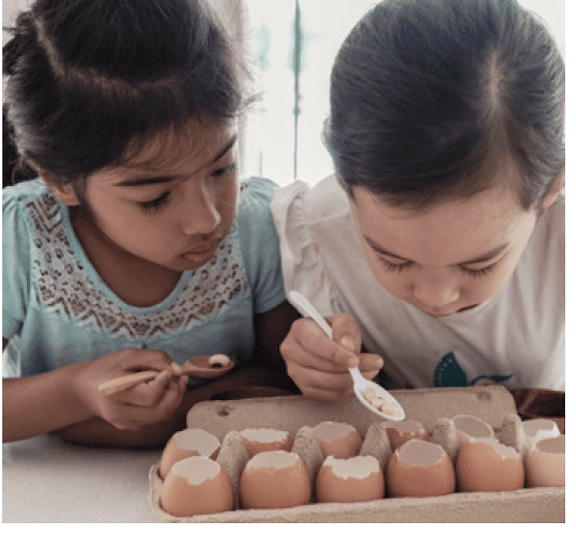
Montessori classrooms include an entire area dedicated to Practical Life activities, such as pouring, cutting, cleaning, and food preparation. These activities help children develop:

• Coordination: Fine-motor skills that support writing and other academic tasks.

• Order and Sequencing: Understanding steps in a process—from washing hands before a meal to organizing materials for a project.

• Concentration: The ability to focus deeply on purposeful tasks.

• Independence: A growing sense of “I can do it myself!” that spills over into all areas of life.

When children practice these skills at home—through dressing themselves, packing their lunch, or helping with meal prep—they reinforce the same capacities nurtured in the classroom.

Packing the Lunchbox: A Lesson in Choice and Responsibility

Instead of quickly packing your child’s lunch for them, consider inviting your child to help—or even take the lead. For younger children, this might mean choosing from a set of options you provide (Would you like apple slices or grapes today?). Older children can help assemble sandwiches, portion snacks, and even plan the menu for the week.

Through packing their own lunch, children learn:

• Planning: Deciding what to include requires thinking ahead.

• Nutrition: They start to understand what makes a balanced meal.

• Self-Care: Choosing foods they enjoy encourages mindfulness about what nourishes their bodies.

• Pride in Preparation: When a child eats a lunch they helped prepare, it often tastes better simply because they had a hand in making it.

Dressing for Success: More Than Just Clothes

Getting dressed might seem like a small task, but for a child, it’s a big step toward autonomy. Montessori teachers encourage children to dress themselves from an early age, using clothing that’s easy to manage, like elastic waistbands, large buttons, and simple fasteners.

At home, giving your child time to dress themselves each morning sends a powerful message: I believe in your ability to care for yourself.

This simple routine helps children develop:

• Fine-motor skills (zipping, buttoning, tying),

• Decision-making skills (choosing weather-appropriate clothing),

• Time awareness (getting ready within a timeframe),

• Confidence and competence. It may take longer at first—and it can be tempting to jump in when the clock is ticking—but that extra time is an investment in your child’s growing self-sufficiency.

Building a little bit of extra time into the activity decreases tension on both sides.

Small Tasks, Big Life Skills

Each of these daily routines—dressing, packing lunch, getting out the door on time—builds layers of important life skills:

• Sequencing: Understanding the order in which things need to happen.

• Personal Responsibility: Knowing they are capable of managing their own needs.

• Problem-Solving: Figuring out how to open tricky lunch containers or adapt to a forgotten item.

• Self-Confidence: Feeling proud of their ability to care for themselves.

And perhaps most importantly, these routines build executive function—the mental skills that help us plan, focus attention, remember instructions, and juggle multiple tasks. These are critical for success not only in school but throughout life.

How Parents Can Support Independence at Home

• Create a Child-Friendly Setup: Use low hooks, step stools, and accessible shelves so your child can reach their clothes, lunch supplies, and backpack.

• Allow Time: Start the morning a bit earlier to give your child time to complete tasks without rushing.

• Offer Choices: Guide your child by offering limited, appropriate choices (e.g., “Would you like the blue shirt or the red one?”).

• Be Patient: Mastery takes time and repetition. Focus on progress, not perfection.

• Model and Teach: Show your child how to do a task, then step back and let them try.

Independence: A Gift That Lasts

When we slow down and invite children to participate in daily routines, we’re not just saving a few minutes for ourselves—we’re empowering them for life. These small, everyday tasks build the mindset and abilities that help

Montessori children become capable, thoughtful, and self-directed learners.

So the next time your child zips up their jacket or carefully places their sandwich in their lunchbox, know that they’re not just getting ready for the day—they’re preparing for life. 

What’s New in Montessori

What’s New in Montessori

Innovations & Timeless Traditions for 2025-2026

Every September brings a familiar energy to Montessori classrooms: new faces, new lessons, and new opportunities to explore the world. As the 2025-2026 school year begins, parents may wonder—what’s changing in Montessori education? The beauty of Montessori is its foundation of timeless principles, yet it also evolves to meet the needs of today’s children and families.

Here’s a look at what’s fresh and what remains steadfast in Montessori classrooms this year.

Timeless Traditions That Still Shine

At its core, Montessori remains true to the vision Maria Montessori shared over a century ago: an education designed to cultivate independence, concentration, respect, and a lifelong love of learning. Some things never change—and for good reason.

• The Prepared Environment: Classrooms are still meticulously organized, inviting, and scaled to the child’s size and perspective. This empowers children to navigate their space independently.

• The Three-Year Cycle: Multiage classrooms continue to foster mentorship, leadership, and deep, individualized learning. Children progress at their own pace within a community that mirrors family life.

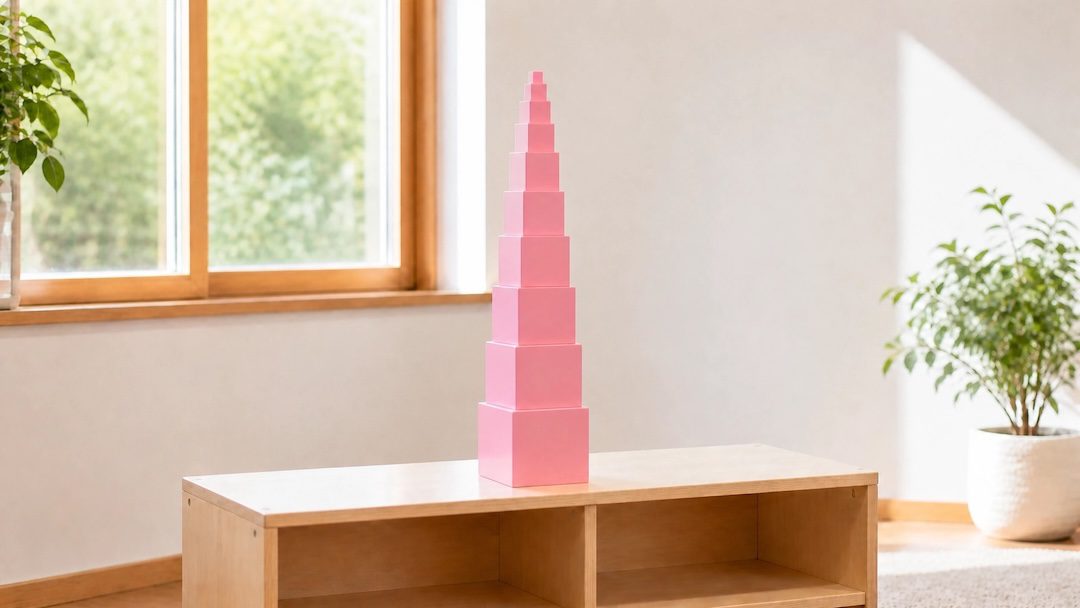
• Hands-On, Self-Correcting Materials: Montessori materials remain the gold standard for concrete, tactile learning. Whether it’s the Pink Tower in early childhood or Algebra Tiles in the upper levels, these tools translate abstract concepts into something a child can touch and explore.

• Grace and Courtesy: The social fabric of the classroom remains intentional. Children are still guided in respectful communication, empathy, and collaboration—skills as essential in life as reading or math.


Emerging Patterns

While the foundation remains strong, Montessori schools today are thoughtfully integrating new insights, tools, and strategies to keep the experience relevant and supportive.

by Montessori Foundation Staff


• Mindfulness and Well-Being Programs: Many Montessori schools are now embedding mindfulness practices into the daily routine—guided breathing, yoga stretches, or quiet reflection times help children develop emotional regulation in a fast-paced world.

• Enhanced Outdoor Classrooms: Outdoor learning spaces have expanded well beyond playgrounds. Schools are incorporating nature-based classrooms, gardening, and environmental stewardship activities that extend the Montessori curriculum into the natural world.

• Contemporary Cultural Studies: Montessori’s focus on geography, history, and culture now includes current global challenges. Topics like climate change, sustainability, and global citizenship are becoming integrated in ways that are age-appropriate and action-oriented. Typically, there is no political agenda. Montessori families represent a wide range of traditions and perspectives. The common theme is to honor the country in which we live, while learning about and celebrating the many cultures and traditions of the people who came to our country from the global community.

• Montessori and Technology—With Care: While Montessori remains cautious about screens for young children, thoughtfully curated digital tools are increasingly used with older students. Tools like digital microscopes, coding platforms, and collaborative research software enhance exploration in science and humanities without replacing hands-on learning.

• Inclusion: Many Montessori schools are deepening their commitment to inclusive education. This includes diversifying classroom materials and literature, celebrating a broader range of cultural traditions, and fostering conversations about equity, belonging, and respect.

The Montessori Continuum: Stronger Than Ever

Another exciting development is the growth of Montessori education beyond early childhood. More schools are offering Montessori programs for elementary, middle, and even high school students, giving families the option to continue this philosophy through adolescence. These programs incorporate more complex projects, entrepreneurship, and real-world experiences—all still grounded in Montessori’s developmental approach.


A Living Tradition

Montessori is often described as both an art and a science of education. Its enduring strength lies in the balance between preserving proven methods and embracing innovations that serve today’s learners. As you send your child off to school this fall, you can be confident that they are part of a living tradition—one that honors the child’s natural development while preparing them for the world they will inherit.

2025 Montessori-Inspired Trends for Parents

Montessori education doesn’t stop at the classroom door. Many parents want to bring elements of the Montessori approach into their homes, and new ideas are making it easier than ever. Here’s what’s trending with Montessori families this year:

• Home Organization for Independence: Parents are rethinking home spaces to help children do more for themselves—think low shelves, accessible kitchen tools, and self-serve snack stations. New modular furniture systems designed for Montessori homes are also gaining popularity.

• Mindful Tech Use: Families are adopting digital wellness practices— setting boundaries around screen time and using tech-free times for family connection. Some are introducing “tech sabbath” days on weekends to rest from screens altogether.

• Nature Play and Outdoor Learning: With the growth of outdoor classrooms, parents are creating home gardens, nature play areas, and even simple outdoor art spaces to encourage exploration and physical activity.

• Diverse Bookshelves: Parents are expanding their home libraries with children’s books that celebrate diverse cultures, perspectives, and stories— mirroring the inclusion that we tend to see in schools.

• Montessori Parenting Courses: A growing number of online courses and parent education groups help families learn how to apply Montessori principles in daily parenting, including positive discipline, fostering independence, and nurturing curiosity at home.

By embracing some of these trends, families can extend the benefits of Montessori education and help their children thrive in every environment.

HIGHLIGHTING Our Schools – Ghent Montessori

HIGHLIGHTING Our Schools – Ghent Montessori

Ghent Montessori

As we head into our 46th year at Ghent Montessori School in Norfolk, Virginia, we look back and celebrate our incredible school community that is stronger than ever. We have supportive and committed families from many countries around the world who have come to GMS. We have an incredible staff with a shared vision. Our teachers have over 300 years of shared experience working with children, and our trained Montessori teachers have over 80 years of experience in Montessori education. We are inclusive and diverse, accepting children who have as many different learning styles and birth stories as there are children. We celebrate children as individuals and strive daily to meet their needs with joy and love. We are Ghent Montessori school, and we are proud of who we are!

Our History

Ghent Montessori School is the oldest Montessori School in the Hampton Roads (Virginia) area. GMS was founded by Sarah Frost in 1978 at First Lutheran Church in the Norfolk area of Ghent. In 1982, the first stage of our current building (610 Mowbray Arch) was built as part of the new community, Ghent Square. This location in downtown Norfolk, with the Chrysler Museum across the street on one side and the Harrison Opera House on the other, is crucial to the identity of the school today.

In 1994, Suzanne Pugin became Head of School and eventually purchased the school from Sarah and Larry Frost in 1996. In 2020, Ruland Gagne, a Hampton Roads native, took over as Head of School. She was a teacher in Lower and Upper Elementary at Ghent Montessori for 27 years. She holds an AMI Montessori degree, as well as a master’s degree in Early Childhood education. Ruland and Susan Colpitts together took over ownership in July 2021. Susan has a long history with the school; her husband, Norman, was an Upper Elementary teacher at the school, and they sent their three daughters to GMS in the early 2000s. Susan is currently the school’s business manager.

LOTS OF RENOVATING!

time, but we are not expanding. We are happy where we are and with this number of families. We will know them all and we take pride in this. Creating relationships and collaborating with our families to meet the needs of each child as an individual is important at GMS.

Embracing Transcience

The Hampton Roads area, which includes the Naval Station Norfolk, has one of the largest military populations in the world, with over 46,000 active-duty military. We embrace our military families, even though this can be seen as a challenge in a Montessori school, where we want families committed to Montessori for more than a few years. We believe that the children of our military families, who must move often, benefit from Montessori education. When so much in these children’s lives change with a move, it is nice for them to transfer to another Montessori school where their education will stay somewhat the same. We take the challenge and embrace it because it benefits these children.

Accreditation

Ghent Montessori has been accredited through the International Montessori Council (IMC) since 2015.

When Ruland took over as Head of School during the summer of Covid, she talked families of 75 children into staying. This 75 has grown in three years to 150 children with waitlists in most classes. In these three years, we have renovated the playground and the second floor to make room for another Lower Elementary classroom and a larger Upper Elementary. We also renovated our Toddler community, our Middle School, and the office. We also replaced windows, the roof, and all the flooring! This past summer, we added a top-notch security system. Currently, we have 150 children, 18 months through Middle School. We are committed to improving the school one year at a

International Montessori Council-accredited schools are committed to standards of exemplary integrity in their professional relationships with parents, students, faculty, and other Montessori schools. We have trained Montessori teachers (MACTE) in all our classes, and they are trained at the level they are teaching. We are proud of this accreditation and enjoy our relationship with IMC.

VISIT US!

We love our school and welcome you to visit if you are ever in the Hampton Roads area. Come see us at GMS. 

by Gavin McCormack

Love in Action: Small Gestures with a Big Impact

As parents, it’s easy to assume that our children know we love them. After all, we provide for their needs, cheer them on from the sidelines, and remind them to brush their teeth and do their homework. But love, while it may seem obvious to us, isn’t always as apparent to children as we think. In fact, research has consistently shown that when children feel genuinely and openly loved, it creates a ripple effect, shaping their confidence, resilience, and overall well-being.

So, how can we ensure our children not only hear our love but feel it deeply? And why is this so crucial to their development? Let’s explore the science and the simple, meaningful ways parents can demonstrate love in ways that matter most.

Love as the Foundation for Lifelong Success

Numerous studies highlight the transformative power of love on a child’s development. Children raised in an environment rich in affection, are more likely to become resilient, self-assured, and emotionally healthy adults.

Resilience and Emotional Strength: A child who feels loved is better equipped to handle challenges. They see failures as temporary and are more willing to persevere through adversity. Love provides them with a psychological safety net to take risks and learn from mistakes.

Confidence and Self-Worth: Parental love reinforces a child’s belief in their own value. Knowing they are cherished gives them the courage to explore the world, form meaningful relationships, and pursue their goals.

Mental and Physical Health: Love also has physiological benefits. According to the Harvard Centre on the Developing Child, loving relationships reduce stress hormones in children, leading to better brain development and longterm health.

Success and Achievement: A study in the Journal of Child and Family Studies found that children who feel loved and supported are more likely to excel academically and socially. The encouragement of a loving parent fuels a child’s motivation and sense of purpose.

The science is clear: love is not just a “nice-to-have.” It is essential. But how do we, as busy parents, juggling countless responsibilities, ensure we are expressing our love in ways our children truly feel?

10 Practical Ways to Show Love That Children Can Feel

Children thrive when they experience love in tangible and meaningful ways. Here are ten simple yet powerful ways to ensure your child feels cherished every day:

1. Show Physical Affection: Children crave physical closeness. Hugs, kisses, cuddles, and even a gentle hand on their shoulder can reassure them of your love. These small gestures speak volumes and create a sense of security.

2. Say It Out Loud: Never underestimate the power of saying, “I love you.” But don’t stop there. Verbal affirmations like, “I’m proud of you,” or “You’re so important to me,” nurture their self-esteem and remind them they are valued.

3. Listen with Intention: When your child speaks, give them your full attention. Put down your phone, make eye contact, and engage with their stories or concerns. Active listening makes them feel heard and understood.

4. Prioritize Quality Time: Whether it’s playing a board game, reading together, or simply talking about their day, dedicating undistracted time to your child strengthens your bond and communicates their importance in your life.

5. Celebrate Their Efforts: Recognize their achievements, no matter how small, and comfort them in their failures. Encouragement and support remind children that your love is not conditional on success but is unwavering.

6. Teach with Patience: Discipline is an opportunity to teach, not punish. When children know that guidance comes from love, they are more likely to learn and grow without fear or resentment.

7. Surprise Them: A little surprise can make your child’s day. Write a note for their lunchbox, make their favorite meal, or plan an unexpected outing. These acts of love leave lasting impressions.

8. Be Present: In our digital world, undivided attention is a precious gift. Put down the distractions, and show your child that they have your full focus. Being present is one of the most direct ways to show love.

9. Create Special Traditions: Family rituals, such as bedtime stories, Sunday pancakes, or a weekly game night give children something to look forward to and create cherished memories of love and togetherness.

10. Empathize with Their Feelings: Acknowledge and validate their emotions, whether they are happy, sad, or frustrated. Saying, “I understand why you feel this way,” helps them feel secure and supported.

Why Love Must Be Obvious

While we may believe that love is implied, children interpret the world differently. They thrive on explicit and consistent demonstrations of affection and care. Unlike adults, they cannot always infer love through actions like providing food or keeping a tidy home. They need tangible expressions of love to feel it in their hearts and minds.

When love is not obvious, children may misinterpret our busyness or distractedness as disinterest or even rejection. Over time, this can lead to feelings of insecurity or a lack of self-worth. By making love clear and abundant, we give our children the tools they need to flourish.

The Ripple Effect of Love

As parents, showing love is one of the simplest yet most profound gifts we can give our children. It sets the stage for their emotional and physical well-being, their success, and their capacity to form loving relationships of their own.

By taking small, intentional steps to demonstrate love daily, we lay a foundation for our children to grow into resilient, confident, and compassionate individuals. Love, after all, is not just the bond that connects us; it’s the force that shapes our future.

So today, take a moment to hug your child, tell them how proud you are, or simply listen to their stories. Let them know, in every way possible, just how much they mean to you. Because when children feel deeply loved, they truly have the world at their feet. 

Gavin McCormack is a Montessori teacher, former Montessori school principal, and the co-founder of Upschool.co, a global platform providing free educational courses for children and high quality training for teachers. With ten years of Montessori teaching experience and 25 years in total, Gavin is committed to fostering lifelong skills through purposeful, real-world learning.

Gavin has travelled the world to bring the best the planet has to offer to children everywhere. His educational expeditions have taken him to some of the most remarkable locations on Earth, including Mount Everest, Antarctica, Costa Rica, the Arctic Circle, Iceland, the Chitwan Jungle, and soon Greenland. In each of these places, along with the team at Upschool, he has filmed educational content, collaborated with local communities, and developed courses that connect children with the wonders of the natural world and the lessons it holds.

He has received multiple accolades, including a nomination for Australian of the Year and a ‘Best Contribution to Education’ award at the GESS Dubai Awards. He is an author of children’s books and a practical guide on Montessori education for parents. His TEDx talk and presentations at global conferences focus on the importance of hands-on, meaningful learning experiences. Through initiatives like the ‘Write a Book to Change the World’ course and global projects such as ‘The Wonderful World of Trees,’ Gavin empowers children to apply their knowledge to realworld challenges, fostering a sense of purpose and hope for the future.

Real Life Story: A Determined Mom

Real Life Story: A Determined Mom

by Becky Noble

I have been a strong supporter of Montessori education since before Ben was born, having read several of Maria Montessori’s books and applied those methods when working with my employer’s young children.

When it was time for Ben’s dad and me to decide on a kindergarten for Ben, we considered a few options. Ben’s dad had been in public school throughout his education and felt that, if it was good enough for him, it was good enough for Ben. He was, however, willing to look at private schools as well. I recall visiting at least three schools, including the public elementary school closest to our home, a Christian School, and Countryside/NewGate Montessori.

Even though I expected lower standards at the public school, I was floored when the teacher told us that not every student was expected to know the whole alphabet by the end of the kindergarten year. Ben and his preschool classmates all knew the alphabet and had started reading by that time. Although the education level at the Christian School seemed to be up to my expectations, the classrooms were noisy and cluttered.

When we visited Countryside/NewGate, I knew that was where Ben would flourish. The quiet, orderly classrooms provided an ideal place for a young child to learn. I appreciated the respect with which each student was treated, and the way conflicts were resolved. I found the three-year age span in the classrooms to be an excellent way for a student to experience being a beginner, learning from the older students, and to work his/her way up to being a leader among the students, helping the younger ones. I was also happy to hear that each student could progress at his/ her own pace, not being held back to the level of the lowest common denominator.

Yes, there were some sacrifices made to have Ben attend Montessori school all the way through high school. Ben’s dad and I separated two months after Ben began Montessori school. I faced all the challenges that single parents face: reworking my schedule to accommodate Ben’s needs; trying to make ends meet; figuring out the financial aspect; etc. It was a very difficult time, but I was determined to provide Ben with what I considered to be his best educational opportunity. Looking back on it now, that was one of the most valuable things that I have gone through. I learned to be resourceful and to stand by my principles when it came to raising Ben.

Ben’s dad and I contributed to a portion of the tuition, but the bulk of it was on my shoulders. Even though it was a stretch to pay each month, I was not willing to lower my standards and deny Ben the opportunities he had at Countryside/New Gate School. The school helped with a generous contribution in the form of a scholarship. I believe paying at least a portion of the tuition gave me a bigger stake in my child’s education and I tended to be even more involved in it. When my new partner, Michael, came into our family full-time, he was active in projects and events at the school as he saw and supported the value of the education that Ben was getting. Ben graduated from NewGate School in 2005.

Now that Ben is grown, married, and the father of two beautiful girls, Michael and I support Ben and Kara’s choice to enroll Aurora and Felicity in a good Montessori school. I’m delighted that both girls are doing so well in that environment.

Becky Noble grew up in rural Pennsylvania, traveling around the country with her family every summer. For four years after graduation, she sailed the European coast and Caribbean, overseeing the galleys and teaching math and world history aboard the schooners of the Flint School. She transferred to their Sarasota, Florida office to help build ActionQuest travel adventure and Lifeworks community service programs that would eventually become Global Expeditions. She recently relocated to Franklin, Tennessee to be close to Ben and his family. When not spending time with her granddaughters, Becky now runs an online business and is a watercolor artist who enjoys sharing her knowledge with young people.

Highlighting Member Schools: Countryside/NewGate School Sarasota, FL

Highlighting Member Schools: Countryside/NewGate School Sarasota, FL

In the early 1980s Kitty Williams (now Bravo) and her former husband, Farmer Steve Williams, lived on 5 acres of land with their two young daughters in their small, old-Florida home on Ashton Road in Sarasota, FL. Farmer Steve dreamed of an organic farm, while Kitty dreamed of a Montessori school; both dreamed of making the world a better place. They established Countryside Montessori School, in January of 1984, on a side porch of their home, with just five children, and Steve farmed the land. During that winter and spring, the garage was remodeled, and they applied to the zoning department for permission to officially have a school on the property. In August of 1984, the garage classroom opened with about twenty children: ages 2 years 11 months to 6 years old. By the fall of 1985, the porch had been enclosed and a second Primary classroom was opened, bringing the total enrollment to about forty students.

By 1987, the school expanded to include an Elementary program with just a few first graders continuing from the Primary class. A Toddler classroom was established in a small building on the roadside that had been Farmer Steve’s produce store. Within a year, the Elementary class expanded to first through third grades with Primary moving to the small classroom that was once the produce store.

Countryside kept growing, and in 1989 they built a spacious classroom with natural light for the expanding Elementary class. Now the school had three Primary classes, one Lower Elementary class, and a group of very enthusiastic, committed parents.

During the 1990s, the dream kept growing and the Williams restructured the school as a non-profit with the hope that they could continue through the high school years. With the help of some parents, they acquired the portable buildings, which they remodeled to expand the Elementary program. By the fall of 1993, they had three Primary classrooms, two Lower Elementary classrooms, and one Upper Elementary classroom.

On the school’s 10th Anniversary, after a decade of growth and dreams, Kitty and Steve, along with a dedicated group of families and staff, began to partner with the Montessori Foundation and became the Foundation’s “lab school.” So many things were accomplished during the 90s. They changed the school’s name to NewGate School (gate being an acronym for “global awareness through education”). After changing the name to NewGate School, they purchased one hundred acres of land for future development of a second campus, and added a Toddler class, another Upper Elementary class, and a 7th & 8th Year class (Middle School) at Ashton.

The dream wasn’t done yet! In the 2000s, NewGate opened its second campus on Clark Road and added the high school. In their 20th Anniversary year (2004) two beautiful things happened. First, a peace pole was erected in a lovely place in the center of the Ashton Road Campus in honor of Kitty’s work in Montessori for world peace. Second, NewGate had its first high school graduate! Big dreams were accomplished, and big challenges presented themselves. However, faith and determination did not wane and NewGate pushed forward with renewed assistance from the Montessori Foundation. When the Clark Road Campus closed, all students returned to the original campus on Ashton Road.

By the time the 30th Anniversary came around the school’s recovery was well underway, and in 2016, a new campus for the Secondary students was purchased in Lakewood Ranch. Now, in 2024, NewGate’s 40th Anniversary year, we have three campuses: the Ashton Road Campus; the Lakewood Ranch Campus; and the Global Campus (a virtual campus for Secondary students from around the US and the world). We serve children and adolescents from Toddlers through High School.

NewGate is proud to be the “lab school” of the Montessori Foundation (MF). Being the lab school of the Foundation means trying new ideas based on our tried-and-true Montessori principles. We have spent a lot of time developing models and systems for other schools to use as they grow and expand organizing new programs to enhance the already existing Montessori curriculum; creating a model for Montessori Secondary schools; sponsoring teacher training programs; and cultivating a community of respectful adults who mentor and guide children and adolescents by doing their best to live out the principles of peace.

Written by Lorna McGrath, NewGate Board member, with the help of Kitty Bravo, Founder of the School, and Lauren Speed, ‘long-time member of the NewGate faculty and adminstrative team.

Parenting Extract: Messy Spaces

Parenting Extract: Messy Spaces

I started noticing that my son’s backpack was full of what I considered trash: broken rubber bands; the inner ring from a roll of tape; and bits of string. I asked him what they were for, and he just said that he needed them. I cleaned out any insect-attracting items, such as broken crackers and left the rest for whatever he had in mind. Then I noticed items moving from the recycling bin to his bedroom: egg boxes; milk cartons; and cardboard boxes of various sizes.

He said he needed them all. So, we agreed that he would keep them in a designated messy area in his room, then I took a deep breath and went with it. One day, he emerged with a “smoothie shop” made of cardboard and trash, each part thoughtfully glued together. With grace and courtesy, he took our orders, and we played along. He was so proud, and I silently thanked his Montessori teachers for showing us how to let him follow his interests.

— Tara, mother of John, aged 7 years

Reprinted with permission from DK Publishers – Montessori for Every Family: A Practical Parenting Guide to Living, Loving, and Learning by Tim Seldin and Lorna McGrath

The Art of Observation

The Art of Observation

by Friends of the Montessori Family Alliance

A MONTESSORI MOM’S GUIDE

Hello fellow Montessori parents, I’m Sarah, a seasoned Montessori mom. As parents, we’ve experienced the joy, curiosity, and sometimes even a bit of confusion that comes with the Montessori journey. I remember the first time I was invited to observe my daughter Gabriella’s class, I was both excited and unsure about what to expect. Over the years, I’ve learned that these observations offer a unique window into our children’s world, and I’d love to share my insights with you.

MY JOURNEY AS AN OBSERVER

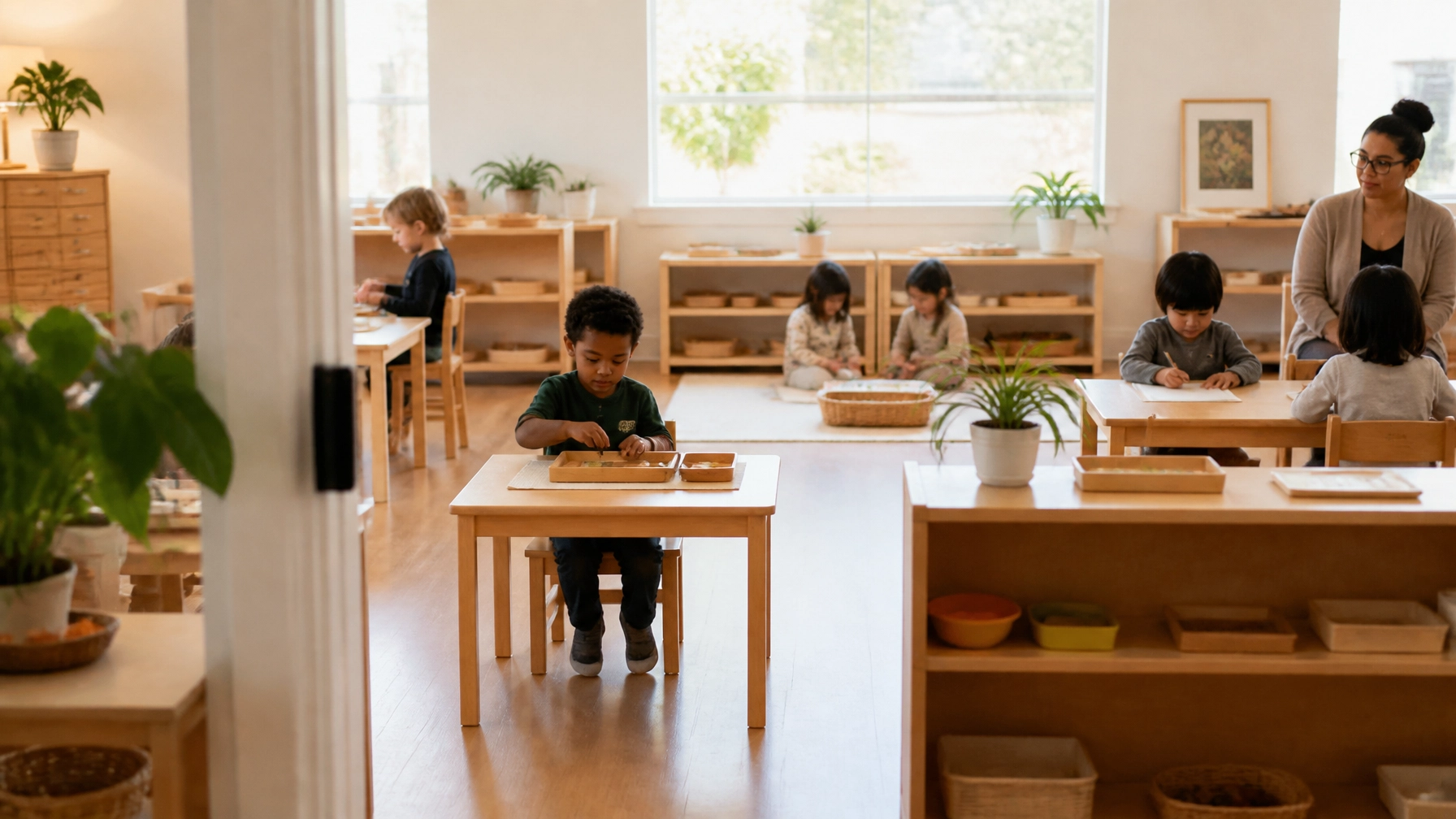
The first time I visited Gabriella’s Montessori class, I was instructed to sit in the designated visitor’s chair and observe. At first, it felt a bit strange, sitting in a bustling room full of children, quietly watching. However, with time, I realized the importance of being a silent observer and allowing the class to carry on with its regular routine.

My best advice to you would be to schedule your visits ahead of time with your child’s teacher. This way, the class remains undisrupted, and you get to see an authentic day unfold in the Montessori environment. I found that it’s also crucial to give the younger ones a bit of time to settle into their new routine at the start of the school year before planning a visit.

GUIDANCE THROUGH OBSERVATION

Over the years, I’ve developed a keen eye for certain elements during my visits. Here’s what you might want to look for:

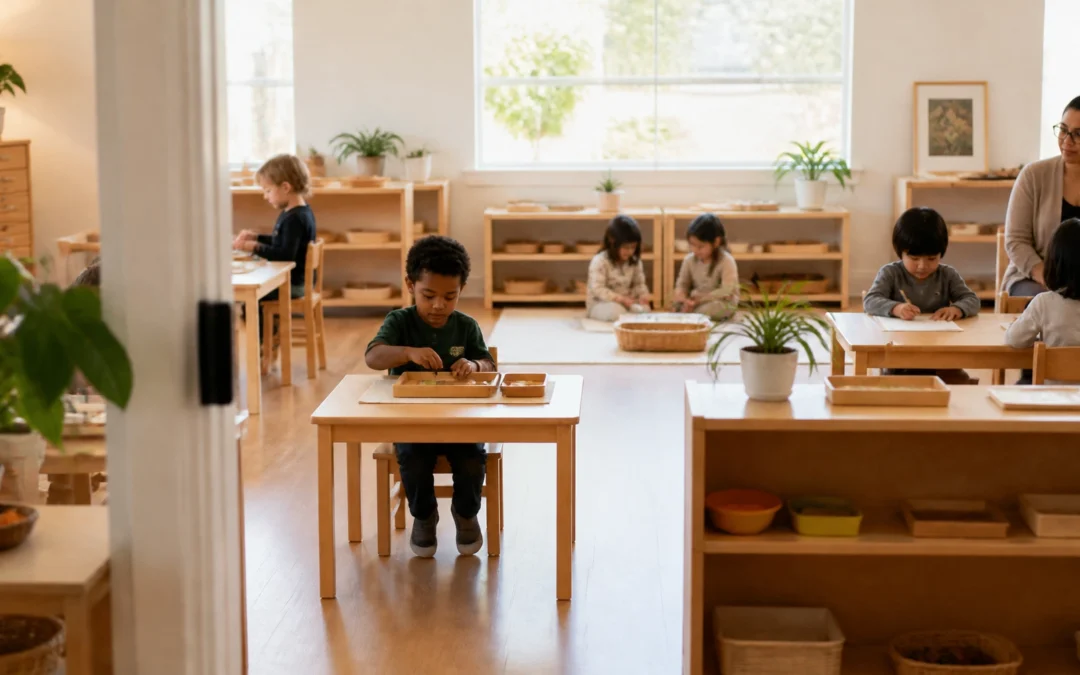
Classroom Layout: The first thing that struck me about the Montessori classroom was its child-centric design. Notice how everything, from the activities to the furnishings and shelves, is within a child’s reach, encouraging independence.

Adult-Child Interactions: The teacher-student relationship in a Montessori classroom is distinct. Watch how teachers guide rather than instruct, fostering a respectful and nurturing environment.

Child’s Workflow: Choose a child and follow their work pattern for a while. Observing Gabriella taught me that every child has a unique pace and method of learning. This understanding has helped me become more patient and supportive as a parent.

…I REALIZED THE IMPORTANCE OF BEING A SILENT OBSERVER AND ALLOWING THE CLASS TO CARRY ON WITH ITS REGULAR ROUTINE.

Teaching Methods: Observe how lessons are imparted to individual students or small groups. I was amazed to see how the teachers adjusted their teaching style according to each child’s needs.

Montessori Materials: Pay attention to how the children interact with the Montessori materials. Seeing Gabriella drawn towards certain activities helped me understand her interests and aptitudes better.

Peer Learning: One of the beauties of Montessori education is peer learning. Watching older children guide the younger ones was a heartwarming experience.
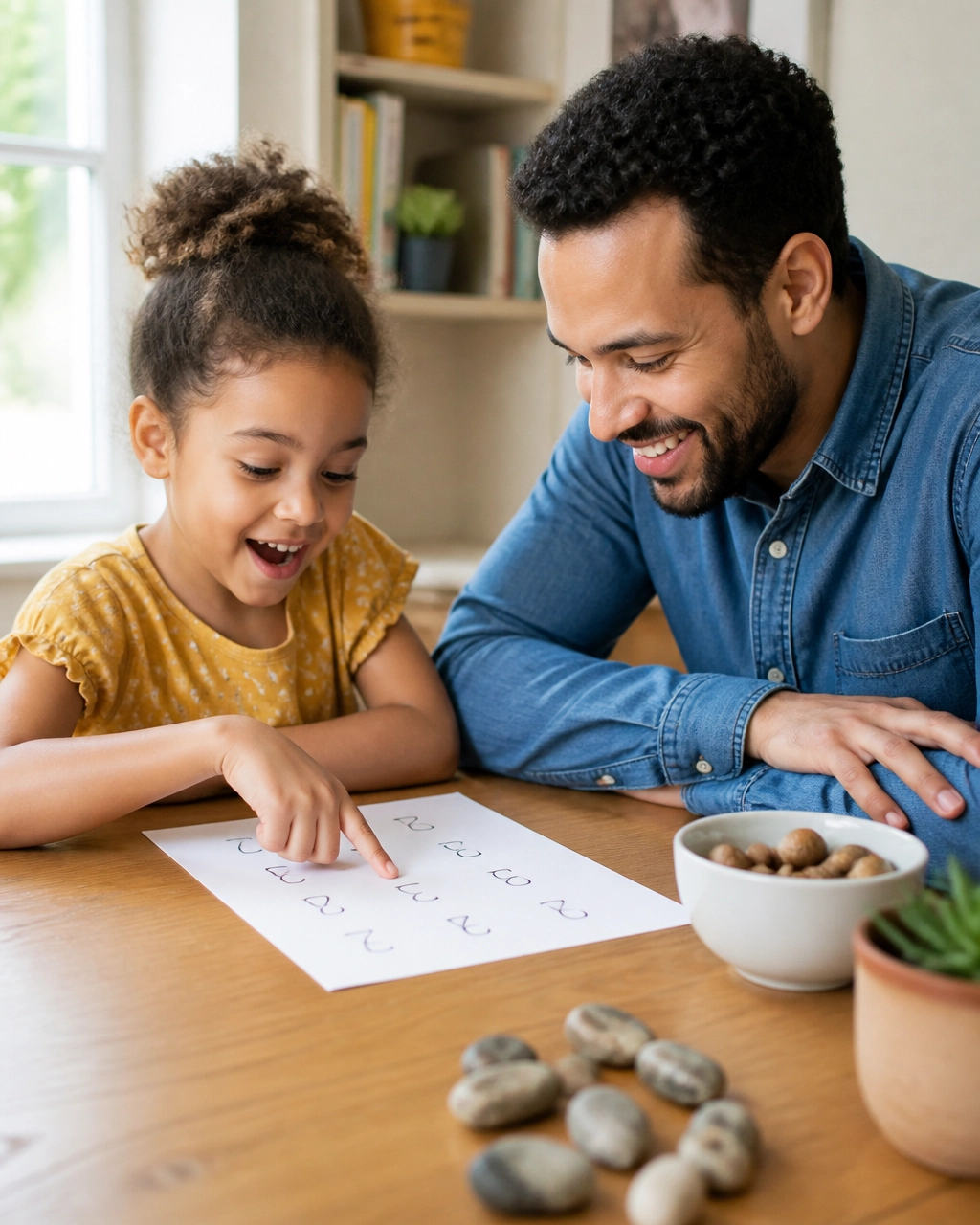
Self-correction: Another striking Montessori principle is self-correction. Watching children correct their own work instilled in me a great respect for the Method and helped me trust Gabriella’s problem-solving abilities more at home.

WHAT I LEARNED AS A MOM

Observing Gabriella’s Montessori class transformed me as a mom. I learned the importance of patience, trust, and respect in guiding my child’s development. I discovered how to encourage Gabriella’s independence, help her follow her interests, and foster her problem-solving skills. This understanding has helped me create a nurturing environment at home that aligns with her Montessori experience.

Remember, observing is not about scrutinizing every detail; it’s about gaining insights into your child’s learning journey. I hope my experiences will guide you on this beautiful path of observation. Happy observing!