

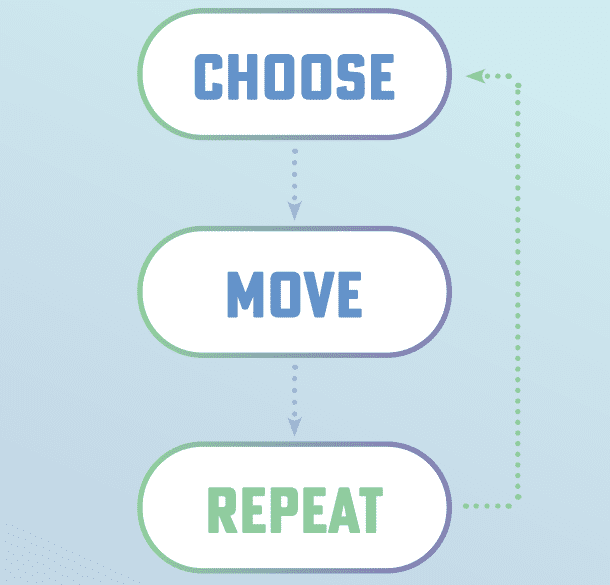
Choose. Move. Repeat.
These three words can guide your choices as a parent of a young child.
You make choices based on what you believe to be best for your child and family. These choices may be based on emotion, assumptions, or exasperation. I encourage you to consider making your decisions based on a system you know can work.
When you can create a system for yourself in your decision making for your children, you may find that you have better, less-stressful outcomes and more confidence as a parent.
Although all situations and families are different, many of the choices you make as a parent in a day can go back to these three words: Choose. Move. Repeat.
These are the three freedoms that Dr. Maria Montessori provided for in her first classroom and are still part of every authentic Montessori environment (whether home or school).
The freedom to choose.
The freedom to move.
And the freedom to repeat .
Within a classroom, this may seem easy, but what does this mean as a parent?
I recommend that as a parent, when faced with making a decision about What’s for dinner? Do we go to the park or on a walk? or Will you wear a blue or green hat? you come back to these three freedoms.
Ask yourself: How can I offer my child choice in this situation?
For example, if it is dinner, can he choose between carrots or green beans?
Then ask, How can my child have the freedom to move in this situation?
You can offer your child freedom of movement with dinner is by inviting them to help set the table or wash the carrots?
Whenever you incorporate movement into a task, you help children connect and learn. Children need to move to learn and can get very frustrated when expected to be still.
The next question you can ask is: What part of this can we repeat?
Well, when it comes to dinner, I suggest just one dinner (Ha!). You can think about what are the repetitions within the dinner? When setting the table, how many place settings are needed? When washing the carrots, how many carrots need to be washed? Then how can this become a daily activity? Can you repeat this multiple times a week? Can your child come to count on this as a predictable routine?
Choose, move, repeat. These three words can be a system and checklist for parents while bringing consistency, predictability, and routine to your days. They are the three words that can create harmony in your busy family life.

Sarah Moudry (@sarahmoudry) is an education innovator whose work is focused on creating education environments and experiences that inspire growth and joy. Her work is rooted in Montessori philosophy and paired with her extensive experience as a designer.
Recently, her projects included the founding of StudioJune (@thestudiojune), a Montessori parent and child education center, and Family Friendly Home (@familyfriendlyhome), an interior design company that creates inspirational home and school interiors.
Sarah is the author of books and online courses that help parents, childcare professionals, and grandparents to incorporate Montessori practice into their lives. She has an M.Ed in Montessori education, a B.S. in environment and design, AMI Montessori certification for birth to six years, and is an Associate Member of ASID.
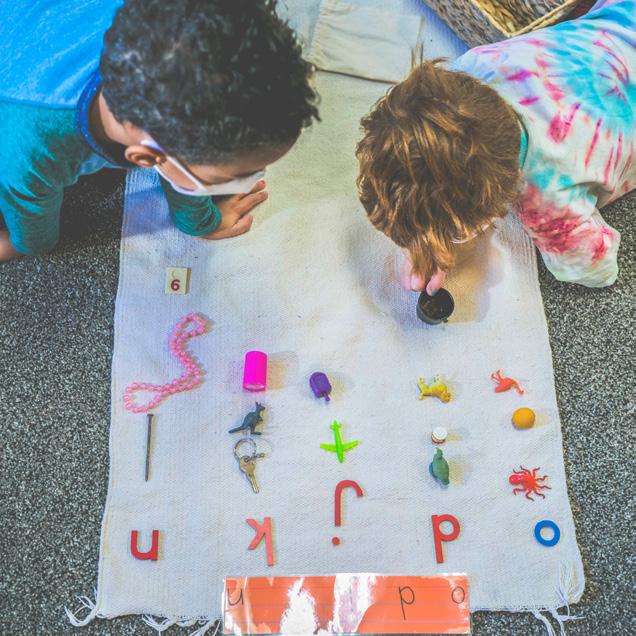
Grace & Courtesy in a Montessori Classroom
RIGHT FROM THE START (0-3 YEARS)
by Alex Gallen
“It is the child who absorbs material from the world about him; he who molds it into the man of the future.” Maria Montessori, The Absorbent Mind.
As a new parent shopping for preschools, you may wonder why you should invest in a Montessori education. What differentiates a Montessori education from other private or public schools?

As a Montessori parent and guide, I can say with confidence that investing in a Montessori education is an investment in peace education to raise a citizen of the world. Maria Montessori once said, “Peace is what every human being is craving, and it can be brought about by humanity through the child.” A flower cannot blossom without sunshine, and in our classroom, sunshine is peace, and the children blossom.
Children learn peace through the continuous lessons in grace and courtesy, which is the foundation on which the classroom flows. Montessori guides focus on the child as a whole. We look at the emotional, social, and physical factors of the individual child. Grace and Courtesy lessons are the backbone of Montessori education and one of the main ingredients in building a Montessori child, but what does Grace and Courtesy mean, and look like, in the Montessori environment?
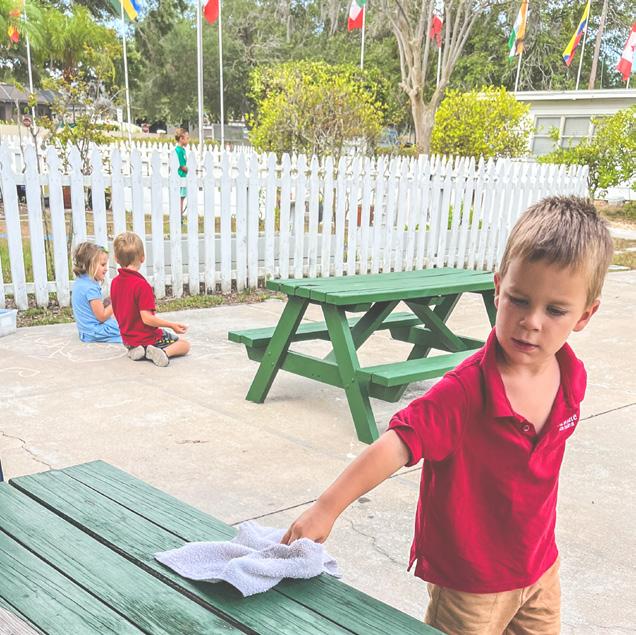
Grace and Courtesy lessons, along with guiding moments, are daily activities involving personal interactions, where children show consideration, empathy, and politeness toward themselves and others by using respectful language and manners.
Some examples of Grace and Courtesy may include: Saying “excuse me” while walking close to someone; washing hands before eating; properly unpacking a lunchbox; knocking on the door before entering the restroom; asking to join an activity politely; carrying a chair safely; properly greeting a visitor; or properly disposing of food or trash after eating. You may see a child completing an activity, politely blowing their nose, learning to sneeze by turning away from people, learning to wait for a turn, and peacefully engaged in solving a disagreement. The list can be endless, and there will always be opportunities to engage the individual child, or the whole class, in a Grace and Courtesy moment or lesson.
Maria Montessori wrote about the first plane of development, which takes place from birth to age six. Around two and a half years of age and up to six years of age, the child leaves behind the stage of infancy and self-immersion and becomes more sensitive to social interactions with peers as well as adults. A child’s mind is like a sponge, and it has the capacity to absorb a great deal from its surroundings. During this time the child shows a significant inner need for order to make sense of his environment and learn how to interact appropriately with others.

If you’ve lived and/or worked with small children, I am sure you have noticed how they respond to changes in routine. I remember a time in the classroom when we were singing the same song we always sing before eating lunch, and one child happened to be in the bathroom at that moment. When he came out of the bathroom, he was very upset that he had missed the lunch song. In this plane of development, children can become easily frustrated if they notice another individual not following directions: “Look at how Isabella is carrying her rug and work at the same time!” These moments are the best opportunity to demonstrate to children how to navigate their shock and disappointment with grace.
During the first plane of development, the window of opportunity is open for the child to absorb lessons on Grace and Courtesy effortlessly and for these graces and courtesies to become a part of the whole child.
As a parent and/or guide, how can we help children assimilate these lessons?
It is ideal to observe the child and promote positive behavior. For example, if you notice that the child is cleaning his room, you might say, “I can see that you cleaned your room, I bet you like knowing where to find everything.” It is always better to promote good behavior than to give negative attention such as, “Your room looks messy again.”
Most importantly these lessons always need to be consistent and clear. For example, if your child keeps getting up from the table during lunch, you need to model the behavior you wish to impart and stay seated while eating. Acknowledge the progress that your child makes. You might say, “It was nice having a good meal all sitting down together.” Keep the expectations consistent, changing them can be confusing and may send mixed messages to your child. If you allow your child to get up every now and then, you are basically saying this behavior is acceptable.
In our classroom, we welcome all opportunities to guide children to assimilate these graces and courtesies, guiding them to learn ways to conduct themselves in everyday society. It is vital for children to develop the appropriate social skills to be able to manage conflict resolution, cope with emotions, handle stressful situations; and be a good citizen of the world.
“It is the child who absorbs material from the world about him; he who molds it into the man of the future.” Maria Montessori, The Absorbent Mind

Alexandra “Alex” Gallen is a primary guide at NewGate Montessori School. Alex earned her BA in Psychology from the University of South Florida and is certified in Early Childhood from the Montessori Accreditation Council for Teacher Education (MACTE). Alex is originally from Lima, Peru; she moved to Florida in 2001. Alex taught Spanish for several years before getting Montessori certified and enjoys integrating Spanish into her lessons. Alex first came across the Montessori Method while looking for schools for her children, and she made it her mission to raise her three children this way.

What Infants and Toddlers Want Their Administrator to Know
To continue reading, you will need to choose a subscription plan.
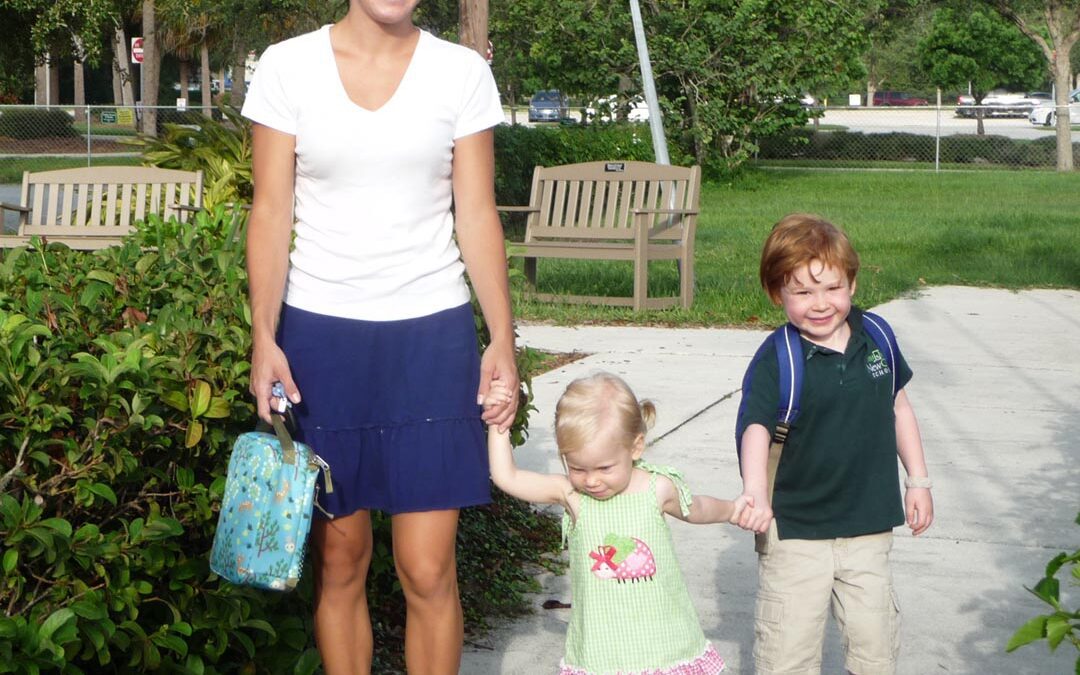
Helping Your Toddler Adjust to School
Is this your child’s first school experience – their first time away from home or from a primary caregiver? Or is it the transition from being at home with parents, grandparents, or a special aunt or uncle? Transitions are not easy for any of us and they can be especially difficult when you are somewhere between birth and two years old. Join us and one of our Montessori Toddler guides to learn ways to help ease separation anxiety for both you and your child with special guests Kathy Leitch and Kristi Antczak.

Part I: Your Rookie Year as a Montessori Family (0-6 Years Old)
To continue reading, you will need to choose a subscription plan.
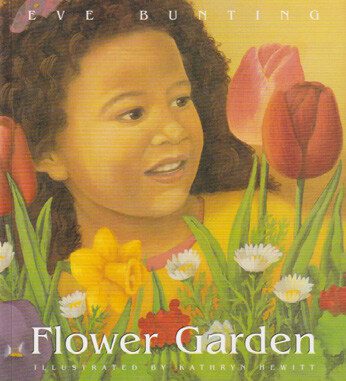
Book Review – Flower Garden

Flower Garden
Written by Eve Bunting Illustrated by Kathryn Hewitt
Another book by Eve Bunting! This talented woman has written many books for children from two years old to teenagers, in all different settings, and in varied real-life situations. She doesn’t try to hide the truth or to tip toe around uncomfortable topics. Her stories have heart and sometimes raw emotion. The illustrations in her books are usually quite realistic and enhance her words beautifully. Her books raise her readers’ social consciousness – sometimes subtly and sometimes flat out!
Flower Garden is the story of a dad and his daughter putting together a beautiful surprise for his wife and her mother’s birthday. It’s set in a city where they live several stories up in an apartment building. They ride public transportation to and from the grocery store, where they buy plants, a window box, and cake and ice cream.
Mom isn’t home, so they can quickly plant the flowers in the window box before she arrives. She is surprised and happy when she gets home!
In this book the words rhyme. Young children love rhyming! In this book, the reader may not be aware that they are learning about people of different races, or they may recognize themselves in the characters. It is a beautiful book that young children will enjoy over and over again at home or in school.
Reviewed by Lorna McGrath

The Dump Truck Story
The Dump Truck Story
What happens when we normalize ‘disaster’ thinking and accept the mess
by Alicia Diaz-David
When my son was two years old, he scribbled on his dump truck with a brown marker and announced that he would wash it right there in the middle of our living room floor. My first reaction was to gasp when I noticed the brown scribbles. My second reaction was to see where his plan of action would take him.
So, I watched as he used the foaming soap dispenser to lather his hands and then rub the foam on the dump truck that was still on the living room floor. And I watched as he headed to the bathroom to fill his large bath-time cup with water to rinse off the foamy soap.
And that’s when I jumped in. Not stopping him but offering him another line of thinking by asking what would happen if he poured the water on the truck right there where it was. Thankfully, he responded that it would spill. I suggested we bring the dump truck outside to our front steps, where a giant water spill would not matter as much.
And the rest happened as you might imagine. My son happily poured water over the soapy brown marker and watched as it splashed on the cement pavers, instead of the living room floor. He went back inside the house to get a towel, which he smoothed over the water droplets on his beloved dump truck. And he smiled proudly at all that he had done.
If you are familiar with the principles of Montessori and the practice of following the child, this story may seem reasonable enough. It may seem as nothing more than a toddler exploring and experimenting with his dump truck and a mom observing and conscientiously guiding the learning moment that would unfold. However, when I submitted this story for a recent publication, it was changed. The edited version included the words, “This is going to be a disaster,” and I admit it stopped me in my tracks when I read it.
Not only was I impacted by the fact that a piece of original writing would be so altered, but also by the idea that our current thinking about children exploring and experimenting is so readily equated to things turning into a disaster.
The truth is, there is a great deal of learning in the so-called disaster. The mindful parent recognizes the learning potential when a child is following her own reasoning. The prepared adult is ever-present, jumping in to help only with the hard parts. That is the true meaning of Montessori parenting, as I’ve read in countless books, learned in Montessori training, and experienced personally with my own children at home.
So, I write today to challenge this thinking and normalize what we would otherwise consider a ‘disaster.’ When we let our children explore their ideas, when we observe this process, we realize that we are truly being given the gift of watching a genius at play.
Our job as adults is not to limit or edit this experience but to let it unfold and only redirect it when necessary. What I learned from my two-year-old son that day—what I witnessed—was a young toddler exhibiting complex executive-function skills, a little boy filled with resolute determination, a confident multi-cultural child ready and willing to solve problems in the world.
I hope that in the future, we don’t edit stories like this. These are moments to cherish for what they are … the awakening of life itself. •
Alicia Diaz-David is a parent and educator with over 15 years’ experience in education. She has followed the Montessori approach at home since her children were born and is a certified Montessori guide for ages 3-6. She is also the founder of TeachLearnMontessori.org, which is dedicated to helping parents better understand the Montessori philosophy and simplify the approach. You can learn more about supporting children’s growth and development using Montessori via the real-life stories she shares on Instagram @MontessoriwithAlicia or on her blog at TeachLearnMontessori.org.

Raising Helpers
by Theresa of Montessoriinreallife.com
One of the most wonderful things about toddlers is how they so inherently want to help. They are eager to be involved, be near us, and participate in our day-to-day activities. What we deem “chores,” toddlers see as what they are: meaningful contributions to our family or community.
After toddlerhood, we often notice a shift. Children seem less intrinsically motivated to help and view helping more as a chore. This is a natural part of development: they are more independent and focused on their own work and play. They are discovering who they are and where their own interests lie, which is a beautiful thing. It also doesn’t mean it’s the end of helping!
How do we continue to foster this motivation and raise helpers beyond the toddler years? Here are a few tips that I’ve been keeping in mind in our own home lately. These can be incorporated in toddlerhood and well beyond!

Help Our Children
Our children learn how to help through us helping them. When we respond to their requests for help, they are more likely to do so in return. Helping doesn’t mean doing a task for them, but rather offering just enough help to get them through a tough spot.
Model It
Not only should we think about how we are offering help to our children, but how can we offer help to our partner, a friend, or our community? The more our children see us being helpers, the more likely they will want to be a helper too.
Talk About It
“In our family, we help each other.” This is a phrase that we repeat often at home. The more we say and hear this, the more ingrained it becomes and the more natural it feels to be a helper in the family. Importantly, this phrase is said in a gentle way, not as a command.
Make It Part Of The Routine
When we make helping a part of our daily rhythm, it becomes natural. In our family, certain tasks are the kids’ responsibility every day: putting shoes and coats away, setting the table, feeding the dog, wiping up spills, tidying toys, etc. These tasks aren’t rewarded but rather just part of the routine.
Don’t Force It
Inviting doesn’t guarantee our children will help. Even when these tasks are part of the daily (or weekly) routine, everyone has off days. We can offer grace and let it go. Often, the next day, or at a different time, they are ready to help again.
Offer Opportunities
Sometimes we move so quickly through our own chores, we forget that we could involve our children. As much as possible, I try to do chores in front of the children so that they have the opportunity to join in and help. Often, what we consider mundane tasks are satisfying for our children. Having cleaning tools that are appropriately sized for our children makes them feel especially capable.
Accept It As Is
When our children do help, we may find that they’re ‘help’ doesn’t lead to the outcome we desire. The dishes might not be as clean, or the laundry might not be folded in a neat stack. When this happens, we can thank them for helping and appreciate the effort that went into it. Rather than correct them at the moment, we can model again another time, and try to be patient, as every skill takes time.
How can your child help today? •

Theresa is a mom to two, a former Montessori guide, and the founder of the blog Montessori in Real Life(www.montessoriinreallife.com). Prior to momming and blogging, she went to graduate school for developmental psychology and earned her Montessori infant/toddler guide certification. Since transitioning from teaching to motherhood, Theresa found a new passion sharing her love of Montessori with parents,while continuing to implement the Montessori philosophy in her own home.

Less Talk – More Respect
Do you feel like you talk too much about your child’s behavior? Are you constantly repeating your requests and explaining things your children already understand? Joe Newman, the author of “Raising Lions” will talk about how replacing our explanations and lectures with action boundaries, will get better behavior from our kids and will raise those kids into adults who are both confident about themselves and connected to other’s feelings and needs.
Three Rules for Positively Guiding Toddlers
How do we decide when a toddler’s behavior is inappropriate? Together we will discuss the questions to ask ourselves before we intervene in a child’s play. Then, we will consider three simple, easy to understand rules that aid toddlers’ understanding, support collaboration and help avoid power struggles.

Parenting 101: How Giving A Simple Direction Can Create Clarity
Quite often with a 3-, 4- or 5-year-old, there’s a lot of grey areas when they’re testing boundaries and you’re not sure a break is necessary—maybe he’s touching the baby’s face and he’s looking at you and he’s got this look in his eye like he’s thinking, “Can I do this? How about this? Am I making you nervous? What can I do before you say something?”
Typically, parents give ambiguous information in these moments, like, “Be careful. Your baby brother is very delicate, so I need you to be gentle.”
What is more effective in these moments is to give a clear action direction, “I need you to come and stand next to me for a moment.” Then, if he’s not moving to follow your direction, count: “5…4…3…2…1…”. And if he hasn’t come to you by the end of the count, give him a break. If he does come to you, have him stay there for a moment and then either let him return or give him a direction to play somewhere else. This inserts a very clear map for him (and you) to follow in that moment. You’ve asked him for something specific, and you’ve given him a clear timeline. He’ll begin to take your direction in these moments, because he doesn’t want a break.
It’s important that the parents aren’t threatening to do a break (so it’s not—“I need you to come over to me, or I’m going to give you a break”) because we want him to generate this thought and self-prompt in this moment.
You say, “I need you to come and sit on the couch to play.” He ignores you and you say, “5…4…3…2…1….” Then if he’s
There’s no judgment in your tone with this; it’s easy, it’s fun, it’s playful—like your child. This speaks directly to the difference between punishments and consequences.
still not on the couch, and you say in a relaxed tone, “Oh, now I need you to take a break.” Now he looks up and says, “No, no, no! I’ll sit on the couch.” And you respond, “It’s no big deal. You take the break; then you can go to the couch. Right now, you have a short break.”
You follow this pattern because your goal is to have your child follow your directions when you give them. Once you have a break process in place, you can give all kinds of other prompts, because now he takes your words seriously. As you move forward, you ask him to do what you need, and if he doesn’t, you give him a break, or you count down and then give him a break. But you don’t always have to count down.
You might simply ask your child to do something and then pause quietly for five seconds and then give the break. You don’t have to do it the same way each time because you want to keep him on his toes, so he learns to hold an awareness of your needs. There’s no judgment in your tone with this; it’s easy, it’s fun, it’s playful—like your child. This speaks directly to the difference between punishments and consequences.
You can begin by giving a clear direction and then counting. A few days later, you shift to pausing quietly for 5 seconds, then giving the break. Inevitably, your child will say, “Wait! You didn’t count!” and you can tell him, “Well I’m not always going to count. I don’t want to work so hard. You know what happens after I give you a direction. I wait a few moments, and then you get a break. It’s no big deal; you take the break, and you come right back.” The tone of voice you use and the lack of moralizing is the difference between punishment and consequence. You’re shifting from judgment and anger, which implies his actions are either good or bad, to good-natured coaching with cause and effect.
There is often a misunderstanding that administering cause and effect without judgment is too soft, but it’s not; it’s actually more effective. When your child is very defiant you can give consequence after consequence after consequence and frustrate the heck out of him. But the more you frustrate him, the more your tone should be sweet and empathetic so that your children focuses on the consequence of their choices rather than your judgment of them. •
Joe Newman was born and adopted in1963. In 1970 he was diagnosed ADHD and medicated with Ritalin. Every where he went, the playground, the classroom, even at home, Joe heard one message loud and c ear: you’re broken; your brain doesn’t work; you don’t belong.” No surprises when, at eighteen, he dropped out of college, shaved his hair into a mohawk and took off to surf the coastlines of the Caribbean and Central America. It was out in the world, working scores of jobs and starting his own businesses, where Joe realized he was not actually broken. Away from the tethers of school and home, Joe realized the same qualities called disorders were also qualities of positivity and value. Aggression became passion, distractibility became broad understanding, and stubbornness became tenacity. Realizing there must be millions of children out there, just like him, with ferocious spirits but misunderstood, he threw himself into finding and reaching these children.
His book, Raising Lions, has developed a growing following not simply because it helps parents understand why their children behave the way they do, but because the tools and solutions actually work.
TOMORROW’S CHILD © • NOVEMBER 2019 • WWW.MONTESSORI.ORG

Health & Wellness: The New Rules of Peanut Allergies: What Concerned Parents Need to Know
by Libby Ryan and Nicole Harris Updated September 16, 2019 from Parents.com
New guidelines encourage us to introduce peanuts to all kids much earlier. Plus, the FDA recently supported development of a drug aimed at lessening the severity of allergic reactions from peanuts. Here’s what you need to know.
This article brings a new, exciting possibility for allergy sufferers but should not be taken lightly or without the help of qualified medical personnel.
Everything you think you know about peanut allergies might be about to change. In March 2019, the American Academy of Pediatrics (AAP) released new guidelines for introducing kids to peanuts in the hope of decreasing the prevalence of this widespread allergy.
The study says babies should be given peanuts early, in order to prevent allergic reactions. In fact, multiple reports in the past decades have shown the benefit of introducing peanuts to highrisk babies when they are between 4 to 6 months old (with proper medical supervision). Infants with less of a risk can start these foods at 6 months or older, following the pattern of the family’s normal diet.
Previously, kids in danger of developing an allergy were supposed to avoid any contact with peanuts for the first three years of their lives, according to Hugh Sampson, M.D., director of the Elliot and Roslyn Jaffe Food Allergy Institute at Mount Sinai and a Parents advisor.
The study says babies should be given peanuts early, in order to prevent allergic reactions.
Then, in 2008, the AAP said that babies should not be refrained from eating allergens like peanuts, milk, and eggs. Being introduced to these allergens wouldn’t prevent them from developing eczema, skin conditions, and food allergies, according to the report.
But the March 2019 guidelines state that high-risk children should have peanuts in their diet much sooner. In turn, the babies will (they hope) have less of a risk of developing allergies in the future.
So how can a parent know if their baby might be at high risk of developing a peanut allergy? Two main signs your little one could be ready for a peanut intervention are egg allergies or severe eczema, according to the National Institute of Allergy and
Infectious Diseases (NIAID). Talk to your pediatrician if your child has either or both conditions; your doctor can do an allergy test to find out the best timing for introducing peanuts.
Whole peanuts are a choking hazard for infants and small children, says Drew Bird, M.D., director of the Food Allergy Center at Children’s Health in Dallas. For your baby’s first bites, you can stir a small amount of peanut powder into a puree or spread a thin layer of peanut butter on toast.
The sticky consistency of thick peanut butter can also be hard for little mouths to handle, so Dr. Bird recommends two teaspoons of smooth peanut butter mixed with two teaspoons of warm water for babies just starting solids.
It’s also important to keep serving your child peanuts once they’ve been introduced. “Foods that are in the diet more frequently are less likely to cause problems down the road,” Dr. Bird explains. He also stresses that children who have already been diagnosed with a peanut allergy should continue to use the same caution around peanut products as always.
If your child does have an allergic reaction, symptoms may include swelling lips, coughing, vomiting, or rashes that look like mosquito bites around the mouth or other parts of the body, and they would begin almost immediately after eating. If your child has a reaction, call your doctor immediately. •
TOMORROW’S CHILD © • NOVEMBER 2019 • WWW.MONTESSORI.ORG
Helping Children to Be Successful: Developing Grit
by Rachel Buechler
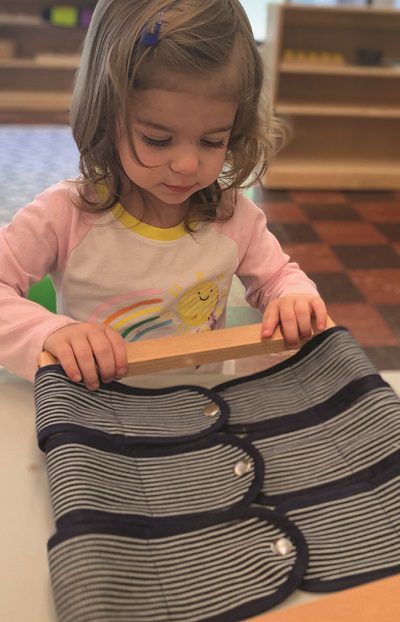
 A little girl sits at the table with the Snap Dressing Frame. She has picked it up several times before today and quickly returned it to its stand after a short attempt. Today she picks it up and places it on the table. She tries the first snap; it doesn’t connect. She looks at the snap from the left side, then the right side. She tries again; it doesn’t connect. She looks at her teacher for help. The teacher demonstrates how to connect the snap then returns it to its unconnected state. The child moves onto the snap above and, as she pushes down, she hears it connect. She pauses, smiles. Then goes back to try the first one; it still doesn’t connect. She squeals in frustration. She takes a moment to look again and again; then she keeps trying. This continues for twenty minutes until she looks at the dressing frame and the three connected snaps. She sighs and smiles then exclaims, “I did it!” Her teacher says, “You did it!” The little girl continues to look at the completed work before quickly taking it apart again to repeat the lesson.
There is so much for us to learn from this toddler’s determination to work on mastering this lesson. She is showing us how we can develop a skill that will place us ahead of others in the working world: grit. Grit is what keeps us working with our children, even when it is hard, even when we think we aren’t getting the results we want, or the progress is slower than we hoped. No matter what, we keep thinking of new ideas to try and keep believing we will see results. We are displaying grit. How can you help your students, or your own children, develop grit?
1. EXPRESS FRUSTRATION
Let the child experience frustration. This is hard to do when we can see the solution to their problem is so easy for us to fix. As they try to fit puzzle pieces into a board, we can see they just need to turn it a little further, and we can feel so helpful if we just showed them how it fit by reaching over to place the piece. If we continue to solve the child’s frustrations, we are robbing them of the opportunity to feel greater success in working through the issue. We are also telling them that anytime they are frustrated, they should rely on an adult to solve the issue. We need our future leaders to learn how to problem solve and persist to solution by accepting frustration, then working through it.
2. THE RIGHT AMOUNT OF HELP
During the Dressing Frame story, the teacher did show that the snap can be connected and, thus, modeled the action for the child. The teacher also returned the snap to its original state so the child would continue to work from where she left off. Deciding exactly what help children need is critical to allowing them to persist with the challenge, but not discourage them by completing it on their behalf. It also helps children to learn when to ask for help.
If we continue to solve the child’s frustrations, we are robbing them of the opportunity to feel greater success in working through the issue.
3. ENCOURAGE REPETITION
Even if children don’t succeed with lessons, tomorrow might just be the day they will figure it out. Maria Montessori believed repetition was the key to mastering a skill. If an infant went to walk for the first time but fell after one step, and we said: “Looks like that’s not the activity for you,” they would likely feel discouraged from attempting it again. Our response is more likely to be supportive, helping them up and encouraging them to try again and again until they are walking with stability. This is how we should help our children attempt many lessons in different areas of the classroom or skills at home. There are times when a child masters a difficult skill and then finds joy from repeating the lesson over again, as it gets easier and easier each time. As new skills are developing, mistakes will be made. When mistakes are made, we must be matter of fact about them. As the book, The Montessori Toddler, says, “Mistakes are simply opportunities to learn… if they break or spill things, we can have things at the ready for them to help tidy it up…. We can model being friendly about mistakes by not taking ourselves too seriously when we make mistakes” (Davis, 2018, p.93).

4. CELEBRATE VICTORY
The child had picked up the Snap Dressing Frame several times on various days before and realized, through self-awareness, that this was not a task that would give her immediate success. There were other skills that needed to be built first. This shows great knowledge in knowing her own abilities and where she is ready to seek the next challenge. By allowing children to guide their own learning journeys through choice and freedom, they develop more than the academic skills. They build skills in planning, organization, order, and determination (or grit). The growth of these skills allows children to feel internal celebration when they complete activities on which they have been working. This grows confidence as children learn how to fail and keep persisting until they succeed. As the book, The Confidence Code, says, “failing fast allows for constant adjustment, testing, and then quick movement toward what will actually work” (Kay & Shipman, 2014, p. 140).
ADULT INTERVENTIONS THAT DISCOURAGE THE DEVELOPMENT OF GRIT:
• Jumping in to help before you have assessed exactly how much help the child truly needs. Give only this amount of help. The joy within the child comes from persisting through a difficult task to reaching completion.
• Saying “good job” or “I like it when you_____”. These statements make the success about you and not about the internal development of the child.
• Moving the child away from a task because you think it looks too difficult prevents developing grit. Let them try; model it. Help them to determine what is too difficult. Don’t become frustrated or upset about mistakes made.
REFERENCES:
Davies, S. (2018) The Montessori Toddler. Amsterdam: Jacaranda Tree Publishing Kay, K. & Shipman, C. (2014). The Confidence Code. New York: HarperCollins
Rachel Buechler earned her BA in Education in 2009 before relocating to Charlotte, NC from England, UK. She joined Charlotte Montessori School in 2010and was the Lead Toddler Teacher for three years. During that time she earned her Infant/Toddler Montessori Certification. Ms. Buechler enjoys the individualization of the Montessori classroom foreach child and watching them follow their own unique interests as they learn and grow in the classroom.
TOMORROW’S CHILD © • NOVEMBER 2019 • WWW.MONTESSORI.ORG

Neurodevelopmental Tools for the Classroom
To continue reading, you will need to choose a subscription plan.
Encouraging Your Child’s Independence
To continue reading, you will need to choose a subscription plan.
Montessori Infant Toddler Programs
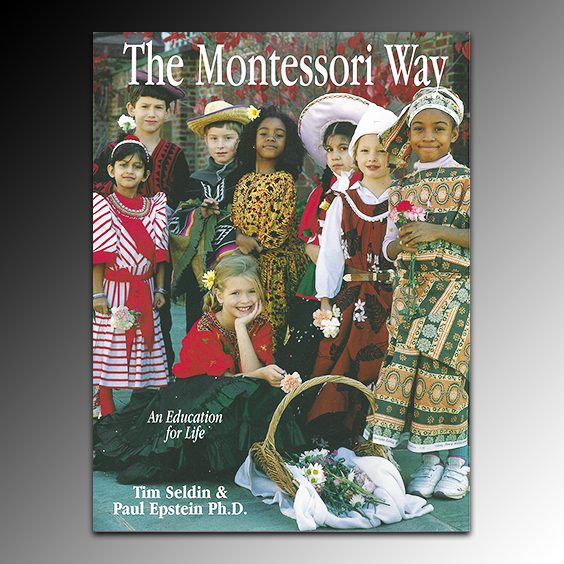
This PDF file is an excerpt from our book, the Montessori Way, by Paul Epstein and Tim Seldin, Copyright 2003
There is an ironic prejudice about education found in almost every country: the older the students are that one teaches, the higher the pay and respect for the teacher. We take it for granted that a professor in a graduate school is a more prestigious position than that of a high school teacher, which is, in turn, considered a more sophisticated position than teaching elementary and, of course, both are far more respectable than that of a nursery-school teacher. And no one in his or her right mind would want to teach infants and toddlers, right? Yet research clearly shows that the most important period in a human being’s educational and emotional development are not the years of high school and college but rather the first six years of life. Human beings are a magical combination of at least three factors: our genetic inheritance, our biological development, and our experiences.
To read more: Download File
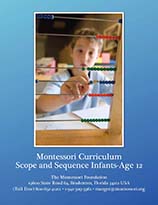
Montessori Curriculum Scope and Sequence
To continue reading, you will need to choose a subscription plan.
Featured
-
 The Montessori Way, Revised and Expanded: An Education for Life; A Comprehensive Guide for Parents and Teachers
$25.00
The Montessori Way, Revised and Expanded: An Education for Life; A Comprehensive Guide for Parents and Teachers
$25.00
-
The Montessori Child: A Parent's Guide to Raising Capable Children with Creative Minds and Compassionate Hearts (The Parents' Guide to Montessori)
$20.00
-
The Montessori Toddler: A Parent's Guide to Raising a Curious and Responsible Human Being (The Parents' Guide to Montessori)
$20.00
-
Montessori in Action: Building Resilient Montessori Schools 1st Edition
$29.95
-
Bulk Order, 30 Copies of Montessori for Every Family: A Practical Parenting Guide To Living, Loving, And Learning
Original price was: $600.00.$510.00Current price is: $510.00.



Products
-
The Montessori Way, Revised and Expanded: An Education for Life; A Comprehensive Guide for Parents and Teachers
$25.00
-
The Montessori Child: A Parent's Guide to Raising Capable Children with Creative Minds and Compassionate Hearts (The Parents' Guide to Montessori)
$20.00
-
The Montessori Toddler: A Parent's Guide to Raising a Curious and Responsible Human Being (The Parents' Guide to Montessori)
$20.00
-
Montessori in Action: Building Resilient Montessori Schools 1st Edition
$29.95
-
Bulk Order, 30 Copies of Montessori for Every Family: A Practical Parenting Guide To Living, Loving, And Learning
Original price was: $600.00.$510.00Current price is: $510.00.