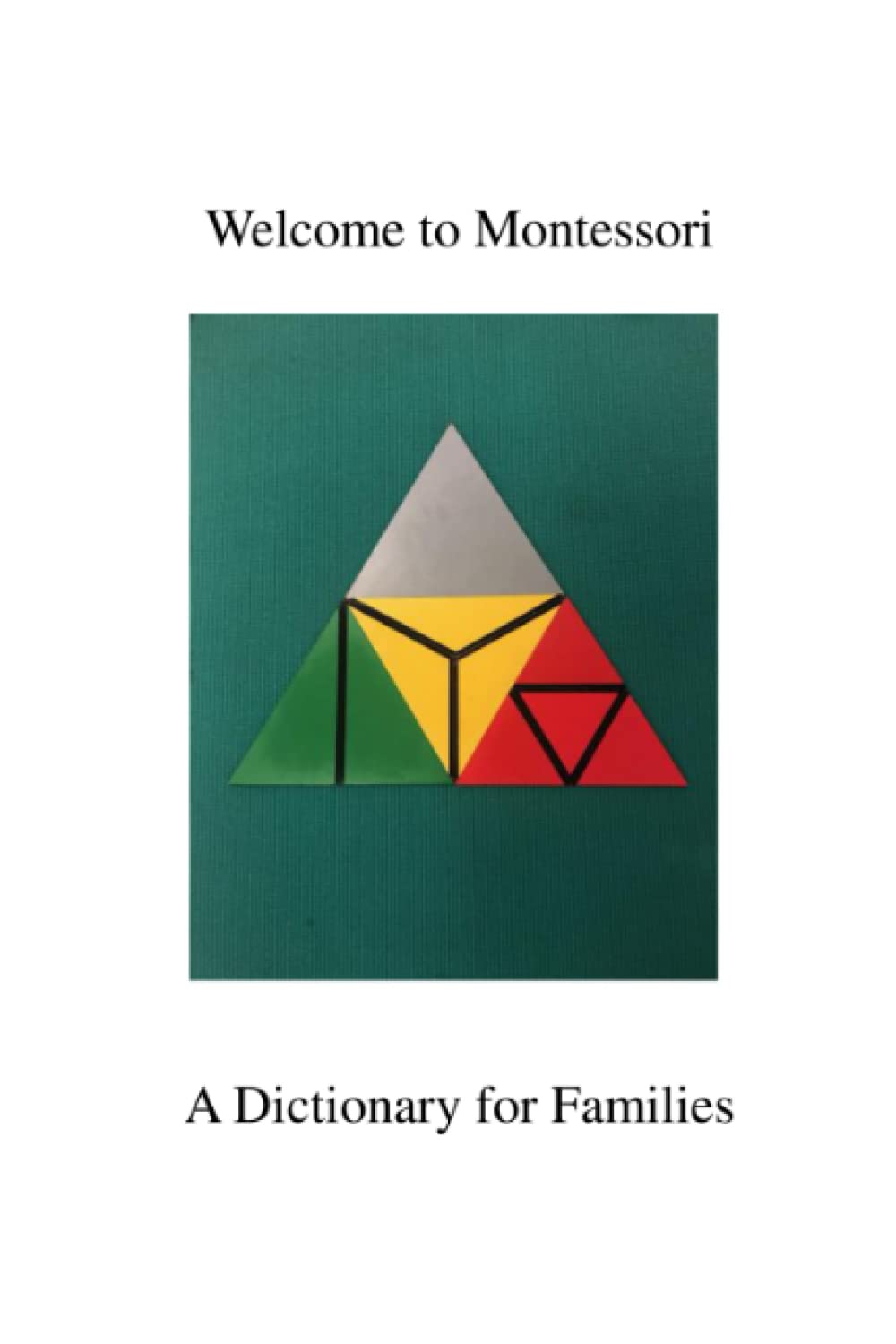
This book is a paperback booklet originally created to fill a need in the author’s school. She found that parents were interested in knowing more about their child’s classroom experience. Her idea was to share information about the basic principles of a Montessori classroom and the activities within the 3–6-year-old (Early Childhood) classroom.
Ms. Lundberg briefly describes each curriculum area and then some of the key lessons in those areas. She has included photos of the materials along with their descriptions. She has also added a short biography of Dr. Montessori and some ideas for the home.
This is a great little tool to get parents started in their knowledge and understanding of Montessori at the Early Childhood level. You can purchase this booklet at amazon.com.
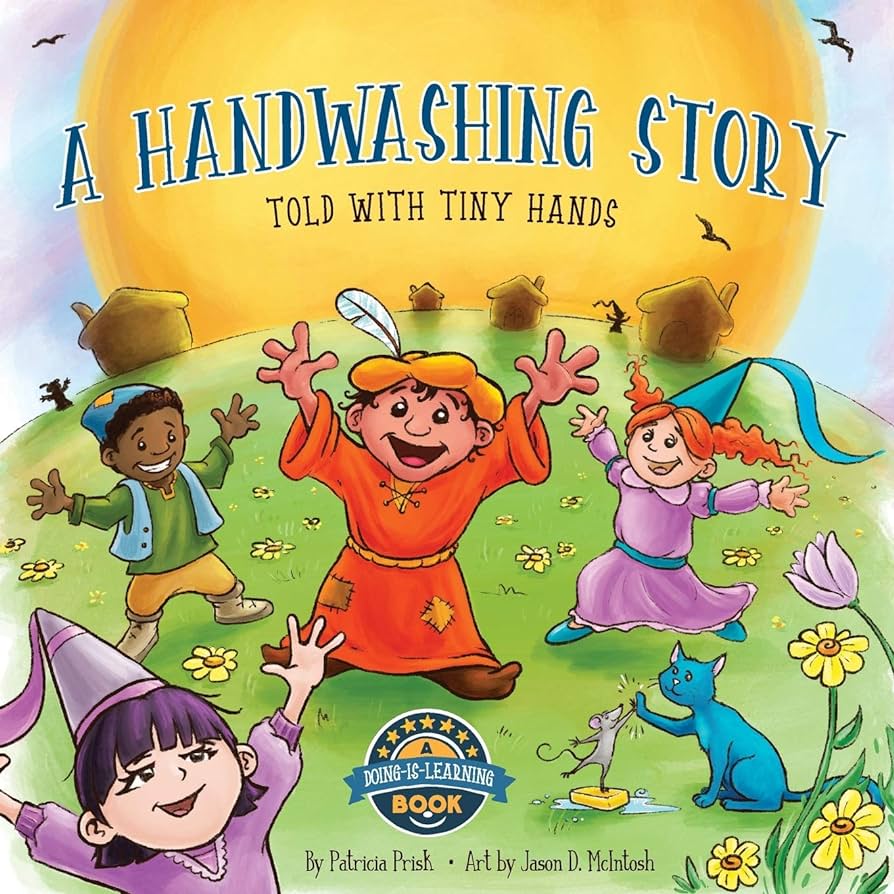
This is a wonderfully fun, imaginative story of getting cleaned up! The illustrations are very colorful and fanciful! They make cleaning up a joyful adventure rather than drudgery. Pat Prisk shows (down in the corner of each page) the steps to washing hands. She then reinforces the process by putting each of the steps to handwashing on one page at the end of the book. She also includes ideas for parents, caregivers, and other adults involved in caring for children. I think youngsters 2 to 7 years old will love this book.
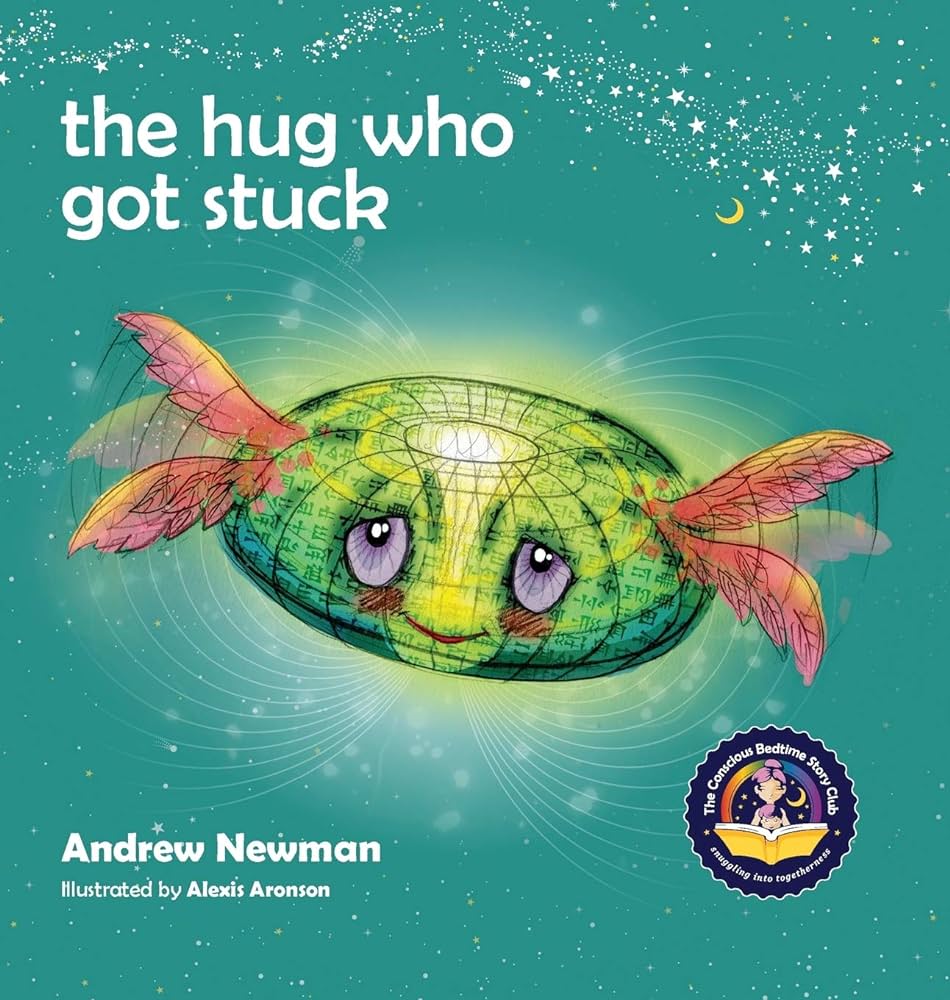
Our friend and author Andrew Newman has added another bedtime book to the collection, including Snuggle Breathing. This is a lovely story for just before going to sleep about the power of hugs to help ourselves and others stay disentangled from negative thoughts. It also reminds us that hugs have a ripple effect in our families and throughout the world.
This whole series by Andrew is filled with books that help children fill their minds with positive, warm emotions when they are getting ready for a peaceful night’s sleep. They are available from www. consciousstories.com.
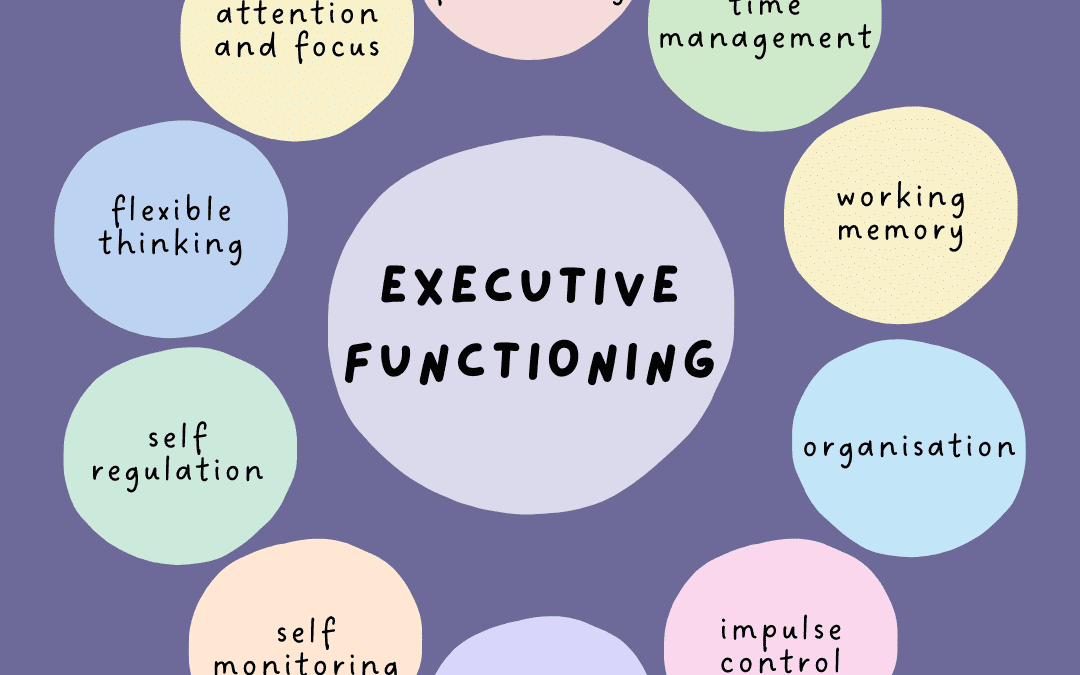
First, what are executive functioning skills anyway? Next, how important are executive functioning skills for outcomes in life? Finally, how can families help? Join us and learn about nurturing this crucial realm of brain development in the early years.
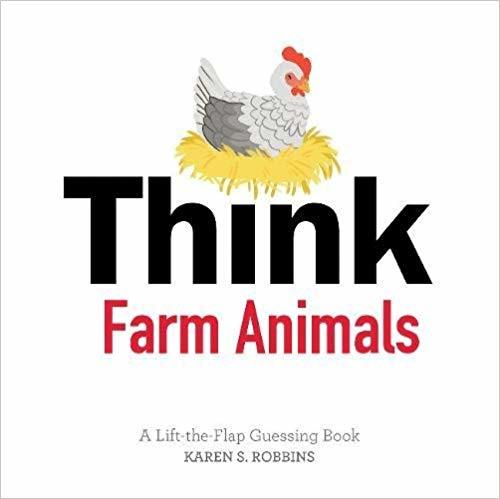
Karen Robbins has written two sturdy books for two- to four-year-old’s about animals: Think Farm Animals and Think Zoo Animals. The pages can be easily turned, and the flaps easily opened by young hands. The illustrations are colorful, visually pleasing, and realistic.
Each book is set up similarly with a hint and a question on the left page and an opening that allows the child to see part of the animal on the right page.
For example: In the Farm Animals book on the left page, it reads, “I have a swishy tail and say ‘Moo!’ What can I be?” And on the right page, an opening shows a white and black tail with the word “Think” written below. I love that!
Remember children at this young age are still developing impulse control. The adult can help them with that in a fun way by saying something like, “Hmmmm. I’m ‘thinking’ about animals on a farm. Do we know a song about that? ‘With a moo-moo here and a moo-moo there.’ What could it be?” All the while holding the flap closed as the adult and child “think” together. You could even say to the child, “Let’s keep the flap closed so that we can ‘think’ for a minute.”
Lovely books for young children. I wish there were more!
I was pleasantly surprised when I opened this book for young children. I was expecting a book that has too much to sort out on a page, is visually distracting for young children, and could easily be torn or damaged by accident.
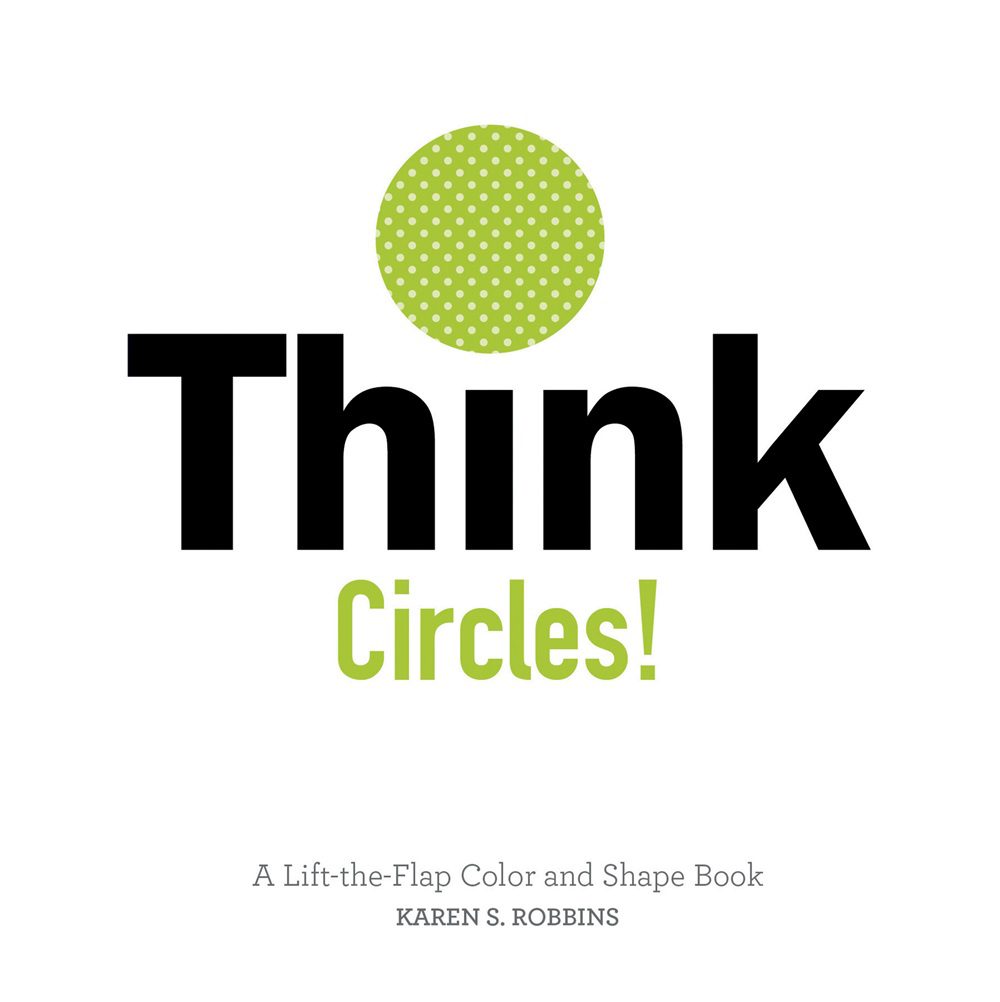
The author of Think Circles! isolates each illustration on the pages to answer the hint. For example: On page 1, the hint is “Bouncing Circle” and the question is “What can it be?” On the opposite page, there is a hidden object with just one opening to view part of the pictured answer with the word, “Think.” Adults get to have fun with this, too, as they read the words to the child and maybe, if needed, add another hint to play along with “thinking” about what the hidden object might be. I love that she invites the child to “think.”
Ms. Robbins also adds in another level of difficulty by adding objects to each page. So, on page 1, there is just one hidden object. On page 2 there are two hidden objects. On page 3 there are three objects, and so on to 10. On each page, there are the corresponding openings, so that children can count the openings and then count the objects when they open the flap to see the answer.
As a teacher, I would present one concept at a time. I would either introduce the book as a problem-solving lesson or as a counting lesson but not both at the same time. Both concepts are higher-level thinking. Either could be presented first. I would probably introduce the “thinking” concept first just because I like it.
The pages are quite sturdy, so that young children can use these books without accidentally damaging the books, assuming the adult has given the child a lesson on carefully turning/opening pages in a book. That’s important since we want children to be successful as they use books and other activities. The illustrations are colorful, attractive, and quite realistic.
There are two other books in this series – Think Triangles! and Think Squares! These books would be enjoyed by children 3-6 years old.
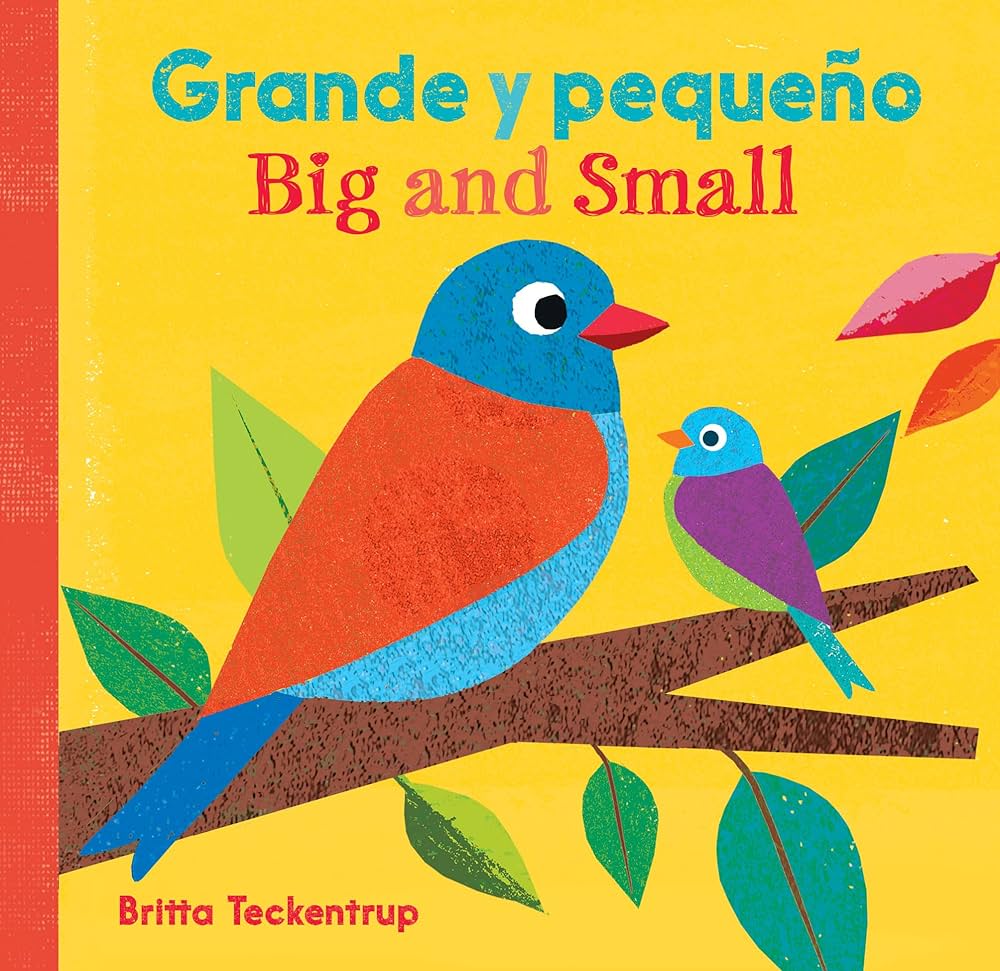
This is a little board book for your infant or toddler. There is one quite realistic, colorful picture and one word on each page. Pages that are opposite each other in the book are opposite sizes. As you read this book together, your child will increase their vocabulary as you identify the picture images and begin to get some sense that there is a difference in the sizes of things. This is a difficult concept for a little one to really understand from a two-dimensional picture. However, you can put together an activity using objects that show the same concept in a three-dimensional way. For example: a big ball and a small ball; a big spoon and a small spoon; a big stuffed animal and a small stuffed animal; etc. Have fun reading this with your child!
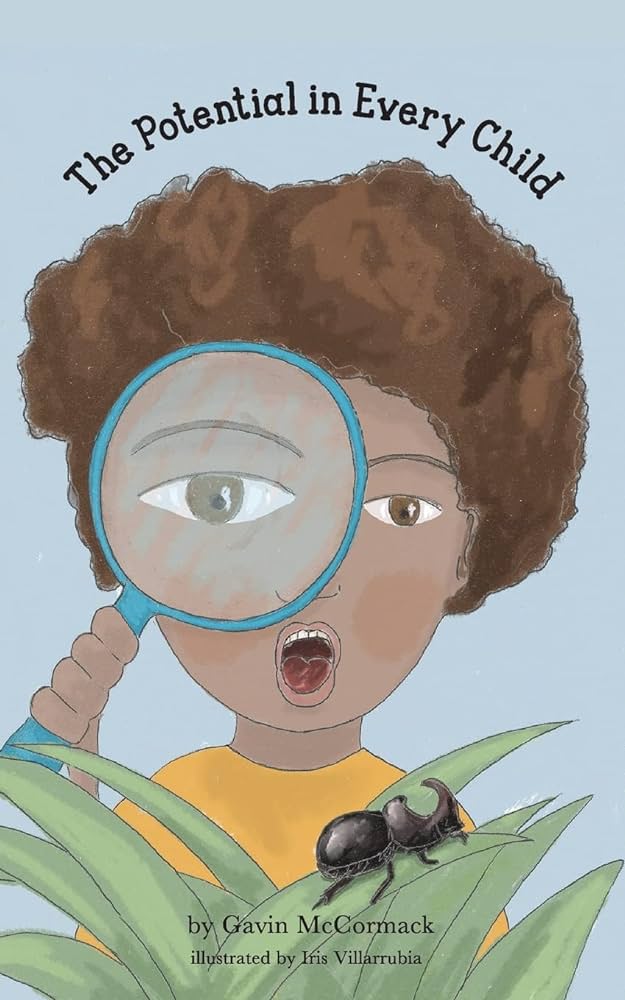
Parents will find this book to be a quick and easy reference for everyday living practices with their child. Gavin McCormack has boiled down one-hundred ideas that are in alignment with Montessori philosophy for parents. The ideas are mainly for elementary-age children, and some are for children in the early childhood stage. Then some ideas can be used with children from early childhood through the elementary years and beyond. A few examples are: “Give your child the responsibility to take care of their things.” “Spend one night per week walking and talking. Look at the moon and discuss big-picture ideas.” “Do not replace things that get broken. Learn the value of money and repair things together.”
On each page, the author writes the main idea and then explains the value of practicing it with your child, the family, or the larger community outside your family. Each idea has a two-page spread with an illustration on one page and the idea and value on the other. The illustrations are in color and in a style similar to what a child might draw.
Parents may appreciate the brevity of the content in this book, as life can get so full and time is precious. It can be found on most online booksellers.
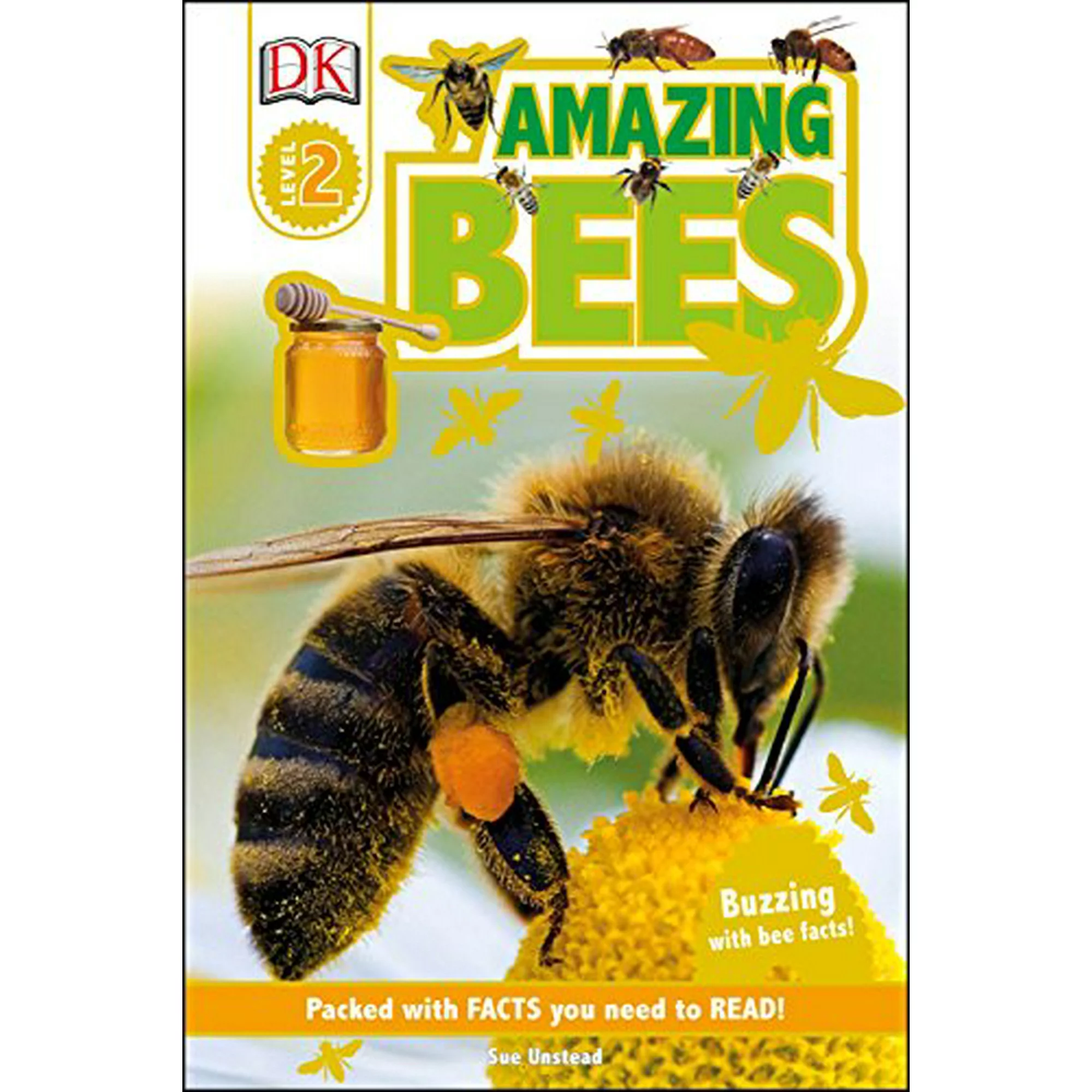
I just discovered that DK Publishers has a reading series. As always, this book is beautifully illustrated with photos of real honeybees, flowers, honeycombs, and all the other things that are part of a honey bee’s life. Amazing Bees is a Level 2 reader. The print is nice and big with just the right amount of information for an emerging reader. I am in love with this book and am now ordering a couple of books from each of the levels to see how they progress. I trust that I will be just as pleased with other books in this reading series. This is a great addition to a home or school library. You can purchase books in this series from amazon.com and probably other booksellers as well.
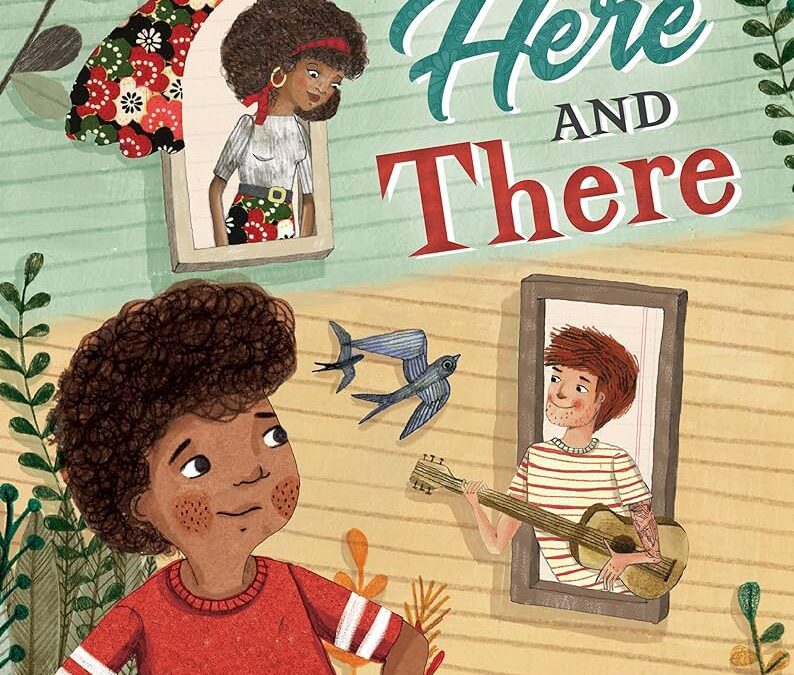
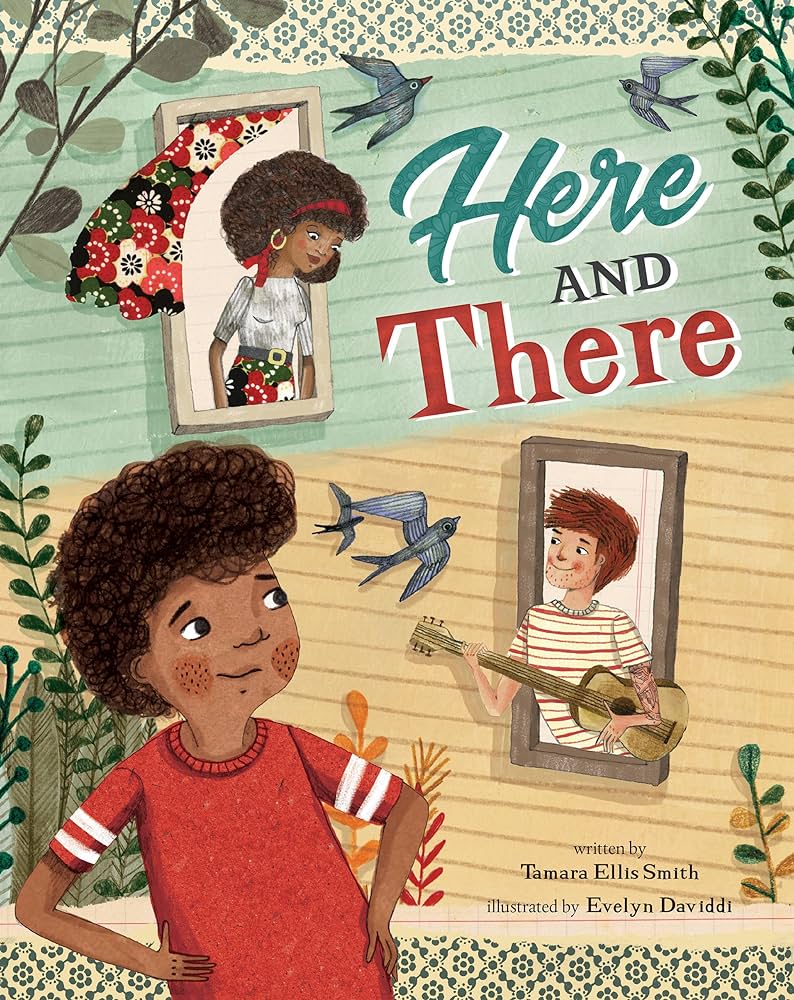
Ivan’s parents split up and are living in separate houses. Ivan didn’t like that he had to go here and there. He didn’t think he could be happy and himself with his parents apart. It took a little time and some adjustment for Ivan to realize that love and happiness could be shared; that love and happiness could be both here and there. It’s important for children to know that families can change and be structured in different ways. Time helps. Love helps. And some things will be held in common here and there.
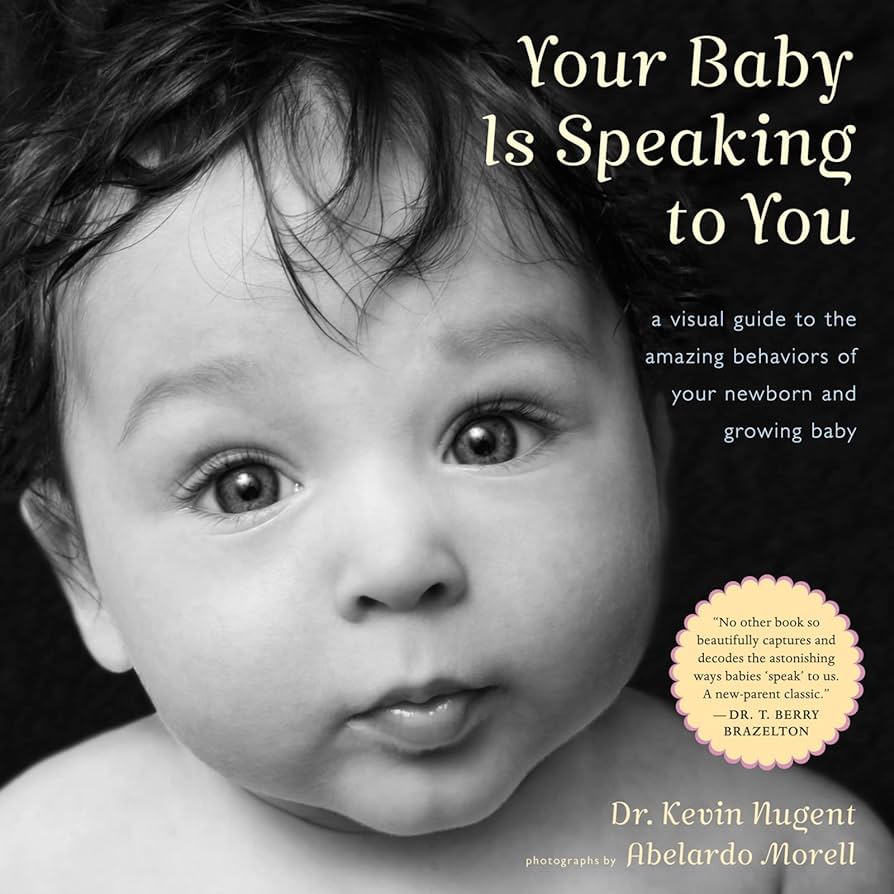
Whether this is your first newborn or your fourth, this book has a lot to offer. It will stimulate your awareness of how much and how often babies are speaking to us, if we would only listen. More than anything else, Dr. Nugent is calling us to slow down and pay attention to all the ways that newborns and infants communicate with us without using a word.
These little, tiny humans, new to the world, are ready, willing, and able to express themselves, if we not only take the time to be present but also begin to understand their language. They are awesome!
The photographs beautifully connect Dr. Nugent’s written words with the innocence, the emotions, and the sheer wonder of these small beings! Buy this book for yourself or give it to someone you know. You’ll be glad you did.
As children grow into the elementary years and beyond, they are often influenced by the media and their peers. They want to fit in with the other kids in their schools and neighborhoods.
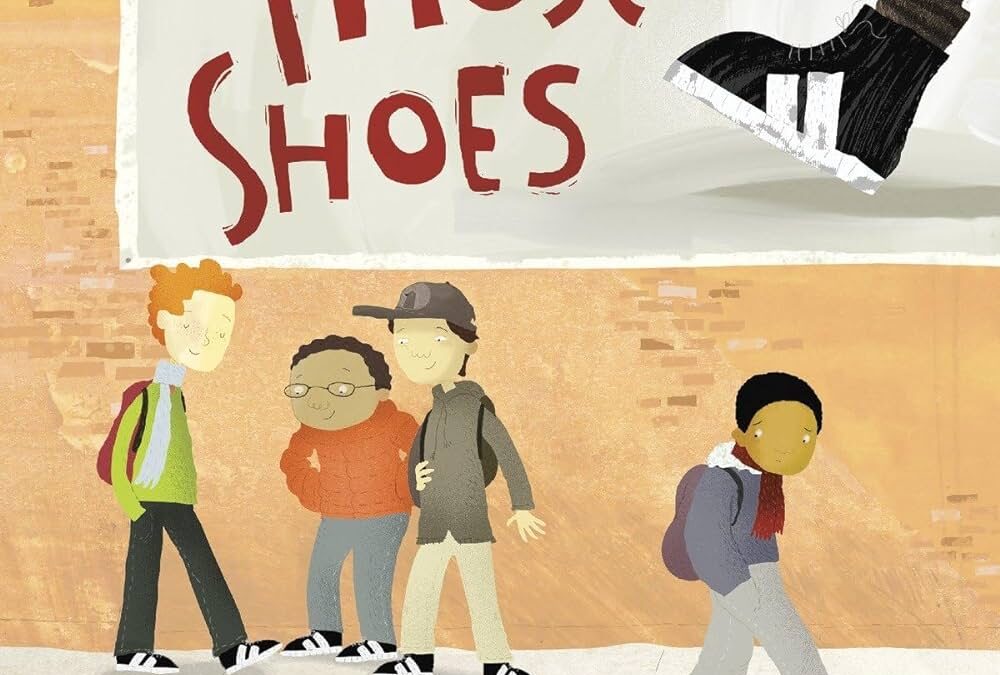
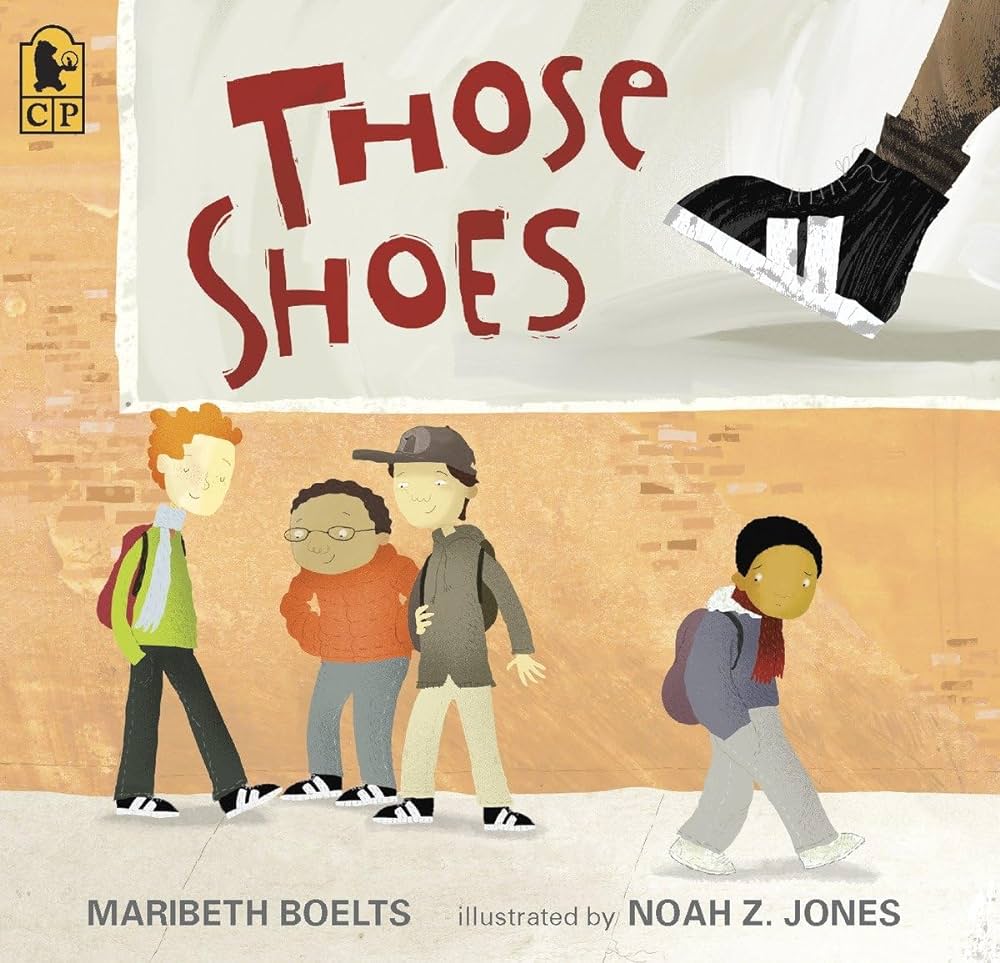
This story is set in a city but could be any setting whether urban, rural, or suburban. The main character, Jeremy, sees that many of his peers are all getting a particular type of shoe and are feeling very cool about it. One day his shoes fall apart at school, and the counselor gives him a pair of shoes, but Jeremy is embarrassed. When the other boys see the shoes, they laugh at him.
His grandmother says that what he really needs is a new pair of snow boots, but Jeremy really wants to have a pair of “those shoes.”
After much searching from one thrift store to another, Jeremy finds a pair of “those shoes.” He pays for them himself, even though he knows they are too small for him. Find out what Jeremy finally decides to do with “those shoes” at the end.
The illustrations are vibrant with color and movement. The style reminds me of the style of Ezra Jack Keats. Elementary children will enjoy this book, and it may serve as a conversation starter about Jeremy and the choices that he makes.
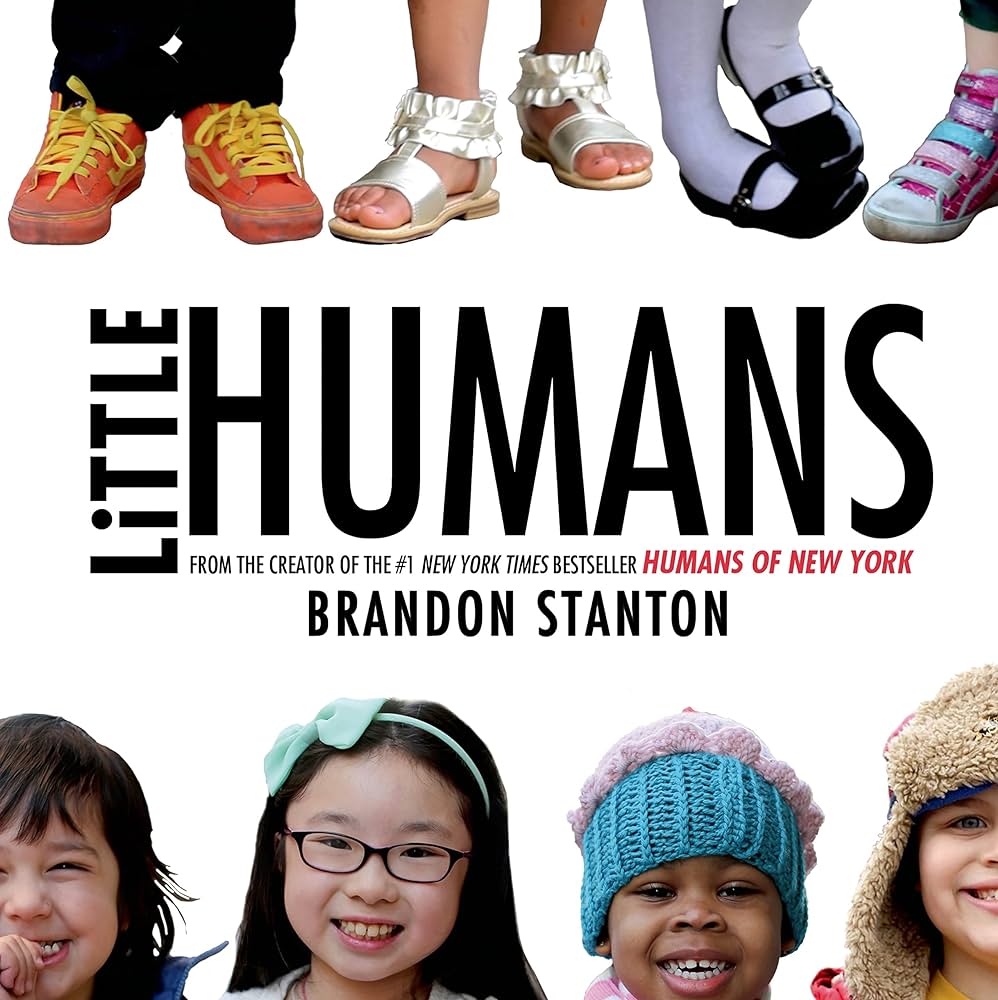
Brandon Stanton is a photographer in New York City. In this book, he used only photos of children from toddlers through the elementary years. He adds some prose to tell the readers all that “little humans” can do and be. The photography was not done in a studio but out on the streets of New York. Readers will see children who are dressed up in their fancy clothes, sports gear, and everyday clothes, doing all kinds of things like dancing, playing a musical instrument, riding a bike, getting ready for hockey, and more. Young children will enjoy both the text and the photos.
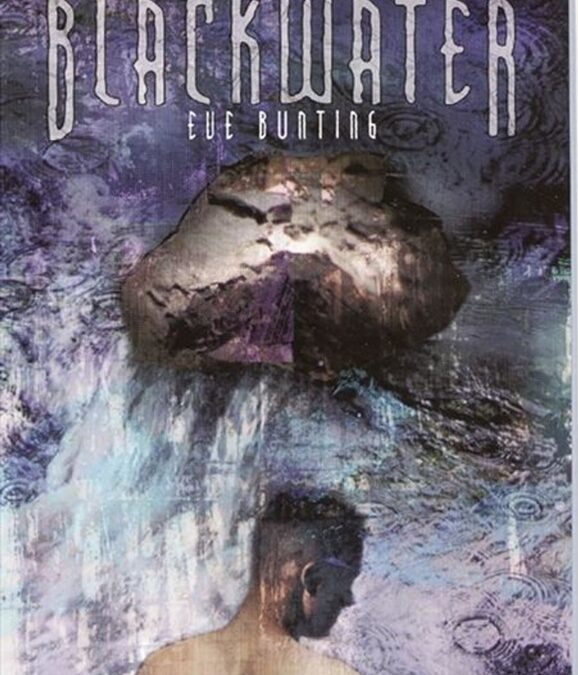
Eve Bunting is not new to writing children’s picture books, storybooks, and children’s novels. Blackwater will engage readers from ages 11-14 years old with a story of tragedy, mystery, and moral dilemmas.
It reminds readers of the importance of always being mindful of the choices they make and the actions that they take. Sometimes, even just a simple act of jealousy or revenge can lead to tragedy and can ruin a person’s life or worse. In this story an entire town was affected by the sudden death of two teens and the unspoken truth about the incident.
Brodie, the main character of the novel, struggled with guilt, grief, and truth telling because of his part in the accidental deaths of two of his peers. Fortunately, a good friend encouraged Brodie to confess his actions. When he did, his parents stood by his side as he suffered the consequences of his actions.
This is a book that parents, and teachers will want to read along with their teens to openly discuss the choices that were made and the events that occurred. Guiding children through the teen years and allowing space for them to express opinions and wrestle with tough decisions is an important part of our role in parenting and teaching. Expressing our own values in a non-defensive or non-judgmental way, while creating that space, is the key to helping our teens process real life situations.
Written by Laura Wilhelm Photos by Gryphon House and Shutterstock
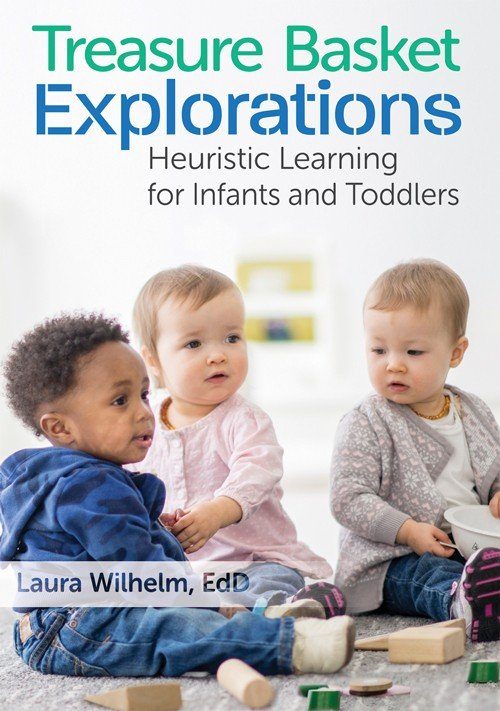
Treasure basket exploration is a terrific idea for not-yet-mobile infants. The concept could be modified in some ways to better fit toddler’s through kindergartener’s strong sense of order. I struggled a little bit with this concept because I know from my own observations, as well as those of Maria Montessori and interactions with children in the early childhood years (birth-6 years old), that this period of time in a child’s development is crucial for preparing an environment that instills a very orderly way of thinking. At the infant and toddler stage of development, little ones are all about moving and exploring, so the baskets work well. There is a certain amount of order to it because the objects are contained within the basket. They come out of the basket and, when finished, return to the basket (sometimes by the infant or toddler—more often than not by the parent or teacher). The baskets are almost like introductory work for the primary level (3-6 years old), where the activities are contained in baskets or on trays but are designed to teach a skill rather than just allow for exploration.
I need to do more research about “heuristic learning” to truly understand what it is. As I read this book, it sounds like you put a bunch of stuff in a pile and the children get to “explore” it. For me it sounds a bit too unstructured for 3-6-year-olds, as they are really ready for order and imitation rather strictly exploration. Their activities always have some flexibility for exploration but also have a beginning, a middle, and end within each activity.
So, there are some very usable ideas for the infant-toddler years, and some ideas that can be modified for older children in Treasure Basket Exploration.
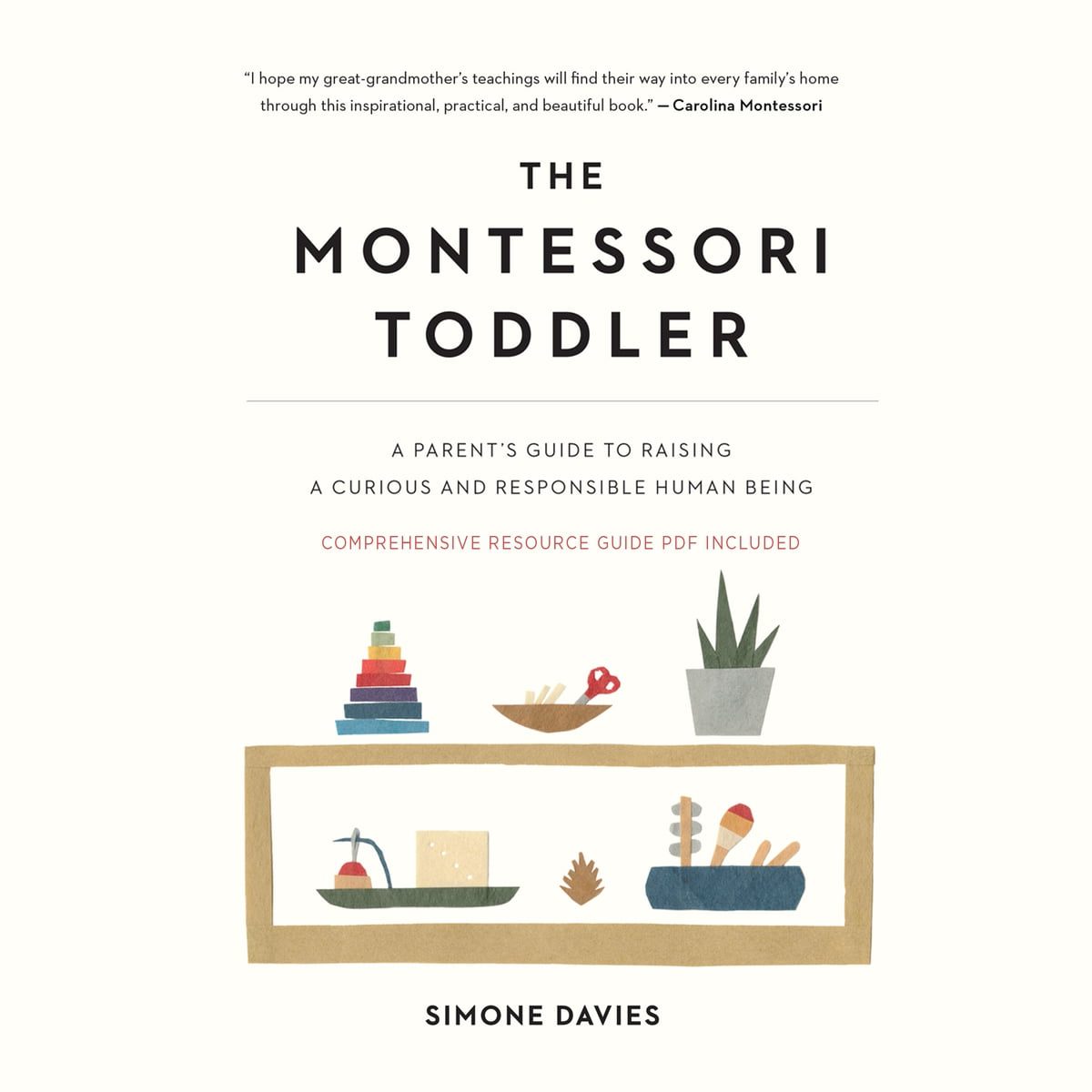
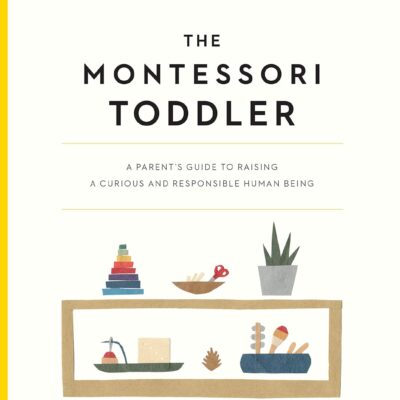
When I looked at the cover of this book I was intrigued. It was simple with a kind of unique illustration of a shelf with activities, and it was written for parents of toddlers—encouraging signs. Then I looked at the table of contents which was 3.33 pages long. Hmmm. Busy parents with small toddlers. Looks a little off-putting to me. So, I flipped through the book. I like photos and illustrations. There were very few photos and quite a few illustrations, but lots of words to read in this 248- page volume. Oh boy!
I made myself look more closely, and what I found was delightfully appealing. That huge table of contents I discovered was because the author listed each topic in each chapter, so it looked a lot more daunting than it truly is. Many of the topics listed are half a page to two pages at most. A parent can easily read a quick snippet and put the book down. They can also easily look up a specific topic that they are interested in because the topics are listed in such detail.
After looking more carefully, I really like the design. Simone Davies is very thorough. Her knowledge, understanding, and enjoyment of this age group is very apparent, and she shares it well with her audience. Often toddlers are misunderstood and so behave in ways that parents find difficult. Davies touches on some key points when thinking about toddlers. The first two chapters give parents valuable information about this stage in a child’s development and a brief introduction to Montessori. The rest of the book helps parents see their role as changing from a servant during infancy to a guide during toddlerhood and beyond. She brilliantly describes how to create a home environment that supports toddler success, both physically and emotionally, with furnishings and activities, as well as discipline.
The Montessori Toddler is a great resource for parents of infants, so that they can prepare for toddlerhood and for parents of toddlers who are already in the midst of toddlerhood.
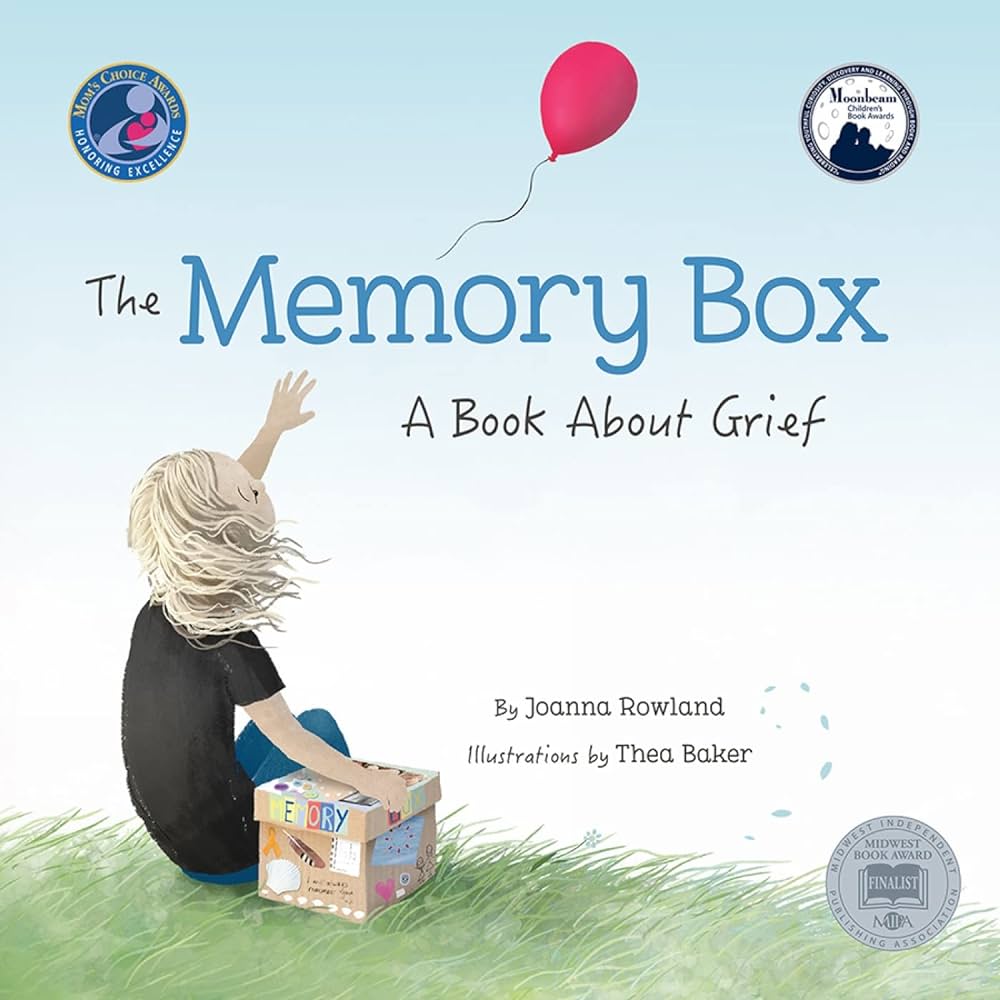
The Memory Box is a very helpful book for children who have lost a loved one. It brings to light a variety of emotions from fear to sadness to happiness that children may experience as they go through the grief process and beyond. Sometimes, adults find it difficult to talk about feelings and death, especially if the person who has died is someone they loved as well. This book helps adults, as it tells a story about a child who is grieving, what feelings she experiences, and how she creates a “memory box.” The illustrations are lovely, almost whimsical, and yet realistic. At the end of the book there is a section to help adults support children through their loss. Children four years old through elementary and possibly the middle school years would benefit from The Memory Box.
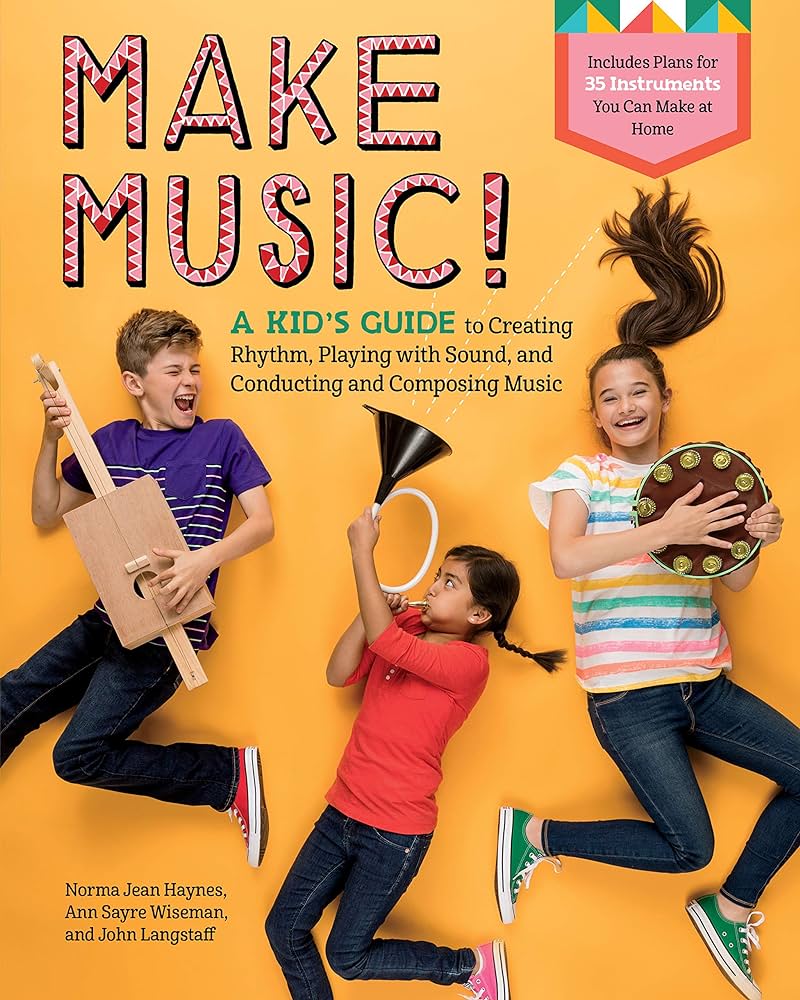
by Norma Jean Haynes, Ann Sayre Wiseman, and John Langstaff
Another wonderful book for adventurous children and grown ups who want to have fun making music! The book is laid out in categories starting with Beginning Notes (pun intended I’m sure!); Household Things that Ring and Ping; Body Music; Percussion Beats and Rhythms; Breath Music: the Winds, The String Section; Instruments from the Workshop; and Creating Music. I’m excited just writing down the names of the sections and that’s not all. This book has beautiful photos of real children in action and having so much fun with music. Make Music is a great resource for an afterschool studio or for the vacation home or cabin, or at home on a school break, or ongoing project. The audience for the projects would probably be elementary-age children because of their skill and social levels; although, very clever teachers or parents could probably modify some of the projects for younger children as well.
Membership in The Montessori Family Alliance means direct access to Montessori experts and other friends and parents of Montessori. Now, you have a one-stop resource for all of your Montessori needs. Brought to you by The Montessori Foundation.