

Setting Tuition: FInding The Right Balance

Setting Tuition: FInding The Right Balance

Empowering Montessori Schools Through Strategic Tuition Planning

Unlock the Potential of Your School's Financial Future

Discover how strategic tuition planning can enhance your school’s sustainability and strengthen community trust. Learn to balance affordability with quality education.
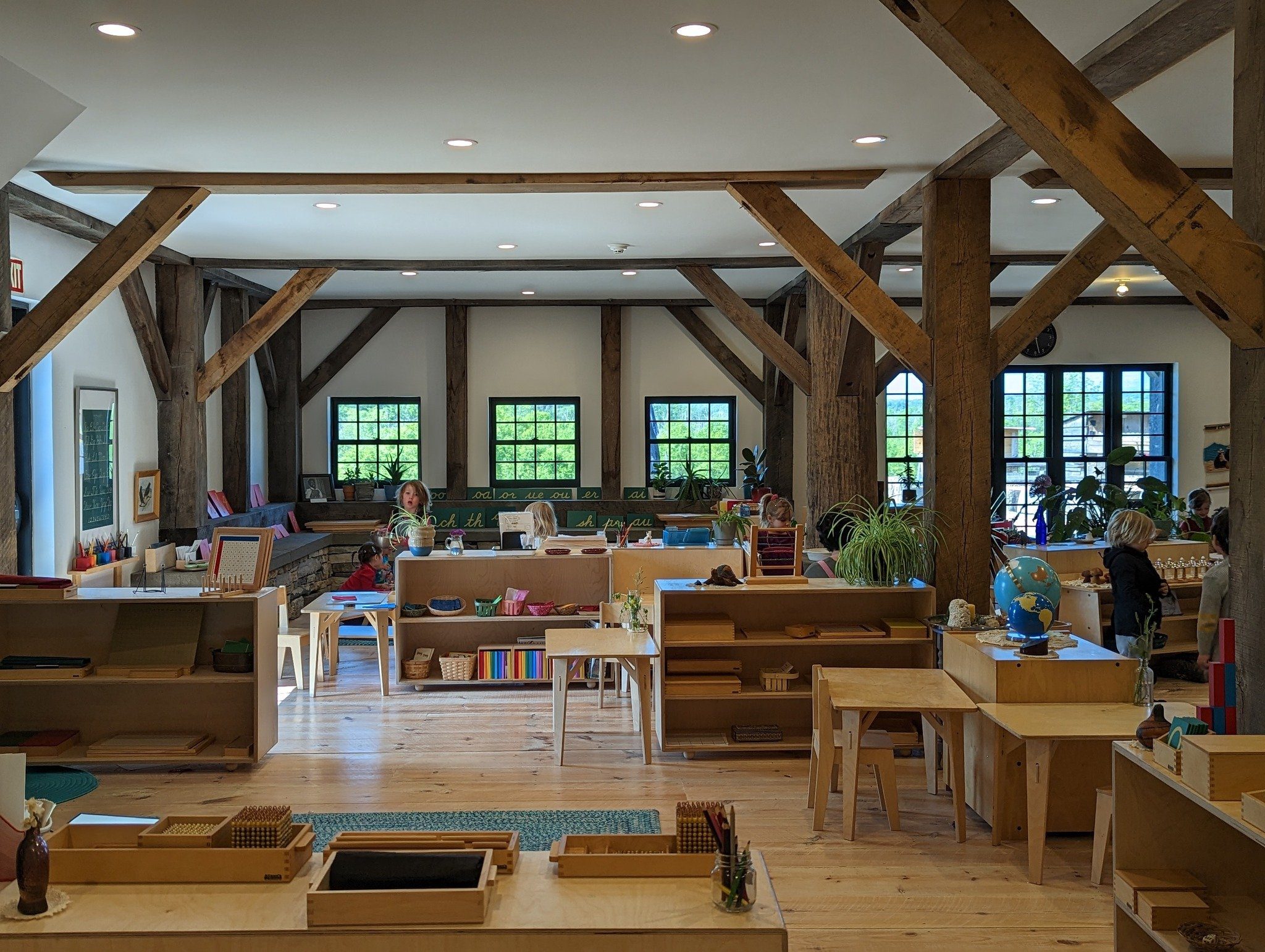
The Importance of Strategic Tuition Planning

At this time of the year, many of us who lead private schools have just gone through the process of setting tuition for next year. The odds are that we simply took last year’s numbers and adjusted them by a factor representing our projected increased cost of operations and wages.

Strategic tuition planning is crucial for Montessori schools as it directly impacts financial sustainability and community relationships. By understanding the unique needs of families and aligning tuition with the school’s mission, leaders can ensure long-term success. This approach not only supports operational costs but also enhances educational quality, making it accessible to a diverse range of families.

Challenges in Tuition Setting

Setting the right tuition is a complex task for schools, balancing financial needs with community expectations.

Exclusivity Concerns

High tuition rates can inadvertently exclude families, reducing diversity and accessibility within the school community.

Budget Dependency

Tuition is often the primary source of income, making schools vulnerable to fluctuations in enrollment and economic conditions.

Emotional Impact

Unexpected tuition increases can lead to dissatisfaction and erode trust if not communicated effectively to families.

Common Questions About Tuition Planning

Explore answers to some of the most frequently asked questions regarding tuition planning and management for Montessori schools.

What factors should be considered when setting tuition?
When setting tuition, consider factors like market research, parent demographics, school value proposition, and operational costs. These elements ensure that tuition aligns with both financial goals and community expectations.
How can schools communicate tuition changes effectively?
Effective communication involves announcing changes well in advance, explaining the reasons behind them, and inviting feedback from families. Transparency and openness help maintain trust.
What are common mistakes in tuition setting?
Common mistakes include ignoring the socioeconomic makeup of families, setting tuition without data, and failing to communicate changes clearly. These errors can lead to dissatisfaction and enrollment issues.
How does tuition affect school branding?
Tuition reflects the perceived value of a school. A higher tuition can signal premium quality, while a lower tuition might attract a broader audience but could also imply lower quality. Balance is key.
What role does market research play in tuition planning?
Market research helps identify the financial capacity of families and compares the school’s offerings to competitors. It provides data-driven insights essential for informed tuition decisions.
How can discounts be used strategically?
Discounts, such as sibling or referral discounts, can attract and retain families while ensuring fairness. They should be part of a broader strategy to balance affordability and revenue.

Understanding Our Process

Step 1

Our consultation process begins with an initial assessment of your school’s unique needs and challenges.

Step 2

Next, we conduct thorough market research to gather data on parent demographics and competitive analysis.

Step 3

Finally, we provide tailored recommendations and strategies to optimize tuition planning and communication.

Common Mistakes in Tuition Setting

One of the most frequent errors in tuition setting is neglecting to consider the diverse demographics of the parent community. Schools must understand the financial backgrounds and expectations of their families to set a tuition that aligns with their needs. Additionally, failing to communicate changes effectively can lead to mistrust and dissatisfaction. Schools should ensure that any adjustments to tuition are clearly explained and justified to maintain transparency and trust.

Strategic Tuition Planning

Strategic tuition planning involves a comprehensive approach that balances financial sustainability with the school’s mission and values. Key considerations include understanding the market, defining the school’s value proposition, and using tuition as a marketing tool. Schools should conduct market research to assess the financial capacity of their parent body and compare their offerings to competitors. Defining a clear value proposition helps communicate the benefits and quality of the education provided, ensuring that tuition reflects the school’s worth.

The Role of Communication

Effective communication is crucial when introducing tuition changes. Schools should announce increases well in advance and provide clear reasons for the changes, such as rising operational costs or enhanced educational offerings. By inviting families to discuss concerns and providing a platform for feedback, schools can foster trust and mitigate resistance. Highlighting the value and benefits that tuition supports, through testimonials and success stories, helps reinforce the positive impact of the investment families make in their children’s education.

Key Takeaways for Strategic Tuition Planning

Essential Insights for Effective Tuition Management

Strategic tuition planning is crucial for aligning your school’s financial goals with its mission. Start by conducting thorough market research to understand your community’s demographics and financial capabilities. Clear communication is key; ensure families understand the reasons behind tuition changes to build trust. Flexibility in pricing, such as offering discounts or financial aid, can help balance affordability with revenue needs. By integrating these strategies, schools can maintain enrollment and ensure long-term sustainability.

Partner with Us for Strategic Tuition Success

Are you ready to optimize your school’s tuition strategy? Our team of senior Montessori school consultants and coaches is here to support you in developing a comprehensive plan that aligns with your school’s values and financial objectives. Please reach out to us today to schedule a consultation and explore how we can help in enhancing your tuition planning process. Together, we can ensure your school thrives while maintaining strong community relationships.

The Advantage of Mixed-Aged Classrooms

The Advantage of Mixed-Aged Classrooms

mixed ages

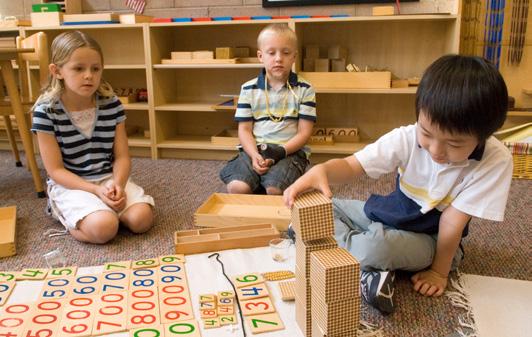
When we have visitors and tours in our classroom, I often wonder what parents and caregivers think when they see our mixed-age students working together. I see these families walk into our classroom observing something most of them probably haven’t seen before. I was a student once, too, in a traditional classroom, where all the students worked with the same material at the same time, using worksheets.

I also remember some students falling behind and trying to play catch-up while others were ahead of the game. Regardless of our individual, unique situations, we just had to do the same thing at the same time. In kindergarten, we jumped straight into abstract work, which created other challenges. We were not allowed to ask our classmates for help, take a break, move around the room, and certainly would never think of using the bathroom without asking for permission.

There is so much research now showing the importance of moving while learning, as it ignites areas of the brain that improve concentration; increase retention; and relieve stress.

What I love about the flow in a Montessori classroom is how students move slowly from concrete material to abstract lessons as they become ready. I wish I had experienced the same type of lessons and process during my early learning and throughout my academic growth, especially in math. I sincerely believe I would have been a better student had I developed a foundation in math based on a concrete understanding.

It is beautiful to see students work while they get help from their peers, increasing interaction, and developing role-model skills. The older children build patience, tolerance, empathy, and confidence. They inspire the younger children, who are learning different skills, (social, emotional, cognitive, and academic) from their older peers.

Mixed-age group classrooms contain a diversity of material that challenges the children’s unique needs in different areas. Through peer education, children work together and learn from each other. The children learn at a relaxed pace, without the stress that comes from competition and comparison with their peers that is found in many traditional learning environments. A learning environment that prioritizes individual goals and progress with peer education fosters a positive, collaborative classroom, where children can be themselves and flourish at their own pace. 

Alexandra “Alex” Gallen is a Montessori early childhood guide. Alex earned her BA in psychology from the University of South Florida and is certified in Early Childhood from the Montessori Accreditation Council for Teacher Education (MACTE). Alex is originally from Lima, Peru, she moved to Florida in 2001. Alex taught Spanish for several years before getting Montessori certified and enjoys integrating Spanish into her lessons. Alex first came across the Montessori Method while looking for schools for her children, and she made it her mission to raise her three children this way.


Book Review: Tales of a Traveling Nurse: Is This my Home?

Book Review: Tales of a Traveling Nurse: Is This my Home?

Written by Sheri Sturniolo

Illustrated by Shay Larby

Children at the elementary level will probably enjoy this book as they look at a career that is new to them, as it was for me: Tales of a Traveling Nurse. They will be able to follow her stops in several different states in the United States as she travels in her work as a pediatric nurse and, as she says, “an explorer.” The illustrations are full of color and images of the many experiences that she describes. The author uses rhyming to add interest to the text. This book comes in paperback, hardcover, and board book versions, as well as on Kindle. It can be purchased at amazon.com and other bookstores.

The Benefits of Your Toddler Moving into the Primary Level

The Benefits of Your Toddler Moving into the Primary Level

NUTRITION, EXERCISE & HEALTH EFFECTS IN NEUROSCIENCE & LEARNING NUTRITION, EXERCISE, & HEALTH Part One

NUTRITION, EXERCISE & HEALTH EFFECTS IN NEUROSCIENCE & LEARNING NUTRITION, EXERCISE, & HEALTH Part One

by Nicole Allsop, Registered Dietitian and Montessori Educator

In the classroom, many experiences are shared by children, families, and teachers. Success depends on many factors, with health and well-being playing major roles. The more one delves into this, the clearer it becomes how impactful these factors are and how crucial it is to include them in observation categories. Early detection would make significant differences, and the benefits would be far-reaching. Understanding the connection would allow families to collaborate more effectively, benefiting everyone involved. Research-based evidence provides the foundation for demonstrating the strong relationship between health and learning, as well as the consequences of neglecting it. This article draws on scientific evidence to support health education.

Diseases, ailments, high levels of stress, and sleep deprivation (both in terms of hours and quality) have negative consequences that show up in the classroom in various ways: irritability, loss of focus, lack of concentration, low productivity, and absenteeism, to name a few. Many lifestyle or non-communicable diseases, which can often be minimized or eradicated, affect our ability to function optimally and manage life’s stressors.

From a professional perspective, it would be remiss to focus solely on neuroscience and learning without considering other factors that ultimately affect the brain and have a negative domino effect on learning. Poor nutrition, lack of exercise, and weakened health status adversely affect brain function, leading to an inability to learn effectively. Therefore, this article discusses neuroscience alongside other health issues, including neuro disorders, mood disorders, non-communicable diseases, stress, and sleep deprivation. These affect not only children but also the adults in their environment, who serve as role models in both direct and indirect learning. As Julia Volkman notes, “Our brains physically adapt as we strive to be like the people around us.”

Teachers are part of the child’s environment and learning process, so they must take the time to care for themselves, preparing both physically and mentally to serve children in a healthy way and set a good example. As Dr. Maria Montessori wrote, “Now the adult himself is part of the child’s environment” (The Secret of Childhood). A teacher in poor health will create a ripple effect on a child’s learning. How can one think clearly, or manage a frustrated child or parent, when one is ill? When internally distracted or sick, how can one concentrate, be observant, or fully present? A teacher’s absenteeism, mood changes, dehydration, or weakened immune system can negatively impact their interactions with students. In turn, frustrated moments affect a student’s learning as they try to cope with how they are feeling.

Children observe and often mimic the behaviors of adults around them. As Montessori said, “The child reproduces in himself, as by a form of psychic mimesis, the characteristics of the people in his environment.” It is vital to understand lifestyle diseases and the habits responsible for them. Young children, lacking the maturity to fully identify or express their feelings or underlying problems, are not in control of these factors. A poor or skipped breakfast or dehydration, will leave children irritable, unfocused, or misbehaving—not because they are inherently disruptive, but because their brain and body are not adequately nourished.

A common sign of dehydration is a headache, and no one can focus with a headache. According to Adan in Cognitive Performance and Dehydration, “being dehydrated by just 2 percent impairs performance in tasks that require attention, psychomotor skills, and immediate memory, as well as one’s subjective state.” Furthermore, research by Popkin et al. notes that “physical performance decrements in athletes have been observed with as little as 2 percent dehydration. Under mild dehydration, individuals engaging in rigorous physical activity experience reduced endurance, increased fatigue, altered thermoregulation, reduced motivation, and increased perceived effort.” Rehydration reverses these deficits and reduces oxidative stress induced by exercise and dehydration (Popkin, Barry M., et al., 2010).

These factors should not be overlooked and should be added to our checklist of concerns. Waiting to feel thirsty is a bad habit; thirst means the body is already dehydrated to some degree. Thirst equals dehydration. Throughout the day, we can become so engrossed in activities that we forget to drink water. This can also happen during a child’s work cycle, so it’s important to allow frequent water breaks and make conscious efforts to build hydration into the classroom routine. The table shows the adequate daily fluid intake in milliliters.

Water Requirements In Relation To Energy Recommendations

water requirements

AI for total fluids derived from dietary reference intake for water, potassium, sodium, chloride, and sulfate. Ratios for water intake based on the AI for water in liters/day calculated using EER for each range of physical activity. EER adapted from the Institue of Medicine Dietary Reference Intakes Macronutrients Report, 2002.

The Role of Nutrition and Hydration

Many parents know the importance of breakfast, but it’s easy to overlook just how vital it is to your child’s school day. Skipping breakfast or eating sugary, processed foods can leave children feeling tired, irritable, and unable to concentrate. They may “misbehave” simply because their brains aren’t getting the nutrients they need.

Dehydration can also cause problems. Just a small amount of dehydration—about 2 percent—can lead to headaches and make it hard to focus. Research shows that dehydration affects children’s attention span, memory, and even their ability to complete simple tasks. To avoid this, encourage your child to drink water regularly throughout the day, not just when they feel thirsty. Once you feel thirsty, you’re already somewhat dehydrated. So, building regular water breaks into your child’s routine can make a big difference in their ability to stay focused and calm during the school day.

Practical Tips for Parents

• Start the day with a healthy breakfast. A balanced meal with protein, whole grains, and healthy fats will give your child lasting energy.

• Encourage regular water intake. Send children to school with a water bottle and remind them to drink regularly.

• Promote physical activity. Regular exercise not only keeps children fit but also helps them concentrate better in school.

• Ensure adequate sleep. A consistent sleep routine is vital for brain function and emotional regulation.

• Model healthy habits. Children are always watching, so if you prioritize your own health, they’re more likely to follow suit.

Healthy children are better learners. Small changes in your child’s daily habits can significantly impact their ability to focus, stay calm, and thrive in school.

Look for Part 2 in the next issue. 

Reference

Adan, A. “Cognitive Performance and Dehydration.” Journal of the American College of Nutrition, U.S. National Library of Medicine, pubmed.ncbi.nlm.nih. gov/22855911/.

Montessori, Maria – Discovery of the Child, The Secret of Childhood, The Absorbent Mind, and The London Lectures 1949.

Popkin, Barry M., et al. “Water, Hydration, and Health.” Nutrition Reviews, U.S. National Library of Medicine, August 2010, www.ncbi.nlm.nih.gov/pmc/ articles/PMC2908954/.

Volkman, Julia. “Stuff by Julia.” Maitri Learning, www.maitrilearning.com/pages/learning-center.

“Brain Development.” ZERO TO THREE, www.zerotothree.org/espanol/brain-development.

Nicole Allsop is a registered dietitian nutritionist, exercise professional, and Montessori educator. She is part of the NewGate community, and has a keen interest in building habits for a lifetime of wellness in families. She has authored books that can be purchased on The Montessori Library website: www.montessorilibrary.com