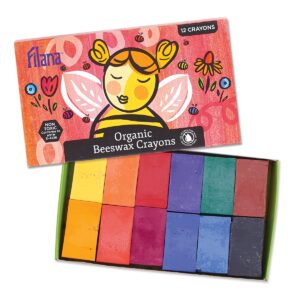
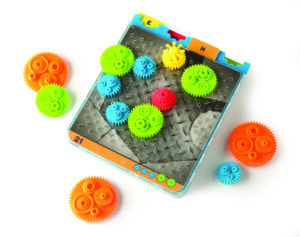
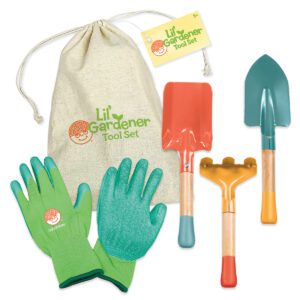
Here are some Montessori aligned girts for eight year olds, although the age is flexible. Look for what is appropriate for the child and family you are buying the gift for.
These products are aligned with the Montessori philosophy. When you buy through our links, we may earn a commission.
Magnetic Folding Chess and Checkers Set
This is a great age to learn to play chess and checkers. A magnetic board and pieces make it easier to return to the game after a break.
http://shrsl.com/3lw1a
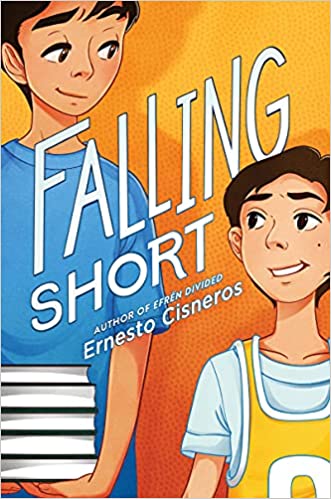
A Book
A book is often the right answer for a special gift. This book, Falling Short, is about friendship, setting goals, and accepting yourself. You may also find a childhood favorite of your own to give as a gift.
http://shrsl.com/3lw2p
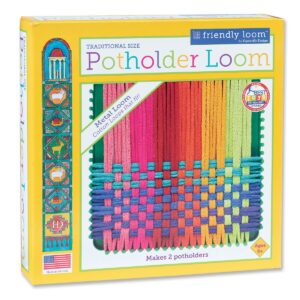
Potholder Loom and Cotton Loops
This metal loom will last through making many potholders. You can include another bags of loops to make more potholders.
Cheryl Allen is the Director of Parent Education for the Montessori Family Alliance and is also a parenting educator and a Montessori consultant with the Montessori Foundation. After some time as a traditional secondary teacher, she worked in Montessori classrooms, earning certifications from both AMS (3-6 and 6-9) and IMC (6-12). She is a teacher educator, workshop presenter, and member of IMC accreditation teams.
Montessori educators consistently remind us that the 3-6 year-old child thrives on routine and order. They interact well with one or two children at a time but can become overwhelmed by large groups and unfamiliar settings. I would like to apply this wisdom to how parents plan children’s birthday parties.
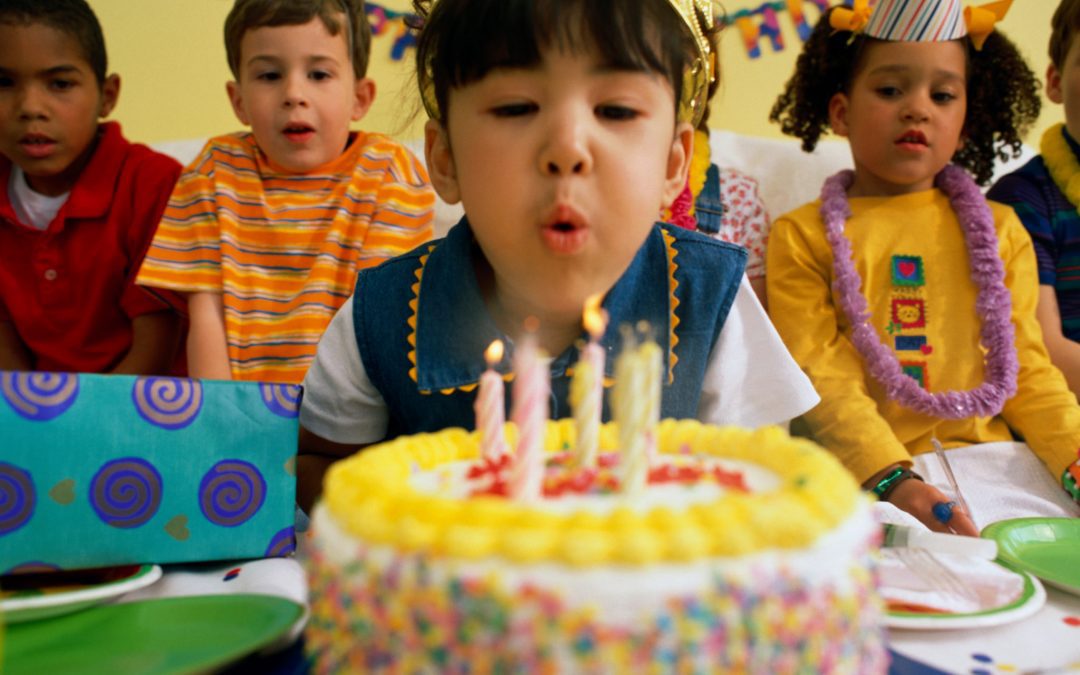
Many of us in this generation of parents have lost sight of what a birthday party is all about. A party with balloons, cake, ice cream and presents is just about all the excitement a young child needs. Add a few friends, and you’ve created their ultimate experience. I think some of us have fooled ourselves into thinking that children need a large-scale event for a birthday party to be a success. We also get caught up in the social politics: If little Janey is inviting the entire class to her birthday party, we must do the same.
By moving to the large-scale, theme-location birthday party, our society has turned an intimate celebration into an event. When 18-20 children attend a birthday party, the preschool-aged child may not even have a relationship with some of the guests, much less the opportunity to interact with them at the party. As a result, children become the passive audience at a performance called a birthday party, rather than participants in an event that is truly their own. It’s as if we have bought into the myth that our children need a constant outside source of entertainment, because just being together isn’t good enough anymore.
The majority of today’s large birthday parties are similar in structure. The child’s entire preschool/playgroup/kindergarten class is invited. It is held in a public location: museum, bowling, alley, zoo, swimming pool, playscape, etc. Most parents drop their children off and leave. Party hosts spend between $15 and $20 dollars per child. Likewise, guests spend a similar amount on a gift. The total dollars spent on a party with 20 guests can run as high as $600 – $800. It becomes a very large production for a very small child.
These types of parties work for today’s parents because they are easy – certainly, you pay a price, but you write one check and you get the whole package. You don’t have to clean your house, provide entertainment, or deal with the mess left behind. And then there’s the idea that if we provide a compelling activity for the birthday guests, we will not have to come up with something on our own. But I think we’re missing out when we commercialize a party. We have put our child into a cookie-cutter mold, rather than designing an experience that creates a family tradition and reflects the child’s unique personality.
There is something so memorable about a party you have held at home. It is intimate, personal, and reflects the personality of the birthday child. It’s a chance to involve your child in the actual planning of the party, and together, to create an experience that leaves you feeling warm inside. I know it’s a hassle, but I would argue it’s an investment worth making. And if you really don’t want to have it at home, take four or five children to the museum, the zoo, the park. But keep it small and simple; give the children time to play and interact in an unstructured setting. My advice:
Try having a birthday party in your home.
Don’t feel like you need to invite the entire class.
Try the “child’s-age-plus-one” guideline suggested by many parenting books. You’ll find that children invite their close friends. If you wouldn’t invite someone to a play date with your child, don’t invite them to a birthday party.
For children under six, set the party time for two or two-and-a-half hours, as you would a play date.
A small group of children will be happy doing a few special activities along with simply enjoying the home’s regular indoor and outdoor toys.
Try creating a “prepared environment” in your home – two or three simple activities that guests can choose to do in small numbers, with little or no guidance from adults.
If you do have a party in a larger venue:
Invite at least three parents to stay at the party and offer assistance with logistics. Taking 18 children through a zoo or museum requires at least four adults, plus one to do clean-up or emergency bathroom duty. Likewise, sporting events, such as bowling and swimming, require supervision, if not actual assistance.
Do not open gifts at the party. This activity, while exciting for the birthday child, soon becomes overwhelming. At a party with a large number of preschool guests, it can easily turn into 30 minutes of chaos, during which the more rambunctious children are running around at loose ends. (If you have a small party, opening gifts is much more “do-able,” and it allows the giver a chance to see their gift appreciated.)
Challenge yourself to toss “classroom politics” out the window and limit the guest list to ten children or fewer.
A birthday party is one of the touchstones of childhood. It is a family holiday, shared with friends. The birthday gift we all want to give our children is the memory of being surrounded by people who love them — with a little cake and ice cream on the side.
Membership in The Montessori Family Alliance means direct access to Montessori experts and other friends and parents of Montessori. Now, you have a one-stop resource for all of your Montessori needs. Brought to you by The Montessori Foundation.