When Children Seem Indifferent: A Montessori Response to the Telegraph’s Article on Early Signs of Psychopathy

When Children Seem Indifferent: A Montessori Response to the Telegraph’s Article on Early Signs of Psychopathy

defiant child


By Tim Seldin


I wrote this in response to an article in The Telegraph discussing early signs that a very young child may be showing signs of psychopathy. As the research suggests, such behavioral patterns suggest the possibility that a disorder might develop, and invite us to provide positive experiences that may lead to more positive social development. Most of us come across children who seem to be aggressive and/or uncaring. As Montessori educators, we work hard to encourage self-esteem, self-regulation, and nonviolent/pro-social behavior and attitudes.


Snapshot: Psychopathy is a personality disorder characterized by a constellation of traits including impaired empathy, lack of remorse, antisocial behavior, and manipulative tendencies. It’s often associated with reduced emotional responses and poor behavioral controls, which can lead to criminal behavior. While not a formal clinical diagnosis in the DSM-5, it’s closely related to Antisocial Personality Disorder (ASPD) and is often used to describe a severe subtype of ASPD.


On July 27, 2025, The Telegraph published a provocative article by Eleanor Steafel titled “The Signs That Three-Year-Olds Might Be on the Path to Becoming Psychopaths.” The piece summarizes research led by Professor Essi Viding, a developmental psychopathologist at University College London, whose work focuses on identifying early markers of antisocial behavior— particularly what are known as callous-unemotional (CU) traits in children as young as three or four.

For those of us in Montessori education, such headlines naturally raise questions. Is this kind of labeling helpful? What does the science actually say? And how can we, as Montessori educators, respond thoughtfully when a child in our care seems indifferent to others’ feelings or exhibits challenging behavior?

Let’s take a closer look at what the research shows—and how our understanding of child development in Montessori settings offers both reassurance and guidance.

What Are Callous-Unemotional Traits?

CU traits are a specific cluster of behaviors linked to low empathy, reduced sensitivity to others’ distress, and a limited emotional response. Professor Viding and her colleagues have explored these patterns extensively through twin studies and neurobiological research. While they are careful not to label children as “psychopaths”—a term that applies only to adults—their findings suggest that some children show early behavioral and emotional tendencies that, without support, may increase their risk of persistent conduct problems.

In particular, children with high CU traits may:

  • Appear less emotionally responsive to others’ sadness or fear


  • Struggle to regulate their own frustration


  • Engage in aggressive or harmful behavior without seeming remorseful


  • Seem unmotivated by pleasing adults or doing kind things for others


Professor Viding’s research, published in journals such as The Journal of Child Psychology and Psychiatry and Development and Psychopathology, indicates that these traits may have a strong genetic component. However, she emphasizes that no one is born a psychopath and that both biology and environment interact in complex ways to shape a child’s development.

What This Doesn’t Mean

The Telegraph article touches on a parental fear many readers likely share: What if my difficult or unempathetic child is on the path to something darker?

It’s important to distinguish between developmentally typical behavior and signs of concern. Three-year-olds frequently hit, grab toys, cry when they don’t get their way, or struggle to apologize. These are not signs of psychopathy—they’re signs of being three.

Montessori educators understand that early childhood is a period of tremendous emotional and social development. The ability to take another’s perspective, regulate impulses, and respond with empathy emerges gradually and unevenly, especially in the first plane of development (birth to age six). Some children need more time, modeling, and support than others.

A Montessori Lens: Behavior as Communication

In Montessori classrooms, we don’t see behavior as good or bad—we see it as a window into the child’s needs, struggles, and developmental progress. When a child hits another, laughs when someone is hurt, or refuses to share, we don’t leap to judgment. We observe. We ask: What is this child trying to communicate? What tools are they missing? What might they need from us?

Children exhibiting early signs of emotional disconnection may:

  • Feel overwhelmed in group settings


  • Have difficulty interpreting social cues


  • Lack a sense of security or attachment


  • Be mirroring behaviors seen in their environment


Rather than attempting to diagnose or label, we respond by preparing a calm, consistent, emotionally supportive environment where trust and connection can grow. We offer Grace and Courtesy lessons to help children practice prosocial behavior. We model empathy, invite reflection, and support self-regulation through hands-on work and individualized guidance.


What the Research Does Support: The Power of Warm Relationships

One of the most hopeful takeaways from Professor Viding’s work is that intervention matters—especially early and especially when grounded in warm, emotionally attuned relationships. Several studies have shown that children at genetic risk for CU traits are far less likely to develop severe antisocial behaviors if raised in nurturing, responsive caregiving environments.

In other words, relationships protect. Children who may struggle to feel what others feel can still learn to understand social dynamics, experience belonging, and adopt compassionate behaviors—particularly when they feel safe and seen by the adults around them.

This is where Montessori schools can shine. We are uniquely positioned to offer children a consistent, respectful, emotionally attuned environment that values connection, responsibility, and self-awareness. Our approach doesn’t rely on rewards or punishments. Instead, we guide behavior through deep observation, empathy, and purposeful activity.

Instead of asking, “What’s wrong with this child?” we should be asking, “What does this child need from me right now?” That shift changes everything. A child who seems disconnected may not lack empathy. They may be overwhelmed, dysregulated, or struggling to feel safe in their body or environment. What may look like defiance or indifference is often a call for connection. In Montessori, we don’t rush to fix or label. We prepare ourselves, prepare the environment, and meet the child with curiosity, not judgment.


As Dr. Bruce Perry reminds us, “The more healthy relationships a child has, the more likely he will be to recover from trauma and thrive. Relationships are the agents of change, and the most powerful therapy is human love.” His work on developmental trauma reinforces what Montessorians know to be true: it is the environment and especially the attuned adults within it that shape a child’s development and emotional resilience.


Supporting Children with More Complex Needs

That said, we will sometimes encounter children whose behavior goes beyond what we’d expect developmentally. They may be persistently aggressive, seem disconnected from the emotions of others, or show a pattern of behavior that doesn’t improve with typical Montessori guidance.

In those cases, it’s appropriate to:

  • Document what you observe clearly and factually


  • Meet with the child’s family early, with compassion and partnership


  • Recommend professional consultation when needed (e.g., pediatrician, psychologist, developmental specialist)


  • Continue offering a consistent, calm, and inclusive classroom experience


Even when a child is receiving outside support, our role remains essential. A stable school environment, grounded in trust and respect, can be a critical protective factor.

At the same time, we must acknowledge a very real and often complex tension: the need to support the child who is struggling, while also protecting the physical and emotional well-being of the other children in the community. Montessori classrooms are built on trust, and when one child’s behavior becomes consistently aggressive, disruptive, or unpredictable, it can create fear and anxiety for others. Our responsibility is not only to the individual child, but to the group as a whole. This requires careful observation, close collaboration with the family, and often the addition of extra support—whether through shadowing, shortened days, or consultation with specialists. We work to create a plan that prioritizes safety and security for everyone, without isolating or shaming the child in question. When successful, this approach allows the child to remain in the community, while gradually learning new strategies for managing their emotions and impulses—surrounded by adults and peers who continue to believe in their capacity for growth.

Replace Fear with Understanding

The Telegraph’s article might alarm some readers. But from a Montessori perspective, it invites a more profound reflection: How do we respond when a child seems disconnected? How do we hold compassion when a child’s behavior pushes our buttons? And how do we protect the dignity of every child, even those who are struggling the most?

The answer lies not in labels, but in relationships. Not in fear, but in understanding. Not in punishment, but in preparation—of the environment, the adult, and the heart.

No child is beyond help. And every child deserves to be seen, supported, and believed in.


References and Sources

  • Steafel, Eleanor. The Signs That Three-Year-Olds Might Be on the Path to Becoming Psychopaths. The Telegraph, July 27, 2025.


  • Viding, E., Blair, R.J.R., Moffitt, T.E., & Plomin, R. (2005). Evidence for substantial genetic risk for psychopathy in 7-year-olds. Journal of Child Psychology and Psychiatry, 46(6), 592–597.


  • Viding, E., & McCrory, E.J. (2019). Towards understanding atypical social affiliation in psychopathy. The Lancet Psychiatry, 6(5), 437–444.


  • Hyde, L.W., Waller, R., & Trentacosta, C.J. (2016). Trajectories of callous-unemotional traits in early childhood: Predictors and outcomes. Journal of Child Psychology and Psychiatry, 57(2), 203–210.


Managing Difficult Conversations with Clarity and Compassion

Managing Difficult Conversations with Clarity and Compassion

leader with list

By Tim Seldin

Snapshot: Difficult conversations with parents are inevitable in school leadership, but they don’t have to damage relationships. This brief essay provides private school leaders with a proven framework for transforming challenging discussions into partnership opportunities through thorough preparation, empathetic listening, and collaborative problem-solving that preserves trust while addressing concerns effectively.

Every private school leader knows the feeling—that knot in your stomach before a challenging conversation with parents about their child’s struggles. These moments test not only our communication skills but our ability to preserve the trust families place in us when they choose our school.

The difference between conversations that strengthen partnerships and those that fracture them often lies not in what we say, but in how we approach them. When we shift from viewing these discussions as problems to solve to opportunities for deeper collaboration, everything changes.

Prepare YOurself

Managing difficult conversations effectively begins long before parents enter your office. Proper preparation goes beyond gathering facts—it requires understanding the whole child and examining your own readiness to lead with empathy.

Gather comprehensive insights. Consult with teachers, counselors, and specialists who work with the child. Observe the student directly in various settings. Look for patterns, strengths, and contextual factors that might influence their behavior or academic performance.

Examine your internal state. Maria Montessori spoke of the “spiritual preparation” of the adult—a practice more relevant than ever. Before difficult conversations, honestly assess your own mindset. Are you carrying frustration, judgment, or preconceived notions? These internal states inevitably surface in conversation, often derailing dialogue before it begins.

Document objectively. Prepare specific, observable examples rather than general impressions. “Sarah often appears withdrawn during group discussions and has missed several assignment deadlines” is more helpful than “Sarah seems unmotivated.”

Creating the Right Environment

The physical and emotional environment shapes every conversation. A hurried hallway encounter or interruption-filled meeting sends the wrong message about priorities and respect.

Choose your setting deliberately. Meet in a private, comfortable space where all parties can sit at the same level. Ensure adequate time—rushed conversations rarely resolve anything and often create more problems.

Leverage your relationship foundation. The most difficult conversations become manageable when built on a foundation of trust. Regular positive interactions with families—what some call “emotional bank deposits”—make challenging discussions possible.

The Opening: Affirmation and Shared Purpose

How you begin sets the tone for everything that follows. Lead with appreciation and establish collaborative intent from the first words.

Start with genuine appreciation: “Thank you for taking time to meet with us. We’re grateful for your partnership and want to begin by sharing how much we value having Emma as part of our school community. Today, I’m hoping we can work together to explore some observations we’d like to discuss.”

Establish shared purpose: Make it clear you’re not there to criticize or blame, but to collaborate in service of their child’s growth and happiness.

The Heart of Dialogue: Deep Listening First

One of the most potent tools for challenging conversations costs nothing but transforms everything: genuine listening.

Invite their perspective first. Ask parents what they’ve observed at home, how they’re feeling about their child’s experience, and what concerns they might have. Often, parents are already aware of struggles and may even feel relieved to discuss them openly.

Listen for emotions, not just facts. Pay attention to underlying feelings—fear, frustration, disappointment, or confusion. Acknowledging these emotions validates parents’ experience and builds connection.

Resist the urge to problem-solve immediately. Create space for parents to fully express their thoughts before offering your observations or suggestions.

Sharing Your Perspective: Observations, Not Judgments

When it’s time to share your concerns, how you frame them determines whether parents become defensive partners or collaborative allies.

Use specific, observable language: Instead of “Alex is disruptive,” try “During yesterday’s math lesson, Alex called out answers without raising his hand three times, and when redirected, he put his head down on his desk.”

Avoid diagnostic language: Unless you’re a qualified professional making an official assessment, stick to behavioral observations rather than clinical terms or labels.

Frame concerns as puzzles to solve together: “We’re noticing some patterns that we’d love to understand better, and we’re hoping your insights might help us piece together what’s happening.”

When Defensiveness Arises: Responding with Empathy

Even with the best approach, some parents will become defensive. This is natural—you’re discussing their most precious relationship. Respond with understanding, not resistance.

Use the “Feel, Felt, Found” approach:

  • Feel: “I can understand how concerning this must be to hear.”
  • Felt: “Many parents I’ve worked with have shared similar feelings when we’ve discussed their child’s challenges.”
  • Found: “What we’ve consistently found is that when families and schools work together, we see remarkable progress.”

Validate without agreeing: You can acknowledge their emotions without accepting blame or criticism. “I hear how frustrated you are, and I want to understand better what’s contributing to that feeling.”

The Art of Collaborative Problem-Solving

The most effective solutions emerge from genuine collaboration, not expert prescription.

Explore rather than conclude: Instead of “Here’s what needs to happen,” try “Let’s explore some possibilities together. What approaches have worked well for Emma at home?”

Build on family strengths: Ask about successful strategies parents have used, then consider how to adapt them for the school environment.

Create shared ownership: Develop action plans that include specific roles for both school and family, with clear timelines and check-in points.

When Conversations Stall: The Power of the Pause

Sometimes, despite your best efforts, conversations become unproductive. Knowing when and how to pause protects relationships while creating space for a reset.

Recognize the signs: Rising voices, repeated arguments, or withdrawal often signal the need for a break.

Pause gracefully: “I can see we’re both deeply invested in Sarah’s success, and right now we’re struggling to find our way forward together. I’d like to pause here and schedule another meeting when we can approach this with a fresh perspective.”

Preserve dignity: Never make parents feel dismissed or defeated. Frame the pause as caring for the relationship, not giving up on solutions.

Closing with Clarity and Commitment

How you end difficult conversations matters as much as how you begin them.

Summarize clearly: Review key points discussed, agreements reached, and any different perspectives that emerged.

Define next steps specifically: Who will do what, by when, and how will you measure progress? Vague agreements lead to future frustration.

Reaffirm partnership: Close by restating your commitment to their child’s success and your appreciation for their collaboration.

Follow-up in writing: Send a brief summary email within 24 hours to ensure shared understanding and accountability.

The Deeper Purpose: Partnership No Matter What

Beyond any single conversation lies a more fundamental commitment—to remain steadfast partners in service of every child, especially when the path becomes challenging.

As Montessori reminded us, we must “purify our hearts and render them burning with charity.” This isn’t mere sentiment but practical wisdom. When parents feel our genuine care and commitment to their child, even difficult conversations become opportunities for deeper trust.

Making It Sustainable: Building Systems for Success

Individual conversations matter, but sustainable change requires systems that support consistent, compassionate communication:

  • Train all staff in empathetic communication techniques
  • Create templates and protocols that ensure consistency while preserving authenticity
  • Schedule regular relationship-building touchpoints with families before problems arise
  • Debrief difficult conversations with colleagues to improve approaches continually

The Long View: Transforming School Culture

When private school leaders consistently approach difficult conversations with preparation, empathy, and genuine partnership, something remarkable happens. The school culture itself begins to shift. Parents feel safer bringing concerns forward earlier. Teachers develop stronger communication skills. Students sense the collaborative spirit between their most important adults.

These conversations, handled well, don’t just solve immediate problems—they model the kind of thoughtful, compassionate communication we hope to nurture in our students. In this way, every difficult conversation becomes an opportunity to live our educational values, not just teach them.

Remember: the goal isn’t to avoid difficult conversations but to approach them as sacred opportunities to deepen understanding, strengthen partnerships, and ultimately serve the children we’re all committed to nurturing.

A Matter of Choice: Why Families Search for the Right School

A Matter of Choice: Why Families Search for the Right School

leader with list

By Tim Seldin

The American school system is at a crossroads.

At the center of the debate is a question that feels both intensely personal and profoundly political: Where should my child go to school?

For some families, the answer is obvious — the neighborhood public school down the street. For others, the path winds through charter programs, magnet schools, scholarships, or private schools with distinct missions and philosophies. And for still others, the answer requires sacrifices most people never see — second jobs, forgone vacations, small apartments in expensive zip codes — all for the sake of what they believe is a better fit for their child.

So what’s really going on behind these choices? Why do some families stick with public schools, despite mounting frustrations, while others scrape and sacrifice to seek out something different? Why is there so much judgment — and misunderstanding — on all sides?

Let’s talk about it.

“We Wanted Something More”

Anna and Luis, parents of two boys in a quiet Florida suburb, never thought they’d consider private school.

“I went to public school. My husband did. We believe in public education,” Anna says. “But when our oldest started kindergarten, he came home every day saying school was ‘too loud’ and that he was scared at recess. There were 27 kids in the class. The teacher was kind, but overwhelmed. We tried to give it time. But he started withdrawing.”

They toured a nearby Montessori school out of curiosity. “It was quiet. The children were focused, working independently. The teacher knew every child. It was night and day.”
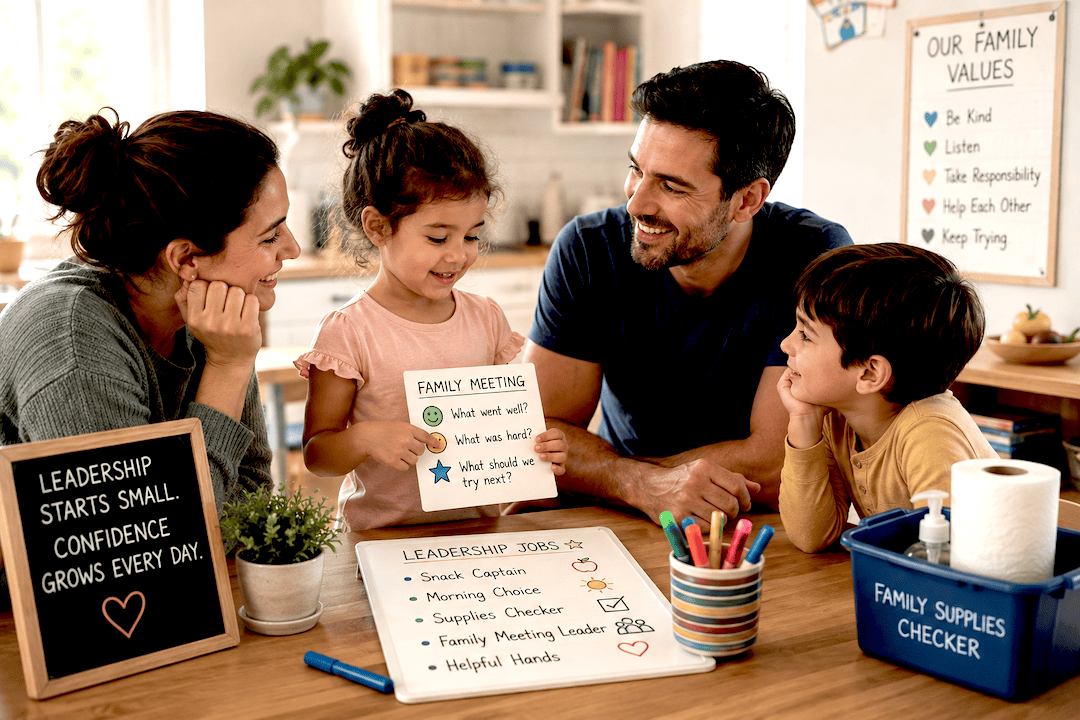
They couldn’t afford the tuition — not really — but they adjusted their budget, gave up cable, downsized a car, and qualified for a state scholarship. “It’s still a stretch,” Anna admits. “But he’s thriving. That makes it worth it.”

Their story is far from unique.

The Truth About the Educational Marketplace

Whether we like it or not, we live in an educational marketplace. Parents are consumers of schooling, not just passive recipients. They talk, tour, read, and research. They compare. They seek referrals. They chase waitlists and openings like people used to chase concert tickets.

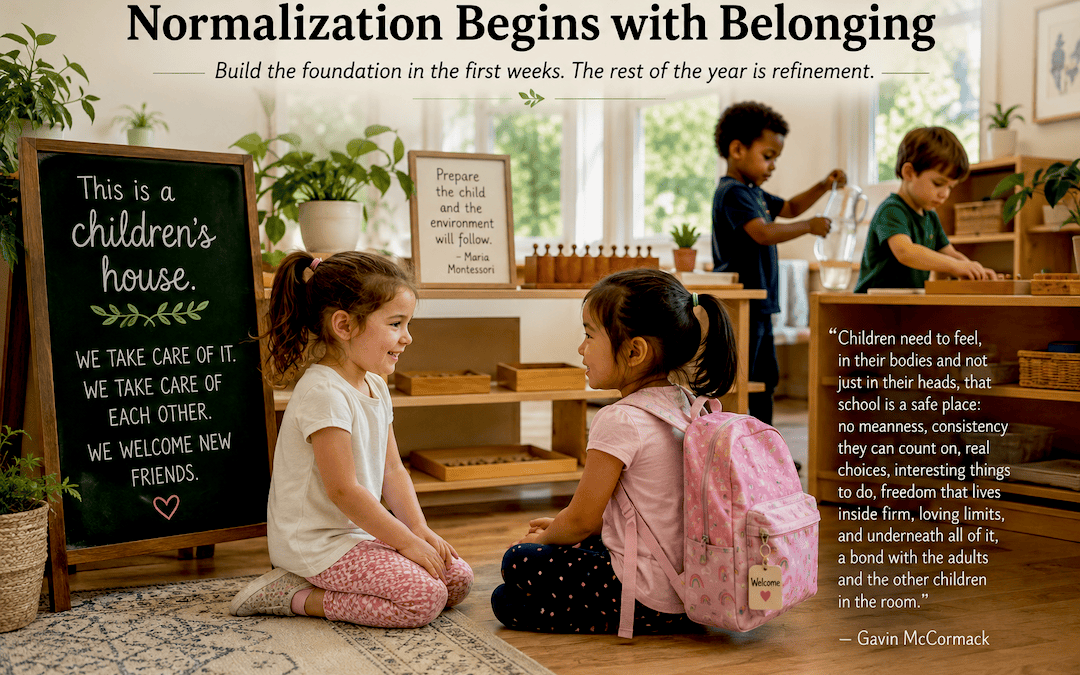
However, what’s often misunderstood is that most families are not seeking prestige or social status. They’re looking for fit. For a place where their child is known and safe. Where learning is joyful. Where values align.

Yes, some private schools cater to the elite — with centuries-old traditions, blazers and boat races, and price tags that would make your head spin. But most private schools in America are small, mission-driven, and often founded by people who were simply trying to do school differently. They serve working families. They offer scholarships. They rely on fundraising. They aren’t out of reach — unless we assume they are.
“We Felt Judged”

Still, families who opt out of public school often feel the heat. “It’s like people think we’re traitors,” says Rayna, a single mom who sends her daughter to a Waldorf-inspired school through a state voucher program. “I’ve been called ‘elitist’ — me, a woman who works nights and qualifies for subsidized lunch. It’s frustrating. I just wanted a place where my daughter wouldn’t be rushed, where her creativity was valued. That doesn’t make me disloyal to public education. It makes me loyal to my child.”

This resentment is real — and so is the pain it causes. Parents of public school students sometimes feel abandoned or judged. Some worry that school choice drains resources from the system. Others believe private school families don’t care about equity, or that they’re buying their way out of the problems the rest of society must face together.

But we must be careful not to confuse choice with elitism. Parents who choose private schools aren’t saying public schools are bad — they’re saying their child needed something different. In fact, many are deeply committed to the public education system. They just couldn’t wait for it to work for their family.
What About Vouchers and Scholarships?

The debate surrounding vouchers and scholarship programs is passionate—and complicated.
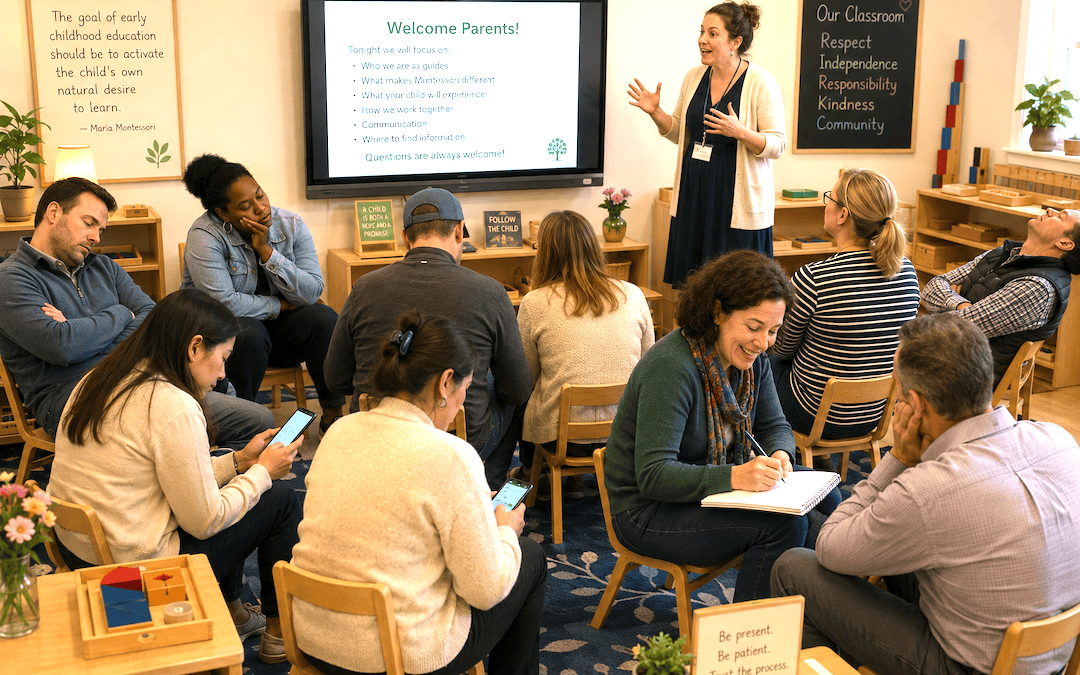
Critics argue that these programs siphon money away from public schools, weakening the fabric of a shared democratic education. And in some cases, concerns about oversight and transparency are valid. But what’s often missing from this conversation are the voices of the families who benefit.

These programs have opened the door to educational options that would have been unthinkable for many low-income families, children with special learning needs, and military families who move frequently. In many states, these scholarships do not financially harm public schools; they often alleviate overcrowding and provide parents with a meaningful role in their child’s education.

If we truly believe education should be equitable, why wouldn’t we support efforts that give more families access to the same choices wealthier families already enjoy?

The Heart of the Matter: What Do Parents Really Want?

Ultimately, this isn’t a battle between public and private — it’s a conversation about what families value most.

Some want academic rigor. Others want creativity and emotional growth. Some prioritize religious instruction. Others want diversity, inclusion, and progressive values. Many are simply looking for a school where their child feels safe, seen, and excited to learn.

I once asked a group of parents, “What would it take for you to say, ‘This school was the right place for my child’?” Their answers weren’t about test scores or college acceptances. They talked about confidence. Joy. Curiosity. Friends. Kindness. A sense of belonging.

That’s what school choice is really about. Not escaping public school. Not climbing social ladders. But finding the right place — where children grow into who they are meant to become.

A Freedom Worth Protecting

School choice is one of the quiet freedoms woven into American life — a freedom that should be nurtured, not resented. We don’t all drive the same car or live in the same house. We shouldn’t all have to send our children to the same kind of school.

When families have the power to choose — not just in theory, but in practice — education improves. Schools become more accountable. Innovation thrives. And most importantly, children benefit.

The goal isn’t to tear down public education. It’s to lift up all education. To make it possible for every family — regardless of income or zip code — to find the place where their child will shine.

Because in the end, school isn’t just about buildings and budgets. It’s about childhood. It’s about futures. And it’s about the simple, powerful idea that parents know their children best — and should be trusted to choose what’s right for them.

100 Things School Leaders can do before school reopens

100 Things School Leaders can do before school reopens

leader with list

As the final weeks of summer fly by, independent school leaders find themselves in that familiar sprint toward the first day of school—a blend of excitement, urgency, and opportunity. There’s a remarkable amount of groundwork to be laid to ensure a strong and joyful start. Whether your school is already thriving or recovering from a tough year, this is your golden window to set the tone for everything to come.

Here’s a list of 100 things you and your team might focus on in these last few weeks. Some are quick wins; others require thoughtful planning and teamwork. All of them make a difference.

I. Strengthen Your School Culture & Community

1. Review your mission, vision, and values with your leadership team.
2. Revisit last year’s parent and staff feedback—what worked, what didn’t?
3. Meet with board or advisory members to align on priorities for the year.
4. Identify a theme or focus word for the year that reinforces community goals.
5. Plan a “State of the School” message to kick off the year with clarity and inspiration.
6. Schedule one-on-one meetings with returning faculty and staff.
7. Personally call or write to new families to welcome them.
8. Organize a Back-to-School picnic, breakfast, or coffee social to build connections.
9. Prepare staff talking points to ensure everyone is aligned in messaging to parents.
10. Invite your PTO or parent volunteers to help set a warm tone for new families.

II. Fine-Tune Internal Communication & Leadership Systems

11. Review and update your internal calendar—school-wide, by division, and by program.
12. Assign team leaders or grade-level chairs to manage communication flow.
13. Schedule weekly admin meetings and biweekly faculty check-ins for the year.
14. Establish how urgent decisions will be made when you’re not available.
15. Audit your school’s internal communication tools—is everyone using the same system?
16. Prepare emergency and inclement weather protocols and communications.
17. Update your school-wide contact list and distribute it to key staff.
18. Create a flowchart of “who handles what” and post it in the staff lounge.
19. Clarify faculty expectations for email and text message response times.
20. Review your grievance and feedback procedures—ensure clarity and fairness.

III. Onboard & Support New Faculty and Staff

21. Finalize contracts and HR documents for all new employees.
22. Host a welcome lunch for new staff.
23. Pair each new teacher with a mentor for ongoing support.
24. Offer a walkthrough of classroom setup for new teachers.
25. Orient new staff to your culture, curriculum, and community values.
26. Give new staff a “cheat sheet” of parent personalities and student histories.
27. Provide training in classroom management, school technology, and communication expectations.
28. Review child safety, emergency drills, and supervision policies.
29. Help new staff get to know returning families before school begins.
30. Invite new team members to share their stories at the opening staff meeting.

IV. Plan a Meaningful Staff Orientation Week

31. Create an agenda that balances training, team-building, and inspiration.
32. Include sessions on social-emotional learning and DEIB priorities.
33. Plan quiet time for teachers to prepare their rooms.
34. Invite a guest speaker or coach to uplift and energize your team.
35. Review student learning data and trends—what needs focus this year?
36. Schedule time for cross-program or inter-level collaboration.
37. Give teachers time to walk through new procedures or routines.
38. Host a welcome back breakfast on the first day.
39. Provide printed or digital copies of the updated staff handbook.
40. Include a segment to reflect on your “why”—why we teach, why this matters.

V. Prepare the Physical Campus

41. Walk every inch of the campus with a “parent’s eyes”—what needs repair or cleaning?
42. Replace burnt-out lights, chipped paint, faded signage, or torn posters.
43. Ensure bathrooms and communal spaces are spotless and stocked.
44. Check the safety and functionality of playgrounds and outdoor spaces.
45. Hang welcome banners or inspiring messages at entrances.
46. Post updated faculty and classroom directories in public spaces.
47. Confirm HVAC systems are functioning properly for every classroom.
48. Check all fire alarms, security systems, and safety gear.
49. Place maps, directional signs, and parking instructions where needed.
50. Prep your reception area to feel friendly, efficient, and calm.

VI. Organize Student Files & Parent Communications

51. Confirm all student paperwork is complete—health forms, waivers, emergency contacts.
52. Follow up with families who haven’t submitted required documents.
53. Send welcome packets or digital newsletters to all families.
54. Share calendar highlights and parent engagement opportunities.
55. Ensure new parents have access to your parent portal or communication app.
56. Clarify who to contact for questions about tuition, lunch, aftercare, or curriculum.
57. Update student rosters and emergency binders for every classroom.
58. Prepare allergy lists and health alerts for staff and food service.
59. Review drop-off and pick-up procedures with parents—clear signage helps!
60. Share teacher bios or welcome notes to introduce classroom guides.

VII. Get Classrooms Ready for Children

61. Schedule a full clean and restocking of each classroom.
62. Check materials for completeness, safety, and order.
63. Create inviting welcome areas for children—flowers, art, books.
64. Reorganize shelves to reflect the developmental level and readiness of students.
65. Prepare welcome activities for the first day or week—make it gentle and joyful.
66. Review individualized learning plans or notes from last year.
67. Assign cubbies, mailboxes, or lockers and label them with care.
68. Place family photos in younger children’s classrooms to ease transitions.
69. Create classroom norms or agreements with returning staff in advance.
70. Set up peace corners, calm-down spaces, or cozy reading nooks.

VIII. Lead 11th-Hour Marketing and Enrollment Pushes

71. Review which classes still have openings—be precise.
72. Run a targeted social media campaign for those age groups.
73. Reach out to leads from spring tours or inquiries.
74. Ask current families to share your school with friends.
75. Offer an open house or pop-up tour before school starts.
76. Update your website with current tuition, faculty, and program descriptions.
77. Make sure your Google listing is accurate and includes parent reviews.
78. Publish a back-to-school blog or video to spotlight your values and community.
79. Host a coffee event for prospective parents during orientation week.
80. Ensure your admissions coordinator is fully prepped for follow-up.

IX. Review Financials and Fundraising Plans

81. Double-check your budget against current enrollment numbers.
82. Meet with your business manager to confirm payroll, tuition, and vendor schedules.
83. Review tuition accounts—who’s paid, who needs reminders?
84. Plan your first finance committee meeting for the fall.
85. Finalize fundraising goals and messaging for the year.
86. Create or revise your annual fund theme.
87. Map out dates for donor cultivation and community events.
88. Ensure you’re tracking donations and pledges in your system.
89. Draft grant applications or proposals for fall deadlines.
90. Set a date for your first development or advancement committee meeting.

X. Build Relationships Early and Intentionally

91. Send personalized emails or notes to every new family.
92. Schedule time to greet parents at arrival and dismissal the first week.
93. Set up coffee chats, class potlucks, or parent mixers by division.
94. Invite parent volunteers to help decorate or prep classrooms.
95. Assign a buddy family to each new family.
96. Review plans for room parents or class representatives.
97. Confirm how teachers will stay in touch—weekly emails, apps, notes?
98. Set goals for teacher-parent communication in the first month.
99. Encourage teachers to learn parents’ names before the first day.
100. Make sure every child and parent feels seen, welcomed, and excited.

These final weeks before school begins are precious. What you do now reverberates across the whole year. Every checklist item, every thoughtful gesture, every system you set in place builds the foundation for a school year filled with trust, collaboration, and joy.

Don’t try to do it all yourself. Delegate. Empower your team. And remember—what matters most is how people feel walking through your doors.

If your school feels like a place where people belong, you’re already ahead.

How to Lead Your School Through a Crisis

How to Lead Your School Through a Crisis

leader in aftermath


Snapshot: This article provides private school leaders with essential strategies for navigating institutional crises, covering the preparation, rapid response, and recovery phases. It emphasizes that effective crisis leadership requires transparent communication, values-based decision-making, and community stewardship that extends beyond logistics management. Key focus areas include building preparedness systems, maintaining trust through honest communication during emergencies, making difficult decisions under pressure while preserving institutional values, and leveraging crisis experiences to strengthen community bonds and build long-term resilience.


Crisis is an inevitable part of institutional leadership, and private schools are not immune to the unexpected challenges that can shake a community to its core. Whether facing a global pandemic, natural disaster, financial emergency, safety threat, or reputational crisis, how school leaders respond in those critical first hours and days often determines not just immediate outcomes, but the long-term health and resilience of their institution.

The most effective crisis leaders understand that their role extends far beyond managing logistics. They must serve as steady anchors for their communities while navigating unprecedented uncertainty, making difficult decisions with incomplete information, and maintaining the trust that forms the foundation of their school’s culture.

The Foundation: Preparation Before the Storm

Effective crisis leadership begins long before any crisis emerges. The strongest school leaders invest in building systems, relationships, and cultural foundations that become invaluable when testing times arrive.

Develop Your Crisis Management Infrastructure

Every private school needs a comprehensive crisis management plan that goes beyond basic emergency procedures. This includes clear communication protocols, defined decision-making hierarchies, financial contingency planning, and identified external resources. Regularly review and update these plans with your senior leadership team, board, and key stakeholders.

Establish relationships with local emergency services, mental health professionals, legal counsel, and public relations experts before you need them. These connections become lifelines during actual emergencies when time is critical and emotions run high.

Build Trust Through Transparency

The currency of crisis leadership is trust, and trust is earned through consistent transparency and authentic communication during normal times. School leaders who regularly share both successes and challenges with their communities, who admit mistakes and show vulnerability when appropriate, and who demonstrate genuine care for all stakeholders create reservoirs of goodwill that sustain them through difficult periods.

Cultivate Your Leadership Team

Surround yourself with team members who complement your strengths and can handle significant responsibility under pressure. Cross-train multiple people in critical functions so that your school never depends on a single individual for essential operations. During a crisis, you need people who can think independently, communicate effectively, and maintain composure when the stakes are high.

Leading in the Eye of the Storm

When crisis strikes, effective school leaders shift into a distinct mode of operation that prioritizes rapid assessment, clear communication, and decisive action while maintaining the values and culture that define their institution.

Assess, Prioritize, and Act Swiftly

The first 24 to 48 hours of any crisis are crucial. Begin with a rapid but thorough assessment of the situation. What are the immediate safety concerns? What are the potential impacts on students, families, and staff? What resources do you have available, and what additional support might you need?

Resist the temptation to delay action while gathering perfect information. In crisis situations, waiting for complete clarity often means losing valuable time when swift action could prevent escalation. Make the best decisions you can with available information, while remaining flexible enough to adjust course as situations evolve.


Communicate Early, Often, and Honestly

During a crisis, an information vacuum creates anxiety and speculation. Even when you don’t have all the answers, communicate what you do know, what you’re doing to address the situation, and when you expect to provide updates. Your community needs to hear from you directly and frequently.

Tailor your messaging to different stakeholder groups while maintaining consistency in core messages. Parents need different information than students, staff require different details than board members, but everyone deserves honesty about the gravity of situations and your school’s response.

Be prepared to acknowledge uncertainty. Phrases like “We don’t yet know everything, but here’s what we’re doing to find out” or “This situation is evolving, and we’re monitoring it closely” demonstrate both honesty and active leadership.

Maintain Your School’s Mission and Values

Crisis can tempt leaders to abandon their institution’s core principles in favor of expedient solutions. The strongest school leaders use their mission and values as guideposts for decision-making, even when those principles make responses more complex or costly.

If your school values community engagement, continue soliciting input from stakeholders even when faster unilateral decisions might be easier. If transparency is a core value, resist the urge to withhold information that might generate difficult conversations. Your response to a crisis should reflect who you are as an institution, not just what’s most convenient.

Support Your People

Remember that everyone in your community is experiencing stress and uncertainty. Students may struggle with anxiety about changes to their routines or academic programs. Parents might worry about their children’s safety or educational progress. Faculty and staff face professional uncertainty while often dealing with personal challenges.

Make mental health resources readily available and actively encourage their use. Check in personally with key team members and vulnerable community members. Consider how policy decisions impact different constituencies, particularly those who may be most vulnerable.

Communication Strategies That Build Confidence

Effective crisis communication requires both strategic thinking and emotional intelligence. Your words and tone shape how your entire community processes and responds to challenging circumstances.


Choose Your Channels Wisely

Different situations call for different communication approaches. Emergency safety issues require immediate, direct communication through multiple channels, including email, text alerts, and website updates. Complex policy changes might benefit from video messages that allow for more nuanced explanation and demonstrate your personal engagement.

Social media requires particular care during crisis situations. While these platforms can provide rapid updates to broad audiences, they also invite public commentary that can spiral beyond your control. Use social media strategically, but don’t rely on it as your primary means of communication for serious issues.

Master the Art of Difficult Conversations

Crisis leadership inevitably involves delivering unwelcome news, whether about program changes, financial challenges, safety concerns, or policy modifications. Approach these conversations with empathy while maintaining clear authority.

Begin with context that helps people understand the broader situation before diving into specific impacts. Acknowledge the difficulty of changes while explaining the reasoning behind decisions. Provide specific information about next steps and support resources.

When facing angry or frightened community members, listen actively to their concerns while maintaining boundaries around respectful discourse. You cannot solve every individual problem, but you can ensure that everyone feels heard and treated with dignity.

Handle Media and External Pressure

Private schools often find themselves under public scrutiny during crisis situations, particularly when issues involve student safety, financial management, or controversial policies. Prepare for media attention by identifying a single spokesperson, typically the head of school, and developing key messages that accurately represent your school’s position and response.

Work with communications professionals when facing significant media attention. They can help craft messages that serve your community’s needs while protecting your institution’s reputation and legal interests.

Making Difficult Decisions Under Pressure

Crisis leadership demands rapid decision-making with incomplete information and significant consequences. The most effective leaders develop frameworks that help them navigate these challenging situations while maintaining their integrity and their community’s trust.

Establish Clear Decision-Making Processes

Before a crisis strikes, clarify who makes what decisions under different circumstances. During emergencies, traditional consensus-building processes may be too slow, but you still need input from key stakeholders and experts. Identify which decisions require board approval, which can be made by senior leadership, and which fall to individual departments or divisions.

Create systems for rapid consultation with key stakeholders while avoiding decision paralysis. This may involve establishing emergency committees, developing rapid consultation protocols, or delegating specific types of decisions to trusted team members.

Balance Competing Priorities

Crisis situations often force leaders to choose between competing values or stakeholder interests. Safety measures might conflict with educational goals. Financial constraints might limit ideal responses. Transparency might compete with privacy concerns.

When facing these dilemmas, return to your school’s mission and values as a guide for decision-making. Consider both short-term and long-term consequences of different approaches. Seek input from diverse perspectives, including those who might be most affected by different options.

Learn to Manage Risk, Not Eliminate It

Perfect solutions rarely exist in crisis situations. Effective leaders focus on managing and mitigating risk rather than pursuing impossible perfect outcomes. This requires honest assessment of different options’ potential consequences and clear communication about trade-offs involved in different approaches.

Document your decision-making process, including the information available at the time, the stakeholders consulted, and the reasoning behind chosen approaches. This documentation serves both accountability and learning purposes.

Building Long-Term Resilience

The strongest school leaders use crisis experiences to build institutional resilience that serves their communities well beyond immediate challenging circumstances.

Invest in Systems and Redundancies

Every crisis reveals weaknesses in existing systems and processes. Use these discoveries as opportunities to build stronger, more resilient operations. This may involve diversifying revenue streams, cross-training staff in essential functions, upgrading technology infrastructure, or strengthening partnerships with other institutions.

Consider which aspects of crisis response revealed unexpected strengths or innovations that should be maintained even after normal operations resume. Many schools discovered new capabilities in remote learning, family communication, or flexible programming that enhanced their long-term offerings.

Strengthen Community Bonds

Crisis can either fracture school communities or forge stronger connections among stakeholders. Leaders who prioritize relationship-building during challenging times often find that their communities emerge stronger and more resilient.

Create opportunities for people to contribute to solutions, whether through volunteer efforts, fundraising campaigns, policy input, or emotional support for others. People who feel actively engaged in addressing challenges develop stronger ownership and investment in their school’s success.

Develop Your Next Generation of Leaders

Use crisis experiences as leadership development opportunities for emerging leaders throughout your organization. Include senior students in appropriate aspects of problem-solving. Give department heads and middle managers opportunities to take on additional responsibilities. Invite promising board members to participate in strategic planning processes.

The leaders who emerge from crisis experiences with expanded capabilities become invaluable assets for future challenges and ongoing institutional strength.

Learning and Growing from Crisis

The most successful crisis leaders view challenging experiences as opportunities for institutional learning and growth rather than simply problems to be endured and forgotten.

Conduct Thorough Post-Crisis Analysis

After immediate crisis pressures subside, conduct comprehensive reviews of your response with all key stakeholders. What worked well? What could have been handled differently? Which systems held up under pressure, and which revealed weaknesses?

Engage external perspectives in this analysis when appropriate. Sometimes board members, consultants, or peer school leaders can offer valuable insights that internal stakeholders might miss.

Document and Share Lessons Learned

Create detailed records of crisis experiences, including decision-making processes, communication strategies, stakeholder responses, and outcome assessments. This documentation becomes invaluable for future crisis preparation and can benefit other school leaders facing similar challenges.

Consider sharing appropriate lessons learned with peer institutions through professional organizations or informal networks. The private school community benefits when leaders share wisdom gained through difficult experiences.

Update and Improve Your Preparedness

Use crisis experiences to refine your emergency planning, communication protocols, decision-making processes, and stakeholder engagement strategies. Test new approaches during smaller challenges before major crises arise.

Regular scenario planning exercises with your leadership team can help maintain crisis readiness while incorporating lessons learned from actual experiences.

Conclusion

Leading through crisis represents one of the ultimate tests of educational leadership. It demands technical competence, emotional intelligence, moral courage, and unwavering commitment to the communities we serve. While no leader can predict or prevent every crisis, those who invest in preparation, maintain their values under pressure, communicate with transparency and empathy, and use challenges as opportunities for growth position their institutions for both immediate success and long-term resilience.

The measure of crisis leadership lies not just in how well schools weather immediate storms, but in how much stronger and more unified their communities become as a result of the experience. The leaders who achieve this transformation understand that their role extends far beyond managing logistics or solving problems. They serve as stewards of their school’s mission, guardians of their community’s values, and architects of institutional resilience that will serve future generations of students, families, and educators.

In an era of increasing complexity and uncertainty, these leadership capabilities become not just valuable assets but essential requirements for sustainable educational excellence. The schools that thrive in the coming decades will be those led by individuals who embrace both the challenges and opportunities that crisis leadership presents.

Resources

Private School Crisis Management Plan Template  Download

Crisis Management Communications Plan Checklist  Download

Post-Crisis Review Template  Download

Building Faculty and Family School Partnerships

Building Faculty and Family School Partnerships

mom and son

I want to acknowledge my colleague, Renee Duchany-Farkas, whose own work is also reflected in my presentations on school cultures of partnership.


A school is far more than bricks and mortar, playgrounds and projectors, or even a well-managed budget. At its heart, a school is a living, breathing community made up of people—students, families, teachers and staff, administrators, and the board. A great school doesn’t simply educate; it unites. It brings people together around shared values, common goals, and a collective commitment to the success and well-being of every child.

At the core of this unity is partnership—partnership at every level. Today’s schools must prioritize authentic collaboration between families and faculty, built on trust, respect, and mutual support. This is not a new idea, but it is more urgent than ever. Life has changed dramatically for many families over the past several years. Between economic uncertainty, increased mental health concerns, and the fast-paced demands of modern parenting, families are under pressure. As school leaders, we have a powerful opportunity to reimagine the relationship between school and home—not just as a necessary part of student success, but as the very foundation of a thriving school culture.


The Need for Partnership

The phrase “it takes a village” has never been more relevant. Families today are seeking more than academic excellence—they are looking for community, guidance, and connection. They want their children to be safe, supported, and known. Increasingly, they are also looking for help. Many parents feel overwhelmed, anxious, and isolated. In 2024, the U.S. Surgeon General’s report spotlighted the mounting pressures families face, citing concerns around safety, time constraints, health, stress, and loneliness. For many parents, raising children feels like essential work—but work they are expected to do with little support.

Parents come to us with deep hopes and dreams for their children. They want to be the best parents they can be, but many are anxious and unsure. They hope to build positive relationships with their children’s teachers and feel like valued members of the school community. They want to belong. They want to contribute. And they want to know that their voice matters.

This is why a meaningful partnership between schools and families is so critical. It is not about ceding control or catering to every demand. Instead, it is about establishing a culture of shared responsibility. Schools and families each bring unique and complementary perspectives to a child’s development. When we work together—when we create space for honest communication and mutual respect—everyone benefits: the student, the parent, the teacher, and the school as a whole.

Rethinking the Parent Experience

To lead effectively in this area, we must shift our mindset. Too often, schools focus exclusively on the student experience while treating parents as bystanders or occasional visitors. However, the truth is that every parent has a dual experience with our schools. One part is tied to their child’s journey—how their child is treated, what they’re learning, how they are growing. The other part is personal—how the parent feels when they walk onto campus, how staff communicate with them, how welcomed and respected they feel.

In today’s world, we must take seriously the concept of “the parent experience.” Every touchpoint—emails, conferences, drop-off routines, social events—shapes how families perceive the school’s culture and values. Do they feel heard? Informed? Valued? Empowered? Or do they feel overlooked, confused, or left out?

This is not just a philosophical question—it’s a strategic one. A positive parent experience drives retention, engagement, and word-of-mouth referrals. It builds a culture of trust. And it directly impacts how children feel about school.

Customizing the Experience

One powerful idea for schools to embrace is the concept of a “Red Carpet Experience” for parents. In other industries, the customer experience is meticulously curated. Why shouldn’t schools take the same care? Parents see us daily. They remember how they were greeted. They notice whether communication feels rushed or thoughtful. They sense when teachers are present versus when they are burned out.

Great schools make every effort to personalize the experience. They offer proactive check-ins with new families. They schedule informal gatherings like “Coffee and Conversations.” They send welcome emails before school begins and follow up afterward. They create opportunities for parents to ask questions and offer feedback. And they don’t relegate parent engagement to the admissions office—it’s everyone’s responsibility.

Building pride, trust, and loyalty starts with understanding our families and making them feel seen.


Communication: The Foundation of Partnership

Of course, communication is at the heart of any strong partnership. Yet too often, communication between schools and families is reactive or inconsistent. To truly serve our communities, we must be intentional. That means:

  • Creating clear guidelines about who communicates what, when, and how.
  • Making time for regular updates from teachers to parents—and vice versa.
  • Offering multiple channels and formats to meet the needs of diverse caregivers.
  • Using technology strategically—but never in place of human connection.

Strong communication systems prevent misunderstandings, reduce stress, and foster a sense of transparency and alignment.

Supporting Teachers

Partnerships with families thrive when teachers feel confident and supported. But we must acknowledge that working with parents is not always easy. Many teachers feel more comfortable focusing on their students. They may worry about difficult conversations or feel unprepared for conflicts that arise.

That’s where school leaders come in. We can:

  • Offer professional development on communication, boundary-setting, and conflict resolution.
  • Provide role-play opportunities and scripts for challenging conversations.
  • Design consistent formats for parent-teacher conferences.
  • Sit in on meetings when needed.
  • Model positive family interactions.

When teachers feel prepared, their confidence grows—and so does the quality of the school-family relationship.

Making It a Whole-School Priority

True transformation requires a school-wide commitment. This begins with leadership. Framing the parent experience as a core strategic priority—not a sideline issue—is the first step. From there, we can:

  • Form leadership task forces focused on improving family partnerships.
  • Share stories of success at staff meetings.
  • Embed family partnership goals into strategic plans and staff evaluations.
  • Solicit feedback regularly through surveys, forums, or parent councils.

Everyone in the school—from the front desk to the classroom—needs to see themselves as a key part of the parent experience.

Building a Partnership Strategy

A strong parent partnership strategy includes three essential components:

  1. Listening to Parents:
    Gather input through focus groups, surveys, informal chats. Create space for parents to express their hopes, concerns, and ideas.
  2. Equipping Teachers and Parents:
    Offer workshops for parents on school philosophy, child development, and how to support learning at home. Train teachers in relationship-building skills and cultural competence.
  3. Creating Meaningful Engagement Opportunities:
    Host speaker series, organize discussion groups, celebrate cultural diversity, and plan community events that bring families together. Invite parents to volunteer, lead initiatives, or simply be present.

These steps create a virtuous cycle: trust builds engagement, and engagement builds trust.

Conclusion

At its best, a school is not just a place where children learn—it’s a place where families grow, where teachers thrive, and where communities come together. Building strong partnerships with families isn’t a luxury. It’s a necessity. It requires thoughtful leadership, school-wide alignment, and an unwavering belief in the power of community.

As school leaders, we are uniquely positioned to unlock this potential. When we nurture faculty and family partnerships, we do more than improve school culture. We transform lives.

At Home: Building Confidence Without a Classroom

At Home: Building Confidence Without a Classroom

mom and son

You don’t need shelves of wooden materials to raise an independent, self-assured child. Confidence isn’t born from curriculum or credentials. It grows steadily and quietly in the everyday moments that shape a child’s sense of self. Montessori understood this deeply. Her insights weren’t just for classrooms. They were rooted in a vision of the child as a capable, worthy person who grows best when given space to try, to fail, to repeat, and to master.

At home, confidence develops through rhythm, through rituals, and most of all, through trust. When we create an environment where children know what to expect, where they are included in meaningful ways, and where their efforts are respected, they begin to carry themselves differently. Their eyes light up when they pour their own water, button their own coat, or carry a grocery bag that’s just the right size for them.

For families with young children—especially those between one and a half and four—this is a golden time to lay the foundation. Parents considering Montessori school or already enrolled often ask what they can do at home to support their child’s confidence. The answer doesn’t lie in flashcards or academic drills. It’s far more personal, grounded in the way we live day-to-day with our children.

Imagine a three-year-old waking up to a calm, predictable morning. They know where to find their clothes, because the drawer is organized just for them. They get dressed themselves—not perfectly, but with pride. They sit at a small table and help pour their cereal. Later, they help sweep up a few crumbs from the floor. No one hovers or corrects. Their parents smile, say thank you, and move on with the day. These aren’t just chores. These are moments of identity-building.

Later in the day, the same child helps her father wash apples for a snack. She uses a small sponge and carefully scrubs them one by one. He doesn’t interrupt. He watches. She finishes and lines them up neatly on a towel to dry. It may take longer than if he had done it himself, but that isn’t the point. The child is learning that her work has value—that she can be trusted to contribute.

In another home, a child helps prepare for guests. Her mother shows her how to fold napkins and arrange small vases of flowers. The child feels important, not just entertained. She isn’t sent away to play while the adults prepare—she’s included. Her small hands may not fold the napkins perfectly, but the pride in her eyes says it all. She has done real work. She has been part of something meaningful.

Montessori emphasizes “freedom within limits.” At home, that can look like giving your child choices within a structured rhythm. You might invite them to help decide what vegetables to buy for dinner. They may choose between two outfits or decide which book to read at bedtime. But the boundaries remain clear and calm. Lunch is at noon. Toys are put away before bed. Trust and consistency become the backdrop against which a child can take risks and grow.

What we’re offering isn’t just independence—it’s responsibility. And responsibility is what makes independence meaningful. When a child waters the plants, helps feed the dog, or puts away clean silverware, they’re not just learning skills. They’re participating in the real life of the family. They see their actions make a difference. That deepens their connection to the people around them and strengthens their sense of purpose.

Confidence also blooms when we let our children struggle a little. It’s tempting to zip their coat or pour their juice when they fumble. But every time we rush in, we rob them of a chance to discover their own competence. Montessori adults observe, wait, and only help when needed. At home, this can feel countercultural. But when we pause—just for a few seconds longer—we often find that our children can do more than we imagined.

In a home where confidence is nurtured, you’ll hear phrases like “Would you like to try?” and “Show me how you do it.” You’ll see toddlers carrying their own backpacks, putting away their own shoes, and slicing bananas with a child-safe knife. Not because someone forced them to, but because they’ve been invited to contribute from an early age. These acts, repeated day after day, build the kind of quiet confidence that lasts a lifetime.

For parents already in Montessori schools, extending this approach into home life reinforces what children experience during the day. It helps create a seamless sense of identity. At school, they are trusted. At home, they are too. At school, they contribute. At home, they are invited to do the same.

For those just beginning their Montessori journey, it’s encouraging to know that you can begin now. No special training, no special materials—just a shift in perspective. Trust your child. Invite them in. Give them space and time. Let them pour, sweep, dress, water, stir, scrub, fold, and carry. Let them feel the dignity of work and the pride of persistence.

In this, confidence doesn’t arrive all at once. It builds over time, through dozens of small acts. And eventually, you’ll see it in the way your child stands taller, walks with purpose, and meets the world with open, eager eyes—not because someone told them they were capable, but because they discovered it for themselves.

You Don’t Have to Be a Teacher to Bring Montessori Home

You Don’t Have to Be a Teacher to Bring Montessori Home

parents at home

A common worry I hear from parents is: “I love Montessori, but I’m not a trained teacher.” It’s a real concern, especially for parents of toddlers and young preschoolers just discovering the Montessori approach. But let me be clear—you don’t need a credential to bring Montessori into your home. What you need is a curious spirit, a respectful relationship with your child, and a willingness to slow down and be present.

Montessori at home doesn’t require you to recreate a classroom. You don’t need specialized training or a room full of wooden materials. The real magic happens in the everyday moments—in the rhythm of daily life, where your child learns by doing, by observing you, and by participating in the meaningful work of your home.

Picture a mixed-race couple in their bright kitchen, sunlight pouring in through the windows. Their three-year-old daughter stands on a wooden learning tower, stirring batter in a bowl while her father holds it steady. Her mother is nearby, placing muffin tins on the counter and chatting gently about what they’re baking. This is Montessori at home. It’s not about lesson plans. It’s about inviting your child to be part of your world, to do real things with real tools, and to feel capable and trusted.

Children between the ages of one and a half and four are in a powerful stage of development. They crave participation and purpose. In Montessori, we honor this by including them in the real work of daily life. Helping with breakfast, watering plants, sorting socks, brushing the dog, or cleaning up a spill—these are all learning opportunities. They build fine motor skills, coordination, and—most importantly—confidence. Children begin to feel that they matter. That they can do things for themselves. That they are not just observers in the family—they are participants.

We often underestimate what young children are capable of. But if you slow down and invite them in, they will surprise you. A toddler can carry their own plate to the sink. A three-year-old can help fold napkins or dust a shelf. It may take longer, and it may not be perfect, but that’s not the point. What matters is that the child begins to see themselves as competent.

Montessori also teaches children to follow a process. When we give them time and space to work through a task—whether it’s slicing a banana or cleaning up spilled water—they develop executive function skills that will serve them for life. They learn to plan, to concentrate, to finish what they start. These early experiences lay the foundation for attention, memory, and self-control.

And beyond skills, there’s something even deeper being nurtured: the child’s sense of self. When a child contributes to their home—not because they are told to, but because they want to—they feel dignity. They feel belonging. And they begin to understand what it means to be part of a community.

That’s the real work of Montessori at home. It’s not about educational outcomes or hitting milestones. It’s about building strong relationships within the family and giving your child a sense of purpose and pride. When your child is invited to help wash vegetables for dinner, or put on their own shoes, or carry a basket of clean laundry, they are learning responsibility, independence, and grace.

We want to encourage parents to let go of busywork and worksheets and instead embrace the richness of real life. A worksheet may keep a child occupied, but it doesn’t nurture their spirit. It doesn’t build connection. It doesn’t say, “You belong here.” The daily tasks of the home do. And that’s the heart of Montessori.

You don’t have to do it all at once. You don’t need to be perfect. You just need to begin. Start by slowing down. Watch what your child is drawn to. Invite them into your world. Let them mix the pancake batter, match socks, and scrub potatoes. Be patient. Be present. And trust that these small acts—done together with love—are building something powerful.

No, you don’t have to be a teacher to bring Montessori home. You just have to be a parent who believes in your child and values the time you spend together. And when you do, your home becomes more than just a place of shelter. It becomes a place of learning, of growth, of joyful connection—and a space where independence, grace, and belonging quietly take root.

How Montessori Brings Clarity and Freedom to Overwhelmed Parents

How Montessori Brings Clarity and Freedom to Overwhelmed Parents

mom and son

Real-life reflections for parents walking the Montessori path

Parenting small children can feel like navigating a fog. The days are long, the nights are short, and your mind is cluttered with questions you didn’t know you’d be asking: Should she be talking more? Why is he still having tantrums? Are we too strict? Too lenient? What’s normal? What’s best?

Montessori doesn’t hand you all the answers, but it does offer something just as powerful—a lens. A way of seeing. And for many overwhelmed parents, that’s exactly what they need.

When you begin to understand Montessori, you find yourself breathing a little easier. This isn’t a trendy method that requires you to throw out your furniture or memorize scripts. It’s a way of tuning into your child’s development, seeing who they really are and what they truly need—and letting go of the pressure to force growth that isn’t ready to happen.

You stop asking, “Why isn’t she reading yet?” and begin noticing how she studies letters on the cereal box, asks about the sounds in her name, and joyfully pretends to be the teacher reading a story aloud to her stuffed animals. You realize she’s absorbing everything, even when it’s not measurable on a chart.

In the early childhood years, this shift is subtle but profound. A parent might find themselves rearranging a corner of the kitchen so that their three-year-old can reach their own dishes, learning to pour water from a small pitcher, and taking part in preparing their snack. It’s not about making your home look like a classroom. It’s about inviting your child into real life in ways that feel natural and affirming for both of you.

A Montessori home doesn’t need to be minimalist or magazine-perfect. It just needs to function in a way that says to the child, “You belong here. You’re capable.” Low hooks for a coat. A little basket of socks by the door. Fewer toys, but ones that invite deep play. Predictable routines that create calm instead of chaos. These are the kinds of quiet adjustments that bring surprising peace to a household.

As the fog begins to clear, many parents find that they begin watching their children differently. Instead of correcting or rushing in, they pause. They observe. They start to notice the concentration in their toddler’s face as she buttons her sweater, or the quiet determination of their preschooler trying to sweep a spill without being asked. They begin to trust that their child is learning all the time—even in moments that look messy or slow.

There’s a relief in letting go of the race. Montessori parents often find themselves resisting the pressure to overschedule, to push early academics, or to compare. They start to protect unhurried time. They linger at the park. They choose books over apps. They spend more time in conversation and less in correction. Slowly, the parenting experience becomes less about managing behavior and more about building a relationship.

Of course, this doesn’t mean everything is smooth. There are still meltdowns. Still piles of laundry and sibling squabbles. Montessori doesn’t promise a perfect child—it just helps you see the challenges with clearer eyes. When you know that tantrums are part of healthy emotional growth, you don’t take them quite so personally. When you see that independence is built through repeated effort, you stop rushing to tie every shoe or pack every lunch.

For those who have chosen to send their child to a Montessori school, the experience deepens even further. The philosophy of the classroom begins to echo at home. Parents hear their children using phrases like “I’m working” or “Can I have a turn?” They see their child choosing to set the table, folding napkins carefully, or explaining the life cycle of a butterfly with quiet authority. And instead of wondering where this self-discipline or inner calm came from, they begin to understand that it was there all along—just waiting to be nurtured.

Montessori is not a quick fix. It’s not a method you try for a week and judge by results. It’s a path you walk slowly, thoughtfully, with as much grace for yourself as for your child. It teaches you to focus on process rather than product, and to see effort as more important than outcome. Your child may pour water and spill it a hundred times, but each time, their hands grow steadier. Their confidence grows stronger. And so does yours.

For many parents, the greatest gift of Montessori isn’t a better-behaved child. It’s the clarity that comes from knowing what matters most: connection, rhythm, trust, and presence. When you embrace this, parenting shifts from something you’re trying to survive to something you’re learning to live—moment by imperfect, beautiful moment.

Are Montessori Homeschoolers and Montessori School Parents on a Shared Journey?

Are Montessori Homeschoolers and Montessori School Parents on a Shared Journey?

montessori homeschool

Are parents who choose to use Montessori to homeschool and parents who send their children to a Montessori school following a similar path? In many ways, the answer is yes. While their environments, schedules, and supports may look different, both sets of parents are inspired by the same vision: to raise children who are curious, independent, capable, and connected to the world around them. Montessori offers a philosophy, not just a curriculum, and that philosophy can guide learning both at home and in a school setting.

Still, it’s worth exploring the strengths, challenges, and motivations of each path—and what unites them at the core.

Montessori Homeschooling: Flexibility, Family, and Deep Connection

Parents who choose to homeschool the Montessori way often do so because they value time together as a family. For many, it’s not a rejection of professional educators or social opportunities, but rather a choice to prioritize the bond between parent and child. In a homeschool environment, parents can closely observe their children, follow their individual pace of development, and cultivate a home rhythm that reflects their unique family values.

Some families participate in Montessori co-ops or parent-led learning groups to ensure their children have social experiences beyond the home. Others create close-knit communities through shared homeschooling networks. They may fully understand the trade-offs—fewer materials, less outside input, fewer chances for peer collaboration—but feel that the intimacy, trust, and continuity of homeschooling more than compensate.

Financially, homeschooling may also be a practical necessity. High-quality Montessori schools can be costly, and for families with two or more children, tuition may exceed the income a parent could earn by returning to the workforce. For some, choosing to stay home is both a philosophical and an economic decision.

Montessori Schools: Expertise, Socialization, and Structure

Parents who choose Montessori schools often do so for a different but equally valid set of reasons. Many are working professionals who want their children to be in a nurturing, thoughtfully designed environment during the day while they pursue their careers. These parents may deeply value being part of their child’s life but also recognize that they thrive when working in a professional community with other adults.

Montessori schools offer structured opportunities for social learning, exposure to peers of various ages, and the leadership of trained educators who bring objectivity, developmental knowledge, and years of experience. In these classrooms, children benefit not only from the prepared environment and carefully sequenced materials but also from teachers who understand subtle developmental cues and can respond in ways that support long-term growth.

Many parents also find reassurance in partnering with professionals who bring insight and perspective they may not have. It’s not about abdicating responsibility, but about recognizing the value of collaborative care—trusting that trained Montessori guides can work alongside the family to nurture the whole child.

The Common Ground: Prepared Adults and Trust in the Child

Regardless of which path a family chooses, success in Montessori education depends less on the setting and more on the mindset of the adults involved. Both homeschooling and school-based parents are called to prepare themselves: to observe rather than control, to guide rather than direct, and to trust rather than rush.

Montessori parents—whether at home or partnering with a school—learn to slow down, simplify, and create meaningful opportunities for their children to act with purpose. They cultivate an environment of respect, order, and beauty. They resist the impulse to over-schedule or micromanage, instead inviting children to engage with real work and follow their curiosity.

Many families blend the two approaches. A school-based Montessori parent may create a home life filled with independence and practical life activities. A homeschooling parent may seek out community groups, Montessori co-ops, or part-time programs to offer social interaction. The lines are often softer than we imagine.

Conclusion: Two Roads, One Vision

So are Montessori homeschoolers and Montessori school parents following the same path? Not quite—but they are certainly moving in the same direction. Both want their children to become confident, joyful, lifelong learners. Both believe in the dignity of childhood. And both recognize that education is not something we do to children, but something we support in partnership with them.

In the end, it’s not about choosing the “right” way to do Montessori. It’s about committing to the work of presence, patience, and preparation—whether that happens in a classroom or at your kitchen table.

Keeping Your New and returning families engaged over the summer

Keeping Your New and returning families engaged over the summer

summer family

How Smart Schools Use Summer to Deepen Connection and Boost Engagement

By Tim Seldin
President, The Montessori Foundation

Summer may feel like the quiet season in schools—but in truth, it’s a golden opportunity. A chance to build relationships, deepen family engagement, and get ahead on the work that ensures a strong start to the new school year.

At a recent Montessori Foundation and AIMS (Admissions Inquiry Marketing Software) webinar, we had a lively and insightful conversation about what schools can do now—before families drift into vacation mode—to keep the spark alive. Here’s what we learned from each other and from years of real-life experience in school leadership.

Summer Is a Season of Opportunity

Let’s start by acknowledging a simple truth: during the summer, many families disengage. They mean well. But life happens—travel, camps, work, fatigue. We become a vague memory until a back-to-school email jolts everyone back to reality.

But it doesn’t have to be that way.

In fact, summer is a critical window to:

  • Reinforce your school’s place in the heart of the family

  • Build anticipation and belonging for new families

  • Strengthen bonds with returning families

  • Head off potential attrition before it happens

The key is intentional, consistent outreach.

Three Audiences, Three Needs

As we discussed in the session, your community isn’t one-size-fits-all. Most schools have three key audiences to think about:

  1. New Families – They’ve just joined your community. This is your chance to build excitement, answer questions, and offer a warm welcome. The goal: help them feel like they already belong before the school year begins.

  2. Returning Families – These families may seem secure, but summer is often when people reconsider decisions. Life changes—moves, divorces, job shifts—can lead to surprise withdrawals. Keep them engaged so that leaving feels hard.

  3. Waitlisted or Prospective Families – Don’t forget them. The more they hear from you, the more likely they’ll stay excited and committed if a space opens up.

What Works? Practical Strategies from the Field

Here are a few of the top strategies we discussed that schools can use to engage families all summer long:

1. Email Campaigns That Build Trust

Create a simple series of emails to:

  • Welcome new families and introduce key staff

  • Share summer fun ideas and Montessori-friendly home activities

  • Offer quick “Did You Know?” insights about your program

  • Answer FAQs before they’re asked

  • Promote social media accounts (many families still don’t follow!)

Consistency matters more than volume. Even one message every two weeks can be powerful.

2. Family Outreach: Ask and Listen

Send a thoughtful message asking:

  • What are your summer plans?

  • Anything going on we should know?

  • What are your hopes for the coming school year?

You’ll learn so much—and your teachers will love starting the year already knowing what matters to each child.

3. Parent and Student Ambassador Outreach

Activate your room parents or PTA members to welcome incoming families. A quick phone call or coffee invitation can make a world of difference. Consider pairing students too, especially in upper grades.

4. Create a Summer Video Montage

Record short “welcome back” clips from teachers, students, and staff. Compile them into a joyful, authentic video and send it out in August. It’s a low-cost, high-impact way to rekindle excitement.

5. Summer Socials and Ice Cream Events

If families are in town, invite them in:

  • Ice cream socials

  • “Meet the Teacher” picnics

  • Pool parties or open playground days

These informal gatherings spark friendships and belonging early on.

6. Reframe Tuition Reminders with Heart

No one loves bills—but they don’t have to be cold. Consider a friendly message with your invoice:

“Think of this not as a payment, but as an investment in the joyful journey your child is on. We’re honored to walk this path with your family.”

It’s a small touch that reminds people why they’re here.

7. Support for Overloaded School Leaders

Let’s be real—many of us are juggling admissions, finances, summer camp, and gala prep all at once. Lean on tools like AIMS or Montessori Compass to streamline communication and automate reminders where you can. And when in doubt, send a short note that simply says: We’re thinking of you. We care.

Final Thoughts

We don’t stop being a community in June. If anything, these quieter months are the time to double down on connection. Show families that they matter, that their presence is missed, and that they are part of something special.

When you do, you’ll find fewer surprises in August—and more smiles on the first day of school.

Let’s not disappear in the summer haze. Let’s lead with presence, warmth, and intention.

A Living Work of Art: Why Montessori Schools Are So Much More Than Schools

A Living Work of Art: Why Montessori Schools Are So Much More Than Schools

Every Montessori school is a living, breathing work of art.

Unlike businesses that exist solely to deliver a product or generate profit, schools—especially Montessori schools—are something more organic, more soulful. They are shaped not just by strategy or budgets, but by the hearts and hands of the people who govern, lead, and teach within them. In this light, school leaders, teachers, and even parents become artists—co-creating something deeply human and beautiful: a community that nurtures children and helps them grow into their fullest selves.

This is why so many Montessori educators feel such a powerful, often lifelong bond with the schools they help shape. The connection goes far beyond employment. We don’t just work at a school—we *give ourselves* to it. We invest not only our time and energy, but our hopes, our creativity, and our love.

Montessorians know this: education is not assembly-line work. Each school, like each child, is a unique creation. The way we prepare the environment, interact with families, guide children, and design learning spaces is all a form of artistic expression—not in the sense of decoration or aesthetics alone, but in the deeper sense of crafting something meaningful, responsive, and alive.

To run a school, of course, is also to manage practical realities: payrolls, admissions, tuition, staffing, compliance. Even nonprofit schools need financial sustainability to exist. But in a Montessori school, money isn’t the mission. The mission is transformation. We are here to shape lives, to build peace, to cultivate independence, empathy, and a love of learning in children—and in ourselves.

And what we create together—the school community—is never static. Like any great work of art, it evolves. New families arrive. Children grow and graduate. Staff come and go. Challenges arise, new ideas take root. Through it all, the culture of the school shifts, expands, deepens—always becoming. The artist’s hand never leaves the canvas.

This is why we care so deeply when something threatens the life of a school. Why we grieve when a program closes or a beloved teacher leaves. Why we work late, show up early, volunteer for things that were never in our job description. We are not just protecting a structure—we are protecting a vision, a community, a sacred trust.

At its heart, a Montessori school is not a building or a business. It’s a collective expression of love—for children, for humanity, for the possibilities of a better world. It is a place where purpose and practice meet, where people—children, parents, and educators alike—are nurtured, challenged, and transformed.

And like all great art, it leaves an impression on everyone who experiences it.


“Is That a Rat… or a Class Pet?” Why Every Montessori School Needs a Pest Policy

“Is That a Rat… or a Class Pet?” Why Every Montessori School Needs a Pest Policy

picture of class pet

If you haven’t reviewed your employee handbook lately—or haven’t yet written one—consider this your gentle nudge. In the Montessori world, we tend to take a compassionate view of the natural world. We teach children to observe living creatures with curiosity and care. That’s beautiful—and exactly what we want to nurture.

But every now and then, that curiosity extends a little too far… like when a well-meaning teacher picks up a “dead” rat on the playground, only to discover it was still very much alive.

Yes, it really happened.

Fortunately, the teacher was okay (after a trip to the doctor), but the incident prompted an important realization for the school leader: We need a clear policy about what to do when pests show up at school.

Because let’s face it—at some point, they will. Whether it’s a wasp nest in the outdoor classroom, a snake curled up in the garden, or a mouse making itself at home behind the snack cabinet, every Montessori campus eventually has an unexpected visitor.
And because Montessori teachers are a special kind of human—nurturing, unflappable, and almost unfailingly kind—we’re the folks most likely to say, “Aww… look at that little guy!” instead of backing away and calling for help.

That’s why your staff handbook should spell out a simple, clear, no-room-for-interpretation Pest Encounter Policy. Something that says: Don’t touch it. Keep children away. Notify administration immediately. Let trained professionals handle it. Document the incident.
Not only does this keep your team and your students safe, it also protects your school from liability. It shows you’ve prepared your staff, and you’re taking proactive steps to manage risks thoughtfully and responsibly.

If you don’t already have a pest policy in place—or if you’re not sure whether yours covers all the bases—now’s a good time to review it. And if you’re starting from scratch, you’re welcome to use or adapt this sample policy we just helped a client develop.

Click this link to download the sample Pest Encounter Policy

https://lnkd.in/eJP6bzP3

Feel free to customize it for your own school’s name and context.

As Montessori leaders, we model calm, capable responses to the unexpected. Having the right policies in place gives our team the confidence to do just that.

And if you do end up with a class pet rat? Well—just make sure it came from the pet store and not the playground,

Admissions: Recruiting Your Ideal Enrollment and Building a Strong School Community

Admissions: Recruiting Your Ideal Enrollment and Building a Strong School Community

In the ever-evolving landscape of education, Montessori schools face the dual challenge of staying true to their mission while navigating the practical realities of enrollment. Many families today are overwhelmed, time-constrained, and simply looking for a school that feels safe, nurturing, and convenient. Often, their first priority is to solve a problem—find a school that fits their child’s immediate needs and secure a spot quickly. Yet behind this urgency is a deeper desire: to find a place where their child can thrive and where they, as parents, feel a sense of trust and belonging.

Recognizing this, Montessori schools must meet prospective families where they are—acknowledging the pressure and pace of modern parenting—while gently guiding them toward a fuller understanding of what it means to join a Montessori community. This article presents a refined approach to enrollment and engagement—one grounded in relationship-building, authentic storytelling, and an unwavering commitment to the school’s mission. We call it “Finding the Perfect Match.”

Traditional enrollment strategies often follow a transactional model: attract attention, provide information, and ask for a decision. This approach treats parents as consumers and education as a product. In contrast, the Montessori approach to enrollment invites families into a journey of mutual discovery. It allows prospective parents to engage not only with what Montessori education is, but with what it feels like to be part of a deeply connected school community. The goal shifts from simply filling seats to forming genuine partnerships that support the child’s development and the school’s long-term culture.

The first step in this relationship-based model is to increase visibility and awareness in the local community. Schools must be intentional in making their presence known—not through broad marketing campaigns, but through targeted, values-driven outreach. This might include participating in community festivals, setting up interactive Montessori exhibits at farmers’ markets, offering parenting workshops at local libraries, and creating vibrant, informative bulletin boards in nearby cafes and businesses. These outreach efforts are led by admissions and development staff but must be supported by the broader school community. Consistency and follow-through are essential. A member of the admissions team should be assigned to track outreach events, update materials, and personally follow up with contacts.

Once a prospective parent makes initial contact—whether through an email, a website inquiry, or by visiting the school—it is vital to respond promptly and personally. The initial reply should reflect warmth and attentiveness. Ideally, the response includes an invitation to visit, observe a classroom, and speak with a school leader or experienced teacher. The process should feel welcoming and affirming, not automated or rushed. Each inquiry is a potential relationship, and how that relationship begins often shapes whether it continues. For parents in crisis mode, who simply want to enroll quickly, the key is responsiveness and clarity—combined with gentle pacing that opens the door to deeper engagement once the immediate need is met.

Rather than relying solely on a single tour or presentation, schools can create an intentional series of touchpoints that gradually deepen engagement. A family might begin with an observation morning, followed by an invitation to attend a community event or curriculum night. They may be offered an opportunity to speak with current parents or receive a series of short, mission-driven emails that highlight key aspects of Montessori education. At each step, the emphasis should be on listening, understanding, and trust-building. The admissions team should develop and manage a simple CRM system or tracking tool to log these touchpoints and ensure follow-up is timely and meaningful.

Equally important is the active participation of the current parent community. These parents serve as natural ambassadors and advocates when invited to do so. Schools can provide them with tools such as “invite a friend” postcards, social media graphics, or talking points about Montessori education. Admissions staff can host informal gatherings or coffee chats where current families invite neighbors or friends to visit the school. This parent-to-parent outreach feels more personal and authentic than traditional marketing and can be an especially effective way to reach values-aligned families.

When a family decides to enroll, the onboarding process should be seen not as an administrative task, but as the beginning of a long-term partnership. New families should be welcomed with intention and care. This may include a personalized welcome packet, a video or letter from the Head of School, and an invitation to a new family orientation. Pairing each new family with a mentor family offers an additional layer of support and connection. The admissions team and classroom guides should check in during the first few weeks, ensuring that new families feel seen, supported, and empowered to participate.

A successful community is not built solely through events—it is built through ongoing, meaningful communication. Families should be regularly informed not only of upcoming activities but of the deeper purpose behind those activities. School leaders should share stories from the classroom, reflections on Montessori principles in action, and opportunities for involvement that go beyond volunteering. Families need to know that their voice matters, their ideas are welcome, and their contributions—whether time, talent, or financial support—make a meaningful difference.

To support this, schools should implement structures that facilitate two-way communication. Parent surveys, listening circles, and community forums provide families with avenues to share their experiences and offer input. Classroom guides and administrators must be accessible and responsive. A family liaison or community engagement coordinator can help manage these connections and ensure that families remain engaged over time.

The implementation of this approach requires clearly defined roles and responsibilities. The admissions team leads the design and execution of the enrollment pathway, including outreach, tours, and follow-up. The Head of School ensures alignment between the school’s philosophy and the admissions process, while teachers and classroom guides provide key insights and help families experience the pedagogy in action. Parent volunteers serve as hosts, mentors, and storytellers. All of this is guided by a shared commitment to cultivating a vibrant, values-aligned community.

This approach to enrollment and engagement is not about fast growth or flashy campaigns. It is about honoring the values that Montessori education holds dear: respect for the individual, trust in human development, and the power of authentic relationships. By focusing on fit, cultivating connection, and supporting families with care and intention, Montessori schools can create communities that are not only full—but full of purpose, joy, and enduring commitment.

Finding the perfect match means telling the truth about who you are, what you believe, and what it means to be part of your school. When this message is conveyed consistently and sincerely, the right families will not only find your school—they will help it flourish.

The Intersection of Montessori and Science

The Intersection of Montessori and Science

Teacher training

The Intersection of Montessori and Science

In Montessori education, we are continuously testing and refining our understanding. Science is not about believing something because a public figure says it; it is about seeking reliable information. The same principle applies to education—our approach must be guided by observation, adaptation, and evidence-based methods.

One significant challenge in many Montessori schools today, especially in public settings, is that students are not entering at the optimal age. Montessori education is most effective when children begin at age three. If a child enters at four or five, they have already missed critical developmental time. While they may eventually catch up, their experience will not be the same as that of a child who had the full early childhood Montessori experience. If we seek the best outcomes associated with Montessori, we must adhere as closely as possible to the principles and methods that made it successful.

Maria Montessori herself evolved her methods over time. For example, in her early writings, she suggested young children needed sugar—a belief we now understand differently. It is essential to contextualize her work historically while maintaining fidelity to her core principles.

Integrating Late-Entry Students into Montessori

In public Montessori schools, it is common for students to join at later grade levels, such as second or third grade, without prior Montessori experience. This presents challenges, but they are not insurmountable. The key is diagnostic, prescriptive teaching—analyzing what the child knows, identifying gaps, and meeting them where they are. We celebrate what they already understand to build confidence and create a safe, supportive environment for learning.

A crucial goal is to prevent children from feeling embarrassed or insecure about their knowledge gaps. Fear and shame are barriers to learning. When children feel safe, valued, and free from ridicule, they are more likely to engage with and absorb new material. Emotional safety is not just an educational priority—it is a foundation for overall well-being. Many school shootings, for example, stem from a lack of emotional security. The more we create emotionally safe schools, the more physically safe schools.

Understanding the Montessori Curriculum

For Montessori-trained educators, the curriculum is often thought of in terms of the albums used for training. However, in public school settings, the curriculum is defined by state standards. Montessori is a European-derived educational approach, which is why its math sequence differs from the typical American sequence. In Montessori, fractions are introduced around age five, whereas many public schools do not introduce them until third or fifth grade.

Montessori education is a tool—one that must be adapted within various educational frameworks. The materials themselves are beautifully designed, but they are not magical. Simply having them in a classroom does not ensure learning. The effectiveness of Montessori education depends on how we use these tools to support individual students.

Historically, Montessori teachers relied on handwritten records to track student progress. While these methods worked, they were not always reliable. In the private sector, some schools have faced lawsuits for failing to document student progress adequately. In public Montessori schools, record-keeping is critical for accountability and ensuring students are meeting benchmarks.

A common issue in Montessori is that students may appear to understand a concept but later struggle with it. For example, a child may demonstrate mastery of long division using Montessori materials but forget how to apply it months later. This is what we call “orbital velocity” in learning—students must reach a point where their knowledge is deeply ingrained rather than temporarily memorized. Authentic learning is a permanent change in the learner.

The Role of Assessment and Curriculum Planning

Montessori education emphasizes hands-on, experiential learning, but it is essential to have a structured way of assessing progress. The Montessori Foundation provides a detailed scope and sequence that outlines learning objectives across different age levels. Teachers must continually assess whether students have mastered concepts and ensure they retain knowledge over time.

In traditional education, scaffolding is used to build upon prior knowledge systematically. In Montessori, learning is more fluid, with constant cycles of reinforcement. Teachers must ask themselves: Is this lesson essential for the child’s progression? Some skills, such as handwriting, may be deprioritized in certain districts, yet they remain vital in others. It is up to the educator to determine what is necessary and how to adapt within their given framework.

Ultimately, Montessori education is a philosophy and a tool. It requires educators to be adaptable, observant, and deeply committed to guiding each child toward meaningful learning. By fostering a culture of curiosity, respect, and perseverance, we empower students to reach their full potential.

Looking Ahead

Montessori educators must navigate the complexities of curriculum adaptation, student integration, and record-keeping while maintaining the integrity of Montessori principles. As we move forward, it is essential to continue refining our methods, supporting teachers, and ensuring that all students—regardless of when they enter Montessori—receive the best possible education.

Education is an evolving journey. Whether in public or private Montessori settings, our goal remains the same: to provide children with the tools, confidence, and knowledge they need to succeed in an ever-changing world.

The Heart of Montessori: Building Connections and Community

The Heart of Montessori: Building Connections and Community

volunteer

Teaching is not just about academics—it is about connecting with human beings. We may think we are here to teach mathematics, grammar, and vocabulary, but our real job is to build relationships. Some children enter the classroom open and eager to connect, while others challenge us, testing boundaries and seeking attention in unconventional ways.

One key lesson in working with children is not allowing one or two difficult students to overshadow the growth and well-being of the entire group. This does not mean leaving struggling children behind but rather ensuring that the community remains strong. A harmonious classroom culture—where students feel connected, valued, and engaged—becomes a foundation for individual growth. The more we foster a culture of belonging, the more children will respond positively to their learning environment.

Across different cultures, parents and teachers have intuitively understood this. In some Indigenous communities, for example, adults tend not to become frustrated with children’s disruptive behavior; they recognize it as part of the learning process. They guide children with patience, knowing that they will eventually mature. This perspective reminds us that discipline should be rooted in understanding rather than frustration.

A strong classroom culture starts with recognizing and nurturing the willing—the students who are ready to engage. These students become role models, influencing their peers far more effectively than any adult can. Children listen to each other in ways they may not always listen to adults, making peer relationships a powerful tool for guiding behavior.

At the heart of effective teaching is the idea that every child must feel loved and respected, even when their behavior is challenging. This does not mean tolerating all actions but rather setting clear, firm, and consistent boundaries while maintaining a sense of care. A child may act out, but they need to know they are still valued. This principle echoes in the best examples of teaching across history, where educators have combined firm expectations with a deep personal investment in their students’ success.

Discipline is not about control—it is about guidance. Yelling at a child to stop shouting, for example, only reinforces the behavior. The goal is to model the behavior we want to see and to create an environment where children understand expectations naturally. Some children are naturally oppositional, always looking for a conflict, but that does not mean they are beyond reach. It simply means we have not yet found the right approach to connect with them.

Beyond academics, our work is to form relationships. This starts with simple gestures: sitting at a child’s level, looking them in the eye, and listening—genuinely listening. When children feel seen and heard, they are more likely to engage positively. Not every child will respond immediately, but fostering a culture of respect and care creates long-term change.

The Montessori approach, at its core, is about human development. Maria Montessori herself was a trailblazer—more than just an educator, she was a scientist, a feminist, and a visionary who challenged the status quo. She saw potential in children that society overlooked, particularly those from marginalized backgrounds. Her work was not just about teaching; it was about reshaping society by nurturing individuals who could think, create, and contribute meaningfully.

Her first significant work with children took place in an institution for those deemed “deficient,” many of whom were abandoned and neglected. Within two years, Montessori’s methods enabled these children to pass standardized exams designed for their typically developing peers. This success led her to ask: If these children, considered to be at a disadvantage, could achieve so much, what untapped potential lay in all children?

Montessori’s work was not just about education—it was about shaping a more peaceful world. She lived through a time of global conflict, witnessing the brutality of industrialized warfare. Her belief was that actual change could only come from raising children in a way that nurtured empathy, independence, and a sense of responsibility to others. This is why dictatorships—whether Nazi Germany, Fascist Italy, or Soviet Russia—feared and shut down Montessori schools. They understood that free-thinking, self-directed children grow into empowered adults who are more challenging to manipulate.

The impact of Montessori education is profound. While not every student will carry Montessori principles with them for life, many do, and those who do are forever changed. The goal is to create individuals who are not just academically competent but who embody what in Yiddish is called a “Mensch”—a genuinely good and decent person.

For those working in education today, especially in Montessori settings, the mission is clear: we are not just teaching subjects; we are shaping lives. Every day spent with students is an opportunity to make a difference and to create a world where children grow into thoughtful, compassionate, and capable adults.

This work is not always easy, but it is always meaningful. And that, more than anything, is why it matters.

Integrating Technology into Montessori

Integrating Technology into Montessori

Integrating Technology in Montessori Education

Explore how technology can enhance learning while staying true to Montessori principles, fostering independence and creativity in students.

The Role of Technology in Montessori

Incorporating technology into Montessori education requires a delicate balance to ensure it complements rather than replaces hands-on learning. Our mission is to guide educators in using digital tools to support student-led inquiry, creativity, and practical life skills, while maintaining the integrity of Montessori’s core values. We believe in a thoughtful integration that respects the developmental stages of children, using technology as a bridge to enhance cultural studies, global connections, and real-world applications.

Key Features of Technology in Montessori

Enhancing Cultural Studies

Utilize digital resources like virtual field trips to deepen students’ understanding of diverse cultures and global perspectives.

Supporting Creativity and Independence

Encourage students to use digital storytelling and multimedia projects to express their ideas and reflect on their learning journey.

Promoting Logical Reasoning

Introduce coding and robotics to develop problem-solving skills and computational thinking, aligning with Montessori’s emphasis on practical life activities.

Integrating Technology in Montessori Classrooms

Step 1

Step 1: Assess the Needs – Begin by evaluating the current curriculum and identifying areas where technology can enhance learning without overshadowing traditional Montessori methods.

Step 2

Step 2: Select Appropriate Tools – Choose digital tools that align with Montessori principles, such as research apps, digital storytelling platforms, and coding programs.

Step 3

Step 3: Implement Gradually – Introduce technology in stages, starting with older students, to ensure a smooth transition and maintain the integrity of Montessori education.

Technology Integration in Montessori Education

How can technology be used without disrupting Montessori principles?

What is the best age to introduce technology in Montessori schools?

Technology is best introduced in lower elementary (6-9 years) with limited use, expanding in upper elementary and adolescence with more complex tools.

How does technology support Montessori learning?

Technology supports Montessori learning by providing resources for research, creativity, and collaboration, enhancing hands-on experiences.

What are some recommended digital tools for Montessori classrooms?

Recommended tools include Google Earth for geography, Book Creator for storytelling, and Scratch for coding, all of which encourage active learning.

How can we ensure technology use is developmentally appropriate?

Ensure technology is used intentionally, interactively, and integrated into meaningful, student-led learning experiences.

How do we balance screen time with hands-on activities?

Maintain a balanced approach by designating tech-free zones and specific technology windows to minimize screen exposure.

What role does technology play in public Montessori programs?

In public Montessori programs, technology helps meet state mandates for digital literacy while supporting Montessori’s discovery-based learning approach.

Can technology replace traditional Montessori materials?

No, technology should complement, not replace, hands-on Montessori materials, ensuring students engage in self-correcting, experiential learning.

How can technology enhance cultural studies in Montessori?

Technology can enhance cultural studies through virtual field trips and global video conferencing, expanding students’ understanding of the world.

What strategies help integrate technology effectively?

Effective integration involves using technology to extend cultural studies, support student independence, and maintain a balanced approach.

Why is my child washing tables all day? The value of the lessons in practical life

Why is my child washing tables all day? The value of the lessons in practical life


“All activities connected with caring for oneself and the environment—like getting dressed, preparing food, setting the table, wiping floors, clearing dishes—these are tasks that adults often avoid. Yet, for children between one and four, these jobs are a source of joy, and they eagerly rise to the invitation to participate.”

— Dr. Silvana Montanaro

“I love Montessori! I get to make snacks and serve them to my friends. It’s like being a real waiter.”
— Phillip, age 5

This photograph from a century ago shows a young Montessori child ladling soup for her classmates at lunchtime. It’s easy to imagine her parents asking the same question many do today: “What does this have to do with learning to read or write?” In Montessori, Practical Life activities—like washing tables, pouring water, polishing, sweeping, and dusting—are not just chores; they are foundational learning experiences.

Through these hands-on tasks, children develop an inner sense of order, focus, and independence. By caring for their environment, meeting their own needs, and helping others, Montessori students learn more than just skills—they learn how to learn.


Here’s a glimpse into a Montessori day that captures this philosophy:

It’s 10 o’clock, and Amani is hungry. She heads over to the snack table and prepares celery sticks with peanut butter, pouring herself apple juice from a pitcher made for small hands. When she finishes, Amani carefully wipes her placemat. This inspires her to clean, so she gathers a small bucket, sponge, brush, towel, and soap and starts washing a table methodically. 

As she scrubs, she’s absorbed by the patterns of the soap suds. When she’s done, she tidies up, leaving the table somewhat clean—but that’s not the point. What Amani is truly learning is patience, independence, and the ability to concentrate on a sequence of steps.

Another child, Meredith, sees that the widows need to be cleaned. She gathers the window washing kit and begins to spray a nontoxic solution on the glass. She uses a small squeegee and wipes it with a clean cloth. When done, she moves on, choosing activities that interest her. 

In a Montessori classroom, children are genuinely responsible for their space. When hungry, they prepare snacks; when spills happen, they clean up. They practice self-care and community care—each action cultivating confidence and independence.

A Foundation Beyond Skills

Montessori isn’t just about teaching children to count or read. It’s about shaping the people they will become. We focus on developing self-discovery, resilience, and a joyful pursuit of knowledge. This isn’t merely an academic education but an education of the heart and mind. In this setting, children learn with patience, curiosity, and a sense of personal responsibility.

Montessori’s classroom for children between three and six years old is called a Children’s House—a true community of young children. Dr. Maria Montessori’s vision was not to create a more advanced kindergarten but an empowering environment where children are respected as individuals. Here, they develop social and emotional connections, form lasting friendships, and take pride in their shared responsibility for the space and each other.

As children thrive in this nurturing community, they begin to believe in themselves. In this atmosphere, they maintain their natural curiosity and willingness to explore. They learn that mistakes are not failures but stepping stones to growth. With this foundation, they grow to view learning as a journey rather than a destination.

Growing up this way

As a child, I attended the Barrie School in Washington, D.C. Barrie was founded by my mother in 1932. Later, I returned to teach and eventually served as headmaster for 22 years. 

As a child, I remember arriving at school on frosty mornings, stopping by the kitchen for a piece of toast or some cereal, and helping myself with a bit of guidance from older students. As we grew, so did our contributions to the school.

Barrie was a community of several hundred children ranging in age from two to eighteen. Our food was homemade in the school kitchen, and older students volunteered to help with preparation. I spent mornings peeling potatoes and stirring stew alongside our cook, Edith, and friends.

After meals, we carried dishes back to the kitchen, washed them by hand, swept sidewalks, watered gardens, fed animals, and tutored younger students. 

These daily acts connected us with everyone on campus—from the bus drivers to teachers. They taught us the importance of community, and to this day, I still enjoy washing dishes.


The Lifelong Value of Practical Life Skills

“In the special environment prepared for the child, they express an inner need: ‘Help me to do it by myself!’ Their work will no longer weigh them down.” — Dr. Maria Montessori


In Montessori, the classroom itself is a “children’s house,” where children play an active role in caring for the space. They prepare snacks, clean tables, sweep floors, and organize shelves. Through these activities, they learn much more than basic tasks; they develop self-respect, resilience, and a love for learning.

Confidence grows when children feel capable and independent. Montessori classrooms are designed to foster this growth. Here, children’s actions say, “Help me learn to do it for myself!” By encouraging them to be self-sufficient and organized, we set the stage for a lifetime of strong work habits and a sense of responsibility.

Independence does not magically appear as children grow; it must be nurtured. In Montessori, children start young, learning to tie their shoes or pour their own milk. Small successes like these lead to a sense of confidence and pride.

As they mature, Montessori students learn Practical Life skills that prepare them for daily living, like cooking, sewing, managing money, gardening, and even simple home repairs. However, perhaps the most essential skill is learning how to work and play with others kindly. Kindness and respect are daily practices in the Montessori classroom, where children learn to be thoughtful and responsible toward their community. They learn to treat themselves and others with dignity.

Montessori schools aim to be close-knit communities where people learn together in an atmosphere of warmth, respect, and cooperation. Teachers are mentors and guides, helping children grow in understanding and compassion for each other’s unique backgrounds and interests.

Montessori Practical Life activities are the heart of Montessori education. They teach children to be confident, responsible, and independent human beings who find joy in learning and meaningful work.


Consultation and Resources

Leadership Development Workshops

Curriculum Design Consultation

Parent Education Seminars

Classroom Environment Optimization

Teacher Training Programs

Conflict Resolution Strategies

Community Engagement Initiatives

Resource Library Access

Montessori Materials Guidance

School Accreditation Support

Strategic Planning Sessions

Financial Management Advice

Marketing and Outreach Planning

Technology Integration in Montessori

Sustainability Practices in Schools

Insights and Advice for Montessori Parents

INSIDE Montessori: DOcumentary

INSIDE MONTESSORI: A DOCUMENTARY  INSIDE MONTESSORI (82:05) is a documentary film and library of short videos (chapter & focus videos and bonus videos) that reframe the national education conversation toward creating learning environments that allow children to...

Special MFA Members’ discount code for The Parenting Puzzle

Supporting the Development of Concentration

Concentration: What is it? n a LinkedIn post this past June, “Want Kids to Succeed?  Teach them Focus,” Daniel Goleman explains why concentrating is a precursor for both learning something new and developing self-control. We all know that success...

The Children’s House – A Community of Connection and Self-Discovery

By Tim Seldin I recently read a thoughtful essay by my friend and colleague Tammy Oesting entitled What Have We Lost? In it, Tammy reflects on stories from the early Montessori movement and asks whether, somewhere along the way, we may have unintentionally left behind...

A Strategic Marketing Guide for Montessori Schools

A White Paper from the Montessori Foundation What Parents Are Really Buying A Strategic Marketing Guide for Montessori Schools There is a quiet revolution happening in how the most successful independent schools market themselves. The old approach — listing...

How Boredom Can Be One of the Most Valuable Experiences for Kids

  A kid sitting down, saying, “I'm bored,” is one of the most common things parents hear time and time again. Many parents find themselves pressured to provide some sort of response. That might take the form of a suggestion, an activity, or a distraction. There...

Montessori Through a Parent’s Eyes: What Families Don’t Understand Yet

This article is part of an ongoing series from the Montessori Foundation exploring how schools can attract, enroll, and retain families who truly value Montessori education. Through the Montessori Foundation's Enrollment Accelerator Program, schools receive strategic...

Parent ambassador programs

This article is part of an ongoing series from the Montessori Foundation exploring how schools can attract, enroll, and retain families who truly value Montessori education. Through the Montessori Foundation's Enrollment Accelerator Program, schools receive strategic...

Why Parents Hesitate to enroll (And Why They Rarely Say No)

This article is part of an ongoing series from the Montessori Foundation exploring how schools can attract, enroll, and retain families who truly value Montessori education. Through the Montessori Foundation's Enrollment Accelerator Program, schools receive strategic...

Independent School Recruitment and Admissions: The Hidden Parent Drivers – Fear, Aspiration, and Identity

This article is part of an ongoing series from the Montessori Foundation exploring how schools can attract, enroll, and retain families who truly value Montessori education. Through the Montessori Foundation's Enrollment Accelerator Program, schools receive strategic...

Inside the Mind of Your Ideal Parent

This article is part of an ongoing series from the Montessori Foundation exploring how schools can attract, enroll, and retain families who truly value Montessori education. Through the Montessori Foundation's Enrollment Accelerator Program, schools receive strategic...

The Economics of Enrollment: Why Marketing Is Not Optional

This article is part of an ongoing series from the Montessori Foundation exploring how schools can attract, enroll, and retain families who truly value Montessori education. Through the Montessori Foundation's Enrollment Accelerator Program, schools receive strategic...

Join Our Montessori Community

Discover the transformative power of Montessori education. Connect with us for a personalized consultation or subscribe to our newsletter for insightful resources that empower school leaders and parents alike.