
Book Review: Tales of a Traveling Nurse: Is This my Home?
Written by Sheri Sturniolo
Illustrated by Shay Larby
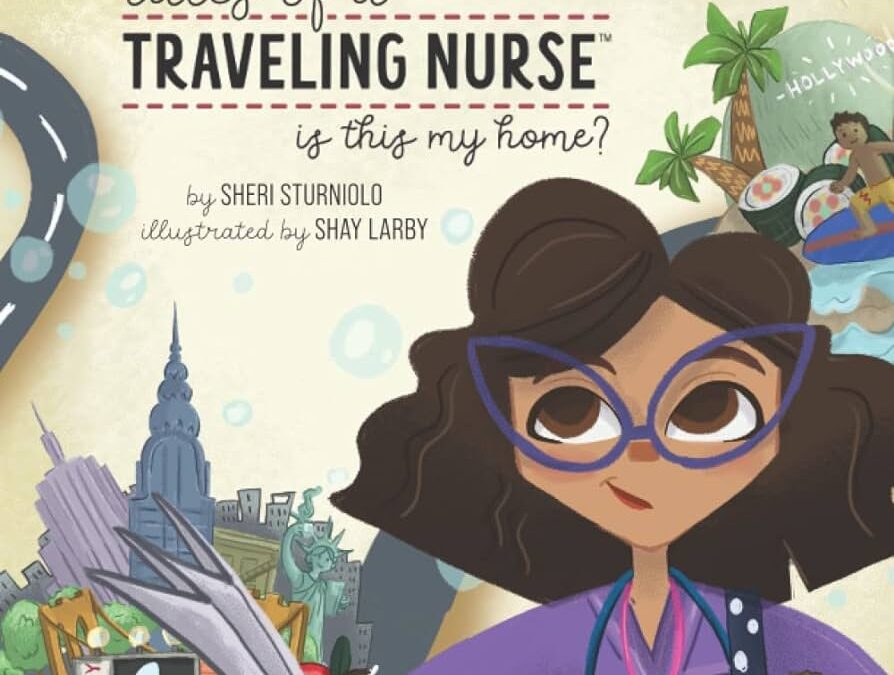
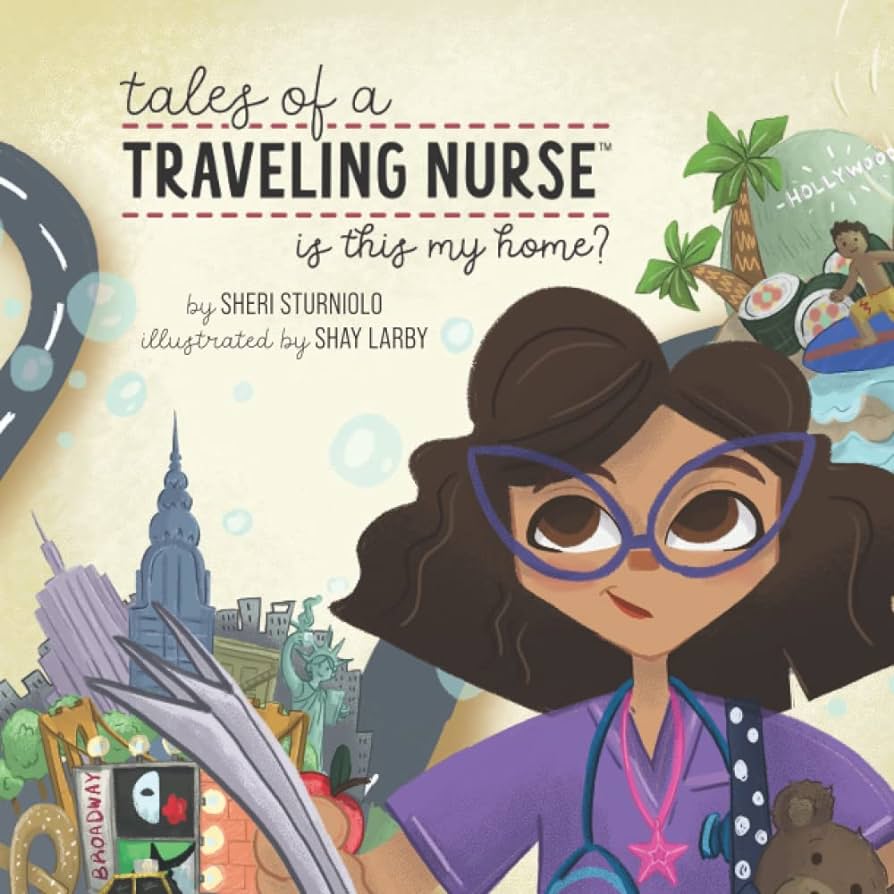
Children at the elementary level will probably enjoy this book as they look at a career that is new to them, as it was for me: Tales of a Traveling Nurse. They will be able to follow her stops in several different states in the United States as she travels in her work as a pediatric nurse and, as she says, “an explorer.” The illustrations are full of color and images of the many experiences that she describes. The author uses rhyming to add interest to the text. This book comes in paperback, hardcover, and board book versions, as well as on Kindle. It can be purchased at amazon.com and other bookstores.
The Benefits of Your Toddler Moving into the Primary Level
The Importance Of Bring Art Literacy Into Your School
To continue reading, you will need to choose a subscription plan.
What will your answer be in January 2026?
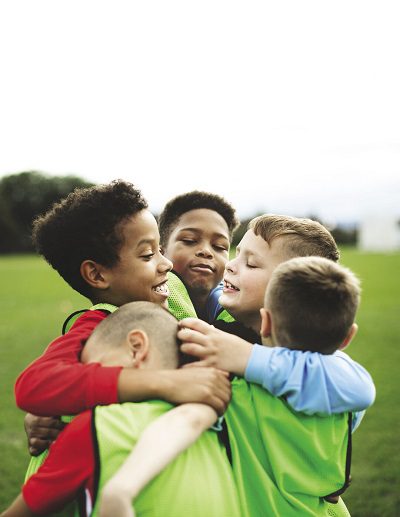
NUTRITION, EXERCISE & HEALTH EFFECTS IN NEUROSCIENCE & LEARNING NUTRITION, EXERCISE, & HEALTH Part One
by Nicole Allsop, Registered Dietitian and Montessori Educator
In the classroom, many experiences are shared by children, families, and teachers. Success depends on many factors, with health and well-being playing major roles. The more one delves into this, the clearer it becomes how impactful these factors are and how crucial it is to include them in observation categories. Early detection would make significant differences, and the benefits would be far-reaching. Understanding the connection would allow families to collaborate more effectively, benefiting everyone involved. Research-based evidence provides the foundation for demonstrating the strong relationship between health and learning, as well as the consequences of neglecting it. This article draws on scientific evidence to support health education.
Diseases, ailments, high levels of stress, and sleep deprivation (both in terms of hours and quality) have negative consequences that show up in the classroom in various ways: irritability, loss of focus, lack of concentration, low productivity, and absenteeism, to name a few. Many lifestyle or non-communicable diseases, which can often be minimized or eradicated, affect our ability to function optimally and manage life’s stressors.
From a professional perspective, it would be remiss to focus solely on neuroscience and learning without considering other factors that ultimately affect the brain and have a negative domino effect on learning. Poor nutrition, lack of exercise, and weakened health status adversely affect brain function, leading to an inability to learn effectively. Therefore, this article discusses neuroscience alongside other health issues, including neuro disorders, mood disorders, non-communicable diseases, stress, and sleep deprivation. These affect not only children but also the adults in their environment, who serve as role models in both direct and indirect learning. As Julia Volkman notes, “Our brains physically adapt as we strive to be like the people around us.”
Teachers are part of the child’s environment and learning process, so they must take the time to care for themselves, preparing both physically and mentally to serve children in a healthy way and set a good example. As Dr. Maria Montessori wrote, “Now the adult himself is part of the child’s environment” (The Secret of Childhood). A teacher in poor health will create a ripple effect on a child’s learning. How can one think clearly, or manage a frustrated child or parent, when one is ill? When internally distracted or sick, how can one concentrate, be observant, or fully present? A teacher’s absenteeism, mood changes, dehydration, or weakened immune system can negatively impact their interactions with students. In turn, frustrated moments affect a student’s learning as they try to cope with how they are feeling.
Children observe and often mimic the behaviors of adults around them. As Montessori said, “The child reproduces in himself, as by a form of psychic mimesis, the characteristics of the people in his environment.” It is vital to understand lifestyle diseases and the habits responsible for them. Young children, lacking the maturity to fully identify or express their feelings or underlying problems, are not in control of these factors. A poor or skipped breakfast or dehydration, will leave children irritable, unfocused, or misbehaving—not because they are inherently disruptive, but because their brain and body are not adequately nourished.
A common sign of dehydration is a headache, and no one can focus with a headache. According to Adan in Cognitive Performance and Dehydration, “being dehydrated by just 2 percent impairs performance in tasks that require attention, psychomotor skills, and immediate memory, as well as one’s subjective state.” Furthermore, research by Popkin et al. notes that “physical performance decrements in athletes have been observed with as little as 2 percent dehydration. Under mild dehydration, individuals engaging in rigorous physical activity experience reduced endurance, increased fatigue, altered thermoregulation, reduced motivation, and increased perceived effort.” Rehydration reverses these deficits and reduces oxidative stress induced by exercise and dehydration (Popkin, Barry M., et al., 2010).
These factors should not be overlooked and should be added to our checklist of concerns. Waiting to feel thirsty is a bad habit; thirst means the body is already dehydrated to some degree. Thirst equals dehydration. Throughout the day, we can become so engrossed in activities that we forget to drink water. This can also happen during a child’s work cycle, so it’s important to allow frequent water breaks and make conscious efforts to build hydration into the classroom routine. The table shows the adequate daily fluid intake in milliliters.
Water Requirements In Relation To Energy Recommendations

AI for total fluids derived from dietary reference intake for water, potassium, sodium, chloride, and sulfate. Ratios for water intake based on the AI for water in liters/day calculated using EER for each range of physical activity. EER adapted from the Institue of Medicine Dietary Reference Intakes Macronutrients Report, 2002.
The Role of Nutrition and Hydration
Many parents know the importance of breakfast, but it’s easy to overlook just how vital it is to your child’s school day. Skipping breakfast or eating sugary, processed foods can leave children feeling tired, irritable, and unable to concentrate. They may “misbehave” simply because their brains aren’t getting the nutrients they need.
Dehydration can also cause problems. Just a small amount of dehydration—about 2 percent—can lead to headaches and make it hard to focus. Research shows that dehydration affects children’s attention span, memory, and even their ability to complete simple tasks. To avoid this, encourage your child to drink water regularly throughout the day, not just when they feel thirsty. Once you feel thirsty, you’re already somewhat dehydrated. So, building regular water breaks into your child’s routine can make a big difference in their ability to stay focused and calm during the school day.
Practical Tips for Parents
• Start the day with a healthy breakfast. A balanced meal with protein, whole grains, and healthy fats will give your child lasting energy.
• Encourage regular water intake. Send children to school with a water bottle and remind them to drink regularly.
• Promote physical activity. Regular exercise not only keeps children fit but also helps them concentrate better in school.
• Ensure adequate sleep. A consistent sleep routine is vital for brain function and emotional regulation.
• Model healthy habits. Children are always watching, so if you prioritize your own health, they’re more likely to follow suit.
Healthy children are better learners. Small changes in your child’s daily habits can significantly impact their ability to focus, stay calm, and thrive in school.
Look for Part 2 in the next issue.
Reference
Adan, A. “Cognitive Performance and Dehydration.” Journal of the American College of Nutrition, U.S. National Library of Medicine, pubmed.ncbi.nlm.nih. gov/22855911/.
Montessori, Maria – Discovery of the Child, The Secret of Childhood, The Absorbent Mind, and The London Lectures 1949.
Popkin, Barry M., et al. “Water, Hydration, and Health.” Nutrition Reviews, U.S. National Library of Medicine, August 2010, www.ncbi.nlm.nih.gov/pmc/ articles/PMC2908954/.
Volkman, Julia. “Stuff by Julia.” Maitri Learning, www.maitrilearning.com/pages/learning-center.
“Brain Development.” ZERO TO THREE, www.zerotothree.org/espanol/brain-development.
Nicole Allsop is a registered dietitian nutritionist, exercise professional, and Montessori educator. She is part of the NewGate community, and has a keen interest in building habits for a lifetime of wellness in families. She has authored books that can be purchased on The Montessori Library website: www.montessorilibrary.com
Tomorrow’s Child – DECEMBER 2024 Digital Issue
Gratitude in Leadership: Honoring Those Who Shape Us
Montessori Schoolkeeping – Leading Your Learning Community to Sustained Excellence with special guest and author John Moncure

Book Reviews – December 2024

IF I Were A Bear
Written by Shelley Gill
Illustrated by Erik Brooks
This is an interesting little board book. All the different types of bears look very friendly, almost as if they could be your pet. The content is written in rhyme, based on some facts about them. It is probably enjoyable for children 2-4 years old.

A Salmon for Simon
Written by Betty Waterton
Illustrated by Ann Blades
This story is set in a little sea town on the western shore of Canada. It’s about a young boy who finds himself in an uncomfortable position, where he has to choose between his desire to catch a salmon or to save the life of this amazing animal. The illustrations are gorgeous and the text is smooth, engaging, and full of interesting things about the salmon and the sea life. Children 5 to 8 years old will enjoy the story and would love to engage in thinking and talking about why Simon decided to help the salmon back to the sea.

Backyard Birding for Kids: A Field Guide & Activities
Written & Illustrated by Fran Lee
This is a great little paperback book for grownups and children to read and do activities together. It includes all different environments: urban; suburban; rural; sea shores; mountains; prairies; warm; temperate; or cold. There’s lots of good information for children about birds and their habitats, as well as activities that children can do to attract birds, to understand birds, and to appreciate and support bird life.
With the help of adults, children from 5-9 years old could become engaged in learning about these wonderful animals.

Meeting Natives with Lewis and Clark
Written by Barbara Fifer
I can remember as a late elementary/ early middle school child being fascinated by Native Americans: their lives, homes, food, music, beliefs, etc. This book reminds me of the kinds of books I devoured back then. Barbara Fifer seems to have done her homework on this one. The photos and illustrations are documented. Quotations are from the Journals of the Lewis and Clark Expedition.
She introduces each tribe of native Americans as Lewis and Clark traveled for three long years across what is now the USA. I would recommend this book as a resource for Upper Elementary as well as Middle School classrooms as Book they study our country’s history. I would also encourage parents and caregivers to add this book to their home library. It can be purchased online.

Teaching Montessori Science: 9 Practical Strategies to Engage Children in Hands-on STEAM Activities
Written by Jackie Grundberg
Wow! What an amazing tool for teachers, parents, and caregivers alike. The author has put together a combination of learning experiences designed with adults and elementary children in mind for school or home. The book is well illustrated, the content is backed up by current research, and the principles are Montessori-based. There couldn’t be a better combination.
Even if you only read the first chapter (which I am not suggesting), “The Benefits of Hands-on, Interactive Science Lessons,” you will gain a better understanding of the purpose of the book and will already have multiple examples of (and instructions for) science activities to do with children. However, I would not recommend that because you will be missing out on all the rest of the other great lessons in this book. You will definitely want to add this book to your teachers’ resources at schools or in your home resource center for homeschoolers.
You can purchase this book at www. backpacksciences.com or other online bookstores.

The Camping Trip
Written by Jennifer K. Mann
Ernestine was so lucky to be invited to go on her first-ever camping trip with her Aunt Jackie and cousin Samantha. Her dad helped get all the things on Aunt Jackie’s list. They even made trail mix granola together.
As they drove out of the city, Ernestine hoped her dad wouldn’t miss her too much. They had lots of adventures with swimming, hiking, sleeping in a tent, food — nothing was like what she was used to at home. The illustrations are terrific — sort of like pages from a comic book. Turns out, Ernestine loved her trip even though she was a bit reticent at first. When she arrived home her dad gave her a big hug. She thinks that he missed her. It ends with her and her dad walking away and Ernestine asking him, “Have you ever tried s’mores?”
Wonderful book about trying new things even though they may be different from what we’re used to and having a great time! I suggest that children 5-9 years old would love this book.
We would love to publish reviews of your favorite books. Send book reviews to Lorna at: lornamcgrath@montessori.org
Featured
-
 The Montessori Way, Revised and Expanded: An Education for Life; A Comprehensive Guide for Parents and Teachers
$25.00
-
The Montessori Child: A Parent's Guide to Raising Capable Children with Creative Minds and Compassionate Hearts (The Parents' Guide to Montessori)
$20.00
-
The Montessori Toddler: A Parent's Guide to Raising a Curious and Responsible Human Being (The Parents' Guide to Montessori)
$20.00
-
Montessori in Action: Building Resilient Montessori Schools 1st Edition
$29.95
-
Bulk Order, 30 Copies of Montessori for Every Family: A Practical Parenting Guide To Living, Loving, And Learning
Original price was: $600.00.$510.00Current price is: $510.00.
Products
-
The Montessori Way, Revised and Expanded: An Education for Life; A Comprehensive Guide for Parents and Teachers
$25.00
-
The Montessori Child: A Parent's Guide to Raising Capable Children with Creative Minds and Compassionate Hearts (The Parents' Guide to Montessori)
$20.00
-
The Montessori Toddler: A Parent's Guide to Raising a Curious and Responsible Human Being (The Parents' Guide to Montessori)
$20.00
-
Montessori in Action: Building Resilient Montessori Schools 1st Edition
$29.95
-
Bulk Order, 30 Copies of Montessori for Every Family: A Practical Parenting Guide To Living, Loving, And Learning
Original price was: $600.00.$510.00Current price is: $510.00.