This book brings new light to the children’s song about an itsy-bitsy spider! The illustrations are action packed, the spider is persistent, and in the process Itsy not only builds a new house but makes new friends as well. The words to the song are written out at the end of the book. Fun to read, fun to sing, and fun to imagine! I would recommend this book for children 2 to 7 years old.
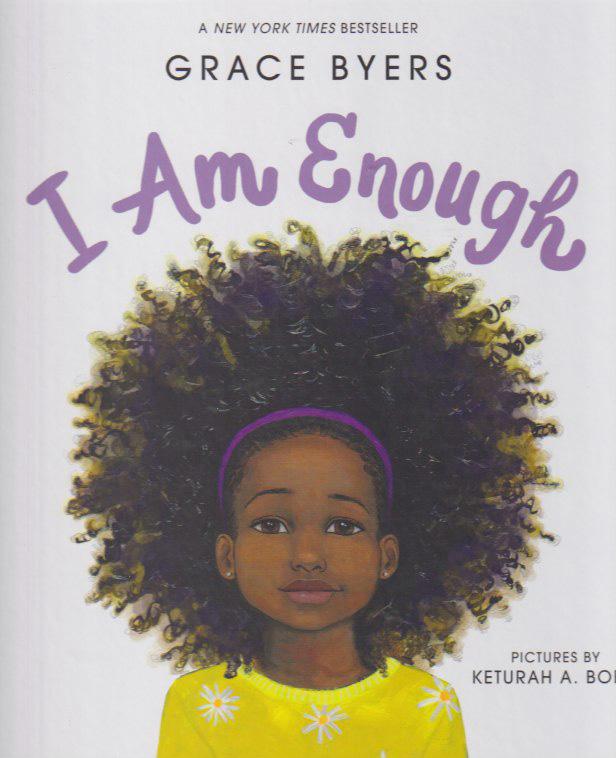
Written by Grace Byers, Illustrated by Keturah A. Bobo
I am enough. What does that mean? Enough what?
The author, Grace Byers, describes in rhyme what she means by the title. Young children love rhyming, and they will love the rhythm of the words in this book. It is beautifully illustrated with realistic drawings of girls of all kinds. Yet, it is a book for boys and girls that sends messages about loving oneself, respecting others, and being kind to one another. Highly recommended for children from 3 to 8 years old. It is available from most book sellers.
Back to Work After Baby: How to Plan and Navigate a Mindful Return from Maternity Leave
Written by Lori K. Mihalich-Levin, JD
Let’s face it, the vast majority of parents have (or want) to go back to work sooner or later and it’s really difficult to find a guide for how to do that in the most healthy and practical way possible. The author wrote this book specifically with moms in mind and from a mom’s perspective. However, I think that any parent or primary caregiver, who is about to go back to work after family leave, would benefit from the ideas and suggestions in it.
My suggestion to readers who are not female, and the birth mother is, try not to be distracted or to become defensive or offended by some of the language and ideas specifically for “mommies.” If you can extrapolate the messages she is making, you will probably get some very useful information from this book.
Back to Work After Baby addresses both the reader’s “soft side” (the emotions that often accompany returning to work) and “hard side” (the logistics that must be figured out for the return). It is well organized, and the reader can easily access the specific areas of interest. Chapters include:
• A Mindful Mindset for Return
• All Those Logistics
• Turning Leave into Leadership
• Building Community
Whether this is your first child or any number after that, you will find information, ideas, and understanding in this book. You can purchase it from most booksellers.
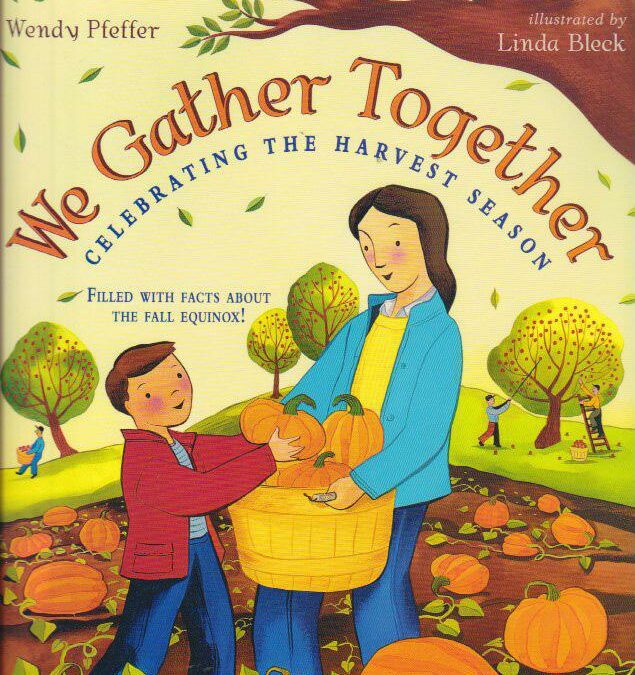
We Gather Together: Celebrating the Harvest Season
Written by Wendy Pfeffer, Illustrated by Linda Bleck
Wendy Pfeffer is one of my favorite children’s book writers. As usual, I really appreciate how she not only tells interesting stories but also helps children learn about scientific events, such as the fall equinox and the history of humans around the world. We Gather Together is no exception, and it is wonderfully illustrated by Linda Bleck.
I loved reading about harvest celebrations around the world and their history. However, I am a bit skeptical about the description of the United States legend concerning the Pilgrims and Native Americans. Please read the two-page spread in advance before reading to your children, then decide for yourself whether to read it as written. I would recommend this book for children 4 to 8 years old.
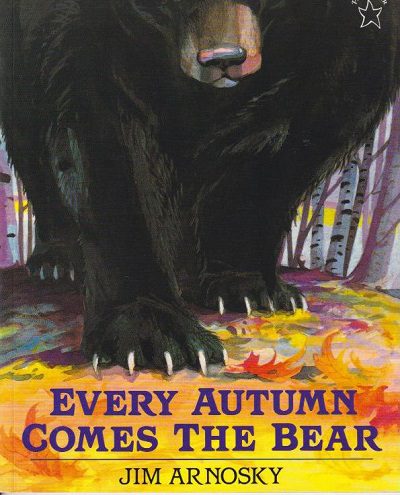
This is a beautifully written and illustrated book by Jim Arnosky. It is a story of autumn and wildlife in the wilderness, as a bear gets ready for winter hibernation. It is perfect for setting the stage for more in-depth research into the life of wild animals in the Northern hemisphere. Children may be curious about hibernation. They may ask questions like, “Do other animals hibernate or just bears?” “How can they sleep so long?” “Don’t they get hungry?” What do other animals do during winter?” It made me very curious about the lives of bears and other animals. I would recommend this book for children ages 4 to 8 years old.
Whenever I think of summer, I think of National Parks, hiking in the woods, climbing mountains, enjoying beautiful waterfalls, the smell of campfires, and I could go on about appreciating the joy of being outdoors! So, when I saw this series of books, I wanted to find out what there was to it.
I’ve just read Yosemite #7, and I wasn’t disappointed. In fact, I bought the series of seven books for my just-turned-7-year-old grandson. They are reminiscent of the Nancy Drew, Hardy Boys, or The Boxcar Children in that it is a series of adventures. In each book, the setting is a different National Park in the USA with the same family enjoying each other, learning new things, and solving mysteries along the way.
In this particular one, the family went on a trip to Yosemite National Park in search of a hidden treasure. They soon found that they were not alone. that they were not the only ones there. Due to a forest fire, there were many other people working to fight the fire.
The fire also caused a herd of over 200 wild horses to flee from their normal habitat. The children rescued an injured foal that had not been able to keep up with the rest of the herd. It’s quite an exciting and emotionally charged story. I’m not going to give away the end of the story. You and your child will have to read it together. There’s lots to talk about. If the rest of the series is similar, I think any Elementary child will want to read them. Five- and six-year-olds will love reading them with you as well.
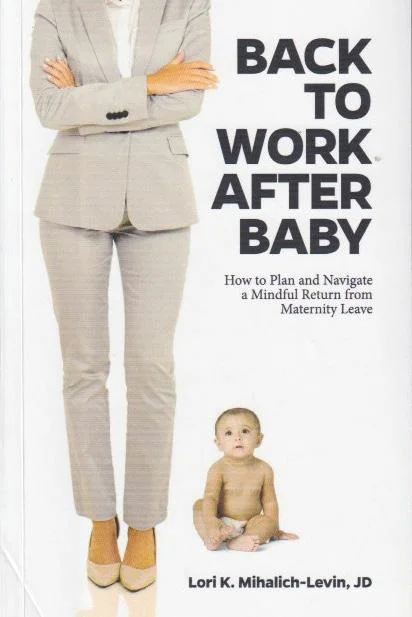
Back to Work After Baby: How to Plan and Navigate a Mindful Return from Maternity Leave
Written by Lori K. Mihalich-Levin, JD
Let’s face it, the vast majority of parents have (or want) to go back to work sooner or later and it’s really difficult to find a guide for how to do that in the most healthy and practical way possible. The author wrote this book specifically with moms in mind and from a mom’s perspective. However, I think that any parent or primary caregiver, who is about to go back to work after family leave, would benefit from the ideas and suggestions in it.
My suggestion to readers who are not female, and the birth mother is, try not to be distracted or to become defensive or offended by some of the language and ideas specifically for “mommies.” If you can extrapolate the messages she is making, you will probably get some very useful information from this book.
Back to Work After Baby addresses both the reader’s “soft side” (the emotions that often accompany returning to work) and “hard side” (the logistics that must be figured out for the return). It is well organized, and the reader can easily access the specific areas of interest. Chapters include:
• A Mindful Mindset for Return
• All Those Logistics
• Turning Leave into Leadership
• Building Community
Whether this is your first child or any number after that, you will find information, ideas, and understanding in this book. You can purchase it from most booksellers.
The Hug Who Got Stuck
Written by Andrew Newman, Illustrated by Alexis Aronson
Our friend and author Andrew Newman has added another bedtime book to the collection, including Snuggle Breathing. This is a lovely story for just before going to sleep about the power of hugs to help ourselves and others stay disentangled from negative thoughts. It also reminds us that hugs have a ripple effect in our families and throughout the world.
This whole series by Andrew is filled with books that help children fill their minds with positive, warm emotions when they are getting ready for a peaceful night’s sleep. They are available from www. consciousstories.com.
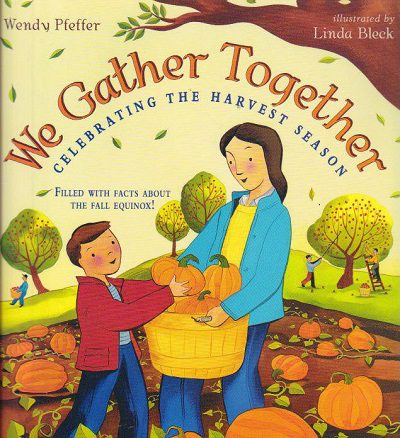
We Gather Together: Celebrating the Harvest Season
Written by Wendy Pfeffer, Illustrated by Linda Bleck
Wendy Pfeffer is one of my favorite children’s book writers. As usual, I really appreciate how she not only tells interesting stories but also helps children learn about scientific events, such as the fall equinox and the history of humans around the world. We Gather Together is no exception, and it is wonderfully illustrated by Linda Bleck.
I loved reading about harvest celebrations around the world and their history. However, I am a bit skeptical about the description of the United States legend concerning the Pilgrims and Native Americans. Please read the two-page spread in advance before reading to your children, then decide for yourself whether to read it as written. I would recommend this book for children 4 to 8 years old.
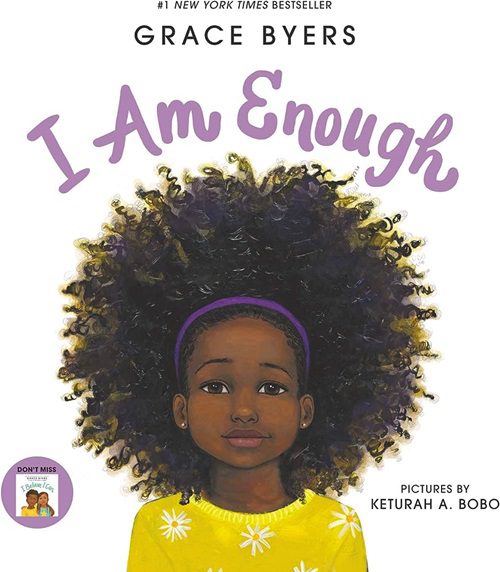
I Am Enough
Written by Grace Byers, Illustrated by Keturah A. Bobo
I am enough. What does that mean? Enough what?
The author, Grace Byers, describes in rhyme what she means by the title. Young children love rhyming, and they will love the rhythm of the words in this book. It is beautifully illustrated with realistic drawings of girls of all kinds. Yet, it is a book for boys and girls that sends messages about loving oneself, respecting others, and being kind to one another. Highly recommended for children from 3 to 8 years old. It is available from most book sellers.
Every Autumn Comes the Bear
Written by Jim Arnosky
This is a beautifully written and illustrated book by Jim Arnosky. It is a story of autumn and wildlife in the wilderness, as a bear gets ready for winter hibernation. It is perfect for setting the stage for more in-depth research into the life of wild animals in the Northern hemisphere. Children may be curious about hibernation. They may ask questions like, “Do other animals hibernate or just bears?” “How can they sleep so long?” “Don’t they get hungry?” What do other animals do during winter?” It made me very curious about the lives of bears and other animals. I would recommend this book for children ages 4 to 8 years old.
A Handwashing Story: Told with Tiny Hands
Written by Pat Prisk, Illustrated by Jason D. McIntosh
This is a wonderfully fun, imaginative story of getting cleaned up! The illustrations are very colorful and fanciful! They make cleaning up a joyful adventure rather than drudgery. Pat Prisk shows (down in the corner of each page) the steps to washing hands. She then reinforces the process by putting each of the steps to handwashing on one page at the end of the book. She also includes ideas for parents, caregivers, and other adults involved in caring for children. I think youngsters 2 to 7 years old will love this book.
Montessori: A Dictionary for Families
Written by Faye Lundberg
This book is a paperback booklet originally created to fill a need in the author’s school. She found that parents were interested in knowing more about their child’s classroom experience. Her idea was to share information about the basic principles of a Montessori classroom and the activities within the 3–6-year-old (Early Childhood) classroom.
Ms. Lundberg briefly describes each curriculum area and then some of the key lessons in those areas. She has included photos of the materials along with their descriptions. She has also added a short biography of Dr. Montessori and some ideas for the home.
This is a great little tool to get parents started in their knowledge and understanding of Montessori at the Early Childhood level. You can purchase this booklet at amazon.com.
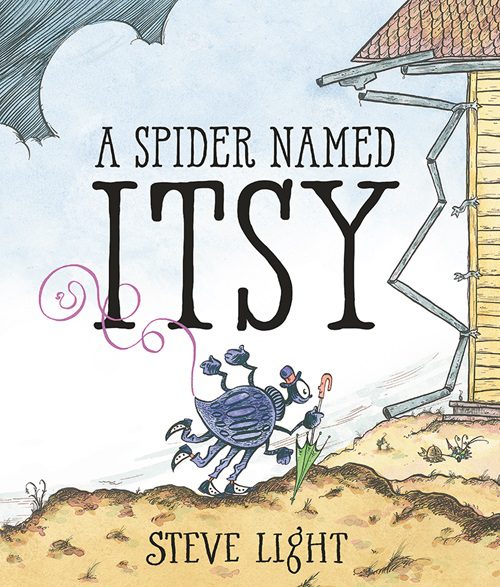
A Spider Named Itsy
Written by Steve Light
This book brings new light to the children’s song about an itsy-bitsy spider! The illustrations are action packed, the spider is persistent, and in the process Itsy not only builds a new house but makes new friends as well. The words to the song are written out at the end of the book. Fun to read, fun to sing, and fun to imagine! I would recommend this book for children 2 to 7 years old.
Calling all teachers, parents, & children!
We would love to publish reviews of your favorite books. Send book reviews to Lorna at: lornamcgrath@montessori.org
Maria Montessori Speaks to Parents: A Selection of Articles
Written by Maria Montessori
Maria Montessori spent the vast majority of her professional life working with teachers, developing her innovative educational method. She devoted most of her energy to writing about the Method for teachers. However, she also spent some time during her courses and lectures to address parents. Within the pedagogical archives of Maria Montessori’s original work, several articles were found that have a style and content that was certainly written for parents. It is possible, and even likely, that these articles were written in 1931.
This book contains eleven short articles to help parents understand, in broad strokes, Montessori’s views on how children learn and the role that parents play in supporting their children’s development. It is an interesting collection of articles with clear and exact messages to parents. When I read each one, I had to put the book down and really contemplate her meaning and message. Maria Montessori’s style of writing is different from writers in the 21st century, but her message about children absolutely holds true today. This book is available through Amazon.
We would love to publish reviews of your favorite books. Send book reviews to Lorna at: lornamcgrath@montessori.org
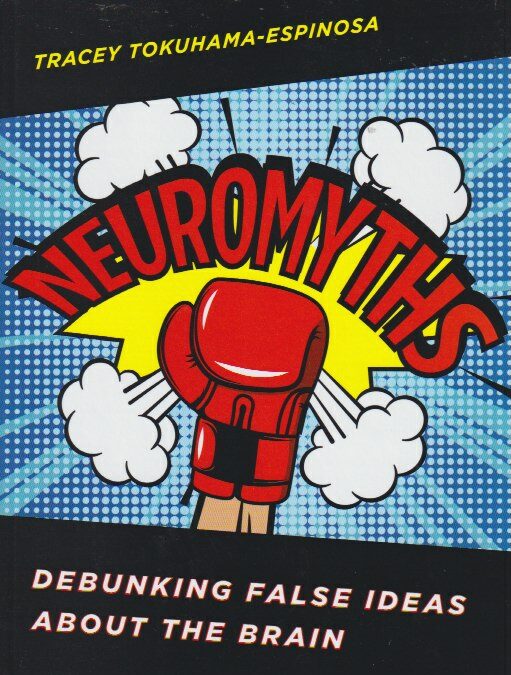
Have you ever explained behavior using information you have known for so long that it must be true? As parents and teachers, we may aim to learn about brain development and what is happening as our child grows, and we may share some information that is not correct. In this book, Tracey Takuhama-Espinosa leads us through some of the myths we may have learned about the brain and brain development and gives us updated information we can use on the same topics.
This book is easy to read. For each myth, she explains the myth, where the myth comes from, and what we know now. We are not all neuroscientists, and she explains what is known now with that in mind. At the end of each section is ‘Why This is Good News for Teaching.’ In most cases, the information contained in these short sections can be applied to a class or a home.
Although we do not all have time to become a neuroscientist, reading this book can help us apply updated neuroscience information in our interactions with the brains we come in contact with regularly, including our own! Did you know that you have not missed your window for learning another language? Or that the idea of multitasking is more than one myth?
The last chapter gives us steps to recognize neuromyths (you will start to hear them everywhere) and avoid applying misinformation to the brains nearest and dearest to us. The short reminders are ways for us to practice applying the growing neuroscience information to our own lives and our family or students.
I recommend this book for all adults that have a brain and interact with others with brains.
Grammar Tells a Story: Transforming Literacy with Montessori Storytelling
Written by Michael J. Dorer
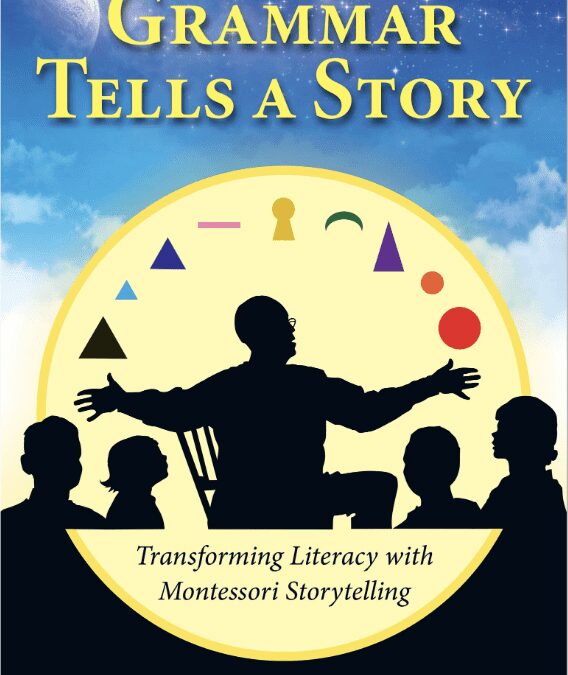
Montessori grammar lessons formally begin in the 3-6 program. As they move through Elementary Montessori education, grammar lessons usually have at least one complete shelf. Sometimes that shelf stays dustier than it should. For many Montessori guides and parents, formal grammar instruction was not a part of our own education. In his book, Michael Dorer describes that it was presented to him as a threat. It is no wonder many adults have the desire to avoid grammar and are amazed at how excited children are to work with grammar.
In Grammar Tells a Story Michael Dorer has helped many parents and teachers by presenting the organization of the grammar work with explanations in the first section of the book and following this up with more details before each story. If you are teaching at home or want to understand the work your child demonstrates to you, this material is very helpful. For those who feel grammar could be used as a threat, or just don’t understand why we need to learn about it, he has explained it so kindly and with humor.
The stories themselves are entertaining. They are not meant to be read directly from the book, but to be made your own. Change the names and gender as it works for your group. Practice a few times and suddenly you can share stories that further develop grammar skills and often get a laugh. Stories are a fun and memorable way to strengthen learning and connection. When you add grammar information to the stories, you are developing all sorts of areas of literacy.
This book is great for any classroom and for those at home who feel grammar is a bit scary. The book is available through Montessori Services and other booksellers.
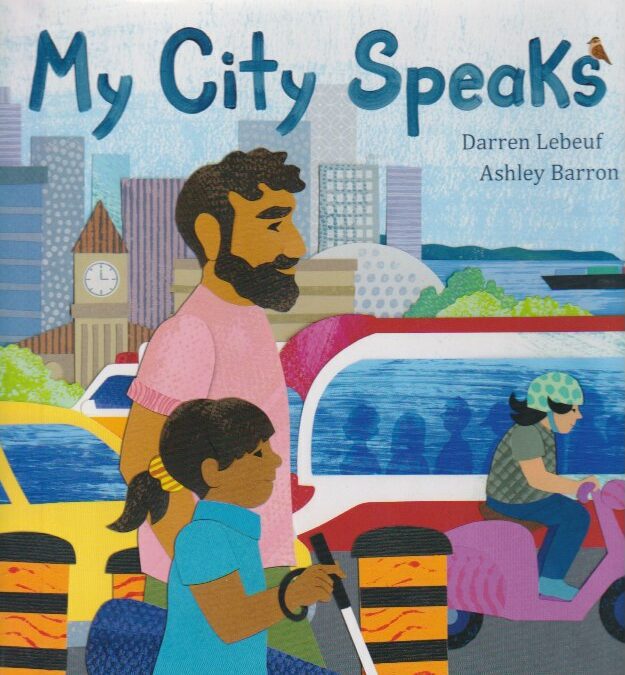
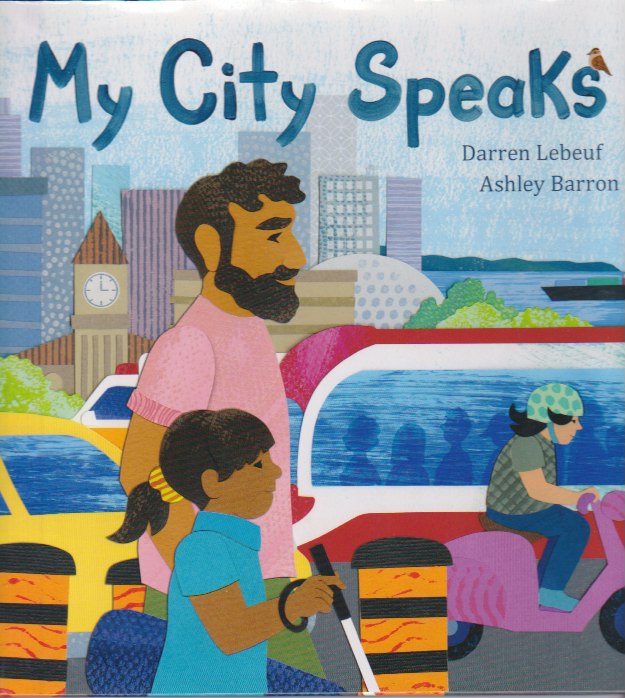
All of us use multiple senses as we go through our everyday lives. Many rarely think of how different, interesting, and beautiful life would be if one of those senses were impaired.
This is the story of a girl who experiences daily life more intensely through her sense of hearing than through her other senses. As she travels through the city to her violin recital, she offers us a glimpse into her world. The city is a place of many sights, sounds, and smells. But what if you had limited sight? Travel with her as she hears the city speak to her.
This richly illustrated book provides the reader with a moment to reflect on how we and others learn about and navigate the world we live in. It offers a refreshingly different perspective.
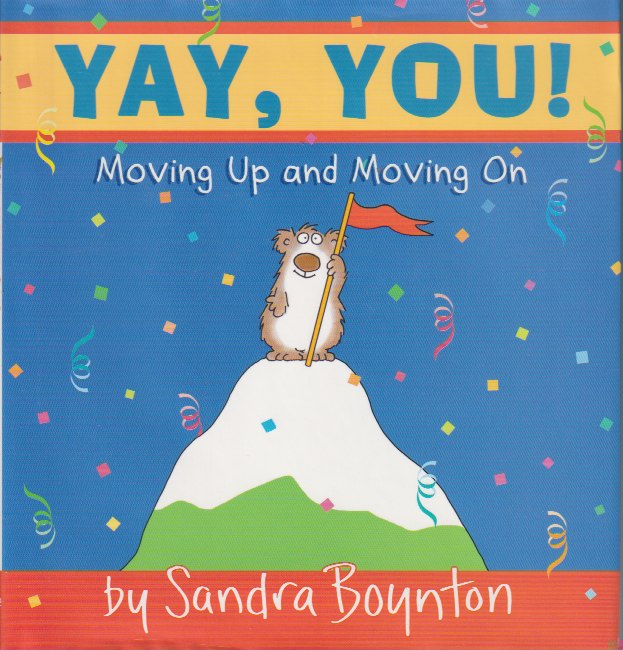
I got this book last year (just a little bit too late for the traditional graduation season) and kept hanging on to it until the season came again. Although, I suppose I could have written a review at any time of the year, as there’s no limit on when we can move up and move on.
I love this book because you can get it for a person at age six or twelve or eighteen or even fifty-six! Good, you finished something. What’s next? Yay, You! points out that there are lots of choices and plenty more to do. It’s filled with fun illustrations to let you know there’s plenty more to come. No pressure though. Just as there are all kinds of choices, there are all kinds of people, too. It asks the readers to explore who they are, what they want to do, how, and where they want to go as they continue their life’s journey.
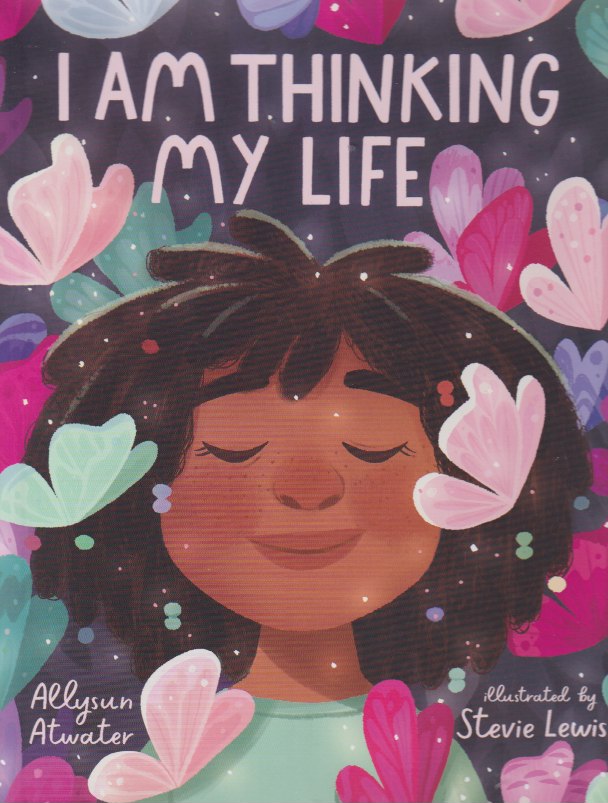
What powerful minds we have! We can create our lives as we want to with the power of thought. The ideas presented by the author are expressed lavishly through colorful, thoughtful, and full illustrations. Page after page excites the imagination and allows us to reflect on and absorb what it can mean to be able to make changes in our lives by the things we are thinking. Thought becomes action and reality, if we are aware of it and let it (for bad or for good). This is a book that shows us how hope and affirmations can guide us through storms as well as calms.
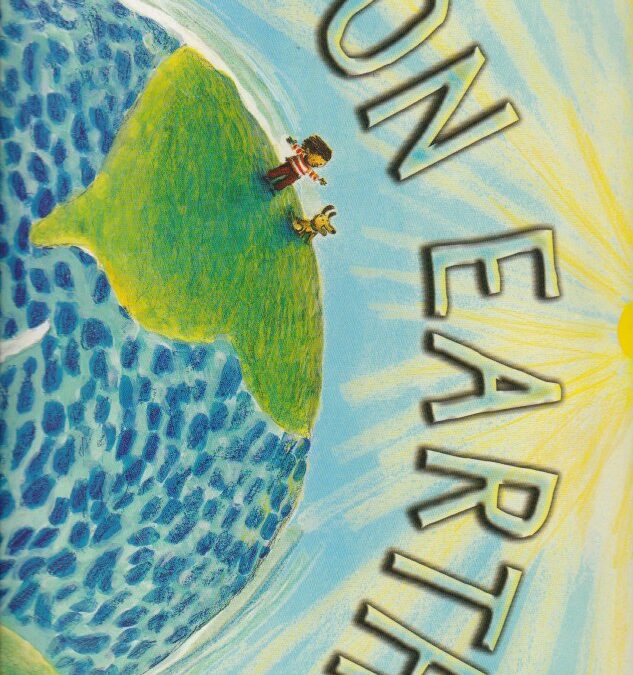
Springtime always makes me think about new beginnings and new hope for our lives and our planet. That reminds me of a song by a greatly loved Montessorian, Sanford Jones… at the beginning is a good place to be. what will each day bring for you and me? New life, new hope, new things to see, at the beginning is a good place to be!
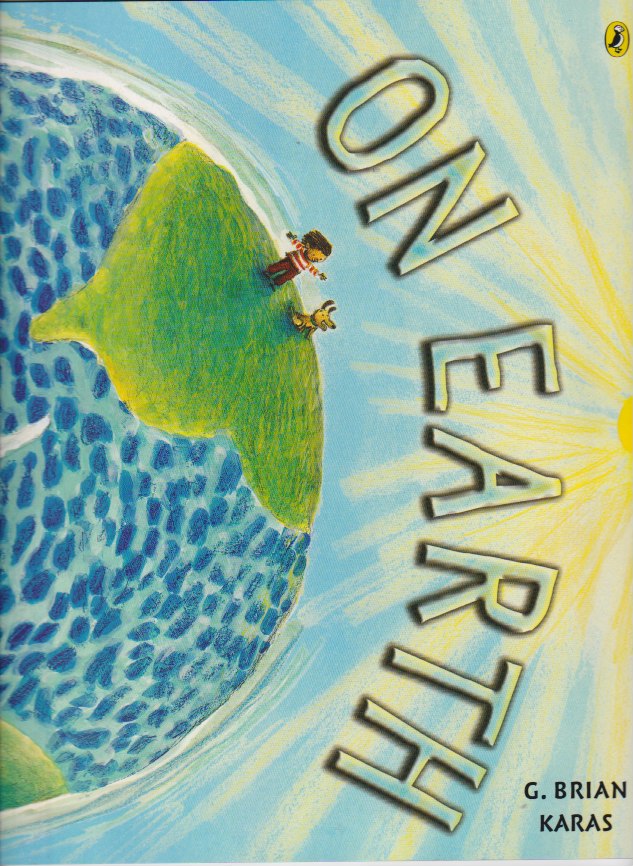
I digress. On Earth is a beautiful beginning to understanding about the Earth’s constant motion; how we measure it with calendars and candles; how we experience it with changes in the weather, and the amount of light in a day; how we made up points on the Earth like the equator and the north and south poles; what helps us stick to the Earth and not fall off. It’s filled with wonderful illustrations of all these things and begs us to do more with globes, flashlights, and imagination!
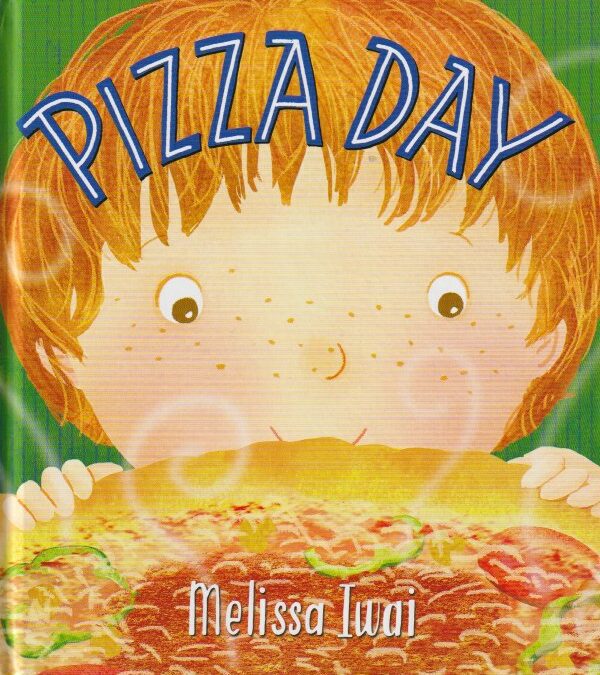
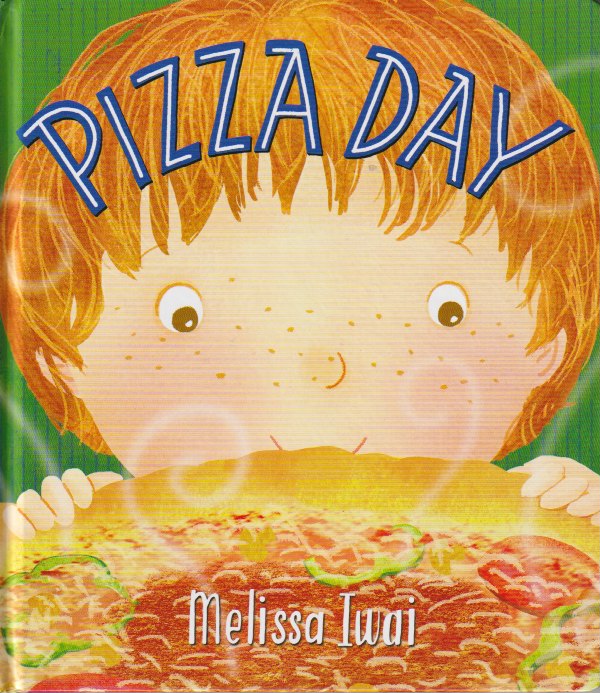
This is a wonderful hardcover book with sturdy, somewhat water-proof pages. The illustrations are richly colored and very realistic. The story is all about a boy and his dad spending time together while preparing for their delicious dinner. The author takes us back to planting the seeds for vegetables and herbs. Later, the boy harvests some of the fruits of the plants that are ripe and counts how many of each type they will need. The illustrations are there for your child to count as you read. Then the washing of the plants, the measuring, mixing, kneading, and rising of the dough. Meanwhile, the chopping takes place as the boy uses his senses to enjoy the smells of the fresh food. While the sauce is cooking and the dough is rising, dad, son, and family dog play outside and enjoy each other’s company.
It’s time for the dough to wake up. They punch it down and roll it out. The sauce is then awakened and blended. They are ready to put it all together and bake it in the oven. Wonderful, simple directions, and illustrations! As they wait for the pizza to bake, they play together some more, and mom makes a salad. When the pizza is done, the family enjoys the meal together! At the end of the book, there is a more detailed recipe for the sauce, the dough, and the “putting it together.” Think of all that this child has experienced — intellectually, emotionally, and sensorily — during the process of creating and sharing family time together at home.
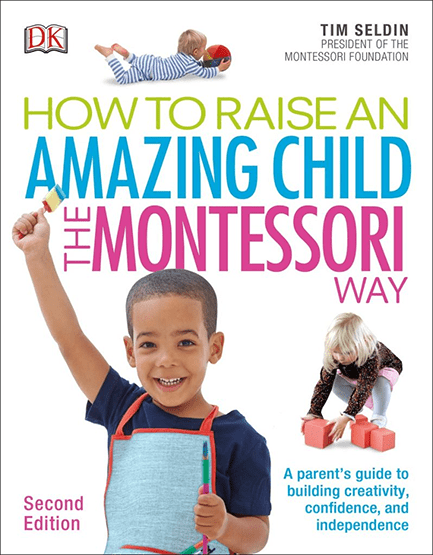
How to Raise an Amazing Child the Montessori Way: A Parent’s Guide to Building Creativity, Confidence, and Independence, second edition
By Tim Seldin
They say raising a child takes a village, and this book lets you include Tim Seldin and Maria Montessori in your village. This practical book takes you through why you would choose to invite the Montessori approach into your parenting practices and gives you ways to do so. The information helps you create opportunities for your child to learn, shows you what to expect, and shares neuroscience research explaining how these choices help your child’s brain.
In adapting Montessori teaching for easy use at home, Tim Seldin teaches us about Montessori and Montessori education without us needing to wade through jargon or change our homes into classrooms. At the same time, he explains what to expect in a Montessori classroom. Learning why sensory development is important and how to provide opportunities for this development in your home makes it easier to bring Montessori into your life.
As parents of young children, we can not always read through a book from cover to cover to get information. How to Raise an Amazing Child has a clear table of contents so you can just read the two pages devoted to making your home child-friendly, or read the whole section, there is no need to read the book in one sitting. At the back of the book is included a ‘Find an Activity’ guide that sorts activities by age which makes deciding what to change for your growing child very easy. The color-coding of sections and attractive photos are helpful for understanding the information given and finding information as needed.
We all want to support our children in building their creativity and confidence as well as gaining skills for independence. This book helps us learn to do that while understanding that every child is different and must have their needs met in ways that are not the same as their neighbor, sibling, or other children of adults reading this book.
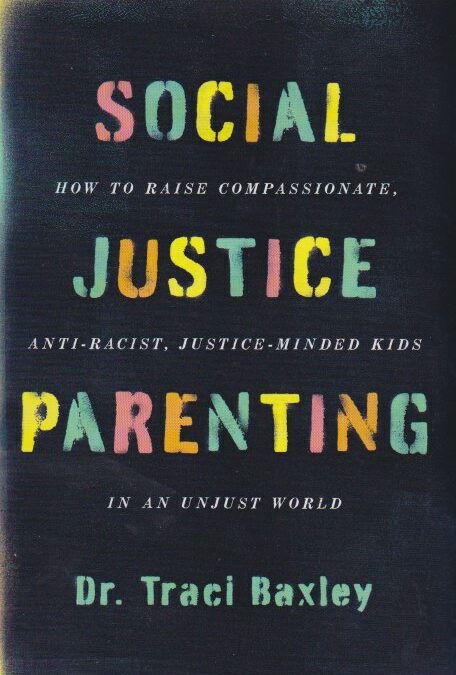
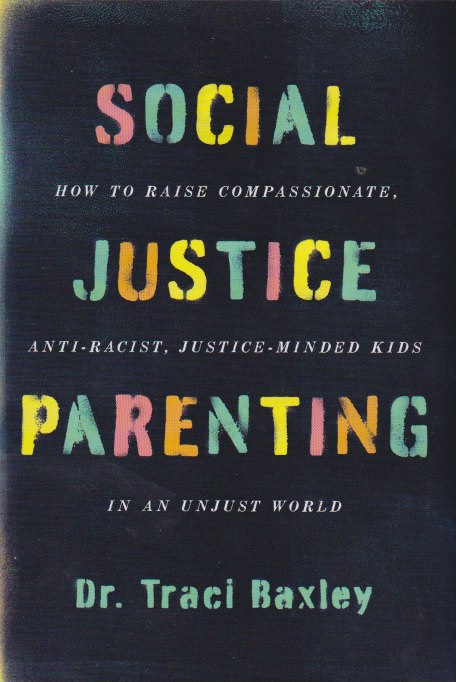
A friend of mine gave me a copy of this book, and I’m so glad that he did! Dr. Baxley is an interesting, honest, and insightful author. She has taken social justice and parenting (which makes some of us a bit uncomfortable) and delivered a book for parents and other caregivers for children. She has produced a work that not only goes straight to the heart of the American ‘legend’ that is more commonly known as American ‘history.’
Many of the ideas and strategies that Dr. Baxley espouses in her book are very much in alignment with Dr. Montessori’s pedagogical method and philosophy. She cites values such as: respect for self and others; giving children a voice; actively seeking change; problem solving as a family in preparation for problem solving in their community and country; and trusting intuition along with factual information as the main components for social-justice parenting. And she shares real life stories to demonstrate how to put these values into practice.
“Modeling Advocacy” is just one of the chapters in this book. The author states in many of the chapters that parents (adults) in children’s lives must model through their actions the values and principles that they want children to learn and practice in their lives. She states, “Self-education, effective communication, and maintaining a support system are the keys to self-advocacy.”
One of the main characteristics of Dr. Baxley’s writing is that she lets the reader know that parenting takes conscious awareness of ourselves and others, that it can be challenging, that she has made mistakes with her own children along the way, and that we can mend mistakes and move forward. Readers will feel encouraged, develop new parenting skills, and appreciate their own commitment to children and to helping make our world a better place to live for all people.
I highly recommend this book for your adult library and for parent or faculty discussion groups. It can be purchased from amazon. com and other booksellers.
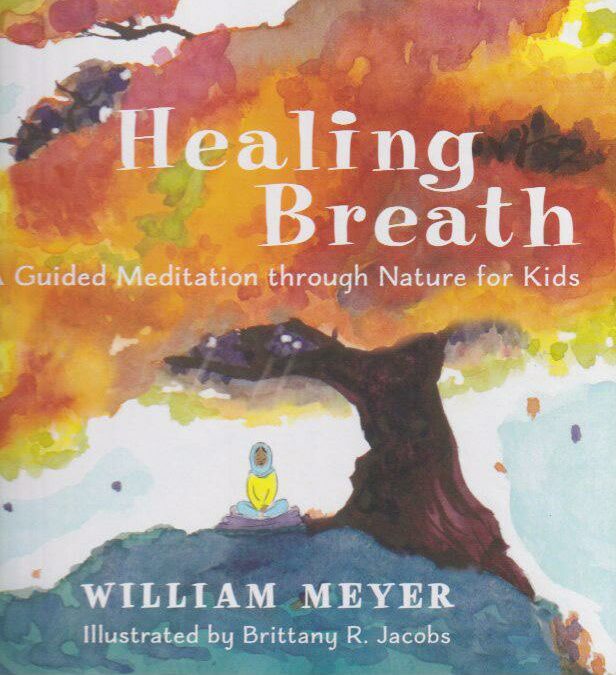
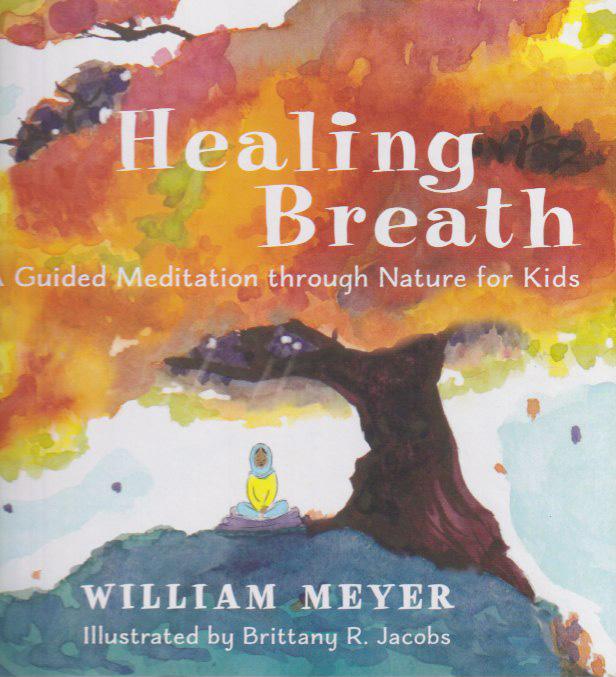
Healing Breath: A Guided Meditation through Nature for Kids
Written by William Meyer
Illustrated by Brittany R. Jacobs
Mr. Meyer wrote this book to help children release anxiety in general and more specifically about the condition of the planet through meditation. The illustrations are colorful and calming and they bring the author’s words to life. I would suggest that this book be presented to children during the elementary years, as these are the years of great imagination. They will need to use their great imaginations to picture the ideas and places in the meditation. They will also need to have had enough life experiences to use as a basis for this imagining.
If I were going to present this meditation to students or to one of my own children, I would definitely start them off with a shorter meditation or with practicing the Silence Game that we often use in Montessori schools. Depending on their comfort and skill levels, I would read the book aloud with children or let them read it to me. Seeing the illustrations and hearing the words will help children imagine the scenes when they actually go to meditation, close their eyes, and visualize the scenes the author describes.
I would also read the author’s words out loud, alone, before leading the meditation with children. Practicing this way will help me become familiar with the language, set my tone of voice, and determine the pace of reading.
This is a beautiful meditation and I think that elementary children will relax and enjoy this quieting practice.
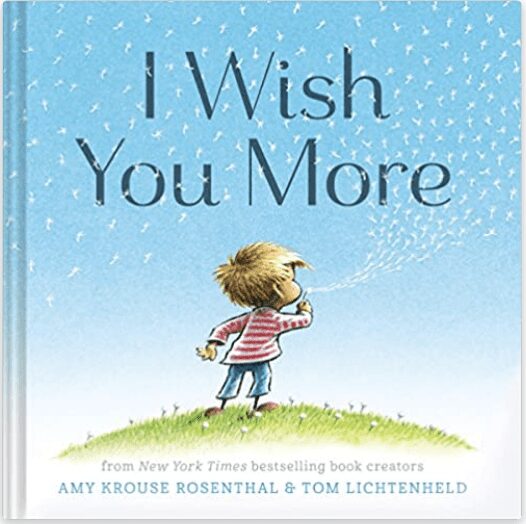
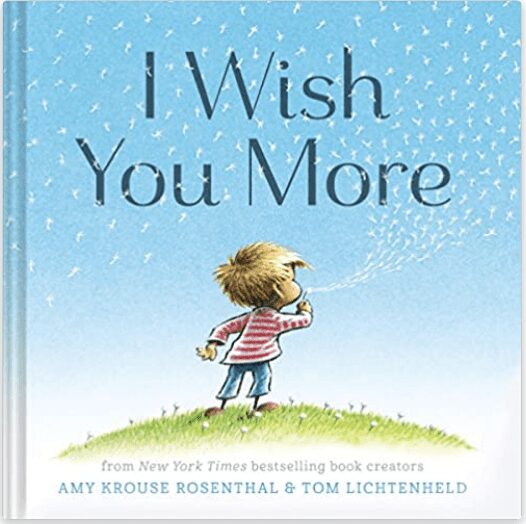
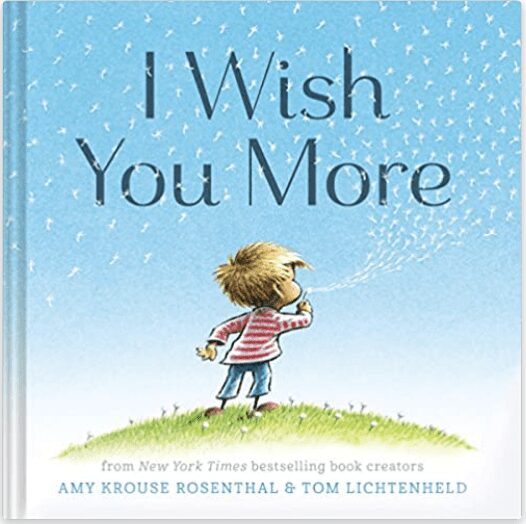
For the most part, we wish more good, kind, and together things for our children than the opposite. The illustrations are wonderful as they capture in very concrete ways the ideas in the text. It has few words and two-page spreads for each wish. That gives lots of room for talking about the illustrations. I would recommend this book for children two years old through young adults. It can be purchased from most book suppliers.
Membership in The Montessori Family Alliance means direct access to Montessori experts and other friends and parents of Montessori. Now, you have a one-stop resource for all of your Montessori needs. Brought to you by The Montessori Foundation.