


Flourishing: Think Outside the (Gender) Box
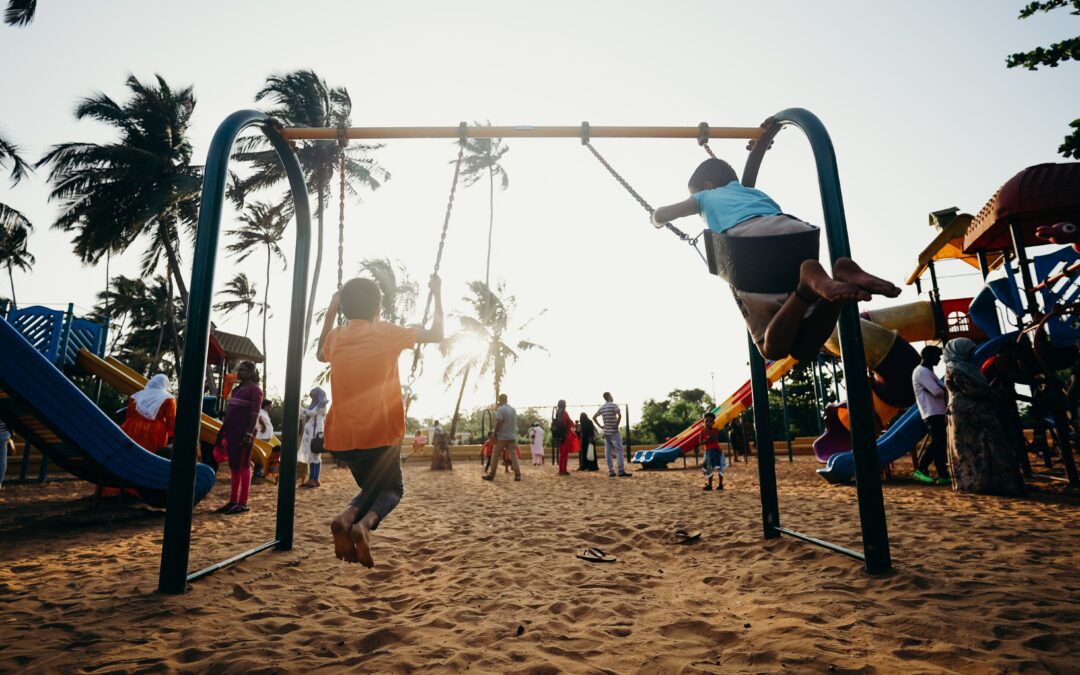
Have We Forgotten How to Play?
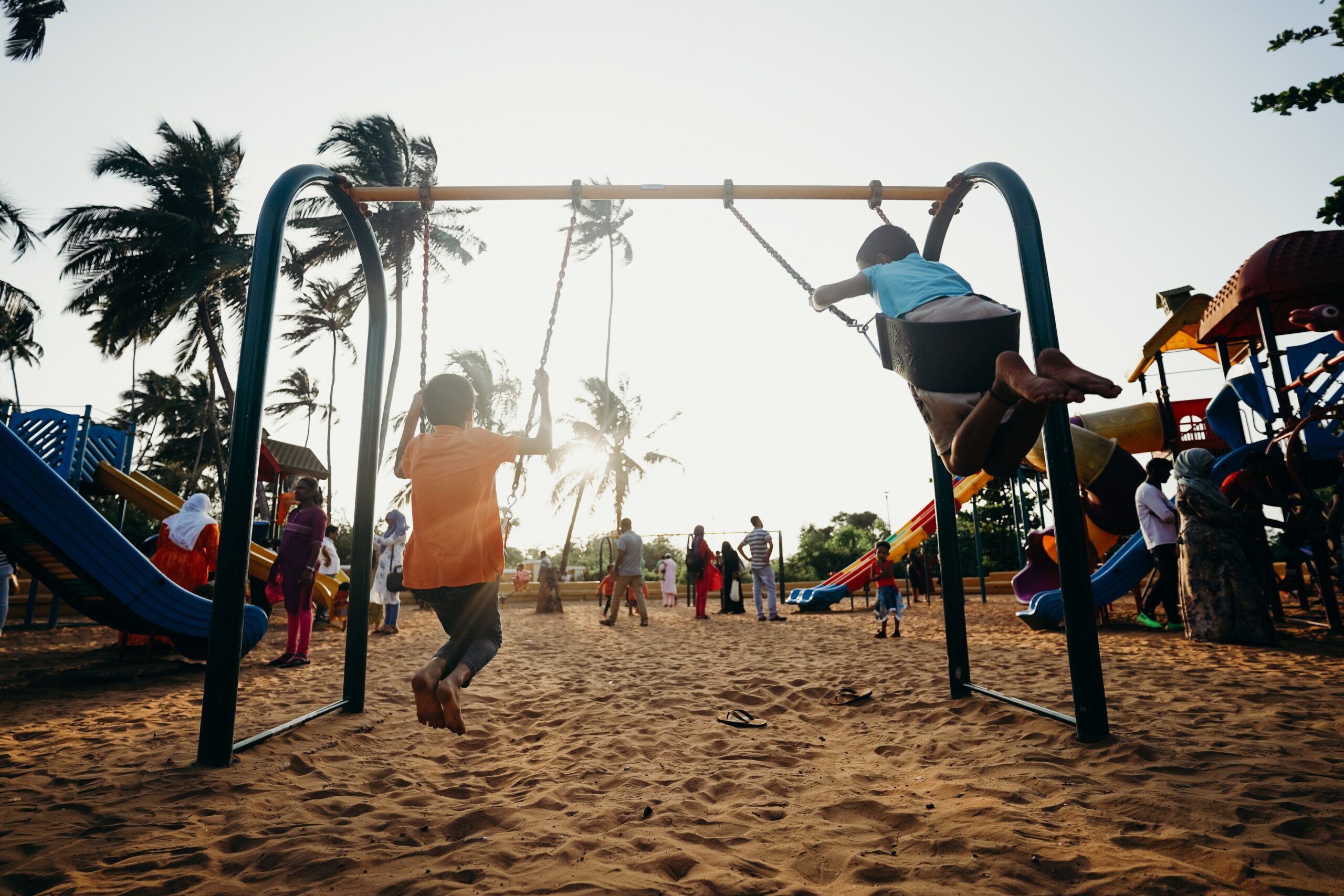
I remember climbing the mango tree that grew behind my building as a child. I lived in a large metropolitan city and would beg my grandma to let me play behind the building with my friend. With the slightest nod of her head, I would squeal with excitement and fly down the stairs to the fourth floor where my best friend lived. I would ring and knock until I could, once again, beg whoever answered to let her play with me. Again, with the slightest nod, we both arrived at the ground floor, barely touching a step on the way down.
I have the greatest memories of my childhood climbing that mango tree with just a salt shaker and my friend. We would sit and talk, play, and eat fresh mangos straight from the tree. Now, 30 years later, I can still recall and feel the pleasure of that time in the tree. I can still smell the sweet ripe fruit and recall unexplainable and seemingly unimportant details from those cherished experiences.
I know each of you has your own unique and special memories of playing as a child. You can recall an amazing time when you rode your bike on the street, rolled down a grassy hill, jumped into a pile of leaves, or built a sandcastle at the beach. I grew up in Caracas, Venezuela, and I spent countless hours and days playing with my friends in the street, climbing trees, and even walking every afternoon to the bakery with my grandma to buy bread for dinner. These memories are so precious to me, just as your unique childhood play experiences and memories are precious to you.
But we weren’t just playing, we were learning, and we were learning a lot!
There is something amazing about play. When you experience pleasure, you become more driven to repeat that activity. And the more we repeat it, the more opportunities we must master it. With mastery of anything, from the most basic skill to the most complex, we experience self-accomplishment and the pride and individual confidence that result from it. such as creativity, abstract thought, prosocial behavior, and expressive language”.
Playing is a critical part of our learning process. But play has to be fun. If something is not fun, it’s not play.
Let’s look at why play is so critical to learning and cognitive development. Play serves as a crucial mechanism that enables the brain to develop neurological systems that play a key role in cognitive awareness, improved learning, and physical, social, and emotional well-being. Gaskill and Perry (2014), in their article “The Neurobiological Power of Play,” said that “Developmental theorists generally have viewed play as an essential experiential element of social, emotional, physical, intellectual, and psychological development. The ‘somatosensory’ experiences in some play activities have been viewed as the neurological foundations for later advanced mental skills, such as creativity, abstract thought, prosocial behavior, and expressive language.”
Let’s dive just a bit deeper and investigate what is really happening in the brain when a child is playing. Bruce Perry is a psychiatrist and Founder of the Child Trauma Academy, and through his research, he explains how kids develop through play.
Human brains are super organized, so let’s imagine a staircase in your brain. Our brains start developing on the bottom stair and systematically progress up the staircase. The bottom stair is the BRAINSTEM, which is the basic building block of the brain.
According to Perry, the Brainstem establishes (body) state regulation and is responsible for controlling body temperature, blood pressure, heart rates, sleep, and fear.
To develop the Brainstem and this critical first stair, Perry recommends playing games, such as peekaboo and frequently introducing new and different tactile and taste sensations.
The second stair is the MIDBRAIN, this part of the brain is responsible for the regulation of movement (motor skills) and the sensory integration of our brain. Play that involves gross- and fine-motor skills and music is well suited to help develop the Midbrain.
The third step in the brain staircase is the LIMBIC. The Limbic area is all about our emotions. I know many of you are thinking, “Yes, EMOTIONS, tell me more!” It is the Limbic portion of the brain that processes emotions, such as tolerance, belonging, and empathy, as well as how we react to a situa- tion and regulate our feelings. It’s at this level of development that our brains start understanding and comprehending the complex dynamics of relationships and all those social-emotional skills that we need to live and function in society.
Once again, play is a critical component in the development of the brain’s Limbic system. Play that involves taking turns, sharing, winning, and losing will all work together to promote the development of this step in the brain staircase.
Our final level in the staircase is the CORTICAL area of the brain. As you might imagine, this is the most complex stage of development, where we see the child engaging in abstract thoughts, creativity, language, and morality. It’s at this stage that Perry notes that Cortical development is supported by playing complex games, humor, art, books, word games, etc.
So now we’ve reached the top of the brain staircase, and through play, our children have developed the ability to control their emotions and think in the abstract.
But what about executive functioning skills, and where do they come from?
Executive functioning is responsible for several skills that involve working memory, cognitive flexibility, and inhibitory control. Basically, these skills act like our own internal ‘boss’ and tell us what to do. The ‘boss’ should be able to help us pay attention, keep and recall information, organize, regulate our emotions and internal clock, and keep track of what we are doing.
The Center on the Developing Child at Harvard University says, “These skills are crucial for learning and development. They also enable positive behavior and allow us to make healthy choices for ourselves and our families.”
The important thing to remember is that we were not born with the ‘boss’; we must learn, practice, and develop these executive functioning skills throughout childhood.
These (executive function) boss’ skills live in the prefrontal cortex of the brain, and studies show that they begin to develop as early as age 3 and will normally continue to develop through the age of 21.
Perry and Baylor said in their research, “Curiosity, Pleasure, and Play: A Neurodevelopmental Perspective,” that “while enjoying their play, children can acquire a wide range of interpersonal/social skills, ranging from communication to cooperation. When children argue about who stepped ‘out of bounds’ and agree upon a ‘do-over,’ they are learning how to negotiate, compromise, and work together.”
All the play that we engage in as children, even as a toddler, contributes to the development of strong executive functioning skills— or a really good ‘boss.’
With play being so important for our children, what are we waiting for? Why are we so laser-focused on rigid academic regimes and structured activities? Have we forgotten how to play?
More play time could better serve the academic and social development of our precious tiny humans. Since we now know the importance of play, let’s ask ourselves, as parents and teachers: How can we use play to better promote and foster childhood development? How can we make things more fun? How can we add more play time to our schedule? How can we remember how to play?
As Montessori educators and parents, we know and recognize the importance of playing, but sometimes we forget that play is such a critical part of the learning process and developing effective executive functioning skills.
Maria Montessori said that “play is the work of the child,” and by giving the child the opportunity to play and explore, we help the brain to grow. “Only through freedom and environmental experience is it practically possible for human development to occur” (Montessori, 1967).
So, what have we learned, and what is our takeaway?
If play is so closely related to brain growth and development, and our prefrontal cortex (executive function) ‘boss’ skills are a result of all that playing, then we need to make sure our tiny humans are doing a lot more playing! It’s just that simple. Both in our education system and our own home, we need to implement and promote more playtime.
As Maria Montessori said, “Education is a natural process carried out by the child and is not acquired by listening to words but by experiences in the environment.” Let’s come together as parents and teachers and go out into the world to explore, be curious, and play more!
Reference
Center on the Developing Child (2012). Executive Function (InBrief). Retrieved from www.developingchild.harvard.edu.
Montessori, M. (2016, originally 1949). The absorbent mind. Amsterdam: Montessori-Pierson Publishing.
Perry, B., & Baylor, S. (200-). “Curiosity, Pleasure, and Play: a Neurodevelopmental Perspective.” HAAEYC Advocate, 9-12.
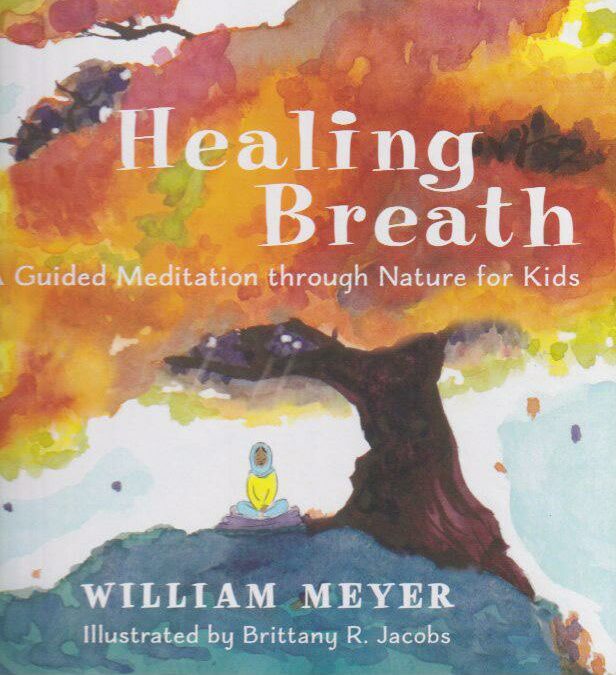
Healing Breath book review
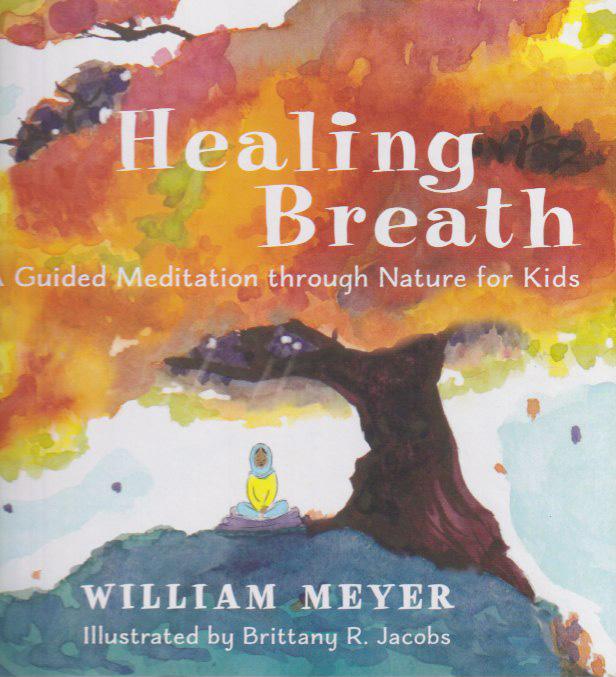
Healing Breath: A Guided Meditation through Nature for Kids
Written by William Meyer
Illustrated by Brittany R. Jacobs
Mr. Meyer wrote this book to help children release anxiety in general and more specifically about the condition of the planet through meditation. The illustrations are colorful and calming and they bring the author’s words to life. I would suggest that this book be presented to children during the elementary years, as these are the years of great imagination. They will need to use their great imaginations to picture the ideas and places in the meditation. They will also need to have had enough life experiences to use as a basis for this imagining.
If I were going to present this meditation to students or to one of my own children, I would definitely start them off with a shorter meditation or with practicing the Silence Game that we often use in Montessori schools. Depending on their comfort and skill levels, I would read the book aloud with children or let them read it to me. Seeing the illustrations and hearing the words will help children imagine the scenes when they actually go to meditation, close their eyes, and visualize the scenes the author describes.
I would also read the author’s words out loud, alone, before leading the meditation with children. Practicing this way will help me become familiar with the language, set my tone of voice, and determine the pace of reading.
This is a beautiful meditation and I think that elementary children will relax and enjoy this quieting practice.

All They Need Is Love: Love Language with Our Children in Mind
Attributes of Montessori Children
To continue reading, you will need to choose a subscription plan.

Education for the 21st Century: Montessori, the Partnership Way, and Our Children’s Future
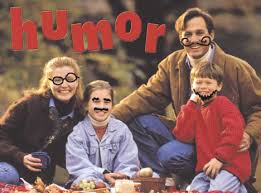
ARE YOU KIDDING ME! Employing Humor To Guide Children Toward Better Learning and Behavior
To continue reading, you will need to choose a subscription plan.

What We Believe Our Children Receive: Living Out Our Family Values
To continue reading, you will need to choose a subscription plan.
NURTURING OUR HUMANITY: HOW DOMINATION AND PARTNERSHIP SHAPE OUR BRAINS, LIVES, AND FUTURE

Empowered Wellbeing For Success
To continue reading, you will need to choose a subscription plan.
Family Fun is More Than Fluff
To continue reading, you will need to choose a subscription plan.
A Montessori School Is…
To continue reading, you will need to choose a subscription plan.

10 Ways to Prepare for Summer

10 Ways to Prepare for Summer
by Cheryl Allen & Lorna McGrath
1. Maintain a routine–getting up at a similar time each day, eating at regular times, keeping enough routine to keep your child comfortable. This is important for all ages. It gives them a sense of stability. It is especially important in early childhood, as these children are especially sensitive to order and consistency.
2. Keep up your family meeting schedule. Remember that family meetings provide opportunities for everyone to have a voice, be a leader, and take part in shaping the summer. If you have visitors, invite them to join your meeting.
3. Create and discuss family expectations for behavior at home, out on the town, and when traveling. These are great topics for family meetings as you prepare for summer.
4. Find out what each family member is hoping for from the summer and see if you can meet each family member’s goal. This is another topic for a family meeting. Remember to break down preparation topics into manageable pieces so that you don’t feel as if everything has to be covered in one meeting.
5. If possible, schedule only one or two activities or camps in the summer to provide consistency. Also, if these activities or camps can be chosen with your family values about respectful interactions among participants and adults in mind, the experience will probably be more enjoyable and productive for your child.
6. Let your child know about plans for the day and what may be required ahead of time so your child can plan. Even though you will share with each other at your family meetings what’s up for the week, it is important to look at each day in more detail as the day begins.
7. Allow for relaxation time each day, especially if you are traveling or have visitors. As always, we suggest that consciously planning for downtime is as important as planning for activities.
8. Encourage time for practical life activities–gardening, cooking, and cleaning. Practical life activities bring us back to our family community, interacting together, doing meaningful work, and learning to use math and science in our everyday lives.
9. If you don’t already have this, develop a quieting space for each family member. Creating “quieting spaces” for each family member involves multiple family meetings, so start planning them now. As school comes to an end, consider quieting spaces for summer travels.
10. Plan your schedule so that you’re home in time to prepare for the new school year. We always think that summer will last forever, but before we know it, it’s time to go back to school. It’s helpful to the whole family to get back into a home routine at least a week before school starts. •
Cheryl Allen is the Associate Coordinator of the MontessoriFamily Alliance and is also a parenting educator and a Montessori consultant with the MontessoriFoundation. Cheryl attended Montessori school as a child. After some time as a traditional Secondary teacher, she worked in Montessori classrooms, 3-6, 6-9, and 9-12, earning certifications from both AMS (3-6and 6-9) and IMC (6-12). She is a teacher educator, workshop presenter, and member of IMC accreditation teams. Cheryl’s two children attended Montessori from age two through high school graduation.
Lorna McGrath, MEd, is Director of IMC School Accreditation, Program Director of the MontessoriFamily Alliance, and Senior Consultant of The Montessori Foundation. Lorna has 41 years of experience in the field of education, teaching children from 18 months through 6 years old and from 12 through 18 years old in both public schools and independent Montessori schools. Lorna is a Montessori teacher educator, conference presenter, and school consultant. She can be reached at lornamcgrath@montessori.org
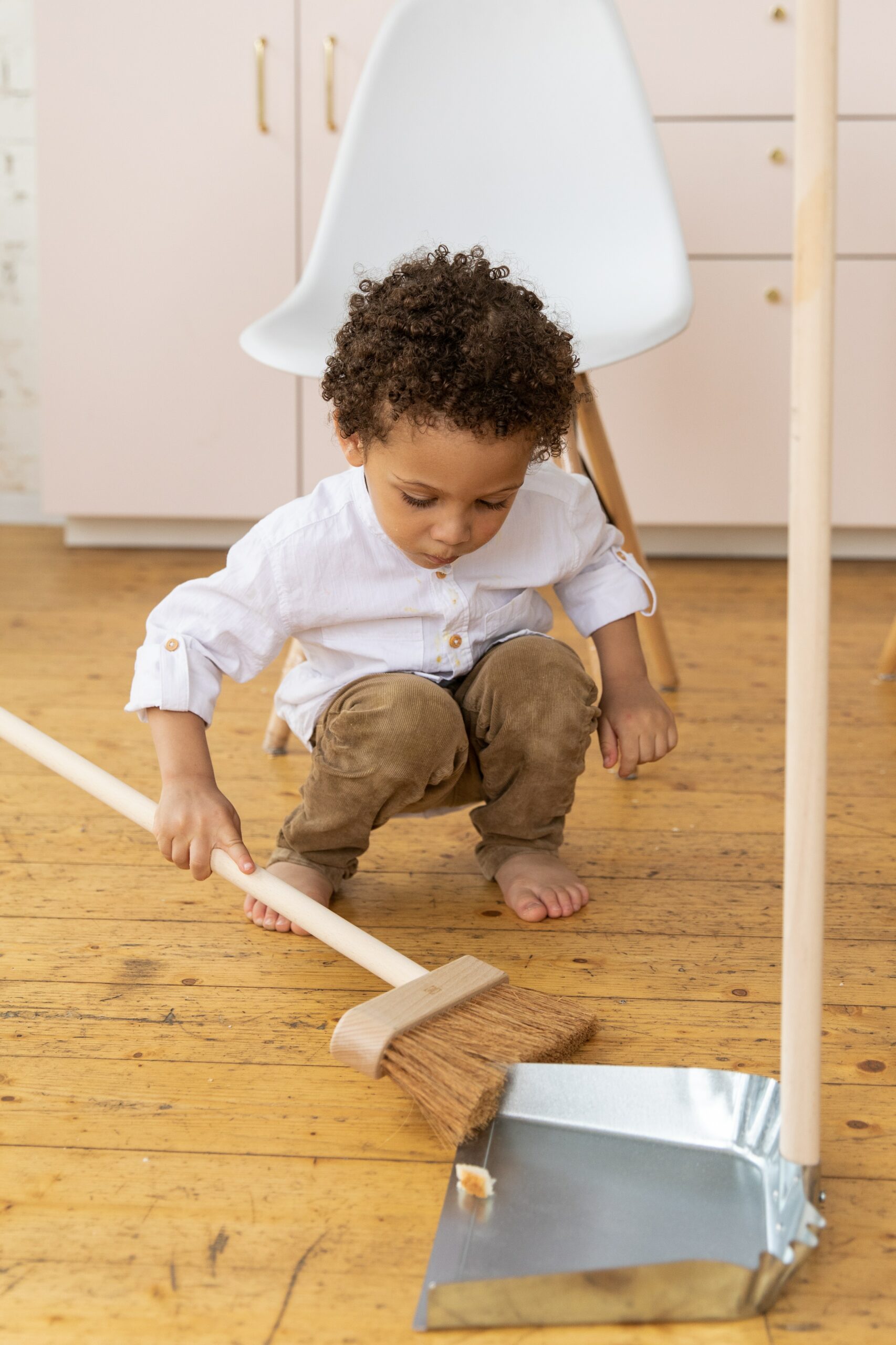
Beyond Bribes, Rewards, and Punishments

A Montessori Approach to Clean…
Beyond Rewards, Bribes, & Punishment
A Montessori Approach to Building Intrinsic Motivation
42 ways that the Montessori approach builds intrinsic discipline in our children.
by Simone Davies
In my last article on a Montessori approach to discipline, I mentioned that we don’t use rewards, bribes, or punishment in a Montessori classroom. And there is not a teacher at the front telling everyone what they need to do. Yet, if you observe in a Montessori classroom, there is a gentle hum of conversation and movement and a lot of concentrated children who are motivated to work.
So, not surprisingly, I received many questions about a Montessori approach to building intrinsic motivation in the child. Intrinsic motivation is doing something because you have the inner drive to do it, not because of some external reason like a reward or threat.
I love a good list so here are 42 ways that the Montessori approach builds intrinsic discipline in our children.
Note: It’s a holistic approach where each part is intrinsically linked. So, while it may seem overwhelming to do all these things, rest assured they also naturally build on one another.
42 Ways to Build Intrinsic Motivation
1. Build an environment where they can have success; knowing where they can find things and having things at their level.
2. Create opportunities for them to build independence – they see themselves as capable.
3. Cultivate opportunities to work together, cooperate and care for others – they see their input matters; a 0-3 child is observing and beginning their social development in their family. With a care giver, and/or nursery; the 3-6 child is part of their family and their class; and the 6-12 child wants to work and be a part of a group.
4. Value process over product; there is more learning in the doing than in the result.
5. Use encouragement rather than praise. When they hear, “You worked hard to get your shirt on all by yourself ” rather than “good job,” they learn to look to themselves to understand what worked, rather than looking to us for praise.
6. Give them freedom to work on things they are interested in – rather than what the teacher/adult tells them – or a timeline.
7. Provide safe limits. Offer security and show that someone cares about them.
8. Allow them the freedom to choose what, where, and with whom they’d like to work.
9. Provide a clear rhythm to their day so that they know what to expect.
10. Help them learn respect for themselves, each other, and the environment – they feel truly accepted and learn to accept others.
11. Encourage those agreements are made together – they feel like a valued member of the community.
12. Let them know that it’s a safe place to practice boundaries – we can support them with words if needed, “I’d like to work by myself right now. It will be available soon.”
13. Honor who they are; each member is unique and valued – builds their sense of self.
14. Help them learn to look after themselves, others, and the environment – it’s empowering to be able to do this for themselves.
15. Show trust in them – by removing external rewards and punishments.
16. Help them to make amends when needed – they know that when they get it wrong, they will take responsibility and learn from the experience.
17. Value curiosity – learning is about finding out rather than memorizing facts
18. Allow them to have choices – they have ‘agency’ in their days
19. Provide honest, instructive feedback – we see what’s going well and how they can do better; give them gentle guidance to keep improving.
20. Offer different ways to learn; we all learn in different ways and on different days; the materials appeal to kinesthetic, visual, and aural learners, and they can choose how they’d like to present their work, from a booklet to a survey to a poster etc.
21. Be their guide – not their boss or servant
22. Help children build ‘scaffold skills’ – where each activity builds on the next to allow mastery.
23. Support them to develop their own routines/ rhythms, such as taking an activity to a table or mat and returning it when it’s done.
24. Help children develop their thinking skills – they are learning to learn through hands-on learning and making discoveries for themselves; they help younger children and consolidate their own learning; they reflect on what they have learned.
25. Keep it real; children are not learning just for the sake of learning. They are learning how it applies in the real world giving meaning to their work.
26. The absence of tests or punishments allows a natural love of learning, while maintaining their creativity and interest in learning
27. Model intrinsic motivation ourselves as adults; our actions are more powerful than our words.
28. Provide control-of-error activities, which will allow children to discover their errors and try again.
29. Offer challenges at the appropriate level. Children do not feel unmotivated, because they know that they can do hard things, and they do not want to give up.
30. Encourage service in the community. This allows children to see and appreciate the impact of their work.
31. Children can have a healthy relationship with failure: the guide and classmates are supportive; children are able to stay with something until they master it and are ready to move onto the next activity; and they learn to ask for help if needed.
32. Remove competition for sticker charts or praise; children do not need rewards from others. Help them look to themselves instead of someone else.
33. Allow time to help children build skills, e.g., planning skills, learning to dress themselves, how to make a report, etc.
34. Children are in charge of their own learning: they learn uniquely, have their unique interests; and are on their own unique timeline.
35. Adults can trust the Montessori process, without forcing their own agenda.
36. Help children support themselves as they become members of their society.
37. Be patient; learning happens at its own pace and isn’t forced.
38. Plant seeds of curiosity, enough to get them interested, and not too much to allow them to discover the rest for themselves.
39. Encourage the possibility for big work and big ideas that looks at the interdisciplinary nature of the universe.
40. Allow space for all voices; we want everyone in our community to feel valued, accepted, and safe.
41. Avoid criticism or correction; instead, observe where children are in their process, and offer another opportunity to teach it again.
42. Learn from others. We can see others learning and be inspired to learn that too.
It’s never too late to start applying these principles. We can even scaffold the skills with a child in Upper Elementary (9-12 years), first helping them plan, then letting them take over more and more steps themselves. •
Simone Davies is the author of The Montessori Toddler and co-author of The MontessoriBaby, comprehensive guides to raising toddlers and infants in a Montessori way. The books are based on her 15+ years’ experience working as an AMI Montessori teacher in Sydney and in Amsterdam. She also has a popular blog, Instagram, and podcast “The Montessori Notebook”.She is also mother to two young adults.Simone currently runs parent-childMontessori classes in Amsterdam at her school, Jacaranda Tree Montessori, and is working on another book with Junnifa Uzodike, The Montessori Child for children from 3-12 years.
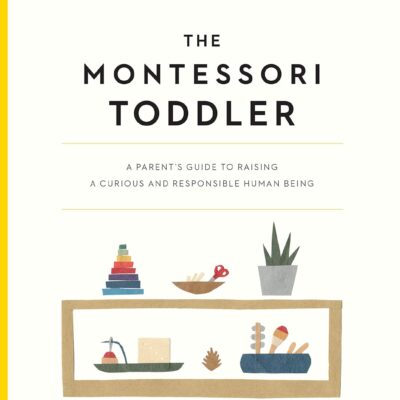
With hundreds of practical ideas for every aspect of living with a toddler, here are five principles for feeding your child’s natural curiosity, from “Trust in the child” to “Fostering a sense of wonder.” Step-by step ways to cultivate daily routines with ease, like brushing teeth, toilet-training, and dealing with siblings

50 Ways to Celebrate Summer Learning
50 Ways to Celebrate Summer Learning
by Cheryl Allen
Summer is a time of more daylight, warmer temperatures, and more time outdoors. We may think that, for children who are out of school in the summer, it is not a time of learning. Yet, it can be an incredible time of learning. Here are fifty ways to help your child learn and grow while not in school.
Explore
1. Let your child plan an activity for the day or some activities for the summer. They can use maps, stick to a budget, and do the research.
2. Go on a searching hike, in nature or an urban setting; look for objects in the shapes of the letters in your name, or in sets of your favorite number, or particular colors.
3. Learn about the plants and animals that are near you. What are those birds by your home? What are the names of the plants you see every day?
4. Walk at your child’s pace. Notice the smells of different plants, admire the bugs, follow your child’s lead.
5. Play board games.
6. Learn card or magic tricks.
7. Learn jokes and present a comedy show.
8. Play unplugged games, such as Hangman, your own version of Pictionary, I Spy, or other paper-and-pencil games.
9. Think of free or inexpensive ways you could help neighbors and act on them.
10. Create a scavenger hunt and follow the clues.
11. Try out new playgrounds nearby.
12. Go to a grocery store you do not usually go to, especially if it has a focus on an ethnicity different than your usual cooking.
13. Allow time for daydreaming.
14. Try outdoor science experiments.
15. Plan a dream vacation.
16. Find some art to admire, outside or in a museum. Discuss what each person likes about it.
17. Explore distances and make a map. How far are you from family members, favorite types of animals, friends, or any other thing that can be mapped?
Communicate
18. Make time for reading every day, or nearly every day.
19. Visit the library and allow your child to make choices of reading material on their own.
20. Encourage your child to tell a friend or a family member about a book they read; retelling helps develop understanding.
21. Write letters to friends and family.
22. Address the envelope for that letter. Writing the address correctly on an envelope takes practice.
23. Keep a summer journal or a travel journal. Write in it regularly and include printed photos, pressed flowers, or leaves, ticket stubs, maps, or any reasonably flat items that remind them of the events written about.
24. Have your child create lists for things to do, grocery lists, books read or books to read, movies to watch, anything that can be listed.
25. Write a letter to their future self and store it or use a site that will email you in a certain amount of time.
26. Create a kindness list; how many acts of kindness can be performed this summer?
27. Count cars, bikes, dogs, flowers, anything you see regularly in your travels.
28. Find letters of the alphabet or make up a silly sentence using letters or words on items in the grocery store. Only one word or letter per item!
Create
29. Build a design of your child’s own creation or follow the directions from a set, with Legos™, blocks, or other building materials.
30. Learn to build card houses.
31. Plan and build a birdhouse.
32. Make your own playdough and sculpt with it.
33. Water down paint, place paper outside, and use squirt guns filled with the watery paint for a creation.
34. Set up objects outside and trace their shadows onto paper.
35. Put on a show–write it, practice it, design costumes and props, and perform for others. Record the show to share it with family that cannot attend in person.
36. Use chalk to draw outside, then use water and a scrub brush to erase it.
37. Plan dinner for a night and help make it.
38. Make a salad. Make dressing to go with it for an extra skill-building opportunity.
39. Grow vegetables and harvest them for dinner.
40. Find a recipe and cook with a new-to-you food.
41. Shuck corn, peel potatoes, wash, and spin lettuce dry, participate in cooking preparation.
42. For older children, set a cooking challenge to use ingredients and make a meal.
43. Sketch or paint flowers at your home or a nearby location.
44. Draw self-portraits directly on the mirror using window markers.
45. Clean the mirror after drawing on it.
46. Wash windows (an adult may need to wash the top).
47. Water the garden or potted plants.
48. Organize an area of your home together, especially one that your child uses regularly.
49. Explore with cash, count coins, save for an item, buy something with cash and check the change received.
50. Make leaf or bark rubbings and label them with the type of tree or bush they came from. •
Cheryl Allen is the Associate Coordinator of the Montessori Family Alliance and is also a parenting educator and a Montessori consultant with the Montessori Foundation. Cheryl attended Montessori school as a child. After some time as a traditional Secondary teacher, she worked in Montessori classrooms, 3-6, 6-9, and 9-12, earning certifications from both AMS (3-6 and 6-9) and IMC (6-12). She is a teacher educator, workshop presenter, and member of IMC accreditation teams. Cheryl’s two children attended Montessori from age two through high school graduation.
United Nations Convention on the Rights of the Child

Most of us are aware that the United Nations adopted a declaration on the universal rights of the child, but many of us have not read it. Here is the introduction and the link to the full text. We encourage you to revisit it from time to time and reflect on the vital message and vision within.
Convention on the Rights of the Child
ADOPTED
20 November 1989
BY
General Assembly of the United Nations
resolution 44/25
Entry into force: 2 September 1990, in accordance with article 49
Preamble
The States Parties to the present Convention,
Considering that, in accordance with the principles proclaimed in the Charter of the United Nations, recognition of the inherent dignity and of the equal and inalienable rights of all members of the human family is the foundation of freedom, justice and peace in the world,
Bearing in mind that the peoples of the United Nations have, in the Charter, reaffirmed their faith in fundamental human rights and in the dignity and worth of the human person, and have determined to promote social progress and better standards of life in larger freedom,
Recognizing that the United Nations has, in the Universal Declaration of Human Rights and in the International Covenants on Human Rights, proclaimed and agreed that everyone is entitled to all the rights and freedoms set forth therein, without distinction of any kind, such as race, colour, sex, language, religion, political or other opinion, national or social origin, property, birth or other status,
Recalling that, in the Universal Declaration of Human Rights, the United Nations has proclaimed that childhood is entitled to special care and assistance,
Convinced that the family, as the fundamental group of society and the natural environment for the growth and well-being of all its members and particularly children, should be afforded the necessary protection and assistance so that it can fully assume its responsibilities within the community,
Recognizing that the child, for the full and harmonious development of his or her personality, should grow up in a family environment, in an atmosphere of happiness, love and understanding,
Considering that the child should be fully prepared to live an individual life in society, and brought up in the spirit of the ideals proclaimed in the Charter of the United Nations, and in particular in the spirit of peace, dignity, tolerance, freedom, equality and solidarity,
Click the link below to read the full text:
https://www.ohchr.org/en/instruments-mechanisms/instruments/convention-rights-child

When Public and Private Montessori Schools Work Together, Everyone Wins
by Amy O’Connor
On the small island of Key West, located at the southernmost tip of Florida, there are two Montessori schools that happen to be less than a half-mile from each other on the same street, which is coincidentally named United Street. This year they partnered to co-host their 5K race.
Founded in 1972, Montessori Children’s School is Key West’s oldest Montessori school. It is a private, non-profit school, and its programs educate children eighteen months to sixth grade.
May Sands Montessori School is Monroe County’s first charter school. It serves students in Key West and the Lower Keys from kindergarten through eighth grade.
The two schools are accustomed to having students and staff transfer from one school to the other. In addition, several families have children at both schools. The schools also get together each year for their annual International Day of Peace walk. However, this is the first year they have teamed up for a fundraising event.
There is so much energy and expense put into fundraising, so having the two schools split both of these was a great way to lighten the load. Not only did the number of registrants increase, but profits increased as well. Each school secured its own sponsorships but split the race registration proceeds and the expenses.
Often, private and public schools see themselves as being in direct competition with one another. Each school has its own fundraising events and tries to garner the most participants. By coming together as one, we are not only providing Montessori families at different schools the opportunity to get to know one another, but we are also celebrating our individual and shared experiences.
A few years ago, the company that records race times of the individual 5K’s suggested combining the races to save money. Both schools had been hosting their own 5K’s for many years. As the weather in Key West is beautiful almost all year round, fitness is a huge part of life here. In addition, it’s a popular destination point for out-of-towners who love a warm place during cold winters. Running, biking, swimming, and water sports are quite popular in the Florida Keys. Years ago, when there were just a handful of fitness events, the turnout at individual events was much larger. As more and more events were scheduled, participation at each event began to dwindle.
Due to COVID, both schools canceled their 5K events last year. This year seemed like a great year to experiment with a combined race. We couldn’t have been more pleased with the way this year’s race turned out. Seeing all the families together, uniting for one great cause, was truly gratifying for all involved. Perhaps there will be more shared events in the future. In true Montessori fashion, collaboration wins over competition every time. •
Amy O’Connor, Executive Director of Montessori Children’s School of Key West, has been involved with Montessori in some capacity almost her entire life. Her parents helped found the school in 1972. Amy’s three children attended Montessori schools in Essex, Vermont, and Key West, Florida. Amy has her Primary Montessori teaching certification as well as her BA in business.
Featured
-
 The Montessori Way, Revised and Expanded: An Education for Life; A Comprehensive Guide for Parents and Teachers
$25.00
The Montessori Way, Revised and Expanded: An Education for Life; A Comprehensive Guide for Parents and Teachers
$25.00
-
The Montessori Child: A Parent's Guide to Raising Capable Children with Creative Minds and Compassionate Hearts (The Parents' Guide to Montessori)
$20.00
-
The Montessori Toddler: A Parent's Guide to Raising a Curious and Responsible Human Being (The Parents' Guide to Montessori)
$20.00
-
Montessori in Action: Building Resilient Montessori Schools 1st Edition
$29.95
-
Bulk Order, 30 Copies of Montessori for Every Family: A Practical Parenting Guide To Living, Loving, And Learning
Original price was: $600.00.$510.00Current price is: $510.00.

Products
-
The Montessori Way, Revised and Expanded: An Education for Life; A Comprehensive Guide for Parents and Teachers
$25.00
-
The Montessori Child: A Parent's Guide to Raising Capable Children with Creative Minds and Compassionate Hearts (The Parents' Guide to Montessori)
$20.00
-
The Montessori Toddler: A Parent's Guide to Raising a Curious and Responsible Human Being (The Parents' Guide to Montessori)
$20.00
-
Montessori in Action: Building Resilient Montessori Schools 1st Edition
$29.95
-
Bulk Order, 30 Copies of Montessori for Every Family: A Practical Parenting Guide To Living, Loving, And Learning
Original price was: $600.00.$510.00Current price is: $510.00.