Off to the Ballet

Off to the Ballet

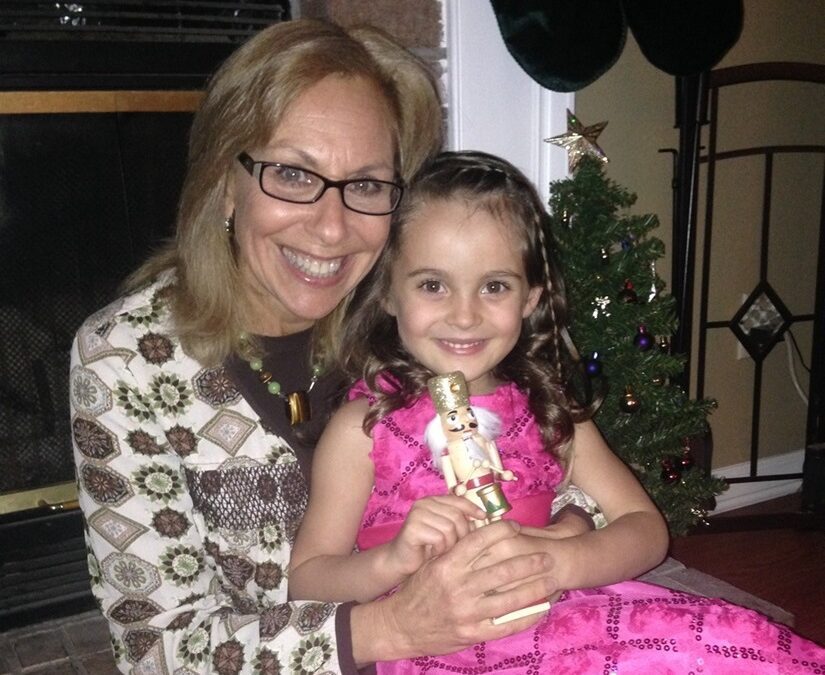
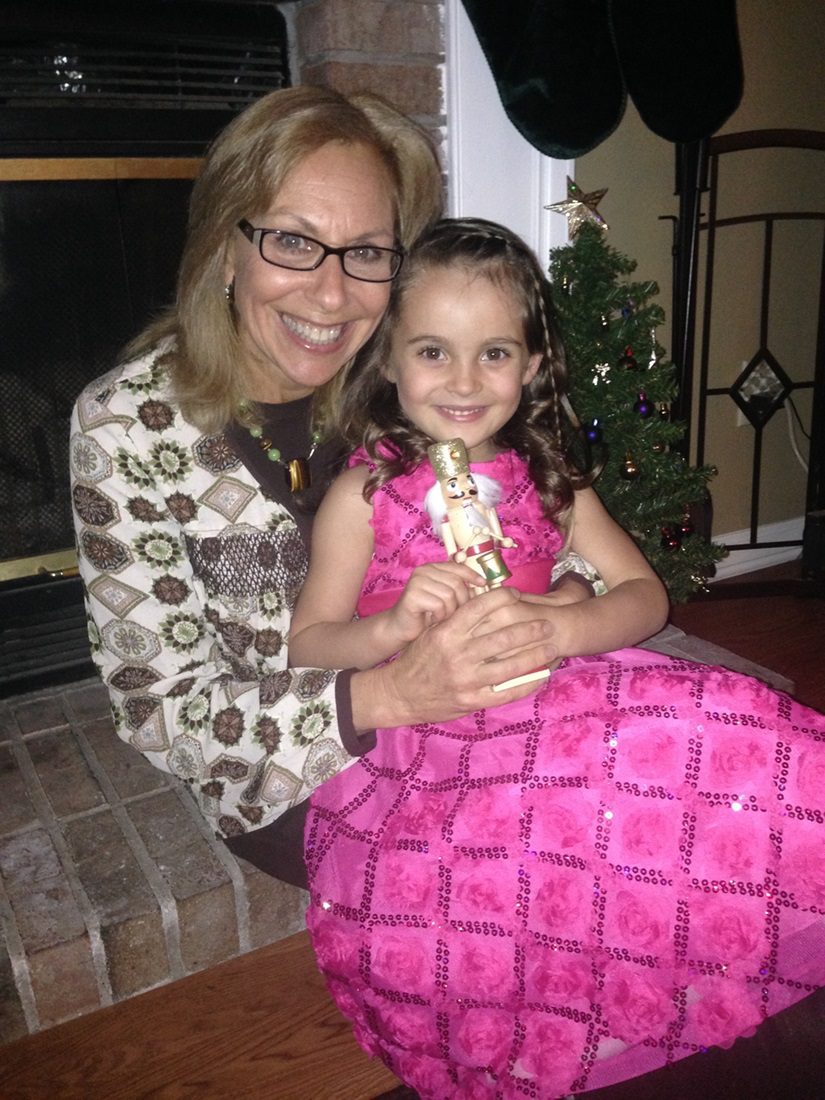
One of my fondest memories I’ve shared with my granddaughter, Blakely, was talking about the time we went to the ballet together when she was five years old. We had watched the Nutcracker numerous times before we finally actually went to see a live performance. I bought her a special dress to wear, we got all fancied up and ready, and off we went.

Everyone sitting around us looked at her in wonderment as she wore a very excited expression on her face. The music began and the ballet started to unfold. 

She leaned in next to me and said, “Grammie, that’s not how Clara should be doing that dance.” It seems that she had memorized the version we had watched, and I had neglected to let her know that every dance troop’s choreographer interprets the dance parts a little bit differently. She still enjoyed the show and every time I stole a glance over at her I could see total rapture on her face.

Her interests have long ago steered away from watching the Nutcracker. She is now almost fourteen and an avid soccer player. However, I just recently asked if she remembered that night. “Grammie,” she said, “how could I ever forget it.” I hope she shares a similar experience with her grandchildren if the time comes.

Creating lasting memories and sharing your passions with your grandchildren creates bonds that can’t be undone, so invest the time in them and with them. The payoff is huge and lasting.

Margot Garfield-Anderson is the retired Montessori Foundation Project Manager and International Montessori Council Membership Director. She continues to be involved in the organization as an IMC Board member and serves as a reader of documents for schools going through the IMC accreditation process. She still enjoys sharing her grandparenting experiences with Tomorrow’s Child subscribers. She also volunteers for many other nonprofits and organizations in Sarasota, Florida.
Highlighting Member Schools: Countryside/NewGate School Sarasota, FL

Highlighting Member Schools: Countryside/NewGate School Sarasota, FL

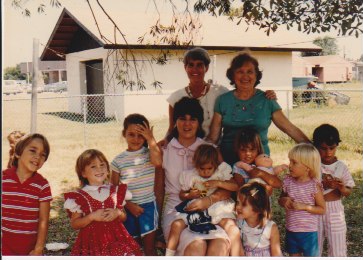
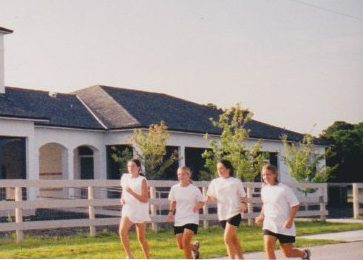
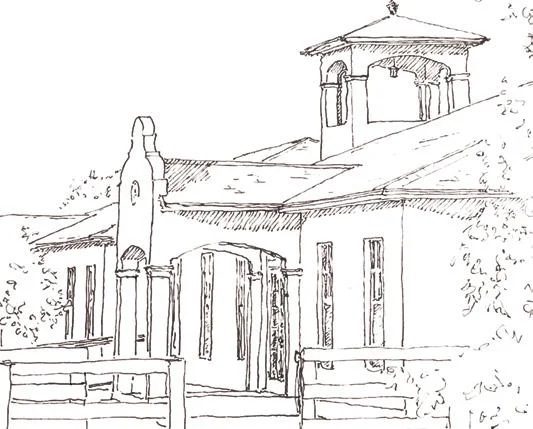
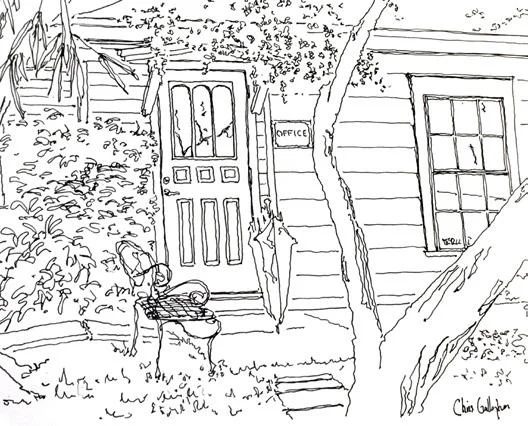
In the early 1980s Kitty Williams (now Bravo) and her former husband, Farmer Steve Williams, lived on 5 acres of land with their two young daughters in their small, old-Florida home on Ashton Road in Sarasota, FL. Farmer Steve dreamed of an organic farm, while Kitty dreamed of a Montessori school; both dreamed of making the world a better place. They established Countryside Montessori School, in January of 1984, on a side porch of their home, with just five children, and Steve farmed the land. During that winter and spring, the garage was remodeled, and they applied to the zoning department for permission to officially have a school on the property. In August of 1984, the garage classroom opened with about twenty children: ages 2 years 11 months to 6 years old. By the fall of 1985, the porch had been enclosed and a second Primary classroom was opened, bringing the total enrollment to about forty students.

By 1987, the school expanded to include an Elementary program with just a few first graders continuing from the Primary class. A Toddler classroom was established in a small building on the roadside that had been Farmer Steve’s produce store. Within a year, the Elementary class expanded to first through third grades with Primary moving to the small classroom that was once the produce store.

Countryside kept growing, and in 1989 they built a spacious classroom with natural light for the expanding Elementary class. Now the school had three Primary classes, one Lower Elementary class, and a group of very enthusiastic, committed parents.

During the 1990s, the dream kept growing and the Williams restructured the school as a non-profit with the hope that they could continue through the high school years. With the help of some parents, they acquired the portable buildings, which they remodeled to expand the Elementary program. By the fall of 1993, they had three Primary classrooms, two Lower Elementary classrooms, and one Upper Elementary classroom.

On the school’s 10th Anniversary, after a decade of growth and dreams, Kitty and Steve, along with a dedicated group of families and staff, began to partner with the Montessori Foundation and became the Foundation’s “lab school.” So many things were accomplished during the 90s. They changed the school’s name to NewGate School (gate being an acronym for “global awareness through education”). After changing the name to NewGate School, they purchased one hundred acres of land for future development of a second campus, and added a Toddler class, another Upper Elementary class, and a 7th & 8th Year class (Middle School) at Ashton.

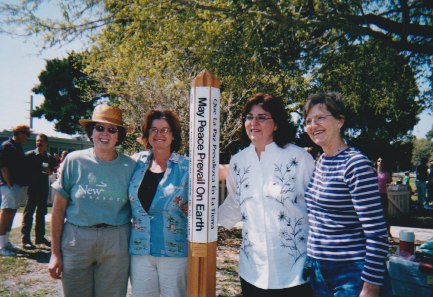
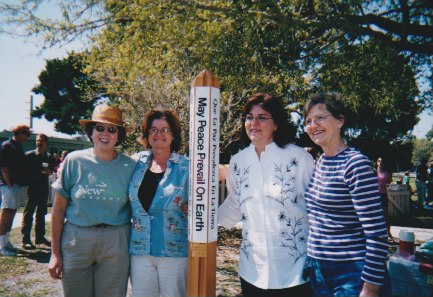
The dream wasn’t done yet! In the 2000s, NewGate opened its second campus on Clark Road and added the high school. In their 20th Anniversary year (2004) two beautiful things happened. First, a peace pole was erected in a lovely place in the center of the Ashton Road Campus in honor of Kitty’s work in Montessori for world peace. Second, NewGate had its first high school graduate! Big dreams were accomplished, and big challenges presented themselves. However, faith and determination did not wane and NewGate pushed forward with renewed assistance from the Montessori Foundation. When the Clark Road Campus closed, all students returned to the original campus on Ashton Road.

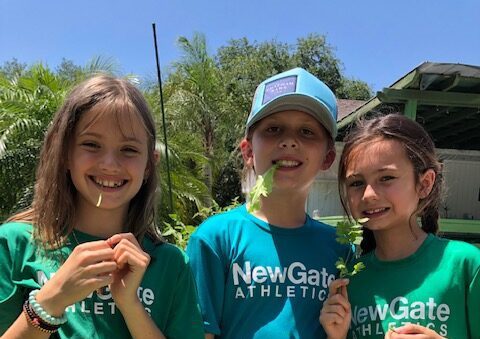
By the time the 30th Anniversary came around the school’s recovery was well underway, and in 2016, a new campus for the Secondary students was purchased in Lakewood Ranch. Now, in 2024, NewGate’s 40th Anniversary year, we have three campuses: the Ashton Road Campus; the Lakewood Ranch Campus; and the Global Campus (a virtual campus for Secondary students from around the US and the world). We serve children and adolescents from Toddlers through High School.

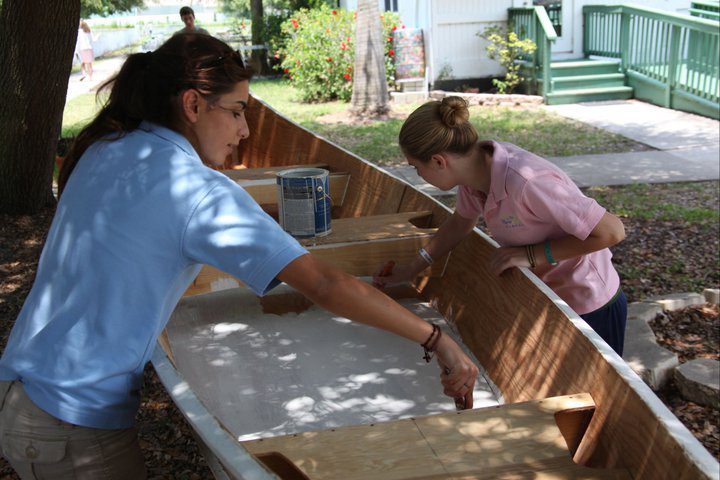
NewGate is proud to be the “lab school” of the Montessori Foundation (MF). Being the lab school of the Foundation means trying new ideas based on our tried-and-true Montessori principles. We have spent a lot of time developing models and systems for other schools to use as they grow and expand organizing new programs to enhance the already existing Montessori curriculum; creating a model for Montessori Secondary schools; sponsoring teacher training programs; and cultivating a community of respectful adults who mentor and guide children and adolescents by doing their best to live out the principles of peace.

Written by Lorna McGrath, NewGate Board member, with the help of Kitty Bravo, Founder of the School, and Lauren Speed, ‘long-time member of the NewGate faculty and adminstrative team.

Dear Cathie: Building Concentration and Focus

Dear Cathie: Building Concentration and Focus

DEAR CATHIE—

WE THINK IT IS TIME FOR OUR CHILD TO EXPERIENCE LEARNING OPPORTUNITIES IN ADDITION TO MONTESSORI SCHOOL. WE THINK HE IS READY FOR SOME EXTRACURRICULAR ACTIVITIES. WHILE WE KNOW THAT IT IS POSSIBLE TO BE OVERSCHEDULED, WE DO WANT OUR CHILD TO TAKE ADVANTAGE OF ALL THAT OUR AMAZING COMMUNITY HAS TO OFFER. HOW DO WE BALANCE THIS?

— A SERIOUS PARENT

Dear Parents,

You are right on target, and we applaud your conscientious approach to this complicated subject. The rule of thumb is to follow your child interests and seek to broaden their experiences until they are old enough to have found their passion. The purpose of extracurricular activities for young children is to try new things, develop new skills, and have opportunities to take direction from another adult besides parents and teachers at school.

We recommend that young children experience extracurriculars in small segments for the purpose of just trying them out. These are usually offered in areas such as sports, dance, drama, art, etc. Seek classes that are in short sections such as 8 weeks or a week-long summer program. The purpose of these of classes is to expose children to the activity or skill. These short introductions help parent and child determine interest, without overtaxing the child or family’s resources. These classes focus on the basics. It may be possible to engage your child in a summer camp that encompasses a number of different sports or types of dance at a single location. From there it is possible to decide where to focus your child and family’s resources in the years ahead.

Many towns have recreation sports leagues as well as travel leagues that require children to try out for a place on the team. However, your child may enjoy being a part of the experience at any level. Additionally, sometimes activities are offered as single day camps during days off from school. These may include computer skills, 3-D printing, cooking classes, etc. These one-day activities can help you widen a child’s awareness of the myriad of activities available to pursue.

As children mature, they begin to narrow their focus and gravitate toward some extracurricular activities more than others. Many begin to show an affinity for a particular activity such as scouting, a specific sport, a type of musical instrument, a dance class, etc. Now is the time to zone into one (or a few) of these areas and begin to focus your child’s after school time. You may eventually decide that private music or dance classes are for your child. Maybe your child is committed to soccer and is attending practice twice a week and playing a game once a week as well. Each of these comes with a time and financial commitment on your part, and that needs to be figured into the equation. Be sure to involve your child in the decision and not simply decide for them.

As you are making these decisions, remember to program in some free time for your child to have time outdoors to play, create, and spend unstructured time with friends. This is an important part of your child’s development as well. 

Cathie Perolman is a reading specialist, Elementary educator, author, consultant, and creator of educational materials. For over three decades, she has dedicated her energies to improving reading for all youngsters. She is the author of Practical Special Needs for the Montessori Method: A Handbook for 3-6 Teachers and Homeschoolers (available through montessori.org). 

She is a regular contributor to Tomorrow’s Child and Montessori Leadership magazines. Cathie holds a BS in Early Childhood Education and a MEd in Elementary Education, with a concentration in reading. She is credentialed as a Montessori teacher. Check out her new downloadable materials on her website cathieperolman.com.

Book Reviews by Lorna McGrath

Book Reviews by Lorna McGrath

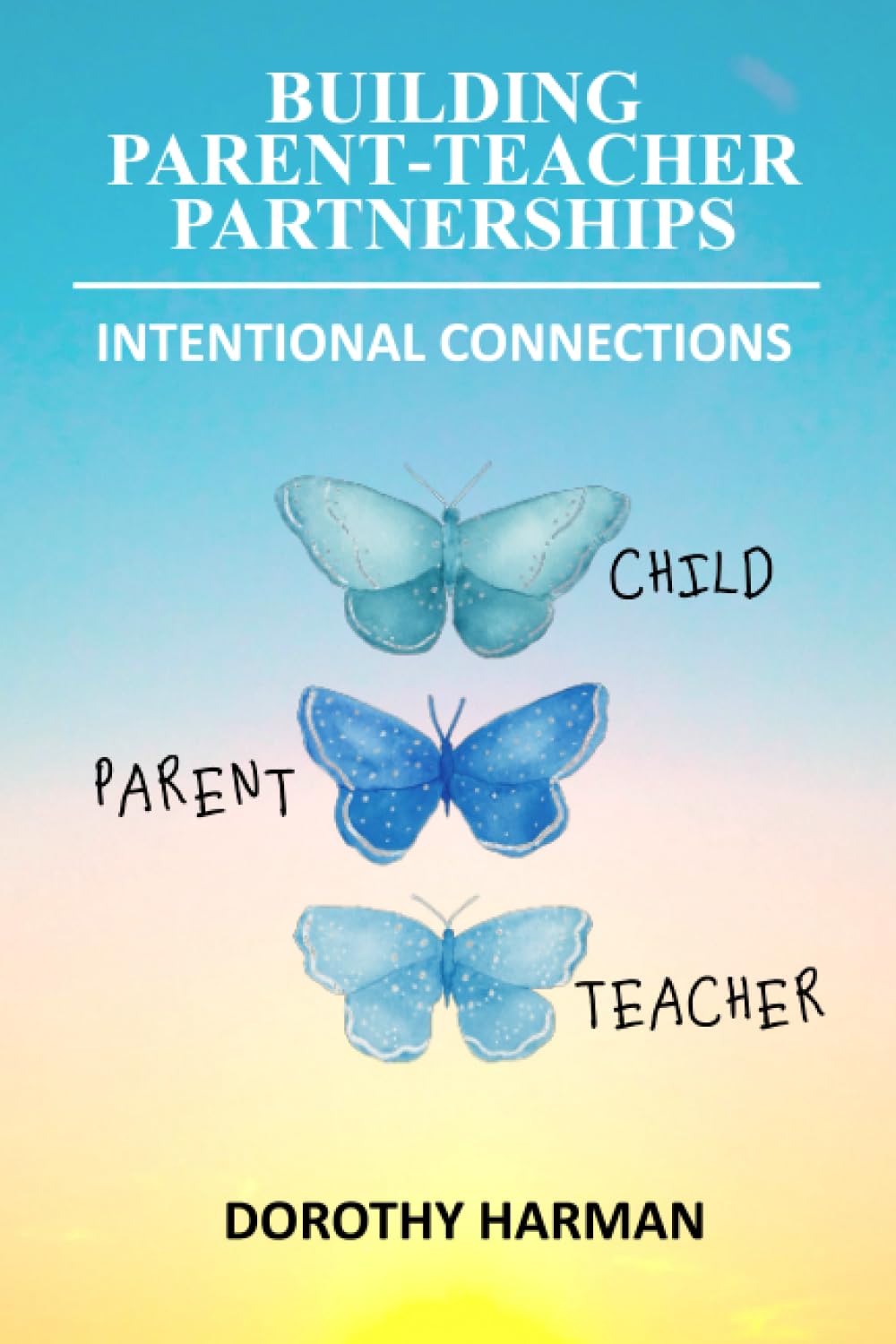
Intentional Connections: Building Parent Teacher Partnerships

Written by Dorothy Harman

Parents, this is a book to put at the top of your “must read” list! It’s so user friendly and packed with such important information for all of us: parents, teachers, caregivers, and extended family. When I was halfway through it, I couldn’t put it down. My grandson is in Montessori school, and I wanted to send a copy to his parents immediately!

Dorothy Harman has so much wisdom to share and inspiration to offer about parent-teacher relationships, keeping the child’s best interests as the common goal. She has created a book that has only 39 pages, and it is formatted in such a way that you can read whatever topic is of interest to you or is needed for your child. AND, there is a section within almost all the topics called “An Idea for Consideration,” where you can write notes. This section includes the idea, your reflections, your next steps, and discussion with the child’s teacher. It is such a great tool for gathering your thoughts.

You can purchase it through Montessori Services: www.montessoriservices.com/building-parent-teacher-partnerships

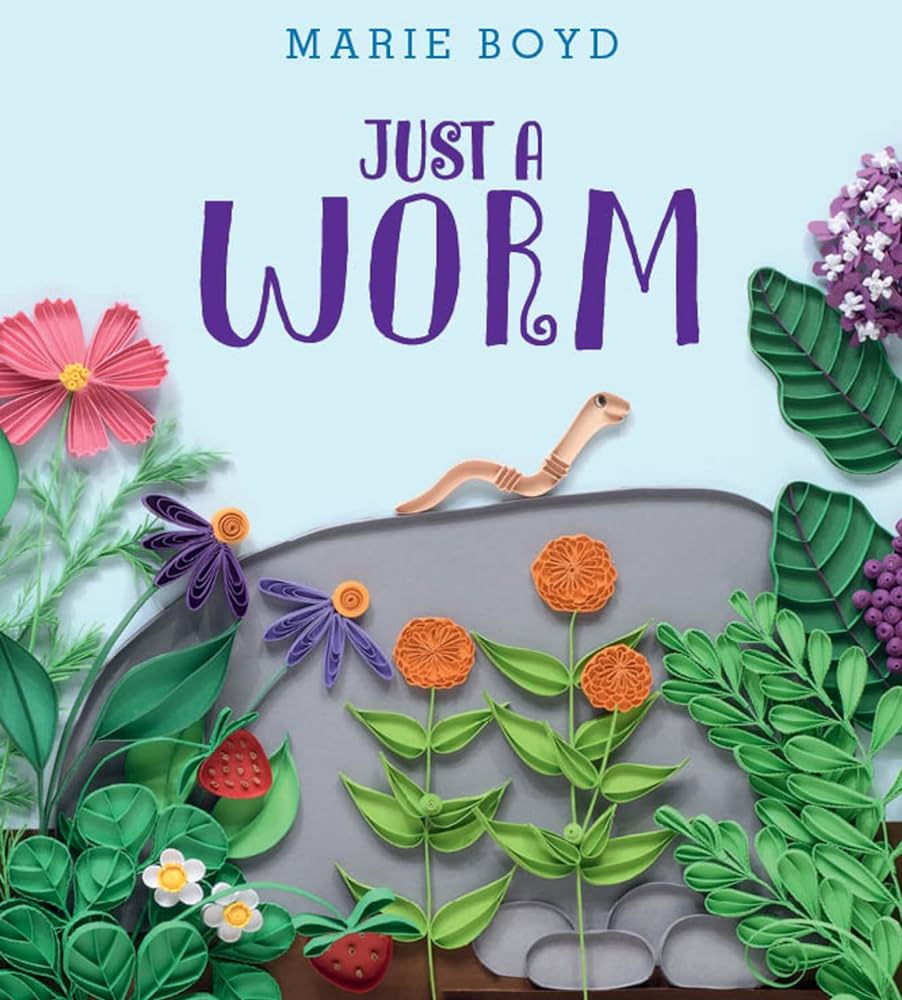
JUST A WORM

Written & illustrated by Marie Boyd

This book is illustrated using quill art techniques except for the worm (pen and ink) and the blue sky (digital). Its eye-catching colors and designs are quite beautiful. The author gives readers a lesson in quill art at the end of the book. The story itself is about the worm affirming that it is more than ‘just a worm.’ Along the way, the worm discovers how other garden insects contribute to the garden world. If you look closely, you’ll find the creature coming up on the next page. Although the story is wonderful for children from 3 to 7 years old, the quill art takes quite a bit of fine-motor control. It may be frustrating for children 3, 4, and possibly 5 years old, while 6 and above may really get into making quill art.

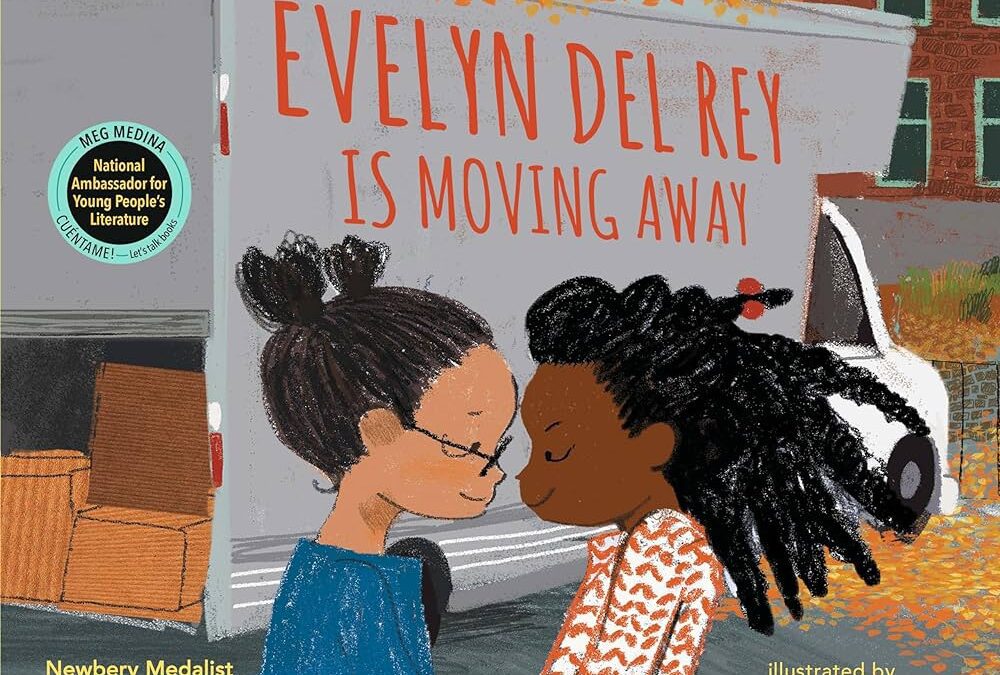
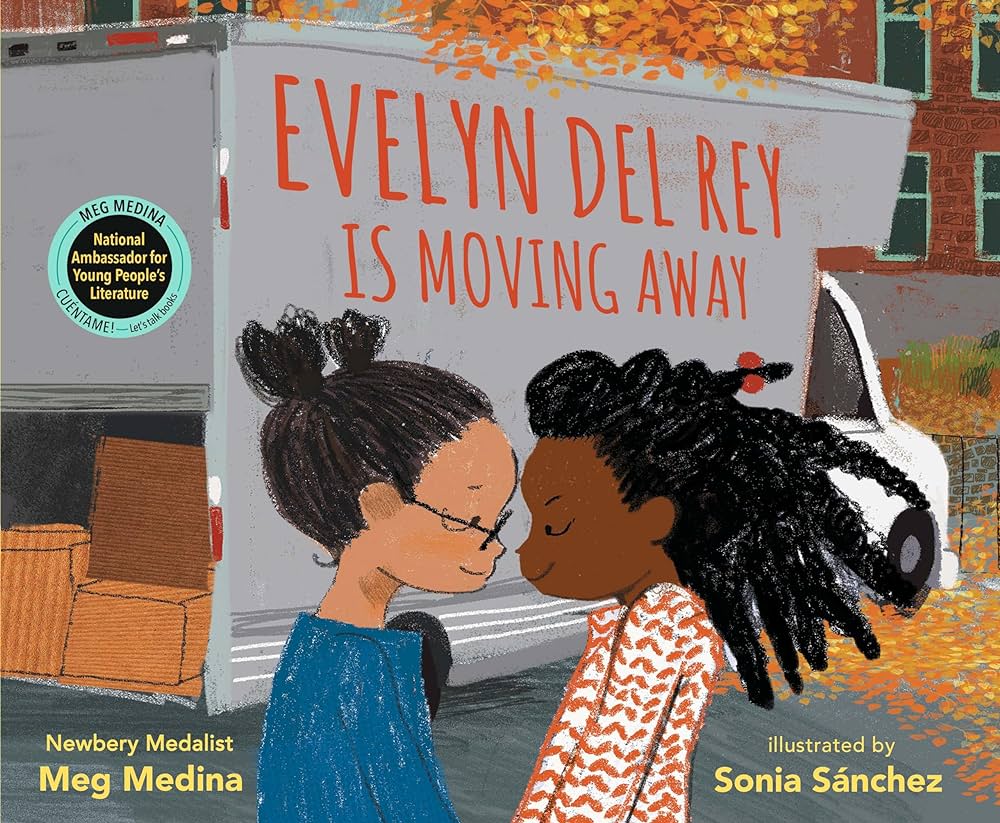
Evelyn Del Rey Is Moving Away

Written by Meg Medina
Illustrated by Sonia Sánchez

Touching. Meg Medina captures in a lovely way the feelings friends often have when they become physically distant from each other, as in a move to another town or city and the changes that occur in their relationship. The illustrations are vivid and quite realistic. They are reminiscent of Ezra Jack Keats’ style. The words come alive through these images. Jumpstart and Read for the Record are two organizations whose purposes are to help reduce the cycle of poverty through providing high quality books and reading. They have provided ideas for adults to enrich the reading experience with children through notes about how to interact with your young reader. Children 4 to 8 years old enjoy exploring the subject of friendships and how life circumstances can change relationships.

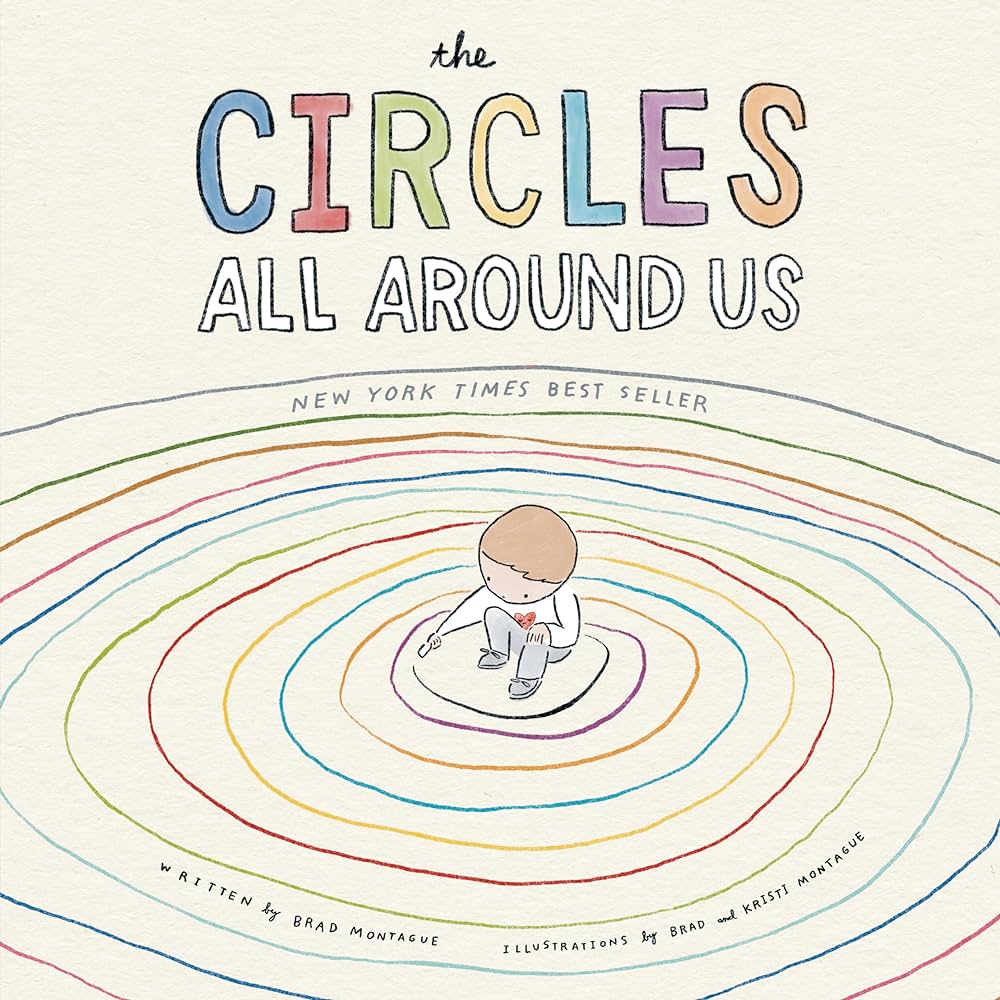
THE CIRCLES ALL AROUND US

Written by Brad Montague
Illustrated by Brad & Kristi Montague

This is a delightful story for children 3 to 7 years old, using ever enlarging circles to illustrate how we broaden our number and kinds of relationships among our human contacts and our world. It starts with a small child who draws a circle around himself that is only large enough for him. It shows the reader how small our scope is when we are infants. In fact, in infancy, humans really don’t know that there is anyone else except themselves. Gradually they begin to realize that there are others around them. And so, the circle becomes larger to include immediate family and primary caregivers. I’ll let you read this book to find out how far the author goes in expanding the circles. I will be a spoiler, though, and tell you the ending because it is so important. “…remember the first circle started with just the love you hold inside.”

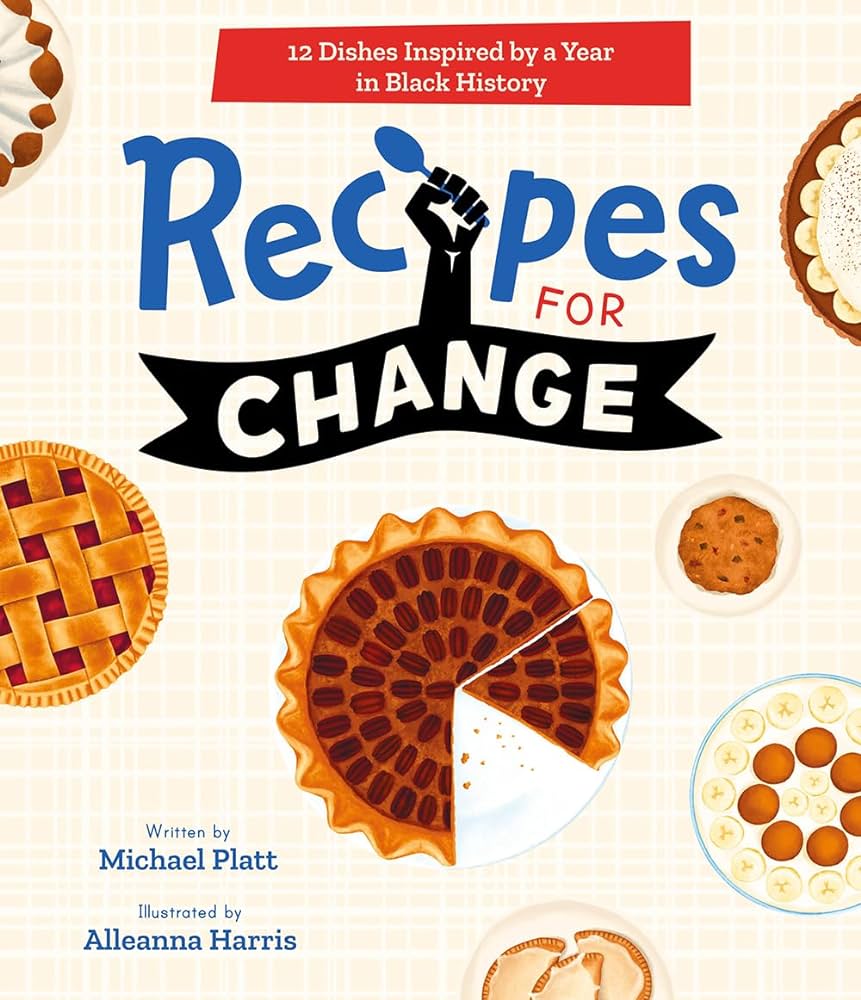
Recipes for Change

Written by Michael Platt
Illustrated by Alleanna Harris
Reviewed by Cheryl Allen

This book brings together so many interesting types of books. It is a cookbook, with stories from history and biographies. Each month of this book about Black history depicts an act of resistance and a recipe that is connected to the event. At the back of the book are short biographies of the leaders in the book.

Some of this information may be new to you, and some of it may present a slightly different angle of a piece of history. We may feel we know the leaders of the Montgomery Bus Boycott. In the December entry, you will learn about Georgia Gilmore and how she used her baking skills to help raise money for transportation for people who boycotted the bus system for more than a year. You can make her pound cake.

The recipes are easy to follow, and most need patience and possible adult guidance. While waiting for any of the recipes to be ready to eat, the stories can be read, and the detailed illustrations admired. In addition to the biographies in the back, there is a glossary and additional book suggestions.

This book is suggested for ages 8-12. It could be enjoyed by younger children, although they may need more assistance to make the recipes.

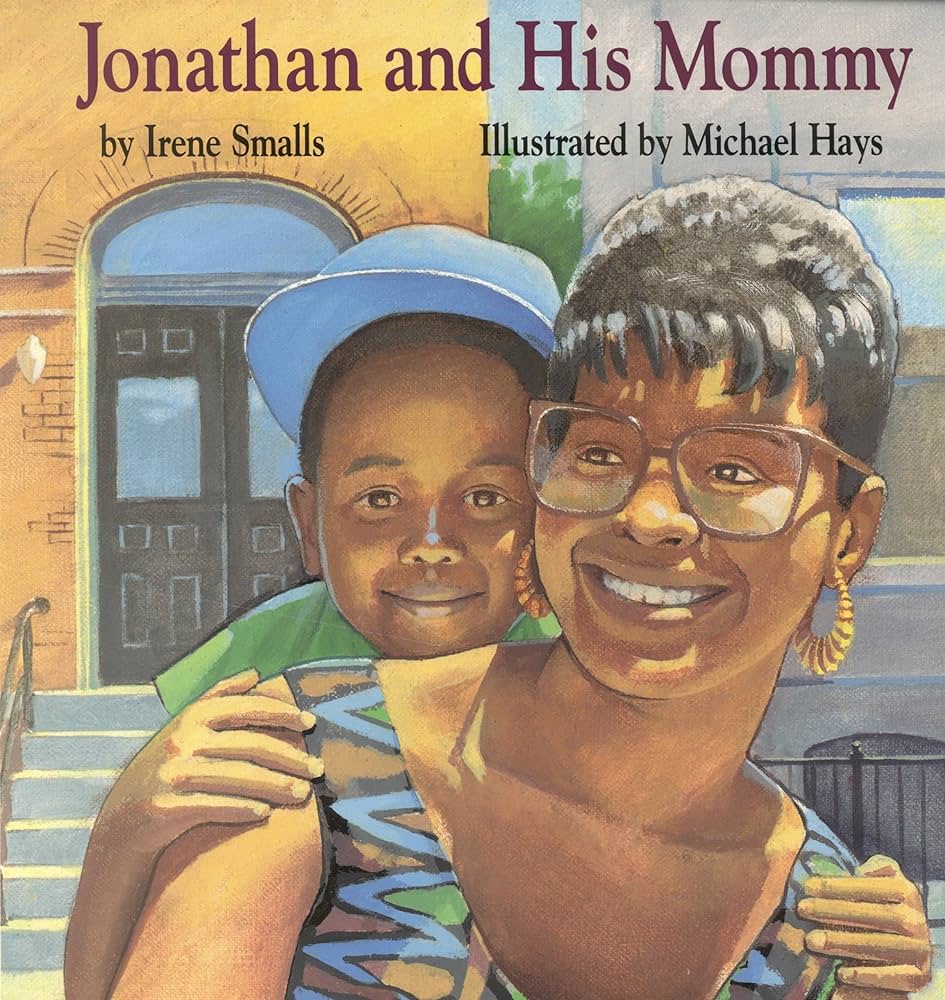
Jonathan and His Mommy

Written by Irene Smalls
Illustrated by Michael Hays

Jonathan loves to take walks with his mom. They enjoy each other’s company and find all kinds of fun ways to move and to use their voices as they go through their city neighborhood. This time I won’t spoil the surprises you’ll find as you read this charming book. Children 3 to 7 will find this an interesting story and may want to try out some of the moves that Jonathan and his mother make together.

School Culture Part II – What can we do and how can we get there? – A conversation and shared wisdom about building and participating in your school’s culture.

School Culture Part II – What can we do and how can we get there? – A conversation and shared wisdom about building and participating in your school’s culture.