

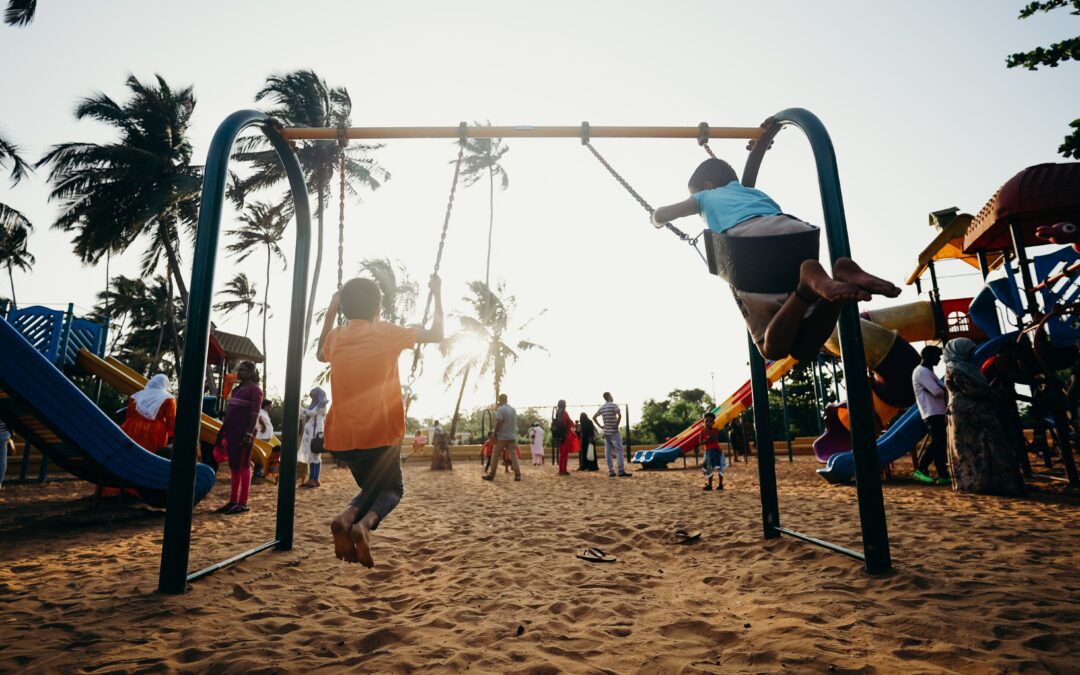
Have We Forgotten How to Play?
I remember climbing the mango tree that grew behind my building as a child. I lived in a large metropolitan city and would beg my grandma to let me play behind the building with my friend. With the slightest nod of her head, I would squeal with excitement and fly down the stairs to the fourth floor where my best friend lived. I would ring and knock until I could, once again, beg whoever answered to let her play with me. Again, with the slightest nod, we both arrived at the ground floor, barely touching a step on the way down.
I have the greatest memories of my childhood climbing that mango tree with just a salt shaker and my friend. We would sit and talk, play, and eat fresh mangos straight from the tree. Now, 30 years later, I can still recall and feel the pleasure of that time in the tree. I can still smell the sweet ripe fruit and recall unexplainable and seemingly unimportant details from those cherished experiences.
I know each of you has your own unique and special memories of playing as a child. You can recall an amazing time when you rode your bike on the street, rolled down a grassy hill, jumped into a pile of leaves, or built a sandcastle at the beach. I grew up in Caracas, Venezuela, and I spent countless hours and days playing with my friends in the street, climbing trees, and even walking every afternoon to the bakery with my grandma to buy bread for dinner. These memories are so precious to me, just as your unique childhood play experiences and memories are precious to you.
But we weren’t just playing, we were learning, and we were learning a lot!
There is something amazing about play. When you experience pleasure, you become more driven to repeat that activity. And the more we repeat it, the more opportunities we must master it. With mastery of anything, from the most basic skill to the most complex, we experience self-accomplishment and the pride and individual confidence that result from it. such as creativity, abstract thought, prosocial behavior, and expressive language”.
Playing is a critical part of our learning process. But play has to be fun. If something is not fun, it’s not play.
Let’s look at why play is so critical to learning and cognitive development. Play serves as a crucial mechanism that enables the brain to develop neurological systems that play a key role in cognitive awareness, improved learning, and physical, social, and emotional well-being. Gaskill and Perry (2014), in their article “The Neurobiological Power of Play,” said that “Developmental theorists generally have viewed play as an essential experiential element of social, emotional, physical, intellectual, and psychological development. The ‘somatosensory’ experiences in some play activities have been viewed as the neurological foundations for later advanced mental skills, such as creativity, abstract thought, prosocial behavior, and expressive language.”
Let’s dive just a bit deeper and investigate what is really happening in the brain when a child is playing. Bruce Perry is a psychiatrist and Founder of the Child Trauma Academy, and through his research, he explains how kids develop through play.
Human brains are super organized, so let’s imagine a staircase in your brain. Our brains start developing on the bottom stair and systematically progress up the staircase. The bottom stair is the BRAINSTEM, which is the basic building block of the brain.
According to Perry, the Brainstem establishes (body) state regulation and is responsible for controlling body temperature, blood pressure, heart rates, sleep, and fear.
To develop the Brainstem and this critical first stair, Perry recommends playing games, such as peekaboo and frequently introducing new and different tactile and taste sensations.
The second stair is the MIDBRAIN, this part of the brain is responsible for the regulation of movement (motor skills) and the sensory integration of our brain. Play that involves gross- and fine-motor skills and music is well suited to help develop the Midbrain.
The third step in the brain staircase is the LIMBIC. The Limbic area is all about our emotions. I know many of you are thinking, “Yes, EMOTIONS, tell me more!” It is the Limbic portion of the brain that processes emotions, such as tolerance, belonging, and empathy, as well as how we react to a situa- tion and regulate our feelings. It’s at this level of development that our brains start understanding and comprehending the complex dynamics of relationships and all those social-emotional skills that we need to live and function in society.
Once again, play is a critical component in the development of the brain’s Limbic system. Play that involves taking turns, sharing, winning, and losing will all work together to promote the development of this step in the brain staircase.
Our final level in the staircase is the CORTICAL area of the brain. As you might imagine, this is the most complex stage of development, where we see the child engaging in abstract thoughts, creativity, language, and morality. It’s at this stage that Perry notes that Cortical development is supported by playing complex games, humor, art, books, word games, etc.
So now we’ve reached the top of the brain staircase, and through play, our children have developed the ability to control their emotions and think in the abstract.
But what about executive functioning skills, and where do they come from?
Executive functioning is responsible for several skills that involve working memory, cognitive flexibility, and inhibitory control. Basically, these skills act like our own internal ‘boss’ and tell us what to do. The ‘boss’ should be able to help us pay attention, keep and recall information, organize, regulate our emotions and internal clock, and keep track of what we are doing.
The Center on the Developing Child at Harvard University says, “These skills are crucial for learning and development. They also enable positive behavior and allow us to make healthy choices for ourselves and our families.”
The important thing to remember is that we were not born with the ‘boss’; we must learn, practice, and develop these executive functioning skills throughout childhood.
These (executive function) boss’ skills live in the prefrontal cortex of the brain, and studies show that they begin to develop as early as age 3 and will normally continue to develop through the age of 21.
Perry and Baylor said in their research, “Curiosity, Pleasure, and Play: A Neurodevelopmental Perspective,” that “while enjoying their play, children can acquire a wide range of interpersonal/social skills, ranging from communication to cooperation. When children argue about who stepped ‘out of bounds’ and agree upon a ‘do-over,’ they are learning how to negotiate, compromise, and work together.”
All the play that we engage in as children, even as a toddler, contributes to the development of strong executive functioning skills— or a really good ‘boss.’
With play being so important for our children, what are we waiting for? Why are we so laser-focused on rigid academic regimes and structured activities? Have we forgotten how to play?
More play time could better serve the academic and social development of our precious tiny humans. Since we now know the importance of play, let’s ask ourselves, as parents and teachers: How can we use play to better promote and foster childhood development? How can we make things more fun? How can we add more play time to our schedule? How can we remember how to play?
As Montessori educators and parents, we know and recognize the importance of playing, but sometimes we forget that play is such a critical part of the learning process and developing effective executive functioning skills.
Maria Montessori said that “play is the work of the child,” and by giving the child the opportunity to play and explore, we help the brain to grow. “Only through freedom and environmental experience is it practically possible for human development to occur” (Montessori, 1967).
So, what have we learned, and what is our takeaway?
If play is so closely related to brain growth and development, and our prefrontal cortex (executive function) ‘boss’ skills are a result of all that playing, then we need to make sure our tiny humans are doing a lot more playing! It’s just that simple. Both in our education system and our own home, we need to implement and promote more playtime.
As Maria Montessori said, “Education is a natural process carried out by the child and is not acquired by listening to words but by experiences in the environment.” Let’s come together as parents and teachers and go out into the world to explore, be curious, and play more!
Reference
Center on the Developing Child (2012). Executive Function (InBrief). Retrieved from www.developingchild.harvard.edu.
Montessori, M. (2016, originally 1949). The absorbent mind. Amsterdam: Montessori-Pierson Publishing.
Perry, B., & Baylor, S. (200-). “Curiosity, Pleasure, and Play: a Neurodevelopmental Perspective.” HAAEYC Advocate, 9-12.

A Joyful Experience

It was the Spring of 2007, and my husband, Bernard, and I were among the multitude of parents looking for a preschool for our eager learner, who was not quite three years yet.
I suspect that this was the year that the children in our city outnumbered the preschools. Lucky for me, I overheard a parent at the park recounting an amazing experience at a Montessori school in Sarasota, FL. I was determined to find this particular school and to explore what Montessori was.
On a beautiful morning in mid-May, our daughter Victoria, Bernard, and I had our first visit to the NewGate School. We met with its wonderful Director, Lorna McGrath. I believe at that time, they had two spots open in the Primary (age 3-6) classroom. We were chaperoned around the campus by one of the parents called an ambassador, who had raised all four of her children through the Montessori curriculum. The campus was small, but we felt it was the perfect size for our daughter.
Victoria and I spent the rest of the summer stopping by the school once a week to get a little preview in anticipation of our starting the new school year that fall.
August came around finally! Victoria’s assigned classroom teacher, affectionately known as Ms. Mini, came over to our home to visit and to get to know her before school commenced. I thought that was a nice process to break the ice, so to speak.
Then the first day arrived for Victoria to go to school! The students’ assigned start dates were staggered to allow for a better, less stressful, more peaceful transition. Victoria couldn’t wait; she was (and still is) a keen learner.
After a few weeks had gone by, we knew that we had made the right choice. Victoria was having a great experience. She would come home bathed in sand from head to toe and with an orange rind in her fingernails from cutting oranges for snack time. It was awesome. We knew that she was fully immersed in exploring and learning.
Over the time that we spent at the NewGate School during our daughter’s Elementary years, we saw her growth as an independent young lady; her ability to collaborate on projects as a team player; her insatiable curiosity to investigate and understand concepts; and her love of volunteering and contributing to her community.
While she left before middle school to attend a special program offered by the public schools, we were grateful for the Montessori formative learning that will continue to yield success throughout our daughter’s life.
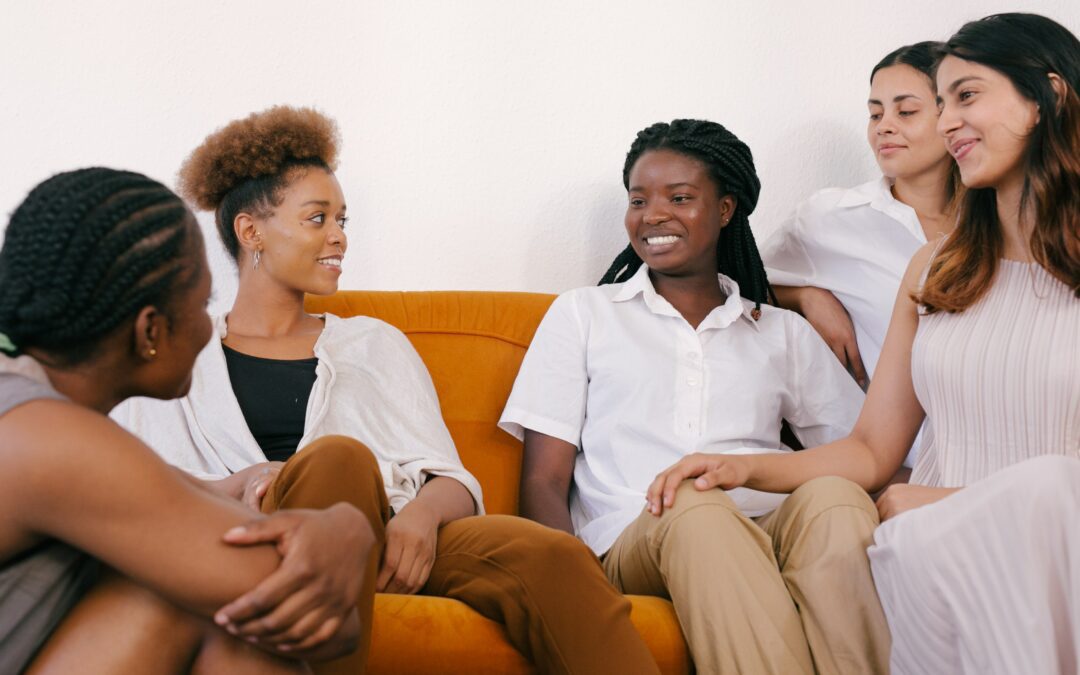
Advice from Montessori Family Alliance Friends

Reaching out to a friend who has children a bit older than yours can be a very comfortable way to get advice about your own parenting. When you are a part of the Montessori Family Alliance, the people to reach out to have very helpful pieces of advice.
Christine Lowry
The Montessori Foundation

Being a parent is both the most challenging and rewarding thing we can do. My advice is to respect your child’s sense of dignity. Children (especially young children) have a remarkable sense of self-worth, self-direction for their own growth, a sense of their value as people, and being worthy of honor and respect.
I had a sense of its importance as a parent but didn’t have the right language for it until I partnered with parents in my school. We often underestimate our children’s rich emotional life; their natural attunement to us, to their environment, and to the world; their need to explore, do it themselves; and struggle until they get it without our help. Their ‘inner guide’ is the motivation for everything they do. Sometimes, they ‘push back,’ and we feel that they are challenging us. Perhaps, if we could take just a moment to reflect on our child’s intense sense of dignity, we could more easily let go of our need now and see their need in a different light.
Cathie Perolman
Montessori Teacher Educator

If I had the chance to enhance my family, I would have created more family traditions during our younger years. We would have started with a weekly family pizza dinner and game night. This could have started with very simple frozen pizza and evolved into family-made pizza as the children got older and could cook. The games could have started out very short and simple and grown into more challenging games as the children grew. Initially, we could have included just our nuclear family, embracing their friends and other family members when they were tweens or teens. Perhaps this prediction would have carried over into their own families.
Other traditions might have included special breakfasts that we all helped plan, cook, and enjoyed on holidays, days off from school, snow days, etc. Remember, it only takes doing something twice for it to become a beloved family tradition. This could also have been true for something special after school on the last day of the school year or the first morning the family wakes up on summer vacation. I had a friend who said that weeks, months, and years needed to have “punctuation in the book of life.” Looking forward to doing things together helps a family want to spend time together, which is so important.
David Rotberg
Guide at Pines Montessori, Houston, TX

My wife gave birth to a beautiful baby girl and, instantly, we were parents. As a new parent, a new part of me seemed to come alive; a part of me that I didn’t know even existed.
As a young parent, I began to feel that I needed to ‘know’ how to raise a child ‘the right way.’ I read countless books about raising girls. We tried so many things, and yet none of it felt natural because it wasn’t us. We were just doing exactly what the books told us to do.
We spoke with friends and mentors who had older children (or were empty nesters) and asked for their advice/wisdom. Well, fast forward three more children (all boys), and we discovered there was not that one book, that one class, or that one person with all the answers. We eventually found what worked best for our family and what felt right for us. In addition, I also felt a responsibility to help our children live as themselves as much as possible.
By trying to fabricate experiences, read books, and schedule playdates, I tried to force their development too much and redirect their personalities. It didn’t happen at any moment in my parenting, but just gradually, over time, I realized that I had to trust what my wife and I were doing. Our children would be exactly who they were meant to be, and, to an extent, their personalities were hard-wired. I felt that I could breathe more and just trust my children’s growth. It took about five or six years and a few children to learn that, but hey, who’s counting?
Allowing children to make their own decisions and helping them to accept the natural consequences, positive or negative, of their decisions is my best parenting advice. As parents, we support our children by modeling decision making and helping them weigh the possible outcomes. Sometimes, allowing children to fail is what allows them to grow.
Lorna McGrath
The Montessori Foundation

When your child seems to be struggling with something, it can become an ongoing struggle, weighing them down or weakening their self-confidence. Talk to them. Help them with their self-talk and assure them that everyone struggles with something. Most things can be overcome with practice, time, support from others, and determination.
Be empathetic without trying to make it all better. They must do that. Don’t pity them; instead, be confident when they are not. Show them your strength, patience, and willingness to receive help from others. Let them know, “You/we got this!”
Margot Garfield-Anderson
The Montessori Foundation (retired)

My best advice to parents and grandparents is not to spoil anyone with things; instead, be invested and present when you have time with them. Bring them to places to show them there’s a world out there. Expose them to all the arts; take them on nature walks and teach them how to fix something when it’s broken or how to put something together. My favorite is to get them into the kitchen to cook— anything that helps them unplug from those devices. Help them learn to be of service in their communities.
I try to do this with my four granddaughters as well. We do art projects, listen to musicals, watch old movies, play board games, and do puzzles. We knit or crotchet, we paper mâché, we go to museums and science centers; we are going on a cave exploration this summer. I try to create times they will want to replicate and look back upon with the fondest of memories.
Dr. Nora Faris
Montessori Guide, NewGate School

One of the most revelatory experiences for me as a mom and as a person new to Montessori was just how wonderful the notion of Practical Life could be. As a new mom coming to Montessori twenty years ago, I was amazed as I observed what the children in the Primary classrooms could do by themselves. Not only did James (my husband) and I enroll the children in a Montessori school as fast as they would let us, but we left determined to see what else they could do for themselves at home, which turns out to be a lot! Adopting the motto “If you can do it for yourself, you should” has truly helped our children develop into the confident, capable young adults they have become.
As we get the occasional texts from our college-aged kids that read, “Thanks for teaching me how to do my laundry and cook,” or “Thanks for teaching me how to do hard things,” we are grateful for the lessons learned as new parents. Letting go of perfection-oftask thinking to make way for independenthuman-in-development activities was the best decision we made as parents. And, once we understood that anything could be broken into smaller steps towards a larger goal, we created a home environment that allowed our children to become confident and selfsufficient. This worked for driving practice, talk practice, form-completion practice, and more. As James and I look towards retirement, we wonder what practical-life lessons lay in store for us, too. We are eager to learn and set practical-life goals for ourselves as well.
Tammy Willen
Head of School, Bay Montessori School (Lexington Park, MD)

Through my time as a parent and a Montessori educator, I’ve learned many things I wish I could have put into practice when my children were young. As a child, I was a Montessori student, and as an adult, I became a Montessori educator. Therefore, I was very knowledgeable of the “Montessori Method” and did my best to parent along a similar path. Now that my kids are teenagers and I have life experience and more training, I’ve learned a few things I wish I’d done when my kids were young.
Many parents think we know what’s best for our children. Although my heart was in the right place, I often forgot to listen to my child, both through their words and through their actions. Most parents think a three-year-old still needs a nap and a four-year-old needs to eat at each meal. We think a seven-year-old should know how to read, and a ten-year-old should know how to speak kindly to a friend. We often spend a great amount of time trying to control our child’s behaviors. What I encourage others to do is to observe, model, follow, and guide.
If I could go back to my children’s preschool years, I’d throw my expectations (and everyone else’s) out the window and watch my child show me their full potential. In schools, I hear many parents say, “He should be…” or “I wish she could…” or “When she does ….” My advice to parents is to eliminate should from your vocabulary and let your child blossom at their own unique pace.
Cheryl Allen
The Montessori Foundation

Family meetings, held regularly, give every person in the family a chance to be a part of decisions and solutions. Knowing that your topic of concern or interest will be addressed goes a long way in helping to develop confidence. Having a voice in the family can make connections stronger and allow the family to work together.
Renee Duchainey-Farkes
The Montessori Foundation

I would advise parents to be focused on a partnership with the school and the teachers, because we are all working for a common purpose: the child. Parents should attend as many school events as possible, even those that are not focused specifically on their child; it helps build school community.
Share expectations and goals for your child with the teacher and get affirmation that these are the right ones for your child. Learn from your child’s teacher.
Share your family’s culture, values, and parenting practices with your child’s teacher. Attend PTA meetings and get involved, if you can, to support the school to be the best place for children. Actively help teachers and the school to recruit volunteer parents to help.
Montessori, the Second Plane, and Imagination
To continue reading, you will need to choose a subscription plan.
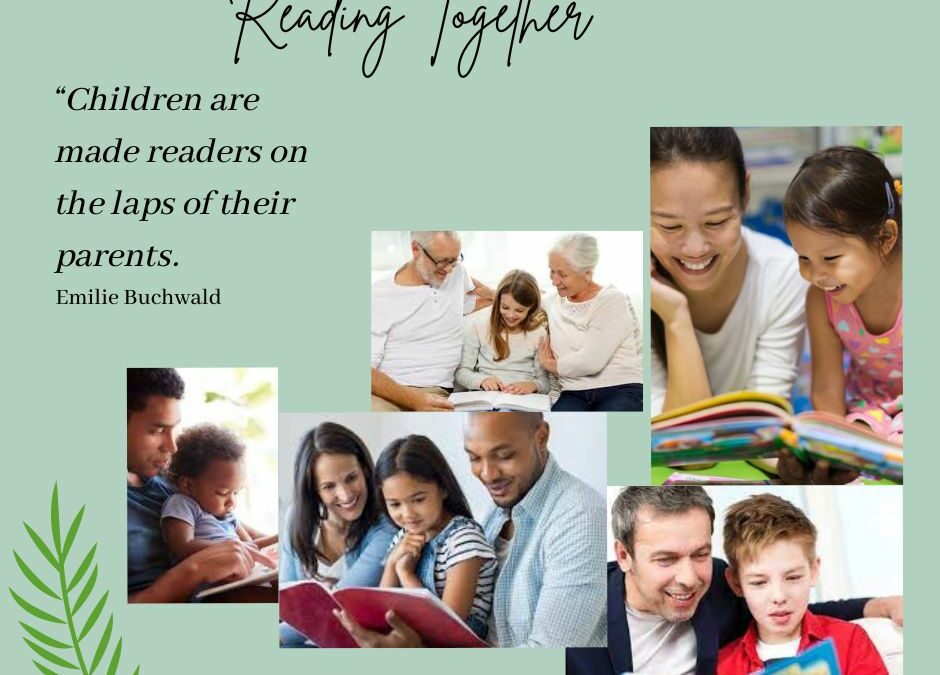
The Magic of Reading Together
Do I Just Say Yes to Everything?
To continue reading, you will need to choose a subscription plan.

Diversity: A Lesson from Nature
To continue reading, you will need to choose a subscription plan.
Physical Wellness: Part 3 – Physical Wellness: The Activities We Do with Nicolas Lepine

Physical Wellness: Part 2 – The Sleep We Need

Physical Wellness Part 1: The Food We Eat What’s in Your Pantry
Benefits of Having a Book Study Group for Parents at Your School: fun, easy, and a great way to build community with Sherria VanSparrentak
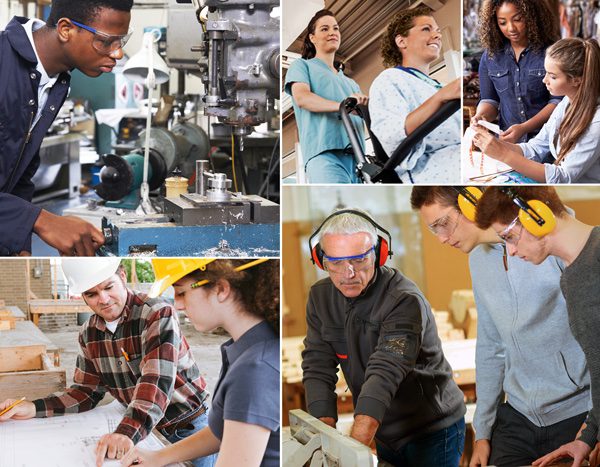
Practical Life for Older Students At Home and At School

Whatever It Takes! Keeping Your Children in Montessori through High School Graduation
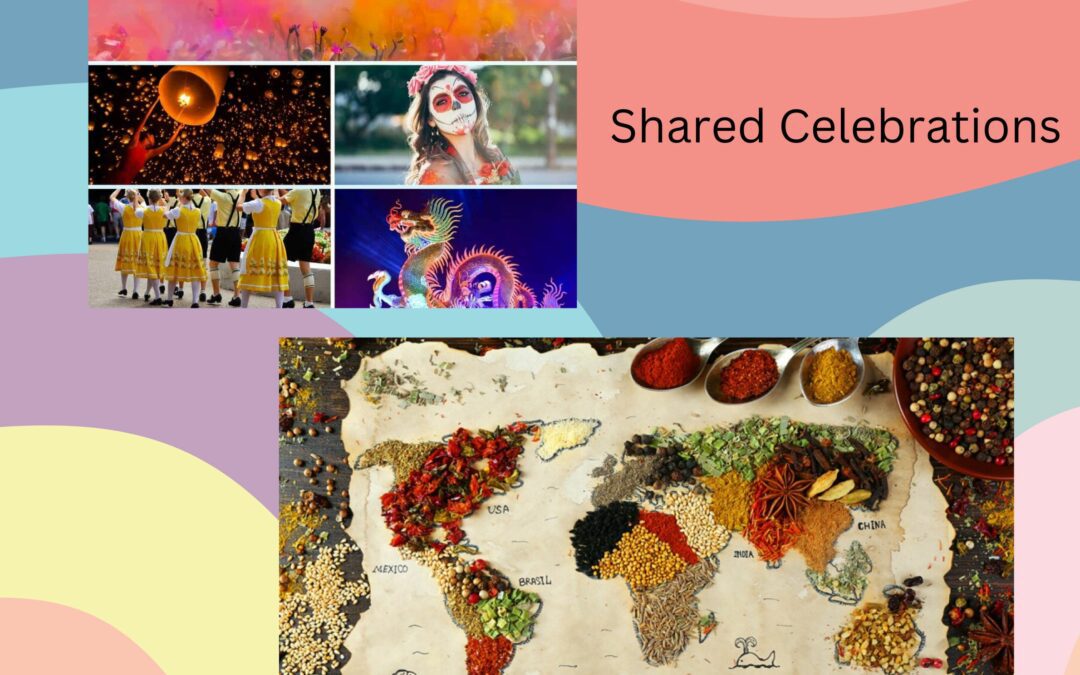
Shared Celebrations – Large and Small: Embracing Traditions and Cultures
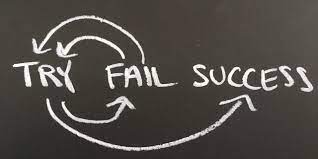
Getting Friendly with Failure: Responding to Your Child When Things Don’t Work Out

Resources Parents Can Rely On books, websites, organizations, etc
To continue reading, you will need to choose a subscription plan.

All They Need Is Love: Love Language with Our Children in Mind
Featured
-
 The Montessori Way, Revised and Expanded: An Education for Life; A Comprehensive Guide for Parents and Teachers
$25.00
The Montessori Way, Revised and Expanded: An Education for Life; A Comprehensive Guide for Parents and Teachers
$25.00
-
The Montessori Child: A Parent's Guide to Raising Capable Children with Creative Minds and Compassionate Hearts (The Parents' Guide to Montessori)
$20.00
-
The Montessori Toddler: A Parent's Guide to Raising a Curious and Responsible Human Being (The Parents' Guide to Montessori)
$20.00
-
Montessori in Action: Building Resilient Montessori Schools 1st Edition
$29.95
-
Bulk Order, 30 Copies of Montessori for Every Family: A Practical Parenting Guide To Living, Loving, And Learning
Original price was: $600.00.$510.00Current price is: $510.00.

Products
-
The Montessori Way, Revised and Expanded: An Education for Life; A Comprehensive Guide for Parents and Teachers
$25.00
-
The Montessori Child: A Parent's Guide to Raising Capable Children with Creative Minds and Compassionate Hearts (The Parents' Guide to Montessori)
$20.00
-
The Montessori Toddler: A Parent's Guide to Raising a Curious and Responsible Human Being (The Parents' Guide to Montessori)
$20.00
-
Montessori in Action: Building Resilient Montessori Schools 1st Edition
$29.95
-
Bulk Order, 30 Copies of Montessori for Every Family: A Practical Parenting Guide To Living, Loving, And Learning
Original price was: $600.00.$510.00Current price is: $510.00.