

Supporting Your Children’s Natural Growth in Language and Literacy

Embracing the Future

It is vital that educators prepare students not for the world we grew up in, nor even the world as it appears today; rather, we need to prepare for a world that does not yet exist and which we cannot possibly predict.
With that in mind, I’m sure I’m not the only one who has been thinking deeply about the long-term impacts of the emergence of several machine-learning platforms over the past few months. Especially recently, as news of one of the latest, ChatGPT, has gone “viral.”
At home, my software engineer (and digital native) husband has been exploring various machine learning platforms for several months as word has spread in his field about these latest developments. I observed as he used DALL-E, another digital platform, to generate uncanny, beautiful, and oddly specific images from written prompts. I listened as he shared his interactions with the conversational, entirely text based ChatGPT.
I admit, at first, I brushed off his conviction that these were the first signs of a pivotal moment in the history of humanity; but he’d planted the seed, and quickly, it grew.
Despite my open-minded stance and commitment as an educator, I was reticent. This kind of stuff is pretty far outside my knowledge base. To people like my husband, I’m considered a bit of a Luddite (aka technophobe), and I was sure that these things were too much for me to understand—too complicated for me to interact with meaningfully. Now, I don’t know about you, but the moment I could acknowledge that fear, I had to press pause and take a step back. I don’t want to fall into the trap of allowing unfamiliarity or uncertainty to create a barrier to entry when it comes to innovation.
It sounds like you’re trying to describe the digital divide that can occur between generations or groups that have varying levels of exposure and comfort with technology. Essentially, if one generation or group is slower to adapt to new technologies, they can become increasingly left behind as the world around them becomes more reliant on those technologies. This can lead to feelings of disconnection, confusion, and even frustration or anxiety for those who struggle to keep up with the pace of change. As technology continues to evolve and become more integrated into our daily lives, this divide can become even wider, making it even more challenging for those who are slow to adapt to catch up.
Well, that settles it. Now more than ever, it is vital for us, as Montessori parents and educators, to renew our commitment to lifelong learning and embracing innovation. For me, that means diving headfirst into a topic that scares me and trying to make sense of it all.
What even is ChatGPT?
To answer that question, I decided to go straight to the source and ask! Here’s what ChatGPT had to say about itself:
I am a computer program designed to understand natural language and generate responses that are relevant and helpful to people who ask me questions. Think of me as a digital assistant that you can ask anything, and I will try my best to provide you with the most accurate and informative answer based on my training and knowledge.
The question of how it works is a pretty big one, and somewhat mysterious even to the most informed, but after chatting with it (as well as doing my own research and listening to others more informed than myself), what I found helpful for my own understanding is this:
I was trained using a deep learning algorithm, specifically the transformer architecture. My training data consists of a large corpus of text from various sources, including books, articles, and websites. During training, I was presented with sequences of text and learned to predict the next word in the sequence based on the context provided by the previous words. This process was repeated millions of times over a period of several weeks, during which my neural network gradually became better at generating text that sounded natural and coherent. After training, I was fine-tuned on specific tasks and domains to improve my performance on those tasks.
Not sure where to begin?
Here’s a few ideas:
Copy a document or article and ask ChatGPT to summarize the main idea for you (Want to get really fancy? Ask it to format the summary in bullet points.)
Ask ChatGPT to rewrite a passage at a specific reading level.
Share an assignment and learning goal with ChatGPT, and ask it to write.
It’s important to note that ChatGPT, the program that assisted me with this article, is not connected to the internet. The platform is accessible through OpenAI.com, the research organization responsible for its invention. It has access to the data it was trained on (which is vast) but otherwise is mainly limited to the context within each individual conversation it has. This makes it a different kind of tool than you may anticipate, and it should not be confused with its new cousin, the ChatGPTbased AI recently added to Microsoft’s search engine, Bing.com.
If you want to take a deeper look at ChatGPT’s language model, or any language model, I recommend “What is ChatGPT Doing and Why Does it Work?” by Stephen Wolfram.
ChatGPT as an Assistive Tool
So… what can it do? Plenty. Since its release in late November 2022, people have found countless applications for its assistive technologies. In the week that I’ve played with it, I’ve used it mostly as a sounding board for my ideas, to help me brainstorm solutions to problems, and even to outline this article (along with a few other topics of interest). It has helped me process information from complex texts, reformat notes, and adapt content for different age groups and targeted skills.
Of course, the nature of a tool like this is that there is some trial and error for each user to discover its strengths and weaknesses (and it does have weaknesses). ChatGPT can make mistakes! In its own words:
As an AI language model, I can make mistakes in understanding the context of the question, interpreting the intent of the question, and generating an accurate response. This can be due to limitations in my training data or biases in the language used in the question. For example, if a question contains a reference to a cultural event or phenomenon that I am not familiar with, I may not be able to provide a relevant response. Additionally, I may generate responses that are factually incorrect or inappropriate based on the context of the question.
I find myself thinking of the tool as an incredibly supportive friend—one who hears your ideas and will do what it can to help you further them. By letting it reduce my mental load (as one of my own supportive friends would put it), I have found new depths to my ideas that might otherwise never have had the chance to reach the surface. Let’s be honest: Doesn’t every teacher and parent wish there was just a little bit less on their plate? Maybe ChatGPT can help.
Playful Learning
Look, machine learning platforms like ChatGPT are only going to advance further. There’s no telling exactly how machine learning platforms like ChatGPT will influence our future, but we can rest assured that they will be deeply entwined in our children’s and student’s lives. Let’s not work against this, and let’s not fear working for this. Instead, let us work with these developments. To best support our students as the next generation of digital natives, we need to familiarize ourselves with each exciting innovation as it rolls out.
I urge you to consider this as part of your own spiritual preparation. If we agree that we must cultivate our commitment to ongoing personal growth and development, we must also model our commitment to lifelong learning and a willingness to embrace innovation. By showing our students that we are willing to explore new technologies and learn alongside them, we can inspire them to become lifelong learners and innovators themselves. We must be willing to take risks, make mistakes, and learn from our failures. This is how we can create a culture of innovation in our classrooms (and homes) and prepare our students for a future that is constantly evolving.
Maybe you’ll find use for ChatGPT as a planning tool, as a helpful processing partner, or as a tool for differentiated instruction. Maybe, like me, you’ll find a creative outlet. Maybe you’ll discover something entirely different! I’m not here to tell you exactly how to use ChatGPT, nor any other platform like it. I’m not suggesting you should use it in your classroom or home, have your child use it, or even that you must use it for prep work. If you are truly committed to lifelong learning, though, and want to embrace the innovation that Montessori is so renowned for inspiring, I recommend you take some time to just … play.
To check out ChatGPT for yourself, visit OpenAI.com/blog/ChatGPT
Want to hear a traditional English teacher’s take? Check out the New York Time’s Hard Fork podcast episode, “ChatGPT Transforms a Classroom and is ‘M3GAN’ Real?”
Our experience with ChatGPT
We gave ChatGPT a query,“Tell me about Montessori education,” and this is the answer we got:
Montessori education is an educational approach developed by Italian physician and educator Dr. Maria Montessori. It is based on the philosophy that children learn best when they are allowed to explore and discover things on their own in a carefully prepared environment. Montessori education emphasizes the development of the whole child, including their cognitive, social, emotional, and physical development.
In a Montessori classroom, children are encouraged to work independently and at their own pace, using specially designed materials and activities that are hands-on and interactive. The classroom is arranged into different areas, such as Practical Life, Sensorial, Language, Mathematics, and Cultural Studies. Each area is designed to help children develop specific skills and knowledge.
The role of the teacher in a Montessori classroom is to observe and guide children, rather than instructing or directing them. Teachers help children develop their own interests and strengths and encourage them to pursue their own learning goals. Montessori education is based on the belief that children are naturally curious and eager to learn, and that they learn best when they are given the freedom to explore and discover things on their own. It is designed to help children develop a lifelong love of learning and to prepare them for success in all areas of their lives.
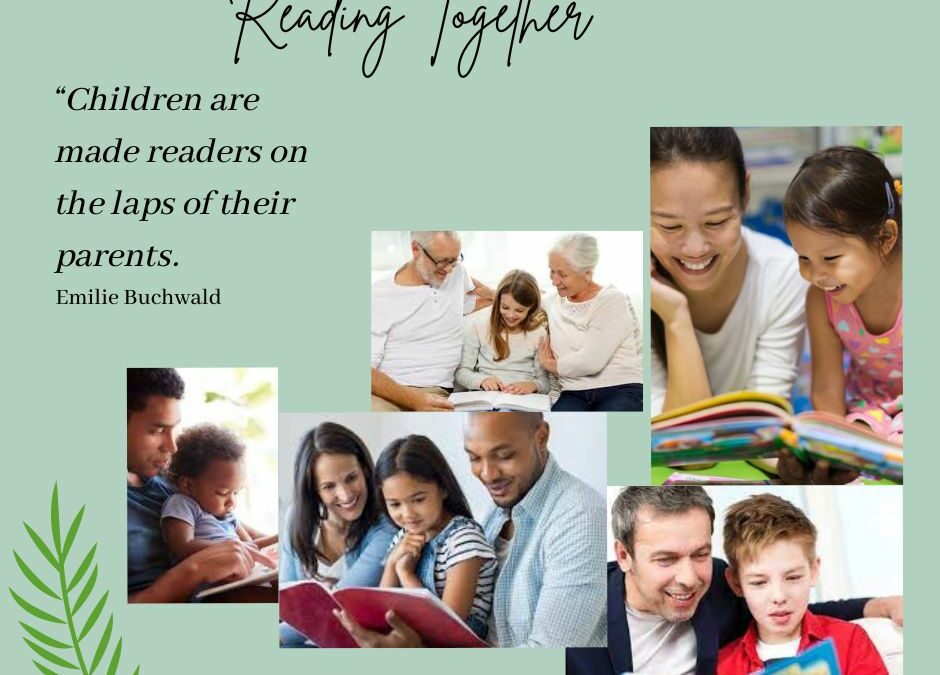
The Magic of Reading Together
Ableism: Changing Assumptions with the Language We Use
To continue reading, you will need to choose a subscription plan.

Grammar Tells a Story
To continue reading, you will need to choose a subscription plan.

The Language We Use: Inclusion in the Montessori Classroom
Join us as we explore the trend called “Quiet Quitting”. By now most of you have heard of this phenomenon. According to a recent Gallup poll, quiet quitters make up at least 50% of the American workforce. Could it already be affecting your school community? How will you know?
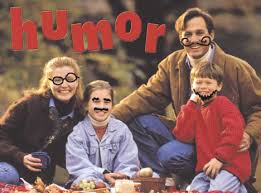
ARE YOU KIDDING ME! Employing Humor To Guide Children Toward Better Learning and Behavior
To continue reading, you will need to choose a subscription plan.

What We Believe Our Children Receive: Living Out Our Family Values
To continue reading, you will need to choose a subscription plan.
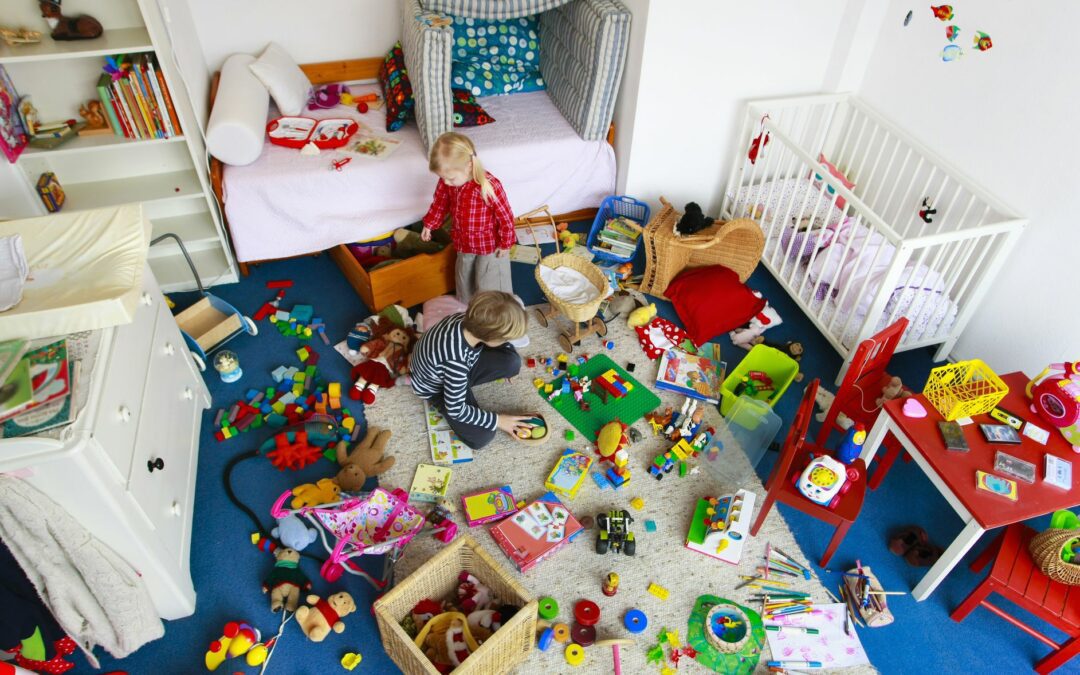
How Much Is Too Much?: Giving Children What They Need May Not Always Be What They Want
To continue reading, you will need to choose a subscription plan.

What Do You Want Me To Do?: Telling Your Child What To Do Rather Than What Not To Do
To continue reading, you will need to choose a subscription plan.

Part 2: Montessori Inclusion- A Whole School Model for All
To continue reading, you will need to choose a subscription plan.
Montessori Inclusion- A Whole School Model for All
To continue reading, you will need to choose a subscription plan.
Raising a Child to Love Literature
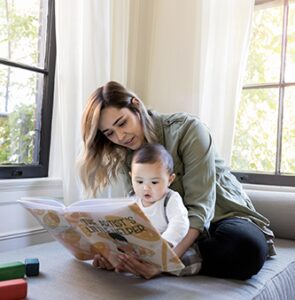
Parents often wonder and worry about how to encourage children to read and how to raise a child to love literature. How can you inspire your preschooler, school-aged child, or teen to love the written word?
It begins with adult modeling, sharing literature at all stages of your child’s life, and consistently providing books and magazines in your home. Show your child your genuine enjoyment of books, magazines, newspapers, and all things written!
Let’s start with the youngest children: toddlers and preschoolers.
Flood your home with books. You can buy them, ask for them as gifts from grandparents or relatives, or make regular trips to your local library.
Read these books often and try to respond with genuine enthusiasm when your toddler asks you to read the same book over and over, a positive step, as this leads to predictability, comfort, and a true mastery of the story sequence.
Start early with magazine subscriptions: The Babybug (6 months to 3 years) magazine is a great place to start and Hello magazine (0 to 2 years) from the makers of Highlights is for infants and toddlers as well.
Be sure that books are available for them to explore as readily as other toys and set out on low shelves. Children will be more inclined to choose books and magazines when they are as available and attractive as other toys and activities.
One of the best traditions is to start purchasing a quality hardback book for your child at every milestone, birthday, and winter holiday. Write an inscription in these books with a date and message so that they are notably special.
These are the books that will be read over and over again and loved thoroughly.
As children move into their preschool years, they are ready for different types of literature. Young children love stories that show others like themselves and that talk about their world. These books help preschoolers to feel secure and comfortable in the world they see.
But literature can also help preschoolers enter worlds slightly bigger and more divergent from their own. The stories should be getting a bit longer (and the subject matter more varied) as your child matures and is ready to explore.

I recommend looking for literature that embraces subjects that your child is interested in now, but also look for books that stretch your child’s imagination to discover new worlds and new experiences. There are many lists of appropriate Adult/child book clubs have sprung up in many towns. They encourage the experience and love of shared reading. preschool books online.
School-aged children enjoy not only singlesitting books but also chapter books and book series.
I suggest you continue to read aloud to your child at bedtime, even as your child becomes a more proficient reader. Reading aloud not only lets your children hear the cadence and speed of proficient reading, it lets them share a book with you and have the opportunity to discuss the happenings in the book as well. This can allow you to explore sensitive subject matter together, as well as a great story.
Adult/child book clubs have sprung up in many towns. They encourage the experience and love of shared reading.
In my view, it is best to continue the tradition of giving your child a carefully chosen hardcover book as a gift. It is so important for your child to build his or her own personal library with books they will read over and over for years.
Regular trips to the library remain important, although your child will naturally become more independent in selecting books during these years. By watching what is selected, you will get to know your child’s interests better, offering you ways to initiate conversation or other book suggestions. This is also a time to think back on the books or book series that were special to you and suggest them as well.
By the teen years, encourage your young adult to enjoy literature in whatever form brings enjoyment: graphic novels, books, magazine articles. Online and audiobooks can engage one in an interesting story. Non-fiction books about cooking, automobile repair, or outdoor sports also resonate with many teens.
As a parent, I believe our job is to encourage the exploration of any subject that can enhance interest in reading.
Teens also enjoy reading about themselves and their real-life challenges, so many will gravitate toward content that explores these issues.
As a teen, they are probably reading content online, and it may be harder to ascertain their area of interest. You might want to introduce them to others who read online, so they can have discussions there.
Goodreads.com lets kids discuss what they are reading with others, which can often be more interesting to do than discussing them with parents. There are even many chatbased story platforms like Hooked or Wattpad’s Tap app, that combine reading and storytelling for teens.
A continued family discussion about this topic is still important.
Modeling reading for your teens and talking about what you are reading is also very important. This can stimulate conversation with your teen that can lead to hearing them express their own views on topics.
Teens will read books as part of their classes in school and, if you have not read them, you might want to read the books to give you another basis for discussion.
Here are a few more suggestions:
• Continue to reach into your own memory and recommend books that were your favorites.
• Many young adult books (YA) span age groups and can be read and enjoyed by both parents and teens.
• Don’t be afraid to leave books and magazines around your home in enticing places for your teen to pick up!
• Books that are written as a series can be a good way to encourage a teen to keep on reading.
• After your teen has seen a movie, find the book that it was based upon and bring it home. Discuss whether the movie or the book was better.
As with all things “teen,” make every effort to keep the lines of communication open. Your local library may offer classes or programs for teens that can get them inside the library to explore an interest and, at the same, time renew their awareness of what is offered in the library.
Be aware that school requires a significant amount of required reading, which can limit the time that they can spend on recreational reading during the school year. Teens may read more for pleasure during school vacation breaks or in the summer when they may have more free time.
Reading can be encouraged as an enjoyable individual and family experience when it is modeled by parents, shared within families, and openly enjoyed. •
REFERENCE:
The Babybug magazine: shop.cricketmedia. com/babybug-magazine-special-offer.html
Hello magazine: shop.highlights.com/hello-magazine.html
Cathie Perolman is a reading specialist, elementary educator, author, consultant, and creator of educational materials for primary and elementary students. Check out her new downloadable materials on her website: cathieperolman.com.
For more than three decades, she has dedicated her energies to improving reading for all youngsters. She is the author of Practical Special Needs for the Montessori Method: A Handbook for 3-6 Teachers and Homeschoolers published by the Montessori Foundation (available through montessori. org.) She is a regular contributor to Tomorrow’s Child and Montessori Leadership magazines.
Cathie Perolman holds a BS in Early Childhood Education and a MEd in Elementary Education with a concentration in reading. She is credentialed as a Montessori teacher. She is married and has two adult children and two adorable granddaughters. Cathie lives in Ellicott City, Maryland with her husband.

The ‘How To’s’ of Family Meetings: Watch Our Panelists Role Play a Family Meeting
To continue reading, you will need to choose a subscription plan.
Webinar: What Do You Read – Inspiring the Literary Artist in Your Child
To continue reading, you will need to choose a subscription plan.
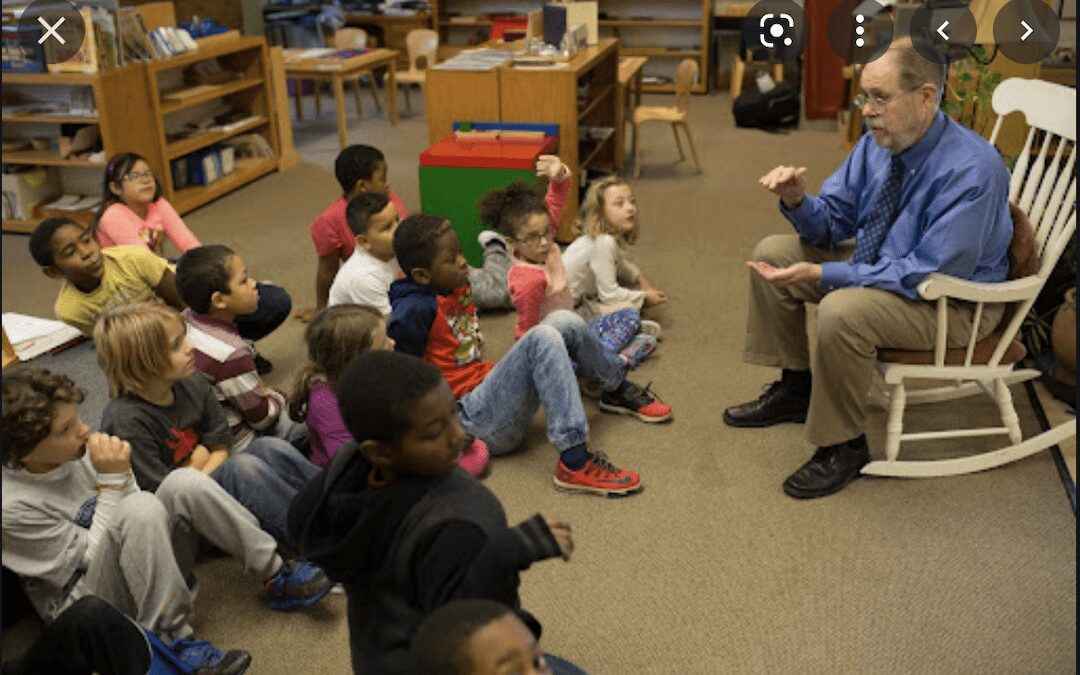
Storytelling and Emotional Intelligence
To continue reading, you will need to choose a subscription plan.
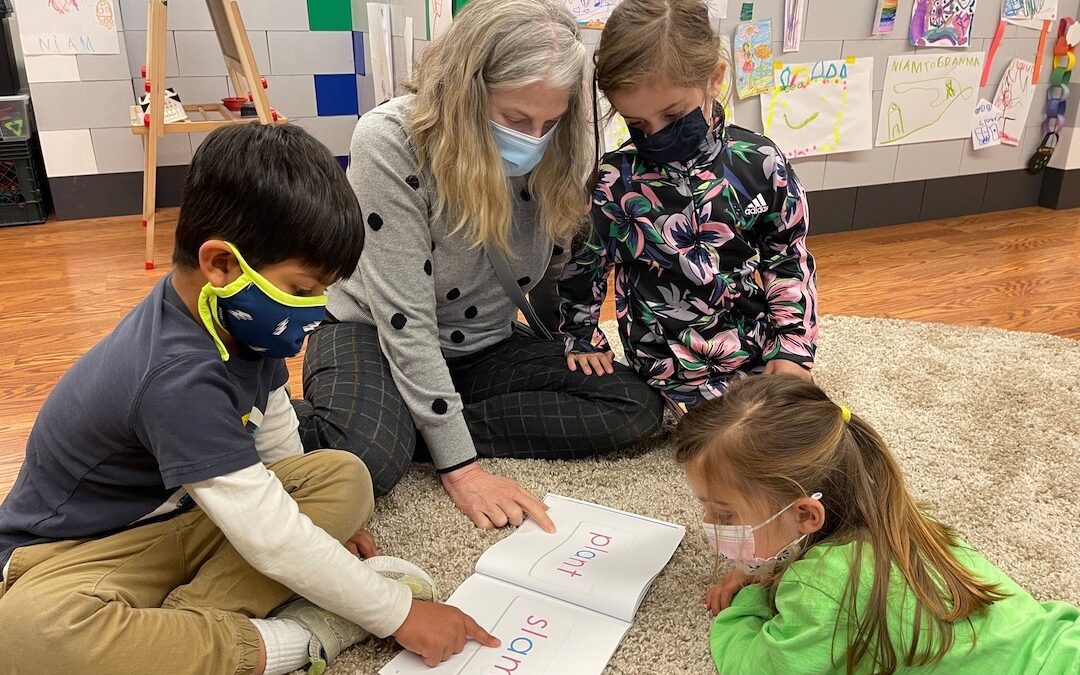
Helping Children With Differences Learn To Read In A Montessori Classroom
To continue reading, you will need to choose a subscription plan.
Featured
-
 The Montessori Way, Revised and Expanded: An Education for Life; A Comprehensive Guide for Parents and Teachers
$25.00
The Montessori Way, Revised and Expanded: An Education for Life; A Comprehensive Guide for Parents and Teachers
$25.00
-
The Montessori Child: A Parent's Guide to Raising Capable Children with Creative Minds and Compassionate Hearts (The Parents' Guide to Montessori)
$20.00
-
The Montessori Toddler: A Parent's Guide to Raising a Curious and Responsible Human Being (The Parents' Guide to Montessori)
$20.00
-
Montessori in Action: Building Resilient Montessori Schools 1st Edition
$29.95
-
Bulk Order, 30 Copies of Montessori for Every Family: A Practical Parenting Guide To Living, Loving, And Learning
Original price was: $600.00.$510.00Current price is: $510.00.
Products
-
The Montessori Way, Revised and Expanded: An Education for Life; A Comprehensive Guide for Parents and Teachers
$25.00
-
The Montessori Child: A Parent's Guide to Raising Capable Children with Creative Minds and Compassionate Hearts (The Parents' Guide to Montessori)
$20.00
-
The Montessori Toddler: A Parent's Guide to Raising a Curious and Responsible Human Being (The Parents' Guide to Montessori)
$20.00
-
Montessori in Action: Building Resilient Montessori Schools 1st Edition
$29.95
-
Bulk Order, 30 Copies of Montessori for Every Family: A Practical Parenting Guide To Living, Loving, And Learning
Original price was: $600.00.$510.00Current price is: $510.00.