

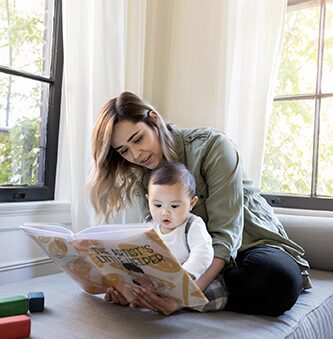
Webinar: What Do You Read – Inspiring the Literary Artist in Your Child
To continue reading, you will need to choose a subscription plan.
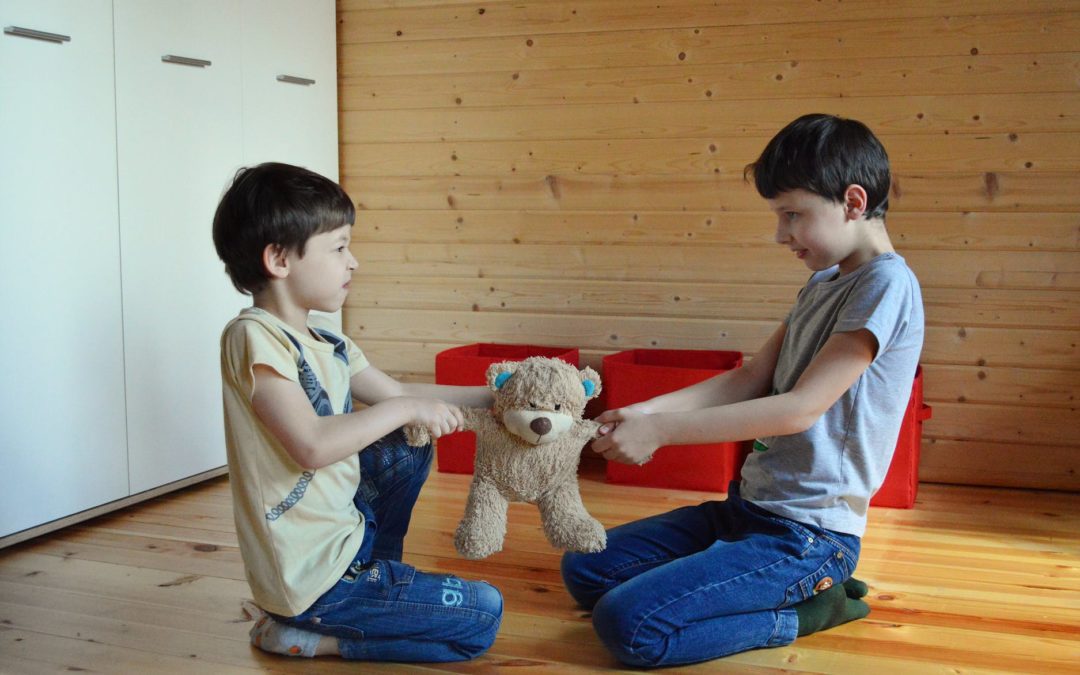
Staying Neutral: How To Manage Siblings Fighting
 You know the scene. Two children both want the same thing. Or one of them is hurting the other. Or they are complaining and nagging each other.
We can’t help ourselves, we come to the rescue. “Why don’t you go first, and then the other one can have a turn next?” “Why are you always picking on your brother?” “Why can’t you two just leave each other alone.”
When we step in like this, we actually make things worse. The children start to get irritated at us. They think that we take sides (usually in favor of the younger child), and the fighting can often escalate as the children are getting our attention, even if it is negative attention.
So what can we do instead?
We can be the mediator rather than judge and jury. A mediator listens to both sides but stays neutral.
“It looks like you were playing with that, and (to the other child) you’d really like a turn too.”
“You seem really upset. Will you each tell me what’s going on for you?”
Then, do nothing. PAUSE. See if the children can work it out. Perhaps remind them of a rule, “We share by taking turns. It will be available soon.” But stop yourself from solving the problem for them.
And what if there is a young baby? You’d be surprised at the solutions they come up with. I often give the example of Oliver and Emma both wanting to play with the same vehicle. Oliver would have been under two and Emma was just crawling. I stated something like, “Two kids and one vehicle. I wonder how you’ll solve the problem,” and then PAUSED. I proceeded to watch quietly as Oliver took the front wheels off the vehicle to give to Emma and they both played with half each. A far more creative solution than I would have come up with, and they solved the problem themselves.
And if they are hurting each other. We can still step in without blaming either of them. We can separate them – “you go to this side and you come to the other side” — and, once they are calm, they can solve the problem with us as a neutral mediator if needed.
Give it a try for a week and see how you go:
1. Be neutral;
2. Let them be heard; and
3. PAUSE to see if they can solve the problem themselves
You might enjoy visiting Simone’s blog at themontessorinotebook.com. We appreciate her granting permission to use this post. ¢
Simone Davies is the author of The Montessori Toddler and co-author of The Montessori Baby, comprehensive guides to raising toddlers and infants in a Montessori way. The books are based on her 15+ years’ experience working as an AMI Montessori teacher in Sydney and in Amsterdam. She also has a popular blog, instagram, and podcast The Montessori Notebook. She is also mother to two young adults. Simone currently runs parent-child Montessori classes in Amsterdam at her school Jacaranda Tree Montessori and is working on another book with Junnifa Uzodike, The Montessori Child for children from 3-12 years.
Finding Montessori helped her so much when raising her own children, and it’s now her passion to help other parents introduce these ideas in their homes too. She was looking to find a way to be with her kids that wasn’t about bossing, threatening, or bribing them. Or giving them free rein either. And she wanted them to have a positive experience of school, not just to pass tests, but to love learning.

Silence is a Gift
For more than a hundred years, children in Montessori schools have been practicing the Silence Game as part of their regular routine. Maria Montessori discovered that children experience great pleasure from the self-control that produces real silence. This is a silence that comes from within the child rather from the demands or rewards for silence that we often make of children.
“At first when I had not yet understood the soul of the child, I thought of showing sweets and little toys to the children, promising to give them one…I imagined that gifts were needed to obtain such efforts from children. Very soon I was forced to admit that this was useless.” Maria Montessori
Over the years, as an adult educator, I have coached teachers in using the Silence Game as a regular classroom practice, not as a tool to control their behavior. When children are given the opportunity to make silence, they become aware of their bodies and emotions. In our schools we practice the Silence Game as a group, especially at first. The idea is to create complete stillness in the classroom from which true silence emerges.
This practice often starts during group time with just 15 to 20 seconds of stillness. Children may close their eyes as a help to minimize distractions. The teacher may ask them to just listen for sounds in the room like the pump from the fish tank, the AC turning on or off, or the teacher’s soft voice whispering their name to go quietly back to work. As the children increasingly develop their skills in self-quieting, the length of time for this activity increases. This gift of self-awareness and self-calming is priceless.
The holiday season reminds me that it is easy to get off track and forget what’s important and fun! As we approach the holiday season with all the events and activities, the gift giving and receiving, the traditional foods that are out of our typical diets, and the media bombarding us, we may be filled with a mixture of joyous anticipation and dread of the hectic pace that holidays often bring. Our children’s impression of how to act and what to feel during the holiday season is most often influenced by us: their parents and our families.
The Silence Game can be implemented at home as well as at school. It can offer family members a challenging and fun activity that encourages and supports the development of self-control, calming the spirit, and helping to focus on the joy of the holidays. This practice is not a demand for obedience or control but a challenge to perfect ourselves. When we practice it together the Silence Game can have a profound effect on all the family members.
“One day I had the idea of using silence to test the children’s keenness of hearing, so I thought of calling them by name, in a low whisper… This exercise in patient waiting demanded a patience that I thought impossible”. — Maria Montessori
Here are some ideas for starting the Silence Game at home:
• The idea of ‘making silence’ can be introduced at your weekly family meeting. It can be a wonderful way to start your meeting each week by getting everyone calm and centered. Have your family gather on the floor, sitting in a circle. During the first few weeks it would be best for the adults to lead so that the children can become familiar with the process. After that, leadership can be rotated among family members as it is their turn to facilitate the weekly meeting. The leader can whisper people’s names as a signal that silent time is over, and the meeting will start.
• Other times of the day for ‘making silence’ could be right before or after a meal or just before going to bed. It’s a great way to start or end the day.
• One way to bring family members to the ‘making-silence’ activity might be to create a sign that says, Silence and walk quietly around the room to, show the sign, which is their signal to gather, and go on to the next person.
• Another way to call them to gather for silence could be to have a small music box to carry from one person to another instead of the sign.
You will need to explain before implementing the practice how the ‘making-silence’ activity works and what signals will be used. Don’t be discouraged if children three and younger have some difficulty with this kind of activity. If your child will sit quietly in your lap or beside you for a few seconds, that’s a good start.
What else can parents do to cultivate ‘calm and peace’ during the din of the holiday season for our children? Here are some ideas:
• Recognize your own feelings. Are you anxious, joyful, overwhelmed, excited, etc.? How we feel (and how we handle those feelings) can have a great deal to do with how the rest of the family is feeling and behaving.
• Remember to take care of yourselves. Do something for yourself, such as reading a book, listening to soothing music, taking a hot bath, or doing some type of exercise. Take time to do something daily that refreshes, renews, and re-energizes you.
• Leave time in the days and weeks during the season for unscheduled family time to relax and take it easy. It could be reading or telling stories, doing a puzzle together, or having a quiet family meal together. The key words here are together and relax.
You can give your family the gift of silence during this holiday season and throughout the year. Enjoy! ¢
Lorna McGrath has 40+ years of experience in the field of education, teaching children from 18 months through 6 years old and from 12 through 18 years old in both public schools and independent Montessori schools. She received her M.Ed. with a concentration in Family Counseling from the University of Georgia and her Montessori certification from the American Montessori Society. She also served as Associate Head of NewGate School.
Lorna is a Senior Consultant and Director of Family Resources at the Montessori Foundation as well as a Montessori teacher educator, conference presenter, and school consultant. She has used her many years of experience, working with families in the educational setting, to develop programs for parents as well as teachers and children.
Most recently, she and Tim Seldin have published a book, Montessori for Every Family — a practical parenting guide for living, loving, and learning.

Roam
I tell my children to get out!
In fact, I tell them all of the time to get out of my house and go away. Like the unforgettable and motivational lyrics from the song Roam, by the B52’s, I beg my children to “roam where you want to, roam around the world.” A simple song if anything, but the lyrics are truly profound, if not by design and invention, then definitely by divine intervention. This happy little song demands of its listener:
Roam if you want to Roam around the world
Roam if you want to Without wings, without wheels
Roam if you want to Roam around the world
Roam if you want to Without anything but the love we feel
So, it’s ok to roam physically and mentally without the need of anything else but simply “the love we feel.” It makes sense that we humans go to the places that we want to, and the impetus is usually the love we feel within our hearts about that person, place, or a thing that we want to see or know better. However, we can’t fall in love with what we don’t know exists, and we can’t feel what we cannot touch. That’s where the roaming part comes in. Children do not learn best just by simply listening; they need to experience things.
My fellow parents, it can only be an advantage to the human brain, and the human being, to have many different experiences in one’s life. Of course, we don’t have to do anything at all; you are fine just the way you are, as am I. However, I do believe that almost everyone will agree that being a student of the universe cannot possibly be a bad thing. There must be something of value in knowing something (anything) about different languages, religions, customs, cultures, cuisines, music, nations, histories, literature, governments, and people. All the aforementioned can be summarized under the umbrella of culture, which can be defined as all the manifestations of human achievement regarded collectively.
My children have huge dreams and aspirations for their own future, but they regard so much of their world through the lens of their immediate orbit, which may be quite large to them, but is rather small within the scheme of things. I used to take them everywhere I could when they were younger. We have traveled abroad and experienced many different cultures everywhere. At home, I expose them to my British roots, and their mother does the same with tales of her youth and South American customs. When it comes to making a citizen of the world, too much is never enough. So, I actively encourage my kids to continue to not only thirst for culture, but to drink it, and drink from it often.
Younger children need parents for them to move beyond their immediate surroundings. The acquisition of culture is best when directly experienced by the child. They need us to be able to get them there “without wings and without wheels.” The vast menu of cultural differences scattered throughout the planet are all right here for our consumption. We can find ethnic communities, local festivals, diverse food, virtual tours via the internet, and just good old-fashioned “read to me mommy and daddy,” which can obviously be an excellent time to bond and get closer.
Imagine the many questions, the awe and wonder, the breathtaking revelations that will come from the myriad cultural encounters to which our children will be drawn. You do it! Why must their first immersive cultural encounters come from future college experiences, their future date night, or a future friend from another global setting? I strongly suggest that you let the process begin with you! Provide a forward-thinking cultural narrative now for your children, while they are young, and allow them to be able to make global decisions later. Knowing something about the world other than our own can help our children to navigate better the changing times that are upon us.
KNOWING SOMETHING ABOUT THE WORLD OTHER THAN OUR OWN CAN HELP OUR CHILDREN TO NAVIGATE BETTER THE CHANGING TIMES THAT ARE UPON US.
And if you are thinking about providing a rich cultural experience for your children, trying to pick out the “Apex Culture’’ for this process will certainly be an exercise in futility, as every culture has what we may deem as moral highs and lows. No’sir-ee Bob! It looks like the most effective way is just to dive in the best way you can and pick a little bit of some of everything.
One of the outstanding lines echoed in the song is the sentiment that we should roam “without anything but the love we feel.” ‘What does this mean? Are you being asked to roam in the places you have already been? Should we only discover the places we already know and love? I would tend to think not, since they follow that admonishing lyric with another enthusiastic cheer that we should “roam around the world!” I think (and hope) that we should all try to venture somewhere else and become something different with each new experience.
Quick story: I identify with the Christian faith and have done so all my life. At one point, I drove the same route to work for about 13 years 50 miles each way. Every day, I hit a stretch of narrow highway on I-675, with walls of tall evergreen trees lining either side of this familiar road. There was nothing remarkable about the scenery, but the beautiful Georgia sky meeting the tops of the trees.
One day, I noticed some intricate marble latticework beginning to emerge from the tops of the trees. This was a massive construction in development. Day by day, this chiseled chalk white structure would grow higher and higher from behind the tops of the tall Georgia pine.
After some time, I discovered that it was a Hindu Temple, a community temple, a restaurant, and a cultural museum. I was so intrigued by the design of the building and the intricacy of the marble work that I HAD to go and check out this place. After some time, I took my wife and children to this new Hindu temple, spent the day there, and was not disappointed. The physical design and interior alone were truly amazing sights to behold. The smell of incense and saffron filled the temple air and, while unusual to me, I would be dishonest if I said that these scents were not pleasant to my senses. While there, we watched the worshipers pray, we read about their beliefs, we sat and ate some of the most amazing foods I have ever tasted: our taste buds were not ready for this deliciousness. We sat and consumed the very same food that they ate, while we listened to the music of their faith; I was no less a Christian for it. We met strangers with different accents and languages, but we all laughed together in the same language. It was, in all honesty, truly an amazing day of love and learning, one that my two 20-years -plus children and my 15-yearold have not forgotten. This was just one of many times I have nudged my children into the fray and over the cliff of cultural diversity.
This song is not a convenient metaphor for me. I really do believe that there is something very real within the commanding lyrics of this song. I would like to imagine that these three wacky bandmates at the beginning of their career had the early opportunity to travel more and experienced success through the lens of their expanded world; it somehow changed them.
Exposure to culture helps us to grow into more complete human beings. It is literally the fiber that binds humanity. It doesn’t matter if you travel to it, or bring it to you, culture is the space between strength and weakness. Mark Twain once said, “Travel is fatal to prejudice, bigotry, and narrow-mindedness, and many of our people need it sorely on these accounts, “Roam” is the embodiment of Mark Twain’s words. Our children cannot get up and simply roam where they want to. They rely on us to help expand their universe and guide the journey. Since our kids don’t know what they don’t know, I suggest we get going.
Michael Crump and his six siblings grew up together in the UK. He received a BA in Sociology/Education from Ashford University. Michael attended Manhattan College for two years and lived in NYC for 16 years. After working in corporate management for 25 years Michael decided to join his wife, Arlette, as a teacher at her school, the Montessori Village Academy in GA. He completed his Montessori Elementary Teacher Certification in an IMC training program. Michael and Arlette have three children – Isaiah and Morgan in college and Mattison, a working actor in high school.

Dear Cathie: How can I guide my children to help around the house?
DEAR CATHIE—
I have always done everything for my children. I just thought that is what good parents did! I thought it showed my love. But now that they are growing up, and I am learning more about the Montessori Method from their school and my reading, I understand that I need to expect more from them and let them help around the house. This is both a practical and a mindset change! Can you help me get started?
—AN EXCITED MOM
Dear Mom,
Congratulations on making the decision to afford your children more responsibility, and opportunities to contribute to the family. This is a key concept in happy and healthy families, and you cannot start too young. The key is to begin small, teach each skill to your children, and then have consistent expectations that the job has become their responsibility and is no longer yours. Let it happen naturally, as the child has the skills to take on a task!
Let’s choose one activity to use as an example: bath time. Your goal is for your child to learn to take a bath independently: from getting pajamas to leaving the bathroom as he found it. This is a process that will take years to learn, and we certainly are not advocating that you leave your child alone in a tub of water until he is mature enough to be safe.
Taking a bath requires a child to do a series of steps that will complete the goal. The child needs to: get pajamas and bring them into the bathroom; turn on the bath water at the correct temperature; undress; get in the bath; turn off the water, when the bath reaches the correct height/ temperature: wash the body; rinse off the soap; wash hair, if needed; rinse hair; get out of the bath; dry off; put on pajamas; let the water out of the tub; dry any spills; hang the towel; and put the dirty clothes in the hamper.
How can we begin to teach a child all those steps? Begin today to turn over one step at a time to the child. Do not do anything for your child that she can do herself.
Be sure your child can find her pajamas in the same place each night. (I always put them under the child’s pillow, and my children wore the same pair of pajamas until they were dirty. This saved on laundry and made life simpler for our family.) Say to your child, “Now that you are getting older, you are ready to start learning how to take your own bath. Please get your pajamas and bring them into the bathroom and then come and get me.” That is now a task for the child every night! You will need to be sure it is done, but you will never do it for her again.
You can turn on the water until she is old enough to do it herself. You can place a mark on the chrome that shows how far to turn the handle on the faucet. (A permanent marker works well.) This is especially important, if the turning the water on also controls the water temperature! Be there while the child does it for as long as it takes for you to be certain that she can manage it herself. This is one of the more difficult steps in the process, and you will need to be involved in it longer.
Teach your child how to wash. How does the soap get onto the washcloth? You may need to do that part, but they can do the actual washing. First you will be there while she is washing, watching to be sure she is doing it correctly. In time, you will come back and check and “help” to do the difficult parts.
The key is to begin small, teach each skill to your children, and then have consistent expectations that the job has become their responsibility and is no longer yours.
Washing hair is one part I helped with for many years. I checked to be sure the hair had all the soap removed. Eventually, she will wash her entire body herself! Even a very young child can rinse off alone. You may need to talk her through the process, check and be sure she rinsed all the spots and gotten all the soap off (especially in the folds of the skin), but you do not need to do it for her.
Once the child is rinsed, she can open the drain to let the water out of the tub. She can get out of the tub and begin to dry off. (Be sure to teach her to “hold on” as she exits the tub — as wet is often slippery.) You can come and help as needed. (I always said I needed a hug when they were in the towel, and I checked that my child was dry before putting on her pajamas). Dressing is a skill that children begin to learn as early as 18 months. By four, this is totally the child’s responsibility.
Drying the bathroom may require you to point out areas of water. Some people prefer to do this before the child is in pajamas, as she may get wet doing it! Children can hang up the towel if the hook is at an appropriate height for them. Hooks are now easy to buy and can be moved as the child grows!
A child as young as 18 months can learn to put her dirty clothes in the hamper, and that is an easy job to turn over to the child immediately.
When you are beginning to teach a series of skills, discuss the sequence of steps in the process with your child. What comes next? Can you do that part yourself? Always talk to your child about how she will be able to do this part in a few months/years This sets the tone that you know/expect that your child will ultimately be a self-sufficient person.
You can apply the same principles to any task. Let your child carry the laundry downstairs; put the toilet paper in the closet, and later onto the toilet paper holder, or put the vegetables in the veggie drawer when you come home with groceries. A child of three can even put three carrots in each small plastic container for lunch. Then, when packing lunch for himself, he simply removes a container.
Have fun letting your children take on more and more responsibility and let us know how it is going! ¢
Cathie Perolman is a reading specialist, elementary educator, author, consultant, and creator of educational materials for primary and elementary students. Check out her new downloadable materials on her website cathieperolman.com.
For more than three decades, she has dedicated her energies to improving reading for all youngsters. She is the author of Practical Special Needs for the Montessori Method: A Handbook for 3-6 Teachers and Homeschoolers published by the Montessori Foundation (available through montessori.org.) She is a regular contributor to Tomorrow’s Child and Montessori Leadership magazines.

Money Talks: Talking About Financial Uncertainty With Your School-Age Children
With the coronavirus crisis causing unprecedented job losses, many families are experiencing uncertainty around money. Even families with relatively solid financial footing are feeling a need to rethink family finances.
Our impulse as parents is to protect our children from financial difficulties. But our current situation creates an immense opportunity for family discussion—especially at a time when families need everyone pulling in the same direction.
Whatever your financial circumstances, you can step into age-appropriate conversations. Children can learn that everyone faces economic adversity at some point in life. But we can teach skills that build resilience. Let me suggest four steps to guide your conversations.
1. Start with the headlines.
Before you begin talking about money concerns as a family, clarify the facts you want to share: Focus on the news your child needs to know and how that news impacts your family. Keep it simple and straightforward. For example:
• Mom lost her job, and we need to talk about what that means for our family. • Dad’s job is secure, but we still think it’s time for us to be cautious. • Mom’s business has fewer customers, so that means less income for our family.
Those focused statements kick off further disclosure and conversation. While you can share additional details, your goal is to avoid a monologue. Move to dialogue!
Creating space for children to express their thoughts and feelings is crucial.
2. Invite feedback.
Creating space for children to express their thoughts and feelings is crucial. If you jump to solutionfinding too soon, you risk shutting down their responses. Draw out your child with open-ended questions:
• What questions do you have about what I just said? (Not:
“Do you have questions?” but
“What are your questions?”) • What do you think this means for us as a family? • How do you feel right now?
If your child doesn’t voice a response, that’s okay. Circle back to the question later in the discussion or within a day or two.
3. Brainstorm solutions together.
Adjusting family finances impacts everyone. Inviting everyone to find solutions improves buyin from all. Older children can help you consider key numbers in your family budget. Younger children think more readily about their own “money in, money out.” Consider these questions:
• How can we work together to increase our income? • What do we spend on that’s easy to cut back? • Which things feel most important to keep?
Now is the time to discuss any emergency funds you can access—money put away for a time like this. It’s a teachable moment for older children to understand that living on their own means building a reserve of at least three- to six-months income.
4. Speak and act with confidence.
Your family conversations can normalize the experience of adversity and teach your child to pivot quickly.
One of the best ways to display confidence is to find opportunities to share and volunteer—giving time, even if you can’t give money. Discuss how some people need help with everyday food insecurity, as well as what you can do for the elderly and others who are isolating alone.
As a family, you can’t always control what happens. But you can talk about it. Remind your child that you’re working together—and that you will get through this.
Nathan Dungan is the founder and president of Share Save Spend® . He speaks and consults with organizations and families on the topic of financial wellbeing. Nathan uses a Wellbeing Framework to help individuals and families build capabilities that are most relevant for them and the goals of their family.
He is the author of three books and numerous resources for organizations and families. Nathan’s newest resource, Money Sanity U®, is a subscriptionbased virtual learning library for organizations that addresses a variety of money topics in a simple and interactive format— all designed to help improve financial wellbeing. You can learn more at sharesavespend.com.
Music: A Multisensory Approach to Learning
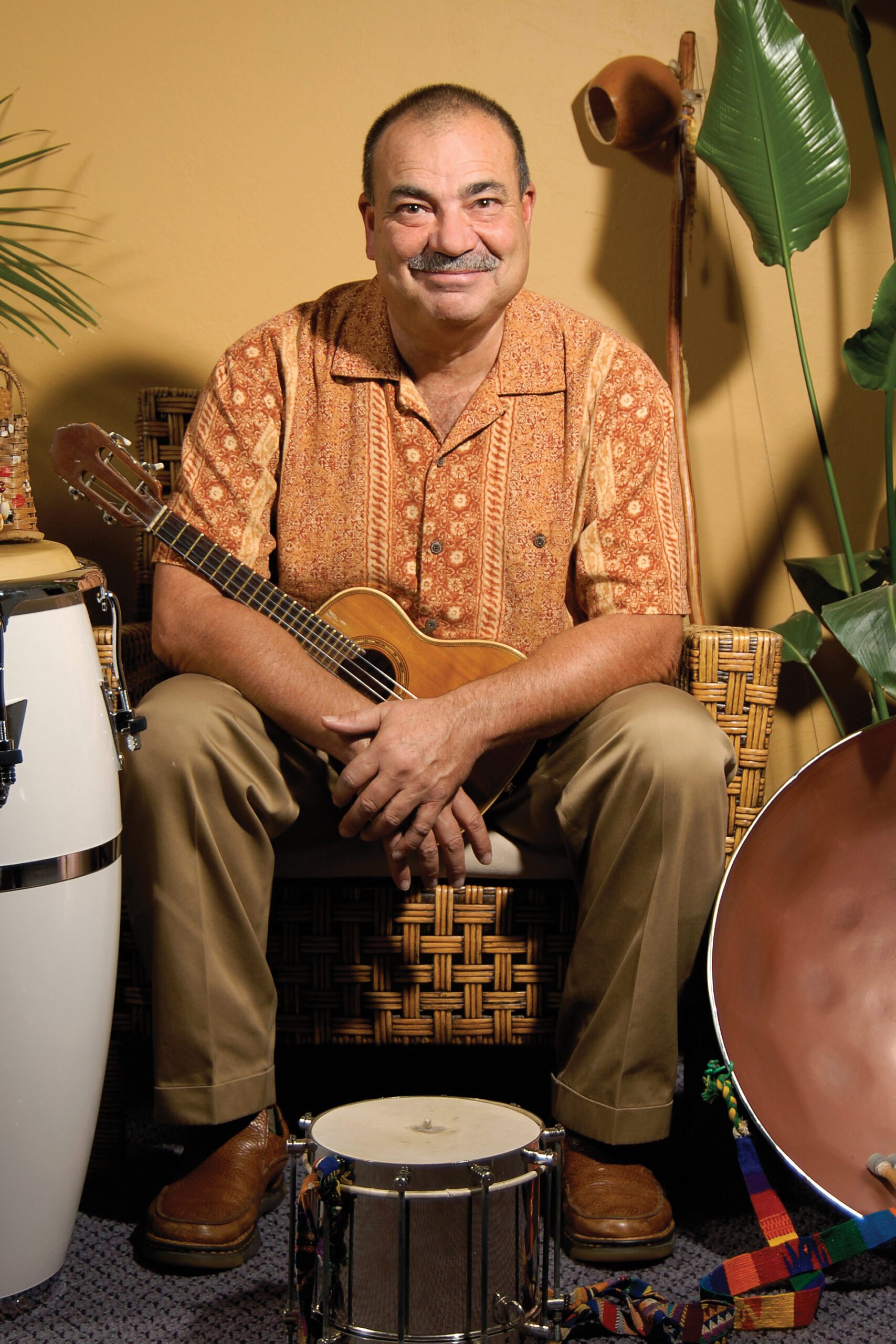
I have been a children’s music teacher for nearly half a century! I started teaching in Michigan and continued in the U.S. Virgin Islands, California, Hawaii, and New Mexico. In the beginning, I was expected to create my own curriculum. Because I was a musician, everyone assumed I knew how to implement a music program. The truth was, I had no idea!
Fortunately, in 1974, I received a scholarship to become an accredited Early Childhood teacher through the American Montessori Society. The Montessori philosophy and rationale inspired me to find an age-appropriate approach to passing on the language of music to young children. After careful observation, trial and error, and field research (classroom experience), I began to understand what young children need most from a music lesson.
Catalyst for Learning
Music can serve as a catalyst for learning. Early Childhood musical experiences are far more important than we imagine. Music is not just entertainment or recreation for young children. It can serve as a catalyst for learning. It aids in the development of cognitive skills (the core skills the brain uses to think, learn, read, remember, reason, and concentrate).
Research affirms the many benefits of music that extend beyond the craftsmanship and art of music itself. Music helps develop self-esteem, body awareness, balance, compassion and respect, sharing skills, gross-motor control, fine-motor control, problem solving, work ethics, and the ability to think creatively. These are the very skills that parents expect their children to learn at school.
It has often been said that music is the universal language. If so, then children should be introduced to music at the same time they are developing language, ages one to five. Similar to learning a language, music needs to be in the child’s environment on a daily basis, gradually increasing vocabulary. In a preschool setting, this means creating a daily routine of interactive songs and musical activities aimed at developing basic music skills. Through engaging in the songs and presentations, children acquire a musical repertoire of melodies, rhythms, lyrics, and musical concepts.
These Early Childhood musical experiences help them learn to focus, maintain attention, process information, and become better learners. Music needs to be the child’s environment on a daily basis, gradually increasing vocabulary.
AMulti-Sensory Approach
The Montessori Method recognizes that each child has a unique way of taking in information; some children are very auditory, others visual, and some need a hands-on experience. Montessori is a multi-sensory approach, so the activities stimulate more than just one sense, thus fully engaging the child. I follow a similar approach when singing with young children.
The goal of a song is to invite the child’s participation through listening, singing, and utilizing hand motions or finger plays. The combination of these events holds the child’s interest from the beginning of the song to the end. The completion of a project is very important for young children; to successfully reach the end of the song leaves them feeling accomplished and builds their self-esteem. They often applaud at the end of the song! That applause is not for me. It means that they are proud of the fact that they completed the song.
Children learn through repetition. Doing something just once is never enough. It is important that they repeat the songs and exercises several times before moving on to new material. In my songs, I utilize a form of repetition called the “echo” or call and response. This is where I sing a short musical phrase, and the children repeat it after me. Using an echo, they do not have to learn the song. They feel successful the first time they hear it, because they are simply repeating lyrics and melodies. The lyrics have accompanying movements or instructions, so the children repeat the phrase while performing the movements. The act of being my echo and merging the motions with the lyrics invites the children’s participation and keeps them fully engaged. Utilizing the echo improves their listening skills and their ability to follow oral instructions.
A good example is my song, “Ladybug.” We use our hand to represent the ladybug and start out with one hand behind our back. As I sing “ladybug, ladybug,” the children move their hand from behind their back while repeating my phrase. I then sing “landed on my head” (they repeat the melody and motion), “crawled onto my nose” (echo) “and over to my ear” (echo). “Ladybug, ladybug” (echo), “crawled on my neck” (echo) “and then she flew away” (echo). This is a very popular song with children worldwide.
What are the Solfeggio frequencies?
Solfeggio frequencies make up the ancient 6-tone scale thought to have been used in sacred music, including the beautiful and well-known Gregorian Chants. The chants and their special tones were believed to impart spiritual blessings when sung in harmony. Each Solfeggio tone is comprised of a frequency required to balance your energy and keep your body, mind, and spirit in perfect harmony.
I sometimes use verbal instructions for the children to echo. For example, I might say “girls stand up” (echo), “just the girls stand up” (echo), “girls touch your nose” (echo), “bend down and touch your toes” (echo), “girls turn around” (echo), “now turn the other way” (echo), “jump three times” (echo), “now quietly sit down” (echo), “thank you girls” (echo). They simply repeat my verbal commands while acting them out.
By starting with the girls, I have created an expectation; the boys know that they will also have the next turn. This idea of creating and fulfilling an expectation is a tool I use to create enthusiasm for the lessons. As I am leading the presentation, I am constantly evaluating and assessing how well the child is doing. This allows me the opportunity to adjust the level of difficulty accordingly. I want it to be challenging, yet within the grasp of the child.

Once the children are comfortable with the concept of echoes, it plays a major role in future lessons: the introduction and performance of rhythm band instruments (tambourines, rhythm sticks, triangle, maracas, hand drums, and cymbals), solfeggio with the hand bells (Do, Re Mi, Fa, So, La, Ti, Do), and even the introduction of rhythmic notation (a quarter note = ta, two eighth notes = titi, and a half note = to-o) all utilize the echo.
Create a Consistent Format
A daily music class with kindergarten-aged children usually lasts 30 minutes. I begin with verbal echoes and then proceed to echoes utilizing patschen (clapping, tapping knees, tapping the floor, snapping fingers, etc.). I then take out my ukulele and accompany myself by singing a few interactive songs. Halfway through the lesson, we stand and dance or participate in a gross-motor activity.
Besides my ukulele, I always bring a bag of rhythm band instruments. The bag creates a lot of excitement and is a good diversion from the other activities. All I must do is say, “I have something in my bag I want to show you,” and I immediately have every child’s attention. When I reach in the bag, I take my time and make noise moving the instruments around as if looking for a certain one. This again creates excitement and an expectation. When I take the instrument out of the bag, there is always an “ooh” from the children!
I introduce the instrument by telling them its name and allowing them the opportunity to hear and play it before placing it back in the bag. I always conclude my classes with a calm echo and goodbye song.
The songs and lesson content may vary, but the method and format of every class is the same, creating continuity and familiarity within the classes. These musical experiences become highly anticipated and appreciated by the children. I thoroughly enjoy my time in the classroom! I smile and laugh often. I genuinely have fun, which translates into the children having fun.
Building a Musical Foundation
My goal has always been to pass the language of music on to children. These early childhood musical interactions help them become better learners. They also provide a sound musical foundation. If these children choose to play an instrument in elementary or middle school, they most definitely will have an advantage and are more likely to succeed.
Parents, if you want your children to have a strong foundation in music, you must be a good role model. Sing and dance around the house; let your children observe you enjoying and interacting with music. Invite your children to join you and share the music that you like with them. Sing children’s songs and participate with them by acting out the motions. Take them to concerts or musical events. Allow them opportunities to explore playing musical instruments like drums or percussion.
The most important thing is to bring music into focus! It is all around us, so draw the child’s attention to it, and they will fully appreciate and enjoy the wonders of music throughout their lives! ¢
Frank Leto is an Early Childhood educator, a musician, a composer, and a Montessori teacher who has been working in Montessori schools throughout the country for 40 years. He is also a professional musician, Orff music teacher, and steel band director. He brilliantly combines his skills as both teacher and musician to create a sound that children love! Frank’s music for children is exceptionally popular with teachers and parents throughout the United States. His music is designed to encourage children’s participation through singing, dancing, fingerplays, games, and exercises.
Reprinted with permission from Community Playthings, www.communityplaythings.com
Frank has ten interactive, multicultural CD’s, two of which have won educational awards. Some of his music is also available in Spanish and Mandarin. He also has a curriculum book, Method to Music, which outlines his unique approach to music education.
He travels nationally and internationally, presenting keynote speeches and workshops at educational conferences. Contact Frank Leto at: musicalventures@gmail.com or visit his website at: frankleto.com.

Celebrating Winter Holidays: Global Traditions
To continue reading, you will need to choose a subscription plan.

Tomorrow’s Child | Welcome | November 2021
This issue of Tomorrow’s Child addresses how Montessori schools support children’s emotional well-being during a stressful time, teaching global understanding, how we prepare Montessori learning environments, sibling rivalry, the Montessori Silence Game, teaching music, showing gratitude, gift suggestions, book reviews, and much more.
Click here to see the complete issue as it appears in print.
Additionally, with our last issue, we launched a new mobile-friendly platform for viewing the digital edition. You can find that new platform here.

Swings and roundabouts: risk anxiety and the everyday worlds of children.
To continue reading, you will need to choose a subscription plan.

Cultivating a Meaningful Holiday Experience with Your Family
To continue reading, you will need to choose a subscription plan.
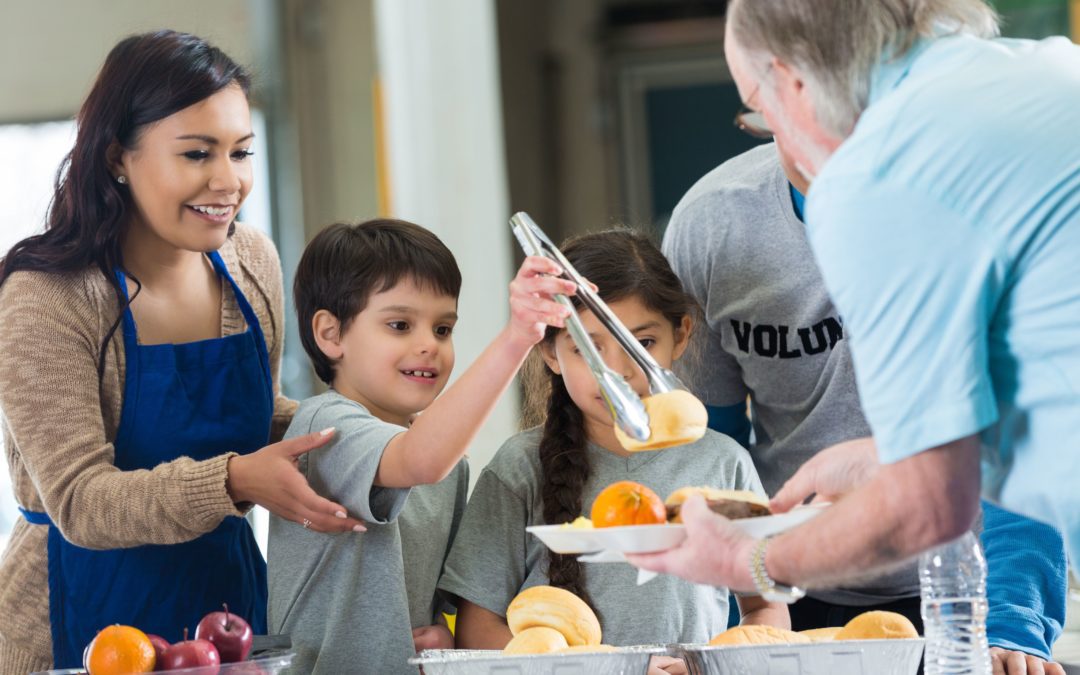
Affirming the Spirit of Thanksgiving: Focusing on Gratitude and Abundance
To continue reading, you will need to choose a subscription plan.

Montessori leadership | Welcome | Vol. 23 Issue 1 2021
 This issue of Montessori Leadership includes
Maria Montessori’s 151st Birthday By Kathleen Dzura
Leading with Emotional Intelligence By Dane Peters
Book Review: Positive Discipline in the Montessori Classroom By Mary Schneider
Why are children so different today (book excerpt) by Jane Nelsen, Ed.D and Chip DeLorenzo, M.Ed
Storytelling and Executive Functioning by Michael Dorer, Ed.D.
Where have all the teachers gone? By Daniel “Robin” Howe
So, what is special education? By Christine Lowry, M.Ed.
So, what is special education? Q & A column By Christing Lowry and Kathy Leitch
Sarasota University & CGMS Announce Historic Partnership
Spotlight on Accredited School: Garden Oaks Montessori By Lorna McGrath, M.Ed
Click here to see the complete issue as it appears in print.
Additionally, we have begun a new mobile-friendly platform for viewing the digital edition. You can find that new platform here.

Family Meetings: Planning for the Holidays
To continue reading, you will need to choose a subscription plan.
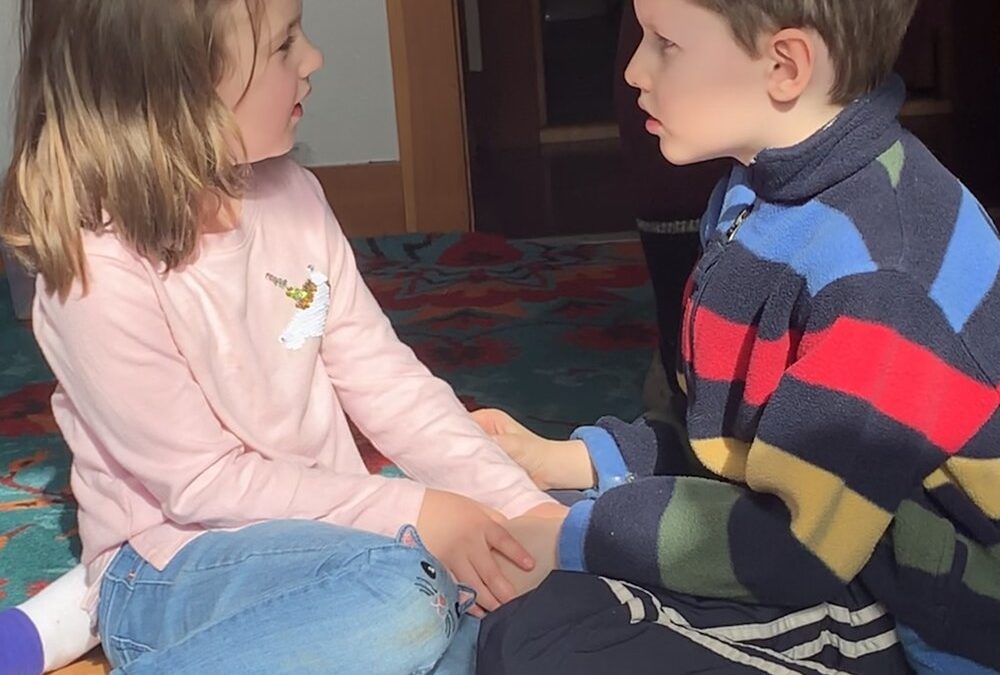
Communicating with Your Child Part 2: Helping Your Child Navigate Conflict Respectfully and Kindly
To continue reading, you will need to choose a subscription plan.
Partnering with Families of Children with Exceptionalities
To continue reading, you will need to choose a subscription plan.
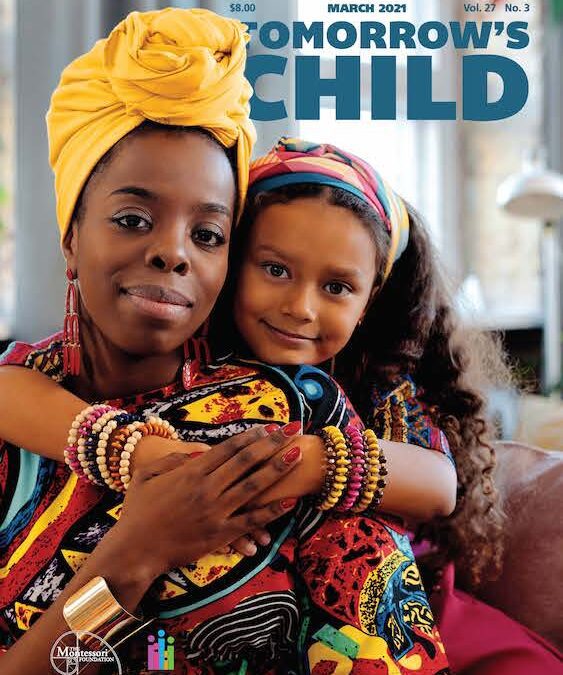
Tomorrow’s Child | Welcome | March 2021
To continue reading, you will need to choose a subscription plan.
Featured
-
 The Montessori Way, Revised and Expanded: An Education for Life; A Comprehensive Guide for Parents and Teachers
$25.00
The Montessori Way, Revised and Expanded: An Education for Life; A Comprehensive Guide for Parents and Teachers
$25.00
-
The Montessori Child: A Parent's Guide to Raising Capable Children with Creative Minds and Compassionate Hearts (The Parents' Guide to Montessori)
$20.00
-
The Montessori Toddler: A Parent's Guide to Raising a Curious and Responsible Human Being (The Parents' Guide to Montessori)
$20.00
-
Montessori in Action: Building Resilient Montessori Schools 1st Edition
$29.95
-
Bulk Order, 30 Copies of Montessori for Every Family: A Practical Parenting Guide To Living, Loving, And Learning
Original price was: $600.00.$510.00Current price is: $510.00.



Products
-
The Montessori Way, Revised and Expanded: An Education for Life; A Comprehensive Guide for Parents and Teachers
$25.00
-
The Montessori Child: A Parent's Guide to Raising Capable Children with Creative Minds and Compassionate Hearts (The Parents' Guide to Montessori)
$20.00
-
The Montessori Toddler: A Parent's Guide to Raising a Curious and Responsible Human Being (The Parents' Guide to Montessori)
$20.00
-
Montessori in Action: Building Resilient Montessori Schools 1st Edition
$29.95
-
Bulk Order, 30 Copies of Montessori for Every Family: A Practical Parenting Guide To Living, Loving, And Learning
Original price was: $600.00.$510.00Current price is: $510.00.