

Part 2: Developing Students’ Self-Directed Learning Skills in a Montessori Setting
To continue reading, you will need to choose a subscription plan.
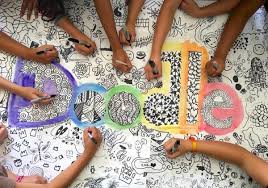
Collaborative, Inclusive Art Projects with Margot Garfield Anderson
Developing Students’ Self-Directed Learning Skills in a Montessori Setting
To continue reading, you will need to choose a subscription plan.
Public Montessori: A view of the landscape
To continue reading, you will need to choose a subscription plan.
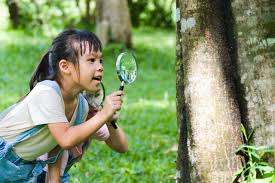
Summer Survival Guide Balancing Fun and Learning with Engaging Science Activities
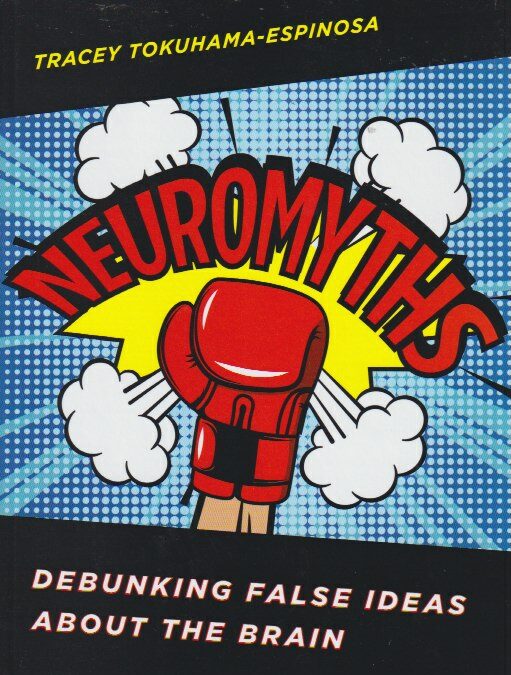
Neuromyths: Debunking False Ideas About the Brain Book review
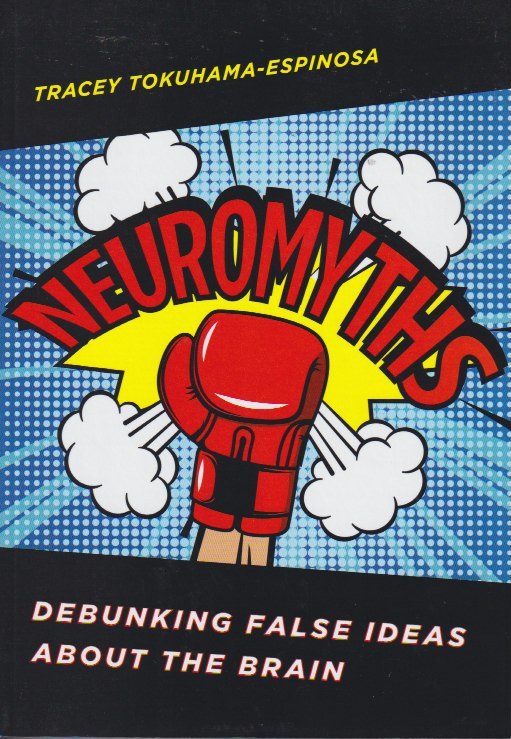
Neuromyths: Debunking False Ideas About the Brain
Written by Tracey Tokuhama-Espinosa
Have you ever explained behavior using information you have known for so long that it must be true? As parents and teachers, we may aim to learn about brain development and what is happening as our child grows, and we may share some information that is not correct. In this book, Tracey Takuhama-Espinosa leads us through some of the myths we may have learned about the brain and brain development and gives us updated information we can use on the same topics.
This book is easy to read. For each myth, she explains the myth, where the myth comes from, and what we know now. We are not all neuroscientists, and she explains what is known now with that in mind. At the end of each section is ‘Why This is Good News for Teaching.’ In most cases, the information contained in these short sections can be applied to a class or a home.
Although we do not all have time to become a neuroscientist, reading this book can help us apply updated neuroscience information in our interactions with the brains we come in contact with regularly, including our own! Did you know that you have not missed your window for learning another language? Or that the idea of multitasking is more than one myth?
The last chapter gives us steps to recognize neuromyths (you will start to hear them everywhere) and avoid applying misinformation to the brains nearest and dearest to us. The short reminders are ways for us to practice applying the growing neuroscience information to our own lives and our family or students.
I recommend this book for all adults that have a brain and interact with others with brains.
Grammar Tells a Story Book review

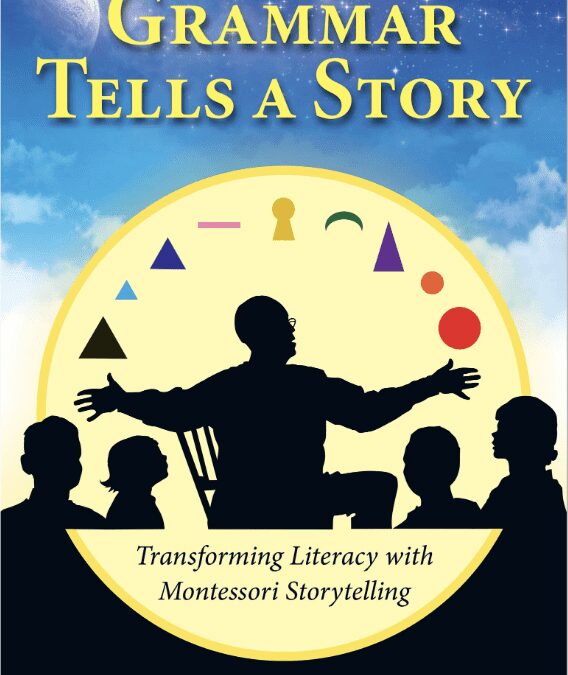
Grammar Tells a Story: Transforming Literacy with Montessori Storytelling
Written by Michael J. Dorer
Montessori grammar lessons formally begin in the 3-6 program. As they move through Elementary Montessori education, grammar lessons usually have at least one complete shelf. Sometimes that shelf stays dustier than it should. For many Montessori guides and parents, formal grammar instruction was not a part of our own education. In his book, Michael Dorer describes that it was presented to him as a threat. It is no wonder many adults have the desire to avoid grammar and are amazed at how excited children are to work with grammar.
In Grammar Tells a Story Michael Dorer has helped many parents and teachers by presenting the organization of the grammar work with explanations in the first section of the book and following this up with more details before each story. If you are teaching at home or want to understand the work your child demonstrates to you, this material is very helpful. For those who feel grammar could be used as a threat, or just don’t understand why we need to learn about it, he has explained it so kindly and with humor.
The stories themselves are entertaining. They are not meant to be read directly from the book, but to be made your own. Change the names and gender as it works for your group. Practice a few times and suddenly you can share stories that further develop grammar skills and often get a laugh. Stories are a fun and memorable way to strengthen learning and connection. When you add grammar information to the stories, you are developing all sorts of areas of literacy.
This book is great for any classroom and for those at home who feel grammar is a bit scary. The book is available through Montessori Services and other booksellers.
My City Speaks Book review
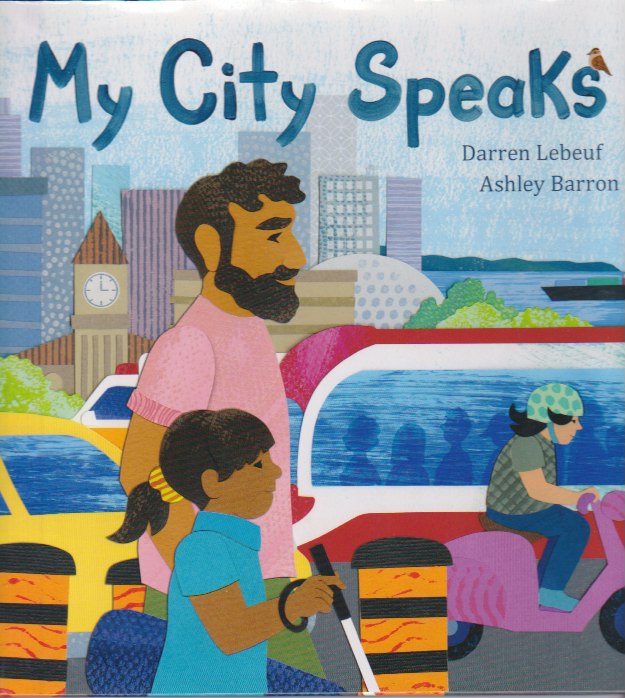
My City Speaks
Written by Darren Lebeuf
Illustrated by Ashley Barron
All of us use multiple senses as we go through our everyday lives. Many rarely think of how different, interesting, and beautiful life would be if one of those senses were impaired.
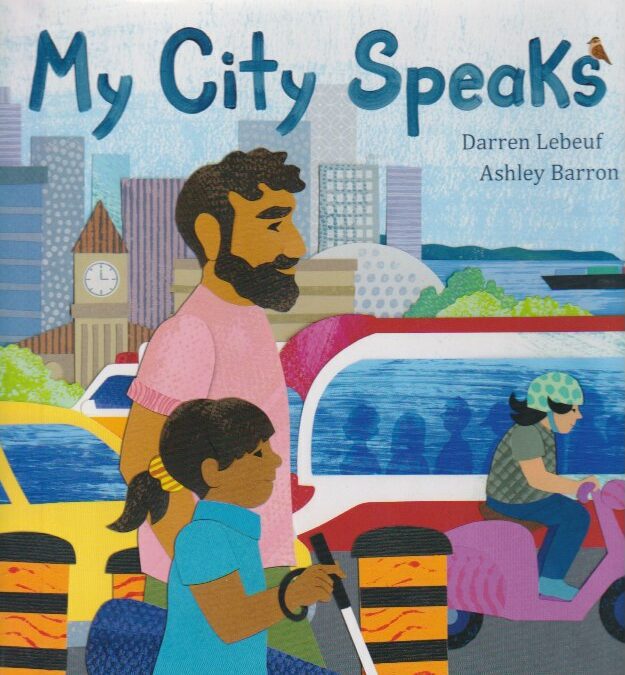
This is the story of a girl who experiences daily life more intensely through her sense of hearing than through her other senses. As she travels through the city to her violin recital, she offers us a glimpse into her world. The city is a place of many sights, sounds, and smells. But what if you had limited sight? Travel with her as she hears the city speak to her.
This richly illustrated book provides the reader with a moment to reflect on how we and others learn about and navigate the world we live in. It offers a refreshingly different perspective.
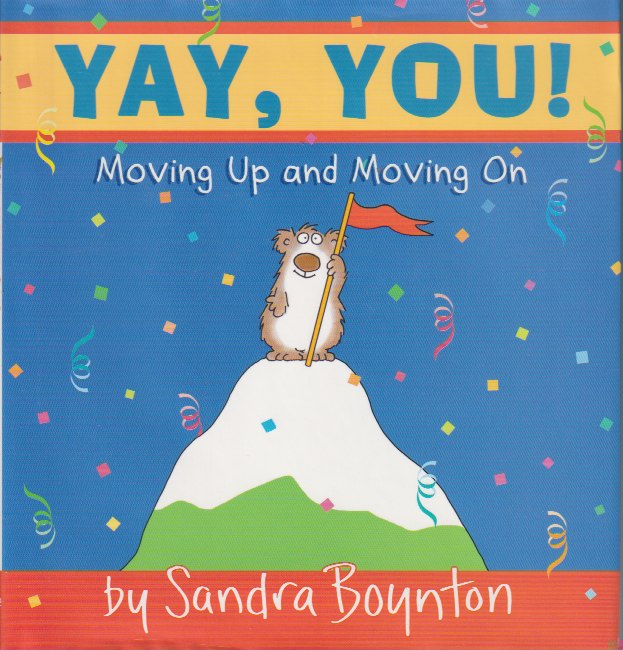
Yay, You! Book review
Yay, You! Moving Up and Moving On
Written by Sandra Boynton
I got this book last year (just a little bit too late for the traditional graduation season) and kept hanging on to it until the season came again. Although, I suppose I could have written a review at any time of the year, as there’s no limit on when we can move up and move on.
I love this book because you can get it for a person at age six or twelve or eighteen or even fifty-six! Good, you finished something. What’s next? Yay, You! points out that there are lots of choices and plenty more to do. It’s filled with fun illustrations to let you know there’s plenty more to come. No pressure though. Just as there are all kinds of choices, there are all kinds of people, too. It asks the readers to explore who they are, what they want to do, how, and where they want to go as they continue their life’s journey.
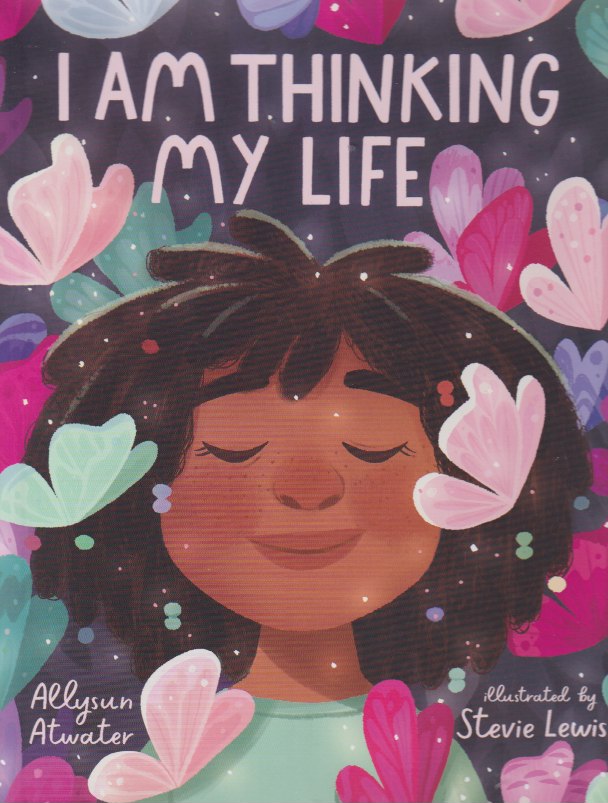
I Am Thinking My Life book review
I Am Thinking My Life
Written by Allysun Atwater
Illustrated by Stevie Lewis
What powerful minds we have! We can create our lives as we want to with the power of thought. The ideas presented by the author are expressed lavishly through colorful, thoughtful, and full illustrations. Page after page excites the imagination and allows us to reflect on and absorb what it can mean to be able to make changes in our lives by the things we are thinking. Thought becomes action and reality, if we are aware of it and let it (for bad or for good). This is a book that shows us how hope and affirmations can guide us through storms as well as calms.
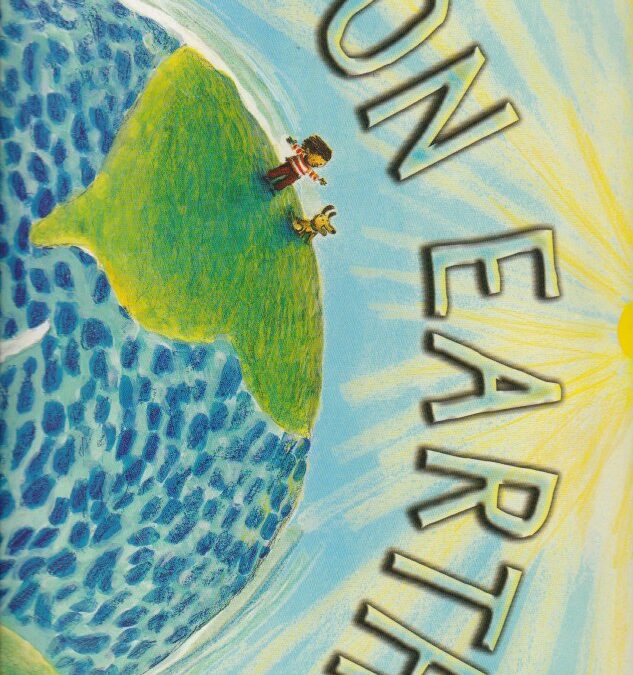
On Earth book review

On Earth
Written by G. Brian Karas
Springtime always makes me think about new beginnings and new hope for our lives and our planet. That reminds me of a song by a greatly loved Montessorian, Sanford Jones… at the beginning is a good place to be. what will each day bring for you and me? New life, new hope, new things to see, at the beginning is a good place to be!
I digress. On Earth is a beautiful beginning to understanding about the Earth’s constant motion; how we measure it with calendars and candles; how we experience it with changes in the weather, and the amount of light in a day; how we made up points on the Earth like the equator and the north and south poles; what helps us stick to the Earth and not fall off. It’s filled with wonderful illustrations of all these things and begs us to do more with globes, flashlights, and imagination!
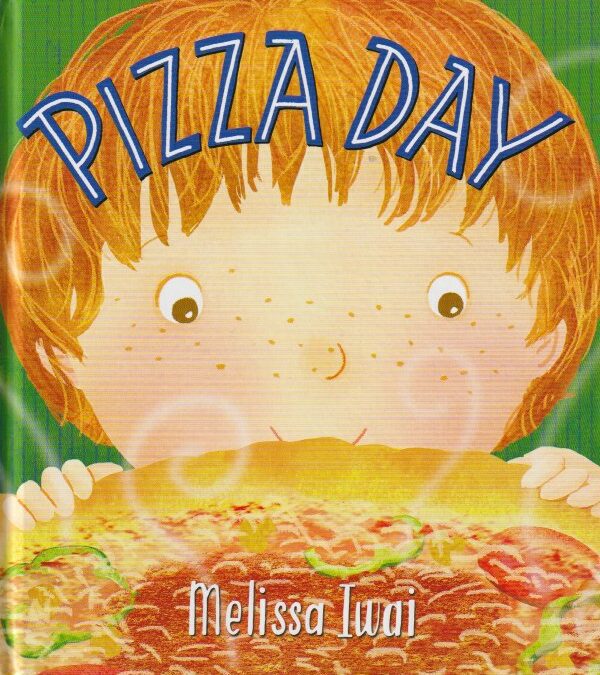
Pizza Day book review
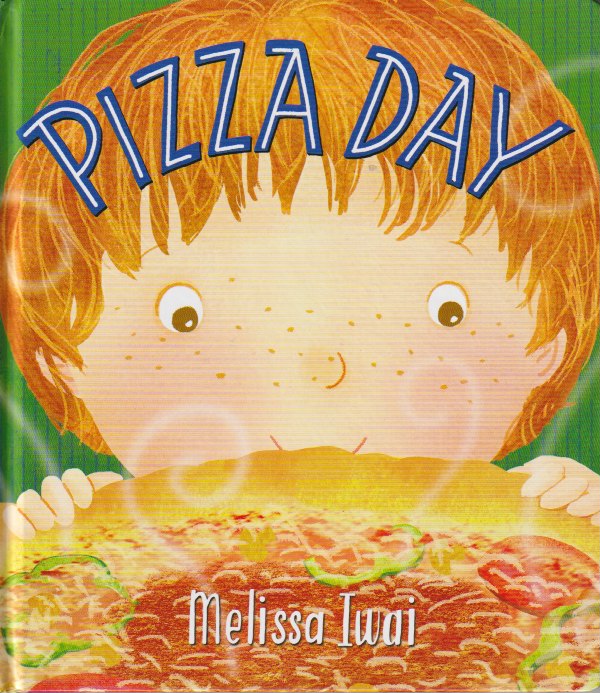
Pizza Day
Written by Melissa Iwai
This is a wonderful hardcover book with sturdy, somewhat water-proof pages. The illustrations are richly colored and very realistic. The story is all about a boy and his dad spending time together while preparing for their delicious dinner. The author takes us back to planting the seeds for vegetables and herbs. Later, the boy harvests some of the fruits of the plants that are ripe and counts how many of each type they will need. The illustrations are there for your child to count as you read. Then the washing of the plants, the measuring, mixing, kneading, and rising of the dough. Meanwhile, the chopping takes place as the boy uses his senses to enjoy the smells of the fresh food. While the sauce is cooking and the dough is rising, dad, son, and family dog play outside and enjoy each other’s company.
It’s time for the dough to wake up. They punch it down and roll it out. The sauce is then awakened and blended. They are ready to put it all together and bake it in the oven. Wonderful, simple directions, and illustrations! As they wait for the pizza to bake, they play together some more, and mom makes a salad. When the pizza is done, the family enjoys the meal together! At the end of the book, there is a more detailed recipe for the sauce, the dough, and the “putting it together.” Think of all that this child has experienced — intellectually, emotionally, and sensorily — during the process of creating and sharing family time together at home.
Those Mysterious Montessori Materials: The Great Lessons
Many parents and schools focus on basic skills: reading, writing, and math. But the basics are truly keys that allow learners to get access to the real curriculum, which should be thought of as an interwoven tapestry of the sciences, technology, literature, society, and all of the things human beings have done throughout history.
If children are exposed to a rich curriculum in a way that feels inviting (and not stressful) they tend to become excited about learning how the world works. This is what makes children want to read and do research. It’s what helps them to understand how and why we use mathematics.
Whether it’s business economics, anthropology, archeology, the story of famous lives, architecture, engineering, invention, the true curriculum is endless.
Our goal is to sow seeds of wonder and to ignite children’s curiosity, interest, and imagination.
In Montessori, a key part of how we approach this is by helping children to see that we are all members of the human family. Our roots lie in the distant past, and history is the story of our common heritage.
Without a strong sense of history, we cannot begin to know who we are as individuals today. Our goal is to develop a global perspective, and the study of history and world cultures forms a key cornerstone of the Montessori curriculum.
We use many learning strategies to begin this journey, beginning with stories, but also using timelines, illustrations, and hands-on experiences to help children begin to imagine how the world as we know it came to be.
Montessori described this as a “Cosmic Curriculum,” which may sound odd at first, but is meant to imply a child coming away with a broad sense of the birth of the universe, earth science, the formation of life, and how human beings met their needs and developed societies and the cultures of the world.
These studies begin to simply weave together everything from astronomy, physics, chemistry, biology, anthropology, archeology, linguistics, mathematics, geometry, architecture, industry, trade, and civic life.
Montessori’s Cosmic Curriculum helps children to see the how everything is interconnected in the universe. It is a steppingstone to lifelong learning.
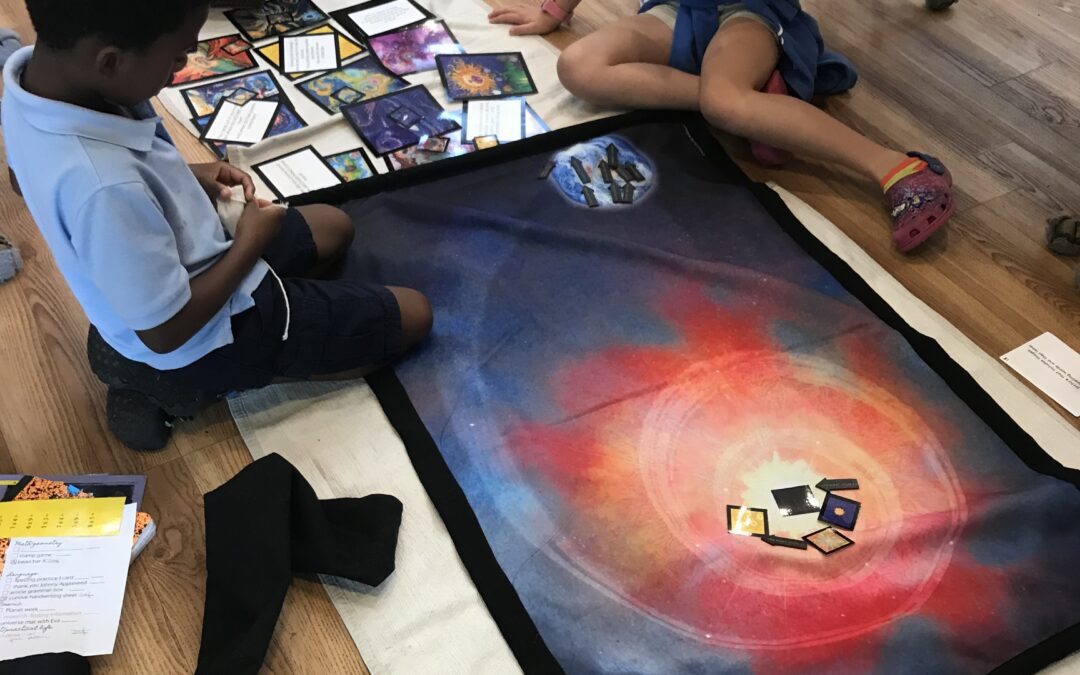
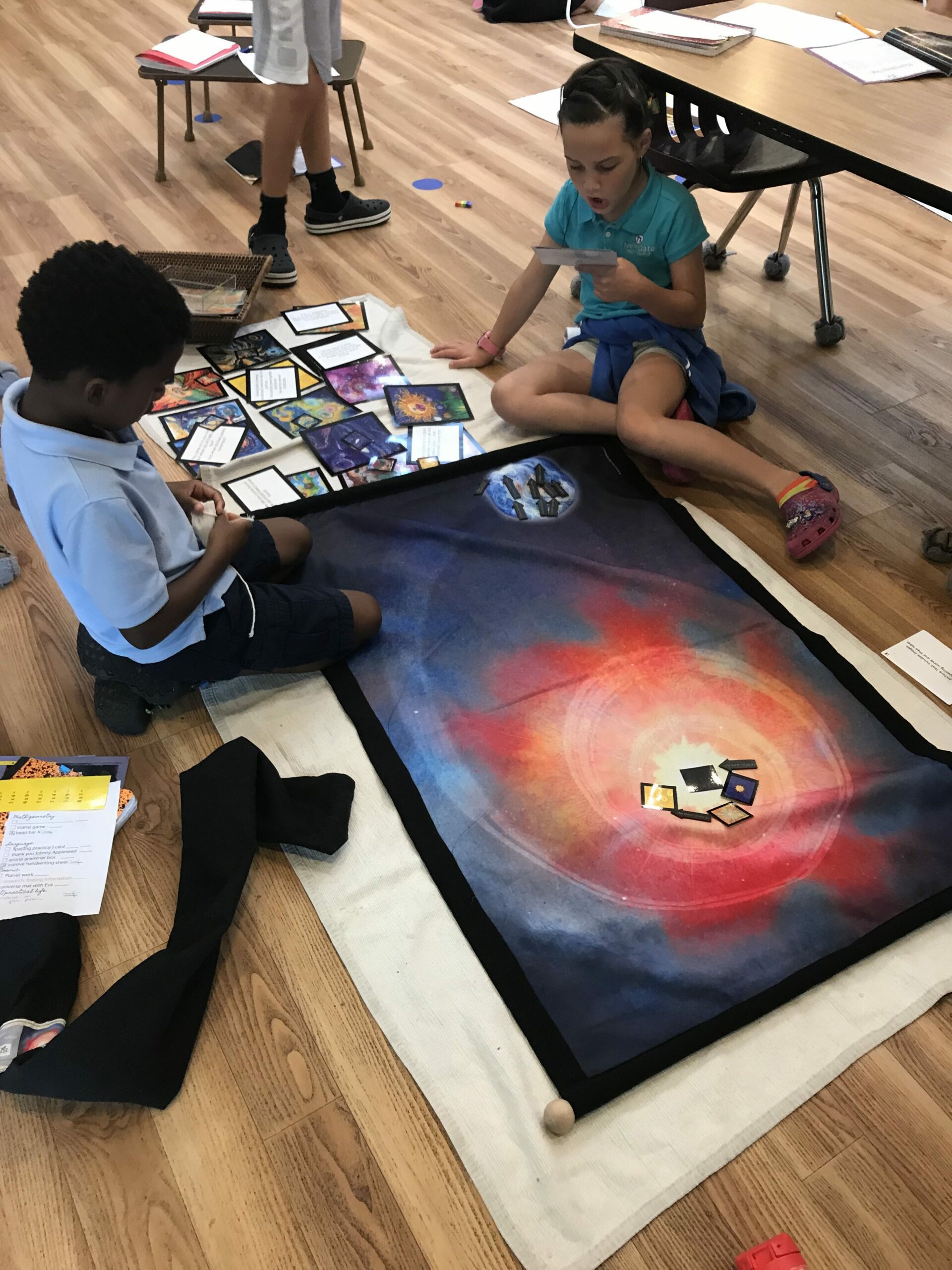
One of the key components of the Montessori cosmic curriculum is the use of what Montessori calls the “Great Lessons”. The Great Lessons are a classic element in the Montessori curriculum, especially during the elementary years, although we can introduce them even earlier and expand on them in the adolescent years.
Among other things, the Great Lessons are powerful and inspiring stories that are used to introduce children to the interconnectedness of all things in the universe. They are typically presented in a dramatic and engaging way, using storytelling, props, and hands-on science experiments and activities.
They are a set of five stories or lessons that are designed to ignite a child’s imagination and deeper interest in learning about the world around them. These lessons are an integral part of the Montessori curriculum and are typically introduced to children between the ages of six and twelve.
The five Great Lessons are:
1. The Story of the Universe: This lesson introduces children to the formation of the universe, the formation of the Earth and our solar system. This lesson and the follow up activities take a first look at the question of how the world began, different stories that people have told, and what scientists believe, in simple terms, about the Big Bang, formation of the stars, gallaxies, and solar systems, and how the Earth changed over the geologic eras setting the stage for life to emerge.
2. The Story of Life: This lesson explores the origins and evolution of life on Earth, including the characteristics of living organisms, the classification of living things, and the interdependence of all living things. Most children tend to be fascinated by dinosaurs. During the Second Great lesson, we helped them to understand how life evolved from simple organisms to the plants and animals that we see today. Learning about the fossil records, and the way animals changed over time and adapted to their environment is all part of this element of the overall curriculum. While the lesson is just the introduction, the ongoing study of biology continues throughout the curriculum in Montessori all the way through high school.
3. The Story of Human Beings: This lesson delves into the evolution of humans, including the development of language, culture, and civilization. Beginning with a broad overview of the evolution of modern people from our Neolithic ancestors, and how archaeologists have found evidence of the way people lived many years ago. Children are introduced to the fundamental needs that all human beings share, how we have met those needs in different parts of the world, early tools, and how civilization developed.
4. The Story of Writing: This lesson explores the history of writing, including the development of different writing systems and the role of writing in human communication.
5. The Story of Numbers: This lesson introduces children to the concept of numbers and their importance in human society, including the development of different number systems and the use of numbers in science, mathematics, and technology.
The Great Lessons are not simply stories that are told to children but are opportunities for children to engage in hands-on learning activities and explore their own interests and curiosity.
These lessons from the center of the elementary curriculum, with all areas of the classroom spiraling out from the Great Lessons. The Story of the Universe leads to science and geography. The Story of Life leads to the study of biology and zoology. The Story of Human Beings leads to cultures of the world. The Story of Writing leads to the language area. The Story of Numbers leads to mathematics and geometry. These five lessons lead to all the other materials and lessons throughout the six years of elementary and beyond.
By presenting these lessons in a way that is engaging and accessible to children, Montessori educators aim to inspire children to become lifelong learners who are passionate about exploring the world around them.
References
Sapiens: A Brief History of Humankind and 21 Lessons for the 21st Century by Yuval Noah Harari, Harper; Illustrated edition, 2015
The Deep Well of Time by Michael Dorer, Parent Child Press, 2016
Tomorrow’s Children: A Blueprint For Partnership Education In The 21st Century by Riane Eisler, Basic Books, 2001
Children of the Universe (An introduction to the Great Lessons), by Michael & D’Neil Duffy, Parent Child Press, 2016
Going Out: A Japanese Tea Ceremony

For Montessori elementary and adolescent students, the opportunity for learning outside the classroom is an important part of the curriculum. Students may plan a “going out” for a small group of students related to a project, such as going to the grocery store for ingredients for a cooking project. Or a larger trip for the whole group may be planned, usually related to work going on in the classroom.
These opportunities to learn outside the classroom allow students to have hands-on opportunities with the world and their community. In the first plane of development (ages 0-6), we try to bring the world to the classroom, but in the second plane of development, we want to bring the student to the world. Although we cannot take the students around the world, we can take advantage of local opportunities that introduce students to places and activities from around the world.
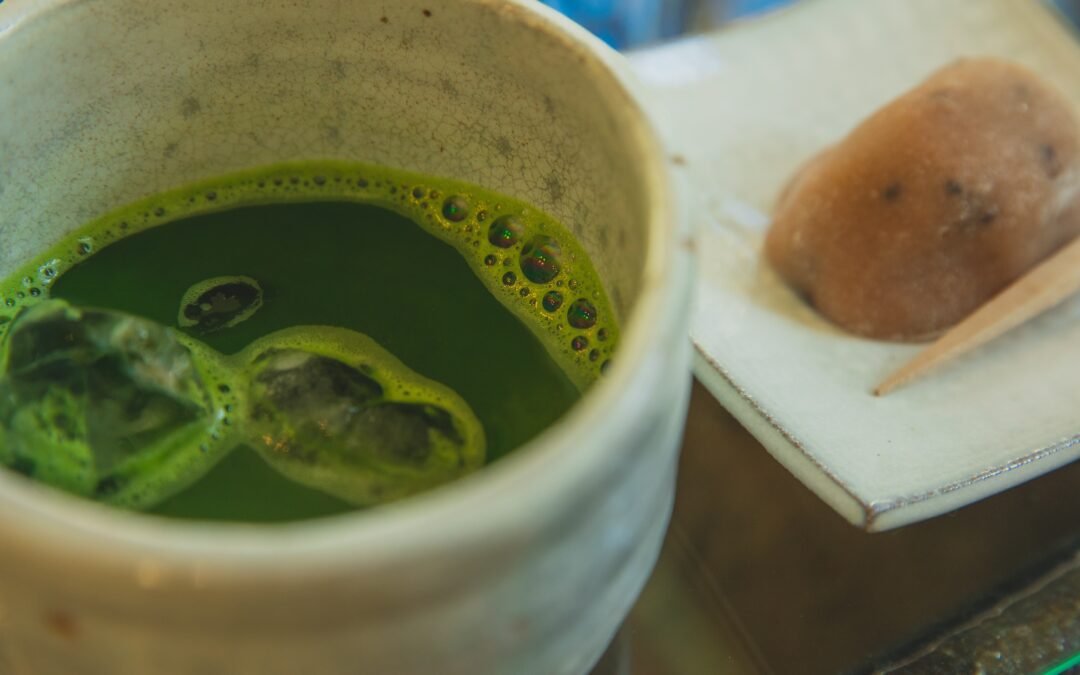
The tea ceremony and tea appreciation are part of our curriculum at NewGate School. Students are given the opportunity to partake in tea ceremonies at school, and students were able to go to The John and Mable Ringling Museum of Art to experience an afternoon of a traditional Japanese tea ceremony, hosted by Dr. Rebecca Corbett, author of Cultivating Femininity: Women and Tea Culture in Edo & Meiji Japan.
The Japanese tea ceremony (Sado) is rooted in a tradition of mindfulness, naturalist intrigue, and political stability; all of which served to unify, strengthen, and pacify an ancient culture. Tea brokered the deal. Tea welcomed the guest. Tea served as a reminder to pause and appreciate the ephemeral nature of impermanence in an increasingly complex and turbulent world. When we arrived, our host explained how the natural surroundings play an important role in setting the mood; the sounds of the wind blowing through the bamboo grove and cedar branches, the bird song, all contributed to the experience of calm and tranquility presented during the ceremony. As the audience sat with straight spines, attentive to the moment of peace, receptive to the myriad gifts of nature, we were quickly interrupted by the sounds of gasoline-powered golf carts, transporting people to and fro, and prop planes flying above the Gulf of Mexico. Our host joked and suggested that, today, we would have to replace the more traditional sounds of nature with those of mechanized equipment and vehicles, to which the crowd laughed and relaxed further into their seats awaiting the ancient spectacle to unfold.
The designated guest was invited to partake, the sweet was offered, and the tea was prepared. Each gesture of the tea master was carried out with profound precision, meaning, and purpose. As this quiet dance unfolded, the noise of human interference quickly dissipated into an inner abyss of luminous silence that was noticeably felt by all; the experience became palpable. For this brief moment, that felt like an eternity, we were all interconnected: students, teachers, guests, masters, all one. Before we knew it, the ceremony had come to a close, and our host opened up the floor for questions. NewGate students quickly raised their hands in unison! Though I am biased, naturally in a way a teacher would be toward their students, their questions were thoughtful, mature, and insightful. The audience was captivated by the interaction between young people and our host. The students asked questions such as, “What was the food item presented at the beginning of the ritual? What is the significance of the design on the belt (obi) of your kimono?” Our host was visibly pleased with the genuine sincerity and enthusiasm of our students. Eventually, their questions had to be capped off as another group prepared to receive the presentation; otherwise, their dialogue could have continued indefinitely.
This kind of interaction, unexpected by many adults, is typical of students who are expanding their knowledge and building on what they have already experienced. The opportunity to interact with specialists, whether a traditional host for a tea ceremony, or the stocker at the local grocery store, provides a living, hands-on opportunity to ask questions and fulfill curiosity.
The Ringling Museum (Sarasota, FL) also provided a tour of the traditional, yet modern, Japanese Tea House that was recently constructed on the grounds. The tea house is regularly available to view from the outside; there are large glass windows showing the craftsmanship of the interior and the equipment inside. However, today was different. We could actually walk inside, feel the tatami mats below our feet and smell the scent of grass, cedar, and pine. The students delighted in asking more questions and exploring the tea house. We learned that the tea house was designed by a student from the Ringling College of Art + Design. The design combines elements of a traditional tea house, fused with classical, modern Sarasota architecture.
Being able to go out and explore, whether exploring nature, the visual arts, or experiences such as a tea ceremony or live theater, provides a deeper understanding of lessons learned in the classroom. By becoming a part of the larger community, with family, a small group, the whole class, or even the whole school, bonds are strengthened, lessons are learned, and new interests are kindled. Taking the time to let students help plan and attend opportunities, especially those that are out of their regular experiences, both with school and with the family, is time well spent. Those memories of experiences will remain with them and be building blocks for continued learning.
Why Montessori Middle School?
To continue reading, you will need to choose a subscription plan.

Cooking Grammie’s Chicken Soup
To continue reading, you will need to choose a subscription plan.

A Joyful Experience

It was the Spring of 2007, and my husband, Bernard, and I were among the multitude of parents looking for a preschool for our eager learner, who was not quite three years yet.
I suspect that this was the year that the children in our city outnumbered the preschools. Lucky for me, I overheard a parent at the park recounting an amazing experience at a Montessori school in Sarasota, FL. I was determined to find this particular school and to explore what Montessori was.
On a beautiful morning in mid-May, our daughter Victoria, Bernard, and I had our first visit to the NewGate School. We met with its wonderful Director, Lorna McGrath. I believe at that time, they had two spots open in the Primary (age 3-6) classroom. We were chaperoned around the campus by one of the parents called an ambassador, who had raised all four of her children through the Montessori curriculum. The campus was small, but we felt it was the perfect size for our daughter.
Victoria and I spent the rest of the summer stopping by the school once a week to get a little preview in anticipation of our starting the new school year that fall.
August came around finally! Victoria’s assigned classroom teacher, affectionately known as Ms. Mini, came over to our home to visit and to get to know her before school commenced. I thought that was a nice process to break the ice, so to speak.
Then the first day arrived for Victoria to go to school! The students’ assigned start dates were staggered to allow for a better, less stressful, more peaceful transition. Victoria couldn’t wait; she was (and still is) a keen learner.
After a few weeks had gone by, we knew that we had made the right choice. Victoria was having a great experience. She would come home bathed in sand from head to toe and with an orange rind in her fingernails from cutting oranges for snack time. It was awesome. We knew that she was fully immersed in exploring and learning.
Over the time that we spent at the NewGate School during our daughter’s Elementary years, we saw her growth as an independent young lady; her ability to collaborate on projects as a team player; her insatiable curiosity to investigate and understand concepts; and her love of volunteering and contributing to her community.
While she left before middle school to attend a special program offered by the public schools, we were grateful for the Montessori formative learning that will continue to yield success throughout our daughter’s life.
Featured
-
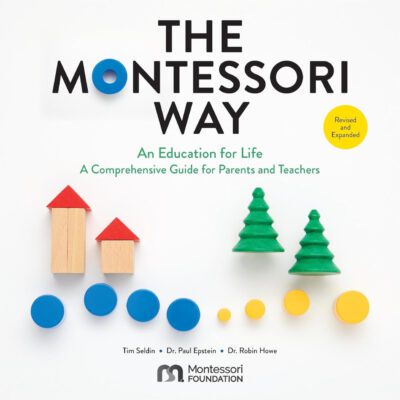
 The Montessori Way, Revised and Expanded: An Education for Life; A Comprehensive Guide for Parents and Teachers
$25.00
The Montessori Way, Revised and Expanded: An Education for Life; A Comprehensive Guide for Parents and Teachers
$25.00
-
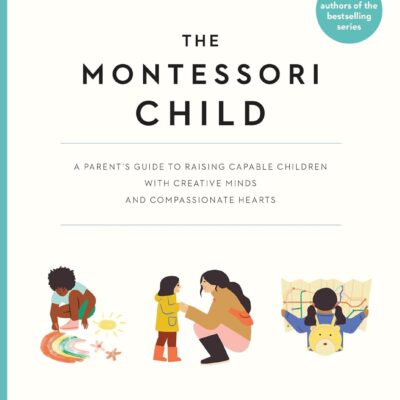
The Montessori Child: A Parent's Guide to Raising Capable Children with Creative Minds and Compassionate Hearts (The Parents' Guide to Montessori)
$20.00
-
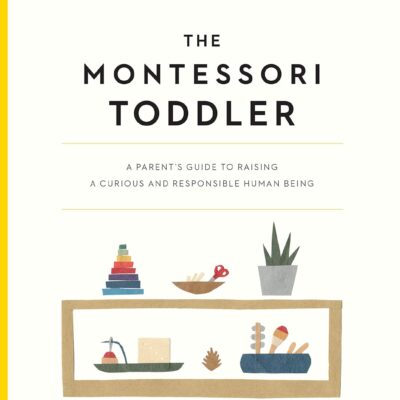
The Montessori Toddler: A Parent's Guide to Raising a Curious and Responsible Human Being (The Parents' Guide to Montessori)
$20.00
-
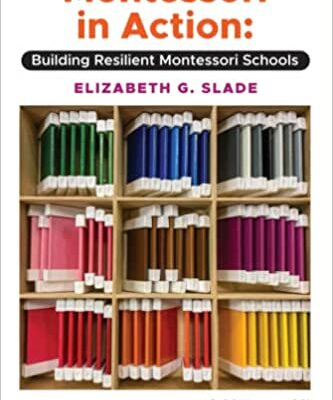
Montessori in Action: Building Resilient Montessori Schools 1st Edition
$29.95
-
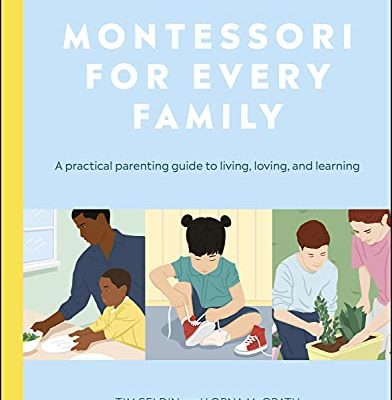
Bulk Order, 30 Copies of Montessori for Every Family: A Practical Parenting Guide To Living, Loving, And Learning
Original price was: $600.00.$510.00Current price is: $510.00.
Products
-
The Montessori Way, Revised and Expanded: An Education for Life; A Comprehensive Guide for Parents and Teachers
$25.00
-
The Montessori Child: A Parent's Guide to Raising Capable Children with Creative Minds and Compassionate Hearts (The Parents' Guide to Montessori)
$20.00
-
The Montessori Toddler: A Parent's Guide to Raising a Curious and Responsible Human Being (The Parents' Guide to Montessori)
$20.00
-
Montessori in Action: Building Resilient Montessori Schools 1st Edition
$29.95
-
Bulk Order, 30 Copies of Montessori for Every Family: A Practical Parenting Guide To Living, Loving, And Learning
Original price was: $600.00.$510.00Current price is: $510.00.