

The Child Is the Teacher: A Life of Maria Montessori

The Child Is the Teacher: A Life of Maria Montessori
Discussion with author, Cristina De Stefano.
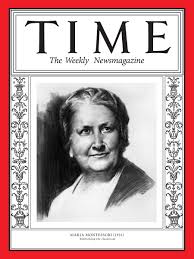
Groundbreaking Advocate for Children: Dr. Maria Montessori
To continue reading, you will need to choose a subscription plan.
Maria Montessori’s 151st Birthday
In Celebration of Maria Montessori!
We celebrated the anniversary of Montessori’s 151st Birthday in 2021 and we look forward to celebrating 115 years since the founding of the very first Casa dei Bambini on January 6, 2022.
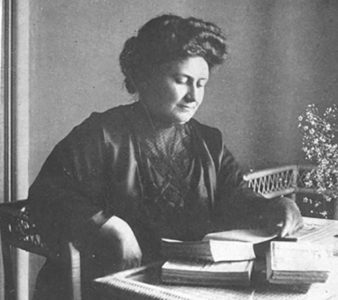
As August 31, 2021, marked the 151st anniversary of Dr. Maria Montessori’s birth, I wanted to remember her with gratitude for all she has given us. She certainly was a remarkable woman, always pushing forward to ensure peace, justice and equality for all.
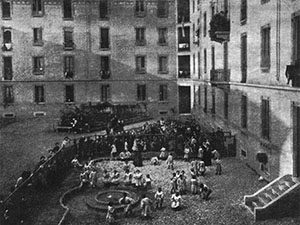
We know Dr. Montessori mostly for her discoveries of how children learn best and we continue to be grateful to her for opening the very first Casa de Bambini in the San Lorenzo Quarter, outside of Rome, on January 6, 1907. (This school continues to exist today, 115 years later).
Within a very short period of time, Dr. Montessori not only transformed the lives of the children but of their parents as well. She shared her ideas with those closest to her, and eventually, with the whole world! Personally, her life and works gifted me with my life’s work. For that, I am eternally grateful!
Dr. Montessori was a woman of great principle, tenacity, and strength. She bucked the system early on by attending an all-boys technical school with the hope of becoming an engineer. She excelled in math and physics. Her second foray into a male-dominated field was when she decided that she would prefer to be a doctor and entered medical school. As the only female student, Dr. Montessori was subjected to ridicule, pranks, and the very clear message of “we don’t want you here” by the male students. Her disapproving father disowned her the day she entered medical school. (Thankfully, they reconciled years later, when one of her father’s friends told him that she was giving a lecture and invited him to join him. Luckily, her father accepted that invitation which began their reconciliation.)
Another sadness for Dr. Montessori was having to make the heart-wrenching decision to have her son, Mario, who was born on March 31, 1898, be raised by another family. The norms of the time dictated that had she married his father, she would not, as a married woman, be allowed to work. As she knew that the work she was called to do was unfinished, she chose not to marry. Happily, When Mario was 15; he was reunited with his mother and began working with her. It is written of him “Although Mario had no formal training as a teacher, his love of children and intuitive understanding of his mother’s work and approach, put him in the international world of education for his entire professional life.” He worked closely with her throughout her lifetime and carried on their work after her death on May 6th, 1952. (On a personal note, as a young teacher at Ravenhill Academy in Philadelphia, Pa. I had the pleasure of meeting Mario who was a frequent visitor to our school. He came to see Mother Isabel Eugenie who had been trained by his mother. Happily, Mother Isabel hired me after I finished my Primary Montessori training in Washington D.C., and thus I had the opportunity to meet him. Mario, a family man, was an interesting person and deeply committed to his mother’s work.) When Dr. Montessori’s schools were flourishing, Mussolini wanted her to help his cause, through the children. Montessori said “NO” and paid the price as he closed all of her schools in Italy. When she received the same request from Hitler and said “NO”, he closed all her schools in Europe. During World War II, Maria and Mario were interned in India, where they remained for several years. While there, the idea of Cosmic Education was born which is our Elementary program! She also gave 30 lectures on the first 3 years of life, which became the Primary Program. She wrote her ideas in two books: Education for a New World (about 3-6-year-olds) and To Educate the Human Potential (about 6-12-year-olds). They are good books for you to read and can be purchased at Barnes and Noble or on Amazon. After World War II ended, Dr. Montessori settled in the Netherlands because it had been a neutral country during the war.
Maria Montessori lived what she believed and we are all the better for it. She had strong beliefs about the importance of peace which she outlined in a book called EDUCATION and PEACE. One of her quotes from the book is “Preventing conflicts is the work of politics. Establishing peace is the work of education.” She frequently gave lectures on peace and was nominated 3 times for the Nobel Peace Prize. Although she never received it, she gifted the world with her wisdom and passion for peace. Dr. Montessori was also known for her lectures about women and children focusing on the violation of their rights.
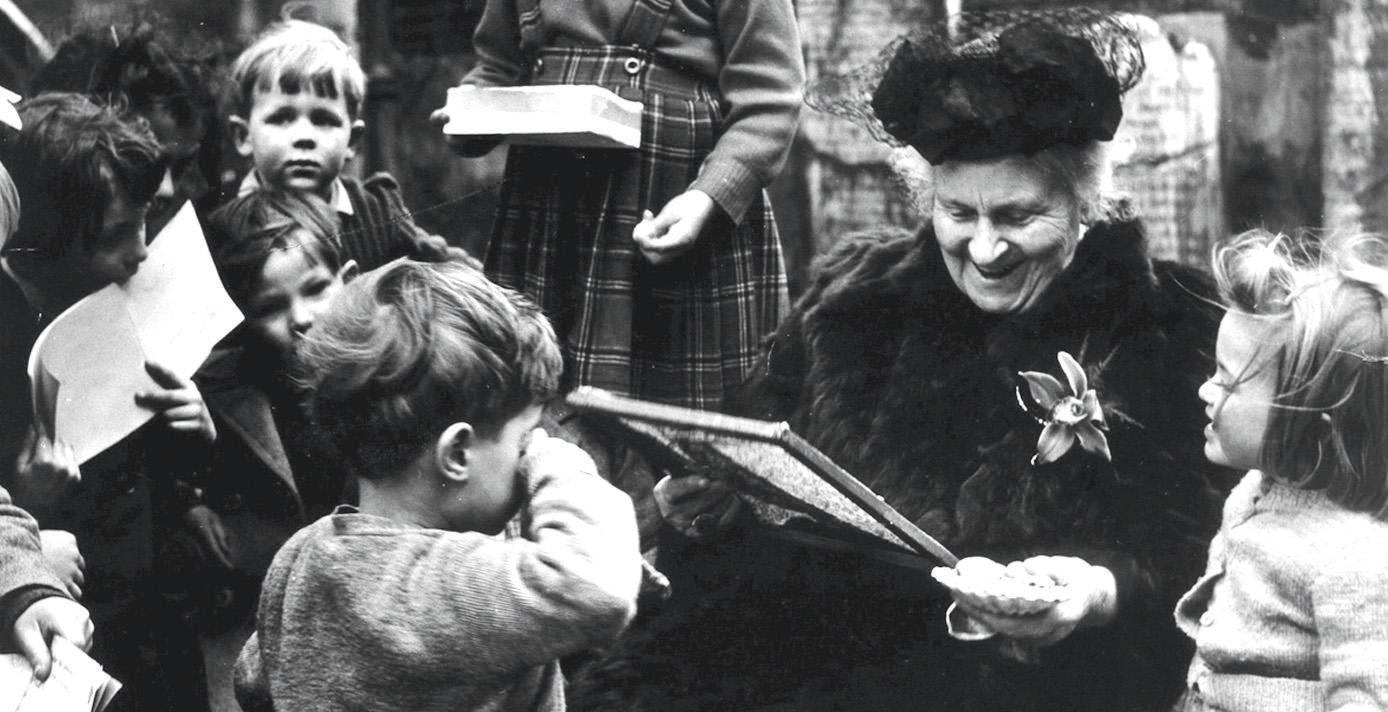
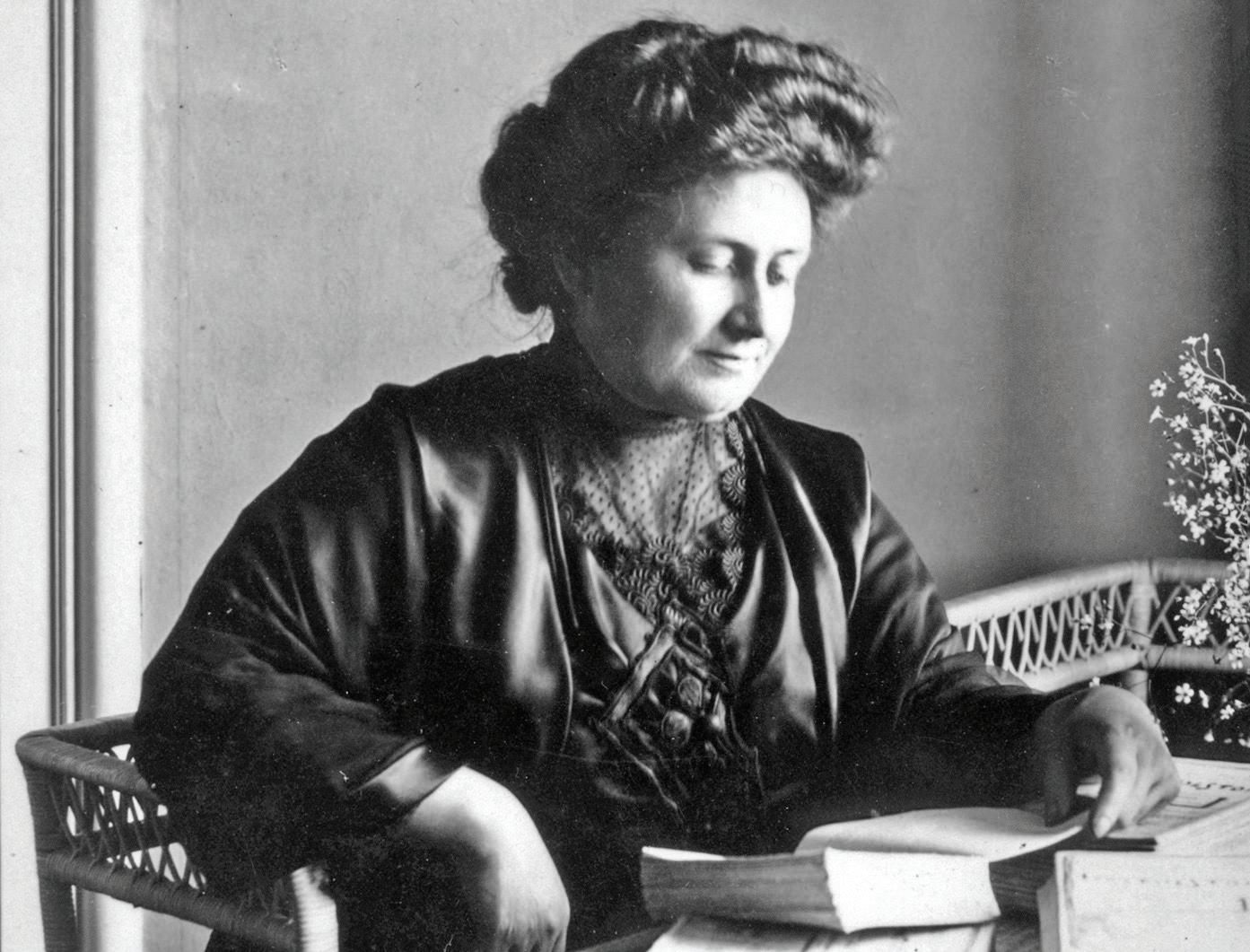
As we celebrate this remarkable woman today, I think of our children–yours and mine–and wonder what they will be called to do with their lives. We know it will be purposeful work, done with integrity because of the gift of Montessori education that you are giving them. They will live out Dr. Maria Montessori’s request of them which is written on her grave in Noordwij, Netherlands: “I beg all the dear powerful children to unite with me for the building of peace in Man and in the World.” (Today I’m sure the word man would have been changed to humankind). May we all unite with her as we try to make sense of this troubled world in which we live.
Thank you for celebrating the legacy of Maria Montessori with me and our wonderful staff who implement it every day.
Gratefully,
Ms. Kathleen
Kathleen Dzura
Head of School at Little Flower Montessori School, FL
Kathleen Miller Dzura has been a Montessorian for 55 years. She completed both the Primary Montessori (1965) and Elementary training (1985) at The Washington Montessori under Elizabeth Stephenson. Upon completion of her Primary training, Kathleen was hired by Mother Isabel (a protege of Maria Montessori) to teach a Primary class of children at Ravenhill Academy in Germantown, Pa. During the next 11 years, Kathleen taught in Primary classrooms, trained Montessori teachers, under Mother Isabel’s guidance and was head of the Montessori Lab school. During those years, she had the good fortune to meet Mario and Ada Montessori who, as friends of Mother Isabel, were frequent visitors at Ravenhill. Kathleen’s Montessori journey encompassed private school settings as well as working in Head Start and teaching Elementary Montessori in the Philadelphia Public School system. She founded and was CEO of The Philadelphia Montessori Charter School (2004-2009). Kathleen is currently working as Head of School at Little Flower Montessori School in Wilton Manors, Fla. In addition to her love for Montessori education, Kathleen is equally passionate about the need for healing life’s wounds, losses, etc. which often prevent us from living life to the fullest. Her own divorce, when her children were 3 months and 7 years of age, began her journey toward healing, forgiveness, and eventually a sense of peace. In addition, she worked with divorced and widowed people for 10 years, helping them to bring closure after their profound losses. She also taught Peace courses at Chestnut Hill College in Philadelphia, Pa.
Montessori School of Rome 1930 Rare Film
To continue reading, you will need to choose a subscription plan.
You Can’t Hurry Love – Homework The Montessori Way
To continue reading, you will need to choose a subscription plan.
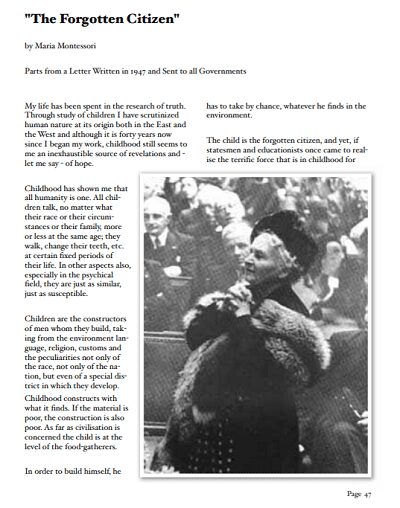
“The Forgotten Citizen” by Maria Montessori
To continue reading, you will need to choose a subscription plan.
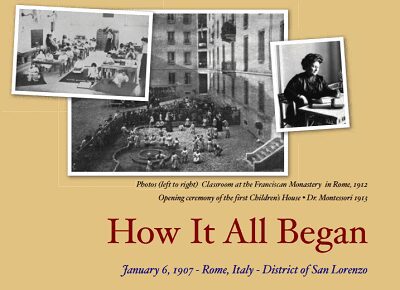
How It All Began
To continue reading, you will need to choose a subscription plan.

Gandhi’s Speech at Montessori Training College 1931
To continue reading, you will need to choose a subscription plan.

Montessori or Montessori-ish, How to Choose an Authentic Montessori School
To continue reading, you will need to choose a subscription plan.
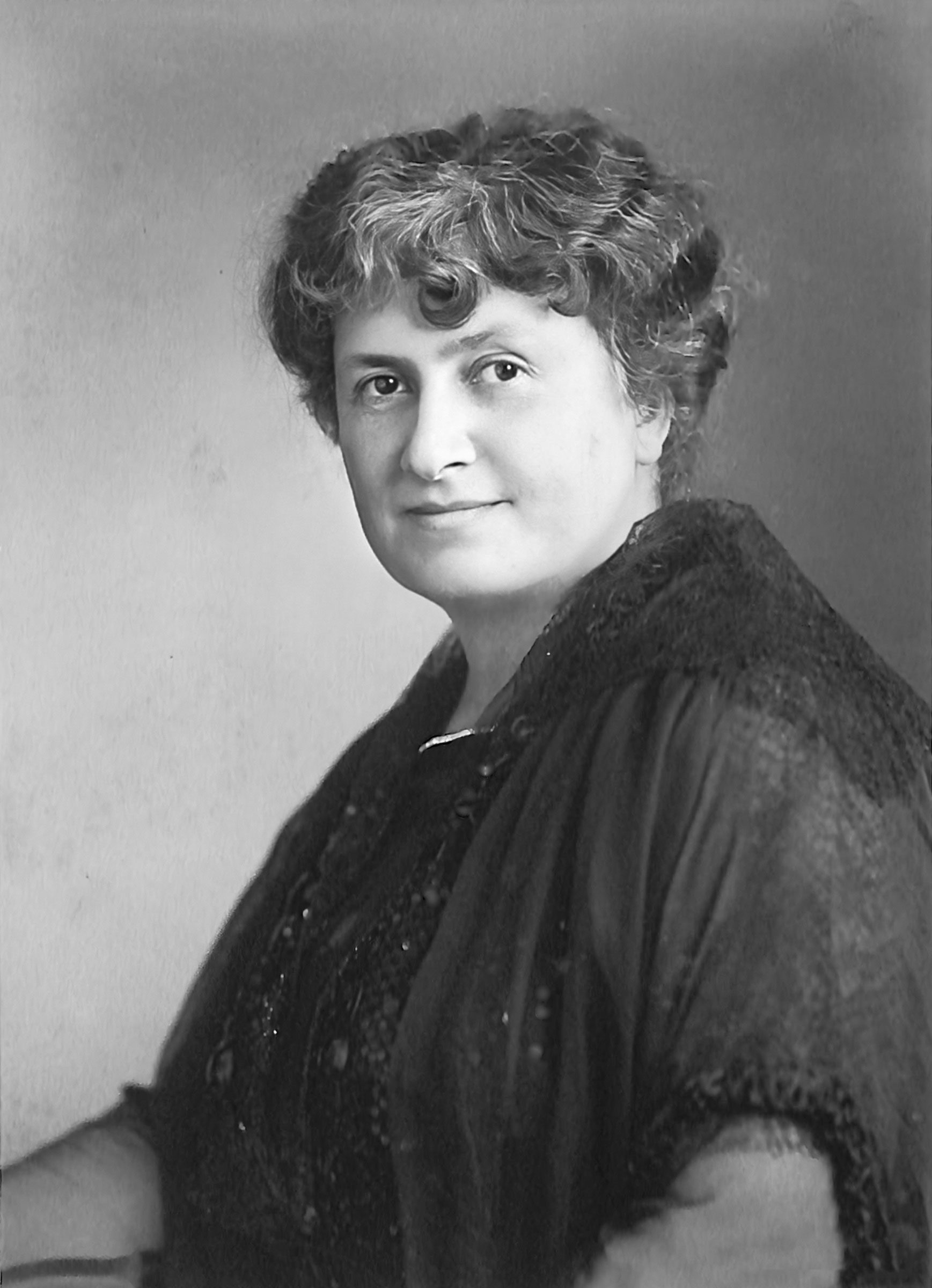
Happy Birthday, Maria Montessori.
On this, the 150th anniversary of your birth, we celebrate your life and express our gratitude. You contributed so much to children’s lives and to all of us who discovered your work as adults.
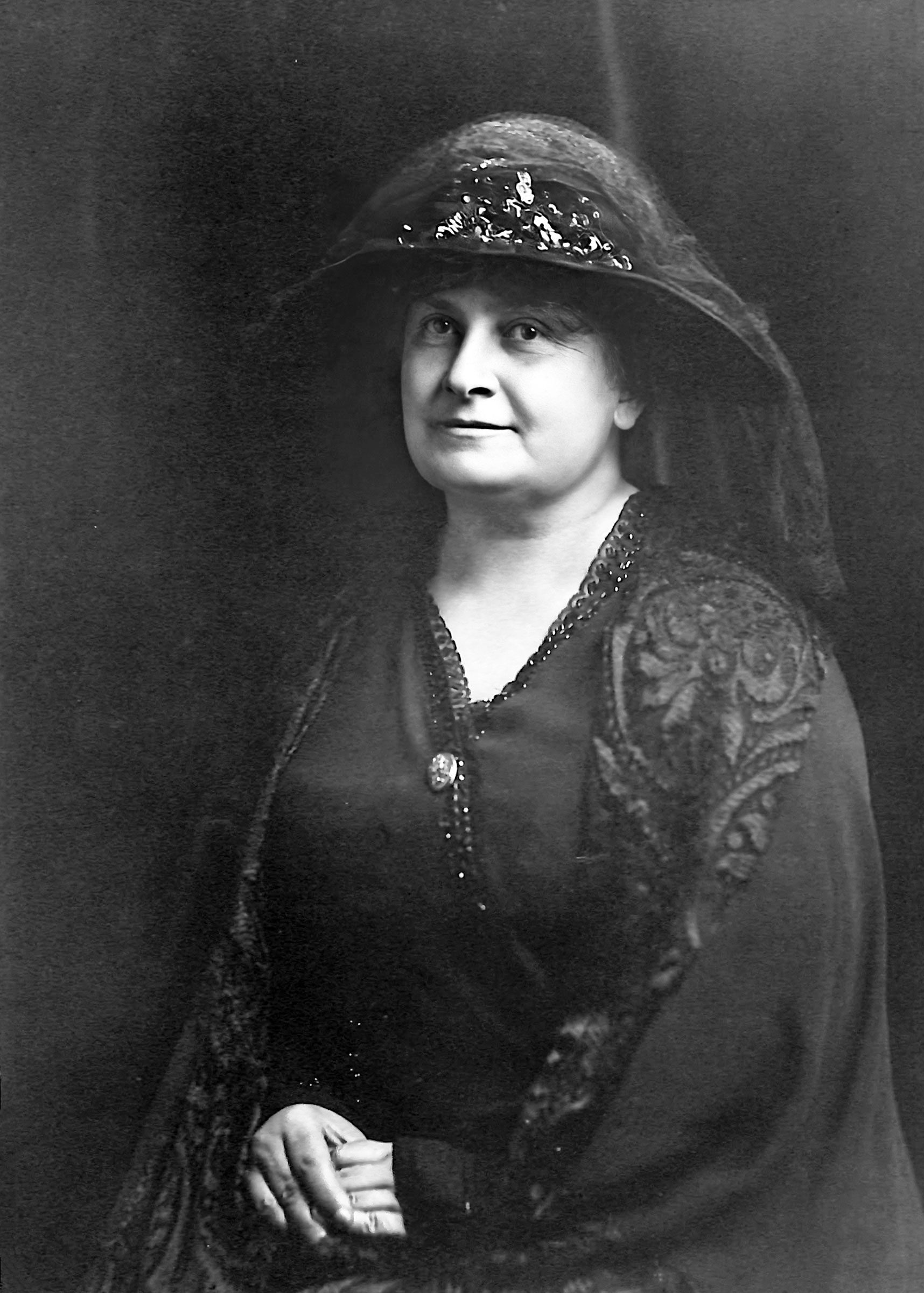 Thank you for patiently observing and listening to the children who taught you how to create learning environments where they can blossom. You inspired a new cross-disciplinary field of science that looks at children and their development from many perspectives that has led to the creation of schools that are not only effective for a much wider range of children; they are replicable, adaptable, and sustainable.
Schools inspired by your work have been established and sustained all over the world for 113 years since you opened the first Casa Dei Bambini in 1907.
You taught us that children are capable of amazing things, no matter how young, regardless of gender, race, or ethnic background.
Even more importantly, you taught us that the children of poverty can, with the right stimulation and support, develop their full human potential.
You demonstrated that although human beings are born with the capacity for goodness or evil, we can nurture kindness and empathy, just as we can encourage the development of their innate intelligence, curiosity, creativity, and sense of wonder.
You demonstrated that although human beings are born with the capacity for goodness or evil, we can nurture kindness and empathy, just as we can encourage the development of their innate intelligence, curiosity, creativity, and sense of wonder.
You taught us that we must see every child as a universe of one, unique human beings who are already full human beings today, not one day in the future when they grow up.
You demonstrated the importance of not only giving children independence and choice but helping them to realize their own capabilities and value of their unique voice in this world.
And you taught us that the Montessori method is really the Montessori way.
Montessori is not limited to the classroom; it is a way of life, and is equally valuable in the family, in the office, and in civil life.
You helped us see that we can save the world and save the planet by teaching peace and teaching children how to resolve conflicts without violence, hear one another and cherish one another, and live in a spirit of collaboration and partnership rather than shortsightedness and greed.
The gift you gave us all is the gift of great hope for the future of all humanity.
And you showed us and inspired us to recognize that the only way to change the future for all human beings is really through the child.
The world’s children are the fulcrum and the lever with which we together can build a better world.
So, Dr. Maria Montessori, we congratulate you on this anniversary of your birth and thank you for your contribution to the world and to us as individual human beings.
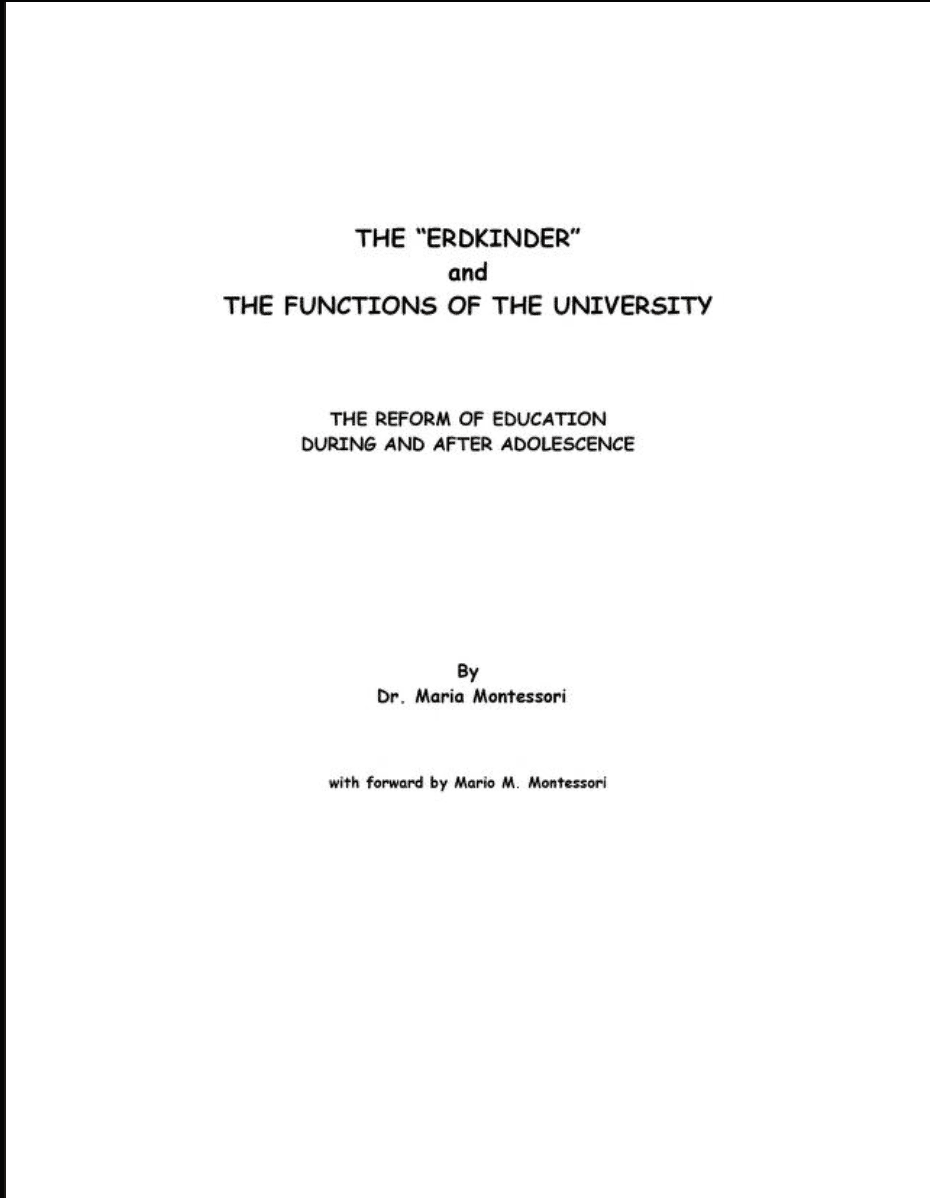
The Erdkinder and the Functions of the University by Maria Montessori
Here is a link to the digital archive of Dr. Maria Montessori’s essays, The Erdkinder and the Functions of the University. In this work Maria Montessori considers the needs and issues of needed educational reform for adolescents and university students. She looks at each level and seeks the optimum method for facilitating growth.
Click the cover image to read it online.
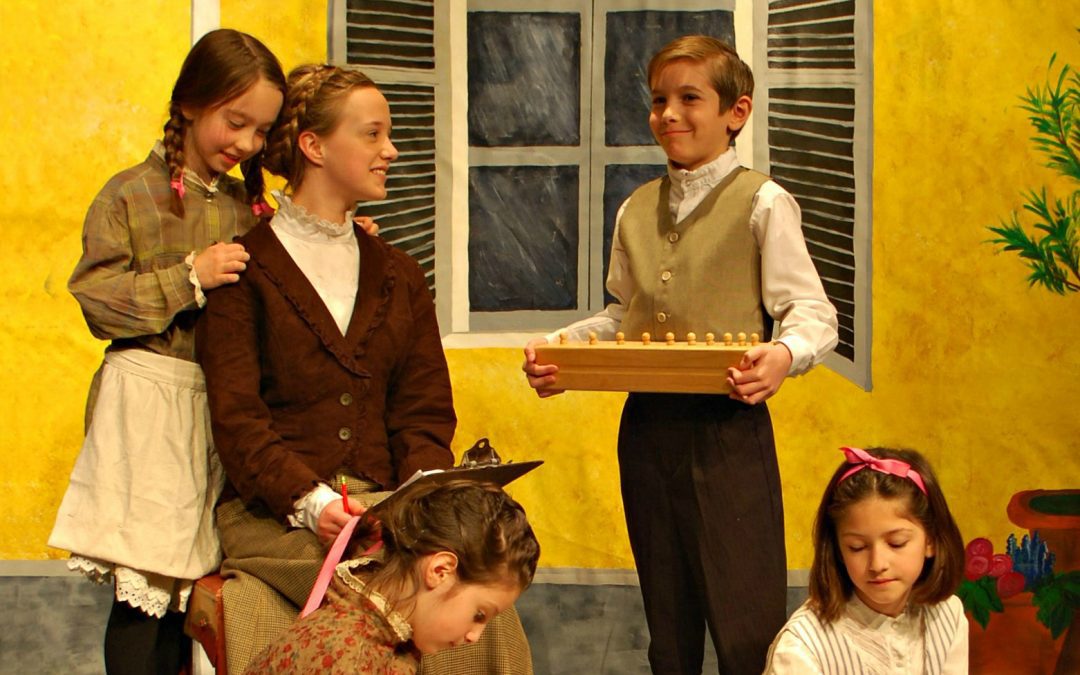
Educate And Inspire With Maria Montessori The Musical
To continue reading, you will need to choose a subscription plan.
The Curve Of Work: First Year Primary
To continue reading, you will need to choose a subscription plan.
Beyond The Numbers Sustaining Equity In Montessori Schools
To continue reading, you will need to choose a subscription plan.

Webcast: A Montessori Retrospective With Dina Paulik
To continue reading, you will need to choose a subscription plan.
Motivating Adolescent Students: With Practical Life Experiences
 “The chief symptom of adolescence is a state of expectation, a tendency towards creative work and a need for the strengthening of self-confidence.” —Maria Montessori
What motivates adolescents to do their best work? Most would agree that programs that support student interests and provide high challenges and skills, thinking combined with acting, freedom combined with discipline, and positive motivation engage and invite the adolescent to do their best work. Maria Montessori envisioned an adolescent program that would support the development of both the adolescent’s psychological and economic independence. It has also been determined that adolescent students who enjoy what they do and link the importance of what they do to a bright future have a commitment to the work. Interestingly, humor and a sense of joy enhance this commitment to work during adolescence. Other powerful characteristics of a Montessori secondary program that contribute positively to the development of the adolescent student are programs that nurture the adolescent community as a whole; in other words, programs that take seriously the deep and important communal life of the teenager.
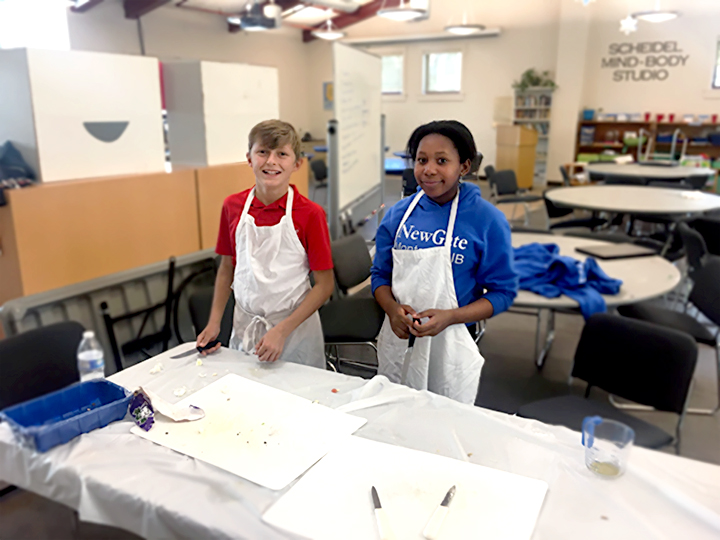
Culinary Nights, a culminating event that happens twice a year at the Montessori Foundation’s Lab School, NewGate Montessori IB School, is one such program that highlights the best of programs for adolescents. It is a night of celebration where the students who participate in culinary classes get to show off their skills to the school community, family members, and friends. The NewGate secondary program encompasses lessons and experiences to develop life skills, including cooking, social skills, community events, and other practical life experiences. This particular evening event allows students to demonstrate their capabilities in cooking, plating, serving, setting tables, and wine pairing a 5-course culinary experience.
In preparation for this event, NewGate secondary students take food preparation classes with Mr. Greg Desvenain, a parent chef at the school, who specializes in French cuisine and French and Italian wines. The course, which is part of the school’s curriculum, teaches basic culinary skills including how to dice an onion, how to use a food blender, even how to make a scrambled egg. Students learn how to prepare meals after investigating and researching balanced diets and a variety of different types of recipes from soups and main courses to desserts.
Mr. Greg teaches all aspects of food preparation and service. He gives lessons on how to hold plates, which side to serve and remove plates, and how to talk politely to guests. Using the commercial grade kitchen on the NewGate secondary campus, students cook various meals and learn how to plate food with a professional flair, arranging each dish in ways that stimulate the palate and excite the diner. Understanding how to tastefully decorate and garnish using herbs, flowers, and sauces are also part of the curriculum. Mr. Greg also gives students who have a personal interest in the culinary arts opportunities to extend their interests by offering an after-school club experience.
In the weeks prior to Culinary Nights, students practice cooking each dish separately. They also practice plating and serving each dish to each other. A theme is picked and the menu is decided upon knowing that the event is the culminating project for the course. The theme tends to have roots in French cuisine but also uses locally grown products. The menu for this year’s event indulged attendees with polenta cakes, gazpacho, fish, stuffed vegetables, and apple crumb cake á la mode.
On the day of the event, in early afternoon, students assemble in the kitchen and begin to cook. Cooking continues throughout the afternoon until guests arrive. Students also arrange and set tables, print menus, organize themselves to receive guests, and have the wine pairing information ready for each table. Conversations in the form of peer-mentoring for each task elevate the excitement of the evening. This culminating event is weeks in the making and gives NewGate students opportunities to market, manage, collaborate, partner, and strengthen communal relationships.
Maria Montessori tells us that it is during this period of adolescence where interest in the construction and function of society forms in the individual consciousness. The culinary arts program at NewGate School is but one program highlighting the best of adolescent experiences that stay true to Montessori principles and give adolescent students opportunities to develop essential skills for the future. ′
Tomorrow’s Child / April 2019 / Pg 27
Featured
-
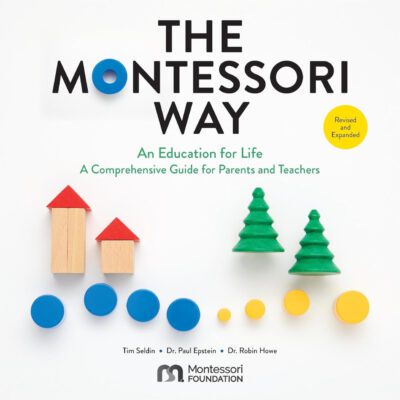
 The Montessori Way, Revised and Expanded: An Education for Life; A Comprehensive Guide for Parents and Teachers
$25.00
The Montessori Way, Revised and Expanded: An Education for Life; A Comprehensive Guide for Parents and Teachers
$25.00
-
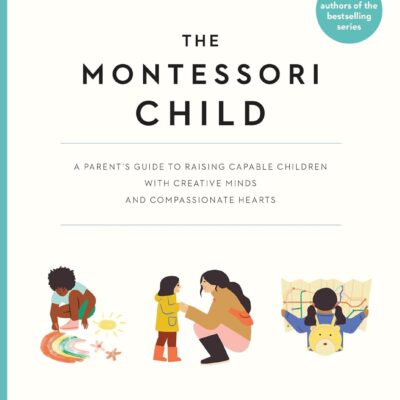
The Montessori Child: A Parent's Guide to Raising Capable Children with Creative Minds and Compassionate Hearts (The Parents' Guide to Montessori)
$20.00
-
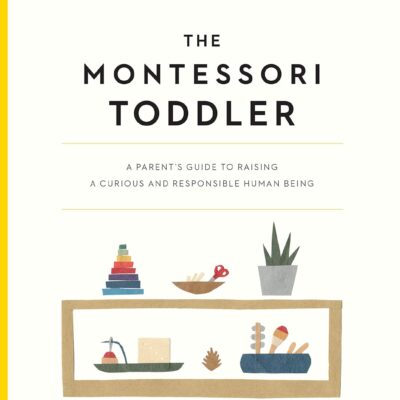
The Montessori Toddler: A Parent's Guide to Raising a Curious and Responsible Human Being (The Parents' Guide to Montessori)
$20.00
-
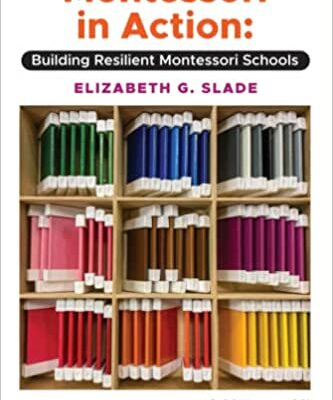
Montessori in Action: Building Resilient Montessori Schools 1st Edition
$29.95
-
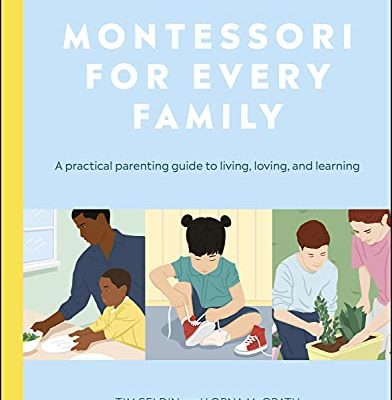
Bulk Order, 30 Copies of Montessori for Every Family: A Practical Parenting Guide To Living, Loving, And Learning
Original price was: $600.00.$510.00Current price is: $510.00.
Products
-
The Montessori Way, Revised and Expanded: An Education for Life; A Comprehensive Guide for Parents and Teachers
$25.00
-
The Montessori Child: A Parent's Guide to Raising Capable Children with Creative Minds and Compassionate Hearts (The Parents' Guide to Montessori)
$20.00
-
The Montessori Toddler: A Parent's Guide to Raising a Curious and Responsible Human Being (The Parents' Guide to Montessori)
$20.00
-
Montessori in Action: Building Resilient Montessori Schools 1st Edition
$29.95
-
Bulk Order, 30 Copies of Montessori for Every Family: A Practical Parenting Guide To Living, Loving, And Learning
Original price was: $600.00.$510.00Current price is: $510.00.