To access this page, you will need to log in or become a member.
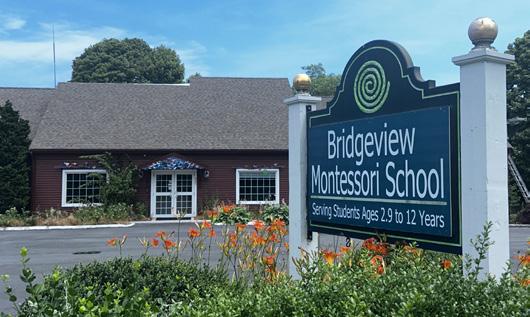
Bridgeview Montessori School

Bridgeview Montessori School

Bridgeview Montessori

A School that Lives Its Mission and Core Values

Bridgeview Montessori is a 10,000 sq. ft. school designed for 95 students. It has six classrooms, a dedicated art studio, a science room, a library, a kitchen, a separate space for before-and-after-care, and small conference rooms. The school sits on 1.25 acres along the Cape Cod Canal in Sagamore, Massachusetts and has a Children’s House and Lower and Upper Elementary classes.

When families walk through the doors at Bridgeview Montessori, they feel the many hands that have created the scaffolding that allows children to grow towards being authentic human beings with confidence, integrity, and grit. Families blossom into a community with shared responsibility, loyalty, and trust. It is palpable.

The school was founded by parents who wanted an inspired Montessori education for their children. Jean Rice and Palmer True had witnessed the power of Maria Montessori’s pedagogy when their twin sons were in a local Montessori Children’s House, but when the boys were ready for their Elementary years, no option existed in their Cape Cod or South Coast Massachusetts community. Thus, in 1999, Bridgeview Montessori came to be.

WE CULTIVATE CREATIVE PROCESS · WE GROW EMPOWERED AND RESILIENT PEOPLE · WE HOLD COMMUNITY CLOSE

In those early years, the school grappled a bit with their identity, wondering if a Montessori Elementary school could thrive in a community in which public school was the norm. Yet, those visionaries never questioned the school’s importance in providing something essential for the community. They imagined a school where many different types of learners could feel inspired, be authentic, build confidence, have a voice, learn peacefully side by side, actively listen, and appreciate quiet.

In 2007, Palmer and his wife realized that in order to guarantee the longevity of their wonderful school and to ensure that it maintained their original vision of Montessori Elementary, the school needed to be a non-profit independent school run by a board of trustees.

Palmer encouraged those passionate about the school to change its status to that of a not-for-profit organization. After eight months of hard work, the school’s design team (made up of parents; faculty, outside educators, and community members) created and filed the charter and documentation to gain 501(c)(3) status. This important piece of the school’s history speaks to the passion, dedication, wisdom, perseverance, and good ol’ grit that pervades Bridgeview Montessori’s classrooms, outdoor learning spaces, offices, and parking lot with our families and caregivers! Having first leased the building and property, the board was eventually able to secure the financing to purchase the building and property from Palmer.

Bridgeview’s teachers are Montessori-trained educators who have dedicated their professional lives to guiding students to be the best they can be academically, socially, and emotionally. They collaborate with each other; they actively seek professional development; and they strive to create a family/school partnership for each individual upon entering our classrooms. The administrative team is small by design, consisting only of the Head of School; Director of Children’s House; Assistant Head of School/Director of Admissions; and Administrative Coordinator. Decision making is collaborative and, in keeping with its stated core value, Inspire Every Voice. The teachers and specialists are autonomous yet actively collaborate with (and learn from) each other. They have over 50 years of collective work experience at Bridgeview Montessori.

Bridgeview Montessori has working parents, military parents, single parents, foster parents, grandparents raising their grandchildren, and LGBTQI parents. Some parents apply for and receive financial aid; some parents pay full tuition. Some parents are familiar with independent school culture and Montessori specifically; some are new to Montessori and to private school. Some families choose to keep their children at Bridgeview from 2.9 through 12 years old; some are only there for preschool; and some come to us after having been disappointed with the traditional schooling provided by their towns. These varied backgrounds and experiences add to the richness of the school community.

Central to this vibrant community are its students. Each individual who walks through the doors does so with the raw material needed to implant, grow, and blossom. That student may be a math wizard, a dinosaur fan, an avid reader, or a soon-to-be toilet trained two-year-old. In any case, these students learn what they are good at. They become emboldened, inspired, and independent.

In a society where childhood can be rushed, technology is everywhere, and frenetic schedules are more the norm than the anomaly, Bridgeview Montessori is vital for those families and educators searching for that safe port in the storm. It is an environment where everyone feels safe to do their best work and safe to share those growing edges. Bridgeview Montessori’s growth and longevity is that of the collective. 

Suzanne Lawson, Assistant Head of School / Director of Admissions, joined the faculty at Bridgeview Montessori in 2008 after spending several years raising her two children. Prior to that time, Suzanne had spent many years in teaching, curriculum development, and faculty development in independent boarding and day schools, most recently at the Shady Hill School in Cambridge. She is very familiar with Montessori education, having been a Montessori student herself from age 3 through the 5th grade at the Whitby School in Greenwich, Connecticut. Her children also attended Bridgeview Montessori, each for seven years. With their strong Montessori foundation, her children are both thriving in Vermont colleges (Middlebury and UVM). Suzanne holds a BA in English from Northwestern University as well as a MA in teaching English from Columbia University Teachers College. She is the Kindergarten Librarian and also manages our marketing and outreach. When not at school, Suzanne can be found doing barn chores and riding horses.
Nourishing the Whole Child

Nourishing the Whole Child

Nourishing the Whole Child

Healthy Eating And Wellness At Desert Garden Montessori School

by Cassie Tolman

Montessori education embraces the whole child to create a nourishing environment that fosters curiosity, creativity, connection to the natural world, and respect for the earth. Encouraging healthy eating and caring for our bodies is part of the philosophy, but how do we integrate these practices into our daily lives? How do we inspire children throughout their early years and beyond to develop healthy habits and food preferences that will remain stable for life?

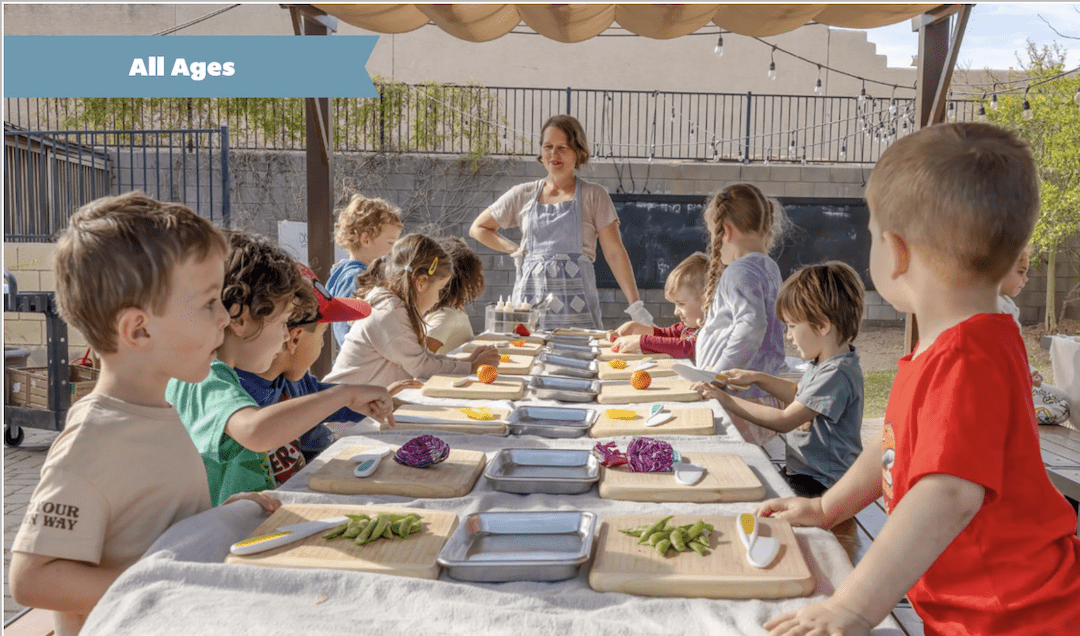
From infants all the way through high school, healthy eating and wellness are not only an integral part of the curriculum but interwoven into daily life at Desert Garden Montessori (Phoenix, AZ). Each morning, as the sun rises and the school begins to come alive, a wooden farm cart in the center of campus is stocked with baskets and jars containing daily whole-food snacks. Students from each classroom bring reusable bags to select a wholesome homemade snack that always includes fresh, seasonal, locally grown produce.

Today’s snack is Cinnamon and Maple-Seed Granola with Oat Milk and Ana Apples. The harvest, along with nutrition information about ingredients, is brought back to the classroom to be prepared mindfully and shared with each child. In the infant room, Ms. Kinnari printed photos of oats, pumpkin seeds, and apples and clipped them to the wall next to the snack table so that the babies could begin to be introduced to the whole foods in today’s snack. This simple process builds a foundation that helps children develop intuitive, healthy eating from an early age.

Just past the Wellness Garden Market, towards the end of campus, Chef Val and her small team are getting an early start preparing lunch in the organic kitchen, where nutritious meals are made from scratch and shared with love each day. Like the snacks, lunches are centered around whole, seasonal ingredients. This month, Chef Val is highlighting lentils, quinoa, Brussel sprouts, and dill. These seasonal ingredients are superstars that will appear in new and creative ways throughout the month in dishes like Lentil Mujadara, Balsamic Glazed Brussel Sprouts, Garden Salad with Cucumber Dill Dressing, and Quinoa Fried Rice.

Behind the kitchen, a greenhouse is nestled underneath velvet mesquite trees, where some of the herbs and greens used in the organic lunch are grown. From seed to table, this is where children of all ages care for their garden as well as harvest, prepare, and eat the produce. Inside the greenhouse, fresh herbs, leafy greens, edible flowers, and vegetables are grown using vertical tower gardens. Tower gardens are aeroponic systems that can produce year-round in a variety of spaces. They use 95 percent less water and grow much faster than traditional gardening, making them ideal for small urban settings.

This week in wellness class, primary and lower elementary students are learning about whole grains. The children start by gathering in a circle in the grass, where they are introduced to the lesson with glass jars containing a variety of whole grains: brown rice, millet, quinoa, barley, amaranth, and oats. They learn that grains are the seeds of grasses,and seeds have the power to nourish our entire body and bring the earth to life. The lesson helps children understand the difference between whole and refined grains by sharing that when a grain is processed, some of the layers (and valuable nutrients) are  removed.

After circle time, children wash their hands and move to the Tasting Table, where plant-based chef and holistic nutrition educator Cassie Tolman presents a lesson on making Brown Rice and Millet Onigiri. Each child rolls cooked brown rice and millet into a ball, makes a ‘nest’ in the center, and then fills it with edamame and colorful veggies. They form their Onigiri back into a ball and roll it in toasted sesame seeds. Now it is time to enjoy our Brown Rice and Millet Onigiri! Many children raise their hands, asking for seconds and thirds.

Once the Onigiri have been enjoyed, they move to the Eco Exploration Table, where they learn about the calming power of herbs, while making Grain & Lavender Sachets with Montessori-certified teacher and tower gardener Chelsey James. Dried chamomile flowers, harvested from our greenhouse, are blended with brown rice and a few drops of relaxing lavender oil. The children take deep breaths and relax, pouring the blend into cloth bags and wrapping them with twine to take home. Later that afternoon, older students will work in smaller groups, learning how to grow, prepare, and eat real living foods from the earth. In the greenhouse, Ms. Chelsey teaches aeroponic gardening while Ms. Cassie collaborates with students in the organic kitchen to develop healthy recipes for a soon-to-be-published cookbook. These activities represent a snapshot of a single week in Wellness Education at Desert Garden Montessori. Other lessons in the holistic curriculum include: Embracing the Whole-Foods Rainbow; What is Taste? What is Flavor?; Eating with the Seasons.

All Food Has a Story; Seeds We Eat & Plant; Legumes (Celebrating Squash); Corn (an Ancient Staple); Winter Solstice: Nourishing our Immune System; Microbiome (Caring for our Inner Garden); Mindful Eating & Joyful Movement; and more.

The Wellness Education Program at Desert Garden Montessori provides hands-on experiences that connect students to food, their bodies, the Earth, and each other. This holistic curriculum offers students experiential learning opportunities to facilitate culinary literacy and gardening, deepen their relationship with food, and develop agency to create wellness in their own lives and their communities.

Rooted in the belief that children will only learn healthy habits if they are practicing them every day, the core pillars of this program are:

• Gardening: Growing our own food increases access to fresh, nutrient-dense food, builds a connection to the Earth, and creates a living classroom.

• Embracing the Whole-Foods Rainbow: Whole foods work synergistically to supply all of nature’s nutrients in a perfect package, providing us with vital life-force energy.

• Cooking: We prepare nutritious, healthy foods with (and for) our children. By doing, one learns.

• Supporting Local: We support local farmers by purchasing and serving organic, seasonal, locally grown foods at our school.

• Replenishing the Earth: Our daily lives replenish the earth for future generations. We apply the 5 R’s: Refuse, Reduce, Reuse, Recycle, and Rot through our Food-toFood Compost Program and by reusing materials that might otherwise be sent to the landfill.

• Nourishing the Whole Child: We nourish the whole child (mind, body, and spirit) with natural, unprocessed foods and integrative health practices. We also teach about the world’s interconnectedness.

Inviting children into the kitchen, engaging their senses with fresh, seasonal, delicious ingredients, and creating positive food experiences can be incorporated at home. Making space to integrate small practices into each day has the power to create a ripple effect in your family’s life. Start small by planting an herb garden, shopping for weekly groceries at your local farmer’s market, volunteering at a community garden, or trying a new recipe centered around whole foods. Take it slow and at a pace that works for you and your family. A healthy lifestyle is not about perfection but about the continuum of healthy living. We hope this article has inspired you to cultivate joyful wellness in your home. 

Cassie Tolman is a holistic nutrition educator for The Wellness Wheel for Life program at Desert Garden Montessori. Cassie’s skill and experience in the kitchen are mixed with a heaping dose of imagination and an appetite for new flavors. She is a graduate of the Chef’s Training Program at The Natural Gourmet Institute, NYC, and is currently working towards her master of science in Nutrition and Integrative Health. Many years ago, Cassie helped begin the organic lunch program at DGM. Later she founded and operated Pomegranate Café, an organic plant-based eatery in Phoenix, for over a decade. Cassie’s passion for cooking and teaching is rooted in a desire to empower people of all ages to live a vibrant life while creating a healthier Earth and a sustainable future.

Candid Conversations

Candid Conversations

Candid conversations
Parents & Adult Montessori Children

The sun shone on the gleaming wooden boxes, the healthy plants, and the happy rabbit living quietly in the corner as I followed my daughter into a Montessori classroom for the first time. I had searched the Phoenix Valley for a place for my two-year-old to spend the mornings while I worked on my master’s degree. The daycares I visited were loud, smelly, and unnerving with the constant sound of crying. Then, just like in the folk story, I found just what I had been looking for, practically in my own backyard. Rainbow Montessori School was housed in a ranch-style house with a large patio, where children were welcome to work at any time. There were glass plates on the snack shelf, enticing materials in each room, and peaceful adults helping when needed. I observed a class and couldn’t wait for my daughter to start. The teacher would bring her out to the car line each day and say something like, “Lina worked on the color boxes today.” “The color boxes? What are the color boxes?” I needed to know.

From then, I became the nosey parent, always asking what was in the boxes and what did they do? I came to every parent night and couldn’t get enough of this Montessori thing. We had since moved to Utah and immediately enrolled Lina in a Montessori school there, continuing my questioning of every little thing. One day the director of the school asked why I didn’t take the training. “Oh, no. I’m not a teacher. I’m a scientist,” I said. But I started to think about it. I read a little of Dr. Montessori’s work and realized she was a scientist, too.

Decades later both of my children, and now their children, have been through our school. Lina and Leith both did well in college, pursued careers in areas far removed from education, but came back to our school to teach and to lead. They are happy, successful adults who enjoy their days, no matter what they are doing. They have always been good at academics; they read a lot; they are interested in many things and never stop learning. They are students of life. But as a parent, I would say that the most important thing they got from their Montessori years was that sense of mindfulness, of purpose, of knowing how to solve a problem, of acting independently and confidently, of enjoying every moment.

I recently attended the International Montessori Congress in Bangkok, where a group of Montessori adolescents spoke. This presentation came at the end of the conference after many adult presenters spoke of the trying times in our world today. One of the adolescents concluded her presentation by saying that she listened to what the adults had been saying and just wanted to reply, “We’ve got this.” 

Duna Strachan, MEd, is the Founder and Executive Director of Soaring Wings International Montessori School in Park City, Utah, mother of two grown, happy, and successful Montessori children and grandmother of five Montessori grandchildren with all kinds of potential!

Unveiling Geometry’s Cultural Tapestry

Unveiling Geometry’s Cultural Tapestry

Unvieling Geometry

A Journey of Discovery & Connection

by Ola Elserwi

The ancient Greeks regarded drawing geometric constructions using only a compass and straightedge as essential for proving theorems. They discovered that this method facilitated problem analysis through the figures created, leading to solutions.

Throughout my educational journey, I stood out as the geometry geek among my classmates. Teachers often praised my ability to grasp and navigate geometric concepts swiftly. Growing up with an engineer for a father, I was led to believe that my aptitude for engineering stemmed from his genes, which seemingly multiplied the geometry neurons in my brain.

For months, my classmates and I dedicated ourselves to memorizing formulas, theorems, and prescribed steps for writing proofs. We did all this without truly critiquing or comprehending the process or applying our knowledge to meaningful contexts. This left us continually asking the question: Why are we learning this? For many, geometry became synonymous with daunting complexity, evoking memories of classes filled with perplexing theorems and bewildering formulas. While memorization may have aided some in solving certain problems, it did little to demystify geometry or foster a genuine affinity for the subject.

When the time arrived to pass on my geometry knowledge to my daughter, who was more inclined towards nature, art, and social activities, I experienced resistance. Her school’s emphasis on rote memorization caused her to develop a fear of geometry, along with the belief that she was prone to making mistakes, which led her to find geometry difficult and boring. Despite my confidence, my attempts to assist her with personally tested tools, as well as hiring a geometry tutor, yielded tenuous results. As I wondered how to proceed, I questioned whether she would intuit concepts in geometry as effortlessly as I had, given our shared genetic makeup. However, her journey with geometry diverged from mine, marking a significant turning point for me.

In our three-dimensional, ever-changing world, children naturally develop a significant reservoir of geometric knowledge, which Montessori referred to as engrams. The geometry curriculum should harness this intuitive understanding to enhance and formalize students’ foundational knowledge. Presenting geometry solely as a standalone, content-driven subject in a linear fashion, with time constraints and a rigid set of standards to cover, promotes premature abstraction. This approach can dampen students’ enthusiasm and deprive them of the opportunity for self-paced exploration and a deeper understanding of the interconnectedness of life. Abstraction also severs the connection between geometry and its presence in nature, art, and human-made structures.


There is nothing in the intellect which is not first in the senses. — Aristotle

To facilitate a smooth transition to sensible abstraction, it is essential to ‘scaffold’ learners as they progress from simple to more complex levels of understanding, gradually shedding external support. This process involves building upon learners’ existing knowledge to prepare them for new concepts. It necessitates a focus on enhancing learners’ comprehension of geometric relationships, not because they lack the ability to grasp them but because they require immersive, qualitative, and hands-on experiences over time to develop critical thinking and visualization skills. This development occurs through reflection on actions, communication of observations and conclusions, and the cultivation of a robust vocabulary of geometric terms. In order to ensure that learners become confident and proficient, this approach must be integrated, dynamic, and tailored to leverage student culture, interests, language, available technology, manipulatives, and other resources.
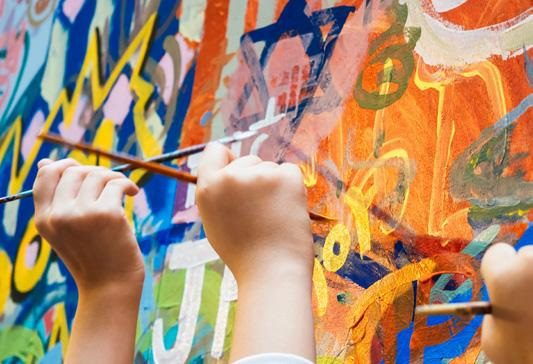
Integrating geometry into our spiral curriculum cultivates interconnectedness across diverse learning domains, enabling children to explore its applications and forge meaningful connections between theoretical concepts and real-world experiences. By showcasing practical examples, such as architects utilizing circles to bolster structural resilience and environmental sustainability, plumbers determining offset angles to regulate fluid flow rates, and dentists employing angles for precise tool and material placement, students gain a deeper appreciation for the relevance of geometry in everyday life.

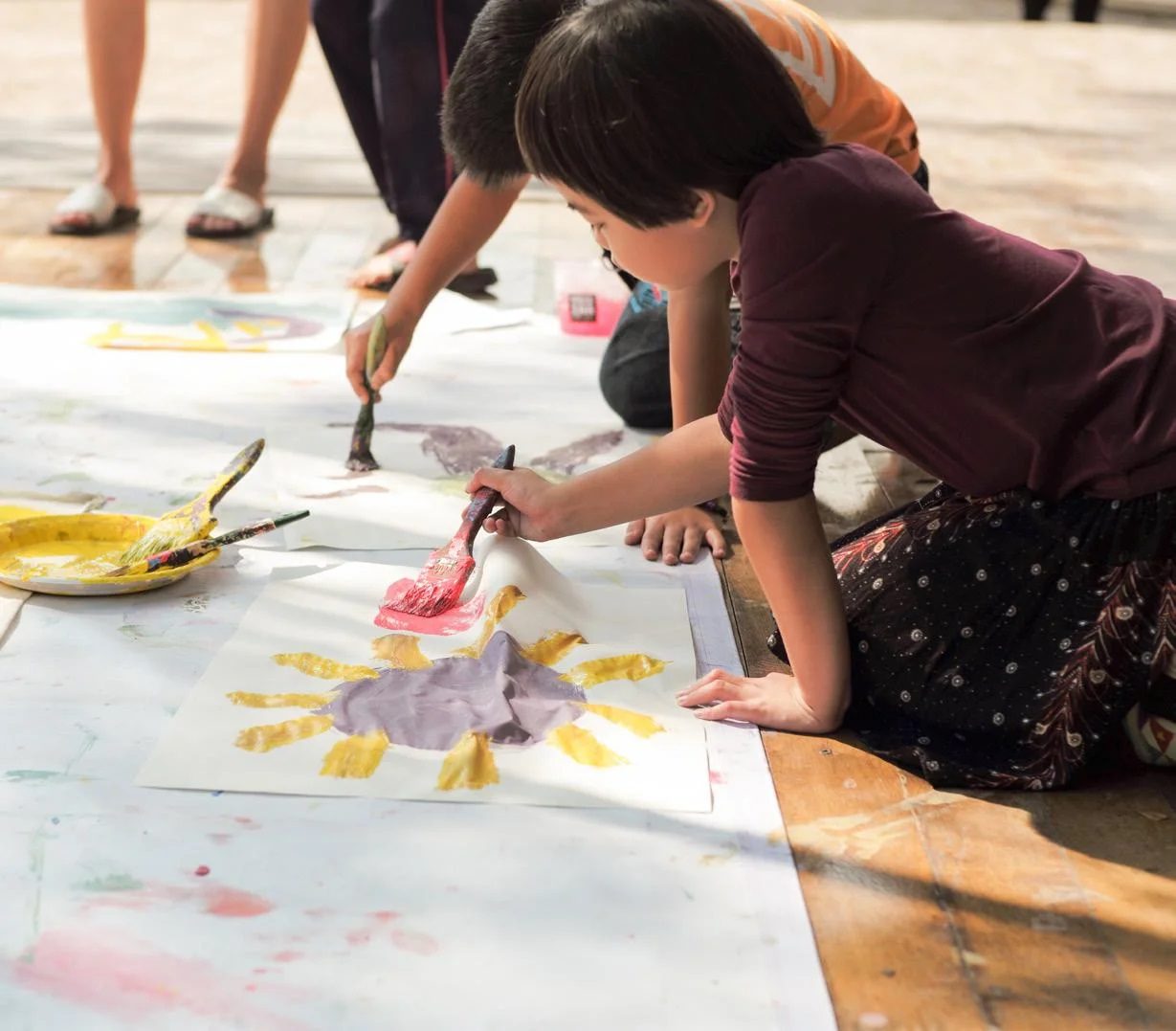
Tracing the historical evolution of geometric knowledge from practical applications to abstract theories reveals the contributions of various civilizations. The Greeks, for instance, developed theorems and proofs through structured

discussions that emphasized clear argumentation, giving rise to Greek Logic. However, the roots of geometry stretch back to ancient Egypt and Mesopotamia, where practical applications flourished alongside agriculture, architecture, calendars, astronomy, and commerce, all facilitated by the presence of rivers. This progression prompted Aristotle to propose his peripatetic axiom, “There is nothing in the intellect which is not first in the senses,” a concept later embraced by Montessori, who emphasized the integration of hands-on learning with intellectual pursuits.


By immersing students in the historical evolution of geometry, from practical applications to abstract concepts, we equip them with the skills to analyze and elucidate past challenges. This positions them to discern patterns in the contemporary landscape, thereby offering a vital perspective for comprehending and ultimately resolving present and future issues.

As I stepped into an Upper Elementary Montessori classroom, I was so excited about teaching geometry in a manner that enables and allows students (and me) to make discoveries through geometry’s intrinsic cultural richness at different scales. Teaching geometry through its cultural lenses entails including diversity in anything that has to do with how people live, such as art, recreation, beliefs, languages, traditions, stories, and folklore, ways of organization, ways of interaction with the environment, and attitudes.

At the beginning of the year, I introduced the yin-yang design to my students, inviting them to share its story and significance. I found joy in hearing their narratives, and it gave them the opportunity to teach me. Yet, they needed more certainty regarding how to utilize a compass and straightedge to draw it. We analyzed the design, discussed each component, and then I guided them with some cues before stepping back to observe. What fascinated me was their dedication to perfecting and refining their personalized creations, as well as their “AHA” moments when they saw their ideas come to life, indicating their comprehension. Consequently, I adopted a construction-based learning approach throughout the year.

Thus, drawing comes to satisfy a need for expression, as does language; …the effort to perfect such expression is very similar to that which the child makes when he is spurred on to perfect his language in order to see his thoughts translated into reality.

— Maria Montessori,

The Advanced Montessori Method, volume II, part V

Our exploration of geometric constructions extended to various cultures, including the Babylonians, Chinese, Indians, Islamics, Africans, Native Americans, Dutch, and numerous others. Delving into the narratives behind these constructions allowed my students to gain a profound insight into how our ancestors approached problems and persevered through trials, hardships, and triumphs to enrich the world. As they delved into their ancestors’ contributions and stories related to geometry, my students found connections between themselves and their forebears, fostering a deeper appreciation for their cultural heritage.

I provided explicit instruction in construction techniques, covering the proper handling and use of a compass and straightedge, the angle and sharpness of pencils, types of leads, erasers, erasing techniques, hand placement, and cushioning under the paper. This equipped my students with the skills to think critically, visualize, critique, discover, conclude, and comprehend geometry concepts over time.

I vividly recall my students’ fascination when I introduced certain constructions using only a compass and straightedge, such as the circumscribed circle of a square, finding the midpoint of a line, bisecting an angle, and doubling the borders of a hexagon. Some students were inspired to explore alternative techniques to execute these constructions beyond those I had taught. While this journey involved a considerable amount of trial and error, the joy and empowerment derived from their exploration and subsequent learning were evident. As I met with them to discuss their investigation, I also gained valuable insights.

In teaching geometric constructions, I offered multiple approaches and techniques to accommodate different learning styles. This ensured that students understood geometry as a field with a spectrum of ideas rather than a single solution. This approach encouraged my students to pursue their own research questions, develop innovative geometric designs, and delve into historical contexts.


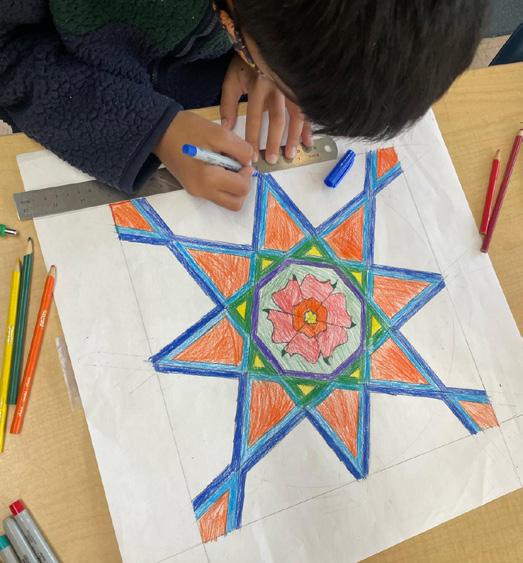
Geometry transformed into a captivating treasure hunt as my students explored the intricate Islamic geometric constructions and admired the beauty of biomorphic art, also known as Arabesque, from various regions and eras. This journey fostered divergent thinking, creative problem-solving, and the development of logical reasoning skills among my students. They became deeply engaged in investigating, experimenting, and creating their own constructions, sharing the joy of discovery with one another. Through geometric constructions, they delved into spatial relationships, properties of geometric figures, transformations and modeling, measurement, and deductive reasoning. This immersive experience allowed them to perceive the world through a geometric lens, truly encountering geometry in their everyday lives. They met geometry!


During the editing process of this article, an interesting event occurred: One of my students approached me seeking guidance on drawing various types of bridges. This prompted me to initiate a study unit on the historical aspects of bridges. To scaffold their learning journey, students completed a KWL chart—a graphic organizer that assists students in arranging information prior to, during,

and following a unit or lesson, to express their background knowledge, interests, and inquiries regarding the topic. Among their curiosities were inquiries about the origins of bridges, their quantity, drawing techniques, construction methods, and materials utilized. Exploring these questions offers insight into their fascination with historical origins, pioneering figures, and the artistic aspects of design.

As I journey through the realms of geometry, my comprehension has matured, leading me to embrace a multidimensional approach to teaching that integrates language, art, history, and science with this discipline. Geometry serves as a unifying force, a universal language of expression that bridges diverse subjects and people together. It stands as a universal language capable of fostering peace and unity. Let us continue to delve into the cultural depth of geometry, recognizing its importance for humanity’s collective understanding. 

Over a decade ago, Ola Elserwi embraced the calling to become a Montessori teacher, infusing her pedagogy with creativity and passion. Today, as an Upper Elementary Montessori educator, she harmonizes her love for teaching with artistic expression, Islamic geometric designs, and biomorphic patterns.

Her accomplishments are helping the creation of a pioneering Montessori Arabic language curriculum, adopted by schools across Egypt and beyond. In addition to academia, Ola finds solace in crafting intricate geometric designs, honoring her deep reverence for Islamic art and culture. When not shaping young minds or designing curriculum materials, she immerses herself in nature, traversing scenic landscapes, embracing physical activity, and exploring literature.

Dear Cathie – Play Kitchen

Dear Cathie – Play Kitchen

toy kitchen

Play Kitchen

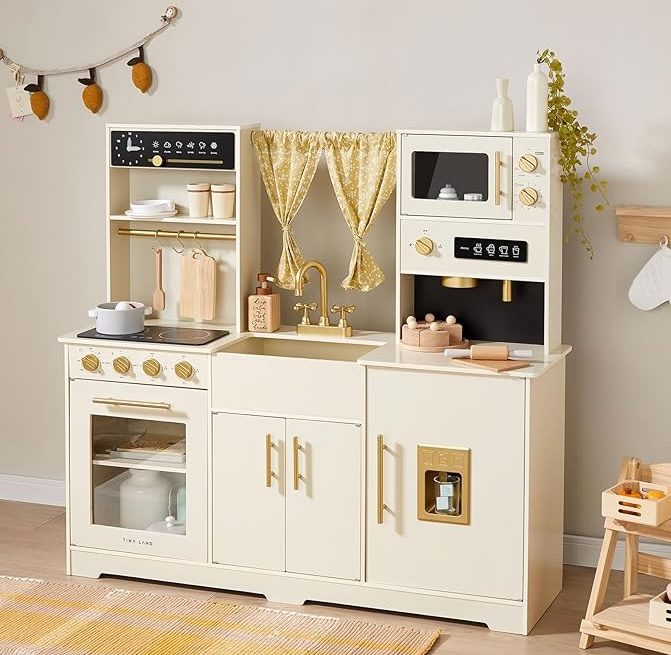
DEAR CATHIE— MY DAUGHTER LOVES PLAYING IN HER COUSIN’S PLAY KITCHEN. WHENEVER WE ARE AT HER COUSIN’S HOUSE, SHE GRAVITATES TOWARD THAT ACTIVITY AND SPENDS A LOT OF TIME THERE. WE HAVE VISITED QUITE A FEW MONTESSORI PROGRAMS, AND WE NOTICE THAT THEY DO NOT HAVE A PLAY COOKING AREA. WE THOUGHT THE MONTESSORI METHOD ENCOURAGED CHILDREN TO DO THINGS THEY WERE INTERESTED IN. WHY DON’T MONTESSORI CLASSROOMS HAVE PLAY KITCHENS?

— PUZZLED PARENTS


Dear Parents,

You are very observant on two counts! Children (even very young children) are naturally drawn to the activities that happen in the kitchen and those that surround eating and cooking. They love to do the things that they see their parents, older siblings, and caregivers do. They are called to be a part of the community happenings surrounding snacks, meals, and food preparation.

Montessori classrooms do not have these activities in play form in their environments. Dr. Maria Montessori noticed that, when given the choice, children were not interested in playing about food preparation. What they were really seeking was real-life experience surrounding food preparation, serving, and cleaning up. They wanted to do the things that adults do with genuine utensils—but the right size for their hands. The Montessori environment does just that. The typical Montessori classroom provides experiences in authentic life activities, such as pouring water from a pitcher for your own snack or serving yourself crackers from a communal bowl. A child as young as two or three is serving himself food when he is hungry and cleaning up after himself when he is finished. He might also be involved in setting up the lunch for the entire class, putting out placemats, silverware, plates, and glasses. This helps the classroom operate much like a real family, practicing manners and grace and courtesy skills daily.

Children have experiences preparing their own snack. They might spread butter on toast, make their own fruit salad (by counting out three pieces of apple, two pieces of pear, and one grape that they cut in half themselves) or dip three chips in salsa.

The shelf contains self-selected activities that develop these skills at different levels. Children learn to pour from one vessel to another. Later they practice pouring up to a line as they will need to do when they are measuring wet ingredients. They might have an exercise pouring from a pitcher into four glasses, as if they were serving four friends. As the skill level of the class grows, the offerings on the shelves change and the skill level of the entire class grows. These skills come together in real cooking experiences in the classroom.

Children are shown how to do the things that adults do by breaking the tasks down into small steps and practicing each step until it is mastered. Adults in the environment provide tasks that are appropriate for each child’s development. For example, a class might make tomato soup. Younger students might mash one whole canned tomato. Older students might cut the fresh seasoning into small pieces with scissors. A child might cut the bread into squares to make croutons. Others will grate the parmesan cheese. Some children will toss the croutons in the olive oil and in the grated cheese. Using tongs, they will carefully lift each crouton and place it on the cookie sheet where it will toast. The adult will mix the soup using the infusion blender, as that part is too sophisticated for a child. Later, they will add vegetable broth and a small amount of pasta to the soup. (In one class they added whipped cream that the children shook themselves and did not add the pasta.) For snack, the children had tomato soup, ladled out by the child and topped with croutons (counted out by the child). The completion of this exercise provides each child with the pride of accomplishment, as well as the completed product.

Montessori classrooms provide real-life experiences for children to do Practical Life exercises. They do not have any play kitchens or pretend toys. Rather, we have real exercises that practice real skills. These build on each other to help children learn to do more and more complicated sequences of skills, such as baking.

I hope this helps clarify the difference between playing with cooking toys one might see in a home playroom and having real Practical Life and cooking experiences that are a part of the Montessori classroom experience. 

Cathie Perolman has been involved in Montessori education for over 40 years. Cathie has worked in the classroom as a 3-6 assistant; a classroom teacher; a level leader; a teacher trainer; and a college professor. She currently spends her time mentoring teachers, conducting workshops for teachers and administrators; and writing for her blog and for magazines. She also serves as a consultant for schools and as a school validator for the Montessori Schools of Maryland. Cathie is the creator of the Color Coded Sound Games and the Rainbow Reading System as well as other reading and cosmic printable materials to enhance classrooms. These materials can be found at her website: cathieperolman.com

Grab A Book – Book Reviews

Grab A Book – Book Reviews

toy kitchen

Irena’s Jars of Secrets

Written by Marcia Vaughan

Illustrated by Ron Mazellan

Jars of HOPE

Written by Jennifer Roy

Illustrated by Meg Owenson

These are two different books, written by two different women, creating two slightly different stories, but both are about the same courageous woman: Irena Sendler.

The setting is the beginning of WW II in the Warsaw Ghetto, Poland.

I am always saddened by stories about how unkind humans can be to one another. However, I am lifted up when reading stories of individuals (as well as groups of people) show unbelievable strength and courage in the face of horrific injustice and bias towards others. Irena Sendler and many others banded together for good and were able to rescue so many more Jewish children than any one person could have done on their own.

There is a very informative biography of Irena Sendler at the end of Irena’s Jars of Secrets. Both books include a glossary and pronunciation guide for readers. These books are amazing history books for children from about 11 through 13 or 14 years old. They can be purchased online.

Feast For Ten

Written by Cathryn Falwell

This is a wonderful counting book, wrapped around the story of a family

dinner. It reminded me of Sunday dinners at Gramma’s house when I was a child. It tells the story of a family meal from the grocery store to the dinner table. Counting all the way from 1-10, shopping at the store and then starting all over again with taking the food out of the car. It demonstrates how a family can happily work together to create a wonderful meal for everyone, all while counting the carrots, the bunches of greens, the cooks, the chairs, the plates, etc. Children will enjoy this fun book. It is available online.


What a Rock Can Reveal

Written by Maya Wei-Haas (a Montessori graduate)

Illustrated by Sonia Pulido

What a wonderful book for the Elementary years! Maya Wei-Haas knows just how to engage the curiosity of those inquisitive and imaginative minds. She is a Montessori school graduate, who

is now a scientist and writer. Her experience as a Montessori student, I am quite sure, influenced how she organized the book, providing easy-to-understand information. She answers many questions and offers many reallife examples and experiences.

Sonia Pulido’s illustrations are colorful and realistic, inclusive of the children and places around the world. She depicts the kinds of events referenced in the book (i.e., volcanoes, earthquakes, and tectonic plates).

I really didn’t want to put this book down, and it’s relatively long, but that shouldn’t stop anyone from reading this captivating book. I would suggest that adults could easily divide the book into sections and do one at a time. As I read it, I was reminded of baking soda and vinegar volcanoes, rock tumblers for smoothing stones, telescopes for watching the night skies, caverns underground for visiting, and more. There could be all kinds of adventures and experiments to supplement the reading. I can’t wait for my almost 8-year-old grandson to visit so we can start looking at rocks and their stories. This is a book for home and school libraries for sure. It can be purchased at most bookstores online or in person.


Not Too Late:

Changing the Climate

Story from Despair to Possibility

Edited by Rebecca Solnit & Thelma Young Lutunatabua

This book is a collection of articles written by people from many different

organizations, occupations, and countries from around the world who are interested, knowledgeable, and committed to making change in our world. There can be no “pollyanna” or “pie-in-the-sky” thinking about the changes that have happened and continue to happen on earth. However, there is hope and resilience in humans across the globe. The articles in this book inform us about some of those humans, the actions they are taking, and the information gathered.

The importance of reading Not Too Late should not be underestimated or overlooked by anyone who has a child or who cares for children. All of us are being affected by reports of the state of the world that we see and hear every day. As adults, it’s our responsibility to help our children to develop resilience and hope even in challenging times. One way to do that is by reading this book. It will help bolster your resilience and hope. Through our attitudes and actions, children will absorb our renewed spirit and become empowered themselves. In this day and time, I suggest that this is a must read for parents, teachers, and all adults who influence children’s lives. It can be purchased online or in bookstores.


Pirate Ships and Shooting Stars

Written by Carolinda Goodman
Illustrated by Nur Efsan Topcu

Wow! This is a book that I had tucked away and found again the other day.

It turns out that I’ve had it for almost two years now. Anyway, today, I finally read it. It’s grand!

Carolinda wrote the text in rhyme, which young children love so much. It’s all about the sky and what we can see up there if we use our imaginations. There are pictures, stories, and even shows if we just take the time to look up and see. First the author looks at the sky during the day, starting with sunrise, then pictures in the clouds, sometimes rainbows, or clear skies open for our imaginations to soar! Later, of course, there’s the sunset, the moon and stars, constellations, shooting stars, and more.

I love the excitement and enthusiasm for watching the sky with all its wonders that the author brings to readers.

Wit and Wisdom: A Family Chat:  “Raising Your Child the Montessori Way” with Lorna McGrath

Wit and Wisdom: A Family Chat: “Raising Your Child the Montessori Way” with Lorna McGrath

Wit and Wisdom: A Family Chat:  “What Happens When? How Parenting Styles Affect Children’s Behavior” with special guest, Chip DeLorenzo

Wit and Wisdom: A Family Chat: “What Happens When? How Parenting Styles Affect Children’s Behavior” with special guest, Chip DeLorenzo

Book Review: Evelyn Del Rey Is Moving Away

Book Review: Evelyn Del Rey Is Moving Away

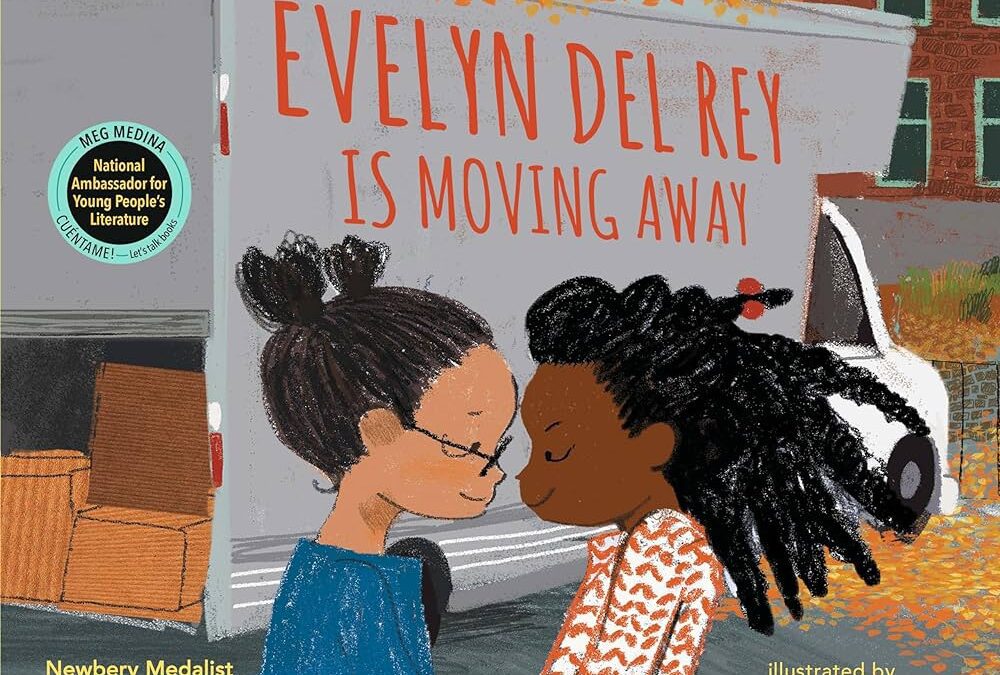
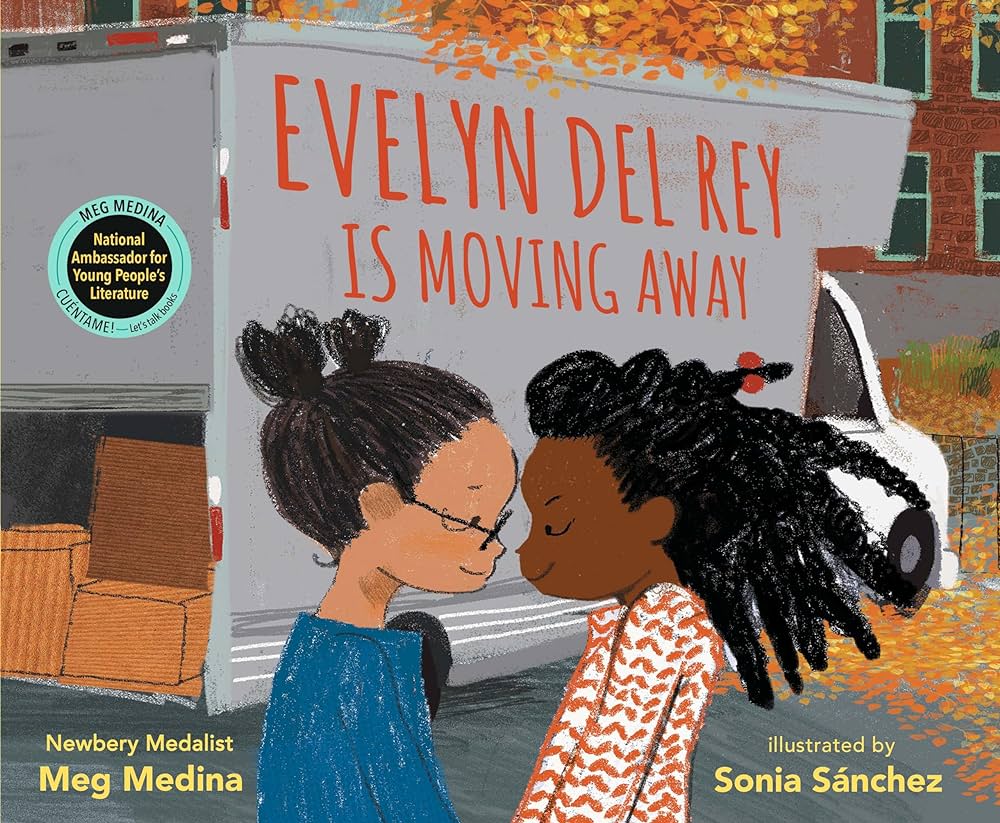
EVELYN DEL REY IS MOVING AWAY

Written by Meg Medina
Illustrated by Sonia Sánchez

Touching. Meg Medina captures in a lovely way the feelings friends often have when they become physically distant from each other, as in a move to another town or city and the changes that occur in their relationship. The illustrations are vivid and quite realistic. They are reminiscent of Ezra Jack Keats’ style. The words come alive through these images. Jumpstart and Read for the Record are two organizations whose purposes are to help reduce the cycle of poverty through providing high quality books and reading. They have provided ideas for adults to enrich the reading experience with children through notes about how to interact with your young reader. Children 4 to 8 years old enjoy exploring the subject of friendships and how life circumstances can change relationships.

Book Review: Just a Worm

Book Review: Just a Worm

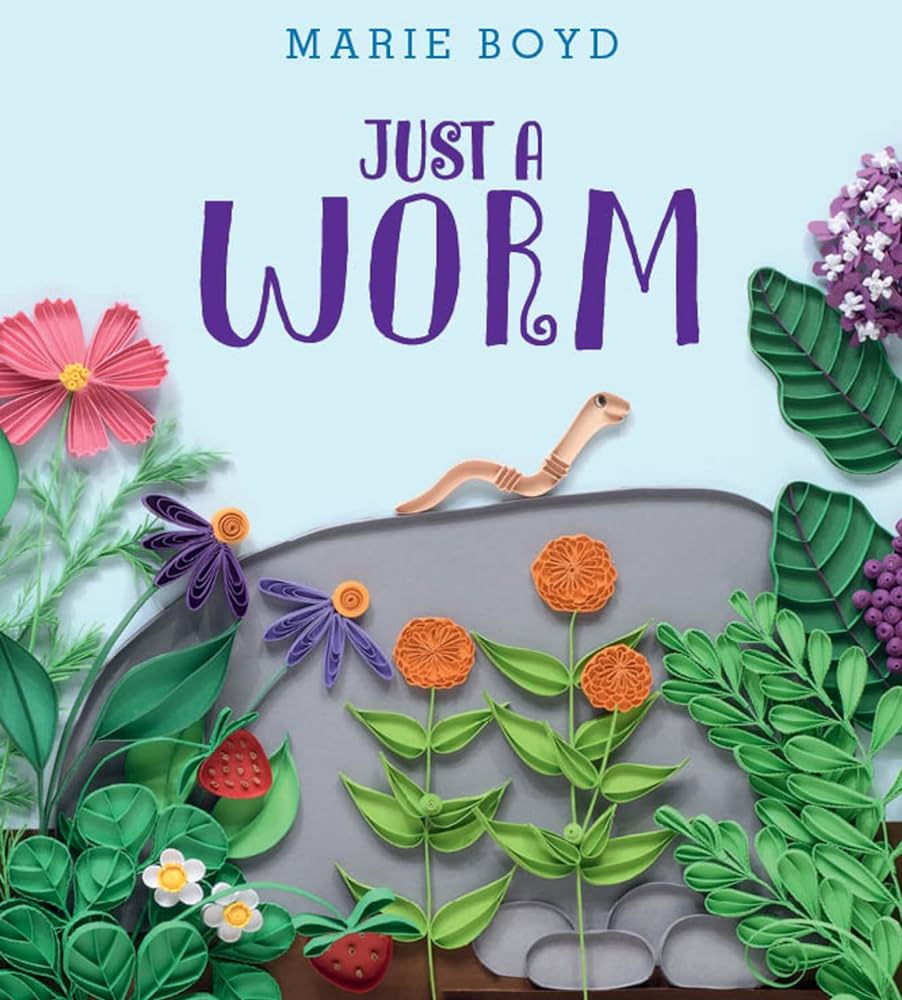
Written & illustrated by Marie Boyd

This book is illustrated using quill art techniques except for the worm (pen and ink) and the blue sky (digital). Its eye-catching colors and designs are quite beautiful. The author gives readers a lesson in quill art at the end of the book. The story itself is about the worm affirming that it is more than ‘just a worm.’ Along the way, the worm discovers how other garden insects contribute to the garden world. If you look closely, you’ll find the creature coming up on the next page. Although the story is wonderful for children from 3 to 7 years old, the quill art takes quite a bit of fine-motor control. It may be frustrating for children 3, 4, and possibly 5 years old, while 6 and above may really get into making quill art.

Book Review: Intentional Connections – Building Parent Teacher Partnerships

Book Review: Intentional Connections – Building Parent Teacher Partnerships

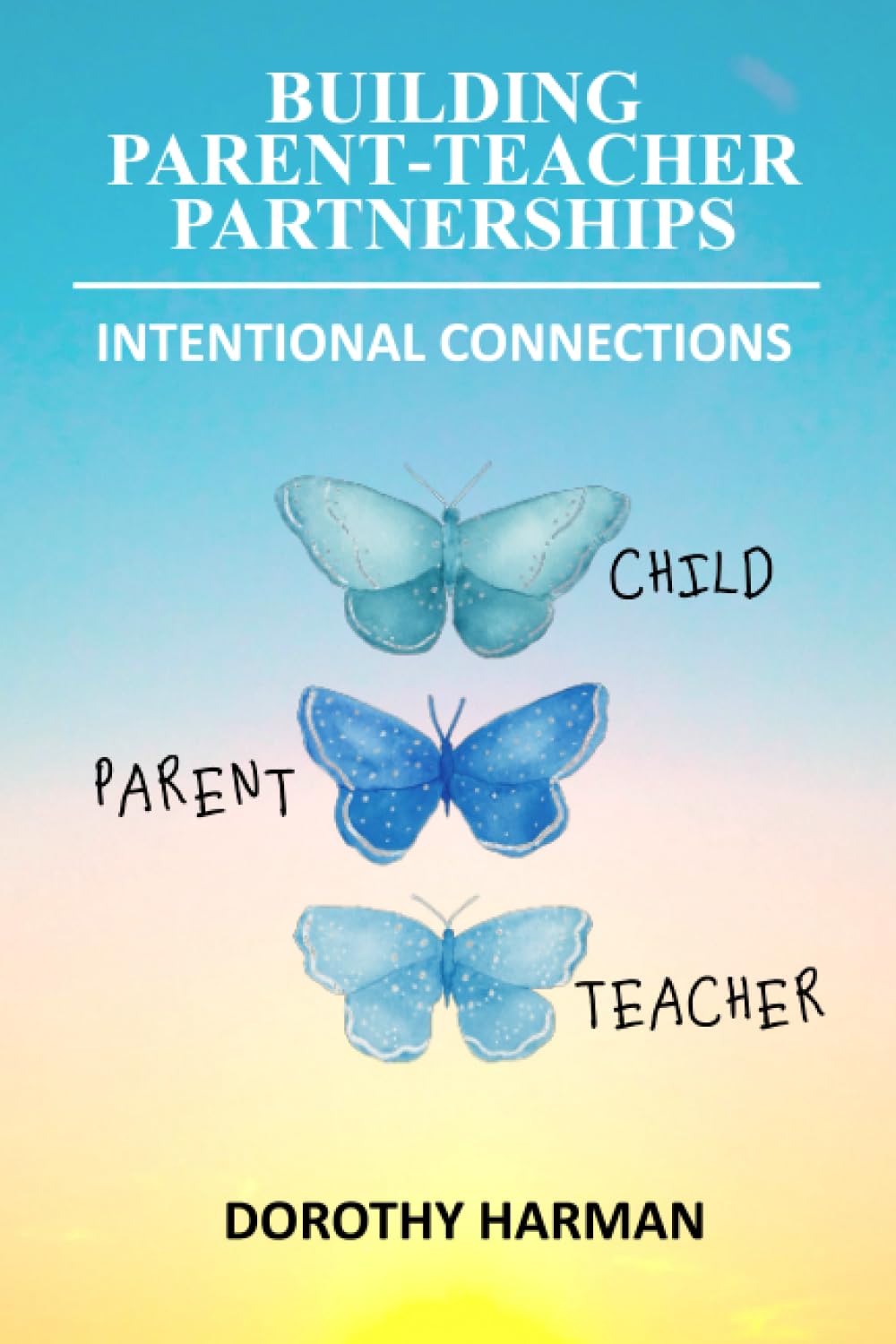
Written by Dorothy Harman

Parents, this is a book to put at the top of your “must read” list! It’s so user friendly and packed with such important information for all of us: parents, teachers, caregivers, and extended family. When I was halfway through it, I couldn’t put it down. My grandson is in Montessori school, and I wanted to send a copy to his parents immediately!

Dorothy Harman has so much wisdom to share and inspiration to offer about parent-teacher relationships, keeping the child’s best interests as the common goal. She has created a book that has only 39 pages, and it is formatted in such a way that you can read whatever topic is of interest to you or is needed for your child. AND, there is a section within almost all the topics called “An Idea for Consideration,” where you can write notes. This section includes the idea, your reflections, your next steps, and discussion with the child’s teacher. It is such a great tool for gathering your thoughts.

You can purchase it through Montessori Services: www.montessoriservices.com/building-parent-teacher-partnerships

A Note from the Program Director

A Note from the Program Director

Dear Parents and Caregivers,

Yes! It’s spring and our days are getting longer, new life is everywhere, and we can open our homes and lives to a breath of fresh air. This is our last issue of Tomorrow’s Child for the 2023-2024 school year. All the surveys, focus groups, and analysis have paid off thanks to you and your school leaders. Look how far we’ve come!

  • The Montessori App makes accessing trusted resources and information easier for you.
  • Wit & Wisdom, our monthly evening discussions with special guests, have allowed us to get to know some of you on a deeper and more personal level than ever before.
  • Our new platform for the Montessori Family Life Webinars has given us opportunities to interact and connect more easily.
  • The new design for Tomorrow’s Child is filled with articles and lots of photos for every level. Each issue is meant to have something for everyone.
  • Regular postings on Facebook and Instagram give you information on upcoming events and inspiring parenting tips.
  • The Montessori Foundation has made The Parenting Puzzle: ‘Peacing’ It All Together available and free to schools that are members of the Montessori Family Alliance. Schools are encouraged to offer this Montessori parenting course to their families. The Parenting Puzzle was specifically designed to help families use Montessori principles and strategies at home to cultivate cooperation, collaboration, and calm.
  • The Montessori Family Life Team has invited exciting new guests and trusted regulars who are experts in parenting practices, child and adolescent development, Montessori philosophy and pedagogy, to have conversations with you every week.

And there’s more to come. We plan to continue sending school leaders a monthly newsletter to pass along to you. The newsletter highlights each Tomorrow’s Child issue and current webinars. It also lets you see past articles, book reviews and webinars – all intended to enhance your Montessori Family Life experience and resources.

As we look forward to the 2024-2025 school year, I am reminded of a song that an old friend, Sanford Jones, wrote called “At the Beginning Is a Good Place to Be.” Let us move forward with faith, trust, and hope in our children and families.


Lorna McGrath MFA Program Director, lornamcgrath@montessori.org
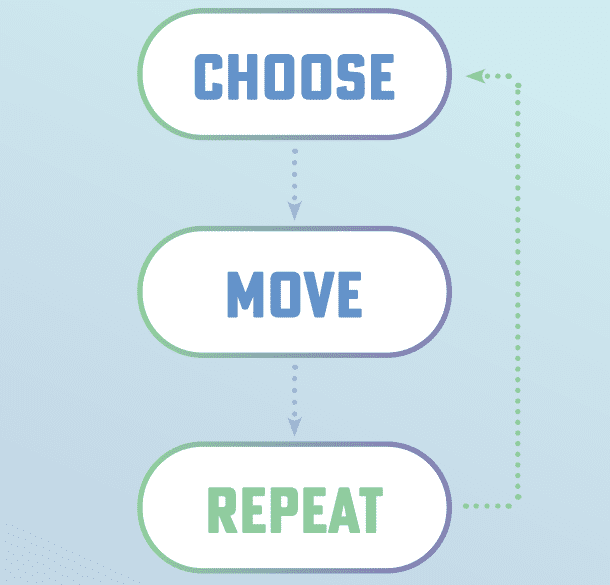
Choose. Move. Repeat.

Choose. Move. Repeat.

These three words can guide your choices as a parent of a young child.

You make choices based on what you believe to be best for your child and family. These choices may be based on emotion, assumptions, or exasperation. I encourage you to consider making your decisions based on a system you know can work.

When you can create a system for yourself in your decision making for your children, you may find that you have better, less-stressful outcomes and more confidence as a parent.

Although all situations and families are different, many of the choices you make as a parent in a day can go back to these three words: Choose. Move. Repeat.

These are the three freedoms that Dr. Maria Montessori provided for in her first classroom and are still part of every authentic Montessori environment (whether home or school).

The freedom to choose.

The freedom to move.

And the freedom to repeat .

Within a classroom, this may seem easy, but what does this mean as a parent?

I recommend that as a parent, when faced with making a decision about What’s for dinner? Do we go to the park or on a walk? or Will you wear a blue or green hat? you come back to these three freedoms.

Ask yourself: How can I offer my child choice in this situation?

For example, if it is dinner, can he choose between carrots or green beans?

Then ask, How can my child have the freedom to move in this situation?

You can offer your child freedom of movement with dinner is by inviting them to help set the table or wash the carrots?

Whenever you incorporate movement into a task, you help children connect and learn. Children need to move to learn and can get very frustrated when expected to be still.

The next question you can ask is: What part of this can we repeat?

Well, when it comes to dinner, I suggest just one dinner (Ha!). You can think about what are the repetitions within the dinner? When setting the table, how many place settings are needed? When washing the carrots, how many carrots need to be washed? Then how can this become a daily activity? Can you repeat this multiple times a week? Can your child come to count on this as a predictable routine?

Choose, move, repeat. These three words can be a system and checklist for parents while bringing consistency, predictability, and routine to your days. They are the three words that can create harmony in your busy family life.

Sarah Moudry (@sarahmoudry) is an education innovator whose work is focused on creating education environments and experiences that inspire growth and joy. Her work is rooted in Montessori philosophy and paired with her extensive experience as a designer.

Recently, her projects included the founding of StudioJune (@thestudiojune), a Montessori parent and child education center, and Family Friendly Home (@familyfriendlyhome), an interior design company that creates inspirational home and school interiors.

Sarah is the author of books and online courses that help parents, childcare professionals, and grandparents to incorporate Montessori practice into their lives. She has an M.Ed in Montessori education, a B.S. in environment and design, AMI Montessori certification for birth to six years, and is an Associate Member of ASID.

How to Build a Community

How to Build a Community

Life has changed for many families over the years, and today it is more important than ever for schools and families to work together to create a nurturing community that supports parents, teachers, and children. Schools can be much more than where children learn basic skills; they can become communities where people feel safe, connected, and welcomed.

In most Montessori schools, this is already the case. Their byline could be similar to this line from Yeats: “There are no strangers here. Only friends you have yet to meet.”

Montessori parents often describe their children’s schools as the center of their friendship circles.

Here are some of the many ways that great Montessori schools create community and partnership with their families, faculty, and staff.

Perhaps your child’s school already does many of them. If not, perhaps now is the time to gently and positively see if you can interest the school’s leadership, teachers, and other families into taking a first step.

  • People smile at everyone they meet and take pains to make them feel welcome. They carefully introduce new families and staff members into the school community.
  • Teachers and staff greet people as they arrive to drop off and pick up their children.
  • The school encourages the entire community to get to know one another.
  • School leaders and teachers make it easy for parents and students to meet with them.
  • Coffee and Conversation: At many schools, families are invited to gather once a month, often right after drop off, in a central area to drink coffee while engaging in lively discussions. This not only strengthens bonds among parents but also offers a relaxed setting for informal interactions with school leaders.
  • Parents are encouraged to observe classrooms in action. This can be particularly enlightening for those new to Montessori, offering a window into their children’s daily learning environment. Of course, this requires careful scheduling between parents and classroom teachers.
  • They respond to any family crisis with warmth and caring. They call, visit, send cards, and lend a helping hand.
  • They encourage parents to volunteer in the classrooms and on committees. They do everything possible to ensure that they have a positive experience.
  • They keep volunteer assignments short to allow them to get a sense of completion.
  • They avoid long boring meetings, politics, or wrangling.
  • The school helps parents feel confident that their children are getting a first-class education.
  • The school always has name tags at parent gatherings.
  • They hold at least two “Student Demonstration” events a year: a daytime or evening where children get to bring one or two people to school as their guests. The children teach their parents or friends how to do what they do in class.
  • Some schools organize a once-a-month social for all their Infant-Toddler families on Saturday afternoons. They provide an appropriate activity, such as art, music, or a sensory experience that can easily be recreated at home. Some schools hold a variation on this with “Parent-and-Me” session held at school.
  • They create a tuition-funded financial-aid program with a goal that no child will have to leave school because of financial problems. They ensure that their financial-aid process is warm, friendly, and strictly confidential.
  • Many Montessori schools coordinate a Parent Ambassadors program. Parent Ambassadors are a group of dedicated parents who play a crucial role in facilitating communication between the school and families. They use email and telephone/messaging chains, enabling them to efficiently remind families of upcoming events, answer queries, and recruit volunteers for various school activities. They also welcome new families into the school community.
  • Many Montessori schools hold monthly Community Meetings where parents, teachers, administrators, and interested students are invited to meet to explore issues of common interest in an open forum. Community Meetings often offer feedback and advice to the school’s leadership and Board. Parents and teachers who participate tend to gain a much deeper understanding of the school’s mission, strengths, and the issues that challenge it. Many appreciate the opportunity to have a voice in the life of the school.

  • At a Community Meeting or other event, someone will propose a toast to the school. People share memories and stories.

  • Many schools open and close the school year with special ceremonies.

  • They hold special social events for the community. A few examples might include a picnic, an old-fashioned square dance, a fall festival, a winter fest, a spring picnic, a theater party, a potluck dinner, or a family camp-out on the school grounds.

  • Childcare at evening parent meetings.

  • Montessori schools work hard to nurture every child’s artistic and musical potential. Every student aged five and above receives instrumental instruction, participates in ensemble performances, and studies art. These programs have led to remarkable displays of talent. The school stages musical theater and ensemble performances during the year.

  • Ideally, schools have a room on campus where parents can sit and read about Montessori or talk with other parents.

  • They keep a pot of coffee and/or tea going for parents who drop in.

  • The school phone is answered promptly with warmth.

  • There is a suggestion box for parents, teachers, and students.

  • They frequently ask families, teachers, and staff what they think.

  • They hold informal discussions to brainstorm and explore new ideas.

  • They defend your community against hostile or negative parents, children, and staff.

  • They take the time to explain things fully.

  • They publish an Annual Report on the state of the school.

  • They hold school-wide talent shows or art exhibits where students of all ages can showcase their talents or artwork.

A Montessori byline could be similar to this line from Yeats:

There are no stranger here. Only friends you have yet to meet.

  • Older students mentor younger ones in various areas, such as academics, arts, or sports.

  • They make sure that no one ever feels threatened or blind-sided at a parent/teacher conference.

  • Many schools have student-led conferences during which students guide their parents through their learning journey. This can be especially empowering for older students, giving them a chance to showcase their progress and achievements.

  • They gather the children’s work, stories, and art into portfolios to give to their families.

  • They hold Parent Forums: open discussions in which parents explore an issue of broad interest among themselves.

  • They create an atmosphere of safety, cleanliness, and timeless beauty on their campus.

  • They celebrate cultural diversity within the school with festivals encouraging families to share their heritage and learn about others while fostering a rich, inclusive community.

  • They organize sports events or fun runs where families participate in activities or challenges.

  • To add a fun twist to community engagements, some Montessori schools have introduced innovative events such as the “Are-You-Smarter-Than-a-Montessori-Kid?” contest. This light-hearted game challenges parents to answer questions that children learn in their Montessori classes, such as recognizing European flags or solving complex puzzles. These events not only provide entertainment but also offer parents a glimpse into the depth and breadth of their children’s knowledge.

  • They make a commitment as a school community to an ongoing program of self-study and school improvement in which parents, teachers, older students, and staff can get involved.

  • They take the time as a community to develop and periodically review a “Blueprint of the School’s Educational Philosophy and Core Values.”

  • Teachers call parents regularly just to share good news or to touch base.

  • They make sure that new volunteers are carefully taught how to do the tasks that they’ve undertaken.

  • They publish an attractive school newsletter on a regular basis that contains articles that parents want to read and pictures of children doing interesting things.

  • They give each other lots of acknowledgement and a sense of pride.

  • They send out press releases of any and all newsworthy information to the media.

  • They create a special acknowledgment pin to recognize parents and teachers who have made an extraordinary contribution of service to the school.

  • They design a colorful window decal with the name and logo of the school and give them to parents and teachers to put in the car’s rear windows.

  • They create a terrific school t-shirt and include at least one in the price of tuition and “give” it to every child.

  • They develop a Montessori Speaker Series, inviting experts in Montessori education, child psychology, and related fields to speak to parents and local families.

  • They host a panel of older students, alumni, and parents who share the positive impact Montessori education has had on their lives. This can be particularly inspiring for new families.

  • They facilitate support groups for parents to discuss common challenges and share advice, particularly helpful for those adjusting to the Montessori system.

  • They involve parents and families in community service projects organized by the school, reflecting the Montessori values of social responsibility and community engagement.

  • They post a page on the school website to acknowledge the teachers, families, or special volunteers for their service to the school.

  • They organize book clubs for parents, focusing on literature related to Montessori education and child development. Discussions can be facilitated by teachers or knowledgeable parents, fostering a deeper understanding of the Montessori philosophy.

  • They encourage student-run cafés. Some provide a practical learning experience for students and a gathering spot for the community where parents, teachers, and students can interact informally, enhancing community ties.

  • The share meals at various events, underscoring the importance of coming together and bonding over food. This tradition is essential for building strong, lasting relationships within the school community.

Montessori schools tend to be vibrant communities. Their unique traditions, commitment to arts and culture, and dedication to creating a warm and inclusive environment exemplify the best of Montessori education.

Tim Seldin is President of the Montessori Foundation and Chair of the International Montessori Council. His more than 40 years of experience in Montessori education includes 22 years as Headmaster of the Barrie School in Silver Spring, Maryland, his alma mater from toddler through high school graduation. Tim was Co-Founder and Director of the Institute for Advanced Montessori Studies and the Center for Guided Montessori Studies. He earned a B.A. in History and Philosophy from Georgetown University, an M.Ed. in Educational Administration and Supervision from The American University, and his Montessori certification from the American Montessori Society. Tim Seldin is the author of several books on Montessori Education, including How to Raise An Amazing Child, and The World in the Palm of Her Hand Look for his new book, Montessori for Every Family, co-authored with Lorna McGrath.