
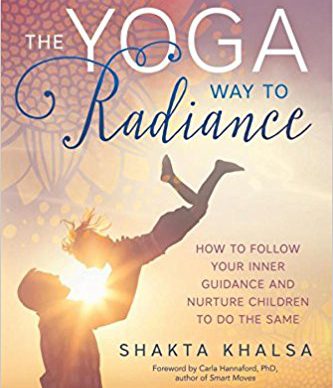
The Yoga Way to Radiance
To continue reading, you will need to choose a subscription plan.
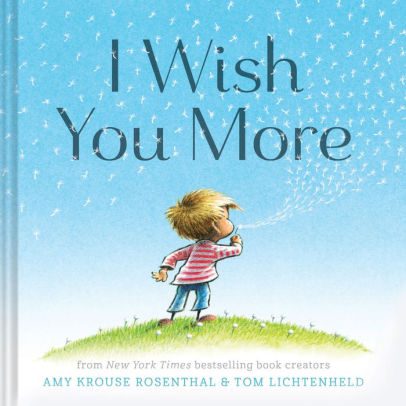
I Wish You More
To continue reading, you will need to choose a subscription plan.
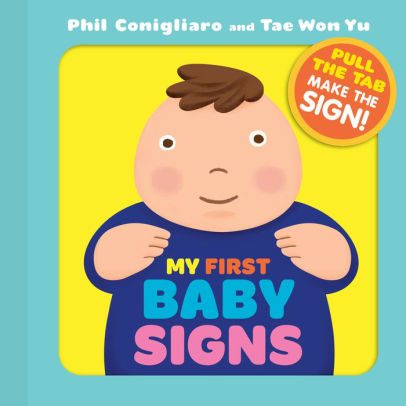
Book Review: My First Baby Signs
To continue reading, you will need to choose a subscription plan.
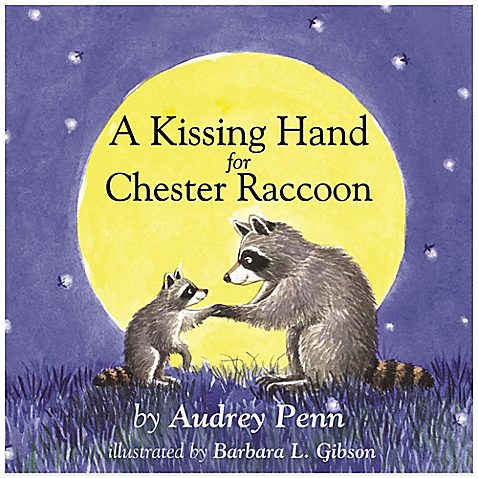
Book Review: A Kissing Hand for Chester Raccoon
To continue reading, you will need to choose a subscription plan.
Book Review: Ido in Autismland / Climbing Out of Autism’s Silent Person
To continue reading, you will need to choose a subscription plan.
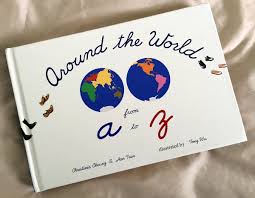
Book Review: Around the World from A to Z
To continue reading, you will need to choose a subscription plan.
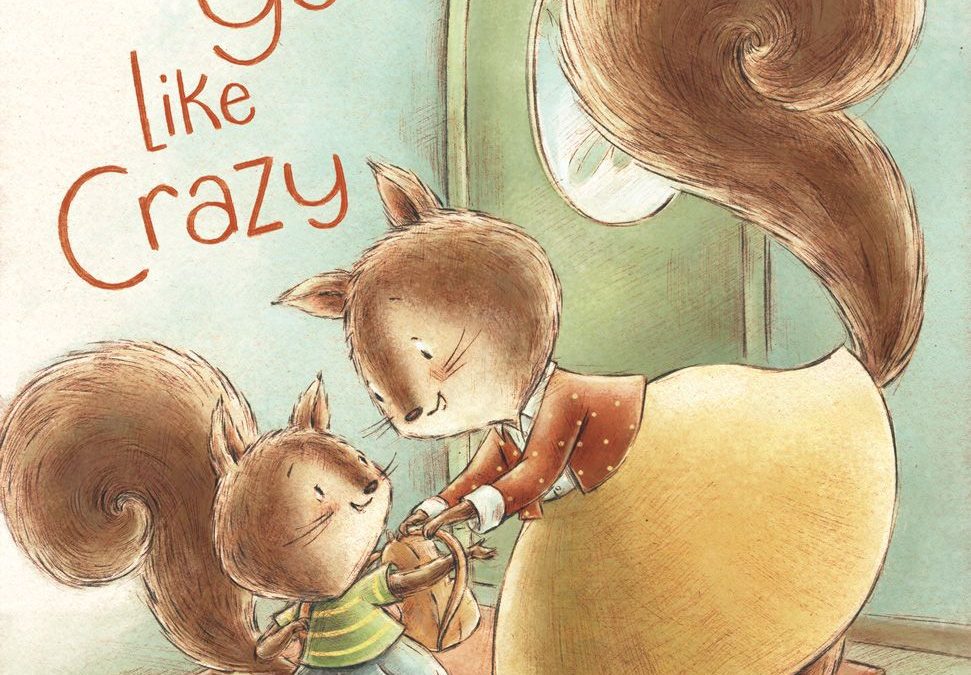
Book Review: Miss You Like Crazy
To continue reading, you will need to choose a subscription plan.
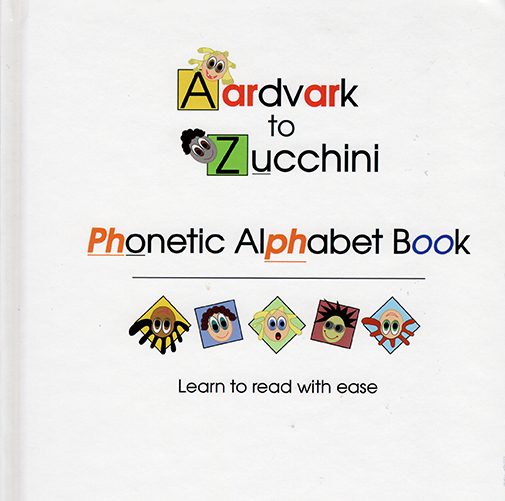
BOOK REVIEW: Aardvark to Zucchini
To continue reading, you will need to choose a subscription plan.
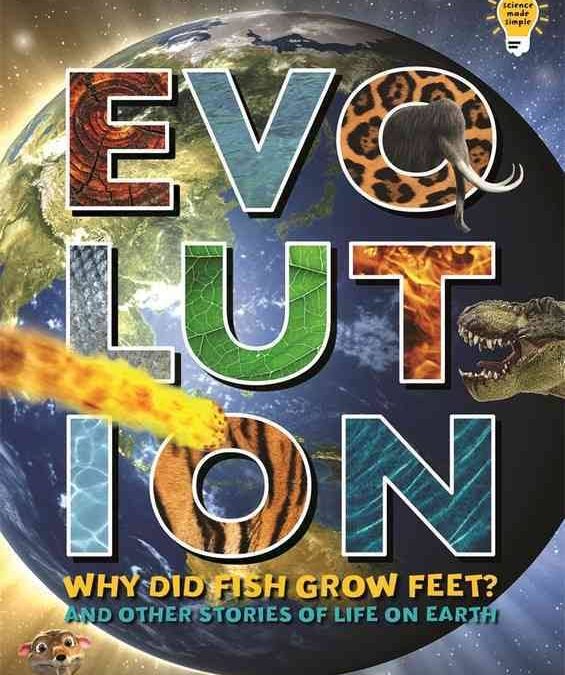
Book Review: Evolution / Why did fish grow feet?
To continue reading, you will need to choose a subscription plan.
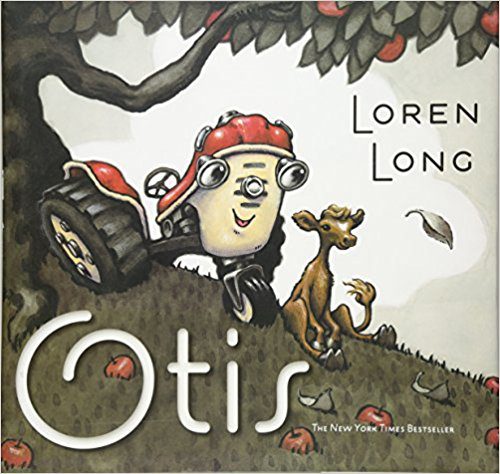
Book Review: Otis
To continue reading, you will need to choose a subscription plan.
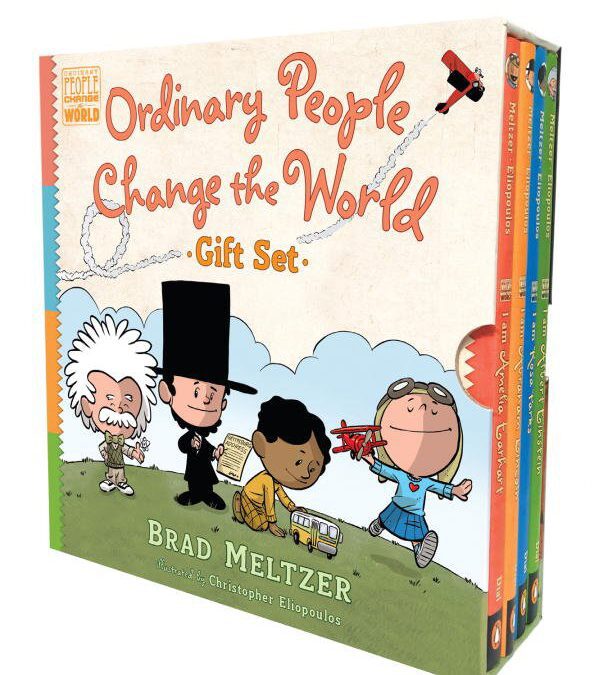
Book Review: Ordinary People Change the World
To continue reading, you will need to choose a subscription plan.
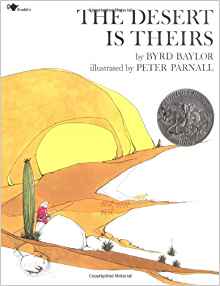
Book Review: The Desert Is Theirs
To continue reading, you will need to choose a subscription plan.
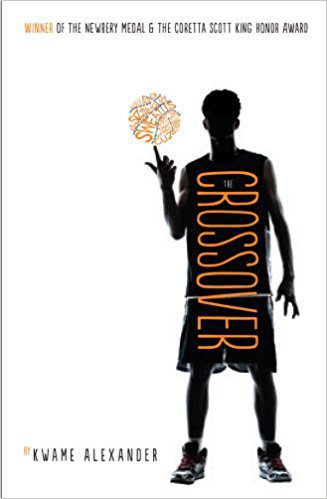
Book Review: The Crossover
To continue reading, you will need to choose a subscription plan.
BOOK REVIEWS
A Handful of Numbers
Written by Christinia Cheung & Han Tran
illustrated by Tong Wu
This is a great little board book. The counting and numbers are all related to things about the Earth and our universe. Example: 2 poles (north and south); 5 geologic layers; etc. The illustrations are beautiful!
On the left page is the number written in large type. Then, there is a description of what the illustration shows, and in the bottom left corner of that page is the corresponding number rod. On the opposite page is a beautiful illustration. Example: 3; three oceans; description of the oceans and what they do; the third number rod.
It is especially nice in the way that it is connecting counting and numbers with our geography studies. Children at the primary level and older toddlers will enjoy this book.
A Montessori Workbook:
Volume 1
by Dr. Punum Bhatia
Dr. Bhatia has created three volumes in this set. She designed these workbooks as a resource for parents of three-to-six-year-olds. Her intention, as she described it to me, was to give parents and children something fun to do during the summer to keep ideas and concepts from the Montessori classroom fresh in the child’s mind during the time away from the classroom.
Since most parents are not trained Montessorians, Dr. Bhatia has a two-page introduction in how to use these books. Many of the illustrations in the book are of classroom materials such as: the Pink Tower; the Metal Insets; parts of plants and continents; etc. She has also included a section on sounds to reinforce the symbol and the sound. There is also a math section for counting skills.
While I congratulate Dr. Bhatia for the clear and crisp illustrations in her workbook and her idea to help parents keep children engaged and reminded of their Montessori learning materials during times when school is out, I must pose the following questions to her and to other teachers and parents:
Are workbooks in alignment with what we know about child development and the needs of young children?
Would other activities such as nature walks, picnics, gardening, cooking, going to Gramma’s, making puppets, doing a skit, building a fort, drawing a map of the backyard, caring for animals, etc. use the same skills and support the child’s continued development, while building relationships in a concrete, meaningful way for the young child and family?
Would a workbook be more appropriate for a child in the elementary years?
Please use your answers to these questions as a guide when considering activities for children during the early childhood years.
California the Magic Island
Written and illustrated by
Doug Hansen
This is a beautifully illustrated, mythical history of California. Each vignette highlights a part of California history using a letter of the alphabet. The legendary Queen Calafia was outraged at first, when some people from a place far away began to use the name of her island for their land. When the emotion passed and she could think more clearly, she commanded, “Go and find 26 creatures who will tell me the story of their land from far past to present. If their stories are worthy of my name, then they will not be punished but will be able to use my name, and I will watch over them forever.” Each creature represented a letter from the alphabet like “B” was the monarch butterfly.
This is a fun, fantastical history of California and would capture the imagination of elementary children. If California is not the state where you live, you and your children may be inspired to write and illustrate a creative, magical story of your state.
Do Unto Animals: A Friendly Guide to How Animals Live, and How We Can Make Their Lives Better
by Tracey Stewart
illustrated by Lisel Ashlock
If you are an animal lover and want to encourage and support children in their development of love for animals, this is an especially good book for children in the middle elementary years. Tracey divides the book into three sections: Animals at Home; Backyard Wildlife; and Falling in Love on the Farm, and she uses catchy titles for sub-sections, such as: The Perfect Pig Palace; Be Nice to the Bugs; or Meow-sage Me.
Tracey has a nice sense of humor coupled with lots of good information about animal behavior, ways humans can better the lives of animals, and crafts such as a “t-shirt tug toy” for dogs or ideas for enhancing a cat’s home by planting cat grass.
The illustrations are very realistic drawings with color rather than cartoons or photographs. They are very pleasant depictions of the animals the author is spotlighting. The illustrations make you want to love any and all of the animals in this book and more. It is a good resource for home or school.
Moving With Numbers
written by Christinia Cheung illustrated by Tong Wu
Wow! This is a gorgeous book! It can be used to learn about Chinese calligraphy, counting, and movement. Once again, Christinia and Tong have teamed up to create a lovely board book.
This time, they are illustrating each number on the left page with calligraphy, red dots similar to the cards and counters (upper right corner of page), and the corresponding number rod (bottom left corner of page). On the opposite page, there are people dressed in beautiful costumes doing movements from walking on a tight rope, riding a unicycle, acrobatic poses, and more.
The numbers are textured so that the child can feel them similar to Sandpaper Numerals from the classroom. There is a map of China in the back of the book, and it shows where each of the 55 minorities live in China.
Young children will be fascinated by the illustrations, will learn about a country and language in Asia, and practice their counting skills.
The Big Disconnect
by Catherine Steiner-Adair, EdD with Teresa H. Barker
In the fall of 2015, I had the distinct privilege of attending a talk given by Catherine Steiner-Adair, Ed.D. She is a dynamic, humorous, and informative speaker. The 90-minute talk was done in what seemed like only a few minutes. Her topic was that of her book, The Big Disconnect. Her concerns are the same as the concerns of many parents and educators. They are about the effects of technology on our ability to communicate and to form relationships. Dr. Steiner-Adair does not just point out the dark side of technology but actually gives her readers ideas and suggestions to deal with our new technological lives.
For example, in her book, she sites texting as a huge communication problem because it takes away not only our auditory cues (tone of voice) but also our visual cues (facial expressions, hand gestures, posturing). The two or more people involved in the ‘conversation’ can easily misinterpret the message being sent and find themselves in a text war. Also, people are much more likely to say things that they would not dare say face to face. She suggests that parents never engage with their children (or their spouse) in an emotional conversation by text. When it begins to feel touchy, just say something like, “This sounds important and like something that we should talk about in person. Are you on your way home?”
In her book she discusses the effects of technology on children at different developmental stages. We are beginning to see how parent screen time is damaging the building of relationships and gives the message that “this gadget is more important than you,” however unintentional it is. Children are feeling abandoned. Look around at any restaurant where families gather. What do you see?
When you read this book you will find out Dr. Steiner-Adair’s seven suggestions for sustainable families in the 21st century. It is a must read for every parent!
PS. You can listen to a live interview that I recorded with Catherine Steiner-Adair on the Montessori Family Alliance resource center. If you don’t know how to access it, talk to your Head of School. If you receive Tomorrow’s Child magazine you’re already a member!
Tomorrow’s Child/Nov 2016/pg 32
BOOK REVIEWS
My Daughters are Smart!
Written by Anita B. Adhikary
Illustrated by Blythe Russo
This book is an interesting alphabet book full of empowering words for boys and girls but is focused on girls —young and old, culturally diverse, interacting with each other and with men and boys, able-bodied and differently-abled. It pictures girls in situations from friendship to studying to camping to zip lining. Some of the words include: witty, sincere, tenacious, empathetic, confident, and fit.
Here are words of the author, Anita Adhikary, explaining her rationale for writing this children’s book.
“My purpose for writing this book is to empower women. I have witnessed firsthand the unfair treatment of girls in many Eastern cultures. Sons are often considered prized possessions but not daughters. The irony is, women are basically the pillars of the house, society, and community. Similarly, in the West, I have seen too many options for girls that only emphasize princess-culture: pretty, pink, and glittery objects that don’t encourage a lot of substance.”
While we know that one children’s book will not change a worldwide culture of inequality, it can help chip away at the stereotypes that many girls and women have grown up with. It is a book worth having in your school or home library.
Grace, Under Pressure
A Girl with Asperger’s and Her Marathon Mom
by Sophie Walker
There are so many books that one can choose from to read about children and families affected by autism. I have many in my library. I remember the first one that I read in the 1980s called Dibbs: In Search of Self. Back then, we didn’t even call what Dibbs suffered from by a name. I was a Montessori teacher and didn’t even know anything about the spectrum or ADD or OCD or ODD, but I knew that I had children in my classrooms that didn’t behave in ways that most children did. And I searched for ways to help them to be a part of our classroom and school community.
Then came my own children—both of them beautiful and smart and quirky in their own ways. As they grew and developed, we did our best to figure out the ways to support each of them. Their uniqueness’ caused joy, pride, heartache, and confusion at times.
When I began to read this book, Grace, Under Pressure, I realized that Sophie’s marathon was not the London Marathon but the agonizing struggle to find what is right for her child, for herself, and for her family. If you have a child on the spectrum, if you teach a child on the spectrum, if you love a child on the spectrum, you will be moved and inspired by this mom’s determination to find answers and support. This book gave me insight into the frustration of not knowing, into how alone parents feel as they deal with the everyday struggles of life with a child with special needs, and into what it means to take on the system for your child.
I highly recommend this book for parents and teachers of all children. You will not be able to put it down!
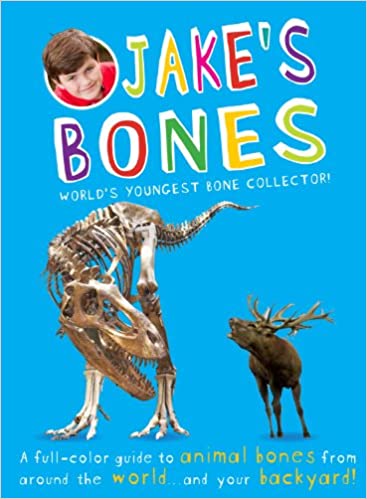
Jake’s Bones
Written by Jake McGowan-Lowe
Jake’s Bones is a fascinating children’s book that takes you around the world and even in your own backyard to
see the most amazing bones on the planet. Jake, an elementary-age author, captures the reader’s mind by telling everything from the biggest bones to the smallest bones and taking you back in time to look at dinosaur bones. Jake’s book is full of fun, and amazing facts about amazing animals. He’ll even help you make your own bone collection!
I highly recommend Jake’s captivating book for the elementary levels. If you don’t want to read about Jake’s python snake skull, you can read about Vulpy, his fox skeleton. Jake’s book is full of fascinating information discovered and written by a kid for kids! Jake’s fully colored guide to animal bones is sure to please any child’s mind.
— Reviewed by Teagan Allen
(12 years old), student in Upper Elementary, NewGate School, Sarasota, FL
Nuts for Coconuts
Written by
Christinia Cheung & Han Tran
Illustrated by Tong Wu
The authors have created a book that extols the virtues of the coconut tree in rhyme. They bring in not only the many uses for all parts of the tree but also the parts of the world where these plants thrive. The book is filled with facts and information about coconuts and the tree itself.
Rhyming can be fun. However, I do find that in a book such as this, it seems very contrived and sometimes difficult to concentrate on the ideas that are being presented. Children will most likely enjoy the rhyming. I do suggest that the reader practice a few times reading the book out loud before reading it to children so that it can be read smoothly without losing the context of the words.
The illustrator uses rich colors and wonderful detail in the pages of this children’s book. The illustrations help children to see the products, the landscapes, and the cultures within which the coconut is grown and used.
Cousins
by Linda Chalmer Zemel
The author describes in a very simple way the family relationship of cousins: who they are in relation to you, your parents, and your grandparents. She beautifully explains the ‘specialness’ of cousins. This will be a great start for future genealogists!
Part of the charm of this children’s book is that the illustrations are classic pieces of art. On the left-hand page of the book is the author’s text, and on the right-hand page is a print of artwork. For example: Girl with Watering Can by Auguste Renoir; The Artist’s Garden at Argenteuil by Claude Monet, or American 19th Century Schooner. I found it a little difficult to make the association between the artwork and the text. However, I can see that discussion could be generated around the text and art regarding the people or places depicted in the illustrations.
Over the years, I’ve noticed that young children have a sensitive period for trying to figure out family
relationships. Their sense of belonging and community is part of their social/emotional development. This book, in an easily understood way, will help children sort out at least one aspect of family relationships.
Tomorrow’s Child/ April 2014
Special MFA Members’ discount code for The Parenting Puzzle
To continue reading, you will need to choose a subscription plan.

Webinar: We Can’t Get Out of the House on Time!#!#!#
To continue reading, you will need to choose a subscription plan.
Featured
-
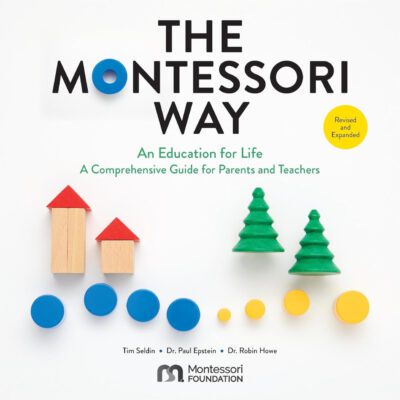
 The Montessori Way, Revised and Expanded: An Education for Life; A Comprehensive Guide for Parents and Teachers
$25.00
The Montessori Way, Revised and Expanded: An Education for Life; A Comprehensive Guide for Parents and Teachers
$25.00
-
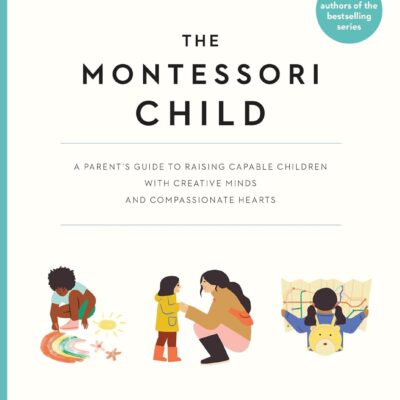
The Montessori Child: A Parent's Guide to Raising Capable Children with Creative Minds and Compassionate Hearts (The Parents' Guide to Montessori)
$20.00
-
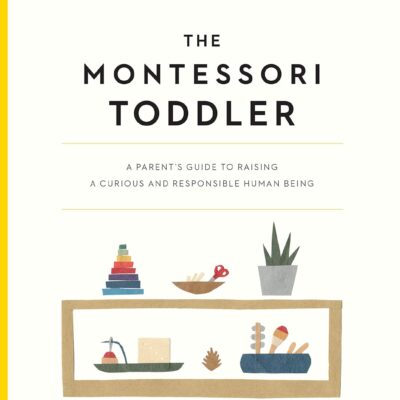
The Montessori Toddler: A Parent's Guide to Raising a Curious and Responsible Human Being (The Parents' Guide to Montessori)
$20.00
-
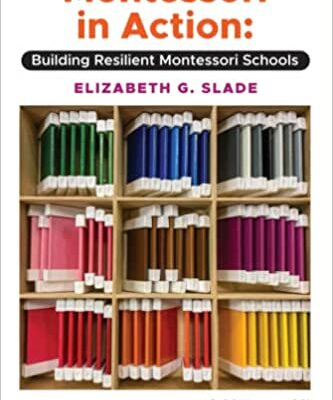
Montessori in Action: Building Resilient Montessori Schools 1st Edition
$29.95
-
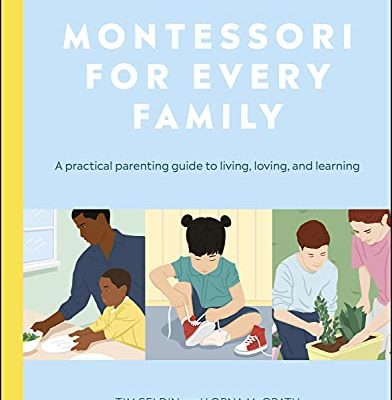
Bulk Order, 30 Copies of Montessori for Every Family: A Practical Parenting Guide To Living, Loving, And Learning
Original price was: $600.00.$510.00Current price is: $510.00.
Products
-
The Montessori Way, Revised and Expanded: An Education for Life; A Comprehensive Guide for Parents and Teachers
$25.00
-
The Montessori Child: A Parent's Guide to Raising Capable Children with Creative Minds and Compassionate Hearts (The Parents' Guide to Montessori)
$20.00
-
The Montessori Toddler: A Parent's Guide to Raising a Curious and Responsible Human Being (The Parents' Guide to Montessori)
$20.00
-
Montessori in Action: Building Resilient Montessori Schools 1st Edition
$29.95
-
Bulk Order, 30 Copies of Montessori for Every Family: A Practical Parenting Guide To Living, Loving, And Learning
Original price was: $600.00.$510.00Current price is: $510.00.