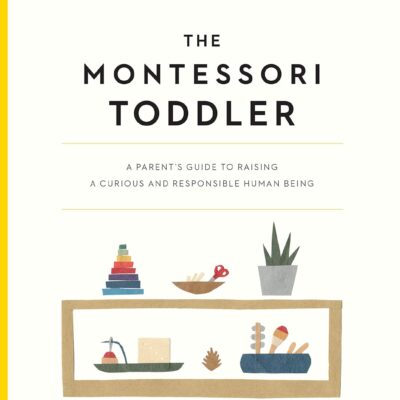


Part 2: All We Need Is Love, Balancing Accountability with Empathy, Respect and Love
To continue reading, you will need to choose a subscription plan.
Optimism| A Cornerstone to Resilience
To continue reading, you will need to choose a subscription plan.
What? An Evaluation?
To continue reading, you will need to choose a subscription plan.

Dealing With Tantrums
I’m going to dive right in to discuss a very tricky area for parents and children alike: tantrums.
I hope you find this article useful so you can start applying Montessori principles in your home too.
Dealing with Tantrums
Tantrums are a pretty normal part of life with children from around one to five years old. Maybe they’ll start a little later than one year and will end earlier, but anything in this range is fairly normal. Your child is learning that things don’t always go their way. And, as parents, we are helping them learn how to deal with these emotions and to make amends.
It can be upsetting for a parent. It’s hard to realize that your child is actually asking for your help. They are overwhelmed by the situation and need your support to calm down. It’s not the time to take it personally.
How to Avoid Tantrums
It can be possible to avoid tantrums before your child loses control. Here are some ideas to ward off tantrums when you see the first signs of your child losing control.
1. Be prepared: take a small bag with some simple games and some favorite snacks if you expect your child to wait patiently in a doctor’s office or a cafe.
2. Label their feelings: “Boy, you really wish you could stay longer”; “You really wanted some orange juice right now!”
3. Redirect them: “I can’t let you hit your brother, but you can hit this drum/pillow.”
4. Get down to their level: “You sound frustrated. Can you tell me why?”
5. If they are struggling, ask them if they would like some help: give them just as much help as they need and then step back.
6. Give them a choice: “Would you like to put on your shoes or your scarf first?”
7. Establish routines: “… and after lunch, we’ll go to the toilet, read a book, and tuck in for a rest.”
8. Let them show their anger creatively, “Show me how angry you are. Here is some paper and a pencil. Wow. They are big circles. You are really mad!”
Triggers
Events can often escalate to a full-blown tantrum. Sometimes it’s from your child’s frustration; other times their anger or rage; sometimes because they want to be in control; their communication may still be limited; or because they are tired, hungry, or overstimulated. They can throw themselves on the floor, push us away, try to hit us, a sibling, another child, or even break something.
It can be useful to note things that cause tantrums in your child: over-scheduling can be common; a new baby; moving to a new house; or certain children may trigger them.
Sometimes the tantrum is even caused by us as we deliver the news that it is time to leave the park, or we serve some food they don’t like for dinner, or that we would like them to get dressed to leave the house.
It’s OK for your child to have a tantrum. You can acknowledge their displeasure at what is going on. You can help them to do the thing that they don’t like. However, when we back down and give in to them, you will find they shout even louder next time.
It’s difficult to be the parent and stay strong. But your hard work will pay off in the long term. They will learn that when you say no, you mean no; and when you say yes, you mean it too.
I like the advice from Positive Discipline for Preschoolers (by Nelsen EdD, Jane, Erwin M.A., Cheryl, et al. Jul 9, 2019). “If you say it, mean it; and if you mean it, follow through with kind and firm action.”
Action may be, for example, leaving the park with a sad toddler, acknowledging that they really wish they could stay longer.
Alternatives to Time Out: How to Help Your Child Calm Down
When your child is having a tantrum, some experts advise putting them into time out. I find this difficult as your child is asking for help to calm down, and you are removing your support and punishing them instead.
When we punish our children, they often get angry at us rather than being sorry for what they have done. Or they try to work out a way to get away with it next time without being caught.
Instead, I look for ways that I can support my child to calm down. I’m not saying that their behavior is OK, but when they are in the middle of the tantrum, it is not the time to teach them anything. They cannot hear you. They have lost control. So let’s help them calm down.
Some children will respond to a cuddle during a tantrum. You can rub their back, cuddle them, and sing to them as they go through all the range of emotions from anger, to intense frustration, to sadness, and sometimes regret. I once held my son for 40 minutes as he refused to get dressed. And I watched him go through all these emotions. In the end, he announced he was ready to get dressed. He told me he loved me. He wasn’t angry with me. He was grateful that I had just been there for him. I know sometimes you have to leave, but in this case, we just changed our plans.
Other children will push you away and don’t want to be touched. In this case, I make sure they are safe and cannot hurt themselves or others. I stand nearby and keep offering my help, “I’m here if you need some help to calm down. Or we can have a cuddle when you are ready.” After the tantrum, I like to offer a cuddle. “That was tough. And now you have calmed yourself down. Would you like a hug?”
If they are throwing toys at their sibling or trying to hit me, I would remove them so that everyone is safe. “I can’t let you hit me. My safety is important to me. Would you like to hit these pillows instead?” If your child is trying to hurt the baby, you can place yourself physically between them to keep the baby safe as you help your older child calm down.
For a child over three years old, you can set up a “calm place,” which they can use when they are upset. It may be a tent with some pillows and favorite things. It may be a corner with some trains. You can ask your child if she would like to go to her calm place.
This is different than ‘time out,’ as the older child is in control; she can come out when she feels calm. If she comes back still in a rage, I would gently tell her that she looks like she still needs to calm down and can come back when she is ready.
Making Amends
Maybe you are thinking that if I support my children while they calm down, I’m saying that their behavior is OK, and I’m encouraging them to get angry. When they are upset, indeed, my objective is to help them calm down.
Once they are calm, I then help them to make amends. If they drew on the walls, I would get them to help me clean up. If they broke their brother’s toy, they can help to fix it. I’ve asked the kids to help scrub their sheets when they used marker pens in bed and made a mess.
In this way, they learn to take responsibility when things go wrong. And when it’s over, it’s over. The good thing about young children is that they can move quickly from deep anger and sadness back to their happy selves. We need to move on too and not let this upset the whole day by referring back to it or keeping on about it. Once they have made amends, it’s OK for everyone to move on. •
TANTRUM FAQs
Shouldn’t we just ignore their tantrum?
I don’t like to ignore children when they are having a tantrum. They may not let me touch them, but I keep offering support and letting them know I am available when they need me. If you were super upset and your partner just left the room for you to get over it, you would likely find them unsupportive. We are showing our kids that, good or bad, we will be there for them.
What do I do if we are out in public when they have a tantrum?
There are basically two options:
First: Go home—if you find it difficult to have people watching you, it’s best to just leave. This may mean parking a full shopping cart and following the above ideas once you are home.
Second: Stay and support them—my preferred option is to hang in there and do what you would do even though you are out of the house. If you have more than one child with you, make sure they are safe. And then offer as much help as you can to help your child calm down. People watching will more likely think about what a lovely, patient parent you are, rather than what a horrible noise your child is making.
I find it difficult to stay calm myself. What can I do?
If your child has triggered you, it is indeed difficult to help them calm down.
• If your partner is available, it can be easiest to get them to step in instead.
• You may want to make sure the kids are safe and go to the bathroom to catch your breath.
• Find a mantra that you can repeat, “I breathe in calm, I breathe out anger.”
• Remember not to take it personally. Perhaps visualize putting on a bullet-proof suit that will resist everything (including words) that your child throws at you.
These tips should help you remain calm and give your child the support they need to regain control.
Learn from Simone Davies, an AMI Montessori teacher with15+ years’ experience working with 0-3-year olds, owner of Jacaranda TreeMontessori in Amsterdam since 2008, mother of two teenagers, and author of the book The Montessori Toddler. Visit her blog at themontessorinotebook.com
This article is from the November 2019 issue of Tomorrow’s Child magazine. Reprinted with the author’s permission.
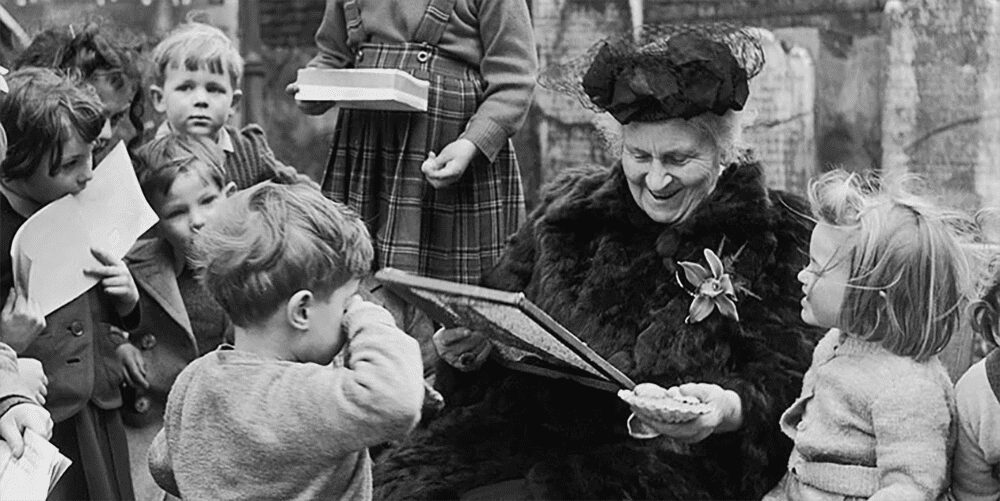
Montessori’s Gentle Approach To Discipline
Many parents believe that the word discipline means to punish. In reality, it means to teach.
In a Montessori-inspired home, parents are empathetic, caring, and respect children as real and separate human beings. However, children also need to develop a sense of empathy for others and must learn the rules of courteous everyday behavior.
To accomplish this, we need to help them develop a sense of self-respect with both compassion and respect for others. Since we cannot always be with them, we need to teach them to act with honor and integrity whether or not someone is watching. Since we can’t prepare them for every situation that they will face over the years, we need to teach them how to apply general rules of kind behavior to new situations.
Babies and Toddlers
Infants and toddlers don’t respond to discipline, rules, and punishments, but they do respond to unconditional love. They are not yet at a stage where they know right from wrong. They live in the moment, when they want something, they want it right now!
One secret to living happily with very young children is to go out of your way to attempt to understand what they are trying to communicate when they cry. Certainly, don’t take it personally! Even though, in the heat of the moment, it may feel as if your baby is being deliberately defiant, crying is one of the very few ways that young children can use to communicate. It can mean that they are hungry or that they need to be burped, they may be in an uncomfortable position, or they may need a diaper change.
Remember, babies are people too! They can become frightened. They may be bored or lonely. They may have had a bad dream. Watch and listen carefully. If you pay attention to your children, even when they are very young, ultimately, you will be able to determine what they are trying to tell you. Just as most parents learn to recognize the sound of their baby’s cry, we can learn to recognize the way they cry to communicate different emotions.
At this stage, their behavior is impulse-driven, with a limited ability to make the choice to follow ground rules. While you always want to model good behavior and explain why a given behavior is okay or not okay, don’t be surprised when your words go in one ear and out the other.
In a climate of love and respect, toddlers slowly develop the ability to understand our words and will begin consciously to respond to them. Eventually, they begin to imitate our actions when we model polite behavior and will begin to cooperate, in part, to make us happy. Most toddlers have good days when they are cooperative and angelic, and days when they seem to be testing us constantly.
We want to take our children beyond simple obedience, where they do what we ask in hope of a reward or to avoid something unpleasant. We want to help them to develop an internalized sense of right and wrong and courteous behavior. This requires that they eventually develop a social conscience and a sense of self-discipline. This develops slowly as children mature. For better or worse, all parents are moral educators. Our goal is to teach our children the values that we hold dear and teach them in such a way that our children live by them.
Children that achieve this goal develop a high level of self-respect. They also tend to find it much easier to establish strong friendships. They tend to respect the rights of others and are generally pleasant to be around.
Don’t Punish, Teach!
As children get older, do not take it for granted that they will automatically know how to handle a new situation. It’s always better to teach them the right way to act rather than to wait for them to misbehave and then scold, threaten, or punish. If your children do act inappropriately, stop their misbehavior calmly, but firmly, and show them how to handle the situation in a socially acceptable way.
Children have the same emotions as adults, but they don’t instinctively know how to express frustration and anger appropriately, nor do they automatically know how to solve conflicts. As parents, we have to teach our children how to get along with other people.
Montessori teachers call these the ‘Lessons in Grace and Courtesy.’ These lessons set a tone of respect and kindness. We teach our children how to shake hands, greet a friend, and say goodbye. We teach them how to ask politely to join other friends who are playing and how to respond if they are rejected.
We teach them how to interrupt someone who is busy and how to tell someone ‘no thank you’ politely. We teach them how to speak indoors, so their shouts don’t hurt our ears, and how to play without damaging anything or hurting someone. We show them how to offer a sincere apology and how to resolve conflicts peacefully.
To teach a lesson in grace and courtesy we explain a situation in simple terms and demonstrate the right way to handle it. Then we have our children practice with us, role-playing the sequence of events. Most children enjoy these lessons if they are kept short and sweet, and if they have not been embarrassed or threatened because they made a mistake.
For example, if your children tend to yell at the top of their lungs inside the house, you obviously need to give them a lesson in how to keep the indoor noise to a level that does not disturb other people.
First, as it is happening, instead of scolding, instruct them firmly, but politely, to please speak softly in the house.
Wait for a moment when the situation is not emotionally charged and neither you nor the children are upset about the behavior. Then, give them the lesson on the right way to speak indoors.
Rather than giving them a lecture, speak to them in very simple language and show them what you mean. For example, you might say:
“I want to talk to you about indoor voices. When we are outdoors, it’s so big, and sometimes we need to yell so we can hear each other when we’re far away. Outdoors, it does not hurt our ears when someone talks loudly, unless they do it right in our ear. That hurts! So outdoors, we can use our outdoor voices.
But when we are indoors, it hurts our ears and bothers the neighbors, too, if we talk too loudly. Indoors, we use our indoor voices.”
Now show them what you mean. Talk very loudly, and ask, “Was I using my indoor voice or my outdoor voice?” Talk normally. “What do you think? Was I using my indoor or my outdoor voice? Indoors, we use our indoor voices. Outdoors, we use our outdoor voices.”
You can teach all sorts of lessons this way, such as saying “please” and “thank you” or closing doors without slamming.
Practice with each other. Some families have the ‘manner of the week’. They introduce a new rule of everyday courtesy and practice it with one another over meals and around the house.
Other Children and Adults Are Role Models, Too
To teach your children good manners, they need to see that their parents, older siblings, and friends follow them consistently as well. The example that we set through our own behavior is more powerful than anything we say. Especially when they are very young, children are absorbing everything they see us do, and soon they begin to talk and act just like us. We are their role models.
Their brothers and sisters, grandparents, friends and playmates, babysitters, and preschool teachers play a similar and very powerful role as well. Knowing that your children will be influenced profoundly by the people around them, choose wisely the children and adults with whom your children will spend time.
Especially with children under age six, avoid loud, chaotic situations where large groups of children are over-stimulated and generally behave rudely, such as indoor children’s amusement parks with lots of expensive and noisy games and rides.
Choose your child’s play-dates thoughtfully. If your children spend time with a family that allows them to create havoc in their home, tearing up the living room, knocking over lamps, and shoving one another around in rough-and-tumble play, don’t be surprised when your children bring that behavior home with them. Pay attention to the way prospective play-date parents supervise their children. Do they ignore them or talk on the phone amidst chaos? It is not your place to judge other families, but it is your obligation to make good choices for your children.
Positive Discipline: Establishing a Climate of Love
Children are actually so sensitive and impressionable that we should monitor everything we say and do, for everything we say and do will be engraved in their memories forever.
Our children love us with a profound affection. When they go to bed, they want us to stay with them as they go to sleep. When we work in the kitchen, they often want to help. When we sit down to dinner, they want to join us. We may worry that we’ll spoil them if we listen to their pleas, but we shouldn’t. They only want us to pay attention to them. They want to be part of the group.
Children are extremely sensitive to the emotional climate within the family. They love us and basically want us to be pleased with them. This doesn’t mean that they will always behave.
Why Children Test Our Limits
Every child will test the rules to some degree. In fact, most acts of testing parents are a normal part of the child’s process of growing up.
When children test adults, it is often their way of expressing feelings that they don’t understand, and from our responses, they gradually learn how to handle their emotions appropriately. By testing the limits, they learn that we really care about certain ground rules of grace and courtesy in our relationship. In acting out, they are taking their first tentative steps toward independence, attempting to demonstrate that we don’t control them completely.
Agree on your family ground rules and get them written down, where both parents can refer to them. Teach your children how to do the right thing rather than focusing on their infractions.
Family Ground Rules
In the Montessori-inspired home, there are normally just a few basic ground rules:
Be kind and gentle.
Treat everyone with respect.
If you use something, put it back correctly when you are done.
If you break something, clean it up.
Tell the truth and don’t be afraid to admit when you make a mistake.
You should be absolutely clear in your mind about your family ground rules.
Explain your family ground rules positively, rather than as prohibitions. Instead of saying, “Don’t do that!” ground rules should tell children what should be done.
Teach your children how to follow the family ground rules as if you were teaching any lesson in everyday living skills and grace and courtesy.
Model the same behaviors that you are trying to encourage in your children.
Consciously try to catch your children doing something right—reinforce and acknowledge even small steps in the right direction. Don’t wait until they have mastered every new skill. Encourage them along the way.
When your child is breaking a ground rule, there are several things you can do other than scold, threaten, or punish.
You can redirect them by suggesting a more appropriate choice.
You can remind them of the ground rule and politely, but firmly, ask them to stop.
If the event is not emotionally charged, you can calmly re-teach the basic lesson about how to handle such situations.
Be consistent!
If you can’t bring yourself to reinforce a rule again and again, it shouldn’t be a ground rule at your house.
A few good rules are much better than dozens of rules that are often ignored.
Why We Don’t Use Threats or Punishments
Threats and punishments are not good tools to get children to behave. While they tend to produce immediate results, they are rarely long-lasting. They only work as long as the person being threatened cares. Many children who respond to threats and are shaken by punishments are anxious to please us and win back our love. On the other hand, when children are angry or are asserting their independence, they often act out and don’t care if they are punished. Punishment is simply not as effective as people tend to believe.
Teach children to do things correctly and emphasize the positive rather than using insults and anger. It’s not always easy. Above all else, try never to ask your children unanswerable questions, such as, “How many times do I have to tell you … ?” to which the appropriate response would be, “I don’t know, Dad! How many times do you have to tell me?” If you ask a silly question, you’re likely to get a silly answer.
Children can correct their own mistakes
Many parents and teachers believe that they can shape a child’s personality and future through strict discipline, but children carry within themselves the key to their own development. Their early attempts to express their individuality are hesitant and tentative. Our children think that adults are all-wise and all-powerful. They are easily overwhelmed by our best intentions. Our efforts to protect children from mistakes that seem so obvious from our perspective tend to frustrate children about the process of learning for themselves about life.
Our goal should be to help children become mature, independent, and responsible. Unfortunately, as parents, we sometimes tend to overprotect our children, not realizing that they can only learn about life through experience, just as we did.
We want to help our children learn to live in peace and harmony with themselves, with all people, and with the environment. We work to create a home in which our children can learn to function as independent, thinking people. To succeed, we need to treat them with respect as full and complete human beings, who happen to be in our care. Our children need to feel that it is okay to be themselves.
Children must feel our respect; it is not simply enough to say the words. If children believe that they are not living up to their parents’ expectations, that their parents are disappointed in the people that they are becoming, there is a very good chance that their lives will be emotionally scarred.
Cutting down on the word “no”
Sooner or later, every child will stubbornly say No, I don’t want to! This is the classic power struggle that starts in the toddler years and, in many cases, continues through adolescence. Many people call the toddler stage the ‘terrible twos,’ but they don’t have to be—not with two-year-olds nor with older children.
Power struggles start in situations where parents and children are each determined to get their own way and are not willing to back down. Underneath, each feels frustrated and threatened. Parents feel that their children are directly challenging their authority. Children, on the other hand, in situations like this, are feeling generally powerless and are attempting to assert their autonomy and establish more of a balance of power in their relationship.
Here are some strategies that may work for you to reduce the number of power struggles and the word No! in your relationships with your children.
Give your children choices. Children desperately long to feel powerful and resent feeling powerless. Whenever you can, look for ways to let your children make a choice between two equally acceptable alternatives. Would you like water or apple juice with dinner tonight?
Teach your children to say no politely. Mom, I really do not feel like doing
that now.
Remember that the secret is to speak to them firmly and kindly.
Remember Robert Heinlein’s golden rule of family life: “Kindness and courtesy are even more important between husbands and wives, and parents and children, than between total strangers.”
Look for ways that allow you to back down gracefully from a power struggle without simply giving in. Often, through compromise, both you and your children can get most, if not all, of what you want. “Mom, I have so much homework and an essay to write. Do I have to help with the dishes?” Mom responds, “Yes darling, we all have to help clean up, but working together, it will only take a few minutes. Would you like my help in planning the outline of your essay before you begin?”
Many power struggles seen in some homes are cut down to a minimum simply by teaching your children how to be more independent and giving them meaningful levels of independence and responsibility. This tends to make children feel powerful and grown-up.
Preventing some of the stress in children’s lives
Do not over-schedule your children
Many families try to do too much. Sometimes it is unavoidable, but think long and hard before you sign your child up for dance lessons, baby gym, or any other prescheduled classes for young children. Racing from one scheduled activity to another raises everyone’s stress level and sets the stage for temper tantrums. Allow enough time so that you will not have to race to meet a deadline.
Look for patterns in your children’s behavior
Often there are patterns in family life. If your child tends to have a tantrum when you go shopping, why not leave her with her other parent, a grandparent, or a babysitter?
Talk things through in advance
Children do best when they know their limits in advance. For example, if you are going to the store and your children want to buy a toy, tell them in advance what you will agree to and stick with it.
Resolving Conflicts
In Montessori classrooms, the Peace Table is a child-sized table, a plant, a bell, an artificial rose, and possibly a candle. Two children who are having a disagreement decide to retreat to the Peace Table to solve their problem. This can take place at home as well.
Sometimes, children may not remember, and the suggestion might come from the parent or an older brother or sister who, observing the disagreement, might bring them a peace rose (an artificial long-stemmed rose) with the suggestion that they solve their problem at the Peace Table.
Once arrived at the table, a certain procedure ensues. The one who feels wronged places her hand on the table, indicating that she wants to have her say uninterruptedly. The other hand she places on her heart, indicating that she speaks the truth. She then looks her classmate in the eye, speaks her name, and proceeds to explain how she feels, “Sarah, I felt very angry because…” and continues to state why she feels that way, e.g., “because you didn’t let me play with you!”
She then proceeds to state what she wants to see happen to resolve the conflict: “And I don’t want you to do that ever again if you want to be my friend!”
Now that she has stated her case and opened the door for further discussion, she withdraws her hand from the table and from her heart and gives the other child a chance to respond.
The second child proceeds that same way, placing her hands on table and heart, looking the first in the eye, and responds:
“Emily, I feel unhappy that you are angry. I did not mean to hurt your feelings.”
With that, she is finished and withdraws her hands. Now it is the first child’s turn to agree or disagree, in any case, to continue the dialogue until they reach some kind of agreement, even if that means that they disagree. At least they are talking, without yelling, screaming, and blaming. They want to solve the problem. When they have reached an agreement, they ring the bell to let the rest of the class or family know.
In case they cannot come to a positive conclusion, they may ask for a mediator. This may be an older sibling/classmate or a parent/teacher, who has to remain impartial and to listen well.
However, if the problem or conflict is too involved, then one of them may ask for a class or family council, where the entire class or family sit down in a circle, listens to first one, then the other person’s side of the story contributes what they can to it either as facts of what they have seen or heard, or as ethics, right and wrong, or in perspective to rules upon which all have agreed upon previously.
The core experience the children gain from these procedures is that it is necessary to resolve disturbances honestly and with goodwill to maintain an authentically harmonious and cooperative atmosphere. n
Tomorrow’s Child/ November 2017

Helping Children Cope: Tips For Talking About Tragedy
After a tragedy, you might feel helpless—but your child needs your support. Here’s help knowing what to say.
When a tragedy—such as a natural disaster, mass shooting, or terrorist attack—occurs, it can be hard to talk to your child about what happened. How do you explain it? How much will he or she understand? Find out how to start the conversation and what you can do to help your child cope.
Do I need to talk to my child about a tragedy?
Talking to your child about a tragedy can help him or her understand what’s happened, feel safe, and begin to cope. If you don’t speak to your child about a tragedy, there’s a chance that he or she might hear about it elsewhere.
How do I start a conversation with my child about a tragedy?
Take time to think about what you want to say. If possible, choose a time when your child is most likely to want to talk, such as before dinner. Ask your child what he or she already knows about the tragedy—and what questions or concerns he or she might have. Let your child’s answers guide
your discussion.
How do I explain the tragedy to my child?
Tell the truth. Focus on the basics, and avoid sharing unnecessary details. Don’t exaggerate or speculate about what might happen. Avoid dwelling on the scale or scope of the tragedy.
Listen closely to your children for misinformation, misconceptions, and underlying fears. Provide accurate information. Share your own thoughts and remind children that you’re there for them. Reassure children that what happened isn’t their fault.
Children’s age will affect how they process information about a tragedy. Consider these tips:
Preschool children. Get down to children’s eye level. Speak in a calm and gentle voice using words they understand. Explain what happened and how it might affect them. For example, after a severe storm you might say that a tree fell on electrical wires and now the lights don’t work. Share steps that are being taken to keep everyone safe and give hugs.
Elementary and early middle school children. Children in this age range might have more questions about whether they’re truly safe. They might need help separating fantasy from reality.
Upper middle school and high school children. Older children will want more information about the tragedy and recovery efforts. They’re more likely to have strong opinions about the causes, as well as suggestions about how to prevent future tragedies and a desire to help those affected.
How might my child react?
After a tragic event, children might experience a range of emotions, including fear, shock, anger, anxiety, and grief. Age will affect how they handle the stress of a tragedy. For example:
Preschool children. Children in this age range might have trouble adjusting to change or loss. They might become clingy or mimic your emotions. Some children might also revert to wetting the bed or sucking their thumbs. Avoid criticizing this behavior.
Elementary and early middle school children. Children in elementary and early middle school might have nightmares or other sleep problems. They might fear going to school, have trouble paying attention in school, or become aggressive for no clear reason.
Upper middle school and high school children. Older children might deny that they’re upset. Some children might complain of physical aches and pains because they’re unable to identify what’s really bothering them. Others might start arguments or resist authority.
These reactions are normal. However, if children continue to display these behaviors for more than two to four weeks, they might need more help coping. If your child has experienced previous trauma, remember that he or she might be at greater risk of a severe reaction. If you’re concerned about your child’s reaction, talk to a mental health provider.
What can I do to help my child cope?
You can take steps to help your child process what happened. For example:
Remain calm. Children will look to you for cues about how to react. It’s OK for children to see adults sad or crying, but consider excusing yourself if you’re experiencing intense emotions.
Reassure children of their safety. Point out factors that ensure children’s immediate safety and the safety of the community. Consider reviewing your family’s plans for responding to a crisis.
Limit media exposure. Don’t allow young children to repeatedly see or hear coverage of a tragedy. Even if your young children are engrossed in play, they are likely aware of what you’re watching and might become confused or upset. Older children might want to learn more about a tragedy by reading or watching TV. However, avoid repetitive loops of news information once you have the facts. Constant exposure to coverage of a tragedy can heighten anxiety.
Avoid placing blame. If the tragedy was caused by human violence or error, be careful not to blame a cultural, racial or ethnic group, or people who have mental illnesses.
Maintain the routine. To give your child a sense of normalcy, keep up your family’s usual dinner, homework, and bedtime routine.
Spend extra time together. Special attention can foster children’s sense of security. Spend a little more time reading to them or tucking them in at night. If your children are having trouble sleeping, allow them to sleep with a light on or to sleep in your room for a short time. Extra cuddles might help, too.
Encourage the expression of feelings. Explain that it’s OK to be upset or cry. Let children write about or draw what they are feeling. Physical activity might serve as an outlet for feelings or frustration. If they are acting out, explain that there are other ways of coping.
Seek out school resources. If their school offers counseling after a tragedy, take advantage of the opportunity to meet with a counselor.
Do something for those affected by the tragedy. Consider ways that you and your child can help victims and their families. You might take your child to your place of worship or write thank-you notes to first responders.
What else can I do?
It might be the last thing on your mind, but caring for yourself after a tragedy is important. Pay attention to your own feelings of grief, anger, or anxiety. Lean on loved ones for support or talk to a mental health provider. Get enough sleep, eat a healthy diet, and stay active. Taking care of yourself will enable you to care for your child and serve as a role model for how to cope.
Retrieved from http://www.mayoclinic.org/healthy-lifestyle/childrens-health/in-depth/helping-children-cope/art-20047029?pg=1
Tomorrow’s Child/ November 2017
Webinar: 10 Keys to Balancing Work and Family
To continue reading, you will need to choose a subscription plan.
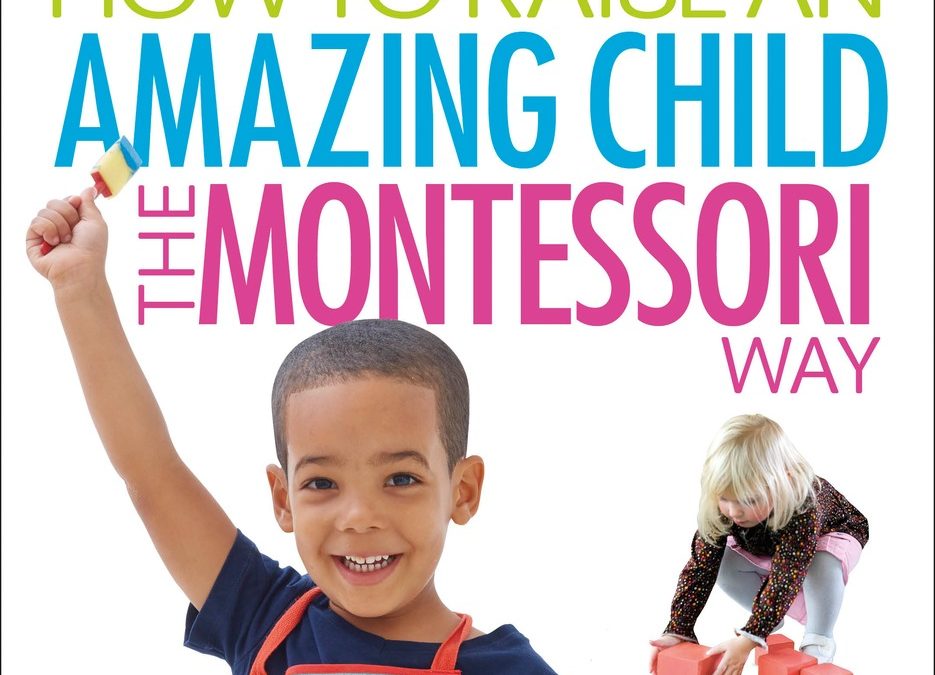
Webinar: How to Raise an Amazing Child
To continue reading, you will need to choose a subscription plan.

Creating an Indoor Playground for Your Infant
To continue reading, you will need to choose a subscription plan.
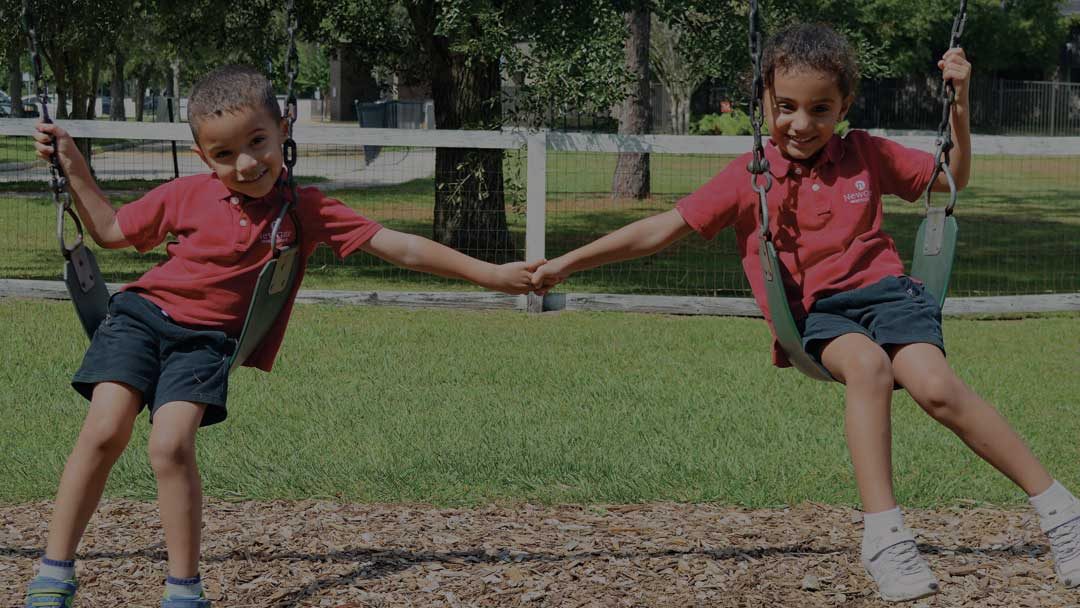
Avoiding Sibling Rivalry
To continue reading, you will need to choose a subscription plan.
Featured
-
 Montessori Family Alliance School Group Membership (Print & Digital 2026 1/2 year pricing)
Original price was: $30.00.$15.00Current price is: $15.00.
Montessori Family Alliance School Group Membership (Print & Digital 2026 1/2 year pricing)
Original price was: $30.00.$15.00Current price is: $15.00.
-
The Montessori Way, Revised and Expanded: An Education for Life; A Comprehensive Guide for Parents and Teachers
$25.00
-
The Montessori Child: A Parent's Guide to Raising Capable Children with Creative Minds and Compassionate Hearts (The Parents' Guide to Montessori)
$20.00
-
The Montessori Toddler: A Parent's Guide to Raising a Curious and Responsible Human Being (The Parents' Guide to Montessori)
$20.00
-
Montessori in Action: Building Resilient Montessori Schools 1st Edition
$29.95