

Can Montessori Classrooms Accommodate Children with Special Needs?
To continue reading, you will need to choose a subscription plan.
Objetivos del Segundo Idioma, Métodos Montessori
To continue reading, you will need to choose a subscription plan.
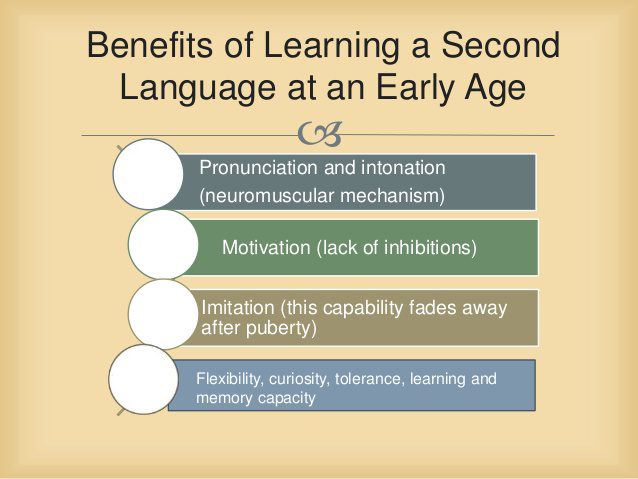
Second Language Goals, Montessori Methods
To continue reading, you will need to choose a subscription plan.
Webinar: Why Stay in Montessori? A Parent to Parent Chat
Join Lorna McGrath and Tanya Ryskind who are both parents of young people who spent much of their time, from toddlers to teens, in Montessori schools. They’re putting their Montessori hats slightly to the side and bringing their parent hats to the forefront to share their experiences, concerns, and reasons for staying with Montessori for their children over the years. Tune in for “Why Stay in Montessori? – A Parent to Parent Chat.”
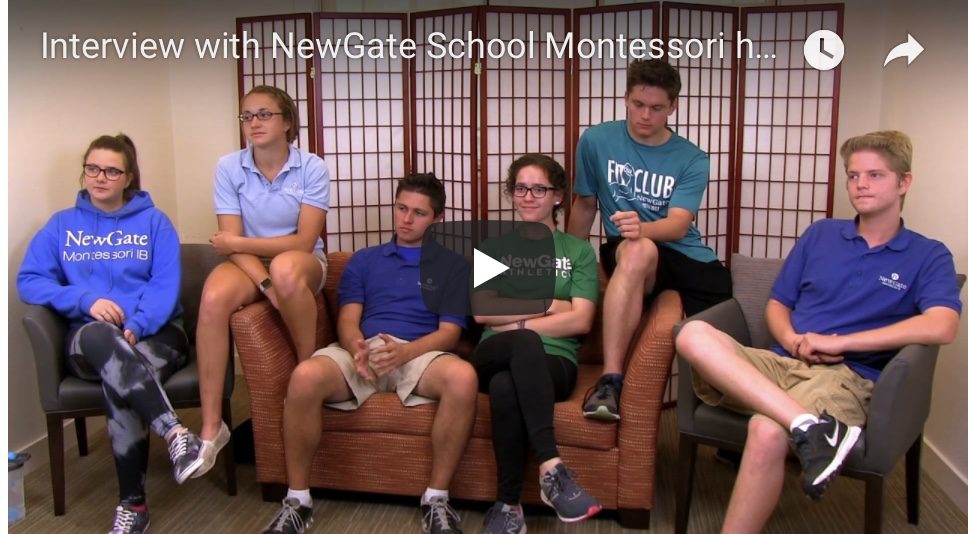
Video Interview with NewGate School Montessori high school seniors May 2017 Lorna McGrath
To continue reading, you will need to choose a subscription plan.

Webcast: Parent Ambassador Programs that Build Stronger School Communities
On December 13th, 2017, Tim Seldin led a conversation on the topic of one aspect of creating deeper parent engagement through a Parent Ambassador program.
A Parent Ambassador is any parent who gives his or her time and talent to support the efforts of the school in welcoming new parents, providing a current parent‘s perspective on what it is like to have a child in the school, and to support the classrooms and enhance communication and encourage participation throughout the school year.
Parent Ambassador programs can offer committed parents a number of different levels to be active in ways that seem right for them in any given year:
1. Parent Ambassadors who are willing to accept phone calls, emails, or other communication from potential families. This group of parents provides a parent-to-parent line of introduction to your school community for prospective parents. The goal is not to “sell” anyone on the school, but to help them determine if ours might be the right fit for their family by sharing their own experience as current or past parents.
2. Room Parents who volunteer their time to support a particular classroom through communicating ongoing information, encouragingparent engagement with the school through the class-level or broader project level, to remind parents of upcoming events, and to help coordinate activities that support the class and children working in partnership with the teachers.
3. Parent Ambassadors to New Families who volunteer to help new parents become part of the school community through their first year at the school. This includes the normal roles of serving as one more special point of contact, inviting new parents to contact them if they are not sure about something, reminding them of upcoming events, welcoming them as standing members of the community into the fold, and helping them to see how and why they can and should become involved.
Do you run a Parent Ambassador Program? We have for years at the Montessori Foundation’s La School, but never really fleshed the process out into an easily followed ParentAmbassador handbook. The idea is to prepare a sample written handbook that gives Parent Ambassadors relevant information, answers frequently asked questions, and includes any other resources that may be helpful, such as a sample calendar, lists of suggested things to do, and sample emails or simple scripts for phone calls.
If you have something to share, please send it totimseldin@montessori.org and we will make it available for the attendees as part of our shared resources.
Webcast: Democratic Principles in Montessori Schools
To continue reading, you will need to choose a subscription plan.
Webinar: Understanding Your Child: Sensitivities During Adolescence
To continue reading, you will need to choose a subscription plan.
How to Address Challenging Behaviors Part 2
To continue reading, you will need to choose a subscription plan.

Adolescents:Secondary Internship Program
Why Have An Internship Program?
Maria Montessori’s wisdom about the adolescent revolved around her observation of their need for meaningful work. She encouraged educators to get students outside the classroom and into appropriate adult experiences as much as possible during adolescence. As one way to put her wisdom into practice, all students in the Secondary Program at NewGate experience an internship for one week every year.
The faculty at NewGate School works to guide each student to choose a meaningful internship that presents him/her with an opportunity to take advantage of local community resources and a chance to work with positive role models and community experts. As a form of independent study, students enjoy the opportunity to engage in a learning experience that enhances classroom learning and extends beyond the traditional four walls of the classroom.
An internship is an excellent tool for testing out a career interest and giving students first-hand knowledge of a particular professional field. Adolescents gain real-world experience while learning how to conduct themselves in a professional workplace environment. They observe firsthand how skills related to decision-making, problem-solving, teamwork, and technology are employed on the job. Students report that an internship helps them to value themselves and their abilities, gain confidence, and reflect more on their future. Moreover, an internship experience can help when the time comes to:
Apply to colleges or technical school —students can detail their experiences in their application essays. select a college major—the opportunity to investigate a possible career choice permits more informed decisions.
Seek an interesting job—an internship can help one secure references for future jobs and may open up opportunities for stimulating summer work. By the time students graduate from NewGate, they have participated in six different internships. The internship experiences grow more sophisticated as a student matures from a young adolescent of 12 to a young adult of 18. Overall, the internship experience is a highlight and a hallmark of our Secondary Program.
What Is Involved In The Secondary Internship Program?
Pre-Internship Week:
Finding and Securing a Placement
NewGate provides students and their families with a list of area organizations that NewGate students have worked with successfully in past years, in addition to other organizations in the area that may take students for internships. Students and parents review the list to generate ideas for organizations that would be a good fit for them.
If a student has a desire to work somewhere that is not already on the list, he/she gets approval from the faculty to pursue placement at the given organization. Middle school students pursue their internships locally, while high school students who want to travel outside the city or state for their internships can develop a proposal in writing to gain faculty approval.
Students develop a list of their top choices for placement and detail why they are interested in the organization and what they hope to get out of the experience. The faculty, student, and parents then begin working to find a host for the student at the chosen organizations.
Preparation Workshops
Students continue to prepare for their placement by spending time in workshops with faculty and visiting professionals for resume writing, business letters, interviewing, thank-you letters, and professional etiquette while on the job.
During Internship Week:
Parents and/or student drivers are responsible for the transportation arrangements to and from the host organization.
Students complete all appropriate tasks as requested at the placement.
Students write a personal reflection about their work each day.
A NewGate faculty member visits each student at his/her host organization at least one time throughout the week.
Post-Internship Week
Students write and send thank-you cards to their host organizations.
Students write a review of their internship experiences for the Internship binder. These reviews are a resource for students the following year during the placement search.
Students prepare a portfolio of their internship experience that includes all the work from before, during, and after the internship experience: placement ideas; resume; interviewing notes; business letters; thank-you notes; daily reflections; pictures of the work experience; the review, etc.
Students share their experiences and new knowledge in oral presentations to the rest of the school community.
Tomorrow’s Child/ November 2017/ Pg 30

Book Review: Ashes to Asheville
To continue reading, you will need to choose a subscription plan.

Book Review: Kensuke’s Kingdom
To continue reading, you will need to choose a subscription plan.

Book Review: The Crossover
To continue reading, you will need to choose a subscription plan.
How to Address Challenging Behaviors in the Montessori Classroom
To continue reading, you will need to choose a subscription plan.
Webcast: What is Montessori Curriculum: Is There Such a Thing? Part 3
To continue reading, you will need to choose a subscription plan.
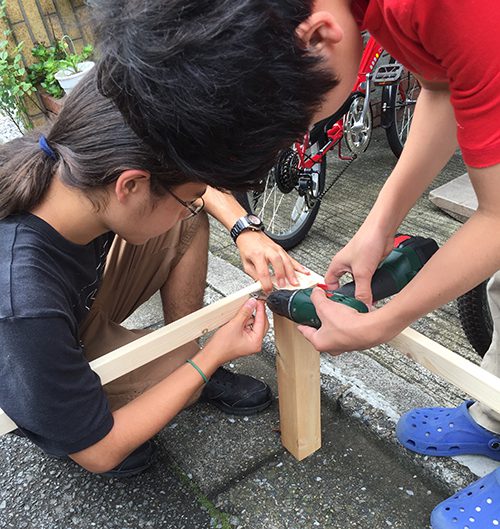
Woodshop Occupation: Real Work, Real Meaning
To continue reading, you will need to choose a subscription plan.

Introducing the New Adult Montessori’s Vital Vision for the Adolescent
To continue reading, you will need to choose a subscription plan.
Featured
-
 The Montessori Way, Revised and Expanded: An Education for Life; A Comprehensive Guide for Parents and Teachers
$25.00
The Montessori Way, Revised and Expanded: An Education for Life; A Comprehensive Guide for Parents and Teachers
$25.00
-
The Montessori Child: A Parent's Guide to Raising Capable Children with Creative Minds and Compassionate Hearts (The Parents' Guide to Montessori)
$20.00
-
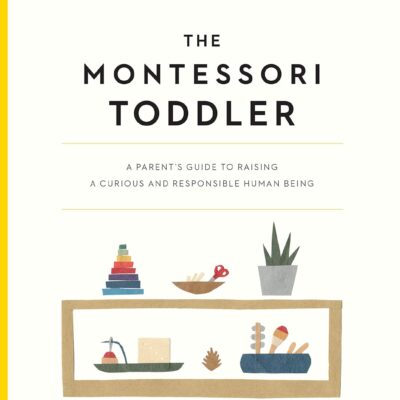
The Montessori Toddler: A Parent's Guide to Raising a Curious and Responsible Human Being (The Parents' Guide to Montessori)
$20.00
-
Montessori in Action: Building Resilient Montessori Schools 1st Edition
$29.95
-
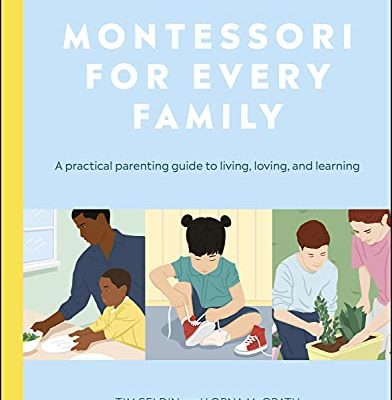
Bulk Order, 30 Copies of Montessori for Every Family: A Practical Parenting Guide To Living, Loving, And Learning
Original price was: $600.00.$510.00Current price is: $510.00.


Products
-
The Montessori Way, Revised and Expanded: An Education for Life; A Comprehensive Guide for Parents and Teachers
$25.00
-
The Montessori Child: A Parent's Guide to Raising Capable Children with Creative Minds and Compassionate Hearts (The Parents' Guide to Montessori)
$20.00
-
The Montessori Toddler: A Parent's Guide to Raising a Curious and Responsible Human Being (The Parents' Guide to Montessori)
$20.00
-
Montessori in Action: Building Resilient Montessori Schools 1st Edition
$29.95
-
Bulk Order, 30 Copies of Montessori for Every Family: A Practical Parenting Guide To Living, Loving, And Learning
Original price was: $600.00.$510.00Current price is: $510.00.