

Starting a New Montessori School
To continue reading, you will need to choose a subscription plan.

Parenting toward Antiracism | Montessori Family Life Webinar
Dr. Valaida Wise was recently a guest on the Montessori Family Life Webinar series when she shared some of her ideas about how to raise children to be anti-racist. I will summarize a small part of that webinar here. If you would like to view the entire broadcast or any of our hundreds of weekly broadcasts, you can join the Montessori Family Alliance at montessori.org/mfa.
Or if you are already a member, you can view the webinar by clicking here.
So many parents and teachers believe in this myth of racial innocence. They don’t want to burden their children with this rather adult idea of racism. They believe that children are born kind and innocent to race and that they don’t need this information. So they would rather raise them to be what we call ‘color blind.’ Many researchers would submit that, actually, the worst conversation to have with a child is no conversation at all about race. What is known is that, in reality, young children (as early as three months old) understand bias and difference based on research by Dr. Karen Wynn, Director of the Infant Cognition Center, and Dr. Bloomington, both at Yale University.
“Children become
like the things they love.”
–Dr. Maria Montessori
What researchers are thinking now is that humans may be born with this kind of bias. We have a bias towards something that looks scary or different. Research shows that these biases are not just ‘learned’ behaviors. They are actually inbred, instinctual behaviors that worked for our protection at one point. Left unchecked, without a parent’s guidance, the child cannot help but develop a bias.
Children see bias as early as 3-6 months old. So let’s scan forward. What happens in a family if the parent says, “Well, I don’t want to talk about race because my child is too young?” or “I want them to remain innocent from all of this.” Then the child will be raised in a color-blind mindset and, as research bears out, the child is less likely to point out or understand when discrimination happens.
This could happen very subtly. Let’s say you’re at a playground with your child. You see another child point to a child of color and you hear the pointing child say, “That child looks dirty. Why is that child dirty? Does it come off?” The parent of the pointing child cringes, turns, and walks away, shushing the child. The child’s interpretation is that this is not a good topic; they should not talk about this.
To conclude this summary of just a small segment of Dr. Wise’s broadcast, let’s remember that when we allow our biases (or our embarrassment) in situations stop us from guiding our children toward antiracism (especially the youngest children), they absorb it right away. Children are mirrors. They mirror us. It’s so very important that we check ourselves to see what our children are sensing in our attitudes, in our language, and in our thinking because they are taking it all in.
What? An Evaluation?
To continue reading, you will need to choose a subscription plan.
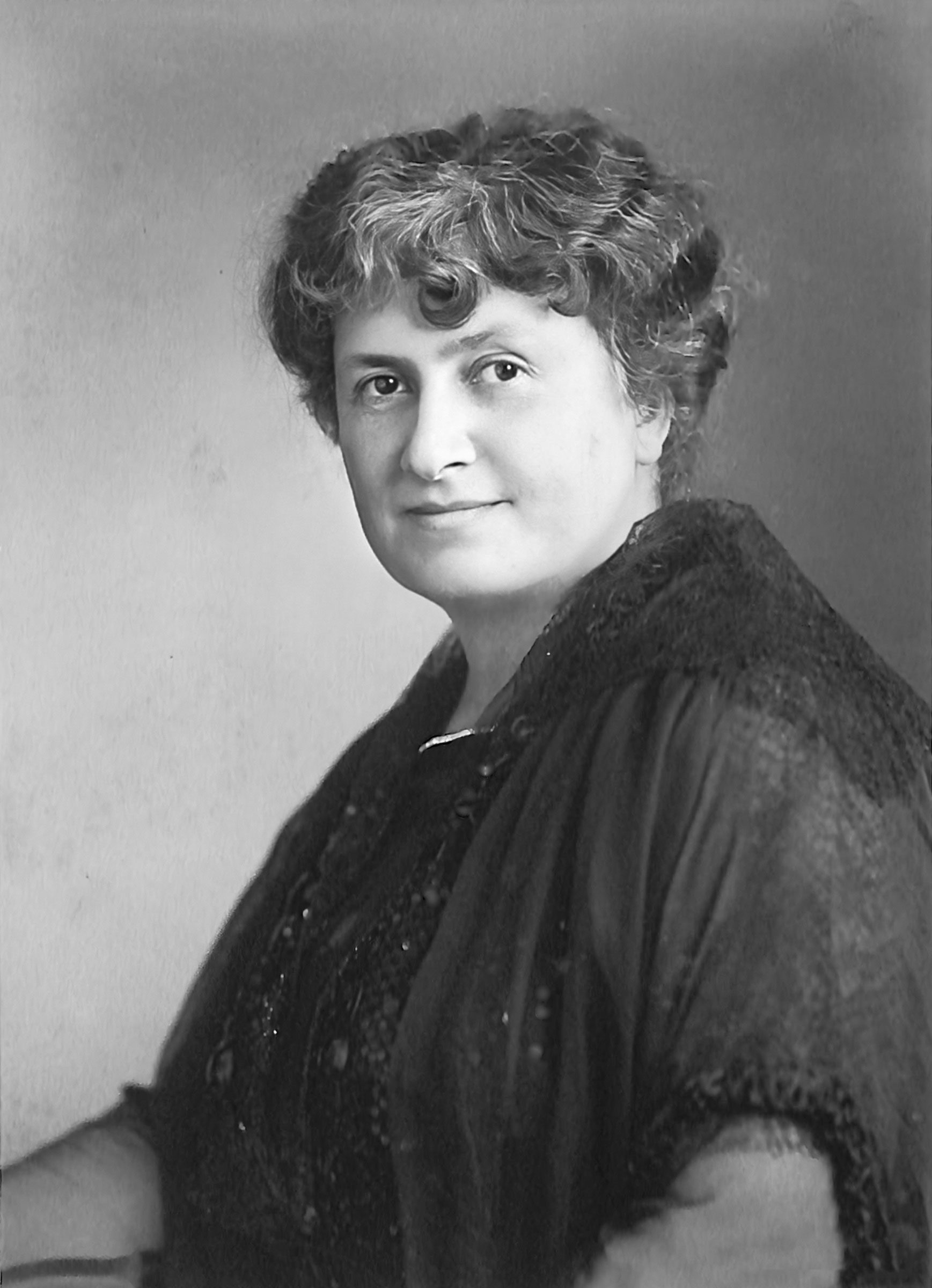
Happy Birthday, Maria Montessori.
On this, the 150th anniversary of your birth, we celebrate your life and express our gratitude. You contributed so much to children’s lives and to all of us who discovered your work as adults.
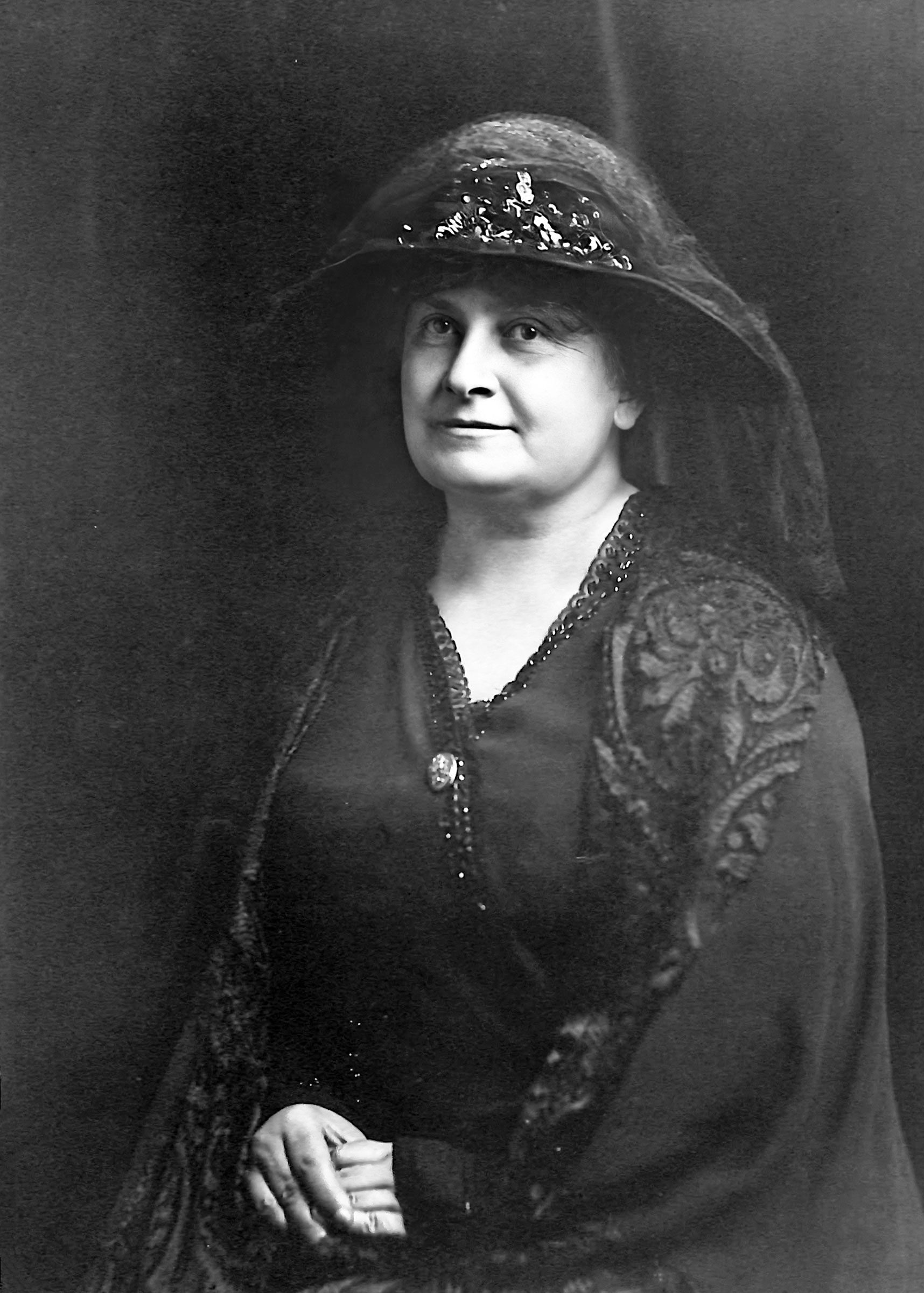 Thank you for patiently observing and listening to the children who taught you how to create learning environments where they can blossom. You inspired a new cross-disciplinary field of science that looks at children and their development from many perspectives that has led to the creation of schools that are not only effective for a much wider range of children; they are replicable, adaptable, and sustainable.
Schools inspired by your work have been established and sustained all over the world for 113 years since you opened the first Casa Dei Bambini in 1907.
You taught us that children are capable of amazing things, no matter how young, regardless of gender, race, or ethnic background.
Even more importantly, you taught us that the children of poverty can, with the right stimulation and support, develop their full human potential.
You demonstrated that although human beings are born with the capacity for goodness or evil, we can nurture kindness and empathy, just as we can encourage the development of their innate intelligence, curiosity, creativity, and sense of wonder.
You demonstrated that although human beings are born with the capacity for goodness or evil, we can nurture kindness and empathy, just as we can encourage the development of their innate intelligence, curiosity, creativity, and sense of wonder.
You taught us that we must see every child as a universe of one, unique human beings who are already full human beings today, not one day in the future when they grow up.
You demonstrated the importance of not only giving children independence and choice but helping them to realize their own capabilities and value of their unique voice in this world.
And you taught us that the Montessori method is really the Montessori way.
Montessori is not limited to the classroom; it is a way of life, and is equally valuable in the family, in the office, and in civil life.
You helped us see that we can save the world and save the planet by teaching peace and teaching children how to resolve conflicts without violence, hear one another and cherish one another, and live in a spirit of collaboration and partnership rather than shortsightedness and greed.
The gift you gave us all is the gift of great hope for the future of all humanity.
And you showed us and inspired us to recognize that the only way to change the future for all human beings is really through the child.
The world’s children are the fulcrum and the lever with which we together can build a better world.
So, Dr. Maria Montessori, we congratulate you on this anniversary of your birth and thank you for your contribution to the world and to us as individual human beings.
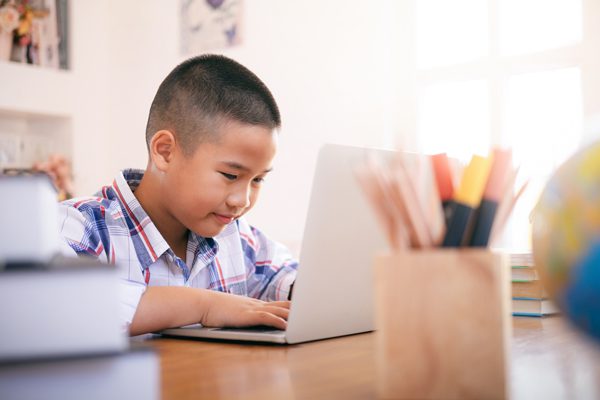
Montessori Education in a Time of Physical Distancing: Is the Use of Digital Technology Appropriate in the Context of Montessori Philosophy?
Maria Montessori, in an address in 1936 entitled “For Peace,” (2007) discussed how the technologies of her day had brought humankind together and had created a single “great nation” (pp. 24-26):
By becoming a single nation, we have finally realized the unconscious spiritual and religious aspiration of the human soul, and this we can proclaim to every corner of the earth. ‘Humanity as an organism’ has been born; the super-construction that has absorbed all man’s efforts from the beginning of history has now been completed. We are living this reality. We have proof of it in the almost miraculous powers that today are enabling man to rise above his natural condition. Man now flies higher and more confidently through the heavens than the eagle; he has mastered the invisible secrets of the energy of the universe; he can look up into the skies and the infinite; his voice can cross the world’s seas; he can hear the echoes of all the world’s music; he now possesses the secret powers of transforming matter. In a word, contemporary man has citizenship in the great nation of humanity.
While we contemplate how our physical interconnectedness and the technology that made that possible, we have also spread one of the most frightening challenges we have ever known. We also know that only our interconnectedness and our shared technology can help us to survive. We cannot simply submit to technological solutions, however, without heeding the wisdom of history, without also looking to the needs of our humanity. It seems that this global crisis is bringing out both the worst and the best in people. Kindness and true altruism are shining out in the most unexpected places. Compassion abounds, even as the hackers who undermine our trust (along with spreaders of false news) try to dominate our world. Human needs and tendencies, at the core of the Montessori approach to what makes us human, are the defining features of the great nation of humanity. Any true education of the children of humanity depends on a full recognition of what makes us human.
So, while we grapple with the questions of how to deal with the unknown; how to work from home while trying to educate our children; how to keep our schools going when we cannot possibly adhere to fundamental tenets that distinguish Montessori education from conventional schooling; when parents cannot pay their fees because they have lost their jobs; when we don’t know if we will be able to return to our physical environments; and, all the while, trying to keep our own lives together, perhaps we should pause … because we do have time to pause … and ask some important questions: questions we have been able to ignore or gloss over in the past, because we knew that we could trust in our prepared environments. Why change something that works well as it is? All of a sudden, we are faced with a situation that demands that we operate in an environment that we have avoided and even renounced: a digital environment that seems to be the antithesis of our concrete, prepared environment.
The attitude of Montessori schools and Montessori guides towards technology in the classrooms has traditionally been an area of disagreement and mixed messages. While many Montessori environments eschew “technology” (in reality this is taken to mean digital devices and media), others tolerate limited use. A small group of schools have embraced digital technology and incorporated it into their programs. This might include issuing children iPads™ with which to assign and track work or allowing computers in the classroom. The use to which the devices are put can vary from resources that differ little from print material: tightly controlled usage (such as typing tutor software, off-line encyclopedias, etc) to varying degrees of free access to the internet and various applications, such as word processing and presentation software. The message from the Montessori community to the general public has, however, been largely united on limiting the use of digital devices, media, and television viewing.
School closures due to COVID-19 have prompted a drastic revision of this policy, and schools are challenged to not only justify the use of digital technology to continue functioning but also to find ways that do not conflict with basic Montessori principles or undermine the pedagogical approaches that differentiate Montessori education from everything else that is available on the internet.
As with any material or method introduced into the conventional Montessori environment, it is best to begin with asking whether Montessori herself has any guidelines on the matter. Recently, AMI published a short article written by Maria Montessori herself on the issue of what she called “mechanical aids.” The context was somewhat different from ours. It appears that Montessori was introducing an article by another unnamed author, who was advocating the use of film and other aids as support for children in India. Probably written during her stay in India (1940–1947), it was suggested that the use of such supports would both facilitate the preparation of teachers and make “culture” more accessible to more children (Montessori, 2015, pp. 235-238). Further, insight into Montessori’s view of the use of technology can be gleaned from an earlier piece where she considered the use of film within her system, quoting extensively from Carl Renner (Renner, 1932, pp. 235-238).
In the interests of clarity, it is probably best to begin with some etymology:
Technology is as old as the world, at least one inhabited by human beings, certainly when we lean towards the definition of the word when it was originally used; the Oxford Dictionary gives as its etymology from Greek tekhnologia ‘systematic treatment’, from tekhnè, ‘art, craft’ + logia’, dating back to the 17th century.
Montessori certainly understood technology in this light. She was fascinated by technology and the way in which human beings have used technology to meet needs. Some animals use tools, e.g., apes use sticks to dig in termite mounds. But of all the animals, only humans utilize technology. Technology requires the use of the hand and of the brain. The very earliest tools of stone and bone are evidence of technology. It could be claimed that it was the use of technology that saved humankind from extinction 70,000 years ago. Technology is a feature of human culture and an integral component of what Maria Montessori called supranature. Technology and culture place humans above nature. Technology has always been a part of Montessori education to the extent that the Montessori materials are, in and of themselves, technological artifacts.
For the purposes of this article we understand technology in this sense. When referring specifically to computers, iPads, mobile phones and their related media we refer to “digital technology.”
A reading of the two brief articles make it very clear that Montessori did not discount the use of technology in her classrooms. What we cannot say without reservation is that she saw a place for digital technology in the education of young children (or even older children and adolescents), as this was not something she knew about. She supported the use of media that allowed the children to access knowledge beyond that which was presented in the classroom in print, which was presented directly by the adult in the room, and this would necessitate the presence of mechanical aids: machines that the children would be shown how to use and to which they would have free access. It also included means to access experts outside the classroom, such as radio broadcasts.
The opponents of the use of digital technology are able to cite research that point to its pitfalls and dangers. While the benefits have long been recognized by educators looking for ways to reach children beyond the classroom, Montessorians have generally avoided the exploration of the internet as a means to help children access information or, indeed, to give children independence from the guidance of the teacher. Now we find ourselves in a situation where students are at home, physically distanced from both the prepared adult and the prepared environment. In order to support children in a way that is in line with Montessori philosophy and Montessori’s educational aims, we should first examine Montessori’s own views and explore how those are applicable in our current context.
Although Some Observations on Technology was written for a different time and context, the ideas that Montessori expresses could have been typed on a Facebook™ post this morning, only to refer to digital as opposed to mechanical aids: “to promote the acquisition of culture by means of mechanical aids is most opportune at the present moment, when we can almost speak of an emergency.”
This article explores how, in this current emergency, we can remain true to Montessori’s intentions, while maintaining physical distance. It is also concerned with how what we learn now can impact, and even transform, education as distancing requirements are eased.
Montessori reminds us that many children going into elementary classes from Montessori preschools can already read and write and “possess many cultural notions;”
When, therefore, our children enter what is commonly called the elementary school, where compulsory education comes into force, the intelligence requires a much vaster culture than is ordinarily given in those schools.
In the early stages of the development of the program for the second plane of development, Montessori was acutely aware of the needs of the 6–12 year-old child for access to an expanded field of knowledge. Conventionally trained teachers were, in Montessori’s view, ill prepared to meet the needs of the child. Even teachers with subject specializations lack the general breadth of knowledge across disciplines to fully support a child in the second plane:
As with any material or method introduced into the conventional Montessori environment, it is best to begin with asking whether Montessori herself has any guidelines on the matter.
This awareness of the needs of the child and the limitations of the teacher, coupled with her passion for research and a fascination and admiration for technological development, opened to her the possibility of using various means for putting a vast array of content available to the child. The “mechanical aids” to which she refers are those which were commonly available in her day: gramophone records, lantern slides, film and wireless, She includes these in the aids that could be used in the service of the second plane child. Television was only beginning to find its way into the average household, and the personal computer was a long way off. The internet as a replacement for “wireless” (radio) was not even yet in the realm of fiction. Today’s equivalents would be audio recordings and video, which are available on the internet. Much excellent quality material is freely available, as is a plethora of material of dubious quality and provenance. Just as Montessori argued for the use of the technology of her day so, too, we could support the use of digital technologies with certain reservations:
There is no doubt that the schools applying my method, where the cultural development of the children is highly intensified, not on account of any pressure exercised by the teacher, but as a natural consequence of the opportunities given to their individual and social spontaneous activities, will have to avail themselves of these new aids.
Maria Montessori was able to envisage the potential of “material, discourses and visual representations … prepared by fascinating speakers and persons of a culture superior to that of the ordinary teacher.” Montessori foresaw many benefits accruing from this approach: firstly, that fewer teachers would be required and secondly, that materials could prepare for a “higher universal culture.” The preparation of materials would require a team of specialists to prepare and present materials.
If our approach is merely to find experts to prepare online content, or to prepare such resources ourselves, then we are late-comers to a party initiated and perfected by others. Kahn Academy was an earlier pioneer in the field, which offers excellent materials for free on the internet for different levels of learning on a myriad of topics. Many students know and use Kahn Academy already, including students in some Montessori schools. The website offers materials and tutorials for various subjects aimed at children from age four through to AP level. With over a decade of experience (and continuous improvement), this is a valuable resource for learning—particularly those subject areas where “mastery” learning is regarded as particularly valuable. There are many other resources, including YouTube™ channels, which offer sequential lessons of a high standard.
What would differentiate a lesson given by a Montessori trained guide, making it more effective than those offered by online teachers with at least a decade’s head start and accumulated experience in a medium to which we are mostly newcomers? How would we justify creating new materials and justifying their use in place of twelve years of accumulated content? What will make what we have to offer quintessentially Montessori? Do we have to reinvent the wheel to support Montessori students? Maria Montessori gives some direct guidance.
Referring to Renner (1932), Maria Montessori discussed “educational films” of her day, lamenting that they seemed confined to “the world of nature and the world of machines” and looked forward to a time when films dealing with “social and historical problems and the essential problems of culture” would be available. While she envisaged a place for varied visual and audio materials in her scheme of education, she regarded the quality as insufficient to meet the needs of children.
However, I don’t believe there is satisfaction of the real interest created by these films and their success. I believe instead that the little interest they offer to the viewer is due to their fragmented, incoherent character that rather makes them an entertainment show than a truly educational film. Film series coherently connected in a way to create a complete course covering a specific subject, would create a much livelier interest and would have, from an educational standpoint, a more rewarding result.
This deficit in coverage of disciplines has since been remedied, and digital resources offer both expert tuition and visually appealing experiences that cover all the disciplines.
Even well-constructed recent materials may reflect the shortfalls Montessori identified in the films of her day. The brief citation mentioned above, points to two areas that need to be considered. The first issue is that they do not satisfy “the real interest” that they provoke. Put another way—the films can and do create interest, but they do not satisfy the need of the child. They are entertaining rather than educational. This is because they lack the structure, or the inter-relatedness of the curriculum which she envisaged. Some resources, such as The Big History Project are structured in a way that matches the structure of the Montessori elementary curriculum, with many overlapping themes. The way the material is presented conforms to much of what Montessori hoped for in the presentation of the materials. Despite the high quality, logical structure, and interesting content, The Big History Project, and other similar programs, do not constitute Cosmic Education.
A reading of the two brief articles makes it very clear that Montessori did not discount the use of technology in her classrooms.
To properly unpack the thoughtful and planned design of curriculum and methodology that typifies the Montessori approach it is necessary to consider certain philosophical tenets of Montessori—that is the very nature of the educative proposition that is Cosmic Education, and the role of the child as the agent of his or her own education. It requires that we shift our orientation as regards discipline content (which can arguably be more effectively transferred by digital rather than print media) from content for its own sake (i.e., the child as recipient) towards content being the fuel for the child’s self-construction.
To make digital materials useful to children, it is necessary to look at what we know about the development of the child. In Cinema Educativo, Montessori discusses how verbal explanations might be suitable for adults, but that young children require a more concrete experience. She commented that films give “significant advantages.” Because teachers can produce films themselves, these could be geared to the needs of children.
What is needed, in Montessori’s view, is “a guide of a kind of syllabus directing their distribution” (Montessori, 2015, p. 5). The “syllabus” to which she refers had not yet been fully developed, but its guiding principles were already being incorporated in her lectures and eventually became known as the Cosmic Curriculum implemented in Montessori prepared environments for the second plane.
It is clear that Maria Montessori did not oppose the use of film (or in our modern terminology—video) as a means to deliver content to children. She proposed the development of centers for the production of such materials. If the appropriate technology were used, the production of Montessori-compliant media, potentially, has a far greater reach, and could truly transform the way education is understood in the post-COVID world:
These centers would gradually become the means to unify the cultural development of the children all over the world … They would be institutions in the world of the child comparable to the institutes of scientific research in the world of the adult and, as the latter, they would be not only of national, but of universal advantage (Montessori, 2015, p. 6).
There is, however, a critical aspect that requires further deliberation. This relates to how these materials are to be used by the children. I have already alluded to the centrality of the agency of the child as opposed to the centrality of content. Montessori ends her brief introduction:
I would like to point out that these mechanical aids are insufficient to bring about the totality of education. Children to do not learn and do not develop their character by merely listening and looking on.
The technological aids are “only partial aids.” She concludes:
The child learns by means of his own activity and if given an opportunity to learn actively he develops his character and personality too. The child perfects himself even more by means of his hand than by means of the senses. He can develop himself and the personal talents of his nature when given the opportunity and guidance to produce and to discover by himself. Modern methods of education, in fact, are not only visual, but above all active. (Montessori, 2015, p. 7).
A goal of Montessori education is that children are prepared to fully participate in their time and place. There is no doubt, just a few short months into the global crisis that our world is going to change, and that to function in this world one will have to be comfortable with new technology. Adaptability is human trait that has ensured our survival umpteen times in the past and will be key in the coming months and years. Montessori commented on schools that based their learning solely on mechanical devices, and compared these to schools that had a strictly academic focus:
Wherever possible mechanical contrivances are introduced for every detail of practical life, so that our children may be fitted to take part in a civilization which is entirely based on machines.
In their adoption of this part of our method, some modern schools, especially in the United States, have gone too far, so that children in this intellectual stage of growth are made to occupy themselves solely with these machines, devised as they are for developing intelligence. In such schools freedom too has entered with the machines, children being allowed to choose their work, which is good so far as it goes. But whatever cannot be learned in this way is barred out, as insignificant and negligible: mathematics and other abstract subjects are considered as beyond the child’s comprehension by free and spontaneous activity. These schools based on practical work are opposed to the so-called ‘old-fashioned’ schools where mainly abstract subjects are taught and facts memorized; but we oppose both alike (Montessori, 1989, p. 8).
It is clear that Maria Montessori had no aversion to the use of technological aids, that she envisaged the use of visual and audio technology to enrich the child’s experience of knowledge content. She insisted, however, the visual and audio materials must be structured to meet the developmental needs of the children for whom they are intended. Furthermore, adults prepared in the Montessori approach were the best people to plan and prepare such materials. These materials would be part of “the totality of education” that requires that all aspects of Montessori pedagogy are understood and applied.
This article has not touched on many critical components of the Prepared Environment and the role of the adult, including the place of the concrete materials and the potential use of the digital environment to facilitate social interaction while maintaining physical distance, and how to meet the needs of “Going Out” when going out is no longer safe (or indeed even in a post-COVID world, where the rich opportunities available in first-world cities are not accessible to children). We need to remember that our children may know this technology better than we do, but in many cases (such as the impoverished townships of South Africa), children do not have full access to the digital world, just as they do not have access to a truly educative concrete one. How do we deal with this? How do we understand the real child outside of our carefully prepared rooms? There is work that has been done on this. Looking at how children learn when given free access to digital technology (See for example the work of Sugata Mitra – https://www.ted.com/speakers/sugata_mitra) there is immense potential to reach children hitherto denied such access, but Montessori would require that we utilize Montessori methodologies to extend such experiences into a total education. Using digital technology to simply transmit teacher-talk and digitized worksheets and text books is not Montessori education. We are required to observe children and respond to what they reveal to us. How do we observe children in a digital environment?
As Montessori taught us—global human interconnectedness is immense and just possibly we have the provocation necessary to fully explore the potential of our digital technology to fully realize Cosmic Education and transform how the world sees education. If we want to get the right answers we have to start asking the right questions.
Sources:
Montessori, M. (1932). Cinema Educativo. Rivista Bimestrale Dell’Opera, pp. 235-238.
Montessori, M. (1989). To educate the human potential, ABC: CLIO
Montessori, M. (1989). Education and peace, ABC: CLIO
Montessori, M., Pierson (2007). Address European Congress for Peace in Brussels 1936

Helping Parents Help Themselves
The Montessori Foundation, in cooperation with a collaborative set up in mid-March, of this year, is striving to help parents figure out ways to deal with the new reality of Covid 19.
For many, you are working from home for the first time. How do you manage your time and energy when the children are home and they, too, are trying to do school work in a remote way you all never imagined would become the rule of the day? Not to mention that you may be competing with your children for internet access!
Jonathan Wolff, Montessori Foundation Senior Consultant, was the presenter at a parent zoom meeting. His topic was, “Sharing Words of Love, Empathy, and Encouragement with Children in Unsettling Times.” Along with Lorna McGrath (Director of the Montessori Family Alliance) and Christine Lowry (Special Education Specialist and another of the Foundation’s Senior Consultants), they shared an array of coping strategies.
For those who did not participate, we have a recap of the suggestions we hope you will find helpful.
1. Get in Touch with your own feelings. If you’ve ever flown on a plane, the famous line the crew gives to you when demonstrating the proper steps to using those oxygen masks should be popping into your head about now. Place your own mask on first, and then you can help others. It’s not being selfish, it’s being proactive. In a way, we are all grieving. We are grieving for the loss of the lives we aren’t getting to live right now and we are, perhaps, grieving for a loved one struck down by this virus. Some of us have lost jobs and income and we are grieving that loss. These are all real and valid feelings to acknowledge and should not be diminished or thought of as being selfish. Right now, you need to make sure that your physical, emotional, and spiritual needs are being met if even on a small level.
2. Check in with your children regarding their thoughts and feelings before you see any behavioral issues manifesting. By observing any changes in their behavior or attitudes, you can greatly aid in keeping them calm and feeling safe. Depending on the age of the child(ren), you might notice they have reverted to bed wetting or having accidents during the day, acting out, having nightmares, not eating, or generally being clingy. Try to manage this before you are in the ‘reacting’ phase of handling it.
3. Respond with empathy and no judgement before offering a solution. “How are you feeling about …?” “What do you think about the online learning you have to be doing now?” Probe them gently, but respect the boundary if they don’t feel like sharing when you are asking. Let them know you are there for them if and when they are ready.
The last thing you want an already anxious child to experience is a freaked-out mom or dad. That’s a lot for a child to process. Sometimes less is more with very young children.
4. Sharing your fears. You can be honest with your child; however, children have an uncanny ability to pick up on parental fears. The last thing you want an already anxious child to experience is a freaked-out mom or dad. That’s a lot for a child to process. Sometimes less is more with very young children. Regardless of children’s age or emotional maturity, children need to feel loved and reassured that you are going to keep them safe. You might explain that we are all in this together, and it’s OK that we feel this way.
5. What if you just end up losing it yourself in front of them? Jon recommends you “reboot” yourself as soon as you possibly can, assure them they are loved by you, and you are feeling better now. This is nothing they have done and you aren’t angry with them. One parent gave us a wonderful suggestion, and we’ve all decided to adopt it as well. Tell your child(ren) you need a TIME IN. Time out can really sound and be a negative if it’s not practiced in a very careful way; so when you say, “I need a time in to just give myself a few moments,” the children in your home will be more empathetic back to you.
6. Make certain that if you have a partner who shares the responsibility of the child(ren) that you speak with one voice. Discuss privately and before talking to the children, how you will handle certain situations. You need to provide a unified front when they might be trying to pit you against each other.
7. Do not be afraid to seek outside professional help, if you feel that you are all operating in crisis mode. With remote telemedical delivery available in many states, you may be able to get the counseling you and your partner need. It’s been speculated that the divorce rate in China has skyrocketed by spouses who could not get along during the weeks of isolation. Know that there will be pitfalls, highs and lows, patience wearing thinner as the period of stay in or stay-home-orders get longer than we might have been prepared to accept at the beginning of all of this.
8. PLEASE, limit the amount of media you view during the day when they could be listening in. While it’s important you keep yourselves well informed, it can really impact young children. Set periodic updates on your devices from trusted news sources if you can. Then watch after they are in bed for the night.
9. Limit online games that are based on ‘the zombie apocalypse’ or are very isolating. This will serve no good purpose. Involve the children in family time. Use this time to really connect with your children. It will make you all appreciate each other more and that’s a good outcome for all.
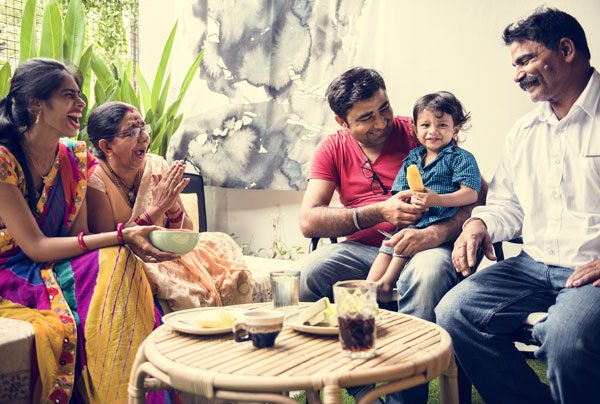
Pandemic Strategies: Family Meetings
During the first weeks of the pandemic, The Montessori Foundation began to hold free zoom meetings for parents struggling with a variety of issues.Here is a short review of the Montessori Parent Gathering from April 4, 2020. The presenter was Lorna McGrath, Director of The Montessori Family Alliance.
- Family meetings fulfill many needs for parents, children and anyone else living under the same roof such as:
- showing commitment to the family unit by all;
- being a vehicle for problem-solving issues within the family;
- brain-storming ideas or solutions to issues impacting the family,
- giving everyone an equal voice;
- showing respect for everyone in the family;
- showing appreciation for everyone in the family; and
- creating a special time that is just for family.
Now, add in the stress of a pandemic, children being cooped up week after week, parents trying to figure out how to work at home and help their children do their homework and you have the perfect conditions for some tense scenes. In her Parenting Puzzle online course for parents, Lorna highly encourages weekly family meetings. Should you not already be doing this, try doing it now so you can help all through this period of time. By the time it’s over a routine will be in place and you will understand why you should keep it going for a long, long time.
Here are some suggestions as to how to institute and structure the meetings:
- discuss with your parenting partner first (make certain you are both clear as to why you are doing this);
- try to speak with a unified voice. There’s plenty of opportunity to express different points of view, but for the sake of establishing the idea of the meetings, it better that you are both coming from a common place; and decide who will run the first meeting.
For your first meeting:
- review the purpose;
- set aside a set time and day of week ahead of other things;
- have a very short agenda; and
- review the process of a facilitator.
The meetings themselves:
- should not be long (10 to 15 minutes);
- need to be a safe space for all;
- include all family members. Even a babe in arms can be held during the meeting. Baby’s create rhythms of their own and will grow up with the meeting being a normal part of family life.
Once you have the family gathered:
- take turns (you all get to decide how you want to structure that) being the facilitator. The facilitator keeps you on track with the agenda;
- everyone agrees to have his or her devices out of earshot;
- agree on a day and time when you stop adding items to the agenda. You may not get to all items, so if it can wait, move it to the next week. If it’s an emergency, you might have to figure out something that works for the situation; and
- when the meeting concludes, the facilitator gets to choose a short activity for all to do and all participate. (Lorna recommends not having meeting over meals so you keep the structure intact.)
Use this opportunity to really create a stronger family environment with your children. Not that we would wish this situation on anyone, but if you must be sequestered in place, we think this could create one of those silver lining moments for you and your family.
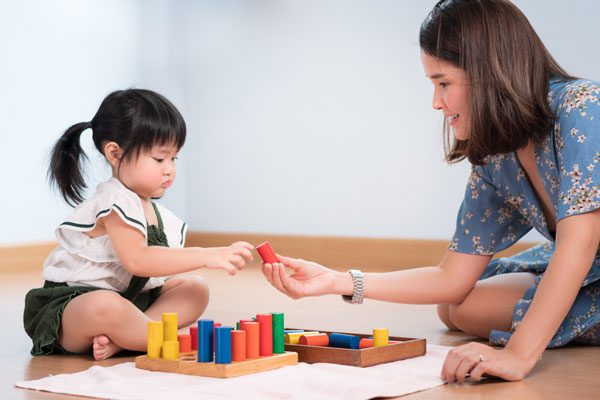
Strategies for Montessori Home Learning
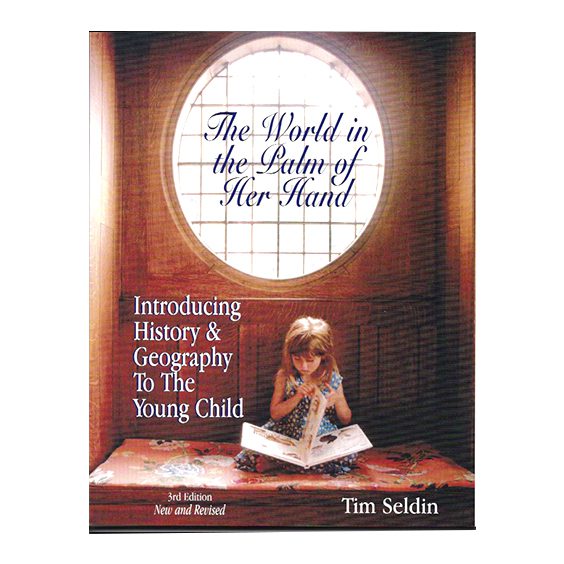
Review:
The World in the Palm of Her Hand
By Tim Seldin
click to purchase
For parents who want some actual scripting on working with their children at home, we recommend this book. I used it on many occasions with my four granddaughters and they enjoyed the activities immensely. You do not need to be in a classroom to have these kinds of conversations about the world in which they live. The book actually contains the introductory lessons for young learners in the areas of Geography and History but our intent is show you that it is possible to have great conversations with your Montessori child in a Montessori way (incidentally, that is the name of another amazing book!).
The carefully constructed lessons your child’s guide delivers is done in what they call the Three-Part Lesson format.
The carefully constructed lessons your child’s guide delivers is done in what they call the Three-Part Lesson format. I’m going to share from the book so you can see how you can do this as well. And again, we don’t expect you to become a Montessori guide nor have the specific materials in your home; our purpose is to help you understand some ways you can engage your children and just follow the format, so that the message is delivered in a verbal way that children are used to hearing from their guide.
LESSON: COLOR IDENTIFICATION:
For the youngest children, who are just learning to master their ability to identify colors.
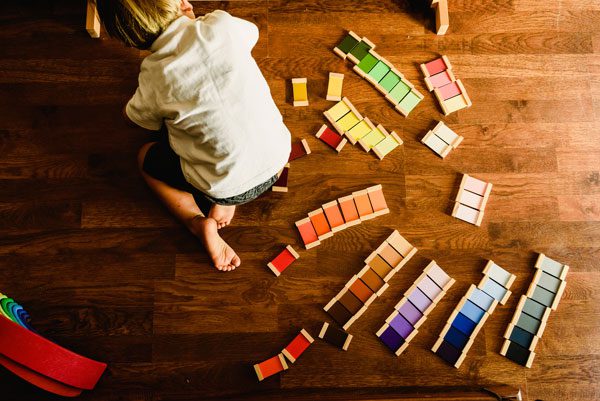 To illustrate how you could do this at home, you could use a variety of ways to demonstrate colors if you don’t have a set of color tiles: index cards (or color swatches for paint that you can get from hardware stores) already made up with first the primary colors of red, yellow and blue. When your children have mastered the primary colors, you can move on to secondary colors: green, purple and orange. You can always use real objects you have in the house, such as fruits and veggies of different colors. Keep it simple and keep it to just a few colors.
Have all your materials set up before you ‘invite’ the child to the work. You might say, “Would you like to do some work with colors right now?” Starting your sentence with “would you” makes it clearer that this isn’t some kind of test with consequences.
First Period
Name the color, “This is red.” Show the child the object.
“This is blue.” Show the child the object.
“This is yellow.” Show the child the object.
Remember to sound really enthusiastic.
Second period
This will help the child link the language and her own experience.
Say, “Would you show me the red (object)?”
“Would you show me the yellow?”
“Would you show me the blue?”
The second period actually does involve some deep learning, so you may need to go back to saying it the first way a few times. Try to sound positive as you restate the names of the colors while showing them each respectively.
Third period
Now you get to ask the child, while pointing to one of the objects, “Which one is red?” and so forth. If the child is unable to make the connection you may need to start at the beginning.
This is just a simple example, but might be useful in understanding that each child learns these skills at their own pace. Should you have an older child, you can use this delivery for more building vocabulary. Call objects by their correct names. For instance, if you are working on naming animals, call a cat a cat and not a kitty; a dog is a dog, and not a doggie. If the child is even older and you have, for instance, a German Shepherd, refer to the breed.
In the Montessori class, lessons are initiated in three ways:
- The teacher senses children’s readiness and invites them to join her/him for a lesson.
- Children become interested spontaneously and ask for a lesson.
- The teacher notices when children choose materials for which they have not yet been given a lesson and comes over to present the lesson.
Presenting the Fundamental Lesson: The fundamental lesson is the basic presentation given by Montessori teachers to introduce children to a new material or activity. If it is to have the enticing quality previously described, teachers must prepare themselves carefully.
- Teachers must be sure that they are completely familiar with the material and its correct use in order to prevent confusing children with their own uncertainty.
- The lesson must be simple and concise enough that the children will be certain to understand.
- The fundamental lesson usually includes only a few words of explanation followed by a demonstration of the typical cycle of work with this material.
- To avoid unnecessary distraction, spoken language is limited when presenting the lesson to younger children; nonverbal communication seems to lead to less confusion.
- Be sure that all the pieces are present for the lesson/material you are presenting. Nothing is more disruptive to the child’s interest and concentration than discovering that something is missing.
- Prepare your work area in advance, allowing for enough space.
- Remember the aims of the lesson.
- Make your presentation quietly dramatic, emphasizing the key points referred to in the lessons under the heading Points of Emphasis.
- When your lesson is finished, either put the materials away with the children’s help, or withdraw to let them work on their own, making sure that they return all the materials when they are done.

Standing Together: Our Role in Ending Systemic and Internal Racism
To Our Fellow Montessorians:
We join the nation in grieving the death of George Floyd in Minneapolis, as well as the deaths of Breonna Taylor, a first responder in Louisville, Kentucky, shot in her own bed; Ahmaud Arbery, shot while jogging near Brunswick, Georgia; and far too many other Black men and women, who have been the victim of racist action in our nation. The International Montessori Council (IMC) and the Montessori Foundation are committed to advancing world peace, equity, inclusion, and diversity. We recognize that these are not isolated incidents but emblematic of a longstanding, egregious pattern of systemic racism—and we stand against it. We must dedicate ourselves to the achievement of real justice and equality for all, because injustice and inequality—against even one person—diminishes all of us.
We recognize that it is not enough for us to reject racism. We must be committed to fighting it, to eradicating it on individual and systemic levels. Michelle Obama wrote: “Race and racism is a reality that so many of us grow up learning to just deal with. But if we ever hope to move past it, it can’t just be on people of color to deal with it. It’s up to all of us—Black, White, everyone—no matter how well-meaning we think we might be, to do the honest, uncomfortable work of rooting it out. It starts with self-examination and listening to those whose lives are different from our own. It ends with justice, compassion, and empathy that manifests in our lives and on our streets.”
We recognize that it is not enough for us to reject racism. We must be committed to fighting it, to eradicating it on individual and systemic levels. Michelle Obama wrote: “Race and racism is a reality that so many of us grow up learning to just deal with.
We are aware that this work requires persistent self-awareness, constant self-examination and criticism, intentional systemic change, and a willingness to listen, call out, and stand up. We must send out into the field, Montessorians who are race-conscious guides, credentialed by an association which must model antiracist, conscious principles, and actions.
The IMC and Montessori Foundation are committed to this work and to being held accountable for our work to bring an end to racism within our structures.
We also remain committed to the ongoing work of building a diverse, equitable, and inclusive world community. The IMC and The Montessori Foundation also recognize and acknowledge the internal work we all must do. To that end, we are now creating a Social Justice Task Force that will address and act on:
- The inner work of every Montessori teacher, parent, and leader to root out unconscious habits of prejudicial thinking and ideologiesA Social Justice Curriculum and the instructional changes we must bring into every prepared environment and teacher education program
- Changing our schools’ culture, communications, hiring, and professional development practices and norms, to be more equitable, diverse, and inclusive
- The advocacy work Montessori educators and leaders must now engage in on local, national, and world stages
- Adding the voice of Montessorians of color to the IMC board of trustees
- Educating ourselves and Montessorians about the work of antiracism in all areas of living and working
- Using our voice as a platform for justice
If you have an interest in contributing your time and talents in any of these vital areas of social justice in the Montessori community, we invite you to step forward. Let us know about yourself and your preferred area(s) of focus and service.
In peace,
IMC Board of Trustees
Kathy Leitch, Executive Director,International Montessori Council
Tim Seldin, President, The Montessori Foundation

The Flag of My Heart is Flying at Half Mast
Even more, after the news of the past few weeks and most recently, I am afraid for my son, a black man. I am afraid for my two black adopted brothers and for young men of color everywhere, as the world becomes browner. When things occur in the world, I am moved to address our parent body, but I have spent days with no words—only feelings of the deepest sadness, anger, fear and resolve to resist this virus of racism that keeps infiltrating our communities. In my morning walk, I kept looking up at the flag in front of City Hall, saying ‘why isn’t the flag at half-mast?’ This is such a devastation for our nation. Why aren’t we mourning the hearts of individuals across the nation as we strive to
try to put our feelings around this atrocity somewhere?
I understand the number of protests that are occurring around the US and the Bay Area, as there is a horrible helplessness that who we feel we are as humans is defied by what we see—even now. Even now, we still have lessons to learn about humanity, racism, and otherness. Even now, we still have to self-check our own biases which spill out into our thoughts and actions. Even now, we must face the reality that deep down, we still have work to do every day.
Even now, we still have to self-check our own biases which spill out into our thoughts and actions. Even now, we must face the reality that deep down, we still have work to do every day.
This weekend, there will be protests everywhere. I implore you to make good decisions regarding these protests, whether you attend, watch on television or speak of them:
- If you feel moved to protest, please do it peacefully.
- Please remove yourself from any protest that begins to change from peaceful to violent in any way.
- Please do not condone violent protests in comments.
There is a very serious reason that I make this request. It is not simply because you should not risk being injured or arrested. There is an underlying stereotype about men of color—Black men specifically, that Black men are violent. Responding to this horrific situation with violence exacerbates the notion that Black people are violent and/or incite others to violence. This very notion is a part of what gives others the twisted belief that they must be violent toward Black men in order to be safe.
Please give the utmost of respect to Black men nationwide by holding up the truth that this stereotype is incorrect, and that Black people can be promoters of peace, keepers of peace, and models of peace.
The flag of my heart is at half-mast, for the family of Mr. Floyd, for the families of so many disenfranchised people, so many people of color, Black and Brown men especially, for so many poor people who need justice. As Dr. King said, “true peace is not merely the absence of tension: it is the presence of justice.” We must stand for what is right, for the lives of our children are at stake.
In Peace,
Dr. Cindy Acker
May 29, 2020
The Role We Play to End Systemic and Internal Racism What Questions Should We Ask Ourselves?
This was an initial conversation on issues of race and social justice with a panel that included Dr. Valaida Wise, Dr. Cindy Acker, Kristina Torres, Kathy Leitch, Jonathon Wolff and other, and a discussion about meaningful steps that Montessori educators and schools can and must take around the world to creating meaningful and enduring change. Click here to read our emailed statement on this issue. https://app.robly.com/archive?id=181e600a895e4488d7924fabc3e8abcd
Montessori Pedagogical Guidelines for Supporting Learning at Home During COVID-19
Montessori Pedagogical Guidelines for Supporting Learning at Home During COVID-19
Montessori Collaborative Teacher Support Task Group
“It is necessary that the human personality should be prepared for the unforeseen, not only for the conditions that can be anticipated by prudence and foresight…… For success in life depends in every case on self-confidence and the knowledge of one’s own capacity and many-sided powers of adaptation.”
(Montessori, From Childhood to Adolescence, Appendix A, 1948)
Dr. Montessori’s words are certainly applicable in our time right now since we are clearly in the middle of the unforeseen! Therefore, as Montessori guides, we need to adapt our way of guiding our children and supporting their families according to our new situation. The goal of this document is to provide some guidelines for consideration so that Montessori principals can remain the base of our decisions and actions.
Respect
We respect humans of all ages, recognizing each as having their own unique way of learning and being. As such, we seek to provide individualized learning opportunities and guidance specific to each child and family’s needs. We acknowledge that children and adults, parents, teachers, and school administrators are experiencing a great amount of stress and trauma, therefore flexibility and genuine concern for the wellbeing of all takes precedence over academic learning goals.
Adaptability
Montessori philosophy and practices by design are meant to be adaptable to any culture and social needs. The needs of the children and families we serve during this time call for us to look beyond our typical classroom prepared environments, beyond our tried and true Montessori materials and beyond the lessons in our albums. We recognize that the child’s prepared environment is now the home and we must adapt lessons and expectations based on the wide variety of resources both physically and emotionally available within these home environments.
Community
In this time of physical distancing, social cohesion is more important than ever. All of us need each other. We need to expand the community spirit we cherish in our Montessori schools and classrooms bringing it into the hearts and homes of our children and families. Connection must be our main focus. Using a variety of digital platforms to be together in ways that make sense according to the age, size, interests and culture of your class. Have lunch together. Sing together. Dance together, Do yoga together. Play games together. Have sharing time. Foster ways for students and families to collaborate remotely in large and small groups.Encourage the role of social responsibility for all community members. Each member’s contribution to care for the home and family, as well as participating in the remote learning environment is valued.
Order
All humans thrive when there is order in their lives. Children especially need predictability and structure. Establish a prepared remote environment through routine. Carry on with the rhythm of your classroom as much as possible, as appropriate for your age group. Regularly schedule on-line lessons/gatherings. Present familiar songs, stories, classroom rituals. Create new structures for learning together remotely. Evaluate their effectiveness with your students and/ or parents as appropriate for your age level. Adjust when necessary, but as much as possible create routines, then stick to them. Provide resources to families to help them establish order and routines that will work for their family and child.
Independence
Help them help themselves is one of the foundational principles of Montessori. Our classrooms are designed to enable children to independently meet their own needs and contribute to the community. As children grow older in Montessori environments, they increasingly become more responsible for their own learning. Our current learning at home situation provides both challenges and opportunities related to this vital need for independence. Parents of younger children are likely to need support in preparing their environment to encourage independence. Activities recommended for young children must consider the ability of the child to do the work independently and parental limits to support children with complex activities while meeting other responsibilities. Older students can be encouraged to own their own learning with teachers providing guidance and accountability appropriate for each individual child.
Choice
Education is not something we do for or provide to children. Real learning and personal transformation are the result of engagement in freely chosen meaningful activities. Choice can happen naturally in well prepared school environments where there is an abundance of materials and activities that call to the child. The home environment may or may not provide for the same level of independence and choice. Our goal must be to help parents and children create opportunities for meaningful engagement and purposeful work at home. Resources, suggested activities, and lessons must include opportunities for choice with clear age appropriate expectations. Given the stress of the current situation, we must be flexible and offer choice for when, what, how and how much work will be done.
Creativity
Being thrust into this new way of teaching and learning can be a catalyst for creativity on our part as guides and on the part of our students. It is perfectly ok to use resources outside of our albums. Be open to experimentation and discovery. Be kind to yourself and your students if these experiments do not turn out as desired! Model for our students how we learn from our mistakes! Many students have fascinating projects of their own going on in their homes. Encourage this as an integral part of their learning and have them share to inform and motivate their peers.
Grace and Courtesy
Teach expectations for on-line interactions, both for guided class time and for when students interact with each other on social media without adult guidance. Acknowledge the need for grace and courtesy in our own homes and the homes of our students, recognizing that all of us are house-bound and experiencing more family togetherness than most of us are accustomed to! Practice and encourage kindness, patience and acceptance, with humility. We are all learners and doing the best we can in a stressful situation. Find the grace within and the courtesy to support each other.
Preparation for Life
Always keep in mind the higher goal of supporting the development of healthy capable flourishing human beings. Every moment in life is precious. Remember this in setting a positive tone and in appreciating the challenges everyone is experiencing. Address and incorporate world events and the current situation as appropriate for the needs of your students, acknowledging that these events may be taking a personal toll at many levels on many of the students’ families and on ourselves. Encourage students to participate in the work of their families at home: laundry, cooking, dishes, yardwork, sibling care. Support students’ grappling with their new living situations.
Love
Dr. Montessori said, “Of all things, love is the most potent.” It is love that will get us all through these difficult times. Work from your heart as much as your mind. Approach children and families with a generous eye, recognizing that everyone is doing the best they can. Be available to your students and families. Know that much of what will be accomplished right now is the establishment of a safe and comforting space. Set personal boundaries on when and how you can be reached to create a safe and comforting space for yourself and your family as well.
When Montessori Goes Viral: Supporting Families of Infants and Toddler at Home Following Montessori Principles
During this time of “lock-down” when most parents are suddenly in the dual roles of their professional work and caregiving, our advice and support are important for everyone’s wellbeing. Parents are quickly recognizing their need for their children’s independence, as they seek to telework while keeping their children safe and happy.
Our mission is also two-fold. We may be tasked with providing frequent and varied lesson plans and group classes. Yet our hearts and minds call us to view each child holistically and consider the context of stress and trauma that underlie our present circumstances.
Thank goodness our work is grounded in the child-centered, developmentally based theories of Dr. Maria Montessori. Let us examine core principles and how they should guide our support to families.
Children learn best in a prepared environment. At school, we strive to make our classrooms home-like. Now that children are home, let’s avoid making their living spaces school-like. We should help parents understand the importance of the prepared environment in supporting their children’s independence. We can suggest how to organize and display toys, keeping in mind each child’s unique interests and developmental abilities. We can explain how children do more with less, that children become overwhelmed when a toy or building block set has too many parts. We can give tips on how to rotate toys and activities to inspire interest, always leaving in place current favorites.
Children thrive on order and consistency. When children can find and care for their own belongings, they feel capable and responsible. When they can anticipate the routines of the day, they feel secure and confident. Children can be independent for long stretches of time when they have carefully arranged spaces for dressing, hygiene, preparing food, cleaning-up, and independent play.
Learning and development are dependent on movement and spontaneous activity. Parents need to understand that young children are driven to move in order to learn and develop. We serve this need by providing opportunities to challenge their bodies and to manipulate objects. In every area where the family spends time there can be a space where children can do gross motor and fine motor activities. We can meet with parents and help brainstorm ways to make this possible with what can be found at home.
Concentration occurs when a child’s mind, body and will are engaged. We can help parents recognize the “sweet spot” where an activity has the right amount of challenge without frustration. We can emphasize that young children are most interested in what is real and purposeful; that they want to participate in the daily life of the home. Children need freedom of choice of developmentally appropriate activities in order for deep engagement and concentration to take place. Because we want to protect this deep mental state we provide time for uninterrupted work. The type of play that children do when their bodies and minds are fully engaged we elevate to the status of ‘noble work’ as a recognition of its importance in helping children reach their fullest potential.
Once parents understand the importance of concentrated work, we can caution them to avoid interrupting it. Through observation we can help parents recognize when their child is focused on an activity, only stepping in when their child is clearly frustrated. They will come to appreciate their child’s interests and abilities and recognize their needs. They will notice the tendency for repetition as their child exhausts an activity in order to learn a new skill. We need parents to understand that their child’s focus is in the process not the product. This will help them avoid placing undue attention on their child’s end results and minimizing their efforts.
It is important to note that we are always in relationship with children. It is through collaboration that we learn and teach. We model, observe, offer points of interest, and observe again. Children watch and imitate in order to learn to be like the adults they love, to fit into the world they love. Our caregiving and guidance is a partnership based in love. Parents intuitively understand and appreciate this, but need a reminder in hectic and stressful times. Providing techniques to help them slow down and de-stress may be the most helpful support we can give. Each family’s situation is unique and what parents are able or willing to do will vary. We should meet them where they are with utmost humility and grace. As Dr. Montessori said, “Of all things love is the most potent.”
Early Childhood Considerations
Respect
• Recognize the unique developmental needs of children 3-6 when preparing and providing remote learning experiences and activities.
● Be flexible in your schedule expectations. Limited or no participating is an option and must be respected. When possible record virtual group meetings and make available for viewing at another time for those who are on a different timetable.
● Keep in mind the limited attention span of young children during group time. Use interactive songs and movement activities to keep young children engaged. Invite children to share.
● Use a variety of methods to reach out to your families to assess their needs and do it often as situations change frequently.
Adaptability
● Focus on concept versus materials. For example, young children like to classify so make suggestions on how to provide experiences for them to classify their home environment such as sorting laundry, finding items and sorting by color or shape. Encourage practical math with everyday objects and life experiences such as cooking or counting pinecones or flowers found in the yard. Encourage language development through reading, storytelling, sound games, listening games.
● Appreciating that learning does take place through all meaningful activities such as building materials, drawing, movement, free exploration.
● Provide suggestions that take into consideration varying abilities, interests, time restraints and available resources at the home.
Community
● Children are missing friends. They need to see each other, laugh together, and play. Make virtual group meetings fun and interactive.
● Have virtual sharing time encouraging children to share their pets, a favorite toy, something found on a nature walk, art projects, cooking projects…
● Connect with each individual family for weekly check-ins.
● Set up shared folders or classroom FaceBook pages for sharing of pictures and videos.
● Provide/encourage opportunities for families, children and/or parents to socially connect virtually.
Order
● The role of the teacher shifts from creating the orderly classroom environment to now coaching families on how to create order within the home and practical spaces for children to work and play independently within the home.
● Virtual options should be limited and flexible allowing families to fit things into their own personal schedules. For example, providing predictable on-line gatherings helps to establish a routine but also having recordings of those gatherings allow families to participate within their own schedule.
Independence
● Be mindful of how much parental involvement is needed with suggested activities
● Provide clear guidelines and procedures for parents so that they can set up activities with the child’s independence in mind.
● Help parents understand that clean-up of the activity is also the child’s work and provide guidance on how to help children learn cleanup processes.
● Send lists of materials for projects ahead of time whenever possible. Provide ideals for alternative materials with the consideration that everyone will not have all the supplies at home and may have a limited ability to purchase them.
● Give parents permission to be observers and allow the child space for exploration, mistakes, and independence in their interaction with the activity.
● Promote process versus product
Choice
● Remind parents that participation is optional and not mandatory
● Provide a variety of activities so children and parents can choose the best fit for the child’s ability, interest, and family situation
Creativity
● Be mindful that recommendations “outside of the box” are in alignment with core Montessori principles (concrete to abstract, process versus product, hands on, isolation of a single concept or skill, etc.)
Grace and Courtesy
● Encourage parents to discuss and model expectations and procedures instead of assuming children know these.
● Give parents suggestions and resources for positive and respectful guidance and redirection of challenging behaviors
● Provide resources for self-care and supporting emotional wellbeing for children and families
Preparation for Life
• Be mindful that the best preparation for later school success and life is to provide a safe, secure, loving environment that meets the present needs. Supporting children and families to get through this challenging time is the most important thing we can do to secure a healthy future.
Love
• Let love be your strength and guide.
Elementary Considerations
Respect and Grace and Courtesy
● Engage the elementary students in defining what respect looks like in this new online learning environment. Create agreements about ground rules and grace and courtesy.
● Encourage grace and courtesy both in virtual learning and in the home environmen
Adaptability
● Balance curriculum expectations (from district, school, parents) with individual needs and learning styles of children. Adapt expectations as needed and help each child feel successful.
● Provide options for follow up work and projects so students and families can adapt according to the time and resources they have available and according to each child’s needs.
Community
● Elementary children may be feeling particularly isolated given their great need for socialization. Consider this sensitive period when planning activities. Provide opportunities to learn collaboratively and share their experiences. Encourage students giving lessons to one another.
● Encourage presentations or reading in virtual meetings to younger levels in the school.
● Encourage a sense of responsibility to the community, especially in Upper Elementary, providing opportunities to participate as a vital part to the whole group such as in a group writing project or planning a community service project.
● Be creative in providing opportunities for virtual class and school community events such as art or talent shows or field trips.
Order
● Establish a prepared remote environment that complements the structure and routine that your children are familiar with from their experience in their Montessori classroom. Regularly schedule on- line lessons/gatherings keeping as many class routines and traditions as possible. Meet for literature circles on the same day each week. Hold community meetings on the same day each week.
● Engage the students in the process of creating, evaluating and adapting new structure for online learning.
● Be clear about expectations, ground rules, and procedures and provide consistency but be open to the students’ feedback and work together to adapt as needed.
Independence, Responsibility, & Ownership
● This is an ideal opportunity to really guide our students toward owning their own learning.
Encourage ownership of lessons, in their work and contribution in lessons, and in suggesting how lessons can be given.
● Encourage students to take responsibility for their home learning environment, to be prepared and to create an appropriate space for learning.
● Help students to work on their own effectively. Adapt student work plans used in your classroom into shared documents between you and each student for guidance and accountability.
● Support student independence individually according to their needs, just as you would in the classroom.
● Use online meeting spaces like Zoom for community time, class lessons, small group discussions, and one-on-one meetings, but allow significant off-screen time for independent 2nd period work. When there is correctable work, have students self-correct and self-report as much as possible.
Choice
● Just as in the classroom, provide acceptable work choices across the curriculum.
● Avoid the tendency to send out one size fits all curriculum and learning packets. Engage the students in determining what is meaningful work and in proposing ideas for research, projects, and presentations.
● Establish expectations together for how much time students should be reading, doing mathematics, and writing daily. Students can choose when and how and can offer their own ideas.
Creativity
● Embrace and encourage creativity. Be open to unique follow-ups on the part of your students.
● Continue providing visual and performing arts exposure and experiences. There are many avenues for this online.
Preparation for life
● Appeal to the elementary student’s natural interest in understanding the world around them by providing age appropriate opportunities to explore the current situation as it relates to social responsibility, and the political and scientific implications of this crisis.
● Assign life skills projects as part of the child’s at home /school learning projects
● Teach and model care of self and care of others. Mindfulness, a time of day to be silent, practice counting ten positive things per day, an attitude of gratefulness and appreciation.
Love – Let love be your strength and guide.
Ideas for Adapting Existing Elementary Curriculum to Accommodate Remote Learning
● Use shared documents for accountability and feedback.
● Focus on cultural studies and high interest independent research and expert projects. Have students prepare presentations of their work to share on-line.
● Incorporate math learning into cultural work: graphing, measuring, probability, statistics.
● Encourage student initiative. Have students design a project, a learning plan, or the schedule of their new days at home.
● Make use of eBooks for literature study.
● Guide chemistry experiments through cooking, botany with houseplants (with permission!) or gardens or woods, or astronomy with sky observations. Use online science videos and interactives for demonstrations.
Ideas for Incorporating the Pandemic into Elementary Curriculum
● Hold a seminar on what Peace Education brings to a pandemic.
● Keep a class pandemic journal or a blog to personally document this time in history.
● Teach the law of supply and demand, stock market/investments/gold standard/currency.
● Study the geographic spread of the pandemic.
● Write a projected ending to the current situation or respond to the crisis through poetry.
● Explore and evaluate the many ways that pandemic data have been represented. Teach log plots.
● Connect with other schools in other states or countries for cultural sharing.
● Examine local sustainability efforts or home gardening.
● Study historic pandemics and the outcomes. What can we learn?
Ideas for Service Work
● Write friendly letters to the elderly and letters of gratitude to community service workers.
● Make face masks.
● Weed someone’s garden in the neighborhood.
● Help with an online after school club for neighbors.
● Connect with younger children in earlier levels of your own Montessori school for read aloud.
● Create care packages for postal office workers and other delivery workers.
● Donate time or food to local food banks.
Pedagogy in a Pandemic: Secondary Goes Online
Despite our newly formatted online prepared environments, the primary focus of secondary guides should remain the same: to meet the developmental needs of our adolescent learners. Those include the need for:
Independence
Community
Adaptability
Self-expression
Self-reflection
Choice
Grace and courtesy
And above all else, Love
Adolescents in both middle and high schools want to understand the social world and how they fit into it. They want to understand how organizations work and how they are constructed, the different roles needed to uphold society, the values that hold social organizations together, how they relate to the society as a whole, and how they relate to those within it through their roles. This drives them.
As at other educational levels, the needs and the unstoppable growth can’t get shuttered even in a pandemic. Just as our secondary learners can’t help physically changing, neither can they shut down the irresistible urge to grow intellectually, socially, and perhaps now even more acutely, in matters of the spirit. Despite all that is going on around them, they are doing what they have always done and can’t help doing: steam ahead toward being an adult and changing from the mindset of a child to the mindset of a newly forming social member of society. That can happen as much online as it does in a brick and mortar setting, because it happens within.
Young adult learners are well-versed in change, sometimes clumsy at it and other times navigating with great skill. But they are now facing change on a new front and with surrealistic intensity as they craft their life in a pandemic. Their mission – to grow up – now includes the distraction of mid-school year changes in their prepared learning environments. The social role they have been developing outside of their home has been redirected to either a former or new role at home, perhaps that of helping working parents with younger siblings and more critical household jobs. And they are being asked to invent new virtual roles required to support an online classroom community. If they are not grieving for the loss of a family member or friend due to the virus, they may be grieving over the loss of expected rites of passage this year, i.e. a prom, a performance, a college tour, an end of year trip, or a graduation. Remember, all of this is on top of trying to navigate adolescence.
The pandemic has jarred us all, and we need stability. But we know that stability comes from adaptability. If we have done our work to help our young adult learners become adaptable and able to innovate in the uncertain and unforeseen, then they have a leg up on grappling with the new, real-time, real-life challenges.
Our job is to balance the challenges our young adult learners are facing with unconditional love as a caring and supportive guide, to continue to make the space for an intentional social community and their unique role within it, and to provide opportunities to support the developmental needs listed above. In the transformation of in-person learning to online learning, we take great care to continue our real mission of meeting developmental needs. As secondary guides, we are in a unique position, because unlike at the earlier levels, we can more easily transform to an online format. It is not desirable. But it is by degrees easier because we are not so dependent on the concrete materials and more about the abstract experiences and challenges we build for our learners. We can continue to provide for the social needs through continued relationships. Thankfully, most are experienced with virtual interaction with their peers through social media. We can use our online platforms to share lessons, work, presentations, small group discussions and private meetings in breakout rooms. We can offer such learning experiences as Socratic Seminar Discussions of current events and social justice issues, diagraming of governmental and social structures and proposals of change, collection of scientific data for analysis, interdisciplinary projects that include inquiry and reflection. And we can even establish community roles. Even in a virtual environment can we offer opportunities for jobs in resource management, class meeting facilitation, collaborative projects, and the continued development of the class business.
Change, the unforeseen, the ambiguous – all are authentic facts of the adult world. Let’s model what we do with it, share our struggles and successes as we face the challenges of the pandemic, and ask for our learners to collaborate in structuring their learning experiences. Let’s stay true to Montessori and not hang onto content as the end and only result but as just one means to the end, albeit important. But no amount of content can teach growing up. And no amount of content will attract them to learning and growing if it takes them out of the context of their social world and their interests – especially now. To the end that content can help build the deeper learning that satisfies their fundamental and developmental needs, it is useful. Consider the desired outcomes and zero in on how to use content to support not dictate. And above all as you design learning experiences, let us let our learners take time to reflect, connect, and continue their questions as they demonstrate their cosmic task in the face of the unforeseen but authentic.
Adaptable innovators will understand what holocaust survivor Elie Wiesel said. “You have to turn it into something else.” * So, we are turning an unprecedented historical moment into something else. A practical life experience for our young adult learners, where they can continue to learn independence, adaptability, community, inquiry. We can do it online as long as we stay focused on what they need. It’s never solely about history or math or language arts any way. It’s always about character, empathy, peace. It’s always about their becoming adults. So, we need to turn their prepared environment into “something else” something other than what we thought we would be doing this year. And we can do it!!! It’s a new prepared environment. We are a very precious resource for initiation and support, and above all love. If they can understand that they are still loved, still heard, still valuable, then our work can continue. We just need to be creative in how we deliver.
Secondary Considerations
Respect
Dr. Montessori admonishes us to respect the adolescent with the greatest of care and not treat that emerging adult as we would a child. Therefore, we can respect our learners’ needs to become part of the pandemic conversations if not solutions through Socratic discussion, research on current events, studies that do not circumvent the pressing issues at hand. We are not responsible for taking their minds off of the pandemic, neither should we dramatize it. But since their social world has and will continue to be disrupted, we can respect their need to take a role in thinking through what the future should look like for their generation. We respect that while change is inherent in adolescence, sudden change requires patience and intuition on the part of the guide. Not typically do the normal changes in adolescence become overpowered by grief and trauma. But when they do, we rely on our relationship with our learners and the power of their adaptability.
Adaptability
Adaptability is one of the top distinguishing qualities of a Montessori adolescent. As a society, we are recognizing what Montessori wrote about so long ago – that we must prepare our learners for the unforeseen. Our structures of inquiry that foster independence through inquiry-based learning and Socratic reasoning equip our youth to understand what they know and how to find answers to what they don’t know. And most of all, it prepares them to understand that there is much they don’t know they even need to know yet. But being adaptable enables them to be ready, flexible, and capable. In our third period lessons, adolescence focus on innovation. Tasking them to take on the role of innovating in their own learning, in their new format, with new distractions, is the training that they now need and what appeals to their developmental readiness to deal with the practical life of the 21st Century adult.
Community
Most adolescents have already embraced an online community through gaming and social media. Many adults have shaken their heads in dismay, but the modern teen has less of a journey in this transition to online learning. While nothing can replace the importance of sharing a physical space with another individual, our socially oriented young adult learners can continue social interactions and collaborative learning virtually. Being part of an intentional community – regardless of format – brings occasions for discussion, resource management, stewardship, accountability, intellectual challenge, and social exchange. Adolescents need to feel they are important, and a role in their online community continues their development of self-esteem and valorization. Let’s let the community work its magic and help its members to tackle the challenges we are facing together.
Order
Structure is no less important for teens than for children. Order is a fundamental need that is satisfied by providing certain routines, many of which can be accommodated in an online format. Morning meetings, regular Socratic Seminar Discussions, even regular deadlines provide the rituals that comfort and demand integrity. For the adolescent learner who is facing not only extreme internal but extreme external changes, the predictable and orderly structures to their newly prepared environment support their grace and growth.
Independence
Independence does not mean severance from community. Independence describes the ability to function on one’s own through one’s strengths and creativity. At the secondary level, independence is a quality brought to a group as one learns to stand on one’s own and be of unique value to a community. Independence is the support that one brings to interdependence, the heartbeat of adult society. It begins at birth when a child masters movement then continues through acquisition of language, moving on to social skills and then to social roles, where we find our young adult learners. Independence on all levels is a key to success as an adult. It is especially important in a secondary online learning environment where learners often find themselves alone and accountable for their schoolwork and community roles, independent of parents, teacher and peers. Socially driven learners are challenged despite the specific learning format to be honest, supportive, and respectful members of the community, independent of structured supervision.
Choice
Deep learning that leads to understanding and application is the result of choice. Choice allows learners to connect to interests and skills and enables them to place what they are learning in a meaningful context. Today’s choices seem limited given the stress of the current situation, so we must be innovative in making choice part of our lesson plans and schedules – even as they are occurring virtually. While we continue to guide choices and outline reasonable expectations, we must be flexible and offer choices for when, what, how and how much work will be done.
Creativity
Being thrust into this new way of teaching and learning can be a catalyst for creativity on our part as guides and on the part of our students. It is from the authenticity of real life that we form our lessons and it is real life itself that hands secondary learners their materials. Be kind to yourself and your students if these experiments do not turn out as desired! Model for our students how we learn from our mistakes! Many students have fascinating projects of their own going on in their homes. Encourage this as an integral part of their learning and have them share to inform and motivate their peers.
Grace and Courtesy
Teach expectations for on-line interactions, both for guided class time and for when students interact with each other on social media without adult guidance. Acknowledge the need for grace and courtesy in our own homes and the homes of our students, recognizing that all of us are house-bound and experiencing more family togetherness than most of us are accustomed to! Practice and encourage kindness, patience and acceptance, with humility. We are all learners and doing the best we can in a stressful situation. Find the grace within and the courtesy to support each other. But remember that our adolescent learners are trying out new ways of relating and communicating, now as young adults. Sometimes we need to be explicit in teaching appropriate language, social media practices, and humor. Online learning enhances these lessons.
Preparation for Life
Always keep in mind the higher goal of supporting the development of healthy capable flourishing human beings. Every moment in life is precious. Remember this in setting a positive tone and in appreciating the challenges everyone is experiencing. Address and incorporate world events and the current situation as appropriate for the needs of your young adult learners, acknowledging that these events may be taking a personal toll at many levels on many of the students’ families and on ourselves. Encourage students to participate in the work of their families at home: laundry, cooking, dishes, yardwork, sibling care. Support students’ grappling with their new living situations. Loopback to the idea that their family has unexpectedly become a bigger part of their social network and that they have an important role in it and need to be a steward of it.
Love
Dr. Montessori said, “Of all things, love is the most potent.” It is love that will get us all through these difficult times. Work from your heart as much as your mind. Approach adolescents and families with a generous eye, recognizing that everyone is doing the best they can. Be available to your learners and families. Know that much of what will be accomplished right now is the establishment of a safe and comforting space. Set personal boundaries on when and how you can be reached to create a safe and comforting space for yourself and your family as well.
Work
We all need work to feel useful, to grow, and to learn. It is through work that we construct ourselves. The format of work is not the issue as much as what the work entails and the meaning and authenticity of it. To be of use through work, to be empowered through work, to make connections through work is a present necessity and possibility.
Webcast What does Montessori Middle School Look Like?
Join us this week as Jocelyn Swanson, CGMS Director of Secondary Teacher Education, as the panel discusses best practice in Montessori middle school programs. If you have or are considering adding a middle school program this webcast is for you! Bring your questions and consider the possibilities for your program.
For more information, visit: http://cgms.edu
Montessori Research Slide Decks
Video: Montessori – The Science — Part 1: Introduction to Montessori Education
Dr. Angeline Lillard presents Maria Montessori’s key insights about childhood education, the subsequent educational research that has validated her approach, and how these ideas are implemented in a modern Montessori classroom.
From Montessori: The Science Behind the Genius
For more information, visit: http://montessori-science.org
Montessori: The Science — Part 2: Learning to Write then Read
To continue reading, you will need to choose a subscription plan.

Montessori: The Science — Part 3: Movement Matters
Dr. Angeline Lillard presents Maria Montessori’s key insights about childhood education, the subsequent educational research that has validated her approach, and how these ideas are implemented in a modern Montessori classroom.
From Montessori: The Science Behind the Genius
For more information, visit: http://montessori-science.org
Featured
-
 The Montessori Way, Revised and Expanded: An Education for Life; A Comprehensive Guide for Parents and Teachers
$25.00
The Montessori Way, Revised and Expanded: An Education for Life; A Comprehensive Guide for Parents and Teachers
$25.00
-
The Montessori Child: A Parent's Guide to Raising Capable Children with Creative Minds and Compassionate Hearts (The Parents' Guide to Montessori)
$20.00
-
The Montessori Toddler: A Parent's Guide to Raising a Curious and Responsible Human Being (The Parents' Guide to Montessori)
$20.00
-
Montessori in Action: Building Resilient Montessori Schools 1st Edition
$29.95
-
Bulk Order, 30 Copies of Montessori for Every Family: A Practical Parenting Guide To Living, Loving, And Learning
Original price was: $600.00.$510.00Current price is: $510.00.


Products
-
The Montessori Way, Revised and Expanded: An Education for Life; A Comprehensive Guide for Parents and Teachers
$25.00
-
The Montessori Child: A Parent's Guide to Raising Capable Children with Creative Minds and Compassionate Hearts (The Parents' Guide to Montessori)
$20.00
-
The Montessori Toddler: A Parent's Guide to Raising a Curious and Responsible Human Being (The Parents' Guide to Montessori)
$20.00
-
Montessori in Action: Building Resilient Montessori Schools 1st Edition
$29.95
-
Bulk Order, 30 Copies of Montessori for Every Family: A Practical Parenting Guide To Living, Loving, And Learning
Original price was: $600.00.$510.00Current price is: $510.00.