
The Outdoor Environment
To continue reading, you will need to choose a subscription plan.
Journey Into the Montessori Learning Experience
To continue reading, you will need to choose a subscription plan.
An Open Door to Creativity: How Science Connects Kids to Nature, Arts, Literature, and More
Do you often separate scientific topics from artistic or creative ones? Do you think of the study of science as different from the study of literature and art? Cynthia will guide us through a discussion of how scientific topics can relate to and inspire artistic and creative pursuits. She will include ideas for outdoor and indoor activities that bridge these connections, touching on observation, nature journaling, classification, and more. Cynthia will suggest creative writing activities and also recommend several exciting resource books.
Being in the Outdoors with Infants and Toddlers’ with Alanea Williams
To continue reading, you will need to choose a subscription plan.
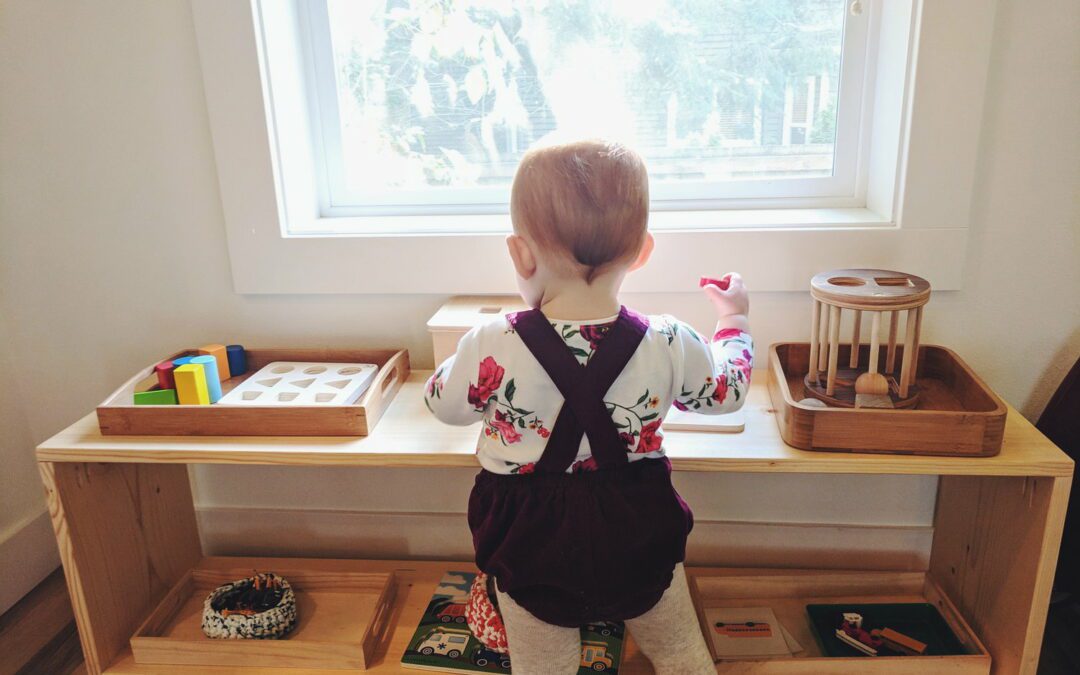
Creating Infant Toddler Environments at Home
To continue reading, you will need to choose a subscription plan.
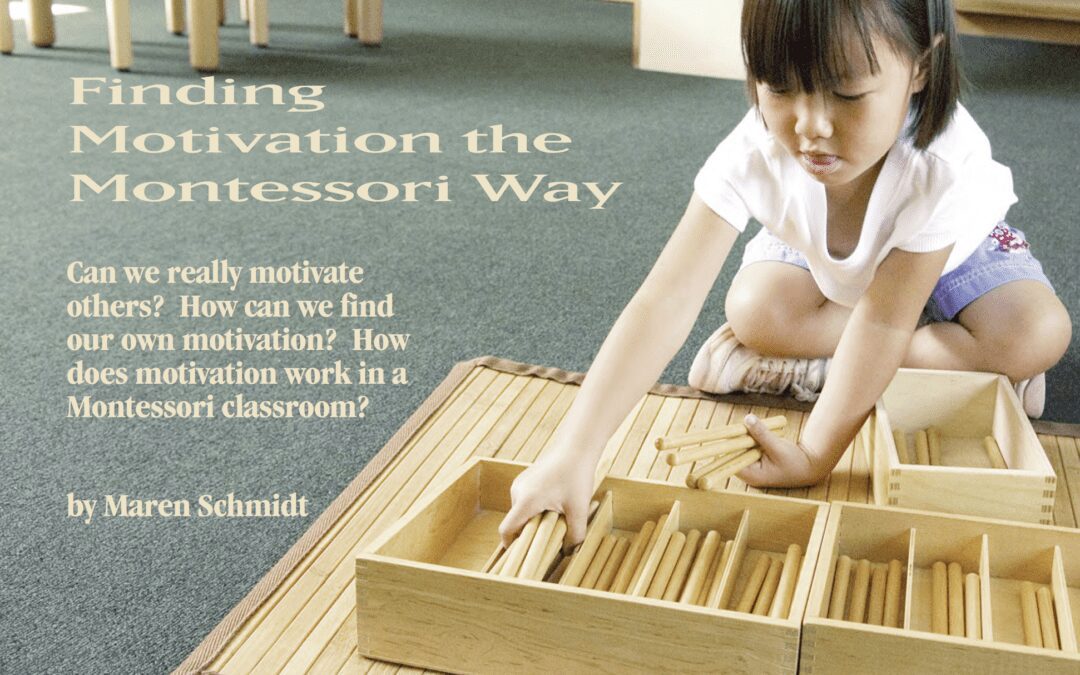
Finding Motivation the Montessori Way
To continue reading, you will need to choose a subscription plan.
The Wonder of Woodworking
To continue reading, you will need to choose a subscription plan.
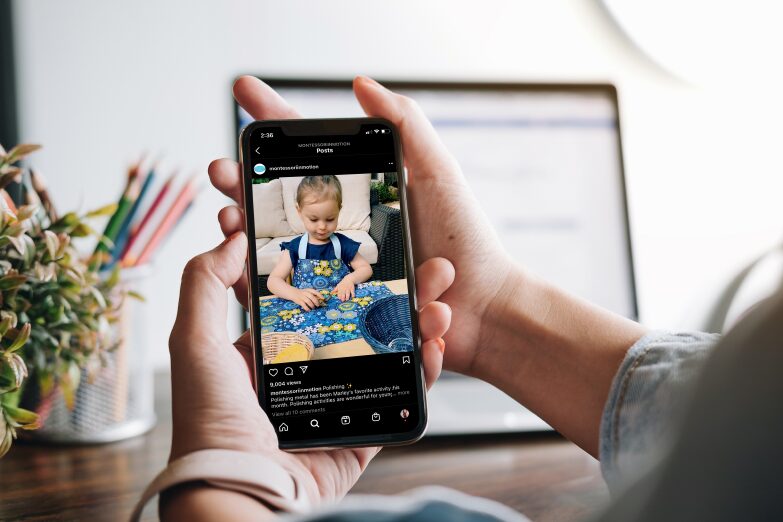
Developing Attention Span via Polishing
To continue reading, you will need to choose a subscription plan.
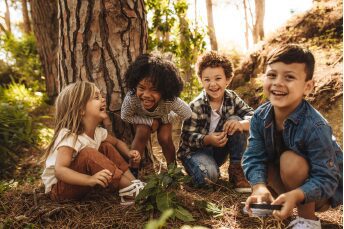
Recipe: Preserving Children
To continue reading, you will need to choose a subscription plan.

Five Crucial Reasons Why Schools Should Teach Entrepreneurship
To continue reading, you will need to choose a subscription plan.
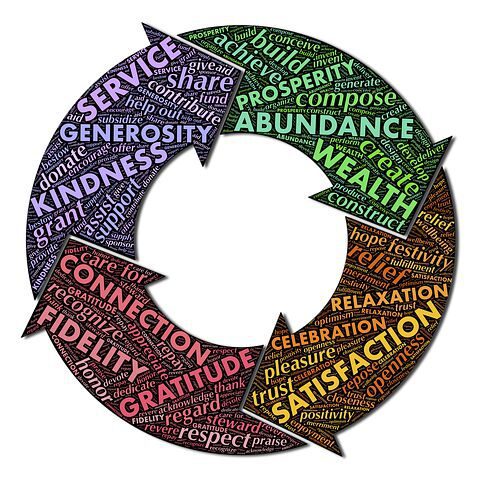
Rising Innovator: Inspiration, Education, Support
To continue reading, you will need to choose a subscription plan.

The Magic of Montessori: Tidy-Up Tips That Will Change Your Life
To continue reading, you will need to choose a subscription plan.
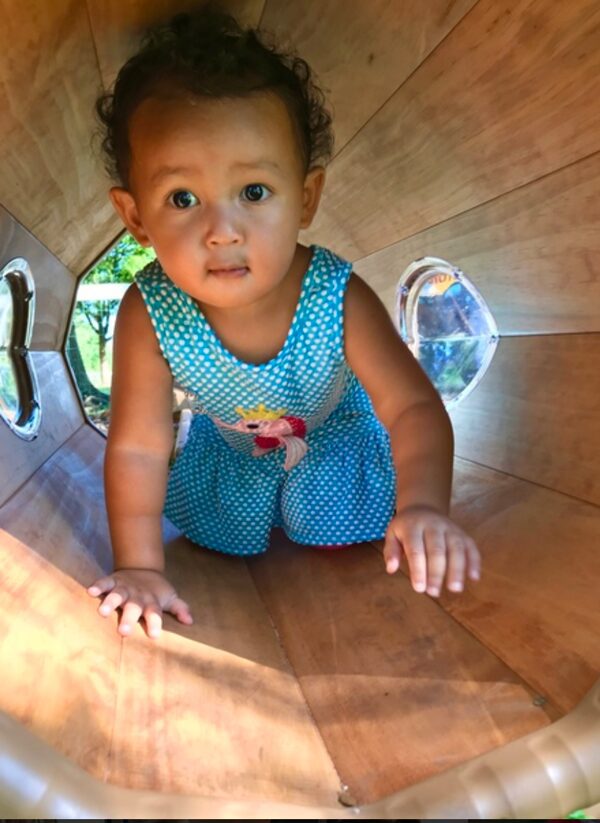
Build a Playground
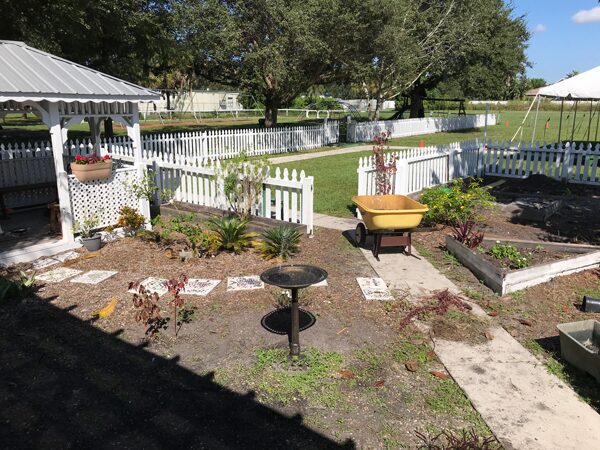
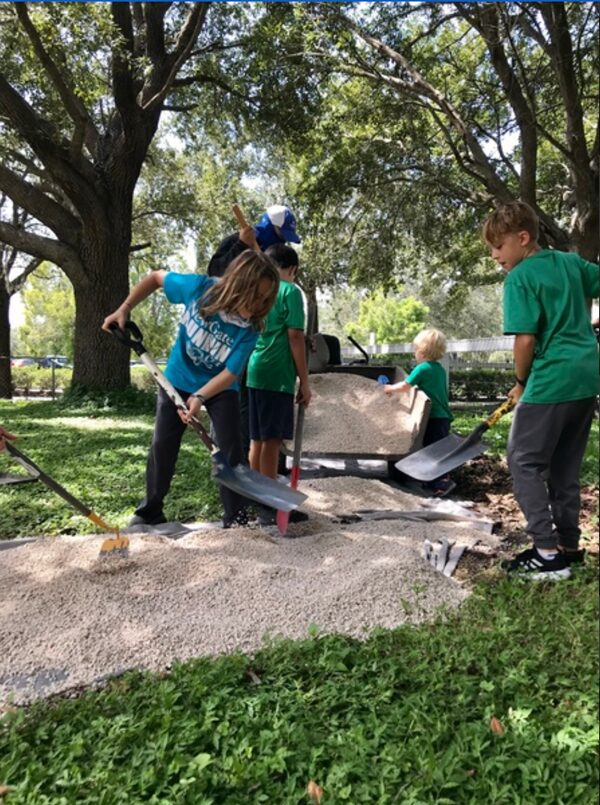
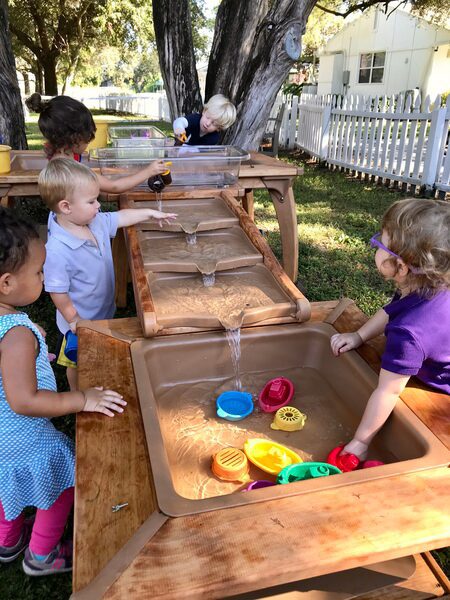

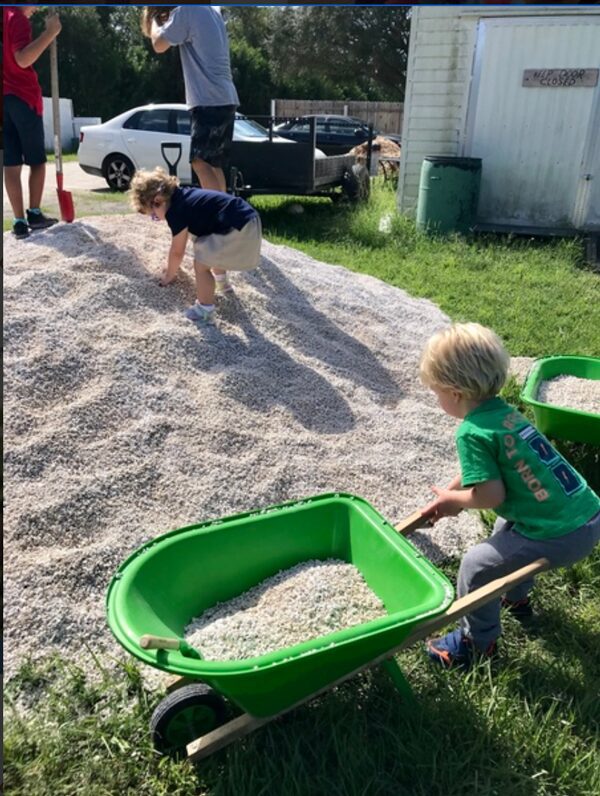
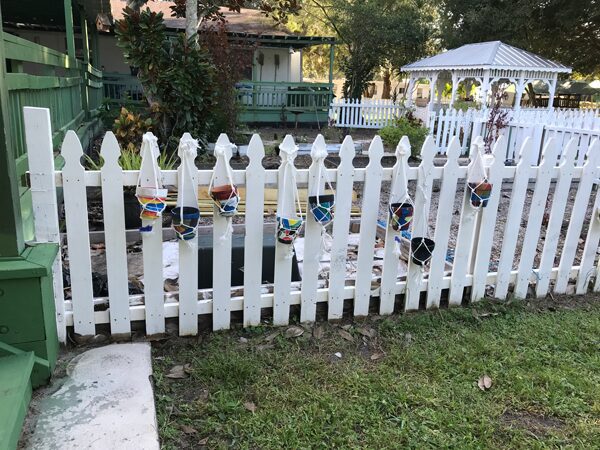

Tanya Ryskind examines the benefits of building a playground
After several years as a Montessori parent, I changed careers to become a Montessori teacher. Today, I am the Head of NewGate School, the Lab School of the Montessori Foundation, and charged with establishing a COVID task force to guide our school’s policies and procedures to mitigate risk and open safely. Our local health departments told us that maintaining physical distance and working outside was one way to reduce exposure and transmission. This year with the stressors of COVID-19, social tensions, and the uncertainty of whether to send our children to school or keep them home, my husband and I started to reflect upon what kept our children in Montessori through high school. We also wondered how parents of young children and elementary school-aged students were handling the situation. Did they feel safe sending their children back to school? Did they live in a state that closed schools indefinitely? How would I respond to parents’ needs at NewGate? How does a family stay connected to their teachers, their children’s friends, and follow state and local guidelines? I found my husband’s words profound. I listened to him from my new perspective as a school leader. He said, “What your school needs to do is build a playground like we did.” Last year, the NewGate buildings and grounds committee helped transform the peace garden into a contemporary rock garden giving the heart of our campus an inspirational renovation. This year, however, we needed to do more, we needed more appropriate work environments for our students. At the toddler level, we needed to rethink and add to our playscapes. At the elementary level, we needed to do more gardening and botanical studies. Our secondary students needed more outdoor seating that protected them from the sun while adjusting for social distancing. In a comprehensive manual from Harvard T. H. Chan School of Public Health, “Schools for Health, Risk Reduction Strategies for Reopening Schools,” June 2020, the authors outline multiple essential strategies for reopening schools and mitigating health risks. To help envision the true potential of these outdoor spaces, I went backward in time. “You need to build a playground like we did,” is what my husband said. When our children were in the infant/toddler and early childhood classrooms, our Montessori school had to move the playground to accommodate a building project. Over several weekends, my husband and I would make the 30-minute commute to our school on the weekend to volunteer to move the playground. Relocating the play area included cutting the sod and carrying it to the new location. It was backbreaking work. Having the three-year-old and infant in tow, I spent time pouring water and hanging out with other parents who had children. Throughout these weekends, we bonded. We discussed the hopes and dreams we had for our children. The laborers kept their energy up by sharing jokes and talking about their jobs. Mostly we heard, “How did we get roped into this?” Twenty-four years later, a group of masked NewGate parents came together to shovel gravel in the heat of the Florida sunshine to create a bike track for toddlers. They trimmed hedges and cleared areas where beautiful wooden playscapes and a treehouse would sit. The adults laughed and shared their hopes and dreams for their children. They cracked jokes. When family isolating is the protocol, in the open air, six feet away, parents of young children were bonding. What I saw reminded me of our family’s experience at our Montessori school. My husband and I believed then and now that we were in partnership with our Montessori school; the teachers, administrators, and other parents. The image of NewGate parents on the toddler playground showed me the replicable nature of our schools. NewGate parents were working as a team for the betterment of their school. Remembering our playground days and watching NewGate’s playground days highlights how a Montessori education gives us an education that focuses on partnership, independence, mutual trust, and respect, on both individual achievement and collaboration. The Harvard public health manual’s healthy activities section specifically outlines five pertinent areas: provide recess; modify physical education, continue sports with enhanced controls, add structure to free time, and reimagine music and theater classes. My husband and I helped build a play area that included a labyrinth, a large area for an organic garden, wood stumps for hopping or running around, a small treehouse, and a spectacular maple tree that would come to be called the giving tree. Over the years, our children strengthened their large motor skills and learned to play fairly. As a young adolescent, our daughter had serious talks with friends about her next steps and what the future looked like. The “playground” we built continues to serve children and families as a safe place, now a safe place to breathe without facial coverings. <h3>Each of the five pertinent parts outlined in the Harvard manual has a bulleted list of suggested activities. These guidelines include:</h3>- Move outdoors.
- Play outdoors as much as possible.
- Do not limit children’s access to recess, the schoolyard, or fixed play equipment.
- Hold physical education classes outdoors when possible.
The Wonder of Woodwork
To continue reading, you will need to choose a subscription plan.
Strategies for Montessori Home Learning
Review:
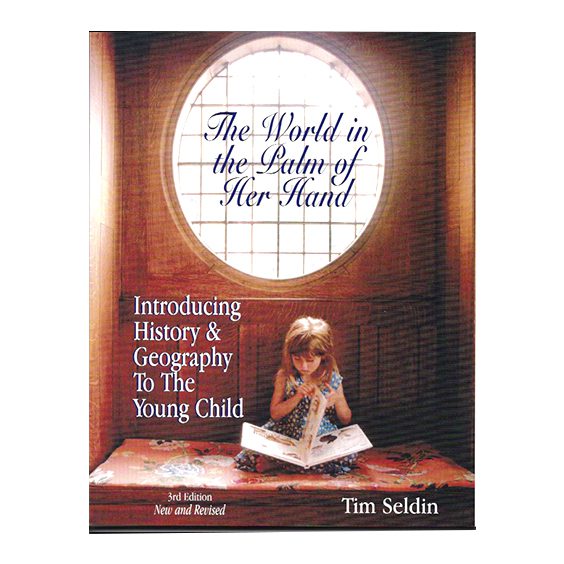
The World in the Palm of Her Hand
By Tim Seldin
click to purchase
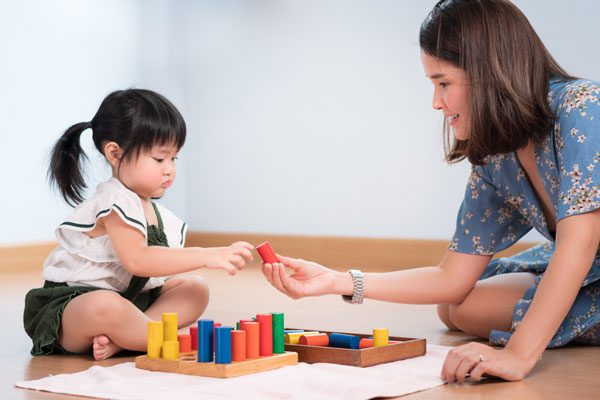
For parents who want some actual scripting on working with their children at home, we recommend this book. I used it on many occasions with my four granddaughters and they enjoyed the activities immensely. You do not need to be in a classroom to have these kinds of conversations about the world in which they live. The book actually contains the introductory lessons for young learners in the areas of Geography and History but our intent is show you that it is possible to have great conversations with your Montessori child in a Montessori way (incidentally, that is the name of another amazing book!).
The carefully constructed lessons your child’s guide delivers is done in what they call the Three-Part Lesson format.
The carefully constructed lessons your child’s guide delivers is done in what they call the Three-Part Lesson format. I’m going to share from the book so you can see how you can do this as well. And again, we don’t expect you to become a Montessori guide nor have the specific materials in your home; our purpose is to help you understand some ways you can engage your children and just follow the format, so that the message is delivered in a verbal way that children are used to hearing from their guide.
LESSON: COLOR IDENTIFICATION:
For the youngest children, who are just learning to master their ability to identify colors.
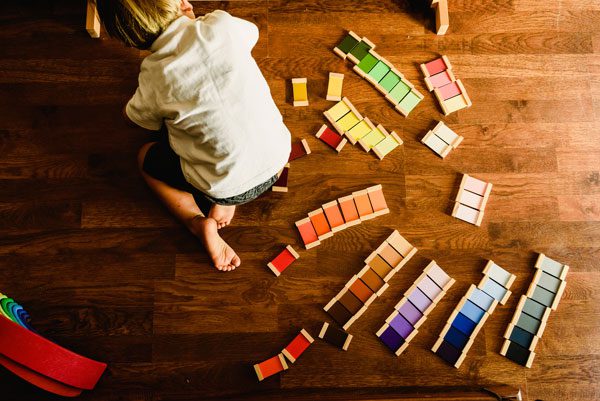 To illustrate how you could do this at home, you could use a variety of ways to demonstrate colors if you don’t have a set of color tiles: index cards (or color swatches for paint that you can get from hardware stores) already made up with first the primary colors of red, yellow and blue. When your children have mastered the primary colors, you can move on to secondary colors: green, purple and orange. You can always use real objects you have in the house, such as fruits and veggies of different colors. Keep it simple and keep it to just a few colors.
Have all your materials set up before you ‘invite’ the child to the work. You might say, “Would you like to do some work with colors right now?” Starting your sentence with “would you” makes it clearer that this isn’t some kind of test with consequences.
First Period
Name the color, “This is red.” Show the child the object.
“This is blue.” Show the child the object.
“This is yellow.” Show the child the object.
Remember to sound really enthusiastic.
Second period
This will help the child link the language and her own experience.
Say, “Would you show me the red (object)?”
“Would you show me the yellow?”
“Would you show me the blue?”
The second period actually does involve some deep learning, so you may need to go back to saying it the first way a few times. Try to sound positive as you restate the names of the colors while showing them each respectively.
Third period
Now you get to ask the child, while pointing to one of the objects, “Which one is red?” and so forth. If the child is unable to make the connection you may need to start at the beginning.
This is just a simple example, but might be useful in understanding that each child learns these skills at their own pace. Should you have an older child, you can use this delivery for more building vocabulary. Call objects by their correct names. For instance, if you are working on naming animals, call a cat a cat and not a kitty; a dog is a dog, and not a doggie. If the child is even older and you have, for instance, a German Shepherd, refer to the breed.
In the Montessori class, lessons are initiated in three ways:
- The teacher senses children’s readiness and invites them to join her/him for a lesson.
- Children become interested spontaneously and ask for a lesson.
- The teacher notices when children choose materials for which they have not yet been given a lesson and comes over to present the lesson.
Presenting the Fundamental Lesson: The fundamental lesson is the basic presentation given by Montessori teachers to introduce children to a new material or activity. If it is to have the enticing quality previously described, teachers must prepare themselves carefully.
- Teachers must be sure that they are completely familiar with the material and its correct use in order to prevent confusing children with their own uncertainty.
- The lesson must be simple and concise enough that the children will be certain to understand.
- The fundamental lesson usually includes only a few words of explanation followed by a demonstration of the typical cycle of work with this material.
- To avoid unnecessary distraction, spoken language is limited when presenting the lesson to younger children; nonverbal communication seems to lead to less confusion.
- Be sure that all the pieces are present for the lesson/material you are presenting. Nothing is more disruptive to the child’s interest and concentration than discovering that something is missing.
- Prepare your work area in advance, allowing for enough space.
- Remember the aims of the lesson.
- Make your presentation quietly dramatic, emphasizing the key points referred to in the lessons under the heading Points of Emphasis.
- When your lesson is finished, either put the materials away with the children’s help, or withdraw to let them work on their own, making sure that they return all the materials when they are done.
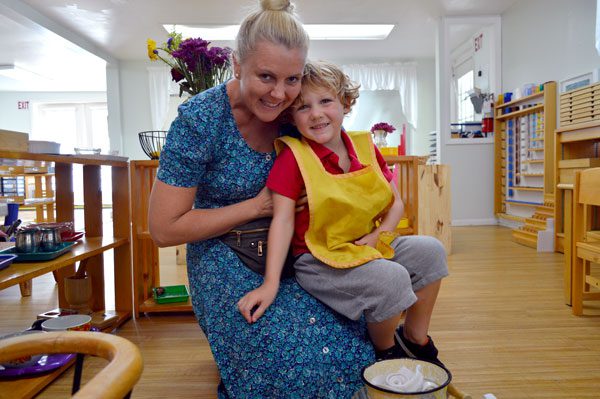
Table Washing: Why do Montessori Students Spend So Much Time Washing Tables?
To continue reading, you will need to choose a subscription plan.

Help! Too Much Information: How Do I Know What to Trust?
To continue reading, you will need to choose a subscription plan.
Featured
-
 The Montessori Way, Revised and Expanded: An Education for Life; A Comprehensive Guide for Parents and Teachers
$25.00
The Montessori Way, Revised and Expanded: An Education for Life; A Comprehensive Guide for Parents and Teachers
$25.00
-
The Montessori Child: A Parent's Guide to Raising Capable Children with Creative Minds and Compassionate Hearts (The Parents' Guide to Montessori)
$20.00
-
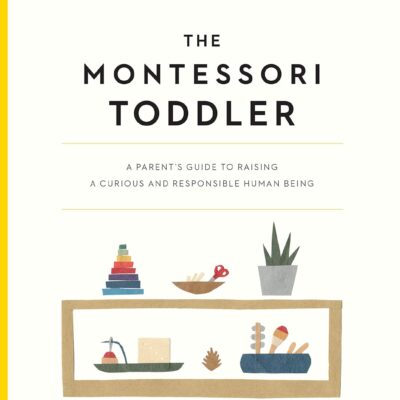
The Montessori Toddler: A Parent's Guide to Raising a Curious and Responsible Human Being (The Parents' Guide to Montessori)
$20.00
-
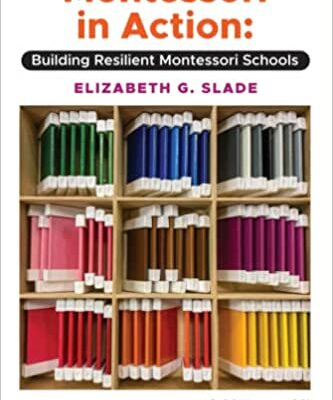
Montessori in Action: Building Resilient Montessori Schools 1st Edition
$29.95
-
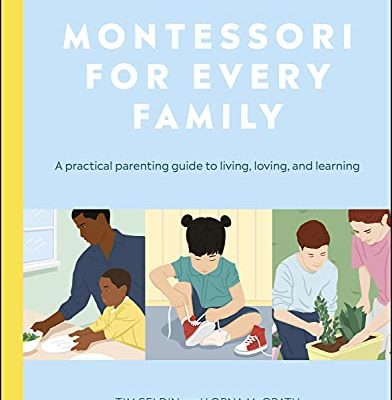
Bulk Order, 30 Copies of Montessori for Every Family: A Practical Parenting Guide To Living, Loving, And Learning
Original price was: $600.00.$510.00Current price is: $510.00.

Products
-
The Montessori Way, Revised and Expanded: An Education for Life; A Comprehensive Guide for Parents and Teachers
$25.00
-
The Montessori Child: A Parent's Guide to Raising Capable Children with Creative Minds and Compassionate Hearts (The Parents' Guide to Montessori)
$20.00
-
The Montessori Toddler: A Parent's Guide to Raising a Curious and Responsible Human Being (The Parents' Guide to Montessori)
$20.00
-
Montessori in Action: Building Resilient Montessori Schools 1st Edition
$29.95
-
Bulk Order, 30 Copies of Montessori for Every Family: A Practical Parenting Guide To Living, Loving, And Learning
Original price was: $600.00.$510.00Current price is: $510.00.