

Parenting Toward Anti-Racism
So many of you have asked, “How do we talk to our children about the social unrest in America? How do we support them as we navigate our way through so many feelings and questions? How and when do we talk to our children about race? Dr.Val Wise along with our other panelists begin to answer those questions and more. Research shows that infants as young as 3 months old have biases. In the beginning these inbred biases were there to protect the tiny human from harm. As children grow they are exposed to other peoples ideas and values which add to the list of biases that children have. Dr. Wise shares her knowledge, expertise, and resources on this topic with participants.
Standing Together…Our Role in Ending Systemic and Internal Racism
Our Hearts Grieve
To our fellow Montessorians;
We join the nation in grieving the death of George Floyd in Minneapolis, as well as the deaths of Breonna Taylor, a first responder in Louisville, Kentucky, shot in her own bed; Ahmaud Arbery, shot while jogging near Brunswick, Georgia; and far too many other black men and women, who have been the victim of racist action in our nation. The International Montessori Council (IMC) and the Montessori Foundation are committed to advancing world peace, equity, inclusion, and diversity. We recognize that these are not isolated incidents but emblematic of a longstanding, egregious pattern of systemic racism – and we stand against it. We must dedicate ourselves to the achievement of real justice and equality for all because injustice and inequality—against even one person—diminishes all of us.
We recognize that it is not enough for us to reject racism. We must be committed to fighting it, to eradicating it on individual and systemic levels. Michelle Obama wrote: “Race and racism is a reality that so many of us grow up learning to just deal with. But if we ever hope to move past it, it can’t just be on people of color to deal with it. It’s up to all of us—black, white, everyone—no matter how well-meaning we think we might be, to do the honest, uncomfortable work of rooting it out. It starts with self-examination and listening to those whose lives are different from our own. It ends with justice, compassion, and empathy that manifests in our lives and on our streets.”
We are aware that this work requires persistent self-awareness, constant self-examination and criticism, intentional systemic change, and a willingness to listen, call out, and stand up. We must send out into the field, Montessorians who are race-conscious guides, credentialed by an association which must model antiracist, conscious principles, and actions.
In a period in which individuals and organizations are not being held accountable, the IMC and Montessori Foundation are committed to this work and to being held accountable for our work to bring an end to racism within our structures.
We also remain committed to the ongoing work of building a diverse, equitable, and inclusive world community. The International Montessori Council (IMC) and The Montessori Foundation also recognize and acknowledge the internal work we all must do. To that end, we are now creating a Social Justice Task Force that will address and act on:
- The inner work of every Montessori teacher, parent, and leader to root out unconscious habits of prejudicial thinking and ideologies
- A Social Justice Curriculum and the instructional changes we must bring into every prepared environment and teacher education program
- Changing our schools’ culture, communications, hiring, and professional development practices and norms, to be more equitable, diverse, and inclusive
- The advocacy work Montessori educators and leaders must now engage in on local, national, and world stages
- Adding the voice of Montessorians of color to the IMC board of trustees
- Educating ourselves and Montessorians about the work of antiracism in all areas of living and working
- Using our voice as a platform for justice
If you have an interest in contributing your time and talents in any of these vital areas of social justice in the Montessori community, we invite you to step forward. Let us know about yourself and your preferred area(s) of focus and service.
In peace,
IMC Board of Trustees
Kathy Leitch, Executive Director IMC
Tim Seldin, President, The Montessori Foundation
June 30, 2020

The Role We Play to End Systemic and Internal Racism What Questions Should We Ask Ourselves?
This was an initial conversation on issues of race and social justice with a panel that included Dr. Valaida Wise, Dr. Cindy Acker, Kristina Torres, Kathy Leitch, Jonathon Wolff and other, and a discussion about meaningful steps that Montessori educators and schools can and must take around the world to creating meaningful and enduring change. Click here to read our emailed statement on this issue. https://app.robly.com/archive?id=181e600a895e4488d7924fabc3e8abcd

Montessori: The Science — Part 9: Positive Adult Interaction
Dr. Angeline Lillard presents Maria Montessori’s key insights about childhood education, the subsequent educational research that has validated her approach, and how these ideas are implemented in a modern Montessori classroom.
From Montessori: The Science Behind the Genius
For more information, visit: http://montessori-science.org

Dr. Fred Luskin Keynote
To continue reading, you will need to choose a subscription plan.

Book Review: Maybe I Can Love my Neighbor Too
Written by Jennifer Grant
Illustrated by Benjamin Schipper
In this story, a young girl, who lives in the city, is wondering about a large apartment building that is being constructed across the street and she asks her mother, “Will all the new people be our neighbors, too?” Her mother’s response is that all people, near or far are neighbors. The girl knows that she is supposed to love her neighbors but doesn’t know how she could love so many people. As she and her mother go through their day, she notices many examples of how people can be loving to each other: helping an elderly man retrieve his dog; sharing toys with other children in the park; making a loaf of bread and giving it to a neighbor; helping someone carry their groceries; and more. By the end of the book, the girl feels confident that there are so many ways to show love to all her neighbors around the world. The illustrations have a colorful, sort of cartoon style. They depict people from many different backgrounds, ages, and ethnicities. This would be a good book for children three years old through the elementary grades.
Webcast Power of Forgiveness
To continue reading, you will need to choose a subscription plan.

Webcast Developing Social Emotional Skills with Diverse Learners
To continue reading, you will need to choose a subscription plan.

Letter From The Executive Director
To continue reading, you will need to choose a subscription plan.
Webcast: A Montessori Retrospective With Dina Paulik
To continue reading, you will need to choose a subscription plan.
Webcast: Teaching Positive Social Development To All Students
To continue reading, you will need to choose a subscription plan.

Dear Cathie
To continue reading, you will need to choose a subscription plan.

An Unlikely Gift: How An Empty Bottle Filled My Heart
To continue reading, you will need to choose a subscription plan.
Reaching for Peace
To continue reading, you will need to choose a subscription plan.

The Power Of Forgiveness
To continue reading, you will need to choose a subscription plan.

The Montessori Difference: Understanding Its Essential Elements
To continue reading, you will need to choose a subscription plan.
Webcast: The International Montessori Council – Where Will We Be 20 Years From Now
To continue reading, you will need to choose a subscription plan.
Featured
-
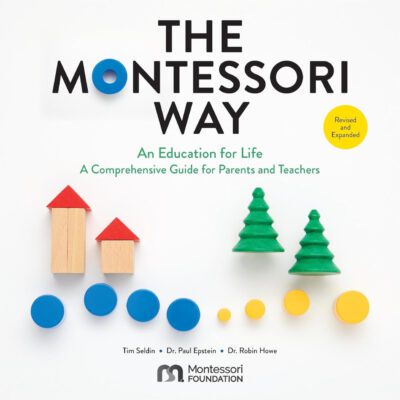
 The Montessori Way, Revised and Expanded: An Education for Life; A Comprehensive Guide for Parents and Teachers
$25.00
The Montessori Way, Revised and Expanded: An Education for Life; A Comprehensive Guide for Parents and Teachers
$25.00
-
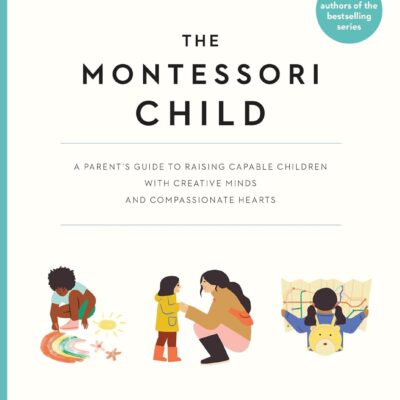
The Montessori Child: A Parent's Guide to Raising Capable Children with Creative Minds and Compassionate Hearts (The Parents' Guide to Montessori)
$20.00
-
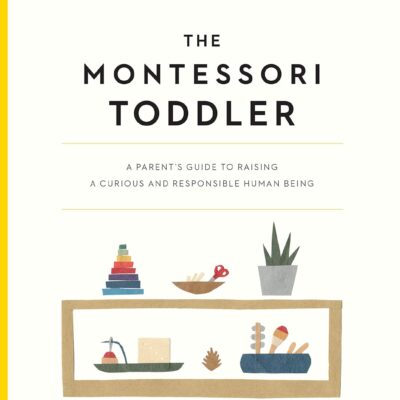
The Montessori Toddler: A Parent's Guide to Raising a Curious and Responsible Human Being (The Parents' Guide to Montessori)
$20.00
-
Montessori in Action: Building Resilient Montessori Schools 1st Edition
$29.95
-
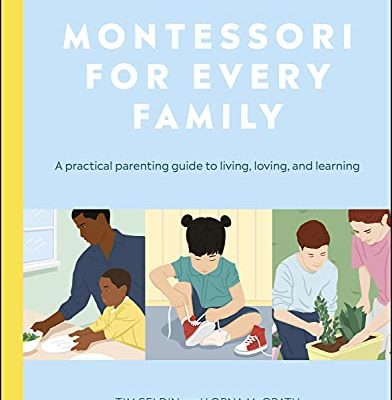
Bulk Order, 30 Copies of Montessori for Every Family: A Practical Parenting Guide To Living, Loving, And Learning
Original price was: $600.00.$510.00Current price is: $510.00.


Products
-
The Montessori Way, Revised and Expanded: An Education for Life; A Comprehensive Guide for Parents and Teachers
$25.00
-
The Montessori Child: A Parent's Guide to Raising Capable Children with Creative Minds and Compassionate Hearts (The Parents' Guide to Montessori)
$20.00
-
The Montessori Toddler: A Parent's Guide to Raising a Curious and Responsible Human Being (The Parents' Guide to Montessori)
$20.00
-
Montessori in Action: Building Resilient Montessori Schools 1st Edition
$29.95
-
Bulk Order, 30 Copies of Montessori for Every Family: A Practical Parenting Guide To Living, Loving, And Learning
Original price was: $600.00.$510.00Current price is: $510.00.